

The week brought a mix of regulatory scrutiny, financial results, strategic expansion and industry analysis across the retail and institutional trading sectors. Brokers continued to adapt to changing market conditions while balancing growth initiatives with tighter regulatory expectations and shifting client behaviour.
Several firms reported strong operational performance despite currency pressures, while others pursued acquisitions, licensing and potential public listings. At the same time, Finance Magnates examined broader structural trends affecting the industry, from the economics of choosing an EU jurisdiction to changing client acquisition strategies and the outlook for commodities and alternative investment products.
IG Bets on Prediction Markets with $1.3 Billion Underdog Deal

IG Group agreed to acquire US prediction markets and fantasy sports operator Underdog for up to approximately $1.3 billion, making the sector a key pillar of its long-term growth strategy.
The transaction includes about $1.1 billion in upfront consideration and a further $200 million earnout linked to performance. IG expects the acquisition to more than double its US revenue and increase monthly active customers by more than tenfold.
- Dubai Didn’t Just Win the Brokers. It’s Winning the People Who Run Them.
- IC Returns to German Football with RB Leipzig Following Haas and Tennis Deals
- Gold and FX Drive VT Markets to $8 Trillion H1 Trading Volume, Up 212%
The deal also provides the broker with a vertically integrated US infrastructure spanning brokerage, exchange and clearing, while expanding its offering beyond sports into financial, cryptocurrency and macroeconomic event contracts. Completion is expected in late 2026 or early 2027.
Squared Financial's Offshore Operations Face Fresh Questions
Squared Financial appeared to have shut down its Seychelles-based offshore operation about six months after surrendering its Cyprus licence. Finance Magnates found that new clients could no longer open accounts through the broker's website, while online reviews increasingly cited delayed withdrawals and an inability to contact customer support.
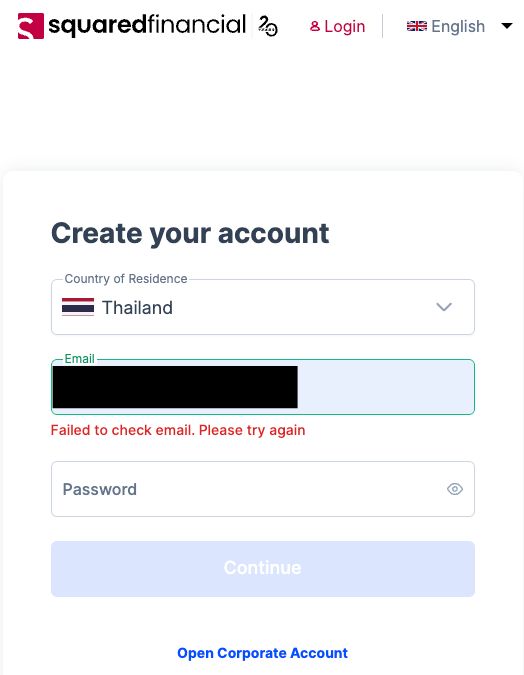
Trustpilot also warned that it had removed fake reviews from the firm's profile. Former Nigeria Managing Director Temitope Ijibadejo publicly raised concerns over pending client withdrawals and called for an investigation by local authorities. Although the Seychelles licence remains active, the broker did not respond to Finance Magnates' requests for comment before publication.
Cyprus Tax Advantage May Not Pay Until Brokers Reach Scale
Finance Magnates analysis found that Cyprus' reduced corporate tax advantage over Poland has narrowed the financial case for establishing a brokerage there. Following Cyprus' tax increase to 15% at the start of 2026, FM Intelligence modelling suggested a broker may need around €3 million in annual pre-tax profit before lower taxation offsets higher operating costs.
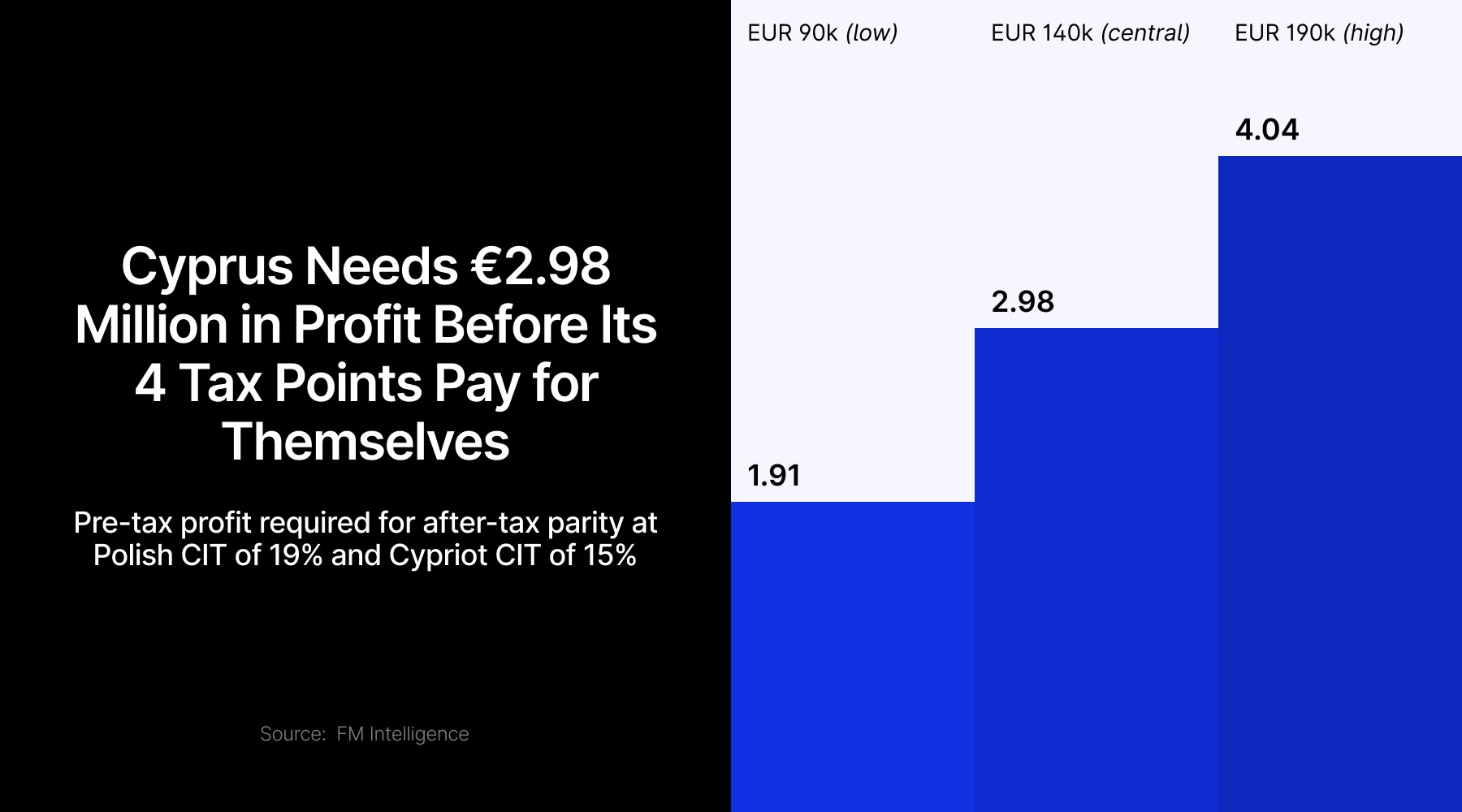
The study concluded that staffing, operating expenses and business location often outweigh tax savings for smaller firms. While Cyprus retains advantages as a cross-border financial hub, Poland continues to benefit from lower labour costs, growing domestic investor participation and a rapidly expanding brokerage market.
Trade Nation Sees Growth Opportunities Despite Tougher EU Rules
Trade Nation Portugal CEO Luis Dos Santos said stricter European regulation should ultimately strengthen confidence in regulated brokers rather than weaken the market. Speaking to Finance Magnates, he said the company chose Portugal for regulatory stability and long-term expansion rather than lower operating costs.

The broker recently secured a licence from Portugal's CMVM after an authorisation process lasting about a year and is now expanding its local workforce. Dos Santos also said retail trading demand continues to grow across Europe despite tighter rules, while artificial intelligence is being introduced to support operations without replacing recruitment plans as the company expands across the region.
Investment Products Bring Clients to XTB but CFDs Still Drive Revenue
XTB's latest financial results highlighted a widening gap between how it attracts clients and how it generates earnings. During the first half of 2026, shares, ETFs and Investment Plans accounted for nearly 83% of first transactions by new European clients, reflecting the broker's continued push into long-term investing.
However, CFDs still generated about 96% of gross income from financial instruments, with commodity CFDs contributing more than three-quarters of the total. The broker reported record financial results, including sharply higher revenue and profit, while continuing to expand its product range through equity options, Investment Plans 2.0 and Cash ISA services in the UK.
iFOREX Reports Higher Client Growth Despite Currency Headwinds
Fresh from its London Stock Exchange listing, iFOREX reported strong first-half trading despite the strengthening Israeli shekel weighing on reported earnings. Revenue remained broadly stable year on year while new client onboarding increased 19% and active clients rose 8%.

On a constant currency basis, adjusted EBITDA met the company's expectations, although exchange rate movements reduced reported profitability. Management expects operating costs to rise this year because of continued shekel strength.
During the period, iFOREX also applied for a UAE Category 5 licence, appointed a new chief operating officer to support greater AI integration and maintained a debt-free balance sheet.
BlackBull Grows Revenue Ahead of Planned Public Listing
BlackBull's latest New Zealand filing showed revenue growth alongside higher client funds as the broker continues preparations for a proposed dual listing in New Zealand and Australia. Revenue from its domestic business increased to more than NZ$41 million while client funds rose almost 87% to nearly NZ$100 million.
However, both pre-tax and net profit declined as operating expenses increased, including platform costs, reseller fees and marketing expenditure. Previous investor materials showed significantly stronger group-wide financial performance than the New Zealand entity alone, underlining the importance of the broker's international operations as it advances plans to become one of the few listed global CFD brokers.
LMAX Explores Strategic Options as Valuation Reaches $5 Billion

LMAX Group is reportedly considering strategic options that could value the company at up to $5 billion, with a Nasdaq listing emerging as the preferred route alongside alternatives including a sale, SPAC merger or European IPO. According to CoinDesk, Morgan Stanley and KBW are advising the process.
The reported valuation would represent a substantial increase from the company's estimated $1 billion valuation in 2021 despite earnings growing at a much slower pace over the period. While LMAX has reported strong trading volume growth, its latest publicly available financial statements still relate to 2024, leaving investors waiting for updated earnings.
MAS Markets Moves Closer to Full Acquisition of Solid
MAS Group acquired a strategic equity stake in institutional spot FX specialist Solid, with both companies describing the transaction as the first step towards a full acquisition over the coming years. The deal reverses a relationship that began in 2022 when Solid purchased a minority stake in what was then BidX Markets.

MAS said the investment broadens its institutional presence beyond margin trading while giving Solid's clients access to its FCA-regulated infrastructure and wider product offering. Neither company disclosed the financial terms or the size of the acquired stake, although both confirmed that client relationships and services would remain unchanged during the integration.
Gold Cools While Faith-Based Investing Faces Structural Challenges
Beyond the brokerage sector, Paul Golden examined two broader investment themes. Gold and silver retreated sharply after their early-2026 rallies, with analysts suggesting both metals remain supported over the longer term despite easing supply pressures and changing investor sentiment.
Gold continues to respond to geopolitical developments and central bank buying, particularly in China, while silver's outlook remains tied to industrial demand. Separately, analysis of faith-based investment funds found that despite serving a potentially vast global audience, the sector continues to face challenges including higher costs, inconsistent screening standards, limited passive products and mixed long-term performance.


