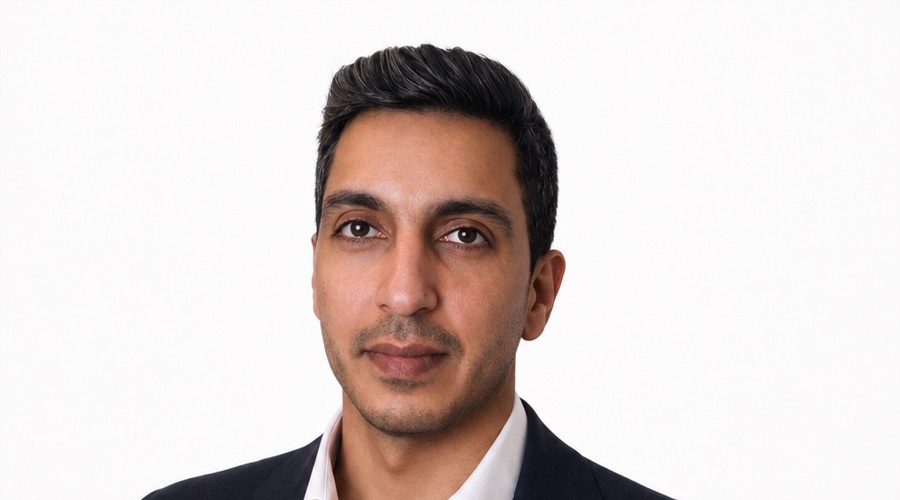
Jay Mawji, CEO of STARPRIME: "Brokerages will become more stand-alone silos"

Monday, 05/10/2026 | 13:42 GMT by Sylwester Majewski
  • During the gold rally, STARPRIME kept spreads to 6c–8c versus 40c market-wide, while up to 70% of order flow is now flagged by LPs as "sharp."
  • Surging overnight fees and tighter depth signal a permanent shift in market risk governance, pushing brokers toward internal tech, peer-to-peer liquidity, and direct execution models by 2030.
Jay Mawji, CEO of STARPRIME

Finance Magnates Intelligence spoke with Jay Mawji, CEO of STARPRIME, an institutional CFD liquidity provider and market maker, to discuss how liquidity provision is changing amid volatile markets, growing concentration in gold trading and advances in trading technology. Mawji discussed how STARPRIME managed extreme gold flows, as well as the challenges of 24/7 trading, stressed liquidity and the growing role of AI in execution and risk management.

Gold Rally Puts Liquidity to the Test

Gold was one of the strongest themes of the discussion. During the most intense phase of the rally, STARPRIME recorded a 60% increase in volumes, creating what Mawji described as a “perfect stress test” for its market-making model. While spreads across the wider market reached around 40c, he said STARPRIME maintained pricing between 6c and 8c without reducing liquidity depth. The firm also actively adjusted its LP pool, directing more flow towards providers willing to take risk and reducing allocations to those moving into a risk-off position.

According to Mawji, the experience has changed how the industry approaches gold risk. “It’s a whole different world now, a better world,” he said. In his view, many previous liquidity offerings had effectively been designed around a best-case scenario. Since the rally, overnight fees have increased, pricing has widened and market depth has become more restricted, reflecting a stronger focus on risk governance and the ability to manage order flow under different market conditions. He also noted that as much as 70% of order flow can now be flagged by LPs as “sharp”.

What the FX/CFD Industry Could Look Like in 2030

Looking towards 2030, Mawji expects technology and risk management to reshape the structure of the FX and CFD industry. As brokers invest more heavily in their own trading technology and liquidity infrastructure, he believes “the middlemen” could increasingly come under pressure, with more activities managed internally. He also sees potential for peer-to-peer liquidity models and structures resembling Multilateral Trading Facilities. These are only some of the topics covered in our conversation, which also explored AI, stressed liquidity and new trading products.

Read the full interview with Jay Mawji on the FM Intelligence Portal.

Finance Magnates Intelligence spoke with Jay Mawji, CEO of STARPRIME, an institutional CFD liquidity provider and market maker, to discuss how liquidity provision is changing amid volatile markets, growing concentration in gold trading and advances in trading technology. Mawji discussed how STARPRIME managed extreme gold flows, as well as the challenges of 24/7 trading, stressed liquidity and the growing role of AI in execution and risk management.

Gold Rally Puts Liquidity to the Test

Gold was one of the strongest themes of the discussion. During the most intense phase of the rally, STARPRIME recorded a 60% increase in volumes, creating what Mawji described as a “perfect stress test” for its market-making model. While spreads across the wider market reached around 40c, he said STARPRIME maintained pricing between 6c and 8c without reducing liquidity depth. The firm also actively adjusted its LP pool, directing more flow towards providers willing to take risk and reducing allocations to those moving into a risk-off position.

According to Mawji, the experience has changed how the industry approaches gold risk. “It’s a whole different world now, a better world,” he said. In his view, many previous liquidity offerings had effectively been designed around a best-case scenario. Since the rally, overnight fees have increased, pricing has widened and market depth has become more restricted, reflecting a stronger focus on risk governance and the ability to manage order flow under different market conditions. He also noted that as much as 70% of order flow can now be flagged by LPs as “sharp”.

What the FX/CFD Industry Could Look Like in 2030

Looking towards 2030, Mawji expects technology and risk management to reshape the structure of the FX and CFD industry. As brokers invest more heavily in their own trading technology and liquidity infrastructure, he believes “the middlemen” could increasingly come under pressure, with more activities managed internally. He also sees potential for peer-to-peer liquidity models and structures resembling Multilateral Trading Facilities. These are only some of the topics covered in our conversation, which also explored AI, stressed liquidity and new trading products.

Read the full interview with Jay Mawji on the FM Intelligence Portal.

About the Author: Sylwester Majewski
Sylwester Majewski
  • 171 Articles
  • 21 Followers
About the Author: Sylwester Majewski
Sylwester is a graduate of the Warsaw School of Economics, holding an MA in Finance and Banking. He currently serves as Head of the Insights & Reporting Hub at Finance Magnates. He is also a former minority partner in an NFA-registered US forex broker and has been involved in numerous forex and trading industry projects since 2003. Privately, Sylwester is a husband and father to a 7-year-old daughter, as well as an enthusiast of trading and Formula 1.
  • 171 Articles
  • 21 Followers

More from the Author

Institutional FX

!"#$%&'()*+,-./0123456789:;<=>?@ABCDEFGHIJKLMNOPQRSTUVWXYZ[\]^_`abcdefghijklmnopqrstuvwxyz{|} !"#$%&'()*+,-./0123456789:;<=>?@ABCDEFGHIJKLMNOPQRSTUVWXYZ[\]^_`abcdefghijklmnopqrstuvwxyz{|}