FINRA warns of AI as an emerging risk, stressing the need for thorough review of AI-generated content.
SEC targets ‘AI-washing,’ addressing firms that exaggerate AI use to mislead investors.
In March 2023, SEC Chairman Gary Gensler described
Artificial Intelligence as “the most transformative technology of our time, on
par with the internet and mass production of automobiles".
When any groundbreaking tool arrives, a period of adaptation
is required. This is more pronounced for regulators, who need to quickly
assimilate enough information to not only understand, but eventually govern the
technology in question. Meanwhile, that technology permeates the industry at a
breakneck pace and new habits are established, for better or worse.
The role of regulators, already under pressure, becomes even
more challenging with the advent of artificial intelligence. AI introduces
significant complexity and responsibility, making effective governance crucial.
This is a pivotal moment in human development, with lessons to be learned for
various sectors, including finance.
SEC: In July 2023, SEC Chairman Gensler raised
concerns about AI in investment decisions, highlighting risks of tech platform
dominance and potential biases in AI models. His scepticism was notable given
that AI-generated misinformation had falsely suggested his resignation.
Gary Gensler, SEC's Chair
In June 2024, the SEC's Investor Advisory Committee held a
panel discussion on the use of AI, and Gensler reiterated his concerns,
stressing that it could lead to conflicts of interest between a platform and
its customers. He also emphasized that fundamental requirements still apply,
and “market participants still need to comply with our time-tested laws”.
Despite this, there had been little concrete guidance
provided up to that point, with some proposals discussed last year remaining
under consideration.
FINRA: In the 2024 FINRA Annual Regulatory Oversight
Report, FINRA explicitly classified AI as an ‘emerging risk’, recommending that
firms consider its pervasive impact and the regulatory consequences of its
deployment.
Ornella Bergeron, FINRA senior vice president of member
supervision, said that despite the operational efficiencies afforded by
developments in AI, there were worries.
“While these tools
can present really promising opportunities, their development has raised
concerns about things like accuracy, privacy, bias and intellectual
property."
In May 2024, FINRA
released updated FAQs to clarify its stance around AI-created content. These
essentially stressed that regulatory standards still applied, and firms were
accountable for their output regardless of whether it was generated by humans
or AI.
CFTC: The Commodity Futures Trading Commission (CFTC)
has been relatively active around AI. In May, it released a report entitled
“Responsible Artificial Intelligence in Financial Markets: Opportunities, Risks
& Recommendations.” This seemed to signal the CFTC’s desire to oversee the
space.
Fundamental recordkeeping regulations like the SEC Marketing
Rule and FINRA rule 2210 put strong emphasis on the accuracy and integrity of
information that a firm communicates to its customers. The use of AI tools may
well jeopardize these tenets due to the unpredictable and often inaccurate
rhetoric that language models have built a reputation for.
As FINRA earlier clarified, it is the content itself that
firms will be held accountable for – the tools that are used to create it are
not necessarily relevant. This means that at the very least, all
machine-generated output should be reviewed thoroughly before publication.
AI-Washing
Despite much regulation around AI barely reaching the
proposal stage, we have already begun to see enforcement in some relevant
areas.
— U.S. Securities and Exchange Commission (@SECGov) July 30, 2024
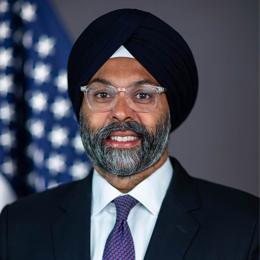
Gurbir Grewal, Director of the SEC’s Division of Enforcement
In March, the SEC launched enforcement actions targeting
‘AI-washing’ — accusing two investment advisory firms of exaggerating the use
of AI in their products and services to mislead investors. While the penalties
imposed in these cases were minimal, the director of the SEC’s Enforcement
Division, Gurbir Grewal, confirmed that they hoped to send a message to the
industry.
“I hope these
actions put the investment industry on notice. If you are rushing to make
claims about using AI in your investment processes to capitalize on growing
investor interest, stop. Take a step back, and ask yourselves: do these
representations accurately reflect what we are doing or are they simply
aspirational?
“If it’s the latter, your actions may constitute the type of
“AI-washing” that violates the federal securities laws.”
What’s Next?
SEC: At June’s
Investment Advisory Committee meeting, the SEC discussed rules which were
initially proposed in July 2023, addressing potential conflicts of interest
from using predictive data analytics (PDA) in investor interactions. The
proposals called for any of these conflicts of interest to be recorded, and
then quickly eliminated.
The June 6th panel
participants were largely supportive of these proposals, which are now expected
to proceed quickly. In the meantime, by quickly applying punishments and
sending a message on AI-washing, the SEC appears eager to show strength through
enforcement in more clear-cut scenarios.
FINRA: As well as confirming companies’
responsibility for chatbot generated output, the updates to FINRA’s FAQs
stressed that firms must also supervise these communications. This means that
policies and procedures must be established.
On the latest #FINRAUnscripted episode, we hear from 3 experts at FINRA who are closely looking at Generative AI and large language models, and how they offer potential benefits to firms, regulators, and investors, albeit accompanied by unique risks. 🎧 https://t.co/sJOUklN77Xpic.twitter.com/tvgvPPDCGW
Those guidelines could address how technologies are selected
in the procurement phase, how staff are trained to use them, what level of
human oversight exists after content has been generated etc. If firms have
already adopted chatbot technology, or if they’re considering it, the next step
should be to develop this internal framework.
CFTC: The CFTC showed strong commitment to AI
regulation, advocating for public discussion and cross-agency collaboration.
Their report outlined key opportunities, risks, and recommendations for a
formal framework.
— Kayne McGladrey, CISSP (@kaynemcgladrey) May 15, 2024
The Department of the Treasury followed with a request for
information, noting a potential shortage of skilled employees to manage AI
tools. Their involvement supports the CFTC, FINRA, and SEC’s efforts, with
regulators now using AI to aid their progress.
“The SEC has begun analyzing how generative AI models could
potentially help tackle the regulators’ workload”, said Scott Gilbert,
vice-president, risk monitoring, member supervision with FINRA, at the FINRA
conference.
The Human Touch
A recent FINRA report shows that, despite AI's growing role,
few consumers trust it for personal finance advice, supporting regulatory
concerns about AI. This skepticism suggests stricter governance is likely. As
with past delays in regulating new technologies, regulators might eventually
backdate penalties to uphold their principles. Meanwhile, firms should document
all AI and human-generated outputs to ensure comprehensive compliance.
In March 2023, SEC Chairman Gary Gensler described
Artificial Intelligence as “the most transformative technology of our time, on
par with the internet and mass production of automobiles".
When any groundbreaking tool arrives, a period of adaptation
is required. This is more pronounced for regulators, who need to quickly
assimilate enough information to not only understand, but eventually govern the
technology in question. Meanwhile, that technology permeates the industry at a
breakneck pace and new habits are established, for better or worse.
The role of regulators, already under pressure, becomes even
more challenging with the advent of artificial intelligence. AI introduces
significant complexity and responsibility, making effective governance crucial.
This is a pivotal moment in human development, with lessons to be learned for
various sectors, including finance.
SEC: In July 2023, SEC Chairman Gensler raised
concerns about AI in investment decisions, highlighting risks of tech platform
dominance and potential biases in AI models. His scepticism was notable given
that AI-generated misinformation had falsely suggested his resignation.
Gary Gensler, SEC's Chair
In June 2024, the SEC's Investor Advisory Committee held a
panel discussion on the use of AI, and Gensler reiterated his concerns,
stressing that it could lead to conflicts of interest between a platform and
its customers. He also emphasized that fundamental requirements still apply,
and “market participants still need to comply with our time-tested laws”.
Despite this, there had been little concrete guidance
provided up to that point, with some proposals discussed last year remaining
under consideration.
FINRA: In the 2024 FINRA Annual Regulatory Oversight
Report, FINRA explicitly classified AI as an ‘emerging risk’, recommending that
firms consider its pervasive impact and the regulatory consequences of its
deployment.
Ornella Bergeron, FINRA senior vice president of member
supervision, said that despite the operational efficiencies afforded by
developments in AI, there were worries.
“While these tools
can present really promising opportunities, their development has raised
concerns about things like accuracy, privacy, bias and intellectual
property."
In May 2024, FINRA
released updated FAQs to clarify its stance around AI-created content. These
essentially stressed that regulatory standards still applied, and firms were
accountable for their output regardless of whether it was generated by humans
or AI.
CFTC: The Commodity Futures Trading Commission (CFTC)
has been relatively active around AI. In May, it released a report entitled
“Responsible Artificial Intelligence in Financial Markets: Opportunities, Risks
& Recommendations.” This seemed to signal the CFTC’s desire to oversee the
space.
Fundamental recordkeeping regulations like the SEC Marketing
Rule and FINRA rule 2210 put strong emphasis on the accuracy and integrity of
information that a firm communicates to its customers. The use of AI tools may
well jeopardize these tenets due to the unpredictable and often inaccurate
rhetoric that language models have built a reputation for.
As FINRA earlier clarified, it is the content itself that
firms will be held accountable for – the tools that are used to create it are
not necessarily relevant. This means that at the very least, all
machine-generated output should be reviewed thoroughly before publication.
AI-Washing
Despite much regulation around AI barely reaching the
proposal stage, we have already begun to see enforcement in some relevant
areas.
— U.S. Securities and Exchange Commission (@SECGov) July 30, 2024
Gurbir Grewal, Director of the SEC’s Division of Enforcement
In March, the SEC launched enforcement actions targeting
‘AI-washing’ — accusing two investment advisory firms of exaggerating the use
of AI in their products and services to mislead investors. While the penalties
imposed in these cases were minimal, the director of the SEC’s Enforcement
Division, Gurbir Grewal, confirmed that they hoped to send a message to the
industry.
“I hope these
actions put the investment industry on notice. If you are rushing to make
claims about using AI in your investment processes to capitalize on growing
investor interest, stop. Take a step back, and ask yourselves: do these
representations accurately reflect what we are doing or are they simply
aspirational?
“If it’s the latter, your actions may constitute the type of
“AI-washing” that violates the federal securities laws.”
What’s Next?
SEC: At June’s
Investment Advisory Committee meeting, the SEC discussed rules which were
initially proposed in July 2023, addressing potential conflicts of interest
from using predictive data analytics (PDA) in investor interactions. The
proposals called for any of these conflicts of interest to be recorded, and
then quickly eliminated.
The June 6th panel
participants were largely supportive of these proposals, which are now expected
to proceed quickly. In the meantime, by quickly applying punishments and
sending a message on AI-washing, the SEC appears eager to show strength through
enforcement in more clear-cut scenarios.
FINRA: As well as confirming companies’
responsibility for chatbot generated output, the updates to FINRA’s FAQs
stressed that firms must also supervise these communications. This means that
policies and procedures must be established.
On the latest #FINRAUnscripted episode, we hear from 3 experts at FINRA who are closely looking at Generative AI and large language models, and how they offer potential benefits to firms, regulators, and investors, albeit accompanied by unique risks. 🎧 https://t.co/sJOUklN77Xpic.twitter.com/tvgvPPDCGW
Those guidelines could address how technologies are selected
in the procurement phase, how staff are trained to use them, what level of
human oversight exists after content has been generated etc. If firms have
already adopted chatbot technology, or if they’re considering it, the next step
should be to develop this internal framework.
CFTC: The CFTC showed strong commitment to AI
regulation, advocating for public discussion and cross-agency collaboration.
Their report outlined key opportunities, risks, and recommendations for a
formal framework.
— Kayne McGladrey, CISSP (@kaynemcgladrey) May 15, 2024
The Department of the Treasury followed with a request for
information, noting a potential shortage of skilled employees to manage AI
tools. Their involvement supports the CFTC, FINRA, and SEC’s efforts, with
regulators now using AI to aid their progress.
“The SEC has begun analyzing how generative AI models could
potentially help tackle the regulators’ workload”, said Scott Gilbert,
vice-president, risk monitoring, member supervision with FINRA, at the FINRA
conference.
The Human Touch
A recent FINRA report shows that, despite AI's growing role,
few consumers trust it for personal finance advice, supporting regulatory
concerns about AI. This skepticism suggests stricter governance is likely. As
with past delays in regulating new technologies, regulators might eventually
backdate penalties to uphold their principles. Meanwhile, firms should document
all AI and human-generated outputs to ensure comprehensive compliance.
Harriet graduated from the University of Sheffield in 2010, with a BA in Management Accounting, Entrepreneurship, Business Law, BSR, HR. She entered the Tourism space, starting as an Accounts Executive at LateRooms.com, and earning the title of Global Accounts Manager within 3 years. She occupied this role for a further 5 years as the business continued to evolve and flourish, before taking up her role as a Key Account Manager with MirrorWeb, a data archiving solution based in Manchester.
Harriet was appointed Chief Operating Officer in 2020. Since then, she has helped oversee the evolution of the MirrorWeb product and service offering, as well as the business' impressive growth since her taking on the role.
https://www.mirrorweb.com/
FTMO Says Monthly Rewards Near $15 Million in September
Featured Videos
AvaTrade to Acquire Most of FXCM; NAGA Raises $8M
AvaTrade to Acquire Most of FXCM; NAGA Raises $8M
AvaTrade to Acquire Most of FXCM; NAGA Raises $8M
AvaTrade to Acquire Most of FXCM; NAGA Raises $8M
Today’s financial news recap covers AvaTrade agrees to acquire most of FXCM, NAGA secures eight million dollars in new financing, and Wise seeks a tax settlement in the UK.
Finance Magnates Daily Recap brings you the latest news from forex and CFD brokers, fintech, payments, cryptocurrency, digital assets, trading platforms, financial regulation and global markets.
Get the key company news, executive moves, deals, regulatory updates and market developments of the day, in just a few minutes. New episodes published every weekday.
Read more: https://www.financemagnates.com
#FinanceMagnates #ForexNews #FintechNews
Today’s financial news recap covers AvaTrade agrees to acquire most of FXCM, NAGA secures eight million dollars in new financing, and Wise seeks a tax settlement in the UK.
Finance Magnates Daily Recap brings you the latest news from forex and CFD brokers, fintech, payments, cryptocurrency, digital assets, trading platforms, financial regulation and global markets.
Get the key company news, executive moves, deals, regulatory updates and market developments of the day, in just a few minutes. New episodes published every weekday.
Read more: https://www.financemagnates.com
#FinanceMagnates #ForexNews #FintechNews
Today’s financial news recap covers AvaTrade agrees to acquire most of FXCM, NAGA secures eight million dollars in new financing, and Wise seeks a tax settlement in the UK.
Finance Magnates Daily Recap brings you the latest news from forex and CFD brokers, fintech, payments, cryptocurrency, digital assets, trading platforms, financial regulation and global markets.
Get the key company news, executive moves, deals, regulatory updates and market developments of the day, in just a few minutes. New episodes published every weekday.
Read more: https://www.financemagnates.com
#FinanceMagnates #ForexNews #FintechNews
Today’s financial news recap covers AvaTrade agrees to acquire most of FXCM, NAGA secures eight million dollars in new financing, and Wise seeks a tax settlement in the UK.
Finance Magnates Daily Recap brings you the latest news from forex and CFD brokers, fintech, payments, cryptocurrency, digital assets, trading platforms, financial regulation and global markets.
Get the key company news, executive moves, deals, regulatory updates and market developments of the day, in just a few minutes. New episodes published every weekday.
Read more: https://www.financemagnates.com
#FinanceMagnates #ForexNews #FintechNews
XTB Adds Overnight US Stock Trading; Nasdaq Ventures Invests in One Trading
XTB Adds Overnight US Stock Trading; Nasdaq Ventures Invests in One Trading
XTB Adds Overnight US Stock Trading; Nasdaq Ventures Invests in One Trading
XTB Adds Overnight US Stock Trading; Nasdaq Ventures Invests in One Trading
XTB Adds Overnight US Stock Trading; Nasdaq Ventures Invests in One Trading
XTB Adds Overnight US Stock Trading; Nasdaq Ventures Invests in One Trading
Today’s financial news recap covers XTB expands overnight US stock trading, Fortrade reports higher revenue, Nasdaq backs One Trading, and Vest Labs raises 13 million dollars.
Finance Magnates Daily Recap brings you the latest news from forex and CFD brokers, fintech, payments, cryptocurrency, digital assets, trading platforms, financial regulation and global markets.
Get the key company news, executive moves, deals, regulatory updates and market developments of the day, in just a few minutes. New episodes published every weekday.
Read more: https://www.financemagnates.com
#FinanceMagnates #ForexNews #FintechNews
Today’s financial news recap covers XTB expands overnight US stock trading, Fortrade reports higher revenue, Nasdaq backs One Trading, and Vest Labs raises 13 million dollars.
Finance Magnates Daily Recap brings you the latest news from forex and CFD brokers, fintech, payments, cryptocurrency, digital assets, trading platforms, financial regulation and global markets.
Get the key company news, executive moves, deals, regulatory updates and market developments of the day, in just a few minutes. New episodes published every weekday.
Read more: https://www.financemagnates.com
#FinanceMagnates #ForexNews #FintechNews
Today’s financial news recap covers XTB expands overnight US stock trading, Fortrade reports higher revenue, Nasdaq backs One Trading, and Vest Labs raises 13 million dollars.
Finance Magnates Daily Recap brings you the latest news from forex and CFD brokers, fintech, payments, cryptocurrency, digital assets, trading platforms, financial regulation and global markets.
Get the key company news, executive moves, deals, regulatory updates and market developments of the day, in just a few minutes. New episodes published every weekday.
Read more: https://www.financemagnates.com
#FinanceMagnates #ForexNews #FintechNews
Today’s financial news recap covers XTB expands overnight US stock trading, Fortrade reports higher revenue, Nasdaq backs One Trading, and Vest Labs raises 13 million dollars.
Finance Magnates Daily Recap brings you the latest news from forex and CFD brokers, fintech, payments, cryptocurrency, digital assets, trading platforms, financial regulation and global markets.
Get the key company news, executive moves, deals, regulatory updates and market developments of the day, in just a few minutes. New episodes published every weekday.
Read more: https://www.financemagnates.com
#FinanceMagnates #ForexNews #FintechNews
Today’s financial news recap covers XTB expands overnight US stock trading, Fortrade reports higher revenue, Nasdaq backs One Trading, and Vest Labs raises 13 million dollars.
Finance Magnates Daily Recap brings you the latest news from forex and CFD brokers, fintech, payments, cryptocurrency, digital assets, trading platforms, financial regulation and global markets.
Get the key company news, executive moves, deals, regulatory updates and market developments of the day, in just a few minutes. New episodes published every weekday.
Read more: https://www.financemagnates.com
#FinanceMagnates #ForexNews #FintechNews
Today’s financial news recap covers XTB expands overnight US stock trading, Fortrade reports higher revenue, Nasdaq backs One Trading, and Vest Labs raises 13 million dollars.
Finance Magnates Daily Recap brings you the latest news from forex and CFD brokers, fintech, payments, cryptocurrency, digital assets, trading platforms, financial regulation and global markets.
Get the key company news, executive moves, deals, regulatory updates and market developments of the day, in just a few minutes. New episodes published every weekday.
Read more: https://www.financemagnates.com
#FinanceMagnates #ForexNews #FintechNews
CMC Founder Downplays Volatility Hit; Devexperts Names CEO
CMC Founder Downplays Volatility Hit; Devexperts Names CEO
CMC Founder Downplays Volatility Hit; Devexperts Names CEO
CMC Founder Downplays Volatility Hit; Devexperts Names CEO
CMC Founder Downplays Volatility Hit; Devexperts Names CEO
CMC Founder Downplays Volatility Hit; Devexperts Names CEO
Today’s financial news recap covers low volatility pressures brokers, Devexperts names a new CEO, Saxo cuts onboarding time, and OKX reaches a 25 billion dollar valuation.
Finance Magnates Daily Recap brings you the latest news from forex and CFD brokers, fintech, payments, cryptocurrency, digital assets, trading platforms, financial regulation and global markets.
Get the key company news, executive moves, deals, regulatory updates and market developments of the day, in just a few minutes. New episodes published every weekday.
Read more: https://www.financemagnates.com
#FinanceMagnates #ForexNews #FintechNews
Today’s financial news recap covers low volatility pressures brokers, Devexperts names a new CEO, Saxo cuts onboarding time, and OKX reaches a 25 billion dollar valuation.
Finance Magnates Daily Recap brings you the latest news from forex and CFD brokers, fintech, payments, cryptocurrency, digital assets, trading platforms, financial regulation and global markets.
Get the key company news, executive moves, deals, regulatory updates and market developments of the day, in just a few minutes. New episodes published every weekday.
Read more: https://www.financemagnates.com
#FinanceMagnates #ForexNews #FintechNews
Today’s financial news recap covers low volatility pressures brokers, Devexperts names a new CEO, Saxo cuts onboarding time, and OKX reaches a 25 billion dollar valuation.
Finance Magnates Daily Recap brings you the latest news from forex and CFD brokers, fintech, payments, cryptocurrency, digital assets, trading platforms, financial regulation and global markets.
Get the key company news, executive moves, deals, regulatory updates and market developments of the day, in just a few minutes. New episodes published every weekday.
Read more: https://www.financemagnates.com
#FinanceMagnates #ForexNews #FintechNews
Today’s financial news recap covers low volatility pressures brokers, Devexperts names a new CEO, Saxo cuts onboarding time, and OKX reaches a 25 billion dollar valuation.
Finance Magnates Daily Recap brings you the latest news from forex and CFD brokers, fintech, payments, cryptocurrency, digital assets, trading platforms, financial regulation and global markets.
Get the key company news, executive moves, deals, regulatory updates and market developments of the day, in just a few minutes. New episodes published every weekday.
Read more: https://www.financemagnates.com
#FinanceMagnates #ForexNews #FintechNews
Today’s financial news recap covers low volatility pressures brokers, Devexperts names a new CEO, Saxo cuts onboarding time, and OKX reaches a 25 billion dollar valuation.
Finance Magnates Daily Recap brings you the latest news from forex and CFD brokers, fintech, payments, cryptocurrency, digital assets, trading platforms, financial regulation and global markets.
Get the key company news, executive moves, deals, regulatory updates and market developments of the day, in just a few minutes. New episodes published every weekday.
Read more: https://www.financemagnates.com
#FinanceMagnates #ForexNews #FintechNews
Today’s financial news recap covers low volatility pressures brokers, Devexperts names a new CEO, Saxo cuts onboarding time, and OKX reaches a 25 billion dollar valuation.
Finance Magnates Daily Recap brings you the latest news from forex and CFD brokers, fintech, payments, cryptocurrency, digital assets, trading platforms, financial regulation and global markets.
Get the key company news, executive moves, deals, regulatory updates and market developments of the day, in just a few minutes. New episodes published every weekday.
Read more: https://www.financemagnates.com
#FinanceMagnates #ForexNews #FintechNews
Today’s financial news recap covers Trade Nation buys FXCM's UK client book, Trading 212 reports higher revenue, the CFTC's move to allow perpetual index futures.
Finance Magnates Daily Recap brings you the latest news from forex and CFD brokers, fintech, payments, cryptocurrency, digital assets, trading platforms, financial regulation and global markets.
Get the key company news, executive moves, deals, regulatory updates and market developments of the day, in just a few minutes. New episodes published every weekday.
Read more: https://www.financemagnates.com
#FinanceMagnates #ForexNews #FintechNews
Today’s financial news recap covers Trade Nation buys FXCM's UK client book, Trading 212 reports higher revenue, the CFTC's move to allow perpetual index futures.
Finance Magnates Daily Recap brings you the latest news from forex and CFD brokers, fintech, payments, cryptocurrency, digital assets, trading platforms, financial regulation and global markets.
Get the key company news, executive moves, deals, regulatory updates and market developments of the day, in just a few minutes. New episodes published every weekday.
Read more: https://www.financemagnates.com
#FinanceMagnates #ForexNews #FintechNews
Today’s financial news recap covers Trade Nation buys FXCM's UK client book, Trading 212 reports higher revenue, the CFTC's move to allow perpetual index futures.
Finance Magnates Daily Recap brings you the latest news from forex and CFD brokers, fintech, payments, cryptocurrency, digital assets, trading platforms, financial regulation and global markets.
Get the key company news, executive moves, deals, regulatory updates and market developments of the day, in just a few minutes. New episodes published every weekday.
Read more: https://www.financemagnates.com
#FinanceMagnates #ForexNews #FintechNews
Today’s financial news recap covers Trade Nation buys FXCM's UK client book, Trading 212 reports higher revenue, the CFTC's move to allow perpetual index futures.
Finance Magnates Daily Recap brings you the latest news from forex and CFD brokers, fintech, payments, cryptocurrency, digital assets, trading platforms, financial regulation and global markets.
Get the key company news, executive moves, deals, regulatory updates and market developments of the day, in just a few minutes. New episodes published every weekday.
Read more: https://www.financemagnates.com
#FinanceMagnates #ForexNews #FintechNews
Today’s financial news recap covers Trade Nation buys FXCM's UK client book, Trading 212 reports higher revenue, the CFTC's move to allow perpetual index futures.
Finance Magnates Daily Recap brings you the latest news from forex and CFD brokers, fintech, payments, cryptocurrency, digital assets, trading platforms, financial regulation and global markets.
Get the key company news, executive moves, deals, regulatory updates and market developments of the day, in just a few minutes. New episodes published every weekday.
Read more: https://www.financemagnates.com
#FinanceMagnates #ForexNews #FintechNews
Today’s financial news recap covers Trade Nation buys FXCM's UK client book, Trading 212 reports higher revenue, the CFTC's move to allow perpetual index futures.
Finance Magnates Daily Recap brings you the latest news from forex and CFD brokers, fintech, payments, cryptocurrency, digital assets, trading platforms, financial regulation and global markets.
Get the key company news, executive moves, deals, regulatory updates and market developments of the day, in just a few minutes. New episodes published every weekday.
Read more: https://www.financemagnates.com
#FinanceMagnates #ForexNews #FintechNews
Your career isn’t a linear path.
Your career isn’t a linear path.
Your career isn’t a linear path.
Your career isn’t a linear path.
Your career isn’t a linear path.
Your career isn’t a linear path.
Roles change. Career goals change. Sometimes you want a completely new challenge.
But the skills and knowledge you build along the way can stay with you and give you something to build on.
For Jeff Patterson, that continued growth is key to long-term career development.
You bring the skills. FM Academy helps you build the knowledge.
#FMAcademy #FinanceMagnates #FinanceCareers #ProfessionalDevelopment #Fintech
Roles change. Career goals change. Sometimes you want a completely new challenge.
But the skills and knowledge you build along the way can stay with you and give you something to build on.
For Jeff Patterson, that continued growth is key to long-term career development.
You bring the skills. FM Academy helps you build the knowledge.
#FMAcademy #FinanceMagnates #FinanceCareers #ProfessionalDevelopment #Fintech
Roles change. Career goals change. Sometimes you want a completely new challenge.
But the skills and knowledge you build along the way can stay with you and give you something to build on.
For Jeff Patterson, that continued growth is key to long-term career development.
You bring the skills. FM Academy helps you build the knowledge.
#FMAcademy #FinanceMagnates #FinanceCareers #ProfessionalDevelopment #Fintech
Roles change. Career goals change. Sometimes you want a completely new challenge.
But the skills and knowledge you build along the way can stay with you and give you something to build on.
For Jeff Patterson, that continued growth is key to long-term career development.
You bring the skills. FM Academy helps you build the knowledge.
#FMAcademy #FinanceMagnates #FinanceCareers #ProfessionalDevelopment #Fintech
Roles change. Career goals change. Sometimes you want a completely new challenge.
But the skills and knowledge you build along the way can stay with you and give you something to build on.
For Jeff Patterson, that continued growth is key to long-term career development.
You bring the skills. FM Academy helps you build the knowledge.
#FMAcademy #FinanceMagnates #FinanceCareers #ProfessionalDevelopment #Fintech
Roles change. Career goals change. Sometimes you want a completely new challenge.
But the skills and knowledge you build along the way can stay with you and give you something to build on.
For Jeff Patterson, that continued growth is key to long-term career development.
You bring the skills. FM Academy helps you build the knowledge.
#FMAcademy #FinanceMagnates #FinanceCareers #ProfessionalDevelopment #Fintech