Europe Looks Weak, but Is the Market Saying Otherwise?

Wednesday, 20/05/2026 | 11:00 GMT by Paul Golden
  • Non-American markets, especially the European Union, face war, political pressure and energy shocks, yet investors still see value in their leading companies and AI-linked sectors. Paul Golden dives in.
  • He also explores rising but cautious trust in AI investing and how political uncertainty continues to shape markets and government borrowing costs.
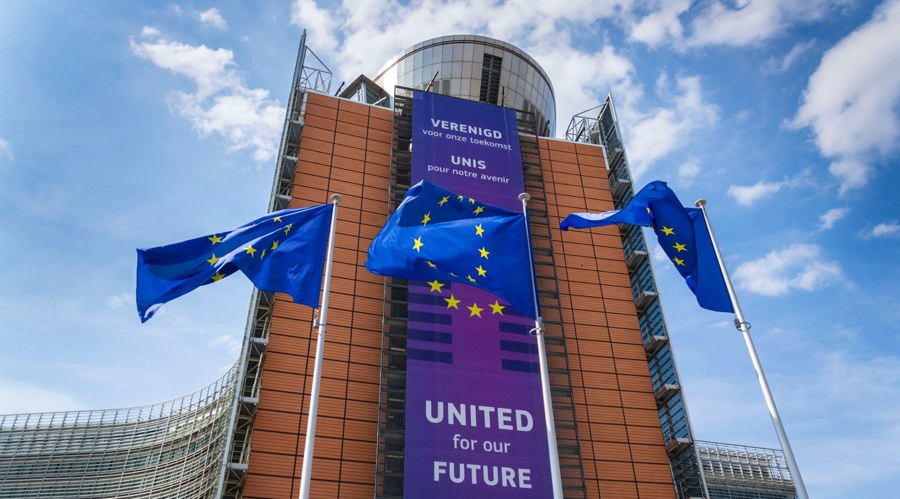
EU flags in front of the European Commission headquarters in Belgium
EU flags in front of the European Commission headquarters in Belgium (shutterstock)

Don’t Lose Sight of Europe’s Big Picture

The ‘old continent’ might have its fair share of problems right now, but investors who cannot see the wood for the trees have been urged to look beyond short-term geopolitics and macroeconomics.

Europe clearly faces challenges both domestically and internationally. The war between Ukraine and Russia has entered its fifth year with no sign of resolution, energy prices continue to be impacted by disruption in the Strait of Hormuz, and eight of the 27 member states are set to elect new parliaments this year.

Of those countries that don’t have elections scheduled this year, the UK and Germany have seen right-wing and centre-left opposition forces continue to challenge incumbents in national polling averages.

Francis Ellison, client portfolio manager at Columbia Threadneedle Investments
Francis Ellison, Client Portfolio Manager at Columbia Threadneedle Investments

However, Francis Ellison, client portfolio manager at Columbia Threadneedle Investments, reckons Europe’s broad and diverse range of high-quality businesses make fertile ground for stock pickers as they are trading at attractive valuations.

Comparing the market shock triggered by the attack on Iran to the effects of last year’s US tariffs last spring, he observes that not all stocks were affected in the same way. For instance, Rolls-Royce’s share price initially declined only to rebound as investors realised that regardless of where engines are manufactured, the key to profits is long-term maintenance and that tariffs don’t hit the maintenance business.

According to Ellison, semiconductor equipment manufacturers stand out as orders benefit from the AI build-out. “We have long recognised Europe’s leadership in semiconductor manufacturing through ASML and ASM International,” he notes. “AI means huge capital expenditure programmes at big global software and technology companies, driving demand for more and faster computer chips.”

Companies that help generate electricity are also of interest, with the likes of wind turbine maker Vestas and gas turbine maker Siemens Energy taking centre stage, while the sharp rise in the price of precious metals benefits mining technology companies such as ABB and Sandvik.

Artificial Intelligence, Real Concerns

Companies with a stake in the AI revolution may be appealing to investors, but the technology has a long way to go before it usurps human judgement, if the findings of Morningstar’s Investor Perspectives: Retail Investor Survey are anything to go by.

The study found that nearly half (45%) of participants had a high level of trust in the ability of generative AI to help them make investment decisions, up from 29% in 2024. The proportion of participants who reported low trust in generative AI declined from 38% to 27%, implying that investors are growing more open to the idea of AI regardless of their trust level.

When determining whether to trust an AI tool, high-trust investors considered aspects such as demonstrable evidence and social proof, reliability, performance and limits, and practical utility and usability.

Negative factors included scepticism, reluctance and personalisation barriers, as well as user control, human oversight and support.

Although trust in AI among retail investors is rising, usage tells a different story. Most investors still don’t rely on AI for investment decisions, and only a very small percentage use it for the majority of investment decisions, typically to confirm the output themselves. This hesitation is remarkably consistent across generations, suggesting the issue isn’t simply familiarity.

The study authors suggest that investors appear willing in principle but uncertain in practice about how to integrate AI into their decisions.

Just over half of the investors surveyed primarily blamed themselves rather than the technology when acting on an AI-based investment recommendation that resulted in losses, compared to a quarter who felt AI was at fault.

Yet when choosing to follow a human financial adviser’s recommendation that resulted in financial losses, investors reckoned the responsibility was more evenly split between themselves (37%), a human adviser (28%) or both parties equally (34%). This implies that investors view AI as a tool instead of an authority and that they still place deeper trust in human judgement - both their own and an adviser’s - than in technology.

The Perils of Politics…

To paraphrase Abraham Lincoln, you can please all the people some of the time and some of the people all the time, but you cannot please all the people all the time.

Politicians are more aware of this than most, particularly when it comes to financial markets. For example, one of the most notable statements coming out of the camp of wannabe UK prime minister Andy Burnham after confirming he would run for parliament again was to row back on any suggestion that existing borrowing limits could be changed.

The effect on the country’s cost of borrowing was immediate, with a fall in the 10-year gilt yield - the effective interest rate on a 10-year loan to the government. The comments would also have been welcomed by the International Monetary Fund, which has recommended maintaining fiscal rules that commit the UK to cutting borrowing at a faster rate than other major economies.

In addition, the IMF had some good news for the beleaguered current prime minister and particularly his chief financial officer this week when it raised its growth forecast for the UK this year from 0.8% to 1%, while acknowledging that the economy would continue to be negatively impacted by the Middle East conflict.

Expectations of a recovery in the second half of 2027 could, of course, be blown off track by geopolitical events and even policy announcements, as evidenced by the reaction of the bond market to last week’s King’s Speech outlining the government’s legislative agenda for the new parliamentary year.

Although there was nothing notable in his acknowledgement that the UK was operating in ‘a dangerous and volatile world’, the UK’s borrowing costs increased on the day, and sterling also lost value against the dollar.

One analyst observed that uncertainty around the future of key figures in the UK government was making markets uncertain that policies such as debt reduction would be sustained if the health of the economy declined.

Don’t Lose Sight of Europe’s Big Picture

The ‘old continent’ might have its fair share of problems right now, but investors who cannot see the wood for the trees have been urged to look beyond short-term geopolitics and macroeconomics.

Europe clearly faces challenges both domestically and internationally. The war between Ukraine and Russia has entered its fifth year with no sign of resolution, energy prices continue to be impacted by disruption in the Strait of Hormuz, and eight of the 27 member states are set to elect new parliaments this year.

Of those countries that don’t have elections scheduled this year, the UK and Germany have seen right-wing and centre-left opposition forces continue to challenge incumbents in national polling averages.

Francis Ellison, client portfolio manager at Columbia Threadneedle Investments
Francis Ellison, Client Portfolio Manager at Columbia Threadneedle Investments

However, Francis Ellison, client portfolio manager at Columbia Threadneedle Investments, reckons Europe’s broad and diverse range of high-quality businesses make fertile ground for stock pickers as they are trading at attractive valuations.

Comparing the market shock triggered by the attack on Iran to the effects of last year’s US tariffs last spring, he observes that not all stocks were affected in the same way. For instance, Rolls-Royce’s share price initially declined only to rebound as investors realised that regardless of where engines are manufactured, the key to profits is long-term maintenance and that tariffs don’t hit the maintenance business.

According to Ellison, semiconductor equipment manufacturers stand out as orders benefit from the AI build-out. “We have long recognised Europe’s leadership in semiconductor manufacturing through ASML and ASM International,” he notes. “AI means huge capital expenditure programmes at big global software and technology companies, driving demand for more and faster computer chips.”

Companies that help generate electricity are also of interest, with the likes of wind turbine maker Vestas and gas turbine maker Siemens Energy taking centre stage, while the sharp rise in the price of precious metals benefits mining technology companies such as ABB and Sandvik.

Artificial Intelligence, Real Concerns

Companies with a stake in the AI revolution may be appealing to investors, but the technology has a long way to go before it usurps human judgement, if the findings of Morningstar’s Investor Perspectives: Retail Investor Survey are anything to go by.

The study found that nearly half (45%) of participants had a high level of trust in the ability of generative AI to help them make investment decisions, up from 29% in 2024. The proportion of participants who reported low trust in generative AI declined from 38% to 27%, implying that investors are growing more open to the idea of AI regardless of their trust level.

When determining whether to trust an AI tool, high-trust investors considered aspects such as demonstrable evidence and social proof, reliability, performance and limits, and practical utility and usability.

Negative factors included scepticism, reluctance and personalisation barriers, as well as user control, human oversight and support.

Although trust in AI among retail investors is rising, usage tells a different story. Most investors still don’t rely on AI for investment decisions, and only a very small percentage use it for the majority of investment decisions, typically to confirm the output themselves. This hesitation is remarkably consistent across generations, suggesting the issue isn’t simply familiarity.

The study authors suggest that investors appear willing in principle but uncertain in practice about how to integrate AI into their decisions.

Just over half of the investors surveyed primarily blamed themselves rather than the technology when acting on an AI-based investment recommendation that resulted in losses, compared to a quarter who felt AI was at fault.

Yet when choosing to follow a human financial adviser’s recommendation that resulted in financial losses, investors reckoned the responsibility was more evenly split between themselves (37%), a human adviser (28%) or both parties equally (34%). This implies that investors view AI as a tool instead of an authority and that they still place deeper trust in human judgement - both their own and an adviser’s - than in technology.

The Perils of Politics…

To paraphrase Abraham Lincoln, you can please all the people some of the time and some of the people all the time, but you cannot please all the people all the time.

Politicians are more aware of this than most, particularly when it comes to financial markets. For example, one of the most notable statements coming out of the camp of wannabe UK prime minister Andy Burnham after confirming he would run for parliament again was to row back on any suggestion that existing borrowing limits could be changed.

The effect on the country’s cost of borrowing was immediate, with a fall in the 10-year gilt yield - the effective interest rate on a 10-year loan to the government. The comments would also have been welcomed by the International Monetary Fund, which has recommended maintaining fiscal rules that commit the UK to cutting borrowing at a faster rate than other major economies.

In addition, the IMF had some good news for the beleaguered current prime minister and particularly his chief financial officer this week when it raised its growth forecast for the UK this year from 0.8% to 1%, while acknowledging that the economy would continue to be negatively impacted by the Middle East conflict.

Expectations of a recovery in the second half of 2027 could, of course, be blown off track by geopolitical events and even policy announcements, as evidenced by the reaction of the bond market to last week’s King’s Speech outlining the government’s legislative agenda for the new parliamentary year.

Although there was nothing notable in his acknowledgement that the UK was operating in ‘a dangerous and volatile world’, the UK’s borrowing costs increased on the day, and sterling also lost value against the dollar.

One analyst observed that uncertainty around the future of key figures in the UK government was making markets uncertain that policies such as debt reduction would be sustained if the health of the economy declined.

About the Author: Paul Golden
Paul Golden
  • 125 Articles
  • 12 Followers
About the Author: Paul Golden
Paul Golden is an experienced freelance financial journalist with a strong institutional background. Over the past two decades, he has written for globally recognised financial publications, covering topics such as market structure, regulation, trading behaviour, and economic policy.
  • 125 Articles
  • 12 Followers

More from the Author

Retail FX

!"#$%&'()*+,-./0123456789:;<=>?@ABCDEFGHIJKLMNOPQRSTUVWXYZ[\]^_`abcdefghijklmnopqrstuvwxyz{|} !"#$%&'()*+,-./0123456789:;<=>?@ABCDEFGHIJKLMNOPQRSTUVWXYZ[\]^_`abcdefghijklmnopqrstuvwxyz{|}