Deutsche Bank's CEO John Cryan's bold transformational strategy has begun to take shape - is it working?
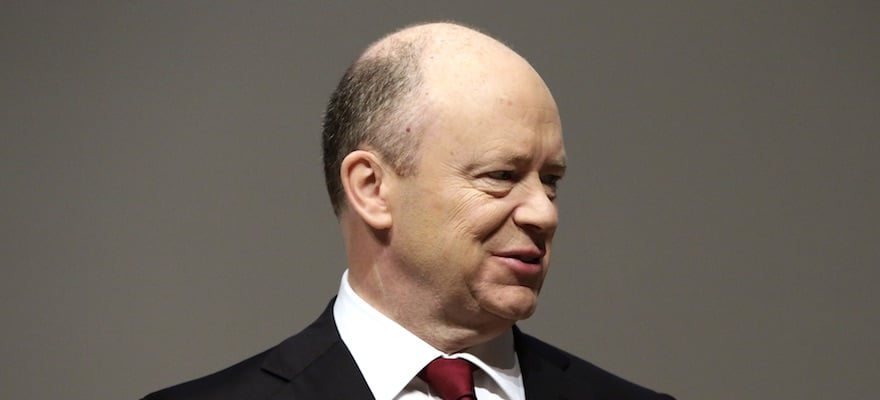
Incoming Man Group Chairman John Cryan (Source: Bloomberg)
Deutsche Bank’s CEO John Cryan has had one of the toughest jobs in the business, being tasked with authoring a turnaround for the bank’s lagging business in the United States and Europe. Since assuming the lead role in 2015, Mr. Cryan has embarked on an increasingly ambitious recovery plan that he hopes will help transform the bank into a more sustainable construct moving forward.
Mr. Cryan was appointed to the role in June 2015, having succeeded co-CEOs Jürgen Fitschen and Anshu Jain. This period for Deutsche Bank was marred by increased regulatory scrutiny, culminating in record fines and a series of debilitating scandals facing the bank.
Groundwork Laid for Cost-Cutting Strategy
One of the watershed moments of Mr. Cryan’s tenure was his October 2015 announcement that the lender would be embarking on a broad-based restructuring plan to help reverse Deutsche Bank’s fortunes and profits. The group unveiled a plan that would axe upwards of 35,000 jobs over the next few years across its global operations – the announcement at the time was the first in a wave of strategies adopted by other lenders in a bid to reduce costs.
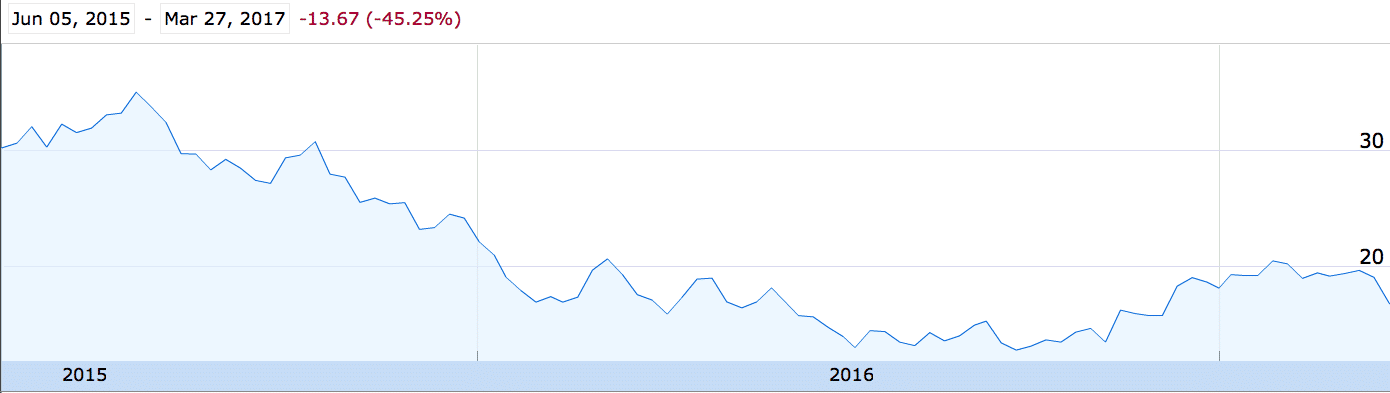
H2 2015 for Deutsche Bank was especially painful, resulting in fines of almost $3.0 billion – this stemmed from past LIBOR scandals and violations, as well as a failure to adhere to sanctions. The crisis came to a nadir in early 2016 when shareholders’ worst fears were confirmed with a staggering -$6.8 billion loss for the year, prompting further action.
For Mr. Cryan’s part, he helped stabilize what had been tanking share prices and a loss of shareholder confidence in 2016, on several occasions steadying investors to stay the course. For the most part, 2016 was devoid of any major catastrophes for the bank, despite the steady leeching of talent and thousands of jobs across its business.
In a sign that the worst had passed, share prices even managed to rebound during H2 2016, though an internal scandal and investigation from the UK’s Financial Conduct Authority (FCA) cast a shadow over the bank for the latter part of the year. In December, Mr. Cryan also was also forced to settle for $7.2 billion with the US Department of Justice, following the mis-selling of mortgage-backed securities.
The aftermath saw Mr. Cryan publicly reaffirming Deutsche Bank’s capital strength, attesting to the severity of the situation. However, investors were given an early-year boost following a year-end earnings report that showed losses had narrowed to just -$1.35 billion, down from -$6.8 billion in the year prior. This was the largest endorsement yet that the plan put into place might be succeeding or starting to take shape, as Mr. Cryan himself had repeatedly pressed for caution and patience in authoring a turnaround.
In yet another effort to help streamline costs, Deutsche Bank also recently went lean with its bonus pool, cutting it a full 80 percent this month in a move that would affect upwards of 100,000 employees. Additionally, the bank called for wide cuts to its staff, estimated at 6 percent of its fixed income staff and 17 percent of its equities personnel globally.
2017 Outlook and US Emphasis
Mr. Cryan himself mapped out several key issues facing the bank and the industry in its earnings report, though on a more isolated basis is gearing up for a duality of fines from US regulators into its FX activities. Deutsche Bank had managed to dodge a fine with the US Department of Justice earlier this month, which helped bolster the group’s outlook for Q1 2017.
It is unknown what sort of material impact or fine the investigations from the Federal Reserve and New York’s Department of Financial Services (DFS) will yield, though for now, Deutsche Bank’s business appears to have stabilized. Amidst these developments, Deutsche Bank has made concerted efforts to attract more talent, focusing on more competitive salaries to offset lower bonuses.
Bloomberg
Looking ahead, Deutsche Bank also has more cash to work with after raising over $8.0 billion in new capital recently, its fourth instance in the past few years. The group is also banking on enticing top industry talent with special long-term incentives that it has used as a carrot in light of a leaner bonus pool.
Deutsche Bank’s CEO John Cryan has had one of the toughest jobs in the business, being tasked with authoring a turnaround for the bank’s lagging business in the United States and Europe. Since assuming the lead role in 2015, Mr. Cryan has embarked on an increasingly ambitious recovery plan that he hopes will help transform the bank into a more sustainable construct moving forward.
Mr. Cryan was appointed to the role in June 2015, having succeeded co-CEOs Jürgen Fitschen and Anshu Jain. This period for Deutsche Bank was marred by increased regulatory scrutiny, culminating in record fines and a series of debilitating scandals facing the bank.
Groundwork Laid for Cost-Cutting Strategy
One of the watershed moments of Mr. Cryan’s tenure was his October 2015 announcement that the lender would be embarking on a broad-based restructuring plan to help reverse Deutsche Bank’s fortunes and profits. The group unveiled a plan that would axe upwards of 35,000 jobs over the next few years across its global operations – the announcement at the time was the first in a wave of strategies adopted by other lenders in a bid to reduce costs.
H2 2015 for Deutsche Bank was especially painful, resulting in fines of almost $3.0 billion – this stemmed from past LIBOR scandals and violations, as well as a failure to adhere to sanctions. The crisis came to a nadir in early 2016 when shareholders’ worst fears were confirmed with a staggering -$6.8 billion loss for the year, prompting further action.
For Mr. Cryan’s part, he helped stabilize what had been tanking share prices and a loss of shareholder confidence in 2016, on several occasions steadying investors to stay the course. For the most part, 2016 was devoid of any major catastrophes for the bank, despite the steady leeching of talent and thousands of jobs across its business.
In a sign that the worst had passed, share prices even managed to rebound during H2 2016, though an internal scandal and investigation from the UK’s Financial Conduct Authority (FCA) cast a shadow over the bank for the latter part of the year. In December, Mr. Cryan also was also forced to settle for $7.2 billion with the US Department of Justice, following the mis-selling of mortgage-backed securities.
The aftermath saw Mr. Cryan publicly reaffirming Deutsche Bank’s capital strength, attesting to the severity of the situation. However, investors were given an early-year boost following a year-end earnings report that showed losses had narrowed to just -$1.35 billion, down from -$6.8 billion in the year prior. This was the largest endorsement yet that the plan put into place might be succeeding or starting to take shape, as Mr. Cryan himself had repeatedly pressed for caution and patience in authoring a turnaround.
In yet another effort to help streamline costs, Deutsche Bank also recently went lean with its bonus pool, cutting it a full 80 percent this month in a move that would affect upwards of 100,000 employees. Additionally, the bank called for wide cuts to its staff, estimated at 6 percent of its fixed income staff and 17 percent of its equities personnel globally.
2017 Outlook and US Emphasis
Mr. Cryan himself mapped out several key issues facing the bank and the industry in its earnings report, though on a more isolated basis is gearing up for a duality of fines from US regulators into its FX activities. Deutsche Bank had managed to dodge a fine with the US Department of Justice earlier this month, which helped bolster the group’s outlook for Q1 2017.
It is unknown what sort of material impact or fine the investigations from the Federal Reserve and New York’s Department of Financial Services (DFS) will yield, though for now, Deutsche Bank’s business appears to have stabilized. Amidst these developments, Deutsche Bank has made concerted efforts to attract more talent, focusing on more competitive salaries to offset lower bonuses.
Bloomberg
Looking ahead, Deutsche Bank also has more cash to work with after raising over $8.0 billion in new capital recently, its fourth instance in the past few years. The group is also banking on enticing top industry talent with special long-term incentives that it has used as a carrot in light of a leaner bonus pool.
Prediction Markets Go Institutional as Galaxy Digital Moves Event Trading to the OTC Swap Market
Featured Videos
FM Daily Brief – 9 June 2026
Today’s Tuesday, the 9th of June 2026, and these are our main stories: eToro’s customer assets climbed back above $20 billion, Prop trading model in prediction markets, and Leverate launched a new AI assistant for brokers and traders.
War Stories: Lessons from 20 Years in Markets (the pain, the pitfalls and the profits)
The trades that taught me the most aren't the ones that worked. They're the ones that didn't — or the ones I almost caught and didn't have the nerve to ride. In this session, I'll tell you about the Brexit miss, the SNB shocker that nearly handed me a 5400% return, the BoJ surprise that punched me in the gut, and a few wins along the way. Each story carries a lesson, but the lessons aren't the point. Everyone who trades long enough collects a portfolio of moments like these; what separates the people who stay in the game is what they do with them.
The Engine and the Fuel: How AI & Data Drives African Future
If AI is the engine, data is the fuel. Without quality, accessible data, AI cannot work well; and without the right mindset, data remains just numbers instead of insight. In this session, leading experts will explore how AI and data are democratizing opportunities for businesses and personal growth. Discover practical ways to make AI accessible today, anticipate its transformative impact on African markets, and learn actionable steps to prepare for what's next. Let's talk about:
-How AI and data drive business efficiency and innovation in trading and fintech
-AI tools to elevate trading or business strategies
-How to access and maximise the power of data and AI
-Emerging AI and data trends in Africa and their economic ripple effects
If AI is the engine, data is the fuel. Without quality, accessible data, AI cannot work well; and without the right mindset, data remains just numbers instead of insight. In this session, leading experts will explore how AI and data are democratizing opportunities for businesses and personal growth. Discover practical ways to make AI accessible today, anticipate its transformative impact on African markets, and learn actionable steps to prepare for what's next. Let's talk about:
-How AI and data drive business efficiency and innovation in trading and fintech
-AI tools to elevate trading or business strategies
-How to access and maximise the power of data and AI
-Emerging AI and data trends in Africa and their economic ripple effects
If AI is the engine, data is the fuel. Without quality, accessible data, AI cannot work well; and without the right mindset, data remains just numbers instead of insight. In this session, leading experts will explore how AI and data are democratizing opportunities for businesses and personal growth. Discover practical ways to make AI accessible today, anticipate its transformative impact on African markets, and learn actionable steps to prepare for what's next. Let's talk about:
-How AI and data drive business efficiency and innovation in trading and fintech
-AI tools to elevate trading or business strategies
-How to access and maximise the power of data and AI
-Emerging AI and data trends in Africa and their economic ripple effects
If AI is the engine, data is the fuel. Without quality, accessible data, AI cannot work well; and without the right mindset, data remains just numbers instead of insight. In this session, leading experts will explore how AI and data are democratizing opportunities for businesses and personal growth. Discover practical ways to make AI accessible today, anticipate its transformative impact on African markets, and learn actionable steps to prepare for what's next. Let's talk about:
-How AI and data drive business efficiency and innovation in trading and fintech
-AI tools to elevate trading or business strategies
-How to access and maximise the power of data and AI
-Emerging AI and data trends in Africa and their economic ripple effects
If AI is the engine, data is the fuel. Without quality, accessible data, AI cannot work well; and without the right mindset, data remains just numbers instead of insight. In this session, leading experts will explore how AI and data are democratizing opportunities for businesses and personal growth. Discover practical ways to make AI accessible today, anticipate its transformative impact on African markets, and learn actionable steps to prepare for what's next. Let's talk about:
-How AI and data drive business efficiency and innovation in trading and fintech
-AI tools to elevate trading or business strategies
-How to access and maximise the power of data and AI
-Emerging AI and data trends in Africa and their economic ripple effects
If AI is the engine, data is the fuel. Without quality, accessible data, AI cannot work well; and without the right mindset, data remains just numbers instead of insight. In this session, leading experts will explore how AI and data are democratizing opportunities for businesses and personal growth. Discover practical ways to make AI accessible today, anticipate its transformative impact on African markets, and learn actionable steps to prepare for what's next. Let's talk about:
-How AI and data drive business efficiency and innovation in trading and fintech
-AI tools to elevate trading or business strategies
-How to access and maximise the power of data and AI
-Emerging AI and data trends in Africa and their economic ripple effects
Inside My Best Trade with Jimmy Moyaha
Most market post-mortems describe what happened to prices. Few describe what happened in the trading room while the position was open: the entry conviction, the moments that tested it, and the exit decision that closed the book.
This session brings one seasoned trader to the stage for an unfiltered account of the position that still defines how they think about markets.
Attendees will walk away with:
-A first-hand account of how a conviction trade is built, from thesis and entry through position management and exit
-Understanding of what turns a market observation into a live position, and what holds it when conditions shift
-Insight into how timing, execution quality, and market structure shaped the final result
-Perspective on what the trade revealed about edge, risk tolerance, and when to hold through a position moving against you
-Clarity on what separates a well-built trade from a well-timed one
Most market post-mortems describe what happened to prices. Few describe what happened in the trading room while the position was open: the entry conviction, the moments that tested it, and the exit decision that closed the book.
This session brings one seasoned trader to the stage for an unfiltered account of the position that still defines how they think about markets.
Attendees will walk away with:
-A first-hand account of how a conviction trade is built, from thesis and entry through position management and exit
-Understanding of what turns a market observation into a live position, and what holds it when conditions shift
-Insight into how timing, execution quality, and market structure shaped the final result
-Perspective on what the trade revealed about edge, risk tolerance, and when to hold through a position moving against you
-Clarity on what separates a well-built trade from a well-timed one
Most market post-mortems describe what happened to prices. Few describe what happened in the trading room while the position was open: the entry conviction, the moments that tested it, and the exit decision that closed the book.
This session brings one seasoned trader to the stage for an unfiltered account of the position that still defines how they think about markets.
Attendees will walk away with:
-A first-hand account of how a conviction trade is built, from thesis and entry through position management and exit
-Understanding of what turns a market observation into a live position, and what holds it when conditions shift
-Insight into how timing, execution quality, and market structure shaped the final result
-Perspective on what the trade revealed about edge, risk tolerance, and when to hold through a position moving against you
-Clarity on what separates a well-built trade from a well-timed one
Most market post-mortems describe what happened to prices. Few describe what happened in the trading room while the position was open: the entry conviction, the moments that tested it, and the exit decision that closed the book.
This session brings one seasoned trader to the stage for an unfiltered account of the position that still defines how they think about markets.
Attendees will walk away with:
-A first-hand account of how a conviction trade is built, from thesis and entry through position management and exit
-Understanding of what turns a market observation into a live position, and what holds it when conditions shift
-Insight into how timing, execution quality, and market structure shaped the final result
-Perspective on what the trade revealed about edge, risk tolerance, and when to hold through a position moving against you
-Clarity on what separates a well-built trade from a well-timed one
Most market post-mortems describe what happened to prices. Few describe what happened in the trading room while the position was open: the entry conviction, the moments that tested it, and the exit decision that closed the book.
This session brings one seasoned trader to the stage for an unfiltered account of the position that still defines how they think about markets.
Attendees will walk away with:
-A first-hand account of how a conviction trade is built, from thesis and entry through position management and exit
-Understanding of what turns a market observation into a live position, and what holds it when conditions shift
-Insight into how timing, execution quality, and market structure shaped the final result
-Perspective on what the trade revealed about edge, risk tolerance, and when to hold through a position moving against you
-Clarity on what separates a well-built trade from a well-timed one
Most market post-mortems describe what happened to prices. Few describe what happened in the trading room while the position was open: the entry conviction, the moments that tested it, and the exit decision that closed the book.
This session brings one seasoned trader to the stage for an unfiltered account of the position that still defines how they think about markets.
Attendees will walk away with:
-A first-hand account of how a conviction trade is built, from thesis and entry through position management and exit
-Understanding of what turns a market observation into a live position, and what holds it when conditions shift
-Insight into how timing, execution quality, and market structure shaped the final result
-Perspective on what the trade revealed about edge, risk tolerance, and when to hold through a position moving against you
-Clarity on what separates a well-built trade from a well-timed one
Agentic Inequality: Democratizing Financial Access Through AI & Blockchain
As crypto and CFD trading continue to expand across Africa, access to advanced tools and market insights remains uneven. This session explores how AI and blockchain can bridge that gap by empowering informal traders and underserved communities to participate more effectively in digital financial markets. The discussion will focus on practical applications of technology to improve accessibility, education, and investment outcomes in both formal and informal sectors.
In this discussion, we will explore:
-The role of AI in democratizing access to trading tools, insights, and strategy development
-How crypto and blockchain can enable broader participation beyond traditional financial systems
-Addressing access barriers: infrastructure, education, and affordability in underserved communities
-Opportunities for brokers and platforms to tap into the informal trading economy
As crypto and CFD trading continue to expand across Africa, access to advanced tools and market insights remains uneven. This session explores how AI and blockchain can bridge that gap by empowering informal traders and underserved communities to participate more effectively in digital financial markets. The discussion will focus on practical applications of technology to improve accessibility, education, and investment outcomes in both formal and informal sectors.
In this discussion, we will explore:
-The role of AI in democratizing access to trading tools, insights, and strategy development
-How crypto and blockchain can enable broader participation beyond traditional financial systems
-Addressing access barriers: infrastructure, education, and affordability in underserved communities
-Opportunities for brokers and platforms to tap into the informal trading economy
As crypto and CFD trading continue to expand across Africa, access to advanced tools and market insights remains uneven. This session explores how AI and blockchain can bridge that gap by empowering informal traders and underserved communities to participate more effectively in digital financial markets. The discussion will focus on practical applications of technology to improve accessibility, education, and investment outcomes in both formal and informal sectors.
In this discussion, we will explore:
-The role of AI in democratizing access to trading tools, insights, and strategy development
-How crypto and blockchain can enable broader participation beyond traditional financial systems
-Addressing access barriers: infrastructure, education, and affordability in underserved communities
-Opportunities for brokers and platforms to tap into the informal trading economy
As crypto and CFD trading continue to expand across Africa, access to advanced tools and market insights remains uneven. This session explores how AI and blockchain can bridge that gap by empowering informal traders and underserved communities to participate more effectively in digital financial markets. The discussion will focus on practical applications of technology to improve accessibility, education, and investment outcomes in both formal and informal sectors.
In this discussion, we will explore:
-The role of AI in democratizing access to trading tools, insights, and strategy development
-How crypto and blockchain can enable broader participation beyond traditional financial systems
-Addressing access barriers: infrastructure, education, and affordability in underserved communities
-Opportunities for brokers and platforms to tap into the informal trading economy
As crypto and CFD trading continue to expand across Africa, access to advanced tools and market insights remains uneven. This session explores how AI and blockchain can bridge that gap by empowering informal traders and underserved communities to participate more effectively in digital financial markets. The discussion will focus on practical applications of technology to improve accessibility, education, and investment outcomes in both formal and informal sectors.
In this discussion, we will explore:
-The role of AI in democratizing access to trading tools, insights, and strategy development
-How crypto and blockchain can enable broader participation beyond traditional financial systems
-Addressing access barriers: infrastructure, education, and affordability in underserved communities
-Opportunities for brokers and platforms to tap into the informal trading economy
As crypto and CFD trading continue to expand across Africa, access to advanced tools and market insights remains uneven. This session explores how AI and blockchain can bridge that gap by empowering informal traders and underserved communities to participate more effectively in digital financial markets. The discussion will focus on practical applications of technology to improve accessibility, education, and investment outcomes in both formal and informal sectors.
In this discussion, we will explore:
-The role of AI in democratizing access to trading tools, insights, and strategy development
-How crypto and blockchain can enable broader participation beyond traditional financial systems
-Addressing access barriers: infrastructure, education, and affordability in underserved communities
-Opportunities for brokers and platforms to tap into the informal trading economy