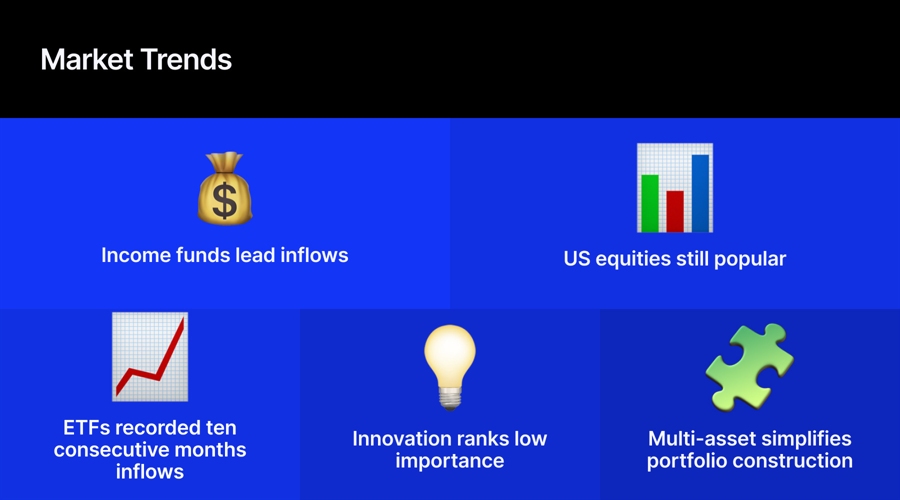
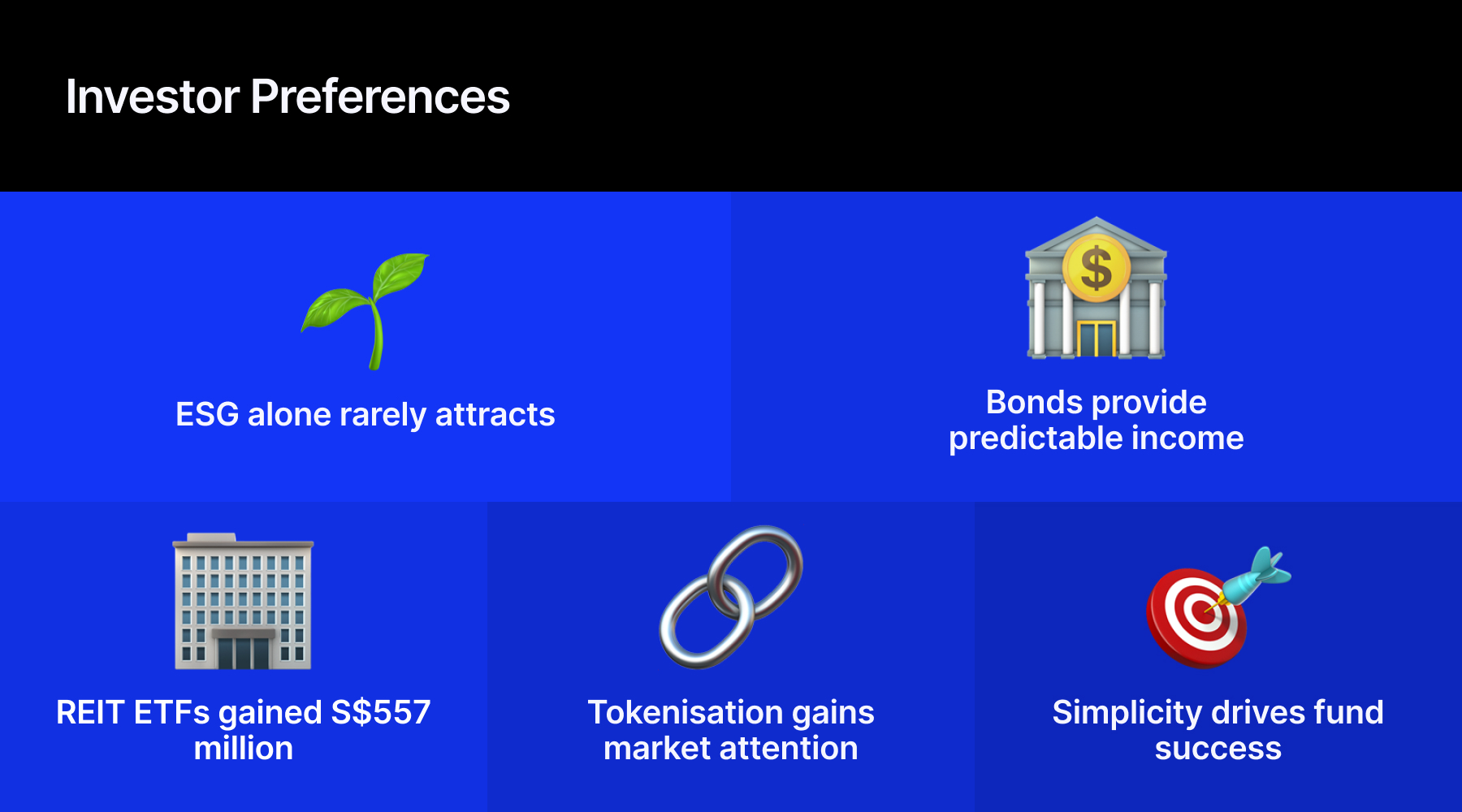
Global and US equities remain popular in Singapore despite Asia-wide pullback.
ETFs and REITs saw record inflows in 2025, highlighting retail adoption of multi-asset products.
For asset managers, selling funds through distribution
platforms in Singapore is a highly competitive business. In most cases this
leads to a focus on established products that are easy to distribute - although
recent developments hint at the potential for innovation.
Crisil Coalition Greenwich’s 2025 Asian Intermediary
Distributors Study highlights some interesting disparities between Singapore-based
distributors and their regional counterparts when it comes to product
popularity.
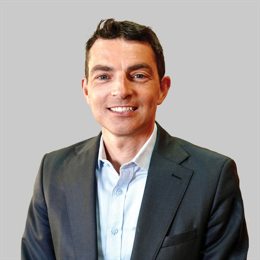
Killian Lonergan, Head of Distribution Intelligence at BBH
For example, the distributors surveyed for the Asia-wide
study exhibited significantly reduced enthusiasm for US equities, with more
than a third of respondents projecting a significant decrease in flows.
Yet
Killian Lonergan, head of distribution intelligence at BBH, says demand for
growth exposure among investors in Singapore remains strong, particularly for
global and US equity strategies.
“What sells best are recognisable, core exposures such as
global large-cap, US equity and dividend-focused strategies,” he adds.
Similarly, while the Asian distributors surveyed by Crisil
Coalition Greenwich projected a third consecutive year of significant net
outflows from emerging markets debt, one of the most popular product categories
for FSMOne Singapore (the business-to-consumer division of iFAST) is funds
offering targeted sector or geographic exposure to
emerging markets.
Innovation Takes a Back Seat
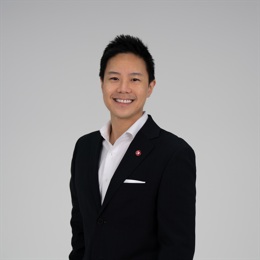
Timothy Liew, Head of investments at OCBC
One area where there is greater consensus is the extent to
which innovation is a factor in the launch of a fund. Respondents to the Asian
Intermediary Distributors Study ranked product innovation below performance,
investment capability, fund size, capability in the relevant market and investment process
and only just ahead of information transparency in terms of importance.
Lonergan explains that the most popular products in
Singapore are those that align with how distributors operate and how advisers
construct portfolios.
Outcome-oriented funds that are operationally simple,
easy to position and compatible with suitability frameworks consistently
outperform more complex or niche strategies in commercial
terms.
“In Singapore, funds don’t succeed because they are
innovative - they succeed because they are easy to distribute,” he says.
“Income-oriented funds continue to attract the most consistent inflows across
private banks and retail
platforms.
According to Lonergan, investors in Singapore value income
visibility and capital stability, while distributors favour products that can
be positioned around outcomes rather than market timing.
Balanced and target
risk multi-asset
funds play an outsized role in Singapore distribution, simplifying
portfolio construction, fitting neatly into suitability frameworks and scaling
easily across client segments.
Lonergan reckons share class structure is one of the most
underappreciated factors in Singapore, noting that funds offering Singapore
dollar-hedged share classes and regular income distributions tend to be far
more commercially successful than otherwise identical strategies offered only
in US dollar accumulation formats.
Elaine Tan, BNP Paribas
Timothy Liew, head of investments at OCBC, agrees that there
is continued strong demand for income-focused products, driven in part by more
cautious investor sentiment as a consequence of concerns around geopolitical
and policy risks.
“Furthermore, bond yields continue to stay relatively
elevated despite the Fed cutting rates, presenting attractive opportunities for
income,” he says.
“Accordingly, we have seen strong inflows into global fixed income and
dividend-focused equity funds. Predictable income from bonds helps mitigate
volatility in the broader portfolio, while dividend stocks present a less
volatile avenue to gain exposure to constructive growth.”
ETFs and Multi-Asset Momentum
Luke Lim, managing director at Phillip Securities, refers to
the popularity of multi-asset portfolios and observes that traditional mutual
funds remain in demand, especially when human advice shapes asset allocation.
He also refers to continued
interest in ETFs. The latest data from SGX indicates that Singapore-focused
ETFs saw record multi-asset inflows in 2025, with equity ETFs recording ten
consecutive months of net inflows and investor interest in REIT ETFs picking up
significantly in the second half of 2025.
Justin Christopher, Head of Asia at Calastone
The latter segment attracted net inflows of S$557 million
(approximately $433.6 million), lifting total assets under management to a
record high of S$1.65 billion ($1.285 billion) by the end of the year.
Amid heightened market volatility, money market funds have
retained strong demand due to a combination of high liquidity and stable
returns over the last few years, with a number of new funds hitting the market
in 2024 and last year.
Tokenisation and New Structures Emerging
However, the relative unimportance of product innovation
among fund distributors does not mean that new lines are not emerging.
Elaine Tan, head of asset owners & asset managers client
lines for Asia Pacific, securities services, BNP Paribas, notes that
tokenisation was one of the topics strongly linked to money market funds in
Singapore in 2025.
“Fund managers have introduced digital units of money market
funds on private permissioned blockchains such as tokenised share classes and
on-chain funds,” she explains.
Tokenization creates competition between markets that were never able to compete before.
A market in Singapore will compete with a market in New York, because settlement windows and local infrastructure no longer matter. pic.twitter.com/s6uDIyMlmj
In 2026, equity-focused products will be added to the equity
market development programme launched by the Monetary Authority of Singapore
in February 2025, expanding the retail investment horizon beyond large-cap
stocks.
“In addition, the forthcoming long-term investment fund
scheme is expected to further diversify retail asset allocation, potentially
shifting a portion of retail capital from ultra short-term vehicles such as
money market funds to long-term private asset exposure,” adds Tan.
Traditional actively managed funds remain the most popular
products in Singapore but there is growing momentum around expanding access to
private market funds, supported by the proposed long-term investment fund
structure, according to Justin Christopher, head of Asia at Calastone.
“Looking ahead, increased tokenisation of fund products
could further influence product popularity,” he concludes. “While adoption will
naturally align with the pace of digital distribution, the continued growth of
digital investment channels suggests an increasingly supportive environment for
new product structures over time.”
For asset managers, selling funds through distribution
platforms in Singapore is a highly competitive business. In most cases this
leads to a focus on established products that are easy to distribute - although
recent developments hint at the potential for innovation.
Crisil Coalition Greenwich’s 2025 Asian Intermediary
Distributors Study highlights some interesting disparities between Singapore-based
distributors and their regional counterparts when it comes to product
popularity.
Killian Lonergan, Head of Distribution Intelligence at BBH
For example, the distributors surveyed for the Asia-wide
study exhibited significantly reduced enthusiasm for US equities, with more
than a third of respondents projecting a significant decrease in flows.
Yet
Killian Lonergan, head of distribution intelligence at BBH, says demand for
growth exposure among investors in Singapore remains strong, particularly for
global and US equity strategies.
“What sells best are recognisable, core exposures such as
global large-cap, US equity and dividend-focused strategies,” he adds.
Similarly, while the Asian distributors surveyed by Crisil
Coalition Greenwich projected a third consecutive year of significant net
outflows from emerging markets debt, one of the most popular product categories
for FSMOne Singapore (the business-to-consumer division of iFAST) is funds
offering targeted sector or geographic exposure to
emerging markets.
Innovation Takes a Back Seat
Timothy Liew, Head of investments at OCBC
One area where there is greater consensus is the extent to
which innovation is a factor in the launch of a fund. Respondents to the Asian
Intermediary Distributors Study ranked product innovation below performance,
investment capability, fund size, capability in the relevant market and investment process
and only just ahead of information transparency in terms of importance.
Lonergan explains that the most popular products in
Singapore are those that align with how distributors operate and how advisers
construct portfolios.
Outcome-oriented funds that are operationally simple,
easy to position and compatible with suitability frameworks consistently
outperform more complex or niche strategies in commercial
terms.
“In Singapore, funds don’t succeed because they are
innovative - they succeed because they are easy to distribute,” he says.
“Income-oriented funds continue to attract the most consistent inflows across
private banks and retail
platforms.
According to Lonergan, investors in Singapore value income
visibility and capital stability, while distributors favour products that can
be positioned around outcomes rather than market timing.
Balanced and target
risk multi-asset
funds play an outsized role in Singapore distribution, simplifying
portfolio construction, fitting neatly into suitability frameworks and scaling
easily across client segments.
Lonergan reckons share class structure is one of the most
underappreciated factors in Singapore, noting that funds offering Singapore
dollar-hedged share classes and regular income distributions tend to be far
more commercially successful than otherwise identical strategies offered only
in US dollar accumulation formats.
Elaine Tan, BNP Paribas
Timothy Liew, head of investments at OCBC, agrees that there
is continued strong demand for income-focused products, driven in part by more
cautious investor sentiment as a consequence of concerns around geopolitical
and policy risks.
“Furthermore, bond yields continue to stay relatively
elevated despite the Fed cutting rates, presenting attractive opportunities for
income,” he says.
“Accordingly, we have seen strong inflows into global fixed income and
dividend-focused equity funds. Predictable income from bonds helps mitigate
volatility in the broader portfolio, while dividend stocks present a less
volatile avenue to gain exposure to constructive growth.”
ETFs and Multi-Asset Momentum
Luke Lim, managing director at Phillip Securities, refers to
the popularity of multi-asset portfolios and observes that traditional mutual
funds remain in demand, especially when human advice shapes asset allocation.
He also refers to continued
interest in ETFs. The latest data from SGX indicates that Singapore-focused
ETFs saw record multi-asset inflows in 2025, with equity ETFs recording ten
consecutive months of net inflows and investor interest in REIT ETFs picking up
significantly in the second half of 2025.
Justin Christopher, Head of Asia at Calastone
The latter segment attracted net inflows of S$557 million
(approximately $433.6 million), lifting total assets under management to a
record high of S$1.65 billion ($1.285 billion) by the end of the year.
Amid heightened market volatility, money market funds have
retained strong demand due to a combination of high liquidity and stable
returns over the last few years, with a number of new funds hitting the market
in 2024 and last year.
Tokenisation and New Structures Emerging
However, the relative unimportance of product innovation
among fund distributors does not mean that new lines are not emerging.
Elaine Tan, head of asset owners & asset managers client
lines for Asia Pacific, securities services, BNP Paribas, notes that
tokenisation was one of the topics strongly linked to money market funds in
Singapore in 2025.
“Fund managers have introduced digital units of money market
funds on private permissioned blockchains such as tokenised share classes and
on-chain funds,” she explains.
Tokenization creates competition between markets that were never able to compete before.
A market in Singapore will compete with a market in New York, because settlement windows and local infrastructure no longer matter. pic.twitter.com/s6uDIyMlmj
In 2026, equity-focused products will be added to the equity
market development programme launched by the Monetary Authority of Singapore
in February 2025, expanding the retail investment horizon beyond large-cap
stocks.
“In addition, the forthcoming long-term investment fund
scheme is expected to further diversify retail asset allocation, potentially
shifting a portion of retail capital from ultra short-term vehicles such as
money market funds to long-term private asset exposure,” adds Tan.
Traditional actively managed funds remain the most popular
products in Singapore but there is growing momentum around expanding access to
private market funds, supported by the proposed long-term investment fund
structure, according to Justin Christopher, head of Asia at Calastone.
“Looking ahead, increased tokenisation of fund products
could further influence product popularity,” he concludes. “While adoption will
naturally align with the pace of digital distribution, the continued growth of
digital investment channels suggests an increasingly supportive environment for
new product structures over time.”
Paul Golden is an experienced freelance financial journalist with a strong institutional background. Over the past two decades, he has written for globally recognised financial publications, covering topics such as market structure, regulation, trading behaviour, and economic policy.
Swiss Banks, Brokers and Fintechs Must Prove Online Clients Are Real People
Featured Videos
AvaTrade to Acquire Most of FXCM; NAGA Raises $8M
AvaTrade to Acquire Most of FXCM; NAGA Raises $8M
AvaTrade to Acquire Most of FXCM; NAGA Raises $8M
AvaTrade to Acquire Most of FXCM; NAGA Raises $8M
Today’s financial news recap covers AvaTrade agrees to acquire most of FXCM, NAGA secures eight million dollars in new financing, and Wise seeks a tax settlement in the UK.
Finance Magnates Daily Recap brings you the latest news from forex and CFD brokers, fintech, payments, cryptocurrency, digital assets, trading platforms, financial regulation and global markets.
Get the key company news, executive moves, deals, regulatory updates and market developments of the day, in just a few minutes. New episodes published every weekday.
Read more: https://www.financemagnates.com
#FinanceMagnates #ForexNews #FintechNews
Today’s financial news recap covers AvaTrade agrees to acquire most of FXCM, NAGA secures eight million dollars in new financing, and Wise seeks a tax settlement in the UK.
Finance Magnates Daily Recap brings you the latest news from forex and CFD brokers, fintech, payments, cryptocurrency, digital assets, trading platforms, financial regulation and global markets.
Get the key company news, executive moves, deals, regulatory updates and market developments of the day, in just a few minutes. New episodes published every weekday.
Read more: https://www.financemagnates.com
#FinanceMagnates #ForexNews #FintechNews
Today’s financial news recap covers AvaTrade agrees to acquire most of FXCM, NAGA secures eight million dollars in new financing, and Wise seeks a tax settlement in the UK.
Finance Magnates Daily Recap brings you the latest news from forex and CFD brokers, fintech, payments, cryptocurrency, digital assets, trading platforms, financial regulation and global markets.
Get the key company news, executive moves, deals, regulatory updates and market developments of the day, in just a few minutes. New episodes published every weekday.
Read more: https://www.financemagnates.com
#FinanceMagnates #ForexNews #FintechNews
Today’s financial news recap covers AvaTrade agrees to acquire most of FXCM, NAGA secures eight million dollars in new financing, and Wise seeks a tax settlement in the UK.
Finance Magnates Daily Recap brings you the latest news from forex and CFD brokers, fintech, payments, cryptocurrency, digital assets, trading platforms, financial regulation and global markets.
Get the key company news, executive moves, deals, regulatory updates and market developments of the day, in just a few minutes. New episodes published every weekday.
Read more: https://www.financemagnates.com
#FinanceMagnates #ForexNews #FintechNews
XTB Adds Overnight US Stock Trading; Nasdaq Ventures Invests in One Trading
XTB Adds Overnight US Stock Trading; Nasdaq Ventures Invests in One Trading
XTB Adds Overnight US Stock Trading; Nasdaq Ventures Invests in One Trading
XTB Adds Overnight US Stock Trading; Nasdaq Ventures Invests in One Trading
XTB Adds Overnight US Stock Trading; Nasdaq Ventures Invests in One Trading
XTB Adds Overnight US Stock Trading; Nasdaq Ventures Invests in One Trading
Today’s financial news recap covers XTB expands overnight US stock trading, Fortrade reports higher revenue, Nasdaq backs One Trading, and Vest Labs raises 13 million dollars.
Finance Magnates Daily Recap brings you the latest news from forex and CFD brokers, fintech, payments, cryptocurrency, digital assets, trading platforms, financial regulation and global markets.
Get the key company news, executive moves, deals, regulatory updates and market developments of the day, in just a few minutes. New episodes published every weekday.
Read more: https://www.financemagnates.com
#FinanceMagnates #ForexNews #FintechNews
Today’s financial news recap covers XTB expands overnight US stock trading, Fortrade reports higher revenue, Nasdaq backs One Trading, and Vest Labs raises 13 million dollars.
Finance Magnates Daily Recap brings you the latest news from forex and CFD brokers, fintech, payments, cryptocurrency, digital assets, trading platforms, financial regulation and global markets.
Get the key company news, executive moves, deals, regulatory updates and market developments of the day, in just a few minutes. New episodes published every weekday.
Read more: https://www.financemagnates.com
#FinanceMagnates #ForexNews #FintechNews
Today’s financial news recap covers XTB expands overnight US stock trading, Fortrade reports higher revenue, Nasdaq backs One Trading, and Vest Labs raises 13 million dollars.
Finance Magnates Daily Recap brings you the latest news from forex and CFD brokers, fintech, payments, cryptocurrency, digital assets, trading platforms, financial regulation and global markets.
Get the key company news, executive moves, deals, regulatory updates and market developments of the day, in just a few minutes. New episodes published every weekday.
Read more: https://www.financemagnates.com
#FinanceMagnates #ForexNews #FintechNews
Today’s financial news recap covers XTB expands overnight US stock trading, Fortrade reports higher revenue, Nasdaq backs One Trading, and Vest Labs raises 13 million dollars.
Finance Magnates Daily Recap brings you the latest news from forex and CFD brokers, fintech, payments, cryptocurrency, digital assets, trading platforms, financial regulation and global markets.
Get the key company news, executive moves, deals, regulatory updates and market developments of the day, in just a few minutes. New episodes published every weekday.
Read more: https://www.financemagnates.com
#FinanceMagnates #ForexNews #FintechNews
Today’s financial news recap covers XTB expands overnight US stock trading, Fortrade reports higher revenue, Nasdaq backs One Trading, and Vest Labs raises 13 million dollars.
Finance Magnates Daily Recap brings you the latest news from forex and CFD brokers, fintech, payments, cryptocurrency, digital assets, trading platforms, financial regulation and global markets.
Get the key company news, executive moves, deals, regulatory updates and market developments of the day, in just a few minutes. New episodes published every weekday.
Read more: https://www.financemagnates.com
#FinanceMagnates #ForexNews #FintechNews
Today’s financial news recap covers XTB expands overnight US stock trading, Fortrade reports higher revenue, Nasdaq backs One Trading, and Vest Labs raises 13 million dollars.
Finance Magnates Daily Recap brings you the latest news from forex and CFD brokers, fintech, payments, cryptocurrency, digital assets, trading platforms, financial regulation and global markets.
Get the key company news, executive moves, deals, regulatory updates and market developments of the day, in just a few minutes. New episodes published every weekday.
Read more: https://www.financemagnates.com
#FinanceMagnates #ForexNews #FintechNews
CMC Founder Downplays Volatility Hit; Devexperts Names CEO
CMC Founder Downplays Volatility Hit; Devexperts Names CEO
CMC Founder Downplays Volatility Hit; Devexperts Names CEO
CMC Founder Downplays Volatility Hit; Devexperts Names CEO
CMC Founder Downplays Volatility Hit; Devexperts Names CEO
CMC Founder Downplays Volatility Hit; Devexperts Names CEO
Today’s financial news recap covers low volatility pressures brokers, Devexperts names a new CEO, Saxo cuts onboarding time, and OKX reaches a 25 billion dollar valuation.
Finance Magnates Daily Recap brings you the latest news from forex and CFD brokers, fintech, payments, cryptocurrency, digital assets, trading platforms, financial regulation and global markets.
Get the key company news, executive moves, deals, regulatory updates and market developments of the day, in just a few minutes. New episodes published every weekday.
Read more: https://www.financemagnates.com
#FinanceMagnates #ForexNews #FintechNews
Today’s financial news recap covers low volatility pressures brokers, Devexperts names a new CEO, Saxo cuts onboarding time, and OKX reaches a 25 billion dollar valuation.
Finance Magnates Daily Recap brings you the latest news from forex and CFD brokers, fintech, payments, cryptocurrency, digital assets, trading platforms, financial regulation and global markets.
Get the key company news, executive moves, deals, regulatory updates and market developments of the day, in just a few minutes. New episodes published every weekday.
Read more: https://www.financemagnates.com
#FinanceMagnates #ForexNews #FintechNews
Today’s financial news recap covers low volatility pressures brokers, Devexperts names a new CEO, Saxo cuts onboarding time, and OKX reaches a 25 billion dollar valuation.
Finance Magnates Daily Recap brings you the latest news from forex and CFD brokers, fintech, payments, cryptocurrency, digital assets, trading platforms, financial regulation and global markets.
Get the key company news, executive moves, deals, regulatory updates and market developments of the day, in just a few minutes. New episodes published every weekday.
Read more: https://www.financemagnates.com
#FinanceMagnates #ForexNews #FintechNews
Today’s financial news recap covers low volatility pressures brokers, Devexperts names a new CEO, Saxo cuts onboarding time, and OKX reaches a 25 billion dollar valuation.
Finance Magnates Daily Recap brings you the latest news from forex and CFD brokers, fintech, payments, cryptocurrency, digital assets, trading platforms, financial regulation and global markets.
Get the key company news, executive moves, deals, regulatory updates and market developments of the day, in just a few minutes. New episodes published every weekday.
Read more: https://www.financemagnates.com
#FinanceMagnates #ForexNews #FintechNews
Today’s financial news recap covers low volatility pressures brokers, Devexperts names a new CEO, Saxo cuts onboarding time, and OKX reaches a 25 billion dollar valuation.
Finance Magnates Daily Recap brings you the latest news from forex and CFD brokers, fintech, payments, cryptocurrency, digital assets, trading platforms, financial regulation and global markets.
Get the key company news, executive moves, deals, regulatory updates and market developments of the day, in just a few minutes. New episodes published every weekday.
Read more: https://www.financemagnates.com
#FinanceMagnates #ForexNews #FintechNews
Today’s financial news recap covers low volatility pressures brokers, Devexperts names a new CEO, Saxo cuts onboarding time, and OKX reaches a 25 billion dollar valuation.
Finance Magnates Daily Recap brings you the latest news from forex and CFD brokers, fintech, payments, cryptocurrency, digital assets, trading platforms, financial regulation and global markets.
Get the key company news, executive moves, deals, regulatory updates and market developments of the day, in just a few minutes. New episodes published every weekday.
Read more: https://www.financemagnates.com
#FinanceMagnates #ForexNews #FintechNews
Today’s financial news recap covers Trade Nation buys FXCM's UK client book, Trading 212 reports higher revenue, the CFTC's move to allow perpetual index futures.
Finance Magnates Daily Recap brings you the latest news from forex and CFD brokers, fintech, payments, cryptocurrency, digital assets, trading platforms, financial regulation and global markets.
Get the key company news, executive moves, deals, regulatory updates and market developments of the day, in just a few minutes. New episodes published every weekday.
Read more: https://www.financemagnates.com
#FinanceMagnates #ForexNews #FintechNews
Today’s financial news recap covers Trade Nation buys FXCM's UK client book, Trading 212 reports higher revenue, the CFTC's move to allow perpetual index futures.
Finance Magnates Daily Recap brings you the latest news from forex and CFD brokers, fintech, payments, cryptocurrency, digital assets, trading platforms, financial regulation and global markets.
Get the key company news, executive moves, deals, regulatory updates and market developments of the day, in just a few minutes. New episodes published every weekday.
Read more: https://www.financemagnates.com
#FinanceMagnates #ForexNews #FintechNews
Today’s financial news recap covers Trade Nation buys FXCM's UK client book, Trading 212 reports higher revenue, the CFTC's move to allow perpetual index futures.
Finance Magnates Daily Recap brings you the latest news from forex and CFD brokers, fintech, payments, cryptocurrency, digital assets, trading platforms, financial regulation and global markets.
Get the key company news, executive moves, deals, regulatory updates and market developments of the day, in just a few minutes. New episodes published every weekday.
Read more: https://www.financemagnates.com
#FinanceMagnates #ForexNews #FintechNews
Today’s financial news recap covers Trade Nation buys FXCM's UK client book, Trading 212 reports higher revenue, the CFTC's move to allow perpetual index futures.
Finance Magnates Daily Recap brings you the latest news from forex and CFD brokers, fintech, payments, cryptocurrency, digital assets, trading platforms, financial regulation and global markets.
Get the key company news, executive moves, deals, regulatory updates and market developments of the day, in just a few minutes. New episodes published every weekday.
Read more: https://www.financemagnates.com
#FinanceMagnates #ForexNews #FintechNews
Today’s financial news recap covers Trade Nation buys FXCM's UK client book, Trading 212 reports higher revenue, the CFTC's move to allow perpetual index futures.
Finance Magnates Daily Recap brings you the latest news from forex and CFD brokers, fintech, payments, cryptocurrency, digital assets, trading platforms, financial regulation and global markets.
Get the key company news, executive moves, deals, regulatory updates and market developments of the day, in just a few minutes. New episodes published every weekday.
Read more: https://www.financemagnates.com
#FinanceMagnates #ForexNews #FintechNews
Today’s financial news recap covers Trade Nation buys FXCM's UK client book, Trading 212 reports higher revenue, the CFTC's move to allow perpetual index futures.
Finance Magnates Daily Recap brings you the latest news from forex and CFD brokers, fintech, payments, cryptocurrency, digital assets, trading platforms, financial regulation and global markets.
Get the key company news, executive moves, deals, regulatory updates and market developments of the day, in just a few minutes. New episodes published every weekday.
Read more: https://www.financemagnates.com
#FinanceMagnates #ForexNews #FintechNews
Your career isn’t a linear path.
Your career isn’t a linear path.
Your career isn’t a linear path.
Your career isn’t a linear path.
Your career isn’t a linear path.
Your career isn’t a linear path.
Roles change. Career goals change. Sometimes you want a completely new challenge.
But the skills and knowledge you build along the way can stay with you and give you something to build on.
For Jeff Patterson, that continued growth is key to long-term career development.
You bring the skills. FM Academy helps you build the knowledge.
#FMAcademy #FinanceMagnates #FinanceCareers #ProfessionalDevelopment #Fintech
Roles change. Career goals change. Sometimes you want a completely new challenge.
But the skills and knowledge you build along the way can stay with you and give you something to build on.
For Jeff Patterson, that continued growth is key to long-term career development.
You bring the skills. FM Academy helps you build the knowledge.
#FMAcademy #FinanceMagnates #FinanceCareers #ProfessionalDevelopment #Fintech
Roles change. Career goals change. Sometimes you want a completely new challenge.
But the skills and knowledge you build along the way can stay with you and give you something to build on.
For Jeff Patterson, that continued growth is key to long-term career development.
You bring the skills. FM Academy helps you build the knowledge.
#FMAcademy #FinanceMagnates #FinanceCareers #ProfessionalDevelopment #Fintech
Roles change. Career goals change. Sometimes you want a completely new challenge.
But the skills and knowledge you build along the way can stay with you and give you something to build on.
For Jeff Patterson, that continued growth is key to long-term career development.
You bring the skills. FM Academy helps you build the knowledge.
#FMAcademy #FinanceMagnates #FinanceCareers #ProfessionalDevelopment #Fintech
Roles change. Career goals change. Sometimes you want a completely new challenge.
But the skills and knowledge you build along the way can stay with you and give you something to build on.
For Jeff Patterson, that continued growth is key to long-term career development.
You bring the skills. FM Academy helps you build the knowledge.
#FMAcademy #FinanceMagnates #FinanceCareers #ProfessionalDevelopment #Fintech
Roles change. Career goals change. Sometimes you want a completely new challenge.
But the skills and knowledge you build along the way can stay with you and give you something to build on.
For Jeff Patterson, that continued growth is key to long-term career development.
You bring the skills. FM Academy helps you build the knowledge.
#FMAcademy #FinanceMagnates #FinanceCareers #ProfessionalDevelopment #Fintech