Coinbase CEO Brian Armstrong maintains that “the bill is strong” and will make the U.S. financial system “faster, cheaper and more accessible.”
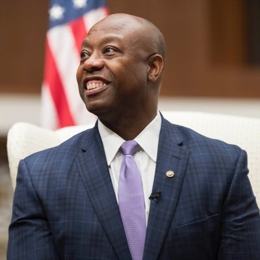
Senator Tim Scott stressed that Americans “deserve clear rules of the road” for digital assets.
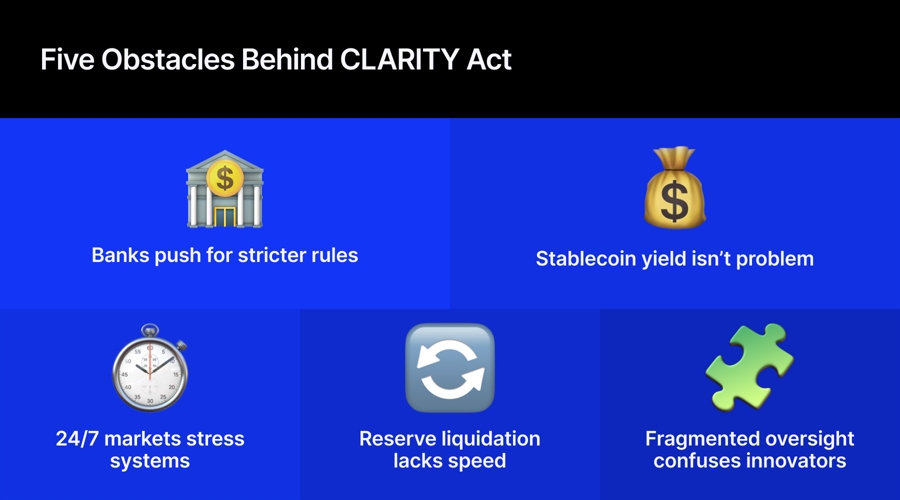
Banks have, however, warned that the bill could trigger a “flight of bank deposits” into stablecoins, raising financial stability concerns.
Proposed U.S. legislation CLARITY Act aims to finally
“sort out the rules” for crypto in one place, instead of leaving companies and
investors guessing which old financial rules apply.
But the big question remains whether the crypto industry,
which views it as a path to better regulation, and the banking sector, which
perceives it as a threat to financial stability, will find common ground.
The legislation is expected to spell out when a
coin or token is treated more like a stock and when it is treated more like a
commodity, and then tell you which regulator is in charge in each case.
Right now, the bill is moving through the U.S. Senate but
has not been approved yet, so nothing has changed in practice. A key Senate committee is about to hold a detailed review
and vote, and only if the bill passes the full Senate, gets aligned with the
House version, and is then signed by President Trump will it actually become
law.
Voices from Wall Street to Web3
Coinbase CEO Brian Armstrong is firmly behind the latest version of the CLARITY Act, arguing that after key revisions it now offers the
clear, comprehensive rules the crypto industry has long sought. He says the
bill will modernize America’s financial plumbing by making payments and market
infrastructure faster, cheaper and more accessible, while anchoring innovation
in the United States rather than overseas.
“The bill is strong. It will benefit the American people by
making the US financial system faster, cheaper and more accessible. It will
also ensure that the US leads in the global race to build the next generation
of our financial system.”
CLARITY is closer than ever.
The bill is strong. It will benefit the American people by making the US financial system faster, cheaper and more accessible. It will also ensure that the US leads in the global race to build the next generation of our financial system.
Another industry heavyweight Brad Garlinghouse has used X to
present the Clarity Act as a way to protect consumers and bring order to US
crypto rules. He has said the fight over the bill is really about what best
serves ordinary Americans, and he has pushed back against moves to slow it down
in the Senate.
Earlier this year, he called the Scott-backed Senate
proposal a big step forward, arguing that clear rules are better than confusion
and that crypto will benefit if the bill passes, while adding that lawmakers
can sort out the remaining disagreements during the markup stage.
“While long-overdue, this move by @SenatorTimScott and @BankingGOPon
market structure is a massive step forward in providing workable frameworks for
crypto, while continuing to protect consumers. Ripple (and I) know firsthand
that clarity beats chaos, and this bill’s success is crypto’s success.”
While long-overdue, this move by @SenatorTimScott and @BankingGOP on market structure is a massive step forward in providing workable frameworks for crypto, while continuing to protect consumers. Ripple (and I) know firsthand that clarity beats chaos, and this bill’s success is… https://t.co/EWcml1NpBE
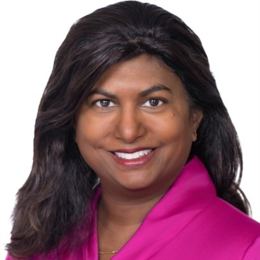
Nilmini Rubin, CPO of Hedera, told Finance Magnates that
tokenized markets have matured to a point where the U.S. must focus on how—not
whether—to regulate them. She highlighted that clear and consistent rules
around stablecoins and tokenized systems are crucial to fostering trustworthy,
scalable innovation, attracting investment, and ensuring leadership in the
future of global financial infrastructure.
“Clear rules around stablecoin exchange and tokenized rails
can help ensure that innovation develops within accountable frameworks rather
than fragmented systems. The jurisdictions that provide regulatory certainty,
operational clarity, and trusted standards will shape where the next generation
of financial infrastructure is built, financed, and scaled.”
Nilmini Rubin, the CPO of Hedera
“Regulatory certainty allows responsible builders, financial
institutions, and enterprises to invest in the secure and trusted
infrastructure needed to support long-term American leadership in digital
assets. As stablecoins and tokenized money evolve, interoperability and clear
rules governing how value moves across networks will be essential to enabling
scalable adoption and healthy liquidity flows."
From a retail trading infrastructure perspective, regulatory
clarity on digital assets is critically needed. The Clarity Act addresses
this by removing the ambiguity that has prevented institutional and retail
platforms from confidently offering crypto-related products.
“The Clarity Act matters because ambiguity has been the
single biggest blocker for institutional and retail platforms looking to offer
crypto-adjacent products with confidence. Clear definitions of what qualifies
as a commodity versus a security removes that uncertainty and opens the door
for compliant innovation at scale,” Tom McManus, the Founder of TradeRisk Futures, commented for Finance Magnates.
Tom McManus, the Founder of TradeRisk Futures
From Capitol Hill: Why Crypto Needs Clear Guardrails
In the political space, Senator Tim Scott, a key US Republican
voice on financial regulation and digital asset policy, emphasized the need for
a clearer regulatory framework for cryptocurrencies, arguing that households,
entrepreneurs, and market participants require well-defined rules to operate
confidently.
He pointed to the Senate’s version of the CLARITY Act as a
step toward establishing legal certainty, enhancing investor protections, and
reinforcing oversight, while also supporting broader economic participation and
addressing national security considerations tied to the digital asset
ecosystem.
“Families, small businesses, investors, and innovators
deserve clear rules of the road for digital assets. The Senate’s version of the
CLARITY Act delivers certainty, safeguards, and accountability, while
protecting Main Street, strengthening national security, and keeping.
Banks Push for Tighter Rules
But not everyone is happy. A high-stakes clash over the
future of digital dollars is unfolding in Washington, as banks ramp up pressure
on lawmakers just days before a crucial vote that could reshape how money moves
across the US financial system.
Senator Tim Scott, Source: X
The American Bankers Association has stepped up its campaign
against parts of the Digital Asset Market Clarity Act, urging senators to
impose stricter limits on stablecoins. The group warned that the latest draft
still allows crypto firms to offer rewards that resemble interest, which could
attract funds away from traditional bank deposits.
American Bankers
Association CEO Rob Nichols has called on U.S. bank chiefs to push back against
the CLARITY Act’s stablecoin yield provisions ahead of Thursday’s Senate
markup.
“The current
version of the legislation, although improved from an earlier version, still
does not adequately prevent crypto companies from offering interest-like
rewards on payment stablecoins. Without additional charges, we believe the current
proposal would unnecessarily incentivize the fight of bank deposits into
payment stablecoins, putting both economic growth and financial stability at
risk,” the letter read in part.
American Bankers Association CEO Rob Nichols (@BankersPrez) emailed every member bank CEO in the country on Mother's Day, urging "immediate engagement" against the CLARITY Act's stablecoin yield… pic.twitter.com/6uoQ26pct8
Senator Bernie Moreno says the “banking cartel is in full
panic mode” over the crypto-focused Clarity Act, accusing big banks of treating
customer deposits like a “personal piggy bank” for years while returning little
to savers and profiting from loans and bonuses.
The CLARITY Act
is scheduled for a key Senate Banking Committee markup and vote on May 14, but a date for a full Senate floor vote has not yet
been formally set. Lawmakers have only signaled that they hope to move it
sometime later in the summer.
Proposed U.S. legislation CLARITY Act aims to finally
“sort out the rules” for crypto in one place, instead of leaving companies and
investors guessing which old financial rules apply.
But the big question remains whether the crypto industry,
which views it as a path to better regulation, and the banking sector, which
perceives it as a threat to financial stability, will find common ground.
The legislation is expected to spell out when a
coin or token is treated more like a stock and when it is treated more like a
commodity, and then tell you which regulator is in charge in each case.
Right now, the bill is moving through the U.S. Senate but
has not been approved yet, so nothing has changed in practice. A key Senate committee is about to hold a detailed review
and vote, and only if the bill passes the full Senate, gets aligned with the
House version, and is then signed by President Trump will it actually become
law.
Voices from Wall Street to Web3
Coinbase CEO Brian Armstrong is firmly behind the latest version of the CLARITY Act, arguing that after key revisions it now offers the
clear, comprehensive rules the crypto industry has long sought. He says the
bill will modernize America’s financial plumbing by making payments and market
infrastructure faster, cheaper and more accessible, while anchoring innovation
in the United States rather than overseas.
“The bill is strong. It will benefit the American people by
making the US financial system faster, cheaper and more accessible. It will
also ensure that the US leads in the global race to build the next generation
of our financial system.”
CLARITY is closer than ever.
The bill is strong. It will benefit the American people by making the US financial system faster, cheaper and more accessible. It will also ensure that the US leads in the global race to build the next generation of our financial system.
Another industry heavyweight Brad Garlinghouse has used X to
present the Clarity Act as a way to protect consumers and bring order to US
crypto rules. He has said the fight over the bill is really about what best
serves ordinary Americans, and he has pushed back against moves to slow it down
in the Senate.
Earlier this year, he called the Scott-backed Senate
proposal a big step forward, arguing that clear rules are better than confusion
and that crypto will benefit if the bill passes, while adding that lawmakers
can sort out the remaining disagreements during the markup stage.
“While long-overdue, this move by @SenatorTimScott and @BankingGOPon
market structure is a massive step forward in providing workable frameworks for
crypto, while continuing to protect consumers. Ripple (and I) know firsthand
that clarity beats chaos, and this bill’s success is crypto’s success.”
While long-overdue, this move by @SenatorTimScott and @BankingGOP on market structure is a massive step forward in providing workable frameworks for crypto, while continuing to protect consumers. Ripple (and I) know firsthand that clarity beats chaos, and this bill’s success is… https://t.co/EWcml1NpBE
Nilmini Rubin, CPO of Hedera, told Finance Magnates that
tokenized markets have matured to a point where the U.S. must focus on how—not
whether—to regulate them. She highlighted that clear and consistent rules
around stablecoins and tokenized systems are crucial to fostering trustworthy,
scalable innovation, attracting investment, and ensuring leadership in the
future of global financial infrastructure.
“Clear rules around stablecoin exchange and tokenized rails
can help ensure that innovation develops within accountable frameworks rather
than fragmented systems. The jurisdictions that provide regulatory certainty,
operational clarity, and trusted standards will shape where the next generation
of financial infrastructure is built, financed, and scaled.”
Nilmini Rubin, the CPO of Hedera
“Regulatory certainty allows responsible builders, financial
institutions, and enterprises to invest in the secure and trusted
infrastructure needed to support long-term American leadership in digital
assets. As stablecoins and tokenized money evolve, interoperability and clear
rules governing how value moves across networks will be essential to enabling
scalable adoption and healthy liquidity flows."
From a retail trading infrastructure perspective, regulatory
clarity on digital assets is critically needed. The Clarity Act addresses
this by removing the ambiguity that has prevented institutional and retail
platforms from confidently offering crypto-related products.
“The Clarity Act matters because ambiguity has been the
single biggest blocker for institutional and retail platforms looking to offer
crypto-adjacent products with confidence. Clear definitions of what qualifies
as a commodity versus a security removes that uncertainty and opens the door
for compliant innovation at scale,” Tom McManus, the Founder of TradeRisk Futures, commented for Finance Magnates.
Tom McManus, the Founder of TradeRisk Futures
From Capitol Hill: Why Crypto Needs Clear Guardrails
In the political space, Senator Tim Scott, a key US Republican
voice on financial regulation and digital asset policy, emphasized the need for
a clearer regulatory framework for cryptocurrencies, arguing that households,
entrepreneurs, and market participants require well-defined rules to operate
confidently.
He pointed to the Senate’s version of the CLARITY Act as a
step toward establishing legal certainty, enhancing investor protections, and
reinforcing oversight, while also supporting broader economic participation and
addressing national security considerations tied to the digital asset
ecosystem.
“Families, small businesses, investors, and innovators
deserve clear rules of the road for digital assets. The Senate’s version of the
CLARITY Act delivers certainty, safeguards, and accountability, while
protecting Main Street, strengthening national security, and keeping.
Banks Push for Tighter Rules
But not everyone is happy. A high-stakes clash over the
future of digital dollars is unfolding in Washington, as banks ramp up pressure
on lawmakers just days before a crucial vote that could reshape how money moves
across the US financial system.
Senator Tim Scott, Source: X
The American Bankers Association has stepped up its campaign
against parts of the Digital Asset Market Clarity Act, urging senators to
impose stricter limits on stablecoins. The group warned that the latest draft
still allows crypto firms to offer rewards that resemble interest, which could
attract funds away from traditional bank deposits.
American Bankers
Association CEO Rob Nichols has called on U.S. bank chiefs to push back against
the CLARITY Act’s stablecoin yield provisions ahead of Thursday’s Senate
markup.
“The current
version of the legislation, although improved from an earlier version, still
does not adequately prevent crypto companies from offering interest-like
rewards on payment stablecoins. Without additional charges, we believe the current
proposal would unnecessarily incentivize the fight of bank deposits into
payment stablecoins, putting both economic growth and financial stability at
risk,” the letter read in part.
American Bankers Association CEO Rob Nichols (@BankersPrez) emailed every member bank CEO in the country on Mother's Day, urging "immediate engagement" against the CLARITY Act's stablecoin yield… pic.twitter.com/6uoQ26pct8
Senator Bernie Moreno says the “banking cartel is in full
panic mode” over the crypto-focused Clarity Act, accusing big banks of treating
customer deposits like a “personal piggy bank” for years while returning little
to savers and profiting from loans and bonuses.
The CLARITY Act
is scheduled for a key Senate Banking Committee markup and vote on May 14, but a date for a full Senate floor vote has not yet
been formally set. Lawmakers have only signaled that they hope to move it
sometime later in the summer.
Jared Kirui is an Editor at Finance Magnates with more than five years of experience in financial journalism. He covers online trading, fintech, payments, and crypto industries with a focus on companies, regulation and compliance, executive moves, trading technology, and market analysis.
His work has been featured in other media outlets, including Benzinga, ZyCrypto, The Distributed, and The Daily Hodl.
Education:
Bachelor of Commerce degree (Finance option), University of Nairobi
Will Bitcoin Hit $100,000? BTC Posts Best Quarter Since 2024 With 42% Rally
Featured Videos
FXOpen UK Applies to Cancel Licence; FCA Plans Staff Rule Changes
FXOpen UK Applies to Cancel Licence; FCA Plans Staff Rule Changes
FXOpen UK Applies to Cancel Licence; FCA Plans Staff Rule Changes
FXOpen UK Applies to Cancel Licence; FCA Plans Staff Rule Changes
Today’s financial news recap covers FXOpen UK closes client accounts, the FCA proposes changes to senior management rules, Webull extends options trading hours, and Match-Prime joins iSAM Securities Apex.
Finance Magnates Daily Recap brings you the latest news from forex and CFD brokers, fintech, payments, cryptocurrency, digital assets, trading platforms, financial regulation and global markets.
Get the key company news, executive moves, deals, regulatory updates and market developments of the day, in just a few minutes. New episodes published every weekday.
Read more: https://www.financemagnates.com
#FinanceMagnates #ForexNews #FintechNews
Today’s financial news recap covers FXOpen UK closes client accounts, the FCA proposes changes to senior management rules, Webull extends options trading hours, and Match-Prime joins iSAM Securities Apex.
Finance Magnates Daily Recap brings you the latest news from forex and CFD brokers, fintech, payments, cryptocurrency, digital assets, trading platforms, financial regulation and global markets.
Get the key company news, executive moves, deals, regulatory updates and market developments of the day, in just a few minutes. New episodes published every weekday.
Read more: https://www.financemagnates.com
#FinanceMagnates #ForexNews #FintechNews
Today’s financial news recap covers FXOpen UK closes client accounts, the FCA proposes changes to senior management rules, Webull extends options trading hours, and Match-Prime joins iSAM Securities Apex.
Finance Magnates Daily Recap brings you the latest news from forex and CFD brokers, fintech, payments, cryptocurrency, digital assets, trading platforms, financial regulation and global markets.
Get the key company news, executive moves, deals, regulatory updates and market developments of the day, in just a few minutes. New episodes published every weekday.
Read more: https://www.financemagnates.com
#FinanceMagnates #ForexNews #FintechNews
Today’s financial news recap covers FXOpen UK closes client accounts, the FCA proposes changes to senior management rules, Webull extends options trading hours, and Match-Prime joins iSAM Securities Apex.
Finance Magnates Daily Recap brings you the latest news from forex and CFD brokers, fintech, payments, cryptocurrency, digital assets, trading platforms, financial regulation and global markets.
Get the key company news, executive moves, deals, regulatory updates and market developments of the day, in just a few minutes. New episodes published every weekday.
Read more: https://www.financemagnates.com
#FinanceMagnates #ForexNews #FintechNews
IG Seeks UK Gambling Licence; OANDA Japan Holds Withdrawals
IG Seeks UK Gambling Licence; OANDA Japan Holds Withdrawals
IG Seeks UK Gambling Licence; OANDA Japan Holds Withdrawals
IG Seeks UK Gambling Licence; OANDA Japan Holds Withdrawals
IG Seeks UK Gambling Licence; OANDA Japan Holds Withdrawals
IG Seeks UK Gambling Licence; OANDA Japan Holds Withdrawals
Today’s financial news recap covers IG's plans to enter prediction markets, OANDA Japan's withdrawal suspension after a server hack, a NAGA's falling earnings amid rising marketing costs
Finance Magnates Daily Recap brings you the latest news from forex and CFD brokers, fintech, payments, cryptocurrency, digital assets, trading platforms, financial regulation and global markets.
Get the key company news, executive moves, deals, regulatory updates and market developments of the day, in just a few minutes. New episodes published every weekday.
Read more: https://www.financemagnates.com
#FinanceMagnates #ForexNews #FintechNews
Today’s financial news recap covers IG's plans to enter prediction markets, OANDA Japan's withdrawal suspension after a server hack, a NAGA's falling earnings amid rising marketing costs
Finance Magnates Daily Recap brings you the latest news from forex and CFD brokers, fintech, payments, cryptocurrency, digital assets, trading platforms, financial regulation and global markets.
Get the key company news, executive moves, deals, regulatory updates and market developments of the day, in just a few minutes. New episodes published every weekday.
Read more: https://www.financemagnates.com
#FinanceMagnates #ForexNews #FintechNews
Today’s financial news recap covers IG's plans to enter prediction markets, OANDA Japan's withdrawal suspension after a server hack, a NAGA's falling earnings amid rising marketing costs
Finance Magnates Daily Recap brings you the latest news from forex and CFD brokers, fintech, payments, cryptocurrency, digital assets, trading platforms, financial regulation and global markets.
Get the key company news, executive moves, deals, regulatory updates and market developments of the day, in just a few minutes. New episodes published every weekday.
Read more: https://www.financemagnates.com
#FinanceMagnates #ForexNews #FintechNews
Today’s financial news recap covers IG's plans to enter prediction markets, OANDA Japan's withdrawal suspension after a server hack, a NAGA's falling earnings amid rising marketing costs
Finance Magnates Daily Recap brings you the latest news from forex and CFD brokers, fintech, payments, cryptocurrency, digital assets, trading platforms, financial regulation and global markets.
Get the key company news, executive moves, deals, regulatory updates and market developments of the day, in just a few minutes. New episodes published every weekday.
Read more: https://www.financemagnates.com
#FinanceMagnates #ForexNews #FintechNews
Today’s financial news recap covers IG's plans to enter prediction markets, OANDA Japan's withdrawal suspension after a server hack, a NAGA's falling earnings amid rising marketing costs
Finance Magnates Daily Recap brings you the latest news from forex and CFD brokers, fintech, payments, cryptocurrency, digital assets, trading platforms, financial regulation and global markets.
Get the key company news, executive moves, deals, regulatory updates and market developments of the day, in just a few minutes. New episodes published every weekday.
Read more: https://www.financemagnates.com
#FinanceMagnates #ForexNews #FintechNews
Today’s financial news recap covers IG's plans to enter prediction markets, OANDA Japan's withdrawal suspension after a server hack, a NAGA's falling earnings amid rising marketing costs
Finance Magnates Daily Recap brings you the latest news from forex and CFD brokers, fintech, payments, cryptocurrency, digital assets, trading platforms, financial regulation and global markets.
Get the key company news, executive moves, deals, regulatory updates and market developments of the day, in just a few minutes. New episodes published every weekday.
Read more: https://www.financemagnates.com
#FinanceMagnates #ForexNews #FintechNews
FMIQ: Get Verified Market Intelligence in Seconds | FM Intelligence
FMIQ: Get Verified Market Intelligence in Seconds | FM Intelligence
FMIQ: Get Verified Market Intelligence in Seconds | FM Intelligence
FMIQ: Get Verified Market Intelligence in Seconds | FM Intelligence
FMIQ: Get Verified Market Intelligence in Seconds | FM Intelligence
FMIQ: Get Verified Market Intelligence in Seconds | FM Intelligence
Meet FMIQ (FM Intelligence Quantitative), now available inside the FM Intelligence Portal.
Ask the market a question in plain language and get a sourced, verified answer in seconds. FMIQ gives you the figures, time periods, and sources you need to make informed decisions, without the need to work through dashboards, filters, or spreadsheet exports.
What makes FMIQ different?
✓ Ask questions in plain language, with no SQL or dashboard setup required.
✓ Get verified answers checked through an independent quality assurance step.
✓ Access sourced figures you can cite with confidence.
✓ Ask follow-up questions and build on the same conversation.
✓ Query seven datasets in one place, covering trading volumes, traffic, platforms, market movements, regulations, fines, and licences.
Built for professionals across the financial markets
- Editorial teams: Find reliable figures and support your reporting with clear sources.
- Commercial teams: Access the market data you need to prepare for client meetings and sales discussions.
- Research and analyst teams: Explore market trends and get answers to specific questions.
- Compliance teams: Access intelligence on regulations, fines, and licences.
Every query is run live, and answers go through an independent quality check. FMIQ is read-only, stays focused on your question, and does not alter the underlying data.
Built on Finance Magnates market intelligence, FMIQ helps professionals get the answers they need, when they need them.
Access FMIQ today: https://datalab.financemagnates.com/market?utm_source=youtube&utm_medium=video&utm_campaign=fmiq_phase1_mvp_launch
#FMIntelligence #FMIQ #MarketIntelligence #FinanceMagnates #FinancialMarkets #MarketResearch
Meet FMIQ (FM Intelligence Quantitative), now available inside the FM Intelligence Portal.
Ask the market a question in plain language and get a sourced, verified answer in seconds. FMIQ gives you the figures, time periods, and sources you need to make informed decisions, without the need to work through dashboards, filters, or spreadsheet exports.
What makes FMIQ different?
✓ Ask questions in plain language, with no SQL or dashboard setup required.
✓ Get verified answers checked through an independent quality assurance step.
✓ Access sourced figures you can cite with confidence.
✓ Ask follow-up questions and build on the same conversation.
✓ Query seven datasets in one place, covering trading volumes, traffic, platforms, market movements, regulations, fines, and licences.
Built for professionals across the financial markets
- Editorial teams: Find reliable figures and support your reporting with clear sources.
- Commercial teams: Access the market data you need to prepare for client meetings and sales discussions.
- Research and analyst teams: Explore market trends and get answers to specific questions.
- Compliance teams: Access intelligence on regulations, fines, and licences.
Every query is run live, and answers go through an independent quality check. FMIQ is read-only, stays focused on your question, and does not alter the underlying data.
Built on Finance Magnates market intelligence, FMIQ helps professionals get the answers they need, when they need them.
Access FMIQ today: https://datalab.financemagnates.com/market?utm_source=youtube&utm_medium=video&utm_campaign=fmiq_phase1_mvp_launch
#FMIntelligence #FMIQ #MarketIntelligence #FinanceMagnates #FinancialMarkets #MarketResearch
Meet FMIQ (FM Intelligence Quantitative), now available inside the FM Intelligence Portal.
Ask the market a question in plain language and get a sourced, verified answer in seconds. FMIQ gives you the figures, time periods, and sources you need to make informed decisions, without the need to work through dashboards, filters, or spreadsheet exports.
What makes FMIQ different?
✓ Ask questions in plain language, with no SQL or dashboard setup required.
✓ Get verified answers checked through an independent quality assurance step.
✓ Access sourced figures you can cite with confidence.
✓ Ask follow-up questions and build on the same conversation.
✓ Query seven datasets in one place, covering trading volumes, traffic, platforms, market movements, regulations, fines, and licences.
Built for professionals across the financial markets
- Editorial teams: Find reliable figures and support your reporting with clear sources.
- Commercial teams: Access the market data you need to prepare for client meetings and sales discussions.
- Research and analyst teams: Explore market trends and get answers to specific questions.
- Compliance teams: Access intelligence on regulations, fines, and licences.
Every query is run live, and answers go through an independent quality check. FMIQ is read-only, stays focused on your question, and does not alter the underlying data.
Built on Finance Magnates market intelligence, FMIQ helps professionals get the answers they need, when they need them.
Access FMIQ today: https://datalab.financemagnates.com/market?utm_source=youtube&utm_medium=video&utm_campaign=fmiq_phase1_mvp_launch
#FMIntelligence #FMIQ #MarketIntelligence #FinanceMagnates #FinancialMarkets #MarketResearch
Meet FMIQ (FM Intelligence Quantitative), now available inside the FM Intelligence Portal.
Ask the market a question in plain language and get a sourced, verified answer in seconds. FMIQ gives you the figures, time periods, and sources you need to make informed decisions, without the need to work through dashboards, filters, or spreadsheet exports.
What makes FMIQ different?
✓ Ask questions in plain language, with no SQL or dashboard setup required.
✓ Get verified answers checked through an independent quality assurance step.
✓ Access sourced figures you can cite with confidence.
✓ Ask follow-up questions and build on the same conversation.
✓ Query seven datasets in one place, covering trading volumes, traffic, platforms, market movements, regulations, fines, and licences.
Built for professionals across the financial markets
- Editorial teams: Find reliable figures and support your reporting with clear sources.
- Commercial teams: Access the market data you need to prepare for client meetings and sales discussions.
- Research and analyst teams: Explore market trends and get answers to specific questions.
- Compliance teams: Access intelligence on regulations, fines, and licences.
Every query is run live, and answers go through an independent quality check. FMIQ is read-only, stays focused on your question, and does not alter the underlying data.
Built on Finance Magnates market intelligence, FMIQ helps professionals get the answers they need, when they need them.
Access FMIQ today: https://datalab.financemagnates.com/market?utm_source=youtube&utm_medium=video&utm_campaign=fmiq_phase1_mvp_launch
#FMIntelligence #FMIQ #MarketIntelligence #FinanceMagnates #FinancialMarkets #MarketResearch
Meet FMIQ (FM Intelligence Quantitative), now available inside the FM Intelligence Portal.
Ask the market a question in plain language and get a sourced, verified answer in seconds. FMIQ gives you the figures, time periods, and sources you need to make informed decisions, without the need to work through dashboards, filters, or spreadsheet exports.
What makes FMIQ different?
✓ Ask questions in plain language, with no SQL or dashboard setup required.
✓ Get verified answers checked through an independent quality assurance step.
✓ Access sourced figures you can cite with confidence.
✓ Ask follow-up questions and build on the same conversation.
✓ Query seven datasets in one place, covering trading volumes, traffic, platforms, market movements, regulations, fines, and licences.
Built for professionals across the financial markets
- Editorial teams: Find reliable figures and support your reporting with clear sources.
- Commercial teams: Access the market data you need to prepare for client meetings and sales discussions.
- Research and analyst teams: Explore market trends and get answers to specific questions.
- Compliance teams: Access intelligence on regulations, fines, and licences.
Every query is run live, and answers go through an independent quality check. FMIQ is read-only, stays focused on your question, and does not alter the underlying data.
Built on Finance Magnates market intelligence, FMIQ helps professionals get the answers they need, when they need them.
Access FMIQ today: https://datalab.financemagnates.com/market?utm_source=youtube&utm_medium=video&utm_campaign=fmiq_phase1_mvp_launch
#FMIntelligence #FMIQ #MarketIntelligence #FinanceMagnates #FinancialMarkets #MarketResearch
Meet FMIQ (FM Intelligence Quantitative), now available inside the FM Intelligence Portal.
Ask the market a question in plain language and get a sourced, verified answer in seconds. FMIQ gives you the figures, time periods, and sources you need to make informed decisions, without the need to work through dashboards, filters, or spreadsheet exports.
What makes FMIQ different?
✓ Ask questions in plain language, with no SQL or dashboard setup required.
✓ Get verified answers checked through an independent quality assurance step.
✓ Access sourced figures you can cite with confidence.
✓ Ask follow-up questions and build on the same conversation.
✓ Query seven datasets in one place, covering trading volumes, traffic, platforms, market movements, regulations, fines, and licences.
Built for professionals across the financial markets
- Editorial teams: Find reliable figures and support your reporting with clear sources.
- Commercial teams: Access the market data you need to prepare for client meetings and sales discussions.
- Research and analyst teams: Explore market trends and get answers to specific questions.
- Compliance teams: Access intelligence on regulations, fines, and licences.
Every query is run live, and answers go through an independent quality check. FMIQ is read-only, stays focused on your question, and does not alter the underlying data.
Built on Finance Magnates market intelligence, FMIQ helps professionals get the answers they need, when they need them.
Access FMIQ today: https://datalab.financemagnates.com/market?utm_source=youtube&utm_medium=video&utm_campaign=fmiq_phase1_mvp_launch
#FMIntelligence #FMIQ #MarketIntelligence #FinanceMagnates #FinancialMarkets #MarketResearch
MyForexFunds Details No Conflict Model; UK Eyes iPhone Wallets
MyForexFunds Details No Conflict Model; UK Eyes iPhone Wallets
MyForexFunds Details No Conflict Model; UK Eyes iPhone Wallets
MyForexFunds Details No Conflict Model; UK Eyes iPhone Wallets
MyForexFunds Details No Conflict Model; UK Eyes iPhone Wallets
MyForexFunds Details No Conflict Model; UK Eyes iPhone Wallets
Today’s financial news recap covers MyForexFunds outlines its Evolution relaunch, UK brokers could get their own iPhone wallets, Goat Funded Trader reports $26 million in payouts, and Kalshi explains its pitch to brokers.
Finance Magnates Daily Recap brings you the latest news from forex and CFD brokers, fintech, payments, cryptocurrency, digital assets, trading platforms, financial regulation and global markets.
Get the key company news, executive moves, deals, regulatory updates and market developments of the day, in just a few minutes. New episodes published every weekday.
Read more: https://www.financemagnates.com
#FinanceMagnates #ForexNews #FintechNews
Today’s financial news recap covers MyForexFunds outlines its Evolution relaunch, UK brokers could get their own iPhone wallets, Goat Funded Trader reports $26 million in payouts, and Kalshi explains its pitch to brokers.
Finance Magnates Daily Recap brings you the latest news from forex and CFD brokers, fintech, payments, cryptocurrency, digital assets, trading platforms, financial regulation and global markets.
Get the key company news, executive moves, deals, regulatory updates and market developments of the day, in just a few minutes. New episodes published every weekday.
Read more: https://www.financemagnates.com
#FinanceMagnates #ForexNews #FintechNews
Today’s financial news recap covers MyForexFunds outlines its Evolution relaunch, UK brokers could get their own iPhone wallets, Goat Funded Trader reports $26 million in payouts, and Kalshi explains its pitch to brokers.
Finance Magnates Daily Recap brings you the latest news from forex and CFD brokers, fintech, payments, cryptocurrency, digital assets, trading platforms, financial regulation and global markets.
Get the key company news, executive moves, deals, regulatory updates and market developments of the day, in just a few minutes. New episodes published every weekday.
Read more: https://www.financemagnates.com
#FinanceMagnates #ForexNews #FintechNews
Today’s financial news recap covers MyForexFunds outlines its Evolution relaunch, UK brokers could get their own iPhone wallets, Goat Funded Trader reports $26 million in payouts, and Kalshi explains its pitch to brokers.
Finance Magnates Daily Recap brings you the latest news from forex and CFD brokers, fintech, payments, cryptocurrency, digital assets, trading platforms, financial regulation and global markets.
Get the key company news, executive moves, deals, regulatory updates and market developments of the day, in just a few minutes. New episodes published every weekday.
Read more: https://www.financemagnates.com
#FinanceMagnates #ForexNews #FintechNews
Today’s financial news recap covers MyForexFunds outlines its Evolution relaunch, UK brokers could get their own iPhone wallets, Goat Funded Trader reports $26 million in payouts, and Kalshi explains its pitch to brokers.
Finance Magnates Daily Recap brings you the latest news from forex and CFD brokers, fintech, payments, cryptocurrency, digital assets, trading platforms, financial regulation and global markets.
Get the key company news, executive moves, deals, regulatory updates and market developments of the day, in just a few minutes. New episodes published every weekday.
Read more: https://www.financemagnates.com
#FinanceMagnates #ForexNews #FintechNews
Today’s financial news recap covers MyForexFunds outlines its Evolution relaunch, UK brokers could get their own iPhone wallets, Goat Funded Trader reports $26 million in payouts, and Kalshi explains its pitch to brokers.
Finance Magnates Daily Recap brings you the latest news from forex and CFD brokers, fintech, payments, cryptocurrency, digital assets, trading platforms, financial regulation and global markets.
Get the key company news, executive moves, deals, regulatory updates and market developments of the day, in just a few minutes. New episodes published every weekday.
Read more: https://www.financemagnates.com
#FinanceMagnates #ForexNews #FintechNews
How Much Are CFD Industry Executives Making; Plus500 Buys Brazilian Broker
How Much Are CFD Industry Executives Making; Plus500 Buys Brazilian Broker
How Much Are CFD Industry Executives Making; Plus500 Buys Brazilian Broker
How Much Are CFD Industry Executives Making; Plus500 Buys Brazilian Broker
How Much Are CFD Industry Executives Making; Plus500 Buys Brazilian Broker
How Much Are CFD Industry Executives Making; Plus500 Buys Brazilian Broker
Today’s financial news recap covers FinTop Consulting shared its 2026 salary surveys for Dubai, London and Cyprus with Finance Magnates, Plus500 buys a Brazilian broker, and Google opens the door to CFD ads in Denmark and Chile.
Finance Magnates Daily Recap brings you the latest news from forex and CFD brokers, fintech, payments, cryptocurrency, digital assets, trading platforms, financial regulation and global markets.
Get the key company news, executive moves, deals, regulatory updates and market developments of the day, in just a few minutes. New episodes published every weekday.
Read more: https://www.financemagnates.com
#FinanceMagnates #ForexNews #FintechNews
Today’s financial news recap covers FinTop Consulting shared its 2026 salary surveys for Dubai, London and Cyprus with Finance Magnates, Plus500 buys a Brazilian broker, and Google opens the door to CFD ads in Denmark and Chile.
Finance Magnates Daily Recap brings you the latest news from forex and CFD brokers, fintech, payments, cryptocurrency, digital assets, trading platforms, financial regulation and global markets.
Get the key company news, executive moves, deals, regulatory updates and market developments of the day, in just a few minutes. New episodes published every weekday.
Read more: https://www.financemagnates.com
#FinanceMagnates #ForexNews #FintechNews
Today’s financial news recap covers FinTop Consulting shared its 2026 salary surveys for Dubai, London and Cyprus with Finance Magnates, Plus500 buys a Brazilian broker, and Google opens the door to CFD ads in Denmark and Chile.
Finance Magnates Daily Recap brings you the latest news from forex and CFD brokers, fintech, payments, cryptocurrency, digital assets, trading platforms, financial regulation and global markets.
Get the key company news, executive moves, deals, regulatory updates and market developments of the day, in just a few minutes. New episodes published every weekday.
Read more: https://www.financemagnates.com
#FinanceMagnates #ForexNews #FintechNews
Today’s financial news recap covers FinTop Consulting shared its 2026 salary surveys for Dubai, London and Cyprus with Finance Magnates, Plus500 buys a Brazilian broker, and Google opens the door to CFD ads in Denmark and Chile.
Finance Magnates Daily Recap brings you the latest news from forex and CFD brokers, fintech, payments, cryptocurrency, digital assets, trading platforms, financial regulation and global markets.
Get the key company news, executive moves, deals, regulatory updates and market developments of the day, in just a few minutes. New episodes published every weekday.
Read more: https://www.financemagnates.com
#FinanceMagnates #ForexNews #FintechNews
Today’s financial news recap covers FinTop Consulting shared its 2026 salary surveys for Dubai, London and Cyprus with Finance Magnates, Plus500 buys a Brazilian broker, and Google opens the door to CFD ads in Denmark and Chile.
Finance Magnates Daily Recap brings you the latest news from forex and CFD brokers, fintech, payments, cryptocurrency, digital assets, trading platforms, financial regulation and global markets.
Get the key company news, executive moves, deals, regulatory updates and market developments of the day, in just a few minutes. New episodes published every weekday.
Read more: https://www.financemagnates.com
#FinanceMagnates #ForexNews #FintechNews
Today’s financial news recap covers FinTop Consulting shared its 2026 salary surveys for Dubai, London and Cyprus with Finance Magnates, Plus500 buys a Brazilian broker, and Google opens the door to CFD ads in Denmark and Chile.
Finance Magnates Daily Recap brings you the latest news from forex and CFD brokers, fintech, payments, cryptocurrency, digital assets, trading platforms, financial regulation and global markets.
Get the key company news, executive moves, deals, regulatory updates and market developments of the day, in just a few minutes. New episodes published every weekday.
Read more: https://www.financemagnates.com
#FinanceMagnates #ForexNews #FintechNews