The SEC Wants to Scrap a 20-Year Stock Rule, and Citadel Says Investors Could Pay

Tuesday, 18/08/2026 | 06:27 GMT by Damian Chmiel
  • The market maker says repeal could move retail orders away from exchanges and weaken displayed liquidity.
  • SIFMA warns brokers may keep paying for all venue data while losing the rule's price backstop.
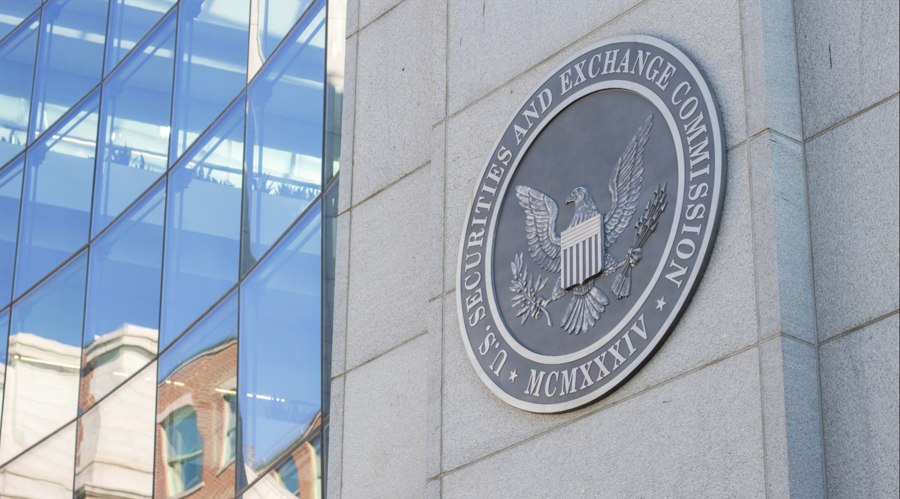
the seal of the United States SEC seen at its headquarters in Washington, DC
The seal of the United States SEC seen at its headquarters in Washington, DC

Citadel Securities urged the Securities and Exchange Commission (SEC ) yesterday (Monday) to keep the order protection rule for US stocks. It said repeal could hurt retail investors and public exchanges.

Without Rule 611, a trading center could execute an order at a worse price than a protected quote displayed elsewhere. US zero-commission brokers already route some retail orders to wholesalers, including Citadel Securities and Virtu Financial, instead of sending them directly to exchanges.

The SEC proposed in June to rescind Rule 611 and Rule 610(e), which restricts locked and crossed quotes. The comment period closed Monday. Both rules have shaped equity order routing since 2005.

Citadel Challenges the SEC Cost Case

Reuters reviewed the Citadel Securities letter. The firm said the SEC had not shown that the benefits of repeal would outweigh the risks.

It described expected compliance savings of about $250,000 per trading day as small compared with the size of the US stock market.

The firm said brokers would be able to bypass better displayed exchange prices more easily. More customer orders could then be internalized or sent to alternative venues, reducing the incentive to post competitive quotes on public markets.

"We urge the Commission to reconsider this Proposal," Citadel Securities said.

Its preferred alternative is a minimum trading-volume threshold for an exchange to receive protected-quote status. That would preserve Rule 611 for larger venues while allowing brokers to ignore protected-price obligations at smaller exchanges.

The SEC said repeal could reduce exchange proliferation, forced connectivity and the cost of maintaining order-routing systems. Its proposal estimates aggregate annual system-maintenance savings of $22.8 million to $45.6 million, alongside $40.9 million in one-time implementation costs.

SIFMA Sees Costs Surviving Repeal

The Securities Industry and Financial Markets Association (SIFMA) and its Asset Management Group filed a separate 25-page comment letter Monday. They support reducing venue proliferation and unnecessary complexity but want the SEC to address downstream rules before any repeal takes effect.

The separate duty of best execution would survive.

Although better displayed quotes would lose Rule 611 protection, SIFMA said the national best bid and offer, or NBBO, would remain the benchmark for regulatory reviews.

Brokers could then have to explain executions away from the NBBO. That review may include whether a venue's quotes were accessible or worth the cost of connecting to it.

Market-data savings are also uncertain. SIFMA expects firms may still need consolidated data from every displayed venue for best-execution reviews and customer displays, even after disconnecting from some venues for trading.

That distinction matters for broker-dealers because exchange data costs extend beyond a single feed. Connectivity, non-display use, redistribution and technology expenses can remain even when a firm sends fewer orders to a venue.

"Market data cost and complexity therefore would not appear to be reduced," SIFMA wrote.

SIFMA asked the SEC and the Financial Industry Regulatory Authority (FINRA) to publish a post-Rule 611 best-execution framework before repeal. The guidance would need to explain when a broker may disconnect from an exchange and still meet its duty to customers.

Tokenized Stocks Add Another Fault Line

Citadel Securities also argued that tokenized-equity venues could execute trades without matching better prices displayed in the conventional stock market. The firm said that could leave investors with weaker protections.

The concern overlaps with warnings from traditional exchanges about tokenized stocks. SIFMA separately asked the SEC to clarify whether tokenized shares are fungible with conventional securities and how different settlement and wallet costs should affect routing.

The SEC itself presented a volume threshold as an alternative to full repeal. Based on trading from September 2025 through February 2026, a 1% share of average dollar volume would leave protected quotes on seven exchanges, while a 2% cutoff would leave six.

The SEC's June release did not set a date for a final vote.

Citadel Securities urged the Securities and Exchange Commission (SEC ) yesterday (Monday) to keep the order protection rule for US stocks. It said repeal could hurt retail investors and public exchanges.

Without Rule 611, a trading center could execute an order at a worse price than a protected quote displayed elsewhere. US zero-commission brokers already route some retail orders to wholesalers, including Citadel Securities and Virtu Financial, instead of sending them directly to exchanges.

The SEC proposed in June to rescind Rule 611 and Rule 610(e), which restricts locked and crossed quotes. The comment period closed Monday. Both rules have shaped equity order routing since 2005.

Citadel Challenges the SEC Cost Case

Reuters reviewed the Citadel Securities letter. The firm said the SEC had not shown that the benefits of repeal would outweigh the risks.

It described expected compliance savings of about $250,000 per trading day as small compared with the size of the US stock market.

The firm said brokers would be able to bypass better displayed exchange prices more easily. More customer orders could then be internalized or sent to alternative venues, reducing the incentive to post competitive quotes on public markets.

"We urge the Commission to reconsider this Proposal," Citadel Securities said.

Its preferred alternative is a minimum trading-volume threshold for an exchange to receive protected-quote status. That would preserve Rule 611 for larger venues while allowing brokers to ignore protected-price obligations at smaller exchanges.

The SEC said repeal could reduce exchange proliferation, forced connectivity and the cost of maintaining order-routing systems. Its proposal estimates aggregate annual system-maintenance savings of $22.8 million to $45.6 million, alongside $40.9 million in one-time implementation costs.

SIFMA Sees Costs Surviving Repeal

The Securities Industry and Financial Markets Association (SIFMA) and its Asset Management Group filed a separate 25-page comment letter Monday. They support reducing venue proliferation and unnecessary complexity but want the SEC to address downstream rules before any repeal takes effect.

The separate duty of best execution would survive.

Although better displayed quotes would lose Rule 611 protection, SIFMA said the national best bid and offer, or NBBO, would remain the benchmark for regulatory reviews.

Brokers could then have to explain executions away from the NBBO. That review may include whether a venue's quotes were accessible or worth the cost of connecting to it.

Market-data savings are also uncertain. SIFMA expects firms may still need consolidated data from every displayed venue for best-execution reviews and customer displays, even after disconnecting from some venues for trading.

That distinction matters for broker-dealers because exchange data costs extend beyond a single feed. Connectivity, non-display use, redistribution and technology expenses can remain even when a firm sends fewer orders to a venue.

"Market data cost and complexity therefore would not appear to be reduced," SIFMA wrote.

SIFMA asked the SEC and the Financial Industry Regulatory Authority (FINRA) to publish a post-Rule 611 best-execution framework before repeal. The guidance would need to explain when a broker may disconnect from an exchange and still meet its duty to customers.

Tokenized Stocks Add Another Fault Line

Citadel Securities also argued that tokenized-equity venues could execute trades without matching better prices displayed in the conventional stock market. The firm said that could leave investors with weaker protections.

The concern overlaps with warnings from traditional exchanges about tokenized stocks. SIFMA separately asked the SEC to clarify whether tokenized shares are fungible with conventional securities and how different settlement and wallet costs should affect routing.

The SEC itself presented a volume threshold as an alternative to full repeal. Based on trading from September 2025 through February 2026, a 1% share of average dollar volume would leave protected quotes on seven exchanges, while a 2% cutoff would leave six.

The SEC's June release did not set a date for a final vote.

About the Author: Damian Chmiel
Damian Chmiel
  • 3857 Articles
  • 116 Followers
About the Author: Damian Chmiel
Damian Chmiel is a Senior Analyst & Editor at Finance Magnates with more than 15 years of experience in the CFD and online trading industry. Active as both a trader and journalist since 2010, he focuses on broker coverage, fintech innovation, and regulatory developments across Europe, the Middle East, and Asia. His work includes interviews with C-level leaders at major brokerages and fintech platforms, as well as co-authoring Finance Magnates’ quarterly industry benchmarking reports. Damian’s reporting is data-driven, market-aware, and grounded in direct industry engagement. His analysis and commentary have also been cited by external media outlets, including Investing.com, Binance, The Asset, Stockhead, and Dispatch. Education: MA in Finance and Accounting, Cracow University of Economics
  • 3857 Articles
  • 116 Followers

More from the Author

Retail FX

!"#$%&'()*+,-./0123456789:;<=>?@ABCDEFGHIJKLMNOPQRSTUVWXYZ[\]^_`abcdefghijklmnopqrstuvwxyz{|} !"#$%&'()*+,-./0123456789:;<=>?@ABCDEFGHIJKLMNOPQRSTUVWXYZ[\]^_`abcdefghijklmnopqrstuvwxyz{|}