

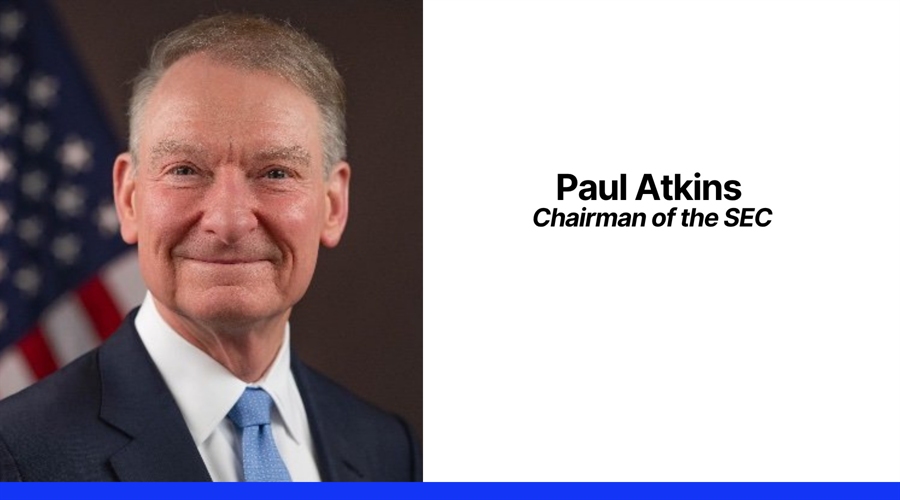
SEC Chairman Paul Atkins announced a formal public comment period on proposed exchange-traded funds from Roundhill, GraniteShares, and Bitwise.
The ETFs, which would let investors take positions on U.S. midterm elections, tech layoffs, and macroeconomic data releases through standard brokerage accounts, were originally slated for a May launch.
By putting on hold a wave of proposed "Event Contract ETFs", Atkins has signalled that he intends to hold the prediction market sector to traditional securities standards before any funds go live.
The move carries a jurisdictional dimension. By formally opening a comment process, the SEC is staking a direct claim over a sector the CFTC has treated as its own.
Atkins has called for "harmonized approaches" between agencies, but the practical effect here is that prediction markets now have two regulators asking hard questions at the same time.
- SEC Rule Change Sparks Renewed Surge in Meme Stock Trading
- SEC Grants Conditional Relief to Brokers for Treasury Cross‑Margining
- SEC Filed 456 Enforcement Actions in Fiscal 2025, but the Real Story Is What It Chose Not to Do
Why the SEC Called a Timeout
Bloomberg Intelligence analyst James Seyffart described the agency's concern as a reluctance to "open Pandora's box."
The SEC is specifically pressing for answers on three fronts. Valuation relates to how a fund accurately prices a binary contract that can move from $1 to $0 on a single headline.
Insider trading and manipulation are about preventing government officials or industry insiders from trading on events they may have material, non-public knowledge of.
Retail suitability deals with whether the $15 trillion ETF wrapper is the right vehicle for contracts that critics still characterize as gambling.
What It Means for Brokers and Asset Nanagers
For asset managers, the delay follows a recognisable pattern. Eric Balchunas and other ETF veterans have noted that multiple rounds of SEC delay preceded the eventual approval of Bitcoin spot ETFs.
RAIN DELAY: Prediction Market ETFs have been delayed by the SEC, according to Reuters. They were slated to start rolling out Thursday but SEC is seeking more info about mechanics and disclosures. Delay is likely temporary, so stay tuned.. pic.twitter.com/zTwyblC6Ys
— Eric Balchunas (@EricBalchunas) May 4, 2026
If these funds ultimately launch, they create a new product category - event-specific hedges distributed through the same infrastructure as any other ETF.
Approval would pull prediction markets out of specialised platforms like Kalshi and into the distribution networks of firms like Schwab or Fidelity, bringing a new generation of high-volume, speculative instruments into mainstream retail accounts.
The harder problem is regulatory divergence. The CFTC has recently moved to ease compliance requirements for prediction market operators to encourage growth.
The SEC is moving in the opposite direction, pushing for deeper disclosure and investor protection standards. Firms building infrastructure that has to satisfy both agencies simultaneously are facing a framework that doesn't yet exist.
Where This Goes
The SEC's decision to formally engage with these filings, rather than let them lapse, confirms that prediction markets have moved from a niche regulatory question to a systemic one.
Whether that process produces workable standards or another round of delays depends on how the public comment period goes and, more importantly, on whether the two agencies can agree on where one regulator's jurisdiction ends and the other's begins.


