

On Friday, the House Oversight Committee sent formal information requests to Kalshi and Polymarket, demanding internal records on identity verification and trade surveillance, escalating prediction markets to the compliance scrutiny Congress typically reserves for registered derivatives exchanges.
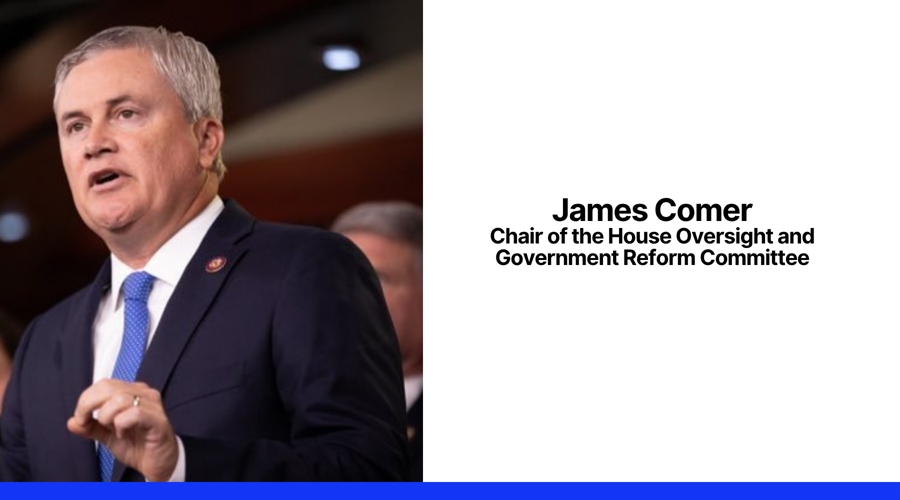
Rep. James Comer (R-Ky.), committee chair, announced the inquiry, and is seeking detailed documentation on how each platform detects anomalous trading and prevents insider activity. The platforms are supposed to provide the required documentation by June 5, meaning they have less than two weeks to prepare responses.
🚨NEW: Oversight Chairman Comer launches congressional probe into insider trading on Kalshi, Polymarket
— Rep. James Comer (@RepJamesComer) May 22, 2026
“Comer requested documents and communications from both CEOs on how each company verifies identities and detects unusual trades.” @CNBC https://t.co/E4Jo32Irr7
The probe follows the federal indictment of a U.S. soldier who allegedly used classified intelligence to generate roughly $400,000 in profits on Polymarket, and Kalshi's recent suspension of three congressional candidates who placed bets on their own races.
"Internal records held by prediction market platforms are the only means by which bad actors can be identified," Comer wrote in letters to Kalshi CEO Tarek Mansour and Polymarket CEO Shayne Coplan. "The Committee requests information to understand how [platforms] implement identity verification... and detect anomalous trading activity."
- Inside the Prediction Markets: Polymarket Pushes Abroad as Sporttrade Drops Sportsbooks
- Casino Lobby Calls CFTC a “Rogue Agency” Over Prediction Markets
- Sporttrade Exits Sports Betting to Rebuild Around Prediction Markets Under CFTC Oversight
What Congress Is Actually Asking For
The requests cover three specific areas. First, transaction records: not just trade logs, but auditable documentation of activity that could support enforcement action.
Second, KYC systems: Comer's letters challenge the degree of anonymity that crypto-native architectures afford users, and ask how platforms verify identity for both domestic and international accounts.
Third, anomaly detection: whether platforms have automated, real-time systems capable of flagging suspicious patterns before they generate a compliance or national security incident.
Kalshi, as a CFTC-regulated exchange, already prohibits anonymous trading and maintains an internal enforcement team. Polymarket's architecture presents a more complex compliance picture. Its blockchain-based, internationally accessible structure was not designed around the transparency requirements Washington is now asking about.
"The rapid growth and mainstreaming of this platform... and the anonymity it affords users may have created unintended structural conditions that bad actors — especially individuals with national security clearances — can exploit," Comer wrote.
What Comes Next
Comer said the investigation is designed to build a legislative record supporting a law that would ban government employees and members of Congress from trading on prediction markets. Congressional investigations of this scope typically produce formal regulation.
For brokers evaluating the sector, that means compliance infrastructure matters: platforms with real-time surveillance, verifiable identity systems, and documented response protocols will be positioned to survive rulemaking.
The probe will either validate that prediction markets can police themselves, or provide the evidence Congress needs to shut government employees out entirely.


