The origins of this dilemma stem from several years ago, with rising labor costs in Europe’s financial capital, London, incurring mounting costs for European lenders. This trend was most clearly seen across trading desks, back office, and IT roles over the past few years, many of which were the first roles to be axed as lenders embarked on various ‘fix-it’ plans.
Banks have always vied for top-tier talent, with leaders such as Deutsche Bank, Credit Suisse, Barclays, and Standard Chartered swapping industry specialists and veterans like clockwork. The ability to secure or retain leading talent across trading desks helped give some banks an edge over the past decade, though they have seemed to be in gradual decline since the global financial crisis.
Bloomberg
Mid to late 2015 proved to be a trying time for many banks, and coincided with the launching of several restructuring plans. Many of the industry’s biggest players, i.e. Deutsche Bank, Standard Chartered and others, made a series of announcements in a bid to help calm shareholders, ultimately ushering in comprehensive plans to restore profitability.
These plans focused mostly on job cuts, which mainly affected the aforementioned sectors, with IT roles being the hardest hit in the UK. The epicenter for these job cuts has been London, though many other regions in the country have also seen a steady uptick in layoffs recently.
Deutsche Bank’s ambitious plan to axe over 35,000 employees globally represented the most extreme instance of this agenda, while many other lenders unveiled plans that while slightly smaller in scale, were no less ambitious. Ultimately, strategies revolved around a combination of goals, ranging from reduced headcount to transformations of retail strategies, into a more digitized banking approach.
While the process is ongoing, the early results do not bode well for lenders, many of which have been forced to double down on these plans, or increase the scope of their initial agenda. Other lenders have opted to relocate portions of their operations or trading desks to other regions entirely, mainly Asia.
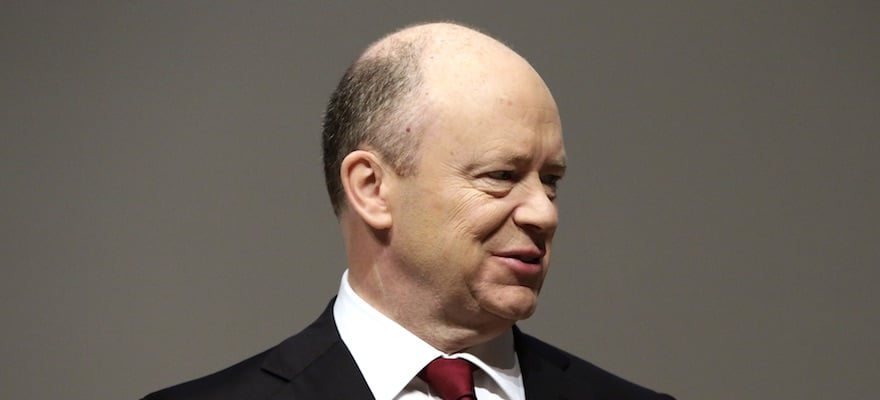
Bloomberg: Deutsche Bank CEO John Cryan
Employee Retention Issues?
Over a year into the cost-cutting strategies, banks have still been facing dire straits, with shareholders losing confidence rapidly. This has led to many CEOs taking a more vocal and direct approach in alleviating these concerns, especially on the heels of disappointing quarterly earnings reports.
One element that has received considerable attention in 2017 is the issue of bonuses, long since a key factor in helping peel away talent from rival groups. However, bonuses now for top-level talent is not even the issue, rather comprehensive bonus pools available for entire companies.
2017 has seen two diverging strategies thus far, with Deutsche Bank and Credit Suisse taking alternative approaches to address issues of profitability and retention. Deutsche Bank earlier this year opted to cut its bonus pool by 80 percent. The measures are slated to affect roughly 100,000 staff globally.
Moreover, others at the group will instead receive a special long-term incentive that is dictated by the bank’s performance – this option is available on a more limited basis to around 5,000 staff members.
Credit Suisse is taking a different approach altogether, namely on the heels of its recent $2.4 billion loss in 2016. The lender expanded its bonus pool by 6.0 percent in 2017, part of its plan to keep much of its talent in house at a time when others are jumping ship for greener pastures.
It is likely that other banks will follow suit in 2017 though the upcoming Brexit fallout could certainty influence this decision-making, especially at a time when banks are looking to set up shop beyond the UK.
Post-Brexit Strategy
European lenders were dealt a blow earlier this year when Theresa May’s comments virtually extinguished any hope of passporting rights with Europe, long since one of the strongest incentives for operating out of the UK. With the UK slated for a schism with Continental Europe, many banks have begun mulling an exit strategy.
Bloomberg
To date, Frankfurt and Dublin have emerged as the two most likely options, though each presents its own sort of logistical difficulties – more likely rather is the fact that there is not another city with the financial scope and caliber of London that can be readily replicated in such a short time.
Others have pointed to Amsterdam as a dark horse candidate in the race to become the next European banking capital. Still, other lenders are looking beyond Europe altogether, moving operations to Asia, which is still seen as a strong growth nexus at a time when most European lenders are closing branches.
As the UK drifts closer to Brexit, many lenders will have their hands forced, which should cause an even greater movement of personnel in the country. Presently, there is more talk than action though this could heat up by the end of the year.
The origins of this dilemma stem from several years ago, with rising labor costs in Europe’s financial capital, London, incurring mounting costs for European lenders. This trend was most clearly seen across trading desks, back office, and IT roles over the past few years, many of which were the first roles to be axed as lenders embarked on various ‘fix-it’ plans.
Banks have always vied for top-tier talent, with leaders such as Deutsche Bank, Credit Suisse, Barclays, and Standard Chartered swapping industry specialists and veterans like clockwork. The ability to secure or retain leading talent across trading desks helped give some banks an edge over the past decade, though they have seemed to be in gradual decline since the global financial crisis.
Bloomberg
Mid to late 2015 proved to be a trying time for many banks, and coincided with the launching of several restructuring plans. Many of the industry’s biggest players, i.e. Deutsche Bank, Standard Chartered and others, made a series of announcements in a bid to help calm shareholders, ultimately ushering in comprehensive plans to restore profitability.
These plans focused mostly on job cuts, which mainly affected the aforementioned sectors, with IT roles being the hardest hit in the UK. The epicenter for these job cuts has been London, though many other regions in the country have also seen a steady uptick in layoffs recently.
Deutsche Bank’s ambitious plan to axe over 35,000 employees globally represented the most extreme instance of this agenda, while many other lenders unveiled plans that while slightly smaller in scale, were no less ambitious. Ultimately, strategies revolved around a combination of goals, ranging from reduced headcount to transformations of retail strategies, into a more digitized banking approach.
While the process is ongoing, the early results do not bode well for lenders, many of which have been forced to double down on these plans, or increase the scope of their initial agenda. Other lenders have opted to relocate portions of their operations or trading desks to other regions entirely, mainly Asia.
Bloomberg: Deutsche Bank CEO John Cryan
Employee Retention Issues?
Over a year into the cost-cutting strategies, banks have still been facing dire straits, with shareholders losing confidence rapidly. This has led to many CEOs taking a more vocal and direct approach in alleviating these concerns, especially on the heels of disappointing quarterly earnings reports.
One element that has received considerable attention in 2017 is the issue of bonuses, long since a key factor in helping peel away talent from rival groups. However, bonuses now for top-level talent is not even the issue, rather comprehensive bonus pools available for entire companies.
2017 has seen two diverging strategies thus far, with Deutsche Bank and Credit Suisse taking alternative approaches to address issues of profitability and retention. Deutsche Bank earlier this year opted to cut its bonus pool by 80 percent. The measures are slated to affect roughly 100,000 staff globally.
Moreover, others at the group will instead receive a special long-term incentive that is dictated by the bank’s performance – this option is available on a more limited basis to around 5,000 staff members.
Credit Suisse is taking a different approach altogether, namely on the heels of its recent $2.4 billion loss in 2016. The lender expanded its bonus pool by 6.0 percent in 2017, part of its plan to keep much of its talent in house at a time when others are jumping ship for greener pastures.
It is likely that other banks will follow suit in 2017 though the upcoming Brexit fallout could certainty influence this decision-making, especially at a time when banks are looking to set up shop beyond the UK.
Post-Brexit Strategy
European lenders were dealt a blow earlier this year when Theresa May’s comments virtually extinguished any hope of passporting rights with Europe, long since one of the strongest incentives for operating out of the UK. With the UK slated for a schism with Continental Europe, many banks have begun mulling an exit strategy.
Bloomberg
To date, Frankfurt and Dublin have emerged as the two most likely options, though each presents its own sort of logistical difficulties – more likely rather is the fact that there is not another city with the financial scope and caliber of London that can be readily replicated in such a short time.
Others have pointed to Amsterdam as a dark horse candidate in the race to become the next European banking capital. Still, other lenders are looking beyond Europe altogether, moving operations to Asia, which is still seen as a strong growth nexus at a time when most European lenders are closing branches.
As the UK drifts closer to Brexit, many lenders will have their hands forced, which should cause an even greater movement of personnel in the country. Presently, there is more talk than action though this could heat up by the end of the year.
GTC Prime Adds Centroid Bridge as Multi-Asset Liquidity Distribution Channel
Featured Videos
AvaTrade to Acquire Most of FXCM; NAGA Raises $8M
AvaTrade to Acquire Most of FXCM; NAGA Raises $8M
AvaTrade to Acquire Most of FXCM; NAGA Raises $8M
AvaTrade to Acquire Most of FXCM; NAGA Raises $8M
Today’s financial news recap covers AvaTrade agrees to acquire most of FXCM, NAGA secures eight million dollars in new financing, and Wise seeks a tax settlement in the UK.
Finance Magnates Daily Recap brings you the latest news from forex and CFD brokers, fintech, payments, cryptocurrency, digital assets, trading platforms, financial regulation and global markets.
Get the key company news, executive moves, deals, regulatory updates and market developments of the day, in just a few minutes. New episodes published every weekday.
Read more: https://www.financemagnates.com
#FinanceMagnates #ForexNews #FintechNews
Today’s financial news recap covers AvaTrade agrees to acquire most of FXCM, NAGA secures eight million dollars in new financing, and Wise seeks a tax settlement in the UK.
Finance Magnates Daily Recap brings you the latest news from forex and CFD brokers, fintech, payments, cryptocurrency, digital assets, trading platforms, financial regulation and global markets.
Get the key company news, executive moves, deals, regulatory updates and market developments of the day, in just a few minutes. New episodes published every weekday.
Read more: https://www.financemagnates.com
#FinanceMagnates #ForexNews #FintechNews
Today’s financial news recap covers AvaTrade agrees to acquire most of FXCM, NAGA secures eight million dollars in new financing, and Wise seeks a tax settlement in the UK.
Finance Magnates Daily Recap brings you the latest news from forex and CFD brokers, fintech, payments, cryptocurrency, digital assets, trading platforms, financial regulation and global markets.
Get the key company news, executive moves, deals, regulatory updates and market developments of the day, in just a few minutes. New episodes published every weekday.
Read more: https://www.financemagnates.com
#FinanceMagnates #ForexNews #FintechNews
Today’s financial news recap covers AvaTrade agrees to acquire most of FXCM, NAGA secures eight million dollars in new financing, and Wise seeks a tax settlement in the UK.
Finance Magnates Daily Recap brings you the latest news from forex and CFD brokers, fintech, payments, cryptocurrency, digital assets, trading platforms, financial regulation and global markets.
Get the key company news, executive moves, deals, regulatory updates and market developments of the day, in just a few minutes. New episodes published every weekday.
Read more: https://www.financemagnates.com
#FinanceMagnates #ForexNews #FintechNews
XTB Adds Overnight US Stock Trading; Nasdaq Ventures Invests in One Trading
XTB Adds Overnight US Stock Trading; Nasdaq Ventures Invests in One Trading
XTB Adds Overnight US Stock Trading; Nasdaq Ventures Invests in One Trading
XTB Adds Overnight US Stock Trading; Nasdaq Ventures Invests in One Trading
XTB Adds Overnight US Stock Trading; Nasdaq Ventures Invests in One Trading
XTB Adds Overnight US Stock Trading; Nasdaq Ventures Invests in One Trading
Today’s financial news recap covers XTB expands overnight US stock trading, Fortrade reports higher revenue, Nasdaq backs One Trading, and Vest Labs raises 13 million dollars.
Finance Magnates Daily Recap brings you the latest news from forex and CFD brokers, fintech, payments, cryptocurrency, digital assets, trading platforms, financial regulation and global markets.
Get the key company news, executive moves, deals, regulatory updates and market developments of the day, in just a few minutes. New episodes published every weekday.
Read more: https://www.financemagnates.com
#FinanceMagnates #ForexNews #FintechNews
Today’s financial news recap covers XTB expands overnight US stock trading, Fortrade reports higher revenue, Nasdaq backs One Trading, and Vest Labs raises 13 million dollars.
Finance Magnates Daily Recap brings you the latest news from forex and CFD brokers, fintech, payments, cryptocurrency, digital assets, trading platforms, financial regulation and global markets.
Get the key company news, executive moves, deals, regulatory updates and market developments of the day, in just a few minutes. New episodes published every weekday.
Read more: https://www.financemagnates.com
#FinanceMagnates #ForexNews #FintechNews
Today’s financial news recap covers XTB expands overnight US stock trading, Fortrade reports higher revenue, Nasdaq backs One Trading, and Vest Labs raises 13 million dollars.
Finance Magnates Daily Recap brings you the latest news from forex and CFD brokers, fintech, payments, cryptocurrency, digital assets, trading platforms, financial regulation and global markets.
Get the key company news, executive moves, deals, regulatory updates and market developments of the day, in just a few minutes. New episodes published every weekday.
Read more: https://www.financemagnates.com
#FinanceMagnates #ForexNews #FintechNews
Today’s financial news recap covers XTB expands overnight US stock trading, Fortrade reports higher revenue, Nasdaq backs One Trading, and Vest Labs raises 13 million dollars.
Finance Magnates Daily Recap brings you the latest news from forex and CFD brokers, fintech, payments, cryptocurrency, digital assets, trading platforms, financial regulation and global markets.
Get the key company news, executive moves, deals, regulatory updates and market developments of the day, in just a few minutes. New episodes published every weekday.
Read more: https://www.financemagnates.com
#FinanceMagnates #ForexNews #FintechNews
Today’s financial news recap covers XTB expands overnight US stock trading, Fortrade reports higher revenue, Nasdaq backs One Trading, and Vest Labs raises 13 million dollars.
Finance Magnates Daily Recap brings you the latest news from forex and CFD brokers, fintech, payments, cryptocurrency, digital assets, trading platforms, financial regulation and global markets.
Get the key company news, executive moves, deals, regulatory updates and market developments of the day, in just a few minutes. New episodes published every weekday.
Read more: https://www.financemagnates.com
#FinanceMagnates #ForexNews #FintechNews
Today’s financial news recap covers XTB expands overnight US stock trading, Fortrade reports higher revenue, Nasdaq backs One Trading, and Vest Labs raises 13 million dollars.
Finance Magnates Daily Recap brings you the latest news from forex and CFD brokers, fintech, payments, cryptocurrency, digital assets, trading platforms, financial regulation and global markets.
Get the key company news, executive moves, deals, regulatory updates and market developments of the day, in just a few minutes. New episodes published every weekday.
Read more: https://www.financemagnates.com
#FinanceMagnates #ForexNews #FintechNews
CMC Founder Downplays Volatility Hit; Devexperts Names CEO
CMC Founder Downplays Volatility Hit; Devexperts Names CEO
CMC Founder Downplays Volatility Hit; Devexperts Names CEO
CMC Founder Downplays Volatility Hit; Devexperts Names CEO
CMC Founder Downplays Volatility Hit; Devexperts Names CEO
CMC Founder Downplays Volatility Hit; Devexperts Names CEO
Today’s financial news recap covers low volatility pressures brokers, Devexperts names a new CEO, Saxo cuts onboarding time, and OKX reaches a 25 billion dollar valuation.
Finance Magnates Daily Recap brings you the latest news from forex and CFD brokers, fintech, payments, cryptocurrency, digital assets, trading platforms, financial regulation and global markets.
Get the key company news, executive moves, deals, regulatory updates and market developments of the day, in just a few minutes. New episodes published every weekday.
Read more: https://www.financemagnates.com
#FinanceMagnates #ForexNews #FintechNews
Today’s financial news recap covers low volatility pressures brokers, Devexperts names a new CEO, Saxo cuts onboarding time, and OKX reaches a 25 billion dollar valuation.
Finance Magnates Daily Recap brings you the latest news from forex and CFD brokers, fintech, payments, cryptocurrency, digital assets, trading platforms, financial regulation and global markets.
Get the key company news, executive moves, deals, regulatory updates and market developments of the day, in just a few minutes. New episodes published every weekday.
Read more: https://www.financemagnates.com
#FinanceMagnates #ForexNews #FintechNews
Today’s financial news recap covers low volatility pressures brokers, Devexperts names a new CEO, Saxo cuts onboarding time, and OKX reaches a 25 billion dollar valuation.
Finance Magnates Daily Recap brings you the latest news from forex and CFD brokers, fintech, payments, cryptocurrency, digital assets, trading platforms, financial regulation and global markets.
Get the key company news, executive moves, deals, regulatory updates and market developments of the day, in just a few minutes. New episodes published every weekday.
Read more: https://www.financemagnates.com
#FinanceMagnates #ForexNews #FintechNews
Today’s financial news recap covers low volatility pressures brokers, Devexperts names a new CEO, Saxo cuts onboarding time, and OKX reaches a 25 billion dollar valuation.
Finance Magnates Daily Recap brings you the latest news from forex and CFD brokers, fintech, payments, cryptocurrency, digital assets, trading platforms, financial regulation and global markets.
Get the key company news, executive moves, deals, regulatory updates and market developments of the day, in just a few minutes. New episodes published every weekday.
Read more: https://www.financemagnates.com
#FinanceMagnates #ForexNews #FintechNews
Today’s financial news recap covers low volatility pressures brokers, Devexperts names a new CEO, Saxo cuts onboarding time, and OKX reaches a 25 billion dollar valuation.
Finance Magnates Daily Recap brings you the latest news from forex and CFD brokers, fintech, payments, cryptocurrency, digital assets, trading platforms, financial regulation and global markets.
Get the key company news, executive moves, deals, regulatory updates and market developments of the day, in just a few minutes. New episodes published every weekday.
Read more: https://www.financemagnates.com
#FinanceMagnates #ForexNews #FintechNews
Today’s financial news recap covers low volatility pressures brokers, Devexperts names a new CEO, Saxo cuts onboarding time, and OKX reaches a 25 billion dollar valuation.
Finance Magnates Daily Recap brings you the latest news from forex and CFD brokers, fintech, payments, cryptocurrency, digital assets, trading platforms, financial regulation and global markets.
Get the key company news, executive moves, deals, regulatory updates and market developments of the day, in just a few minutes. New episodes published every weekday.
Read more: https://www.financemagnates.com
#FinanceMagnates #ForexNews #FintechNews
Today’s financial news recap covers Trade Nation buys FXCM's UK client book, Trading 212 reports higher revenue, the CFTC's move to allow perpetual index futures.
Finance Magnates Daily Recap brings you the latest news from forex and CFD brokers, fintech, payments, cryptocurrency, digital assets, trading platforms, financial regulation and global markets.
Get the key company news, executive moves, deals, regulatory updates and market developments of the day, in just a few minutes. New episodes published every weekday.
Read more: https://www.financemagnates.com
#FinanceMagnates #ForexNews #FintechNews
Today’s financial news recap covers Trade Nation buys FXCM's UK client book, Trading 212 reports higher revenue, the CFTC's move to allow perpetual index futures.
Finance Magnates Daily Recap brings you the latest news from forex and CFD brokers, fintech, payments, cryptocurrency, digital assets, trading platforms, financial regulation and global markets.
Get the key company news, executive moves, deals, regulatory updates and market developments of the day, in just a few minutes. New episodes published every weekday.
Read more: https://www.financemagnates.com
#FinanceMagnates #ForexNews #FintechNews
Today’s financial news recap covers Trade Nation buys FXCM's UK client book, Trading 212 reports higher revenue, the CFTC's move to allow perpetual index futures.
Finance Magnates Daily Recap brings you the latest news from forex and CFD brokers, fintech, payments, cryptocurrency, digital assets, trading platforms, financial regulation and global markets.
Get the key company news, executive moves, deals, regulatory updates and market developments of the day, in just a few minutes. New episodes published every weekday.
Read more: https://www.financemagnates.com
#FinanceMagnates #ForexNews #FintechNews
Today’s financial news recap covers Trade Nation buys FXCM's UK client book, Trading 212 reports higher revenue, the CFTC's move to allow perpetual index futures.
Finance Magnates Daily Recap brings you the latest news from forex and CFD brokers, fintech, payments, cryptocurrency, digital assets, trading platforms, financial regulation and global markets.
Get the key company news, executive moves, deals, regulatory updates and market developments of the day, in just a few minutes. New episodes published every weekday.
Read more: https://www.financemagnates.com
#FinanceMagnates #ForexNews #FintechNews
Today’s financial news recap covers Trade Nation buys FXCM's UK client book, Trading 212 reports higher revenue, the CFTC's move to allow perpetual index futures.
Finance Magnates Daily Recap brings you the latest news from forex and CFD brokers, fintech, payments, cryptocurrency, digital assets, trading platforms, financial regulation and global markets.
Get the key company news, executive moves, deals, regulatory updates and market developments of the day, in just a few minutes. New episodes published every weekday.
Read more: https://www.financemagnates.com
#FinanceMagnates #ForexNews #FintechNews
Today’s financial news recap covers Trade Nation buys FXCM's UK client book, Trading 212 reports higher revenue, the CFTC's move to allow perpetual index futures.
Finance Magnates Daily Recap brings you the latest news from forex and CFD brokers, fintech, payments, cryptocurrency, digital assets, trading platforms, financial regulation and global markets.
Get the key company news, executive moves, deals, regulatory updates and market developments of the day, in just a few minutes. New episodes published every weekday.
Read more: https://www.financemagnates.com
#FinanceMagnates #ForexNews #FintechNews
Your career isn’t a linear path.
Your career isn’t a linear path.
Your career isn’t a linear path.
Your career isn’t a linear path.
Your career isn’t a linear path.
Your career isn’t a linear path.
Roles change. Career goals change. Sometimes you want a completely new challenge.
But the skills and knowledge you build along the way can stay with you and give you something to build on.
For Jeff Patterson, that continued growth is key to long-term career development.
You bring the skills. FM Academy helps you build the knowledge.
#FMAcademy #FinanceMagnates #FinanceCareers #ProfessionalDevelopment #Fintech
Roles change. Career goals change. Sometimes you want a completely new challenge.
But the skills and knowledge you build along the way can stay with you and give you something to build on.
For Jeff Patterson, that continued growth is key to long-term career development.
You bring the skills. FM Academy helps you build the knowledge.
#FMAcademy #FinanceMagnates #FinanceCareers #ProfessionalDevelopment #Fintech
Roles change. Career goals change. Sometimes you want a completely new challenge.
But the skills and knowledge you build along the way can stay with you and give you something to build on.
For Jeff Patterson, that continued growth is key to long-term career development.
You bring the skills. FM Academy helps you build the knowledge.
#FMAcademy #FinanceMagnates #FinanceCareers #ProfessionalDevelopment #Fintech
Roles change. Career goals change. Sometimes you want a completely new challenge.
But the skills and knowledge you build along the way can stay with you and give you something to build on.
For Jeff Patterson, that continued growth is key to long-term career development.
You bring the skills. FM Academy helps you build the knowledge.
#FMAcademy #FinanceMagnates #FinanceCareers #ProfessionalDevelopment #Fintech
Roles change. Career goals change. Sometimes you want a completely new challenge.
But the skills and knowledge you build along the way can stay with you and give you something to build on.
For Jeff Patterson, that continued growth is key to long-term career development.
You bring the skills. FM Academy helps you build the knowledge.
#FMAcademy #FinanceMagnates #FinanceCareers #ProfessionalDevelopment #Fintech
Roles change. Career goals change. Sometimes you want a completely new challenge.
But the skills and knowledge you build along the way can stay with you and give you something to build on.
For Jeff Patterson, that continued growth is key to long-term career development.
You bring the skills. FM Academy helps you build the knowledge.
#FMAcademy #FinanceMagnates #FinanceCareers #ProfessionalDevelopment #Fintech