Doha extends filing deadlines and grants tax flexibility as the IMF forecasts an 8.6% economic contraction in 2026.
MENA's CFD industry has concentrated in Dubai while Qatar courts a slice of the regional retail trading boom.
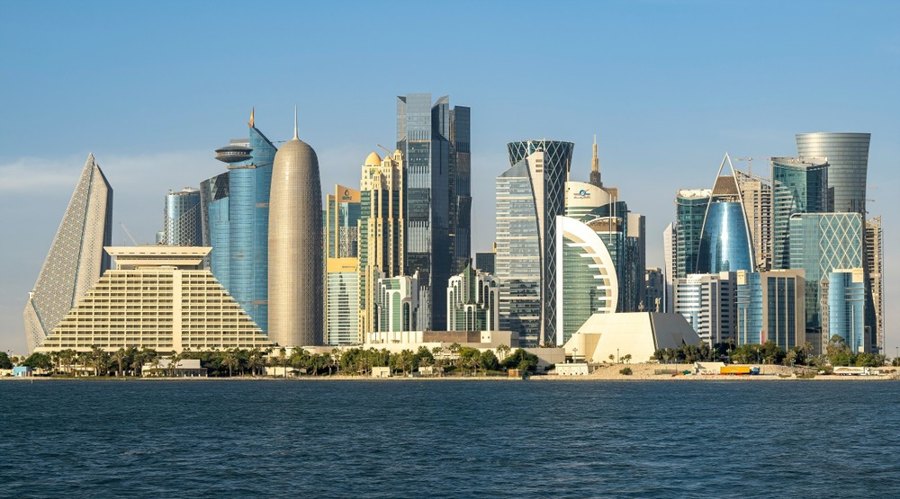
Doha skyline view in the day time. Source: Shutterstock
The Qatar
Financial Centre (QFC) has rolled out a relief package for the more than 4,400
firms registered on its platform, extending audited financial statement
deadlines and granting case-by-case flexibility on tax filings, the center said
in a statement today (Wednesday).
QFC framed
the measures as part of a broader national effort by the State of Qatar to keep
businesses operating amid what it called "evolving regional
developments."
A Concrete Backdrop Behind
the Diplomatic Phrasing
The Gulf
has spent the past two months absorbing the economic fallout from war with
Iran. That includes damage at the Ras Laffan LNG complex, a brief shutdown of
the Abu
Dhabi and Dubai stock exchanges in early March, and a sharp swing in
Qatar's trade balance.
The IMF in
its latest World Economic Outlook projected Qatar's economy could shrink by
close to 9 percent in 2026, even as it forecast the country would return to
being among the fastest-growing GCC economies from 2027 onward.
Targeted Relief Covers
Filings, Taxes, and Startup Workspaces
The QFC
package focuses on three pressure points the center said its firms have
flagged. Companies will get more time to file audited financial statements, and
the center said it would adjust tax filing timelines on a case-by-case basis
rather than offering a blanket extension.
That
carve-out suggests an attempt to keep the 10 percent corporate tax regime
intact while easing administrative pressure. Startups, which often lease space
in QFC's co-working hubs including the Tech Circle on the ninth floor of QFC
Tower 1, will see temporary relief on workspace charges.
The QFC
said the measures sit on top of its existing offer to international firms,
which includes 100 percent foreign ownership, 100 percent profit repatriation,
and a 10 percent corporate tax on locally-sourced profits.
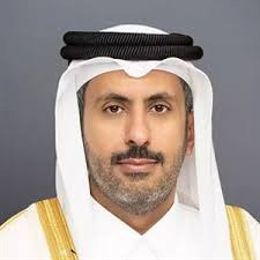
Sheikh Faisal bin Thani Al Thani, Qatar's Minister of Commerce
"Qatar's
commitment to its business community is unwavering," said Sheikh Faisal
bin Thani Al Thani, Qatar's Minister of Commerce and Industry and chairman of
Invest Qatar, in a statement coordinating the broader national package.
"As
regional conditions continue to evolve, we remain fully focused on acting
decisively to support companies operating in our market, safeguard business
continuity and reinforce confidence."
The pitch
has historically attracted scattered interest from the retail brokerage
industry. London-headquartered ICM.com received QFC authorisation in late
2021, opening a
Doha office and citing Qatar's GCC client base.
The QFC
public register lists dozens of firms operating from towers in West Bay and
Lusail, though the bulk are banks, insurers, advisory shops, and family offices
rather than CFD brokerages.
Most
regional broker activity has flowed instead to the United Arab Emirates, where
the Dubai Financial Services Authority and the federal Capital Markets
Authority offer two distinct licensing routes that have absorbed the bulk of
the migration out of Cyprus over the past two years.
The centre
now houses more than 70 brokerage firms, including five of the top 10
interdealer brokers globally by volume, according to data DIFC has shared
publicly.
Tickmill
said its regional trading volume rose 54 percent year-over-year, while IG Group
disclosed Dubai net trading revenue of £28.7 million for the year ended May 31,
2025, up from £18.9 million the prior year.
Plus500,
XTB, Deriv, and RoboMarkets have obtained the full Category 1 brokerage licence
from the federal Capital Markets Authority, which permits client deposits and
local execution. A larger group has opted for the lighter Category 5 license,
geared toward introducing-broker and white-label models.
Saudi
Arabia, by contrast, has yet to roll out a fully-formed CFD licensing
framework, and Qatar's offering sits closer to a wholesale and asset-management
profile than a retail trading hub.
Whether the
latest QFC measures move the needle on broker registrations is harder to
assess. The relief package is time-bound and tied to current circumstances
rather than a structural reform of the licensing regime. The QFC said the
measures will be reviewed continuously as conditions evolve.
The Qatar
Financial Centre (QFC) has rolled out a relief package for the more than 4,400
firms registered on its platform, extending audited financial statement
deadlines and granting case-by-case flexibility on tax filings, the center said
in a statement today (Wednesday).
QFC framed
the measures as part of a broader national effort by the State of Qatar to keep
businesses operating amid what it called "evolving regional
developments."
A Concrete Backdrop Behind
the Diplomatic Phrasing
The Gulf
has spent the past two months absorbing the economic fallout from war with
Iran. That includes damage at the Ras Laffan LNG complex, a brief shutdown of
the Abu
Dhabi and Dubai stock exchanges in early March, and a sharp swing in
Qatar's trade balance.
The IMF in
its latest World Economic Outlook projected Qatar's economy could shrink by
close to 9 percent in 2026, even as it forecast the country would return to
being among the fastest-growing GCC economies from 2027 onward.
Targeted Relief Covers
Filings, Taxes, and Startup Workspaces
The QFC
package focuses on three pressure points the center said its firms have
flagged. Companies will get more time to file audited financial statements, and
the center said it would adjust tax filing timelines on a case-by-case basis
rather than offering a blanket extension.
That
carve-out suggests an attempt to keep the 10 percent corporate tax regime
intact while easing administrative pressure. Startups, which often lease space
in QFC's co-working hubs including the Tech Circle on the ninth floor of QFC
Tower 1, will see temporary relief on workspace charges.
The QFC
said the measures sit on top of its existing offer to international firms,
which includes 100 percent foreign ownership, 100 percent profit repatriation,
and a 10 percent corporate tax on locally-sourced profits.
Sheikh Faisal bin Thani Al Thani, Qatar's Minister of Commerce
"Qatar's
commitment to its business community is unwavering," said Sheikh Faisal
bin Thani Al Thani, Qatar's Minister of Commerce and Industry and chairman of
Invest Qatar, in a statement coordinating the broader national package.
"As
regional conditions continue to evolve, we remain fully focused on acting
decisively to support companies operating in our market, safeguard business
continuity and reinforce confidence."
The pitch
has historically attracted scattered interest from the retail brokerage
industry. London-headquartered ICM.com received QFC authorisation in late
2021, opening a
Doha office and citing Qatar's GCC client base.
The QFC
public register lists dozens of firms operating from towers in West Bay and
Lusail, though the bulk are banks, insurers, advisory shops, and family offices
rather than CFD brokerages.
Most
regional broker activity has flowed instead to the United Arab Emirates, where
the Dubai Financial Services Authority and the federal Capital Markets
Authority offer two distinct licensing routes that have absorbed the bulk of
the migration out of Cyprus over the past two years.
The centre
now houses more than 70 brokerage firms, including five of the top 10
interdealer brokers globally by volume, according to data DIFC has shared
publicly.
Tickmill
said its regional trading volume rose 54 percent year-over-year, while IG Group
disclosed Dubai net trading revenue of £28.7 million for the year ended May 31,
2025, up from £18.9 million the prior year.
Plus500,
XTB, Deriv, and RoboMarkets have obtained the full Category 1 brokerage licence
from the federal Capital Markets Authority, which permits client deposits and
local execution. A larger group has opted for the lighter Category 5 license,
geared toward introducing-broker and white-label models.
Saudi
Arabia, by contrast, has yet to roll out a fully-formed CFD licensing
framework, and Qatar's offering sits closer to a wholesale and asset-management
profile than a retail trading hub.
Whether the
latest QFC measures move the needle on broker registrations is harder to
assess. The relief package is time-bound and tied to current circumstances
rather than a structural reform of the licensing regime. The QFC said the
measures will be reviewed continuously as conditions evolve.
Damian Chmiel is a Senior Analyst & Editor at Finance Magnates with more than 15 years of experience in the CFD and online trading industry. Active as both a trader and journalist since 2010, he focuses on broker coverage, fintech innovation, and regulatory developments across Europe, the Middle East, and Asia.
His work includes interviews with C-level leaders at major brokerages and fintech platforms, as well as co-authoring Finance Magnates’ quarterly industry benchmarking reports. Damian’s reporting is data-driven, market-aware, and grounded in direct industry engagement. His analysis and commentary have also been cited by external media outlets, including Investing.com, Binance, The Asset, Stockhead, and Dispatch.
Education:
MA in Finance and Accounting, Cracow University of Economics
FTMO Says Monthly Rewards Near $15 Million in September
Featured Videos
AvaTrade to Acquire Most of FXCM; NAGA Raises $8M
AvaTrade to Acquire Most of FXCM; NAGA Raises $8M
AvaTrade to Acquire Most of FXCM; NAGA Raises $8M
AvaTrade to Acquire Most of FXCM; NAGA Raises $8M
Today’s financial news recap covers AvaTrade agrees to acquire most of FXCM, NAGA secures eight million dollars in new financing, and Wise seeks a tax settlement in the UK.
Finance Magnates Daily Recap brings you the latest news from forex and CFD brokers, fintech, payments, cryptocurrency, digital assets, trading platforms, financial regulation and global markets.
Get the key company news, executive moves, deals, regulatory updates and market developments of the day, in just a few minutes. New episodes published every weekday.
Read more: https://www.financemagnates.com
#FinanceMagnates #ForexNews #FintechNews
Today’s financial news recap covers AvaTrade agrees to acquire most of FXCM, NAGA secures eight million dollars in new financing, and Wise seeks a tax settlement in the UK.
Finance Magnates Daily Recap brings you the latest news from forex and CFD brokers, fintech, payments, cryptocurrency, digital assets, trading platforms, financial regulation and global markets.
Get the key company news, executive moves, deals, regulatory updates and market developments of the day, in just a few minutes. New episodes published every weekday.
Read more: https://www.financemagnates.com
#FinanceMagnates #ForexNews #FintechNews
Today’s financial news recap covers AvaTrade agrees to acquire most of FXCM, NAGA secures eight million dollars in new financing, and Wise seeks a tax settlement in the UK.
Finance Magnates Daily Recap brings you the latest news from forex and CFD brokers, fintech, payments, cryptocurrency, digital assets, trading platforms, financial regulation and global markets.
Get the key company news, executive moves, deals, regulatory updates and market developments of the day, in just a few minutes. New episodes published every weekday.
Read more: https://www.financemagnates.com
#FinanceMagnates #ForexNews #FintechNews
Today’s financial news recap covers AvaTrade agrees to acquire most of FXCM, NAGA secures eight million dollars in new financing, and Wise seeks a tax settlement in the UK.
Finance Magnates Daily Recap brings you the latest news from forex and CFD brokers, fintech, payments, cryptocurrency, digital assets, trading platforms, financial regulation and global markets.
Get the key company news, executive moves, deals, regulatory updates and market developments of the day, in just a few minutes. New episodes published every weekday.
Read more: https://www.financemagnates.com
#FinanceMagnates #ForexNews #FintechNews
XTB Adds Overnight US Stock Trading; Nasdaq Ventures Invests in One Trading
XTB Adds Overnight US Stock Trading; Nasdaq Ventures Invests in One Trading
XTB Adds Overnight US Stock Trading; Nasdaq Ventures Invests in One Trading
XTB Adds Overnight US Stock Trading; Nasdaq Ventures Invests in One Trading
XTB Adds Overnight US Stock Trading; Nasdaq Ventures Invests in One Trading
XTB Adds Overnight US Stock Trading; Nasdaq Ventures Invests in One Trading
Today’s financial news recap covers XTB expands overnight US stock trading, Fortrade reports higher revenue, Nasdaq backs One Trading, and Vest Labs raises 13 million dollars.
Finance Magnates Daily Recap brings you the latest news from forex and CFD brokers, fintech, payments, cryptocurrency, digital assets, trading platforms, financial regulation and global markets.
Get the key company news, executive moves, deals, regulatory updates and market developments of the day, in just a few minutes. New episodes published every weekday.
Read more: https://www.financemagnates.com
#FinanceMagnates #ForexNews #FintechNews
Today’s financial news recap covers XTB expands overnight US stock trading, Fortrade reports higher revenue, Nasdaq backs One Trading, and Vest Labs raises 13 million dollars.
Finance Magnates Daily Recap brings you the latest news from forex and CFD brokers, fintech, payments, cryptocurrency, digital assets, trading platforms, financial regulation and global markets.
Get the key company news, executive moves, deals, regulatory updates and market developments of the day, in just a few minutes. New episodes published every weekday.
Read more: https://www.financemagnates.com
#FinanceMagnates #ForexNews #FintechNews
Today’s financial news recap covers XTB expands overnight US stock trading, Fortrade reports higher revenue, Nasdaq backs One Trading, and Vest Labs raises 13 million dollars.
Finance Magnates Daily Recap brings you the latest news from forex and CFD brokers, fintech, payments, cryptocurrency, digital assets, trading platforms, financial regulation and global markets.
Get the key company news, executive moves, deals, regulatory updates and market developments of the day, in just a few minutes. New episodes published every weekday.
Read more: https://www.financemagnates.com
#FinanceMagnates #ForexNews #FintechNews
Today’s financial news recap covers XTB expands overnight US stock trading, Fortrade reports higher revenue, Nasdaq backs One Trading, and Vest Labs raises 13 million dollars.
Finance Magnates Daily Recap brings you the latest news from forex and CFD brokers, fintech, payments, cryptocurrency, digital assets, trading platforms, financial regulation and global markets.
Get the key company news, executive moves, deals, regulatory updates and market developments of the day, in just a few minutes. New episodes published every weekday.
Read more: https://www.financemagnates.com
#FinanceMagnates #ForexNews #FintechNews
Today’s financial news recap covers XTB expands overnight US stock trading, Fortrade reports higher revenue, Nasdaq backs One Trading, and Vest Labs raises 13 million dollars.
Finance Magnates Daily Recap brings you the latest news from forex and CFD brokers, fintech, payments, cryptocurrency, digital assets, trading platforms, financial regulation and global markets.
Get the key company news, executive moves, deals, regulatory updates and market developments of the day, in just a few minutes. New episodes published every weekday.
Read more: https://www.financemagnates.com
#FinanceMagnates #ForexNews #FintechNews
Today’s financial news recap covers XTB expands overnight US stock trading, Fortrade reports higher revenue, Nasdaq backs One Trading, and Vest Labs raises 13 million dollars.
Finance Magnates Daily Recap brings you the latest news from forex and CFD brokers, fintech, payments, cryptocurrency, digital assets, trading platforms, financial regulation and global markets.
Get the key company news, executive moves, deals, regulatory updates and market developments of the day, in just a few minutes. New episodes published every weekday.
Read more: https://www.financemagnates.com
#FinanceMagnates #ForexNews #FintechNews
CMC Founder Downplays Volatility Hit; Devexperts Names CEO
CMC Founder Downplays Volatility Hit; Devexperts Names CEO
CMC Founder Downplays Volatility Hit; Devexperts Names CEO
CMC Founder Downplays Volatility Hit; Devexperts Names CEO
CMC Founder Downplays Volatility Hit; Devexperts Names CEO
CMC Founder Downplays Volatility Hit; Devexperts Names CEO
Today’s financial news recap covers low volatility pressures brokers, Devexperts names a new CEO, Saxo cuts onboarding time, and OKX reaches a 25 billion dollar valuation.
Finance Magnates Daily Recap brings you the latest news from forex and CFD brokers, fintech, payments, cryptocurrency, digital assets, trading platforms, financial regulation and global markets.
Get the key company news, executive moves, deals, regulatory updates and market developments of the day, in just a few minutes. New episodes published every weekday.
Read more: https://www.financemagnates.com
#FinanceMagnates #ForexNews #FintechNews
Today’s financial news recap covers low volatility pressures brokers, Devexperts names a new CEO, Saxo cuts onboarding time, and OKX reaches a 25 billion dollar valuation.
Finance Magnates Daily Recap brings you the latest news from forex and CFD brokers, fintech, payments, cryptocurrency, digital assets, trading platforms, financial regulation and global markets.
Get the key company news, executive moves, deals, regulatory updates and market developments of the day, in just a few minutes. New episodes published every weekday.
Read more: https://www.financemagnates.com
#FinanceMagnates #ForexNews #FintechNews
Today’s financial news recap covers low volatility pressures brokers, Devexperts names a new CEO, Saxo cuts onboarding time, and OKX reaches a 25 billion dollar valuation.
Finance Magnates Daily Recap brings you the latest news from forex and CFD brokers, fintech, payments, cryptocurrency, digital assets, trading platforms, financial regulation and global markets.
Get the key company news, executive moves, deals, regulatory updates and market developments of the day, in just a few minutes. New episodes published every weekday.
Read more: https://www.financemagnates.com
#FinanceMagnates #ForexNews #FintechNews
Today’s financial news recap covers low volatility pressures brokers, Devexperts names a new CEO, Saxo cuts onboarding time, and OKX reaches a 25 billion dollar valuation.
Finance Magnates Daily Recap brings you the latest news from forex and CFD brokers, fintech, payments, cryptocurrency, digital assets, trading platforms, financial regulation and global markets.
Get the key company news, executive moves, deals, regulatory updates and market developments of the day, in just a few minutes. New episodes published every weekday.
Read more: https://www.financemagnates.com
#FinanceMagnates #ForexNews #FintechNews
Today’s financial news recap covers low volatility pressures brokers, Devexperts names a new CEO, Saxo cuts onboarding time, and OKX reaches a 25 billion dollar valuation.
Finance Magnates Daily Recap brings you the latest news from forex and CFD brokers, fintech, payments, cryptocurrency, digital assets, trading platforms, financial regulation and global markets.
Get the key company news, executive moves, deals, regulatory updates and market developments of the day, in just a few minutes. New episodes published every weekday.
Read more: https://www.financemagnates.com
#FinanceMagnates #ForexNews #FintechNews
Today’s financial news recap covers low volatility pressures brokers, Devexperts names a new CEO, Saxo cuts onboarding time, and OKX reaches a 25 billion dollar valuation.
Finance Magnates Daily Recap brings you the latest news from forex and CFD brokers, fintech, payments, cryptocurrency, digital assets, trading platforms, financial regulation and global markets.
Get the key company news, executive moves, deals, regulatory updates and market developments of the day, in just a few minutes. New episodes published every weekday.
Read more: https://www.financemagnates.com
#FinanceMagnates #ForexNews #FintechNews
Today’s financial news recap covers Trade Nation buys FXCM's UK client book, Trading 212 reports higher revenue, the CFTC's move to allow perpetual index futures.
Finance Magnates Daily Recap brings you the latest news from forex and CFD brokers, fintech, payments, cryptocurrency, digital assets, trading platforms, financial regulation and global markets.
Get the key company news, executive moves, deals, regulatory updates and market developments of the day, in just a few minutes. New episodes published every weekday.
Read more: https://www.financemagnates.com
#FinanceMagnates #ForexNews #FintechNews
Today’s financial news recap covers Trade Nation buys FXCM's UK client book, Trading 212 reports higher revenue, the CFTC's move to allow perpetual index futures.
Finance Magnates Daily Recap brings you the latest news from forex and CFD brokers, fintech, payments, cryptocurrency, digital assets, trading platforms, financial regulation and global markets.
Get the key company news, executive moves, deals, regulatory updates and market developments of the day, in just a few minutes. New episodes published every weekday.
Read more: https://www.financemagnates.com
#FinanceMagnates #ForexNews #FintechNews
Today’s financial news recap covers Trade Nation buys FXCM's UK client book, Trading 212 reports higher revenue, the CFTC's move to allow perpetual index futures.
Finance Magnates Daily Recap brings you the latest news from forex and CFD brokers, fintech, payments, cryptocurrency, digital assets, trading platforms, financial regulation and global markets.
Get the key company news, executive moves, deals, regulatory updates and market developments of the day, in just a few minutes. New episodes published every weekday.
Read more: https://www.financemagnates.com
#FinanceMagnates #ForexNews #FintechNews
Today’s financial news recap covers Trade Nation buys FXCM's UK client book, Trading 212 reports higher revenue, the CFTC's move to allow perpetual index futures.
Finance Magnates Daily Recap brings you the latest news from forex and CFD brokers, fintech, payments, cryptocurrency, digital assets, trading platforms, financial regulation and global markets.
Get the key company news, executive moves, deals, regulatory updates and market developments of the day, in just a few minutes. New episodes published every weekday.
Read more: https://www.financemagnates.com
#FinanceMagnates #ForexNews #FintechNews
Today’s financial news recap covers Trade Nation buys FXCM's UK client book, Trading 212 reports higher revenue, the CFTC's move to allow perpetual index futures.
Finance Magnates Daily Recap brings you the latest news from forex and CFD brokers, fintech, payments, cryptocurrency, digital assets, trading platforms, financial regulation and global markets.
Get the key company news, executive moves, deals, regulatory updates and market developments of the day, in just a few minutes. New episodes published every weekday.
Read more: https://www.financemagnates.com
#FinanceMagnates #ForexNews #FintechNews
Today’s financial news recap covers Trade Nation buys FXCM's UK client book, Trading 212 reports higher revenue, the CFTC's move to allow perpetual index futures.
Finance Magnates Daily Recap brings you the latest news from forex and CFD brokers, fintech, payments, cryptocurrency, digital assets, trading platforms, financial regulation and global markets.
Get the key company news, executive moves, deals, regulatory updates and market developments of the day, in just a few minutes. New episodes published every weekday.
Read more: https://www.financemagnates.com
#FinanceMagnates #ForexNews #FintechNews
Your career isn’t a linear path.
Your career isn’t a linear path.
Your career isn’t a linear path.
Your career isn’t a linear path.
Your career isn’t a linear path.
Your career isn’t a linear path.
Roles change. Career goals change. Sometimes you want a completely new challenge.
But the skills and knowledge you build along the way can stay with you and give you something to build on.
For Jeff Patterson, that continued growth is key to long-term career development.
You bring the skills. FM Academy helps you build the knowledge.
#FMAcademy #FinanceMagnates #FinanceCareers #ProfessionalDevelopment #Fintech
Roles change. Career goals change. Sometimes you want a completely new challenge.
But the skills and knowledge you build along the way can stay with you and give you something to build on.
For Jeff Patterson, that continued growth is key to long-term career development.
You bring the skills. FM Academy helps you build the knowledge.
#FMAcademy #FinanceMagnates #FinanceCareers #ProfessionalDevelopment #Fintech
Roles change. Career goals change. Sometimes you want a completely new challenge.
But the skills and knowledge you build along the way can stay with you and give you something to build on.
For Jeff Patterson, that continued growth is key to long-term career development.
You bring the skills. FM Academy helps you build the knowledge.
#FMAcademy #FinanceMagnates #FinanceCareers #ProfessionalDevelopment #Fintech
Roles change. Career goals change. Sometimes you want a completely new challenge.
But the skills and knowledge you build along the way can stay with you and give you something to build on.
For Jeff Patterson, that continued growth is key to long-term career development.
You bring the skills. FM Academy helps you build the knowledge.
#FMAcademy #FinanceMagnates #FinanceCareers #ProfessionalDevelopment #Fintech
Roles change. Career goals change. Sometimes you want a completely new challenge.
But the skills and knowledge you build along the way can stay with you and give you something to build on.
For Jeff Patterson, that continued growth is key to long-term career development.
You bring the skills. FM Academy helps you build the knowledge.
#FMAcademy #FinanceMagnates #FinanceCareers #ProfessionalDevelopment #Fintech
Roles change. Career goals change. Sometimes you want a completely new challenge.
But the skills and knowledge you build along the way can stay with you and give you something to build on.
For Jeff Patterson, that continued growth is key to long-term career development.
You bring the skills. FM Academy helps you build the knowledge.
#FMAcademy #FinanceMagnates #FinanceCareers #ProfessionalDevelopment #Fintech