The change would shift regulation from a fixed dollar threshold to one based on the amount of risk an investor takes on during the day.
Critics warn that the risks of day trading remain unchanged.
For more than twenty years, the $25,000 equity minimum
has been a barrier to entry for aspiring day traders in the United States. While FINRA now seeks to replace it with a margin-based
framework, experts have cautioned that lowering the threshold does not
eliminate the risks tied to leveraged intraday trading.
Recent proposed changes by the regulator's Board have also triggered sharp debate about whether they will empower retail investors or expose traders to new risks.
In what the regulator described as an effort to “enhance
its regulatory effectiveness,” the watchdog’s Board is seeking to replace the $25,000
minimum equity requirement with an intraday margin rule.
If adopted, this change effectively
dismantles one of the biggest barriers to retail participation in active
trading. Since 2001, anyone who wanted to day trade in the U.S. needed to
maintain at least $25,000 in their brokerage account or face severe trading
restrictions.
“The Board approved amendments that will replace the
day trading and pattern day trading rules, including the minimum equity of
$25,000 for pattern day traders, with an intraday margin rule that applies the
existing maintenance margin rules to intraday exposure,” the regulator
announced yesterday (Wednesday).
By shifting to a margin-based approach, FINRA would
allow trading activity to be governed by how much risk an investor takes on
during the day, rather than a fixed dollar threshold. That means a trader with
as little as $2,000—an amount floated in draft discussions—could potentially
qualify to day trade.
Facilitating “Fair Capital Markets”
“The Board’s recent approval and discussion of various
rule proposals are a key part of FINRA's ongoing efforts to enhance its
regulatory effectiveness and efficiency through the FINRA Forward initiative,”
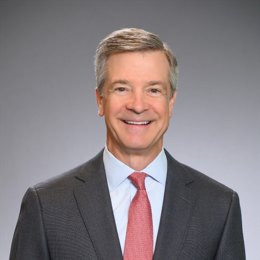
said FINRA Board Chair Scott Curtis.
Scott Curtis, Source: LinkedIn
“The Board and FINRA’s leadership team will continue
to prioritize helping enable member firms to better serve investors and
facilitate strong and fair capital markets,” he added.
Erkin Kamran, the Co-founder of 0xMarkets, believes that this is a step towards democratizing finance, while cautioning that clinging to outdated rules risks
stifling innovation and excluding the very users driving future growth.
Erkin Kamran, Source: LinkedIn
"This isn’t just a regulatory tweak. It’s recognition that
the world has changed: Real-time risk controls are stronger," Kamran told Finance Magnates. "Access to markets is global. And
most importantly, democratization of finance is no longer a fringe slogan —
it’s becoming a mainstream reality."
"The old model treated participation as a privilege for the
few. The new model treats it as a right, with guardrails, but without
artificial barriers. Here’s the hard truth: if regulators and incumbents cling
to outdated rules, they don’t just slow innovation. They hurt
multi-billion-dollar industries by shutting out the very users driving the next
wave of growth."
Today, the trading environment has evolved, making the
minimum dollar requirement outdated. Removing it would better reflect a
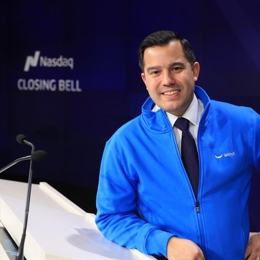
more accessible and informed market, according to Anthony Denier, the CEO of trading platform Webull Financial.
Anthony Denier, Source: LinkedIn
“This rule was
created at a time when retail investors' access to information, pricing, and
news was greatly disadvantaged. Times have changed, and the rule needs to be changed as well by removing the minimum dollar amount requirement.”
Academics Warn the Risks Haven’t Changed
However, not everyone is convinced that lifting restrictions
solves the core problem. Haoxiang Zhu, professor at MIT’s Sloan School of
Management and a former SEC official, stressed that margin-based trading
remains inherently risky.
“Today, trading is often commission-free, although not
in all securities, and there's less concern about excessive commission cost,”
said Haoxiang Zhu, a finance professor at MIT's Sloan School of Management and
former SEC official, quoted by Bloomberg.
Haoxiang Zhu, a finance professor at MIT's Sloan School of Management
The most direct impact of scrapping the $25,000 rule
would be felt by retail investors who have long viewed it as an insurmountable
barrier.
The surge in options trading heightens that concern.
The U.S. options market has reportedly grown more than 20% in the past year, with retail
traders increasingly using derivatives to make leveraged bets. Lowering
barriers could accelerate that trend, amplifying both gains and losses.
FINRA’s proposal now sits with the Securities and
Exchange Commission for review. Approval could push implementation into late
2025 or 2026, leaving time for continued debate.
For more than twenty years, the $25,000 equity minimum
has been a barrier to entry for aspiring day traders in the United States. While FINRA now seeks to replace it with a margin-based
framework, experts have cautioned that lowering the threshold does not
eliminate the risks tied to leveraged intraday trading.
Recent proposed changes by the regulator's Board have also triggered sharp debate about whether they will empower retail investors or expose traders to new risks.
In what the regulator described as an effort to “enhance
its regulatory effectiveness,” the watchdog’s Board is seeking to replace the $25,000
minimum equity requirement with an intraday margin rule.
If adopted, this change effectively
dismantles one of the biggest barriers to retail participation in active
trading. Since 2001, anyone who wanted to day trade in the U.S. needed to
maintain at least $25,000 in their brokerage account or face severe trading
restrictions.
“The Board approved amendments that will replace the
day trading and pattern day trading rules, including the minimum equity of
$25,000 for pattern day traders, with an intraday margin rule that applies the
existing maintenance margin rules to intraday exposure,” the regulator
announced yesterday (Wednesday).
By shifting to a margin-based approach, FINRA would
allow trading activity to be governed by how much risk an investor takes on
during the day, rather than a fixed dollar threshold. That means a trader with
as little as $2,000—an amount floated in draft discussions—could potentially
qualify to day trade.
Facilitating “Fair Capital Markets”
“The Board’s recent approval and discussion of various
rule proposals are a key part of FINRA's ongoing efforts to enhance its
regulatory effectiveness and efficiency through the FINRA Forward initiative,”
said FINRA Board Chair Scott Curtis.
Scott Curtis, Source: LinkedIn
“The Board and FINRA’s leadership team will continue
to prioritize helping enable member firms to better serve investors and
facilitate strong and fair capital markets,” he added.
Erkin Kamran, the Co-founder of 0xMarkets, believes that this is a step towards democratizing finance, while cautioning that clinging to outdated rules risks
stifling innovation and excluding the very users driving future growth.
Erkin Kamran, Source: LinkedIn
"This isn’t just a regulatory tweak. It’s recognition that
the world has changed: Real-time risk controls are stronger," Kamran told Finance Magnates. "Access to markets is global. And
most importantly, democratization of finance is no longer a fringe slogan —
it’s becoming a mainstream reality."
"The old model treated participation as a privilege for the
few. The new model treats it as a right, with guardrails, but without
artificial barriers. Here’s the hard truth: if regulators and incumbents cling
to outdated rules, they don’t just slow innovation. They hurt
multi-billion-dollar industries by shutting out the very users driving the next
wave of growth."
Today, the trading environment has evolved, making the
minimum dollar requirement outdated. Removing it would better reflect a
more accessible and informed market, according to Anthony Denier, the CEO of trading platform Webull Financial.
Anthony Denier, Source: LinkedIn
“This rule was
created at a time when retail investors' access to information, pricing, and
news was greatly disadvantaged. Times have changed, and the rule needs to be changed as well by removing the minimum dollar amount requirement.”
Academics Warn the Risks Haven’t Changed
However, not everyone is convinced that lifting restrictions
solves the core problem. Haoxiang Zhu, professor at MIT’s Sloan School of
Management and a former SEC official, stressed that margin-based trading
remains inherently risky.
“Today, trading is often commission-free, although not
in all securities, and there's less concern about excessive commission cost,”
said Haoxiang Zhu, a finance professor at MIT's Sloan School of Management and
former SEC official, quoted by Bloomberg.
Haoxiang Zhu, a finance professor at MIT's Sloan School of Management
The most direct impact of scrapping the $25,000 rule
would be felt by retail investors who have long viewed it as an insurmountable
barrier.
The surge in options trading heightens that concern.
The U.S. options market has reportedly grown more than 20% in the past year, with retail
traders increasingly using derivatives to make leveraged bets. Lowering
barriers could accelerate that trend, amplifying both gains and losses.
FINRA’s proposal now sits with the Securities and
Exchange Commission for review. Approval could push implementation into late
2025 or 2026, leaving time for continued debate.
Jared Kirui is an Editor at Finance Magnates with more than five years of experience in financial journalism. He covers online trading, fintech, payments, and crypto industries with a focus on companies, regulation and compliance, executive moves, trading technology, and market analysis.
His work has been featured in other media outlets, including Benzinga, ZyCrypto, The Distributed, and The Daily Hodl.
Education:
Bachelor of Commerce degree (Finance option), University of Nairobi
Most Axi Clients Now Trade on MetaTrader 5 as Broker Rolls Out MetaQuotes' Order Engine
Featured Videos
AvaTrade to Acquire Most of FXCM; NAGA Raises $8M
AvaTrade to Acquire Most of FXCM; NAGA Raises $8M
AvaTrade to Acquire Most of FXCM; NAGA Raises $8M
AvaTrade to Acquire Most of FXCM; NAGA Raises $8M
Today’s financial news recap covers AvaTrade agrees to acquire most of FXCM, NAGA secures eight million dollars in new financing, and Wise seeks a tax settlement in the UK.
Finance Magnates Daily Recap brings you the latest news from forex and CFD brokers, fintech, payments, cryptocurrency, digital assets, trading platforms, financial regulation and global markets.
Get the key company news, executive moves, deals, regulatory updates and market developments of the day, in just a few minutes. New episodes published every weekday.
Read more: https://www.financemagnates.com
#FinanceMagnates #ForexNews #FintechNews
Today’s financial news recap covers AvaTrade agrees to acquire most of FXCM, NAGA secures eight million dollars in new financing, and Wise seeks a tax settlement in the UK.
Finance Magnates Daily Recap brings you the latest news from forex and CFD brokers, fintech, payments, cryptocurrency, digital assets, trading platforms, financial regulation and global markets.
Get the key company news, executive moves, deals, regulatory updates and market developments of the day, in just a few minutes. New episodes published every weekday.
Read more: https://www.financemagnates.com
#FinanceMagnates #ForexNews #FintechNews
Today’s financial news recap covers AvaTrade agrees to acquire most of FXCM, NAGA secures eight million dollars in new financing, and Wise seeks a tax settlement in the UK.
Finance Magnates Daily Recap brings you the latest news from forex and CFD brokers, fintech, payments, cryptocurrency, digital assets, trading platforms, financial regulation and global markets.
Get the key company news, executive moves, deals, regulatory updates and market developments of the day, in just a few minutes. New episodes published every weekday.
Read more: https://www.financemagnates.com
#FinanceMagnates #ForexNews #FintechNews
Today’s financial news recap covers AvaTrade agrees to acquire most of FXCM, NAGA secures eight million dollars in new financing, and Wise seeks a tax settlement in the UK.
Finance Magnates Daily Recap brings you the latest news from forex and CFD brokers, fintech, payments, cryptocurrency, digital assets, trading platforms, financial regulation and global markets.
Get the key company news, executive moves, deals, regulatory updates and market developments of the day, in just a few minutes. New episodes published every weekday.
Read more: https://www.financemagnates.com
#FinanceMagnates #ForexNews #FintechNews
XTB Adds Overnight US Stock Trading; Nasdaq Ventures Invests in One Trading
XTB Adds Overnight US Stock Trading; Nasdaq Ventures Invests in One Trading
XTB Adds Overnight US Stock Trading; Nasdaq Ventures Invests in One Trading
XTB Adds Overnight US Stock Trading; Nasdaq Ventures Invests in One Trading
XTB Adds Overnight US Stock Trading; Nasdaq Ventures Invests in One Trading
XTB Adds Overnight US Stock Trading; Nasdaq Ventures Invests in One Trading
Today’s financial news recap covers XTB expands overnight US stock trading, Fortrade reports higher revenue, Nasdaq backs One Trading, and Vest Labs raises 13 million dollars.
Finance Magnates Daily Recap brings you the latest news from forex and CFD brokers, fintech, payments, cryptocurrency, digital assets, trading platforms, financial regulation and global markets.
Get the key company news, executive moves, deals, regulatory updates and market developments of the day, in just a few minutes. New episodes published every weekday.
Read more: https://www.financemagnates.com
#FinanceMagnates #ForexNews #FintechNews
Today’s financial news recap covers XTB expands overnight US stock trading, Fortrade reports higher revenue, Nasdaq backs One Trading, and Vest Labs raises 13 million dollars.
Finance Magnates Daily Recap brings you the latest news from forex and CFD brokers, fintech, payments, cryptocurrency, digital assets, trading platforms, financial regulation and global markets.
Get the key company news, executive moves, deals, regulatory updates and market developments of the day, in just a few minutes. New episodes published every weekday.
Read more: https://www.financemagnates.com
#FinanceMagnates #ForexNews #FintechNews
Today’s financial news recap covers XTB expands overnight US stock trading, Fortrade reports higher revenue, Nasdaq backs One Trading, and Vest Labs raises 13 million dollars.
Finance Magnates Daily Recap brings you the latest news from forex and CFD brokers, fintech, payments, cryptocurrency, digital assets, trading platforms, financial regulation and global markets.
Get the key company news, executive moves, deals, regulatory updates and market developments of the day, in just a few minutes. New episodes published every weekday.
Read more: https://www.financemagnates.com
#FinanceMagnates #ForexNews #FintechNews
Today’s financial news recap covers XTB expands overnight US stock trading, Fortrade reports higher revenue, Nasdaq backs One Trading, and Vest Labs raises 13 million dollars.
Finance Magnates Daily Recap brings you the latest news from forex and CFD brokers, fintech, payments, cryptocurrency, digital assets, trading platforms, financial regulation and global markets.
Get the key company news, executive moves, deals, regulatory updates and market developments of the day, in just a few minutes. New episodes published every weekday.
Read more: https://www.financemagnates.com
#FinanceMagnates #ForexNews #FintechNews
Today’s financial news recap covers XTB expands overnight US stock trading, Fortrade reports higher revenue, Nasdaq backs One Trading, and Vest Labs raises 13 million dollars.
Finance Magnates Daily Recap brings you the latest news from forex and CFD brokers, fintech, payments, cryptocurrency, digital assets, trading platforms, financial regulation and global markets.
Get the key company news, executive moves, deals, regulatory updates and market developments of the day, in just a few minutes. New episodes published every weekday.
Read more: https://www.financemagnates.com
#FinanceMagnates #ForexNews #FintechNews
Today’s financial news recap covers XTB expands overnight US stock trading, Fortrade reports higher revenue, Nasdaq backs One Trading, and Vest Labs raises 13 million dollars.
Finance Magnates Daily Recap brings you the latest news from forex and CFD brokers, fintech, payments, cryptocurrency, digital assets, trading platforms, financial regulation and global markets.
Get the key company news, executive moves, deals, regulatory updates and market developments of the day, in just a few minutes. New episodes published every weekday.
Read more: https://www.financemagnates.com
#FinanceMagnates #ForexNews #FintechNews
CMC Founder Downplays Volatility Hit; Devexperts Names CEO
CMC Founder Downplays Volatility Hit; Devexperts Names CEO
CMC Founder Downplays Volatility Hit; Devexperts Names CEO
CMC Founder Downplays Volatility Hit; Devexperts Names CEO
CMC Founder Downplays Volatility Hit; Devexperts Names CEO
CMC Founder Downplays Volatility Hit; Devexperts Names CEO
Today’s financial news recap covers low volatility pressures brokers, Devexperts names a new CEO, Saxo cuts onboarding time, and OKX reaches a 25 billion dollar valuation.
Finance Magnates Daily Recap brings you the latest news from forex and CFD brokers, fintech, payments, cryptocurrency, digital assets, trading platforms, financial regulation and global markets.
Get the key company news, executive moves, deals, regulatory updates and market developments of the day, in just a few minutes. New episodes published every weekday.
Read more: https://www.financemagnates.com
#FinanceMagnates #ForexNews #FintechNews
Today’s financial news recap covers low volatility pressures brokers, Devexperts names a new CEO, Saxo cuts onboarding time, and OKX reaches a 25 billion dollar valuation.
Finance Magnates Daily Recap brings you the latest news from forex and CFD brokers, fintech, payments, cryptocurrency, digital assets, trading platforms, financial regulation and global markets.
Get the key company news, executive moves, deals, regulatory updates and market developments of the day, in just a few minutes. New episodes published every weekday.
Read more: https://www.financemagnates.com
#FinanceMagnates #ForexNews #FintechNews
Today’s financial news recap covers low volatility pressures brokers, Devexperts names a new CEO, Saxo cuts onboarding time, and OKX reaches a 25 billion dollar valuation.
Finance Magnates Daily Recap brings you the latest news from forex and CFD brokers, fintech, payments, cryptocurrency, digital assets, trading platforms, financial regulation and global markets.
Get the key company news, executive moves, deals, regulatory updates and market developments of the day, in just a few minutes. New episodes published every weekday.
Read more: https://www.financemagnates.com
#FinanceMagnates #ForexNews #FintechNews
Today’s financial news recap covers low volatility pressures brokers, Devexperts names a new CEO, Saxo cuts onboarding time, and OKX reaches a 25 billion dollar valuation.
Finance Magnates Daily Recap brings you the latest news from forex and CFD brokers, fintech, payments, cryptocurrency, digital assets, trading platforms, financial regulation and global markets.
Get the key company news, executive moves, deals, regulatory updates and market developments of the day, in just a few minutes. New episodes published every weekday.
Read more: https://www.financemagnates.com
#FinanceMagnates #ForexNews #FintechNews
Today’s financial news recap covers low volatility pressures brokers, Devexperts names a new CEO, Saxo cuts onboarding time, and OKX reaches a 25 billion dollar valuation.
Finance Magnates Daily Recap brings you the latest news from forex and CFD brokers, fintech, payments, cryptocurrency, digital assets, trading platforms, financial regulation and global markets.
Get the key company news, executive moves, deals, regulatory updates and market developments of the day, in just a few minutes. New episodes published every weekday.
Read more: https://www.financemagnates.com
#FinanceMagnates #ForexNews #FintechNews
Today’s financial news recap covers low volatility pressures brokers, Devexperts names a new CEO, Saxo cuts onboarding time, and OKX reaches a 25 billion dollar valuation.
Finance Magnates Daily Recap brings you the latest news from forex and CFD brokers, fintech, payments, cryptocurrency, digital assets, trading platforms, financial regulation and global markets.
Get the key company news, executive moves, deals, regulatory updates and market developments of the day, in just a few minutes. New episodes published every weekday.
Read more: https://www.financemagnates.com
#FinanceMagnates #ForexNews #FintechNews
Today’s financial news recap covers Trade Nation buys FXCM's UK client book, Trading 212 reports higher revenue, the CFTC's move to allow perpetual index futures.
Finance Magnates Daily Recap brings you the latest news from forex and CFD brokers, fintech, payments, cryptocurrency, digital assets, trading platforms, financial regulation and global markets.
Get the key company news, executive moves, deals, regulatory updates and market developments of the day, in just a few minutes. New episodes published every weekday.
Read more: https://www.financemagnates.com
#FinanceMagnates #ForexNews #FintechNews
Today’s financial news recap covers Trade Nation buys FXCM's UK client book, Trading 212 reports higher revenue, the CFTC's move to allow perpetual index futures.
Finance Magnates Daily Recap brings you the latest news from forex and CFD brokers, fintech, payments, cryptocurrency, digital assets, trading platforms, financial regulation and global markets.
Get the key company news, executive moves, deals, regulatory updates and market developments of the day, in just a few minutes. New episodes published every weekday.
Read more: https://www.financemagnates.com
#FinanceMagnates #ForexNews #FintechNews
Today’s financial news recap covers Trade Nation buys FXCM's UK client book, Trading 212 reports higher revenue, the CFTC's move to allow perpetual index futures.
Finance Magnates Daily Recap brings you the latest news from forex and CFD brokers, fintech, payments, cryptocurrency, digital assets, trading platforms, financial regulation and global markets.
Get the key company news, executive moves, deals, regulatory updates and market developments of the day, in just a few minutes. New episodes published every weekday.
Read more: https://www.financemagnates.com
#FinanceMagnates #ForexNews #FintechNews
Today’s financial news recap covers Trade Nation buys FXCM's UK client book, Trading 212 reports higher revenue, the CFTC's move to allow perpetual index futures.
Finance Magnates Daily Recap brings you the latest news from forex and CFD brokers, fintech, payments, cryptocurrency, digital assets, trading platforms, financial regulation and global markets.
Get the key company news, executive moves, deals, regulatory updates and market developments of the day, in just a few minutes. New episodes published every weekday.
Read more: https://www.financemagnates.com
#FinanceMagnates #ForexNews #FintechNews
Today’s financial news recap covers Trade Nation buys FXCM's UK client book, Trading 212 reports higher revenue, the CFTC's move to allow perpetual index futures.
Finance Magnates Daily Recap brings you the latest news from forex and CFD brokers, fintech, payments, cryptocurrency, digital assets, trading platforms, financial regulation and global markets.
Get the key company news, executive moves, deals, regulatory updates and market developments of the day, in just a few minutes. New episodes published every weekday.
Read more: https://www.financemagnates.com
#FinanceMagnates #ForexNews #FintechNews
Today’s financial news recap covers Trade Nation buys FXCM's UK client book, Trading 212 reports higher revenue, the CFTC's move to allow perpetual index futures.
Finance Magnates Daily Recap brings you the latest news from forex and CFD brokers, fintech, payments, cryptocurrency, digital assets, trading platforms, financial regulation and global markets.
Get the key company news, executive moves, deals, regulatory updates and market developments of the day, in just a few minutes. New episodes published every weekday.
Read more: https://www.financemagnates.com
#FinanceMagnates #ForexNews #FintechNews
Your career isn’t a linear path.
Your career isn’t a linear path.
Your career isn’t a linear path.
Your career isn’t a linear path.
Your career isn’t a linear path.
Your career isn’t a linear path.
Roles change. Career goals change. Sometimes you want a completely new challenge.
But the skills and knowledge you build along the way can stay with you and give you something to build on.
For Jeff Patterson, that continued growth is key to long-term career development.
You bring the skills. FM Academy helps you build the knowledge.
#FMAcademy #FinanceMagnates #FinanceCareers #ProfessionalDevelopment #Fintech
Roles change. Career goals change. Sometimes you want a completely new challenge.
But the skills and knowledge you build along the way can stay with you and give you something to build on.
For Jeff Patterson, that continued growth is key to long-term career development.
You bring the skills. FM Academy helps you build the knowledge.
#FMAcademy #FinanceMagnates #FinanceCareers #ProfessionalDevelopment #Fintech
Roles change. Career goals change. Sometimes you want a completely new challenge.
But the skills and knowledge you build along the way can stay with you and give you something to build on.
For Jeff Patterson, that continued growth is key to long-term career development.
You bring the skills. FM Academy helps you build the knowledge.
#FMAcademy #FinanceMagnates #FinanceCareers #ProfessionalDevelopment #Fintech
Roles change. Career goals change. Sometimes you want a completely new challenge.
But the skills and knowledge you build along the way can stay with you and give you something to build on.
For Jeff Patterson, that continued growth is key to long-term career development.
You bring the skills. FM Academy helps you build the knowledge.
#FMAcademy #FinanceMagnates #FinanceCareers #ProfessionalDevelopment #Fintech
Roles change. Career goals change. Sometimes you want a completely new challenge.
But the skills and knowledge you build along the way can stay with you and give you something to build on.
For Jeff Patterson, that continued growth is key to long-term career development.
You bring the skills. FM Academy helps you build the knowledge.
#FMAcademy #FinanceMagnates #FinanceCareers #ProfessionalDevelopment #Fintech
Roles change. Career goals change. Sometimes you want a completely new challenge.
But the skills and knowledge you build along the way can stay with you and give you something to build on.
For Jeff Patterson, that continued growth is key to long-term career development.
You bring the skills. FM Academy helps you build the knowledge.
#FMAcademy #FinanceMagnates #FinanceCareers #ProfessionalDevelopment #Fintech