The alliance aims to assist crypto companies in complying with the MiCA regulations.
It brings together major blockchain firms like Hedera, Aptos Foundation, and Ripple.
As crypto becomes ever more mainstream and intersects with traditional finance and bureaucracies, cultural clashes are inevitable. After all, bitcoin promised to separate money from the state, while crypto evolved as a means of transacting peer-to-peer, uncensored, permissionless ways on alternative rails.
So, how can these worlds–the orthodox and the blockchain-built alternative–possibly align? That remains to be seen, but recent news of the formation of a new organization called the MiCA Crypto Alliance is an example of differing approaches crossing and perhaps clashing.
Just to recap, MiCA (Markets in Crypto-Assets) regulation is a comprehensive framework of EU crypto rules that appears to indicate an acceptance of the crypto industry within EU countries that will soon have harmonized regulation. It went into force in June 2023, but is being applied through a phased approach, with the expectation that all rules should be in effect by the end of 2024.
The MiCA Crypto Alliance is a new organization established by the DLT Science Foundation (DLT means distributed ledger technology) in partnership with major crypto companies Hedera, Aptos Foundation, and Ripple. The Alliance aims to assist crypto companies (such as exchanges) in complying with MiCA and places a strong emphasis on adherence to environmental and climate-related regulations.
When assessing the MiCA Crypto Alliance and its aims, it’s worth considering regional idiosyncrasies regarding crypto and perhaps industry and technology more broadly, particularly the environmental angle that seems prominent around the MiCA Crypto Alliance.
Regarding crypto, the EU has adopted a regulation-first approach and moved quickly to produce MiCA, which sets a framework but can be further adapted later as required. Meanwhile, in the US, on the other hand, crypto is waging multiple legal battles against an SEC perceived–correctly or not–as hostile, meaning that US crypto headlines are regularly dominated by court battles and legal arguments.
However, whether or not this fraught situation continues in the US may depend on the outcome of the upcoming presidential election, which looks increasingly pivotal for crypto.
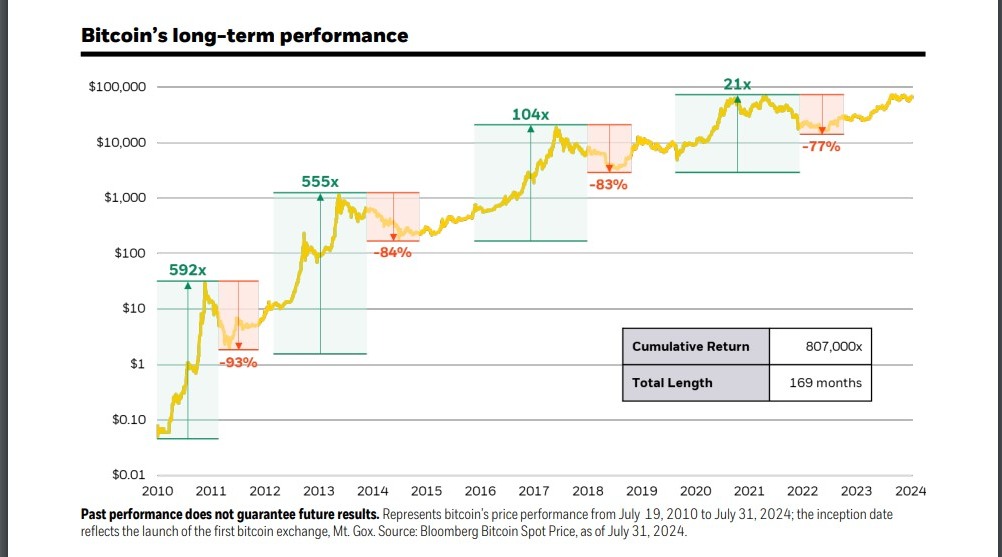
This month, BlackRock–which now operates the world’s leading spot BTC ETF–published a report that essentially outlined the case for BTC as an investment asset.
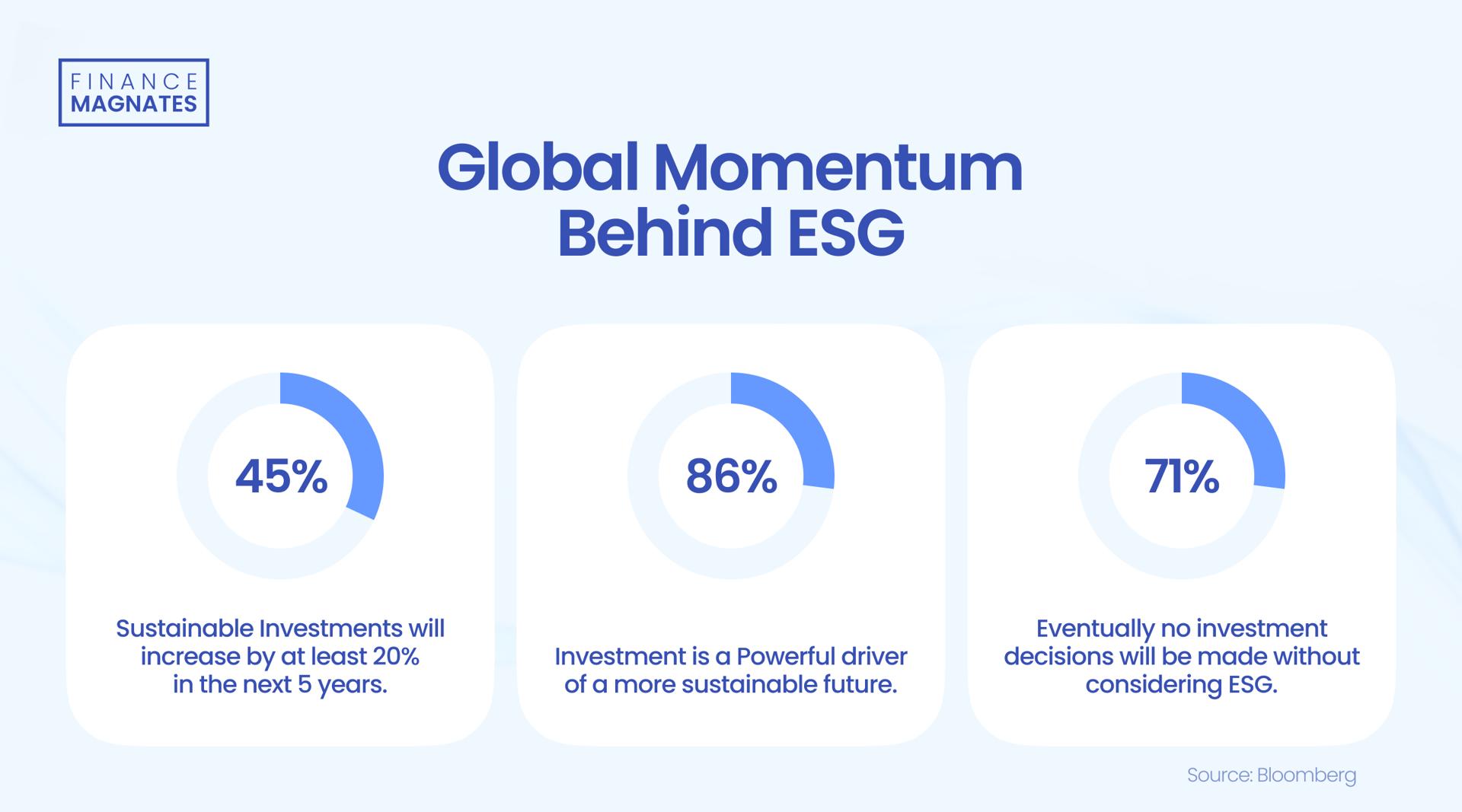
But this also comes after BlackRock has publicly moved away from the ESG model–in which the E stands for environmental–with reports last month showing that, for a period of twelve months until the end of June 2024, the firm had supported just 4% of environmental/social shareholder proposals, down from a peak figure of 47% in 2021.
BlackRock's Senior Managing Director Joud Abdel Majeid stated that many such proposals were “overly prescriptive, lacking economic merit or asking companies to address material risks they are already managing.”
Momentum behind ESG
Additionally, recent data from ISS Corporate showed that median support within firms for environmental shareholder proposals had dropped to just 21% at Russell 3000 companies after this year's annual meetings. For background context, this comes after Larry Fink explained in 2023 that he had stopped using the term ESG as it had become overly associated with radical politics.
Notably, the newest BlackRock Bitcoin report does not mention climate or the environment. By contrast, the MiCA Crypto Alliance website features a video titled ESG and DLT Workshop in Puerto Rico, along with multiple other climate and ESG-related posts.
Long-time followers of crypto discourse will be aware that environmental concerns around Bitcoin have been addressed before and that this isn’t currently a prominent area of discussion. This suggests that such issues are being emphasized in the EU, but this is not especially the case elsewhere.
This, in turn, implies that further regional divergence is possible, especially if the US elections usher in an openly pro-crypto administration in that country. At that point, America–already the global leader when it comes to the tech sector–may provide the crypto industry with a hospitable environment from which to operate.
Ultimately, though, for long-time crypto holders who have been following the blockchain world over multiple bitcoin halving cycles–going back over a decade for the earliest of adopters–this might all seem amusing. After all, there’s an irony in seeing regional, highly centralized bodies puzzle over how to tame a borderless technology built around one core concept: decentralization.
As crypto becomes ever more mainstream and intersects with traditional finance and bureaucracies, cultural clashes are inevitable. After all, bitcoin promised to separate money from the state, while crypto evolved as a means of transacting peer-to-peer, uncensored, permissionless ways on alternative rails.
So, how can these worlds–the orthodox and the blockchain-built alternative–possibly align? That remains to be seen, but recent news of the formation of a new organization called the MiCA Crypto Alliance is an example of differing approaches crossing and perhaps clashing.
Just to recap, MiCA (Markets in Crypto-Assets) regulation is a comprehensive framework of EU crypto rules that appears to indicate an acceptance of the crypto industry within EU countries that will soon have harmonized regulation. It went into force in June 2023, but is being applied through a phased approach, with the expectation that all rules should be in effect by the end of 2024.
The MiCA Crypto Alliance is a new organization established by the DLT Science Foundation (DLT means distributed ledger technology) in partnership with major crypto companies Hedera, Aptos Foundation, and Ripple. The Alliance aims to assist crypto companies (such as exchanges) in complying with MiCA and places a strong emphasis on adherence to environmental and climate-related regulations.
When assessing the MiCA Crypto Alliance and its aims, it’s worth considering regional idiosyncrasies regarding crypto and perhaps industry and technology more broadly, particularly the environmental angle that seems prominent around the MiCA Crypto Alliance.
Regarding crypto, the EU has adopted a regulation-first approach and moved quickly to produce MiCA, which sets a framework but can be further adapted later as required. Meanwhile, in the US, on the other hand, crypto is waging multiple legal battles against an SEC perceived–correctly or not–as hostile, meaning that US crypto headlines are regularly dominated by court battles and legal arguments.
However, whether or not this fraught situation continues in the US may depend on the outcome of the upcoming presidential election, which looks increasingly pivotal for crypto.
This month, BlackRock–which now operates the world’s leading spot BTC ETF–published a report that essentially outlined the case for BTC as an investment asset.
But this also comes after BlackRock has publicly moved away from the ESG model–in which the E stands for environmental–with reports last month showing that, for a period of twelve months until the end of June 2024, the firm had supported just 4% of environmental/social shareholder proposals, down from a peak figure of 47% in 2021.
BlackRock's Senior Managing Director Joud Abdel Majeid stated that many such proposals were “overly prescriptive, lacking economic merit or asking companies to address material risks they are already managing.”
Momentum behind ESG
Additionally, recent data from ISS Corporate showed that median support within firms for environmental shareholder proposals had dropped to just 21% at Russell 3000 companies after this year's annual meetings. For background context, this comes after Larry Fink explained in 2023 that he had stopped using the term ESG as it had become overly associated with radical politics.
Notably, the newest BlackRock Bitcoin report does not mention climate or the environment. By contrast, the MiCA Crypto Alliance website features a video titled ESG and DLT Workshop in Puerto Rico, along with multiple other climate and ESG-related posts.
Long-time followers of crypto discourse will be aware that environmental concerns around Bitcoin have been addressed before and that this isn’t currently a prominent area of discussion. This suggests that such issues are being emphasized in the EU, but this is not especially the case elsewhere.
This, in turn, implies that further regional divergence is possible, especially if the US elections usher in an openly pro-crypto administration in that country. At that point, America–already the global leader when it comes to the tech sector–may provide the crypto industry with a hospitable environment from which to operate.
Ultimately, though, for long-time crypto holders who have been following the blockchain world over multiple bitcoin halving cycles–going back over a decade for the earliest of adopters–this might all seem amusing. After all, there’s an irony in seeing regional, highly centralized bodies puzzle over how to tame a borderless technology built around one core concept: decentralization.
Sam White is a writer and journalist from the UK who covers cryptocurrencies and web3, with a particular interest in NFTs and the crossover between art and finance. His work, on a wide variety of topics, has appeared on platforms including The Spectator, Vice and Hacker Noon.
Binance Launches Retail AI Assistant, Repackages Existing Trading Tools
Featured Videos
AvaTrade to Acquire Most of FXCM; NAGA Raises $8M
AvaTrade to Acquire Most of FXCM; NAGA Raises $8M
AvaTrade to Acquire Most of FXCM; NAGA Raises $8M
AvaTrade to Acquire Most of FXCM; NAGA Raises $8M
Today’s financial news recap covers AvaTrade agrees to acquire most of FXCM, NAGA secures eight million dollars in new financing, and Wise seeks a tax settlement in the UK.
Finance Magnates Daily Recap brings you the latest news from forex and CFD brokers, fintech, payments, cryptocurrency, digital assets, trading platforms, financial regulation and global markets.
Get the key company news, executive moves, deals, regulatory updates and market developments of the day, in just a few minutes. New episodes published every weekday.
Read more: https://www.financemagnates.com
#FinanceMagnates #ForexNews #FintechNews
Today’s financial news recap covers AvaTrade agrees to acquire most of FXCM, NAGA secures eight million dollars in new financing, and Wise seeks a tax settlement in the UK.
Finance Magnates Daily Recap brings you the latest news from forex and CFD brokers, fintech, payments, cryptocurrency, digital assets, trading platforms, financial regulation and global markets.
Get the key company news, executive moves, deals, regulatory updates and market developments of the day, in just a few minutes. New episodes published every weekday.
Read more: https://www.financemagnates.com
#FinanceMagnates #ForexNews #FintechNews
Today’s financial news recap covers AvaTrade agrees to acquire most of FXCM, NAGA secures eight million dollars in new financing, and Wise seeks a tax settlement in the UK.
Finance Magnates Daily Recap brings you the latest news from forex and CFD brokers, fintech, payments, cryptocurrency, digital assets, trading platforms, financial regulation and global markets.
Get the key company news, executive moves, deals, regulatory updates and market developments of the day, in just a few minutes. New episodes published every weekday.
Read more: https://www.financemagnates.com
#FinanceMagnates #ForexNews #FintechNews
Today’s financial news recap covers AvaTrade agrees to acquire most of FXCM, NAGA secures eight million dollars in new financing, and Wise seeks a tax settlement in the UK.
Finance Magnates Daily Recap brings you the latest news from forex and CFD brokers, fintech, payments, cryptocurrency, digital assets, trading platforms, financial regulation and global markets.
Get the key company news, executive moves, deals, regulatory updates and market developments of the day, in just a few minutes. New episodes published every weekday.
Read more: https://www.financemagnates.com
#FinanceMagnates #ForexNews #FintechNews
XTB Adds Overnight US Stock Trading; Nasdaq Ventures Invests in One Trading
XTB Adds Overnight US Stock Trading; Nasdaq Ventures Invests in One Trading
XTB Adds Overnight US Stock Trading; Nasdaq Ventures Invests in One Trading
XTB Adds Overnight US Stock Trading; Nasdaq Ventures Invests in One Trading
XTB Adds Overnight US Stock Trading; Nasdaq Ventures Invests in One Trading
XTB Adds Overnight US Stock Trading; Nasdaq Ventures Invests in One Trading
Today’s financial news recap covers XTB expands overnight US stock trading, Fortrade reports higher revenue, Nasdaq backs One Trading, and Vest Labs raises 13 million dollars.
Finance Magnates Daily Recap brings you the latest news from forex and CFD brokers, fintech, payments, cryptocurrency, digital assets, trading platforms, financial regulation and global markets.
Get the key company news, executive moves, deals, regulatory updates and market developments of the day, in just a few minutes. New episodes published every weekday.
Read more: https://www.financemagnates.com
#FinanceMagnates #ForexNews #FintechNews
Today’s financial news recap covers XTB expands overnight US stock trading, Fortrade reports higher revenue, Nasdaq backs One Trading, and Vest Labs raises 13 million dollars.
Finance Magnates Daily Recap brings you the latest news from forex and CFD brokers, fintech, payments, cryptocurrency, digital assets, trading platforms, financial regulation and global markets.
Get the key company news, executive moves, deals, regulatory updates and market developments of the day, in just a few minutes. New episodes published every weekday.
Read more: https://www.financemagnates.com
#FinanceMagnates #ForexNews #FintechNews
Today’s financial news recap covers XTB expands overnight US stock trading, Fortrade reports higher revenue, Nasdaq backs One Trading, and Vest Labs raises 13 million dollars.
Finance Magnates Daily Recap brings you the latest news from forex and CFD brokers, fintech, payments, cryptocurrency, digital assets, trading platforms, financial regulation and global markets.
Get the key company news, executive moves, deals, regulatory updates and market developments of the day, in just a few minutes. New episodes published every weekday.
Read more: https://www.financemagnates.com
#FinanceMagnates #ForexNews #FintechNews
Today’s financial news recap covers XTB expands overnight US stock trading, Fortrade reports higher revenue, Nasdaq backs One Trading, and Vest Labs raises 13 million dollars.
Finance Magnates Daily Recap brings you the latest news from forex and CFD brokers, fintech, payments, cryptocurrency, digital assets, trading platforms, financial regulation and global markets.
Get the key company news, executive moves, deals, regulatory updates and market developments of the day, in just a few minutes. New episodes published every weekday.
Read more: https://www.financemagnates.com
#FinanceMagnates #ForexNews #FintechNews
Today’s financial news recap covers XTB expands overnight US stock trading, Fortrade reports higher revenue, Nasdaq backs One Trading, and Vest Labs raises 13 million dollars.
Finance Magnates Daily Recap brings you the latest news from forex and CFD brokers, fintech, payments, cryptocurrency, digital assets, trading platforms, financial regulation and global markets.
Get the key company news, executive moves, deals, regulatory updates and market developments of the day, in just a few minutes. New episodes published every weekday.
Read more: https://www.financemagnates.com
#FinanceMagnates #ForexNews #FintechNews
Today’s financial news recap covers XTB expands overnight US stock trading, Fortrade reports higher revenue, Nasdaq backs One Trading, and Vest Labs raises 13 million dollars.
Finance Magnates Daily Recap brings you the latest news from forex and CFD brokers, fintech, payments, cryptocurrency, digital assets, trading platforms, financial regulation and global markets.
Get the key company news, executive moves, deals, regulatory updates and market developments of the day, in just a few minutes. New episodes published every weekday.
Read more: https://www.financemagnates.com
#FinanceMagnates #ForexNews #FintechNews
CMC Founder Downplays Volatility Hit; Devexperts Names CEO
CMC Founder Downplays Volatility Hit; Devexperts Names CEO
CMC Founder Downplays Volatility Hit; Devexperts Names CEO
CMC Founder Downplays Volatility Hit; Devexperts Names CEO
CMC Founder Downplays Volatility Hit; Devexperts Names CEO
CMC Founder Downplays Volatility Hit; Devexperts Names CEO
Today’s financial news recap covers low volatility pressures brokers, Devexperts names a new CEO, Saxo cuts onboarding time, and OKX reaches a 25 billion dollar valuation.
Finance Magnates Daily Recap brings you the latest news from forex and CFD brokers, fintech, payments, cryptocurrency, digital assets, trading platforms, financial regulation and global markets.
Get the key company news, executive moves, deals, regulatory updates and market developments of the day, in just a few minutes. New episodes published every weekday.
Read more: https://www.financemagnates.com
#FinanceMagnates #ForexNews #FintechNews
Today’s financial news recap covers low volatility pressures brokers, Devexperts names a new CEO, Saxo cuts onboarding time, and OKX reaches a 25 billion dollar valuation.
Finance Magnates Daily Recap brings you the latest news from forex and CFD brokers, fintech, payments, cryptocurrency, digital assets, trading platforms, financial regulation and global markets.
Get the key company news, executive moves, deals, regulatory updates and market developments of the day, in just a few minutes. New episodes published every weekday.
Read more: https://www.financemagnates.com
#FinanceMagnates #ForexNews #FintechNews
Today’s financial news recap covers low volatility pressures brokers, Devexperts names a new CEO, Saxo cuts onboarding time, and OKX reaches a 25 billion dollar valuation.
Finance Magnates Daily Recap brings you the latest news from forex and CFD brokers, fintech, payments, cryptocurrency, digital assets, trading platforms, financial regulation and global markets.
Get the key company news, executive moves, deals, regulatory updates and market developments of the day, in just a few minutes. New episodes published every weekday.
Read more: https://www.financemagnates.com
#FinanceMagnates #ForexNews #FintechNews
Today’s financial news recap covers low volatility pressures brokers, Devexperts names a new CEO, Saxo cuts onboarding time, and OKX reaches a 25 billion dollar valuation.
Finance Magnates Daily Recap brings you the latest news from forex and CFD brokers, fintech, payments, cryptocurrency, digital assets, trading platforms, financial regulation and global markets.
Get the key company news, executive moves, deals, regulatory updates and market developments of the day, in just a few minutes. New episodes published every weekday.
Read more: https://www.financemagnates.com
#FinanceMagnates #ForexNews #FintechNews
Today’s financial news recap covers low volatility pressures brokers, Devexperts names a new CEO, Saxo cuts onboarding time, and OKX reaches a 25 billion dollar valuation.
Finance Magnates Daily Recap brings you the latest news from forex and CFD brokers, fintech, payments, cryptocurrency, digital assets, trading platforms, financial regulation and global markets.
Get the key company news, executive moves, deals, regulatory updates and market developments of the day, in just a few minutes. New episodes published every weekday.
Read more: https://www.financemagnates.com
#FinanceMagnates #ForexNews #FintechNews
Today’s financial news recap covers low volatility pressures brokers, Devexperts names a new CEO, Saxo cuts onboarding time, and OKX reaches a 25 billion dollar valuation.
Finance Magnates Daily Recap brings you the latest news from forex and CFD brokers, fintech, payments, cryptocurrency, digital assets, trading platforms, financial regulation and global markets.
Get the key company news, executive moves, deals, regulatory updates and market developments of the day, in just a few minutes. New episodes published every weekday.
Read more: https://www.financemagnates.com
#FinanceMagnates #ForexNews #FintechNews
Today’s financial news recap covers Trade Nation buys FXCM's UK client book, Trading 212 reports higher revenue, the CFTC's move to allow perpetual index futures.
Finance Magnates Daily Recap brings you the latest news from forex and CFD brokers, fintech, payments, cryptocurrency, digital assets, trading platforms, financial regulation and global markets.
Get the key company news, executive moves, deals, regulatory updates and market developments of the day, in just a few minutes. New episodes published every weekday.
Read more: https://www.financemagnates.com
#FinanceMagnates #ForexNews #FintechNews
Today’s financial news recap covers Trade Nation buys FXCM's UK client book, Trading 212 reports higher revenue, the CFTC's move to allow perpetual index futures.
Finance Magnates Daily Recap brings you the latest news from forex and CFD brokers, fintech, payments, cryptocurrency, digital assets, trading platforms, financial regulation and global markets.
Get the key company news, executive moves, deals, regulatory updates and market developments of the day, in just a few minutes. New episodes published every weekday.
Read more: https://www.financemagnates.com
#FinanceMagnates #ForexNews #FintechNews
Today’s financial news recap covers Trade Nation buys FXCM's UK client book, Trading 212 reports higher revenue, the CFTC's move to allow perpetual index futures.
Finance Magnates Daily Recap brings you the latest news from forex and CFD brokers, fintech, payments, cryptocurrency, digital assets, trading platforms, financial regulation and global markets.
Get the key company news, executive moves, deals, regulatory updates and market developments of the day, in just a few minutes. New episodes published every weekday.
Read more: https://www.financemagnates.com
#FinanceMagnates #ForexNews #FintechNews
Today’s financial news recap covers Trade Nation buys FXCM's UK client book, Trading 212 reports higher revenue, the CFTC's move to allow perpetual index futures.
Finance Magnates Daily Recap brings you the latest news from forex and CFD brokers, fintech, payments, cryptocurrency, digital assets, trading platforms, financial regulation and global markets.
Get the key company news, executive moves, deals, regulatory updates and market developments of the day, in just a few minutes. New episodes published every weekday.
Read more: https://www.financemagnates.com
#FinanceMagnates #ForexNews #FintechNews
Today’s financial news recap covers Trade Nation buys FXCM's UK client book, Trading 212 reports higher revenue, the CFTC's move to allow perpetual index futures.
Finance Magnates Daily Recap brings you the latest news from forex and CFD brokers, fintech, payments, cryptocurrency, digital assets, trading platforms, financial regulation and global markets.
Get the key company news, executive moves, deals, regulatory updates and market developments of the day, in just a few minutes. New episodes published every weekday.
Read more: https://www.financemagnates.com
#FinanceMagnates #ForexNews #FintechNews
Today’s financial news recap covers Trade Nation buys FXCM's UK client book, Trading 212 reports higher revenue, the CFTC's move to allow perpetual index futures.
Finance Magnates Daily Recap brings you the latest news from forex and CFD brokers, fintech, payments, cryptocurrency, digital assets, trading platforms, financial regulation and global markets.
Get the key company news, executive moves, deals, regulatory updates and market developments of the day, in just a few minutes. New episodes published every weekday.
Read more: https://www.financemagnates.com
#FinanceMagnates #ForexNews #FintechNews
Your career isn’t a linear path.
Your career isn’t a linear path.
Your career isn’t a linear path.
Your career isn’t a linear path.
Your career isn’t a linear path.
Your career isn’t a linear path.
Roles change. Career goals change. Sometimes you want a completely new challenge.
But the skills and knowledge you build along the way can stay with you and give you something to build on.
For Jeff Patterson, that continued growth is key to long-term career development.
You bring the skills. FM Academy helps you build the knowledge.
#FMAcademy #FinanceMagnates #FinanceCareers #ProfessionalDevelopment #Fintech
Roles change. Career goals change. Sometimes you want a completely new challenge.
But the skills and knowledge you build along the way can stay with you and give you something to build on.
For Jeff Patterson, that continued growth is key to long-term career development.
You bring the skills. FM Academy helps you build the knowledge.
#FMAcademy #FinanceMagnates #FinanceCareers #ProfessionalDevelopment #Fintech
Roles change. Career goals change. Sometimes you want a completely new challenge.
But the skills and knowledge you build along the way can stay with you and give you something to build on.
For Jeff Patterson, that continued growth is key to long-term career development.
You bring the skills. FM Academy helps you build the knowledge.
#FMAcademy #FinanceMagnates #FinanceCareers #ProfessionalDevelopment #Fintech
Roles change. Career goals change. Sometimes you want a completely new challenge.
But the skills and knowledge you build along the way can stay with you and give you something to build on.
For Jeff Patterson, that continued growth is key to long-term career development.
You bring the skills. FM Academy helps you build the knowledge.
#FMAcademy #FinanceMagnates #FinanceCareers #ProfessionalDevelopment #Fintech
Roles change. Career goals change. Sometimes you want a completely new challenge.
But the skills and knowledge you build along the way can stay with you and give you something to build on.
For Jeff Patterson, that continued growth is key to long-term career development.
You bring the skills. FM Academy helps you build the knowledge.
#FMAcademy #FinanceMagnates #FinanceCareers #ProfessionalDevelopment #Fintech
Roles change. Career goals change. Sometimes you want a completely new challenge.
But the skills and knowledge you build along the way can stay with you and give you something to build on.
For Jeff Patterson, that continued growth is key to long-term career development.
You bring the skills. FM Academy helps you build the knowledge.
#FMAcademy #FinanceMagnates #FinanceCareers #ProfessionalDevelopment #Fintech