One advantage of accepting Bitcoin as payment is the fact that all transactions are "push" transactions, meaning they are kickstarted by the customer. As such, any possible problems such as chargebacks are removed from the transaction. And more importantly, because transactions are performed in such a way, there is no need to store customer data, which in turn nullifies any incentive for hackers to gain access to your customers' sensitive information.
In addition, the use of a decentralized payment network cuts out third-party payment intermediary services, making your transaction processing more efficient.
There are, however, also certain issues when offering Bitcoin payments. Cryptocurrency, and especially Bitcoin, is often associated with black market activity, due to the currency's popularity as a trading token on the dark web. While Bitcoin has come a long way since its dark web days, these associations may put off certain customers.
The Supreme Court announced this morning that it will not reconsider the conviction and life sentence without parole of Ross Ulbricht, convicted for various crimes associated with founding and operating the darkweb site Silk Road.https://t.co/1T3y4BGIOF
Given these associations, you may want to ensure that customers are aware that all transactions via Bitcoin are legal and appropriate for all parties involved. Since cryptocurrency is still largely unregulated, your customers will need to be able to trust you to ensure the safety of their payment. Measures such as installing a valid SSL certificate on your site will go a long way toward assuring your customers that they are safe to use your website.
Additionally, scalability on the Bitcoin network is still, and will likely remain a big problem. While tools have been developed to speed up Bitcoin transactions, waiting for a Bitcoin payment to be confirmed can still take anywhere from a few minutes to a few hours. In a worst-case scenario, the process could even take several days before eventually failing.
Deciding How Your Bitcoins Will Be Stored
Once you've decided that you do indeed want to offer payment via Bitcoin, you will need to look at methods of storing Bitcoins on your platform and conducting the transactions.
Ultimately, the custody of your Bitcoin is extremely important because you want both you and consumers to be safe from the hacking of your coins.
It is imperative that when conducting Bitcoin transactions and storing Bitcoins, you are undertaking all security precautions possible. This protects everyone's interests. While nothing is fully hack-proof, there are some steps which you can take to minimize the risk.
Institutional storage of Bitcoin is an option that you may want to consider if you have a large amount of cryptocurrency to be stored. In fact, you could utilize the services of companies like Coinbase, who offer custodial services for crypto.
It is imperative not to store your cryptocurrency on an exchange for any significant amount of time. This approach can be hazardous as cryptocurrency exchanges are historically prone to being hacked. Leaving your coins on an exchange could ultimately leave yourself and your customers exposed.
Always Follow Best Practices
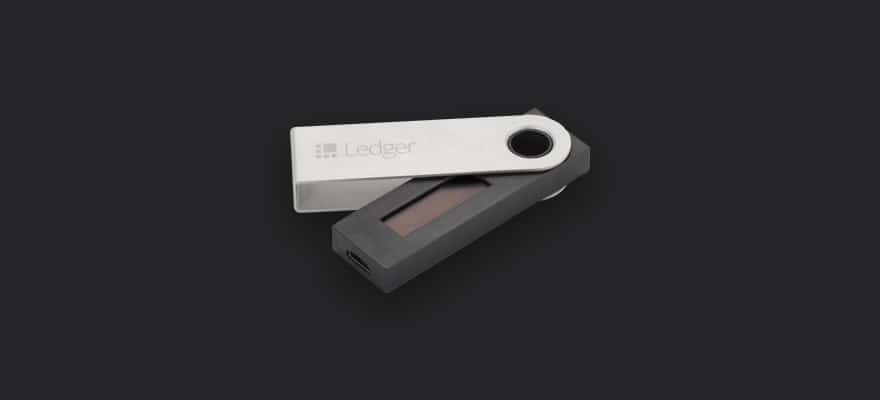
As such, one of the more secure options to consider would be to utilize a hardware wallet. A hardware wallet allows you to be in full control of your private keys; your currency is stored offline which makes it significantly harder to hack.
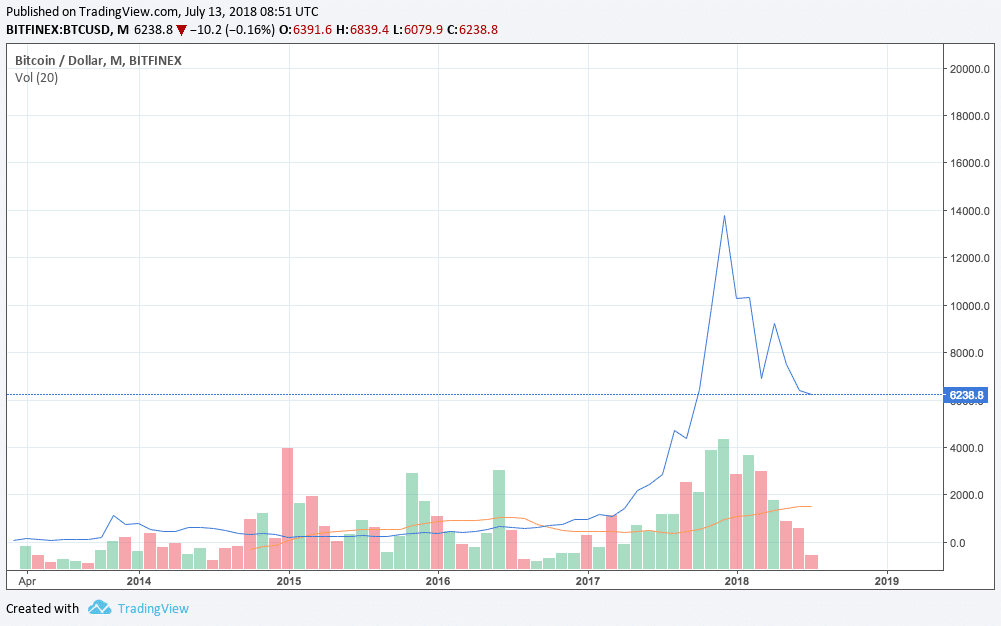
The biggest reason $BTC#Bitcoin may not go under $5000 is that so many people are expecting it to
— Cheds Trading [Cancer Fighter] Not giving away ETH (@BigCheds) July 13, 2018
Of course, you will need to keep your hardware wallet in a secure place, particularly if you're conducting transactions which require large amounts of Bitcoin. It would be incredibly frustrating if lax security or carelessness caused your businesses to lose money. Be vigilant and selective when choosing your storage platforms. Ultimately, offline wallets would provide safer options than online ones.
Cryptocurrency is still in its infancy, and as such, there is no concrete solution available as to which platform is most effective.
You need to consider factors such as the platform's interaction with fiat currencies, its regulatory frameworks, and the costs involved in using the platform. Ultimately, as this is a new area for business and technology, it could be helpful to select a platform which provides extensive customer support, 2-Factor Authentication security levels, and the experience of the members which are running the service. It cannot be stressed enough how important it is to choose the right place to store your Bitcoin .
Ultimately, the landscape for storing Bitcoin is one that is continuously evolving, and as such, you will need to be savvy in keeping up with the newest developments. It is likely that even this time next year, there will be new players in the storage market who will offer you certain things that current companies cannot. It is important to involve yourself in the process as much as you can and think long and hard about providing access to your private keys to third parties, especially if you're dealing with a large volume of transactions in Bitcoin.
Which Payment Processor Should I Use?
Once you've tackled the issue of storage, and decided on the method that you will utilize, you will need to find a platform for the actual processing of Bitcoin transactions. This can be done in multiple ways, depending on how you desire to approach Bitcoin as well as the size of your business. It also depends on whether you're looking for coins to be exchanged physically in a shop or online.
For example, if you're a smaller business or one that has a limited volume of users that may potentially use Bitcoin, you could let users pay directly into your Bitcoin wallet by providing them with your public address. To convert these funds into fiat, you will need to link your wallet with your bank account or credit card. It would also mean having to provide your customers with a guide on how to make payments with the currency.
This time last year the price of #bitcoin was $2300 and we were pretty damn happy about it. #throwbackthursday
On the offline front, there is also the potential for using screen applications with QR codes to process transactions. At checkout, you would be able to scan the codes and receive the Bitcoin in your wallet. This method is quite simple, and all it requires is customers to have their smartphones ready.
A Growing Number of Methods
Finally, there are hardware terminals which function akin to card machines but look to process transactions in Bitcoin. Depending on the company behind the terminal, the ability of these can be limited or vast, though the more complex machines will also cost more.
If you're looking to conduct Bitcoin transactions via online means, then your approach would need to be a little different. You can look to create a button on your site which will allow your clients to make payments in Bitcoin. Through a platform such as Coinbase, you will be able to signup for the service, after which you will be provided with HTML code to implement on your website. It is important to have someone with a degree of experience in programming to apply this option.
Popular crypto payment processor, Bitpay, announced formal agreement with Florida’s Seminole County Tax Collector, Joel M. Greenberg. Bitcoin Core (BTC) and Bitcoin Cash (BCH) can now both be used for tax payments, beginning this summer. https://t.co/o0ygtXM0ZX
If your business processes its payments through invoices, the issue may be a little more complex as the value of Bitcoin is in a state of constant flux, and it can potentially see you or your customer incurring losses, as ultimately individuals tend to convert their Bitcoin into fiat currency. It is worth providing some suggested amounts of BTC on the invoices as well as detailed descriptions of your public address on where you would like to be paid.
It is also important to consider the regulatory status of using Bitcoin payments. Not all countries are accepting towards cryptocurrency, so you need to ensure that you are up to date on all of your jurisdiction's regulations regarding crypto. It would make little sense to look to accept Bitcoin payments if it turns out would be breaking the law, as you will not only put yourself and your customers in jeopardy but can also significantly tarnish your brand image.
Advertising for Bitcoin Acceptance
Once you've gone through all the technical aspects of setting up the acceptance of Bitcoin for your business, you need to tackle the issue of how to spread the word about the fact that your site is Bitcoin-friendly. After all, what would be the point of going through the effort of setting up for the acceptance of Bitcoin, if no one is aware that your business is compatible with the cryptocurrency?
There are some simple step that can taken that will go a long way in helping spread the word. For example, you can put a Bitcoin logo in the header or footer of your website. The more visible the logo is, the more likely it will be that people know that you accept such a form of payment.
Another simple method would be to promote this concept on your social media channels. Whether using Facebook, Twitter or Instagram by constantly mentioning it in your posts, you can help make more and more people aware of the fact that your site accepts the currency. This option is particularly useful as it costs absolutely nothing and if you have a significant social media reach, it can be very effective.
Using the Tools at Hand to Get the Word Out
You can also provide links to your site on websites that are related to Bitcoin. On forums which are populated by loyal Bitcoin followers, you can provide word of mouth advertisement at no cost. Places such as Yelp or the Bitcoin subreddit are extremely popular and if customers know that your business accepts Bitcoin when they're specifically looking for this option can help solve a problem and gain potential new customers.
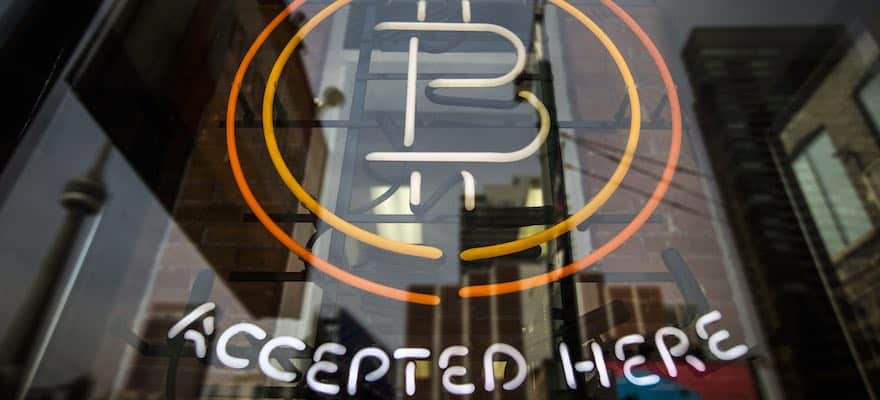
Finally, if your business does not have a significant online presence, or if it also has a physical store, then there's a very useful old-fashioned way of going about this. Simply install a sign outside your shop which advertises the fact that you accept Bitcoin payments. Put a sticker or sign outside your shop window. Make sure it's notable and also place a sticker near the checkout at your shop. While you do not want to overwhelm users with this information, you can raise awareness effectively by reiterating the point.
Reuters
Ultimately, choosing the method and persistence with which you advertise is completely dependent on you and the importance you place on Bitcoin being a form of payment in your business.
If your business offers Bitcoin as a quirky alternative to other payments, then perhaps spending lots of money on adverts would be counter-productive. On the other hand, if you are looking for Bitcoin to be an integral part of your business identity and are optimistic on Bitcoin's adoption by consumers globally, then it may be worth to exploit as many of the aforementioned channels as possible.
Paying Taxes - It’s the Law
Sometimes, individuals are under the impression that because they are using Bitcoin, taxes may be bypassed since the currency is not regulated by a central authority. Even though there are no regulations on the token itself as of yet, paying taxes on this currency is vital as your business is ultimately regulated by the authority of your location.
The same taxation principles that apply to regular transactions are applied to crypto transactions as well. Ultimately, the value of the cryptocurrency will be measured in the same way as that of the national currency of a given country. As such, when it comes to taxation, your Bitcoin will essentially be consdired to be equal its value in fiat.
Other important things to keep track of for tax purposes:
- Forks
- Airdrops
- Mining
- Gifts you give
- Gifts you receive
- ICOs
- Crypto received as payment
- Crypto sent as payment
- Hacked/stolen/lost coins
- Tips receieved
- Crypto donations to charity
— Crypto Tax Girl (@CryptoTaxGirl) July 11, 2018
Matters become a little more complicated due to the fluctuations in the price of Bitcoin, and as such, governments are currently keenly looking at ways to regulate cryptos for there to be an effective taxation system to tackle these issues.
You also have to remember that it is your responsibility to declare your Bitcoin earnings for taxation purposes and to monitor the data. While services like Coinbase do provide data, it only does so after you have made gains of over $20,000 and processed over 200 transactions. Even with this help, you have to be the one who has to figure out how to tax your income. It is a good idea, to keep a detailed log of your transactions so that you can adequately monitor what is happening and not get into hot water with the tax authority of your country.
One advantage of accepting Bitcoin as payment is the fact that all transactions are "push" transactions, meaning they are kickstarted by the customer. As such, any possible problems such as chargebacks are removed from the transaction. And more importantly, because transactions are performed in such a way, there is no need to store customer data, which in turn nullifies any incentive for hackers to gain access to your customers' sensitive information.
In addition, the use of a decentralized payment network cuts out third-party payment intermediary services, making your transaction processing more efficient.
There are, however, also certain issues when offering Bitcoin payments. Cryptocurrency, and especially Bitcoin, is often associated with black market activity, due to the currency's popularity as a trading token on the dark web. While Bitcoin has come a long way since its dark web days, these associations may put off certain customers.
The Supreme Court announced this morning that it will not reconsider the conviction and life sentence without parole of Ross Ulbricht, convicted for various crimes associated with founding and operating the darkweb site Silk Road.https://t.co/1T3y4BGIOF
Given these associations, you may want to ensure that customers are aware that all transactions via Bitcoin are legal and appropriate for all parties involved. Since cryptocurrency is still largely unregulated, your customers will need to be able to trust you to ensure the safety of their payment. Measures such as installing a valid SSL certificate on your site will go a long way toward assuring your customers that they are safe to use your website.
Additionally, scalability on the Bitcoin network is still, and will likely remain a big problem. While tools have been developed to speed up Bitcoin transactions, waiting for a Bitcoin payment to be confirmed can still take anywhere from a few minutes to a few hours. In a worst-case scenario, the process could even take several days before eventually failing.
Deciding How Your Bitcoins Will Be Stored
Once you've decided that you do indeed want to offer payment via Bitcoin, you will need to look at methods of storing Bitcoins on your platform and conducting the transactions.
Ultimately, the custody of your Bitcoin is extremely important because you want both you and consumers to be safe from the hacking of your coins.
It is imperative that when conducting Bitcoin transactions and storing Bitcoins, you are undertaking all security precautions possible. This protects everyone's interests. While nothing is fully hack-proof, there are some steps which you can take to minimize the risk.
Institutional storage of Bitcoin is an option that you may want to consider if you have a large amount of cryptocurrency to be stored. In fact, you could utilize the services of companies like Coinbase, who offer custodial services for crypto.
It is imperative not to store your cryptocurrency on an exchange for any significant amount of time. This approach can be hazardous as cryptocurrency exchanges are historically prone to being hacked. Leaving your coins on an exchange could ultimately leave yourself and your customers exposed.
Always Follow Best Practices
As such, one of the more secure options to consider would be to utilize a hardware wallet. A hardware wallet allows you to be in full control of your private keys; your currency is stored offline which makes it significantly harder to hack.
The biggest reason $BTC#Bitcoin may not go under $5000 is that so many people are expecting it to
— Cheds Trading [Cancer Fighter] Not giving away ETH (@BigCheds) July 13, 2018
Of course, you will need to keep your hardware wallet in a secure place, particularly if you're conducting transactions which require large amounts of Bitcoin. It would be incredibly frustrating if lax security or carelessness caused your businesses to lose money. Be vigilant and selective when choosing your storage platforms. Ultimately, offline wallets would provide safer options than online ones.
Cryptocurrency is still in its infancy, and as such, there is no concrete solution available as to which platform is most effective.
You need to consider factors such as the platform's interaction with fiat currencies, its regulatory frameworks, and the costs involved in using the platform. Ultimately, as this is a new area for business and technology, it could be helpful to select a platform which provides extensive customer support, 2-Factor Authentication security levels, and the experience of the members which are running the service. It cannot be stressed enough how important it is to choose the right place to store your Bitcoin .
Ultimately, the landscape for storing Bitcoin is one that is continuously evolving, and as such, you will need to be savvy in keeping up with the newest developments. It is likely that even this time next year, there will be new players in the storage market who will offer you certain things that current companies cannot. It is important to involve yourself in the process as much as you can and think long and hard about providing access to your private keys to third parties, especially if you're dealing with a large volume of transactions in Bitcoin.
Which Payment Processor Should I Use?
Once you've tackled the issue of storage, and decided on the method that you will utilize, you will need to find a platform for the actual processing of Bitcoin transactions. This can be done in multiple ways, depending on how you desire to approach Bitcoin as well as the size of your business. It also depends on whether you're looking for coins to be exchanged physically in a shop or online.
For example, if you're a smaller business or one that has a limited volume of users that may potentially use Bitcoin, you could let users pay directly into your Bitcoin wallet by providing them with your public address. To convert these funds into fiat, you will need to link your wallet with your bank account or credit card. It would also mean having to provide your customers with a guide on how to make payments with the currency.
This time last year the price of #bitcoin was $2300 and we were pretty damn happy about it. #throwbackthursday
On the offline front, there is also the potential for using screen applications with QR codes to process transactions. At checkout, you would be able to scan the codes and receive the Bitcoin in your wallet. This method is quite simple, and all it requires is customers to have their smartphones ready.
A Growing Number of Methods
Finally, there are hardware terminals which function akin to card machines but look to process transactions in Bitcoin. Depending on the company behind the terminal, the ability of these can be limited or vast, though the more complex machines will also cost more.
If you're looking to conduct Bitcoin transactions via online means, then your approach would need to be a little different. You can look to create a button on your site which will allow your clients to make payments in Bitcoin. Through a platform such as Coinbase, you will be able to signup for the service, after which you will be provided with HTML code to implement on your website. It is important to have someone with a degree of experience in programming to apply this option.
Popular crypto payment processor, Bitpay, announced formal agreement with Florida’s Seminole County Tax Collector, Joel M. Greenberg. Bitcoin Core (BTC) and Bitcoin Cash (BCH) can now both be used for tax payments, beginning this summer. https://t.co/o0ygtXM0ZX
If your business processes its payments through invoices, the issue may be a little more complex as the value of Bitcoin is in a state of constant flux, and it can potentially see you or your customer incurring losses, as ultimately individuals tend to convert their Bitcoin into fiat currency. It is worth providing some suggested amounts of BTC on the invoices as well as detailed descriptions of your public address on where you would like to be paid.
It is also important to consider the regulatory status of using Bitcoin payments. Not all countries are accepting towards cryptocurrency, so you need to ensure that you are up to date on all of your jurisdiction's regulations regarding crypto. It would make little sense to look to accept Bitcoin payments if it turns out would be breaking the law, as you will not only put yourself and your customers in jeopardy but can also significantly tarnish your brand image.
Advertising for Bitcoin Acceptance
Once you've gone through all the technical aspects of setting up the acceptance of Bitcoin for your business, you need to tackle the issue of how to spread the word about the fact that your site is Bitcoin-friendly. After all, what would be the point of going through the effort of setting up for the acceptance of Bitcoin, if no one is aware that your business is compatible with the cryptocurrency?
There are some simple step that can taken that will go a long way in helping spread the word. For example, you can put a Bitcoin logo in the header or footer of your website. The more visible the logo is, the more likely it will be that people know that you accept such a form of payment.
Another simple method would be to promote this concept on your social media channels. Whether using Facebook, Twitter or Instagram by constantly mentioning it in your posts, you can help make more and more people aware of the fact that your site accepts the currency. This option is particularly useful as it costs absolutely nothing and if you have a significant social media reach, it can be very effective.
Using the Tools at Hand to Get the Word Out
You can also provide links to your site on websites that are related to Bitcoin. On forums which are populated by loyal Bitcoin followers, you can provide word of mouth advertisement at no cost. Places such as Yelp or the Bitcoin subreddit are extremely popular and if customers know that your business accepts Bitcoin when they're specifically looking for this option can help solve a problem and gain potential new customers.
Finally, if your business does not have a significant online presence, or if it also has a physical store, then there's a very useful old-fashioned way of going about this. Simply install a sign outside your shop which advertises the fact that you accept Bitcoin payments. Put a sticker or sign outside your shop window. Make sure it's notable and also place a sticker near the checkout at your shop. While you do not want to overwhelm users with this information, you can raise awareness effectively by reiterating the point.
Reuters
Ultimately, choosing the method and persistence with which you advertise is completely dependent on you and the importance you place on Bitcoin being a form of payment in your business.
If your business offers Bitcoin as a quirky alternative to other payments, then perhaps spending lots of money on adverts would be counter-productive. On the other hand, if you are looking for Bitcoin to be an integral part of your business identity and are optimistic on Bitcoin's adoption by consumers globally, then it may be worth to exploit as many of the aforementioned channels as possible.
Paying Taxes - It’s the Law
Sometimes, individuals are under the impression that because they are using Bitcoin, taxes may be bypassed since the currency is not regulated by a central authority. Even though there are no regulations on the token itself as of yet, paying taxes on this currency is vital as your business is ultimately regulated by the authority of your location.
The same taxation principles that apply to regular transactions are applied to crypto transactions as well. Ultimately, the value of the cryptocurrency will be measured in the same way as that of the national currency of a given country. As such, when it comes to taxation, your Bitcoin will essentially be consdired to be equal its value in fiat.
Other important things to keep track of for tax purposes:
- Forks
- Airdrops
- Mining
- Gifts you give
- Gifts you receive
- ICOs
- Crypto received as payment
- Crypto sent as payment
- Hacked/stolen/lost coins
- Tips receieved
- Crypto donations to charity
— Crypto Tax Girl (@CryptoTaxGirl) July 11, 2018
Matters become a little more complicated due to the fluctuations in the price of Bitcoin, and as such, governments are currently keenly looking at ways to regulate cryptos for there to be an effective taxation system to tackle these issues.
You also have to remember that it is your responsibility to declare your Bitcoin earnings for taxation purposes and to monitor the data. While services like Coinbase do provide data, it only does so after you have made gains of over $20,000 and processed over 200 transactions. Even with this help, you have to be the one who has to figure out how to tax your income. It is a good idea, to keep a detailed log of your transactions so that you can adequately monitor what is happening and not get into hot water with the tax authority of your country.
Crypto Built More Rails, but the Next Battle Is Over How Much Work a Dollar Can Do
Featured Videos
FP Markets Winner Spotlight 🏆 | Global Broker of the Year 2025 #Trading #Broker #Innovation #Shorts
FP Markets Winner Spotlight 🏆 | Global Broker of the Year 2025 #Trading #Broker #Innovation #Shorts
FP Markets Winner Spotlight 🏆 | Global Broker of the Year 2025 #Trading #Broker #Innovation #Shorts
FP Markets Winner Spotlight 🏆 | Global Broker of the Year 2025 #Trading #Broker #Innovation #Shorts
FP Markets takes the spotlight as Global Broker of the Year 2025 at the Finance Magnates Awards.
Martin Stoilov, Head of Client Experience, shares that trust, innovation, and people played a key role in the company’s success, supported by a strong foundation of integrity and client-centricity.
Following this milestone, FP Markets continues to focus on growth, technology investment, and its core values of transparency and excellence.
👉 Be part of FM Awards 2026: https://awards.financemagnates.com/#nominate
FP Markets takes the spotlight as Global Broker of the Year 2025 at the Finance Magnates Awards.
Martin Stoilov, Head of Client Experience, shares that trust, innovation, and people played a key role in the company’s success, supported by a strong foundation of integrity and client-centricity.
Following this milestone, FP Markets continues to focus on growth, technology investment, and its core values of transparency and excellence.
👉 Be part of FM Awards 2026: https://awards.financemagnates.com/#nominate
FP Markets takes the spotlight as Global Broker of the Year 2025 at the Finance Magnates Awards.
Martin Stoilov, Head of Client Experience, shares that trust, innovation, and people played a key role in the company’s success, supported by a strong foundation of integrity and client-centricity.
Following this milestone, FP Markets continues to focus on growth, technology investment, and its core values of transparency and excellence.
👉 Be part of FM Awards 2026: https://awards.financemagnates.com/#nominate
FP Markets takes the spotlight as Global Broker of the Year 2025 at the Finance Magnates Awards.
Martin Stoilov, Head of Client Experience, shares that trust, innovation, and people played a key role in the company’s success, supported by a strong foundation of integrity and client-centricity.
Following this milestone, FP Markets continues to focus on growth, technology investment, and its core values of transparency and excellence.
👉 Be part of FM Awards 2026: https://awards.financemagnates.com/#nominate
In this video, we review @HolaPrimeMarketsOfficial, a multi-asset forex and CFDs broker offering different account types, trading platforms, and flexible trading conditions.
We cover the broker’s overall offering, including account options, trading environment, platforms like MT4 and MT5, and additional services such as managed accounts and fast withdrawals.
Watch the full video to see if Hola Prime Markets fits your trading needs.
📣 Stay up to date with the latest in finance and trading. Follow Finance Magnates for industry news, insights, and global event coverage.
Connect with us:
🔗 LinkedIn: /financemagnates
👍 Facebook: /financemagnates
📸 Instagram: https://www.instagram.com/financemagnates
🐦 X: https://x.com/financemagnates
🎥 TikTok: https://www.tiktok.com/tag/financemagnates
▶️ YouTube: /@financemagnates_official
#HolaPrime #ForexBroker #CFDTrading #FinanceMagnates #Trading #Forex #BrokerReview
In this video, we review @HolaPrimeMarketsOfficial, a multi-asset forex and CFDs broker offering different account types, trading platforms, and flexible trading conditions.
We cover the broker’s overall offering, including account options, trading environment, platforms like MT4 and MT5, and additional services such as managed accounts and fast withdrawals.
Watch the full video to see if Hola Prime Markets fits your trading needs.
📣 Stay up to date with the latest in finance and trading. Follow Finance Magnates for industry news, insights, and global event coverage.
Connect with us:
🔗 LinkedIn: /financemagnates
👍 Facebook: /financemagnates
📸 Instagram: https://www.instagram.com/financemagnates
🐦 X: https://x.com/financemagnates
🎥 TikTok: https://www.tiktok.com/tag/financemagnates
▶️ YouTube: /@financemagnates_official
#HolaPrime #ForexBroker #CFDTrading #FinanceMagnates #Trading #Forex #BrokerReview
In this video, we review @HolaPrimeMarketsOfficial, a multi-asset forex and CFDs broker offering different account types, trading platforms, and flexible trading conditions.
We cover the broker’s overall offering, including account options, trading environment, platforms like MT4 and MT5, and additional services such as managed accounts and fast withdrawals.
Watch the full video to see if Hola Prime Markets fits your trading needs.
📣 Stay up to date with the latest in finance and trading. Follow Finance Magnates for industry news, insights, and global event coverage.
Connect with us:
🔗 LinkedIn: /financemagnates
👍 Facebook: /financemagnates
📸 Instagram: https://www.instagram.com/financemagnates
🐦 X: https://x.com/financemagnates
🎥 TikTok: https://www.tiktok.com/tag/financemagnates
▶️ YouTube: /@financemagnates_official
#HolaPrime #ForexBroker #CFDTrading #FinanceMagnates #Trading #Forex #BrokerReview
In this video, we review @HolaPrimeMarketsOfficial, a multi-asset forex and CFDs broker offering different account types, trading platforms, and flexible trading conditions.
We cover the broker’s overall offering, including account options, trading environment, platforms like MT4 and MT5, and additional services such as managed accounts and fast withdrawals.
Watch the full video to see if Hola Prime Markets fits your trading needs.
📣 Stay up to date with the latest in finance and trading. Follow Finance Magnates for industry news, insights, and global event coverage.
Connect with us:
🔗 LinkedIn: /financemagnates
👍 Facebook: /financemagnates
📸 Instagram: https://www.instagram.com/financemagnates
🐦 X: https://x.com/financemagnates
🎥 TikTok: https://www.tiktok.com/tag/financemagnates
▶️ YouTube: /@financemagnates_official
#HolaPrime #ForexBroker #CFDTrading #FinanceMagnates #Trading #Forex #BrokerReview
In this video, we review @HolaPrimeMarketsOfficial, a multi-asset forex and CFDs broker offering different account types, trading platforms, and flexible trading conditions.
We cover the broker’s overall offering, including account options, trading environment, platforms like MT4 and MT5, and additional services such as managed accounts and fast withdrawals.
Watch the full video to see if Hola Prime Markets fits your trading needs.
📣 Stay up to date with the latest in finance and trading. Follow Finance Magnates for industry news, insights, and global event coverage.
Connect with us:
🔗 LinkedIn: /financemagnates
👍 Facebook: /financemagnates
📸 Instagram: https://www.instagram.com/financemagnates
🐦 X: https://x.com/financemagnates
🎥 TikTok: https://www.tiktok.com/tag/financemagnates
▶️ YouTube: /@financemagnates_official
#HolaPrime #ForexBroker #CFDTrading #FinanceMagnates #Trading #Forex #BrokerReview
In this video, we review @HolaPrimeMarketsOfficial, a multi-asset forex and CFDs broker offering different account types, trading platforms, and flexible trading conditions.
We cover the broker’s overall offering, including account options, trading environment, platforms like MT4 and MT5, and additional services such as managed accounts and fast withdrawals.
Watch the full video to see if Hola Prime Markets fits your trading needs.
📣 Stay up to date with the latest in finance and trading. Follow Finance Magnates for industry news, insights, and global event coverage.
Connect with us:
🔗 LinkedIn: /financemagnates
👍 Facebook: /financemagnates
📸 Instagram: https://www.instagram.com/financemagnates
🐦 X: https://x.com/financemagnates
🎥 TikTok: https://www.tiktok.com/tag/financemagnates
▶️ YouTube: /@financemagnates_official
#HolaPrime #ForexBroker #CFDTrading #FinanceMagnates #Trading #Forex #BrokerReview
Hola Prime Review: What You Need to Know | Full Breakdown by Finance Magnates
Hola Prime Review: What You Need to Know | Full Breakdown by Finance Magnates
Hola Prime Review: What You Need to Know | Full Breakdown by Finance Magnates
Hola Prime Review: What You Need to Know | Full Breakdown by Finance Magnates
Hola Prime Review: What You Need to Know | Full Breakdown by Finance Magnates
Hola Prime Review: What You Need to Know | Full Breakdown by Finance Magnates
In this video, we review @HolaPrime_Global, a proprietary trading firm offering evaluation programs and performance-based payouts in simulated market environments.
We cover how the challenge model works, including account types, profit splits (up to 95%), trading rules, and what it takes to reach a funded account. You’ll also learn about available platforms like MT4, MT5, cTrader, and more, along with insights into payouts, support, and trading conditions.
Watch the full video to see if Hola Prime fits your trading style.
📣 Stay up to date with the latest in finance and trading. Follow Finance Magnates for industry news, insights, and global event coverage.
Connect with us:
🔗 LinkedIn: /financemagnates
👍 Facebook: /financemagnates
📸 Instagram: https://www.instagram.com/financemagnates
🐦 X: https://x.com/financemagnates
🎥 TikTok: https://www.tiktok.com/tag/financemagnates
▶️ YouTube: /@financemagnates_official
#HolaPrime #PropFirm #Trading #FinanceMagnates #Forex #FuturesTrading #TradingReview #PropFirmReview
In this video, we review @HolaPrime_Global, a proprietary trading firm offering evaluation programs and performance-based payouts in simulated market environments.
We cover how the challenge model works, including account types, profit splits (up to 95%), trading rules, and what it takes to reach a funded account. You’ll also learn about available platforms like MT4, MT5, cTrader, and more, along with insights into payouts, support, and trading conditions.
Watch the full video to see if Hola Prime fits your trading style.
📣 Stay up to date with the latest in finance and trading. Follow Finance Magnates for industry news, insights, and global event coverage.
Connect with us:
🔗 LinkedIn: /financemagnates
👍 Facebook: /financemagnates
📸 Instagram: https://www.instagram.com/financemagnates
🐦 X: https://x.com/financemagnates
🎥 TikTok: https://www.tiktok.com/tag/financemagnates
▶️ YouTube: /@financemagnates_official
#HolaPrime #PropFirm #Trading #FinanceMagnates #Forex #FuturesTrading #TradingReview #PropFirmReview
In this video, we review @HolaPrime_Global, a proprietary trading firm offering evaluation programs and performance-based payouts in simulated market environments.
We cover how the challenge model works, including account types, profit splits (up to 95%), trading rules, and what it takes to reach a funded account. You’ll also learn about available platforms like MT4, MT5, cTrader, and more, along with insights into payouts, support, and trading conditions.
Watch the full video to see if Hola Prime fits your trading style.
📣 Stay up to date with the latest in finance and trading. Follow Finance Magnates for industry news, insights, and global event coverage.
Connect with us:
🔗 LinkedIn: /financemagnates
👍 Facebook: /financemagnates
📸 Instagram: https://www.instagram.com/financemagnates
🐦 X: https://x.com/financemagnates
🎥 TikTok: https://www.tiktok.com/tag/financemagnates
▶️ YouTube: /@financemagnates_official
#HolaPrime #PropFirm #Trading #FinanceMagnates #Forex #FuturesTrading #TradingReview #PropFirmReview
In this video, we review @HolaPrime_Global, a proprietary trading firm offering evaluation programs and performance-based payouts in simulated market environments.
We cover how the challenge model works, including account types, profit splits (up to 95%), trading rules, and what it takes to reach a funded account. You’ll also learn about available platforms like MT4, MT5, cTrader, and more, along with insights into payouts, support, and trading conditions.
Watch the full video to see if Hola Prime fits your trading style.
📣 Stay up to date with the latest in finance and trading. Follow Finance Magnates for industry news, insights, and global event coverage.
Connect with us:
🔗 LinkedIn: /financemagnates
👍 Facebook: /financemagnates
📸 Instagram: https://www.instagram.com/financemagnates
🐦 X: https://x.com/financemagnates
🎥 TikTok: https://www.tiktok.com/tag/financemagnates
▶️ YouTube: /@financemagnates_official
#HolaPrime #PropFirm #Trading #FinanceMagnates #Forex #FuturesTrading #TradingReview #PropFirmReview
In this video, we review @HolaPrime_Global, a proprietary trading firm offering evaluation programs and performance-based payouts in simulated market environments.
We cover how the challenge model works, including account types, profit splits (up to 95%), trading rules, and what it takes to reach a funded account. You’ll also learn about available platforms like MT4, MT5, cTrader, and more, along with insights into payouts, support, and trading conditions.
Watch the full video to see if Hola Prime fits your trading style.
📣 Stay up to date with the latest in finance and trading. Follow Finance Magnates for industry news, insights, and global event coverage.
Connect with us:
🔗 LinkedIn: /financemagnates
👍 Facebook: /financemagnates
📸 Instagram: https://www.instagram.com/financemagnates
🐦 X: https://x.com/financemagnates
🎥 TikTok: https://www.tiktok.com/tag/financemagnates
▶️ YouTube: /@financemagnates_official
#HolaPrime #PropFirm #Trading #FinanceMagnates #Forex #FuturesTrading #TradingReview #PropFirmReview
In this video, we review @HolaPrime_Global, a proprietary trading firm offering evaluation programs and performance-based payouts in simulated market environments.
We cover how the challenge model works, including account types, profit splits (up to 95%), trading rules, and what it takes to reach a funded account. You’ll also learn about available platforms like MT4, MT5, cTrader, and more, along with insights into payouts, support, and trading conditions.
Watch the full video to see if Hola Prime fits your trading style.
📣 Stay up to date with the latest in finance and trading. Follow Finance Magnates for industry news, insights, and global event coverage.
Connect with us:
🔗 LinkedIn: /financemagnates
👍 Facebook: /financemagnates
📸 Instagram: https://www.instagram.com/financemagnates
🐦 X: https://x.com/financemagnates
🎥 TikTok: https://www.tiktok.com/tag/financemagnates
▶️ YouTube: /@financemagnates_official
#HolaPrime #PropFirm #Trading #FinanceMagnates #Forex #FuturesTrading #TradingReview #PropFirmReview
Axi Winner Spotlight 🏆 | Global Most Innovative Broker 2025 #Innovation #Trading #Fintech #Broker
Axi Winner Spotlight 🏆 | Global Most Innovative Broker 2025 #Innovation #Trading #Fintech #Broker
Axi Winner Spotlight 🏆 | Global Most Innovative Broker 2025 #Innovation #Trading #Fintech #Broker
Axi Winner Spotlight 🏆 | Global Most Innovative Broker 2025 #Innovation #Trading #Fintech #Broker
Axi Winner Spotlight 🏆 | Global Most Innovative Broker 2025 #Innovation #Trading #Fintech #Broker
Axi Winner Spotlight 🏆 | Global Most Innovative Broker 2025 #Innovation #Trading #Fintech #Broker
Axi takes the spotlight at the Finance Magnates Awards, winning Global Most Innovative Broker 2025.
Olivia Xenofontos and Ivanna Openko share how the team will feel: proud, motivated, and ready to keep delivering.
They also describe the night as well-organized, focused, and enjoyable for all.
👉 Be part of FM Awards 2026.
Axi takes the spotlight at the Finance Magnates Awards, winning Global Most Innovative Broker 2025.
Olivia Xenofontos and Ivanna Openko share how the team will feel: proud, motivated, and ready to keep delivering.
They also describe the night as well-organized, focused, and enjoyable for all.
👉 Be part of FM Awards 2026.
Axi takes the spotlight at the Finance Magnates Awards, winning Global Most Innovative Broker 2025.
Olivia Xenofontos and Ivanna Openko share how the team will feel: proud, motivated, and ready to keep delivering.
They also describe the night as well-organized, focused, and enjoyable for all.
👉 Be part of FM Awards 2026.
Axi takes the spotlight at the Finance Magnates Awards, winning Global Most Innovative Broker 2025.
Olivia Xenofontos and Ivanna Openko share how the team will feel: proud, motivated, and ready to keep delivering.
They also describe the night as well-organized, focused, and enjoyable for all.
👉 Be part of FM Awards 2026.
Axi takes the spotlight at the Finance Magnates Awards, winning Global Most Innovative Broker 2025.
Olivia Xenofontos and Ivanna Openko share how the team will feel: proud, motivated, and ready to keep delivering.
They also describe the night as well-organized, focused, and enjoyable for all.
👉 Be part of FM Awards 2026.
Axi takes the spotlight at the Finance Magnates Awards, winning Global Most Innovative Broker 2025.
Olivia Xenofontos and Ivanna Openko share how the team will feel: proud, motivated, and ready to keep delivering.
They also describe the night as well-organized, focused, and enjoyable for all.
👉 Be part of FM Awards 2026.
Recognition that matters.
Built on transparency.
Driven by the industry.
The Finance Magnates Awards 2026.
Nominations are now open.
🔗 https://awards.financemagnates.com/?utm_source=SM&utm_medium=social&utm_campaign=recognition-matters
Recognition that matters.
Built on transparency.
Driven by the industry.
The Finance Magnates Awards 2026.
Nominations are now open.
🔗 https://awards.financemagnates.com/?utm_source=SM&utm_medium=social&utm_campaign=recognition-matters
Recognition that matters.
Built on transparency.
Driven by the industry.
The Finance Magnates Awards 2026.
Nominations are now open.
🔗 https://awards.financemagnates.com/?utm_source=SM&utm_medium=social&utm_campaign=recognition-matters
Recognition that matters.
Built on transparency.
Driven by the industry.
The Finance Magnates Awards 2026.
Nominations are now open.
🔗 https://awards.financemagnates.com/?utm_source=SM&utm_medium=social&utm_campaign=recognition-matters
Recognition that matters.
Built on transparency.
Driven by the industry.
The Finance Magnates Awards 2026.
Nominations are now open.
🔗 https://awards.financemagnates.com/?utm_source=SM&utm_medium=social&utm_campaign=recognition-matters
Recognition that matters.
Built on transparency.
Driven by the industry.
The Finance Magnates Awards 2026.
Nominations are now open.
🔗 https://awards.financemagnates.com/?utm_source=SM&utm_medium=social&utm_campaign=recognition-matters