How to Sell Bitcoin: 4 Methods to Liquidate Your Coins
Wednesday,11/07/2018|10:31GMTby
Bogdan Kagan
An analysis on when to sell Bitcoin and the best ways of doing it.
FM
With the crypto craze in full swing and potential investors looking to put more and more money into the world of Bitcoin, there are a wide array of strategies to sell BTC tokens. Here is a detailed analysis of each one and how to best approach selling your coins.
Before beginning, it is important to understand that Bitcoin is a relatively new phenomenon. As such, taking care of all aspects of buying, storing, and selling your coins is vital. Additionally, due to the volatile nature of the currency, you should be extremely cautious when making investments and never risk more than a small percentage of your wealth.
That being said, because the currency is so volatile, it can be useful for both short and long-term investors. If one approaches this correctly, then the gains can be vast. While we do not offer investment advice, we will give a general overview of some of the methods and times when traders tend to sell their Bitcoins.
We know that this can be a confusing process. If there are any aspects of BTC selling that you feel have not been covered in this guide, let us know.
I'm trying to sell some of my Bitcoin, and the whole process is so terrible, it's almost hilarious.
The first question that any investor should consider is when one should sell their asset.
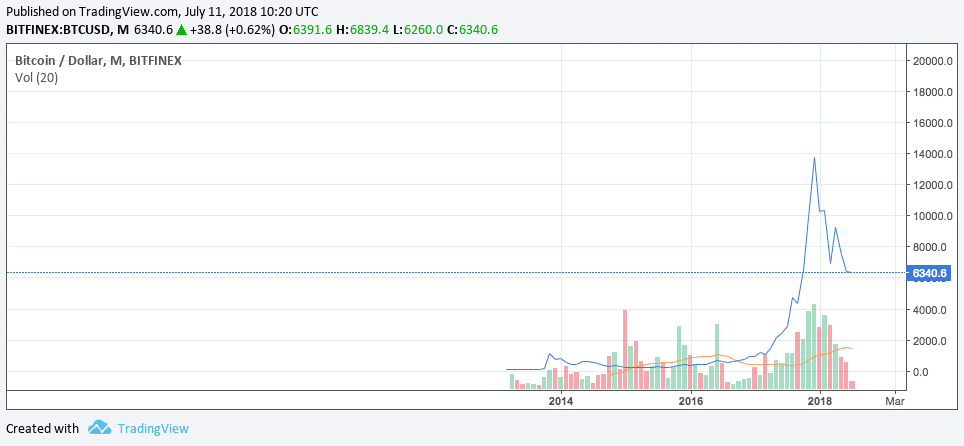
As previously mentioned, Bitcoin is extraordinarily volatile and as such, picking the right moment can be particularly tricky. Ultimately, there are two approaches to any investor in Bitcoin, the ones that hold on to the currency for a long-term period.
There are various approaches to undertake, with certain financial experts, such as Coinsource's Josiah Hernandez, recommending to cash in on some of your potential investments as early as possible if you're having financial difficulties or indeed have issues with riskier investments.
In these kinds of circumstances, Hernandez recommends that someone under financial pressure should not be apprehensive towards selling between 30 to 50 percent of their Bitcoin holdings. In normal circumstances, Hernandez says that one maintains at least 50 percent of one's Bitcoin for investments and future growth.
The reasoning for keeping at least half of your investment stems from the fact that a number of analysts have predicted the value of BTC to rise in the future. If you decide to liquidate all of your assets, you may regret it. Then again, a number of analysts have also predicted that BTC is going nowhere fast.
Another take is to sell the Bitcoin to regain your original investment. For example, if you spend $100 on Bitcoin, wait until your Bitcoin has reached $200, and then sell the original $100. That way all the money you have invested will be yours again but you still have the investment in a currency which has plenty of potential for growth.
If you have been investing in Bitcoin for many years on end and have had loyalty to the currency, then you may be interested in continuing to hold on to it for as long as possible. At the turn of the year Bitcoin experienced major dips in value due to tightening of regulations and major hacks of exchanges that have occurred. However, there is still reason to be optimistic as more and more companies and nations look to invest into the cryptocurrency.
FM
How to Sell Bitcoin
If you've decided to sell your coins, it is important to understand how exactly to go about the process. Selling Bitcoin is easier now than it ever has been, and is likely to become even easier in the future.
There are four main ways of going about this which will be discussed in some detail: exchanges, direct trades, selling BTC in-person, and via online P2P platforms.
Selling Bitcoin on an Exchange
Selling via exchanges is potentially the simplest and most popular way of selling Bitcoin.
Exchanges effectively act as middle-men for the individual looking to sell and the one looking to buy Bitcoin. It doesn't matter which exchange you choose for selling (regarding processes) because in effect they're pretty much the same for all.
Once you've created an account and wallet with the exchange, you will link your bank account details. In order to send currency to another account you will simply need the receiver's public address, at which point you can freely send the Bitcoin to their account.
Once all these steps have been taken, you will be able to create a "Sell Order" and move the currency into someone else's account. When making these transactions, it is worth remembering that you will be charged a minor fee by the exchange for the transaction. Certain exchanges even allow you to place limits on sales, in case the price of Bitcoin was to fall to secure your sale and ensure it goes through without a hitch.
It is important to remember that there are certain safety precautions one must undertake for this method to be effective. After all, there are some inherent vulnerabilities which exist within exchanges which may put off potential investors. For one, exchanges are vulnerable to being hacked, Coinbase being the more notable example of a successful attack on an exchange. As such, you should never look to store any of your coins on an exchange for a prolonged amount of time.
At times, exchanges can be somewhat unstable, for example when there is a large amount of traffic on them, or even a DDoS attack. This can prove to be frustrating given the constantly fluctuating state of the Bitcoin market. Transactions can take a some time to process which can be problematic if you're looking to make serious investments quickly. To avoid this issue, the best option would be to look to sell at times of low network traffic, which would increase the likelihood of your transaction going through far more quickly.
It's also worth bearing in mind the fact that you will need to go through numerous rigorous checks to verify your identity to register with an exchange. Confirming your account can take hours, days, or even weeks depending on the exchange that you have chosen. Doing some research can make the process simpler.
There are a number of reputable exchanges which you can use for the best results and to fulfill your specific customer needs. Coinbase, Kraken, and Bitstamp are just some of the more renowned names, though there are plenty more to choose from depending on how you're looking to sell.
FM
Selling Bitcoin via Direct Trades
Sometimes, you might want to be more involved in the trades you're a part of and would prefer to make trades directly. This method, gives you more control when making sales and lets you choose how much to sell at a given time.
To set up an account on this platform, you will need to register as a seller and go through an identity verification process similar to creating an account on an exchange.
After completing the registration process, you will need to indicate that you're willing to sell some Bitcoins, at which point potential buyers may come into contact with you. Once you've received the notification to approve the interaction, you will only communicate with the buyer directly with no involvement from third parties.
Once again, however, there are problems here in the same way that may arise from exchanges. Since there is still a platform for users it can still be prone to vast amounts of traffic as well as DDOS attacks. The advantage here is the fact that because you manually conduct your transactions as a potential seller the issue of fees and price fluctuations has far less impact on you than it does on the buyer.
There are a number of platforms which can be used in order to undertake direct trades. Coinbase can be utilised for this purpose, but there are plenty of alternatives such as BitBargain, OpenBitcoins and Bitsquare. Once again, the platform that you choose would depend largely on your needs and as such thorough research is highly recommended before selecting the platform. Due to the at times laborious registration process it would be sensible to choose the exchange that work best for you from the offset.
Selling Bitcoins In Person (Offline)
Another method which some may prefer for reasons of privacy would be by selling your Bitcoin directly in person. This method is actually one of the simplest ways of doing so and can be extremely useful for people who do not have as much time to go through the exchanges or trading platforms.
The only thing you would need to do is scan a QR code via an person's phone whereupon you will receive cash immediately, being able to buy and sell Bitcoins instantaneously. This method is particularly useful if you're looking to sell to your family members or friends.
When dealing with people you don't know however, this method can be a little more complicated. For a start, you would be required to negotiate with strangers about the price of Bitcoin, where you will meet and other factors which would need to be taken into account before the trade can take place.
You also have to be aware of personal safety when meeting with a stranger and should always agree on a public place to make your trade. Even if a stranger does not want to physically harm you, you have to be aware of potential scams and tricks that can be pulled and pay as much attention as possible to given situations.
Finding platforms for this method can be a little trickier and at times it would probably be best to look on forums such as Reddit for information on those who wish to undertake direct exchanges. That being said, there are platforms that have been designed to facilitate face to face exchanges, like LocalBitcoins.
On these kinds of platforms, you can make a cash trade in exchange for Bitcoin though the platform functions in a similar way to how direct trading platforms work. While there is no middleman in this scenario normally, it becomes possible to at least have some sort of mediator to pre-plan your transactions and fees.
P2P Trading Platforms
In p2p marketplaces, no funds are actually directly exchanged. Instead, this kind of exchange brings together people with different needs and manage them accordingly. In essence, p2p exchanges seek to mutually benefit individuals looking to either buy Bitcoin or use their Bitcoin to buy certain products but cannot if BTC is not accepted by a given platform.
The p2p marketplace looks to bring the needs of the two together by using the individuals who are looking to buy to send their Bitcoin to the former and create a trade which is functional for both simultaneously. In this sense, people who use Bitcoins for transactions benefit in the sense that they can buy goods at discounted prices whilst others are able to get better rates on Bitcoins.
This system is great for users who want to buy Bitcoins using their credit or debit cards as it does not actually require complex registrations. Unfortunately, under the current climate users are generally charged rather high fees for these transactions due to their simple nature.
This means that certain people may be put off by these services as the rates on exchanges are likely to be far lower, despite the fact that even those are not the cheapest on the market. Ultimately, this method is still in its early stages and is likely to be perfected at some point in the future.
That being said, there is still a number of platforms which do actually offer P2P trades on Bitcoins. These include Brawker, Purse as well as Open Bazaar.
A Final Word, and Good Luck!
Deciding when to sell Bitcoin and where best to sell it is the hardest question for any potential investor. There are many alternative methods and strategies for users out there and they all have their positives and negatives. Ultimately the key point to take away from this is that nothing ever replaces research and care when approaching certain transactions.
There are plenty of opportunities where selling Bitcoin can be highly beneficial for all but they require great care and attention to detail in order to be most effective.
Did you find this information helpful? How have your experiences with selling Bitcoin been? Please leave a comment in the box below--we'd love to hear from you.
With the crypto craze in full swing and potential investors looking to put more and more money into the world of Bitcoin, there are a wide array of strategies to sell BTC tokens. Here is a detailed analysis of each one and how to best approach selling your coins.
Before beginning, it is important to understand that Bitcoin is a relatively new phenomenon. As such, taking care of all aspects of buying, storing, and selling your coins is vital. Additionally, due to the volatile nature of the currency, you should be extremely cautious when making investments and never risk more than a small percentage of your wealth.
That being said, because the currency is so volatile, it can be useful for both short and long-term investors. If one approaches this correctly, then the gains can be vast. While we do not offer investment advice, we will give a general overview of some of the methods and times when traders tend to sell their Bitcoins.
We know that this can be a confusing process. If there are any aspects of BTC selling that you feel have not been covered in this guide, let us know.
I'm trying to sell some of my Bitcoin, and the whole process is so terrible, it's almost hilarious.
The first question that any investor should consider is when one should sell their asset.
As previously mentioned, Bitcoin is extraordinarily volatile and as such, picking the right moment can be particularly tricky. Ultimately, there are two approaches to any investor in Bitcoin, the ones that hold on to the currency for a long-term period.
There are various approaches to undertake, with certain financial experts, such as Coinsource's Josiah Hernandez, recommending to cash in on some of your potential investments as early as possible if you're having financial difficulties or indeed have issues with riskier investments.
In these kinds of circumstances, Hernandez recommends that someone under financial pressure should not be apprehensive towards selling between 30 to 50 percent of their Bitcoin holdings. In normal circumstances, Hernandez says that one maintains at least 50 percent of one's Bitcoin for investments and future growth.
The reasoning for keeping at least half of your investment stems from the fact that a number of analysts have predicted the value of BTC to rise in the future. If you decide to liquidate all of your assets, you may regret it. Then again, a number of analysts have also predicted that BTC is going nowhere fast.
Another take is to sell the Bitcoin to regain your original investment. For example, if you spend $100 on Bitcoin, wait until your Bitcoin has reached $200, and then sell the original $100. That way all the money you have invested will be yours again but you still have the investment in a currency which has plenty of potential for growth.
If you have been investing in Bitcoin for many years on end and have had loyalty to the currency, then you may be interested in continuing to hold on to it for as long as possible. At the turn of the year Bitcoin experienced major dips in value due to tightening of regulations and major hacks of exchanges that have occurred. However, there is still reason to be optimistic as more and more companies and nations look to invest into the cryptocurrency.
FM
How to Sell Bitcoin
If you've decided to sell your coins, it is important to understand how exactly to go about the process. Selling Bitcoin is easier now than it ever has been, and is likely to become even easier in the future.
There are four main ways of going about this which will be discussed in some detail: exchanges, direct trades, selling BTC in-person, and via online P2P platforms.
Selling Bitcoin on an Exchange
Selling via exchanges is potentially the simplest and most popular way of selling Bitcoin.
Exchanges effectively act as middle-men for the individual looking to sell and the one looking to buy Bitcoin. It doesn't matter which exchange you choose for selling (regarding processes) because in effect they're pretty much the same for all.
Once you've created an account and wallet with the exchange, you will link your bank account details. In order to send currency to another account you will simply need the receiver's public address, at which point you can freely send the Bitcoin to their account.
Once all these steps have been taken, you will be able to create a "Sell Order" and move the currency into someone else's account. When making these transactions, it is worth remembering that you will be charged a minor fee by the exchange for the transaction. Certain exchanges even allow you to place limits on sales, in case the price of Bitcoin was to fall to secure your sale and ensure it goes through without a hitch.
It is important to remember that there are certain safety precautions one must undertake for this method to be effective. After all, there are some inherent vulnerabilities which exist within exchanges which may put off potential investors. For one, exchanges are vulnerable to being hacked, Coinbase being the more notable example of a successful attack on an exchange. As such, you should never look to store any of your coins on an exchange for a prolonged amount of time.
At times, exchanges can be somewhat unstable, for example when there is a large amount of traffic on them, or even a DDoS attack. This can prove to be frustrating given the constantly fluctuating state of the Bitcoin market. Transactions can take a some time to process which can be problematic if you're looking to make serious investments quickly. To avoid this issue, the best option would be to look to sell at times of low network traffic, which would increase the likelihood of your transaction going through far more quickly.
It's also worth bearing in mind the fact that you will need to go through numerous rigorous checks to verify your identity to register with an exchange. Confirming your account can take hours, days, or even weeks depending on the exchange that you have chosen. Doing some research can make the process simpler.
There are a number of reputable exchanges which you can use for the best results and to fulfill your specific customer needs. Coinbase, Kraken, and Bitstamp are just some of the more renowned names, though there are plenty more to choose from depending on how you're looking to sell.
FM
Selling Bitcoin via Direct Trades
Sometimes, you might want to be more involved in the trades you're a part of and would prefer to make trades directly. This method, gives you more control when making sales and lets you choose how much to sell at a given time.
To set up an account on this platform, you will need to register as a seller and go through an identity verification process similar to creating an account on an exchange.
After completing the registration process, you will need to indicate that you're willing to sell some Bitcoins, at which point potential buyers may come into contact with you. Once you've received the notification to approve the interaction, you will only communicate with the buyer directly with no involvement from third parties.
Once again, however, there are problems here in the same way that may arise from exchanges. Since there is still a platform for users it can still be prone to vast amounts of traffic as well as DDOS attacks. The advantage here is the fact that because you manually conduct your transactions as a potential seller the issue of fees and price fluctuations has far less impact on you than it does on the buyer.
There are a number of platforms which can be used in order to undertake direct trades. Coinbase can be utilised for this purpose, but there are plenty of alternatives such as BitBargain, OpenBitcoins and Bitsquare. Once again, the platform that you choose would depend largely on your needs and as such thorough research is highly recommended before selecting the platform. Due to the at times laborious registration process it would be sensible to choose the exchange that work best for you from the offset.
Selling Bitcoins In Person (Offline)
Another method which some may prefer for reasons of privacy would be by selling your Bitcoin directly in person. This method is actually one of the simplest ways of doing so and can be extremely useful for people who do not have as much time to go through the exchanges or trading platforms.
The only thing you would need to do is scan a QR code via an person's phone whereupon you will receive cash immediately, being able to buy and sell Bitcoins instantaneously. This method is particularly useful if you're looking to sell to your family members or friends.
When dealing with people you don't know however, this method can be a little more complicated. For a start, you would be required to negotiate with strangers about the price of Bitcoin, where you will meet and other factors which would need to be taken into account before the trade can take place.
You also have to be aware of personal safety when meeting with a stranger and should always agree on a public place to make your trade. Even if a stranger does not want to physically harm you, you have to be aware of potential scams and tricks that can be pulled and pay as much attention as possible to given situations.
Finding platforms for this method can be a little trickier and at times it would probably be best to look on forums such as Reddit for information on those who wish to undertake direct exchanges. That being said, there are platforms that have been designed to facilitate face to face exchanges, like LocalBitcoins.
On these kinds of platforms, you can make a cash trade in exchange for Bitcoin though the platform functions in a similar way to how direct trading platforms work. While there is no middleman in this scenario normally, it becomes possible to at least have some sort of mediator to pre-plan your transactions and fees.
P2P Trading Platforms
In p2p marketplaces, no funds are actually directly exchanged. Instead, this kind of exchange brings together people with different needs and manage them accordingly. In essence, p2p exchanges seek to mutually benefit individuals looking to either buy Bitcoin or use their Bitcoin to buy certain products but cannot if BTC is not accepted by a given platform.
The p2p marketplace looks to bring the needs of the two together by using the individuals who are looking to buy to send their Bitcoin to the former and create a trade which is functional for both simultaneously. In this sense, people who use Bitcoins for transactions benefit in the sense that they can buy goods at discounted prices whilst others are able to get better rates on Bitcoins.
This system is great for users who want to buy Bitcoins using their credit or debit cards as it does not actually require complex registrations. Unfortunately, under the current climate users are generally charged rather high fees for these transactions due to their simple nature.
This means that certain people may be put off by these services as the rates on exchanges are likely to be far lower, despite the fact that even those are not the cheapest on the market. Ultimately, this method is still in its early stages and is likely to be perfected at some point in the future.
That being said, there is still a number of platforms which do actually offer P2P trades on Bitcoins. These include Brawker, Purse as well as Open Bazaar.
A Final Word, and Good Luck!
Deciding when to sell Bitcoin and where best to sell it is the hardest question for any potential investor. There are many alternative methods and strategies for users out there and they all have their positives and negatives. Ultimately the key point to take away from this is that nothing ever replaces research and care when approaching certain transactions.
There are plenty of opportunities where selling Bitcoin can be highly beneficial for all but they require great care and attention to detail in order to be most effective.
Did you find this information helpful? How have your experiences with selling Bitcoin been? Please leave a comment in the box below--we'd love to hear from you.
Binance Launches Retail AI Assistant, Repackages Existing Trading Tools
Featured Videos
AvaTrade to Acquire Most of FXCM; NAGA Raises $8M
AvaTrade to Acquire Most of FXCM; NAGA Raises $8M
AvaTrade to Acquire Most of FXCM; NAGA Raises $8M
AvaTrade to Acquire Most of FXCM; NAGA Raises $8M
Today’s financial news recap covers AvaTrade agrees to acquire most of FXCM, NAGA secures eight million dollars in new financing, and Wise seeks a tax settlement in the UK.
Finance Magnates Daily Recap brings you the latest news from forex and CFD brokers, fintech, payments, cryptocurrency, digital assets, trading platforms, financial regulation and global markets.
Get the key company news, executive moves, deals, regulatory updates and market developments of the day, in just a few minutes. New episodes published every weekday.
Read more: https://www.financemagnates.com
#FinanceMagnates #ForexNews #FintechNews
Today’s financial news recap covers AvaTrade agrees to acquire most of FXCM, NAGA secures eight million dollars in new financing, and Wise seeks a tax settlement in the UK.
Finance Magnates Daily Recap brings you the latest news from forex and CFD brokers, fintech, payments, cryptocurrency, digital assets, trading platforms, financial regulation and global markets.
Get the key company news, executive moves, deals, regulatory updates and market developments of the day, in just a few minutes. New episodes published every weekday.
Read more: https://www.financemagnates.com
#FinanceMagnates #ForexNews #FintechNews
Today’s financial news recap covers AvaTrade agrees to acquire most of FXCM, NAGA secures eight million dollars in new financing, and Wise seeks a tax settlement in the UK.
Finance Magnates Daily Recap brings you the latest news from forex and CFD brokers, fintech, payments, cryptocurrency, digital assets, trading platforms, financial regulation and global markets.
Get the key company news, executive moves, deals, regulatory updates and market developments of the day, in just a few minutes. New episodes published every weekday.
Read more: https://www.financemagnates.com
#FinanceMagnates #ForexNews #FintechNews
Today’s financial news recap covers AvaTrade agrees to acquire most of FXCM, NAGA secures eight million dollars in new financing, and Wise seeks a tax settlement in the UK.
Finance Magnates Daily Recap brings you the latest news from forex and CFD brokers, fintech, payments, cryptocurrency, digital assets, trading platforms, financial regulation and global markets.
Get the key company news, executive moves, deals, regulatory updates and market developments of the day, in just a few minutes. New episodes published every weekday.
Read more: https://www.financemagnates.com
#FinanceMagnates #ForexNews #FintechNews
XTB Adds Overnight US Stock Trading; Nasdaq Ventures Invests in One Trading
XTB Adds Overnight US Stock Trading; Nasdaq Ventures Invests in One Trading
XTB Adds Overnight US Stock Trading; Nasdaq Ventures Invests in One Trading
XTB Adds Overnight US Stock Trading; Nasdaq Ventures Invests in One Trading
XTB Adds Overnight US Stock Trading; Nasdaq Ventures Invests in One Trading
XTB Adds Overnight US Stock Trading; Nasdaq Ventures Invests in One Trading
Today’s financial news recap covers XTB expands overnight US stock trading, Fortrade reports higher revenue, Nasdaq backs One Trading, and Vest Labs raises 13 million dollars.
Finance Magnates Daily Recap brings you the latest news from forex and CFD brokers, fintech, payments, cryptocurrency, digital assets, trading platforms, financial regulation and global markets.
Get the key company news, executive moves, deals, regulatory updates and market developments of the day, in just a few minutes. New episodes published every weekday.
Read more: https://www.financemagnates.com
#FinanceMagnates #ForexNews #FintechNews
Today’s financial news recap covers XTB expands overnight US stock trading, Fortrade reports higher revenue, Nasdaq backs One Trading, and Vest Labs raises 13 million dollars.
Finance Magnates Daily Recap brings you the latest news from forex and CFD brokers, fintech, payments, cryptocurrency, digital assets, trading platforms, financial regulation and global markets.
Get the key company news, executive moves, deals, regulatory updates and market developments of the day, in just a few minutes. New episodes published every weekday.
Read more: https://www.financemagnates.com
#FinanceMagnates #ForexNews #FintechNews
Today’s financial news recap covers XTB expands overnight US stock trading, Fortrade reports higher revenue, Nasdaq backs One Trading, and Vest Labs raises 13 million dollars.
Finance Magnates Daily Recap brings you the latest news from forex and CFD brokers, fintech, payments, cryptocurrency, digital assets, trading platforms, financial regulation and global markets.
Get the key company news, executive moves, deals, regulatory updates and market developments of the day, in just a few minutes. New episodes published every weekday.
Read more: https://www.financemagnates.com
#FinanceMagnates #ForexNews #FintechNews
Today’s financial news recap covers XTB expands overnight US stock trading, Fortrade reports higher revenue, Nasdaq backs One Trading, and Vest Labs raises 13 million dollars.
Finance Magnates Daily Recap brings you the latest news from forex and CFD brokers, fintech, payments, cryptocurrency, digital assets, trading platforms, financial regulation and global markets.
Get the key company news, executive moves, deals, regulatory updates and market developments of the day, in just a few minutes. New episodes published every weekday.
Read more: https://www.financemagnates.com
#FinanceMagnates #ForexNews #FintechNews
Today’s financial news recap covers XTB expands overnight US stock trading, Fortrade reports higher revenue, Nasdaq backs One Trading, and Vest Labs raises 13 million dollars.
Finance Magnates Daily Recap brings you the latest news from forex and CFD brokers, fintech, payments, cryptocurrency, digital assets, trading platforms, financial regulation and global markets.
Get the key company news, executive moves, deals, regulatory updates and market developments of the day, in just a few minutes. New episodes published every weekday.
Read more: https://www.financemagnates.com
#FinanceMagnates #ForexNews #FintechNews
Today’s financial news recap covers XTB expands overnight US stock trading, Fortrade reports higher revenue, Nasdaq backs One Trading, and Vest Labs raises 13 million dollars.
Finance Magnates Daily Recap brings you the latest news from forex and CFD brokers, fintech, payments, cryptocurrency, digital assets, trading platforms, financial regulation and global markets.
Get the key company news, executive moves, deals, regulatory updates and market developments of the day, in just a few minutes. New episodes published every weekday.
Read more: https://www.financemagnates.com
#FinanceMagnates #ForexNews #FintechNews
CMC Founder Downplays Volatility Hit; Devexperts Names CEO
CMC Founder Downplays Volatility Hit; Devexperts Names CEO
CMC Founder Downplays Volatility Hit; Devexperts Names CEO
CMC Founder Downplays Volatility Hit; Devexperts Names CEO
CMC Founder Downplays Volatility Hit; Devexperts Names CEO
CMC Founder Downplays Volatility Hit; Devexperts Names CEO
Today’s financial news recap covers low volatility pressures brokers, Devexperts names a new CEO, Saxo cuts onboarding time, and OKX reaches a 25 billion dollar valuation.
Finance Magnates Daily Recap brings you the latest news from forex and CFD brokers, fintech, payments, cryptocurrency, digital assets, trading platforms, financial regulation and global markets.
Get the key company news, executive moves, deals, regulatory updates and market developments of the day, in just a few minutes. New episodes published every weekday.
Read more: https://www.financemagnates.com
#FinanceMagnates #ForexNews #FintechNews
Today’s financial news recap covers low volatility pressures brokers, Devexperts names a new CEO, Saxo cuts onboarding time, and OKX reaches a 25 billion dollar valuation.
Finance Magnates Daily Recap brings you the latest news from forex and CFD brokers, fintech, payments, cryptocurrency, digital assets, trading platforms, financial regulation and global markets.
Get the key company news, executive moves, deals, regulatory updates and market developments of the day, in just a few minutes. New episodes published every weekday.
Read more: https://www.financemagnates.com
#FinanceMagnates #ForexNews #FintechNews
Today’s financial news recap covers low volatility pressures brokers, Devexperts names a new CEO, Saxo cuts onboarding time, and OKX reaches a 25 billion dollar valuation.
Finance Magnates Daily Recap brings you the latest news from forex and CFD brokers, fintech, payments, cryptocurrency, digital assets, trading platforms, financial regulation and global markets.
Get the key company news, executive moves, deals, regulatory updates and market developments of the day, in just a few minutes. New episodes published every weekday.
Read more: https://www.financemagnates.com
#FinanceMagnates #ForexNews #FintechNews
Today’s financial news recap covers low volatility pressures brokers, Devexperts names a new CEO, Saxo cuts onboarding time, and OKX reaches a 25 billion dollar valuation.
Finance Magnates Daily Recap brings you the latest news from forex and CFD brokers, fintech, payments, cryptocurrency, digital assets, trading platforms, financial regulation and global markets.
Get the key company news, executive moves, deals, regulatory updates and market developments of the day, in just a few minutes. New episodes published every weekday.
Read more: https://www.financemagnates.com
#FinanceMagnates #ForexNews #FintechNews
Today’s financial news recap covers low volatility pressures brokers, Devexperts names a new CEO, Saxo cuts onboarding time, and OKX reaches a 25 billion dollar valuation.
Finance Magnates Daily Recap brings you the latest news from forex and CFD brokers, fintech, payments, cryptocurrency, digital assets, trading platforms, financial regulation and global markets.
Get the key company news, executive moves, deals, regulatory updates and market developments of the day, in just a few minutes. New episodes published every weekday.
Read more: https://www.financemagnates.com
#FinanceMagnates #ForexNews #FintechNews
Today’s financial news recap covers low volatility pressures brokers, Devexperts names a new CEO, Saxo cuts onboarding time, and OKX reaches a 25 billion dollar valuation.
Finance Magnates Daily Recap brings you the latest news from forex and CFD brokers, fintech, payments, cryptocurrency, digital assets, trading platforms, financial regulation and global markets.
Get the key company news, executive moves, deals, regulatory updates and market developments of the day, in just a few minutes. New episodes published every weekday.
Read more: https://www.financemagnates.com
#FinanceMagnates #ForexNews #FintechNews
Today’s financial news recap covers Trade Nation buys FXCM's UK client book, Trading 212 reports higher revenue, the CFTC's move to allow perpetual index futures.
Finance Magnates Daily Recap brings you the latest news from forex and CFD brokers, fintech, payments, cryptocurrency, digital assets, trading platforms, financial regulation and global markets.
Get the key company news, executive moves, deals, regulatory updates and market developments of the day, in just a few minutes. New episodes published every weekday.
Read more: https://www.financemagnates.com
#FinanceMagnates #ForexNews #FintechNews
Today’s financial news recap covers Trade Nation buys FXCM's UK client book, Trading 212 reports higher revenue, the CFTC's move to allow perpetual index futures.
Finance Magnates Daily Recap brings you the latest news from forex and CFD brokers, fintech, payments, cryptocurrency, digital assets, trading platforms, financial regulation and global markets.
Get the key company news, executive moves, deals, regulatory updates and market developments of the day, in just a few minutes. New episodes published every weekday.
Read more: https://www.financemagnates.com
#FinanceMagnates #ForexNews #FintechNews
Today’s financial news recap covers Trade Nation buys FXCM's UK client book, Trading 212 reports higher revenue, the CFTC's move to allow perpetual index futures.
Finance Magnates Daily Recap brings you the latest news from forex and CFD brokers, fintech, payments, cryptocurrency, digital assets, trading platforms, financial regulation and global markets.
Get the key company news, executive moves, deals, regulatory updates and market developments of the day, in just a few minutes. New episodes published every weekday.
Read more: https://www.financemagnates.com
#FinanceMagnates #ForexNews #FintechNews
Today’s financial news recap covers Trade Nation buys FXCM's UK client book, Trading 212 reports higher revenue, the CFTC's move to allow perpetual index futures.
Finance Magnates Daily Recap brings you the latest news from forex and CFD brokers, fintech, payments, cryptocurrency, digital assets, trading platforms, financial regulation and global markets.
Get the key company news, executive moves, deals, regulatory updates and market developments of the day, in just a few minutes. New episodes published every weekday.
Read more: https://www.financemagnates.com
#FinanceMagnates #ForexNews #FintechNews
Today’s financial news recap covers Trade Nation buys FXCM's UK client book, Trading 212 reports higher revenue, the CFTC's move to allow perpetual index futures.
Finance Magnates Daily Recap brings you the latest news from forex and CFD brokers, fintech, payments, cryptocurrency, digital assets, trading platforms, financial regulation and global markets.
Get the key company news, executive moves, deals, regulatory updates and market developments of the day, in just a few minutes. New episodes published every weekday.
Read more: https://www.financemagnates.com
#FinanceMagnates #ForexNews #FintechNews
Today’s financial news recap covers Trade Nation buys FXCM's UK client book, Trading 212 reports higher revenue, the CFTC's move to allow perpetual index futures.
Finance Magnates Daily Recap brings you the latest news from forex and CFD brokers, fintech, payments, cryptocurrency, digital assets, trading platforms, financial regulation and global markets.
Get the key company news, executive moves, deals, regulatory updates and market developments of the day, in just a few minutes. New episodes published every weekday.
Read more: https://www.financemagnates.com
#FinanceMagnates #ForexNews #FintechNews
Your career isn’t a linear path.
Your career isn’t a linear path.
Your career isn’t a linear path.
Your career isn’t a linear path.
Your career isn’t a linear path.
Your career isn’t a linear path.
Roles change. Career goals change. Sometimes you want a completely new challenge.
But the skills and knowledge you build along the way can stay with you and give you something to build on.
For Jeff Patterson, that continued growth is key to long-term career development.
You bring the skills. FM Academy helps you build the knowledge.
#FMAcademy #FinanceMagnates #FinanceCareers #ProfessionalDevelopment #Fintech
Roles change. Career goals change. Sometimes you want a completely new challenge.
But the skills and knowledge you build along the way can stay with you and give you something to build on.
For Jeff Patterson, that continued growth is key to long-term career development.
You bring the skills. FM Academy helps you build the knowledge.
#FMAcademy #FinanceMagnates #FinanceCareers #ProfessionalDevelopment #Fintech
Roles change. Career goals change. Sometimes you want a completely new challenge.
But the skills and knowledge you build along the way can stay with you and give you something to build on.
For Jeff Patterson, that continued growth is key to long-term career development.
You bring the skills. FM Academy helps you build the knowledge.
#FMAcademy #FinanceMagnates #FinanceCareers #ProfessionalDevelopment #Fintech
Roles change. Career goals change. Sometimes you want a completely new challenge.
But the skills and knowledge you build along the way can stay with you and give you something to build on.
For Jeff Patterson, that continued growth is key to long-term career development.
You bring the skills. FM Academy helps you build the knowledge.
#FMAcademy #FinanceMagnates #FinanceCareers #ProfessionalDevelopment #Fintech
Roles change. Career goals change. Sometimes you want a completely new challenge.
But the skills and knowledge you build along the way can stay with you and give you something to build on.
For Jeff Patterson, that continued growth is key to long-term career development.
You bring the skills. FM Academy helps you build the knowledge.
#FMAcademy #FinanceMagnates #FinanceCareers #ProfessionalDevelopment #Fintech
Roles change. Career goals change. Sometimes you want a completely new challenge.
But the skills and knowledge you build along the way can stay with you and give you something to build on.
For Jeff Patterson, that continued growth is key to long-term career development.
You bring the skills. FM Academy helps you build the knowledge.
#FMAcademy #FinanceMagnates #FinanceCareers #ProfessionalDevelopment #Fintech