What is Bitcoin Mining? All of Your Questions Answered
Thursday,09/08/2018|10:59GMTby
Bogdan Kagan
An analysis of how Bitcoin is obtained and what mining entails.
Reuters
Bitcoin is an ever-growing phenomenon which has gained a considerable number of followers over the past several years. One of the biggest and most important questions that many have is how exactly this cryptocurrency is made.
Enter mining: the process through which new Bitcoins are produced.
In a nutshell, mining is the compilation of the most recent transactions into a series of groups of data (called "blocks") via the solution of a complex cryptographic puzzle.
The miner who completes the puzzle first can be the one to place the next block within the blockchain and receive BTC tokens as a reward. Thus the whole mining process is a kind of competition between miners for more Bitcoin or allowances when it comes to Bitcoin-related transaction fees.
Reuters
What Does Mining Do?
While the concept of mining at its basics may not be that difficult to get one's head around, its actual purpose may be a little trickier to understand.
The process of mining is one of the reasons why the Bitcoin network is so secure. Mining makes falsifying or duplicating transactions essentially impossible. Mining requires that all of the nodes (computers that uphold a network) "agree" with one another that a transaction is valid. Therefore, false transactions could only be made if a single entity controlled more than 50 percent of the network.
Mining is a vital part of the decentralized nature of the Bitcoin network.
Bitcoin in orbit (Genesis Mining)
How Does Mining Work?
Bitcoin mining is a process which aims to achieve two things: securely confirm each transaction, and to create or issue new bitcoins in each block that it mines.
First, a user sends a transaction. A group of transactions is bundled into a chunk of data called a 'block.' The blocks are validated by nodes solving cryptographic equations.
After this, the next step of the process is to solve cryptographic 'Proof of Work' equations. Once the necessary number of equations has been solved, a new block added is added to the blockchain and spread to the network. In essence, this is how mining works.
What is 'Proof of Work'?
Proof of Work is the method which ensures that every transaction uses up the required computational power for each transaction.
The processing power of each transaction can be calculated by combining data about the hardware used, the time consumed, and energy required to produce a given transaction.
In essence, it's not supposed to be simple to process a given transaction or mine Bitcoin. What is supposed to be easy is the verification process for the completion of a mining algorithm and this is what 'Proof of Work' looks to achieve. Once the appropriate details have been met, the verification can take place, and users are rewarded.
Reuters
Mining Difficulty Explained
There is another factor at play when considering the mining of Bitcoin: mining difficulty. Mining difficulty is an important determining factor in how Bitcoin rewards are distributed among miners.
Essentially, mining difficulty on the network determines how difficult it is to be able to find a hash which is below the target value when 'Proof of Work' is implemented. The higher the mining difficulty is, the lower the target value would be and vice versa.
The model works quite effectively. As more miners look to join the network the block creation rate goes up. Once this occurs, the average mining time will fall, though the average mining time is at around 10 minutes every block.
As a result, the mining difficulty will decrease, and the rate at which a block is created will also be lowered. The average mining time will, therefore, stabilize and return to what it was before, restarting the chain once new miners join in.
This circular method is the basis for how the mining process works and what it can achieve. Though it is complex to an extent, breaking it down, step-by-step allows for one to be able to understand its intricacies on a more advanced level. The process is effectively designed to maintain the integrity of the blockchain network and ensure that every Bitcoin which is mined is created at an effective rate. The process is meant to be complex enough for the miners but at the same time simple enough to be able to verify at a given time.
Can I Mine Bitcoins?
For you to begin mining Bitcoin, you will need a selection of things to begin the process. The vast majority of what is needed for the mining of Bitcoin can be found on websites such as Amazon, though in the past certain equipment had to be purchased on the deep web with Bitcoin.
You should also remember the drawback of mining Bitcoins on an individual level. These are time and the power cost. If working by yourself, it is basically impossible to be able to profit. As such, it is a hobby for those working in groups or indeed those with a particular curiosity in the process.
To begin mining Bitcoin you will need to acquire certain types of Bitcoin hardware. In years gone by, there was a possibility of mining Bitcoin using just your computer's CPU or a very quick video processing card.
Complex, Expensive Equipment is Needed to Mine Bitcoin
Unfortunately, as Bitcoin became more popular and more and more people implemented it, this has been replaced by superior machinery. For example, certain custom Bitcoin chips can provide over 100 times the ability of older systems which on Bitcoin used to be mined.
If you were to mine Bitcoin with these systems, you would be extremely inefficient as there are far more miners around right now than in the early days of the cryptocurrency. As such, the electricity you would use would not be offset by your profits, and thus you'd be operating at a loss.
There is an alternative method for mining Bitcoin which can be considered that doesn't require buying expensive equipment. Bitcoin cloud mining makes the mining process slightly more accessible, but you lose out regarding control over the process.
Practicality of Bitcoin Mining
Once you've decided on which method of mining you would undertake you will then need to download the right hardware for the software for the mining of Bitcoin. The great part here is the fact that this process is completely free and is simple. There is a wide array of software available for users who wish to engage in the process.
Having completed the download of the software the next logical step would be to join a mining pool given the fact that you will be working together with a group of people to mine the currency. While rewards will be shared, it is a much quicker and effective way of going about the mining process and can be a better road to take if you're simply just looking to find a place in the mining game.
Set Up a Secure Bitcoin Wallet
Having undertaken the previous two steps, it is now important to set up a mining wallet where you can keep all your finances and earnings. It is, of course, possible to use the current wallet you have now for mining purposes, but it may be useful to differentiate between the two.
It would be recommended to avoid online wallets if possible given that your private keys are shared with third parties and thus are more vulnerable. Instead, there are hardware wallet alternatives which are better in the sense that you have full control of your currency and private keys.
Finance Magnates
The final part of the process is perhaps one of the less obvious but still equally important. To be able to successfully mine Bitcoin, it is imperative that you keep up to date with the latest developments in the world of Bitcoin.
By keeping up to date with the latest news, you will be aware of the latest equipment and technological changes in the sphere as well as how best to optimize your mining capabilities. After all, information is power and having the maximal understanding of the process will go great lengths to help you profit in the long run.
What Equipment Do I Need to Mine Bitcoins?
Once you've decided on whether mining Bitcoin is the right pathway for you, the next logical step would be to look at the potential equipment you could use to mine the cryptocurrency.
After all, there is plenty of options available out there for the potential miner and choosing the right equipment which suits your needs can be the difference between whether your foray into mining is a success or not. It is important to reiterate that mining is ultimately a longer-term investment and as such requires both financial and time commitments before one can start to see returns.
Regarding actual bitcoin mining hardware, some of the more popular options include AntMiner S7, AntMiner S9, and Avalon6, which can be purchased on Amazon for between $480 to $2000 depending on which of these models you would choose to buy. These options are popular because they offer a reasonable electrical efficiency and price per hash.
If you were to look toward Bitcoin Mining Cloud Software, then there are also a wide array of choices. For example, a place such as Genesis Mining is the biggest for Bitcoin and scrypt mining. Other alternatives include places such as Hashflare or Minex with the former providing SHA-256 Mining while the latter offers a type of simulated game for those mining, which makes the process far less laborious than it can be.
Choosing a Bitcoin Mining Pool
When considering which mining pool to join, there are plenty of options to choose from. However, with these, in particular, it is advisable that you take due care and undertake plenty of research given that you could be scammed out of earnings amongst other things, such as having your Bitcoin in your wallet stolen. If you would like a pool that's completely decentralized for example, then a place like p2pool could be the option for you, while pools such as CK Pool and Slush Pool are also popular in the mining community.
Finally, we get onto the issue of wallets which can be used for numerous things that are not specifically created just for mining. Wallets are created for storing Bitcoin which you would buy and sell and are vital to anyone with interest in the cryptocurrency. If using a wallet, there are several factors to consider such as whether to use an online or an offline wallet.
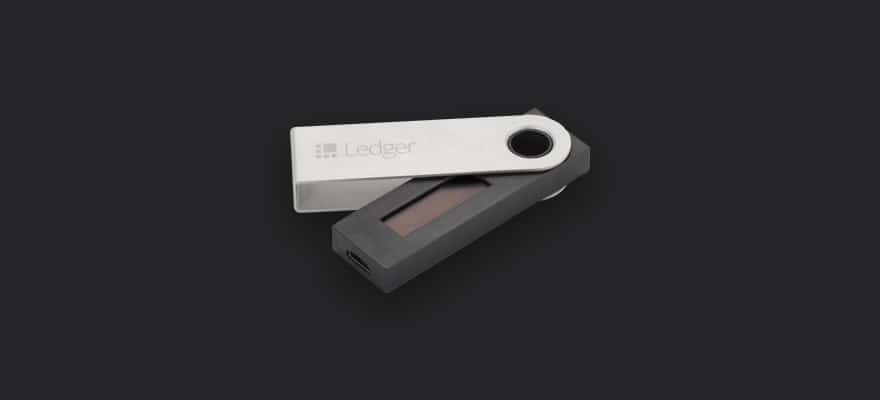
While online ones may be more convenient; offline ones allow for you to maintain control over your private keys and are ultimately far harder to hack or get access to. If using an offline hardware wallet, Nano S Ledger could be a viable option.
On the other hand, online wallets offer plenty of choice and selection for the average user. Also, certain exchanges such as Coinbase do offer the ability to store Bitcoin, but this is the riskiest option of all given the fact that exchanges are the main target for hackers.
Bitcoin is an ever-growing phenomenon which has gained a considerable number of followers over the past several years. One of the biggest and most important questions that many have is how exactly this cryptocurrency is made.
Enter mining: the process through which new Bitcoins are produced.
In a nutshell, mining is the compilation of the most recent transactions into a series of groups of data (called "blocks") via the solution of a complex cryptographic puzzle.
The miner who completes the puzzle first can be the one to place the next block within the blockchain and receive BTC tokens as a reward. Thus the whole mining process is a kind of competition between miners for more Bitcoin or allowances when it comes to Bitcoin-related transaction fees.
Reuters
What Does Mining Do?
While the concept of mining at its basics may not be that difficult to get one's head around, its actual purpose may be a little trickier to understand.
The process of mining is one of the reasons why the Bitcoin network is so secure. Mining makes falsifying or duplicating transactions essentially impossible. Mining requires that all of the nodes (computers that uphold a network) "agree" with one another that a transaction is valid. Therefore, false transactions could only be made if a single entity controlled more than 50 percent of the network.
Mining is a vital part of the decentralized nature of the Bitcoin network.
Bitcoin in orbit (Genesis Mining)
How Does Mining Work?
Bitcoin mining is a process which aims to achieve two things: securely confirm each transaction, and to create or issue new bitcoins in each block that it mines.
First, a user sends a transaction. A group of transactions is bundled into a chunk of data called a 'block.' The blocks are validated by nodes solving cryptographic equations.
After this, the next step of the process is to solve cryptographic 'Proof of Work' equations. Once the necessary number of equations has been solved, a new block added is added to the blockchain and spread to the network. In essence, this is how mining works.
What is 'Proof of Work'?
Proof of Work is the method which ensures that every transaction uses up the required computational power for each transaction.
The processing power of each transaction can be calculated by combining data about the hardware used, the time consumed, and energy required to produce a given transaction.
In essence, it's not supposed to be simple to process a given transaction or mine Bitcoin. What is supposed to be easy is the verification process for the completion of a mining algorithm and this is what 'Proof of Work' looks to achieve. Once the appropriate details have been met, the verification can take place, and users are rewarded.
Reuters
Mining Difficulty Explained
There is another factor at play when considering the mining of Bitcoin: mining difficulty. Mining difficulty is an important determining factor in how Bitcoin rewards are distributed among miners.
Essentially, mining difficulty on the network determines how difficult it is to be able to find a hash which is below the target value when 'Proof of Work' is implemented. The higher the mining difficulty is, the lower the target value would be and vice versa.
The model works quite effectively. As more miners look to join the network the block creation rate goes up. Once this occurs, the average mining time will fall, though the average mining time is at around 10 minutes every block.
As a result, the mining difficulty will decrease, and the rate at which a block is created will also be lowered. The average mining time will, therefore, stabilize and return to what it was before, restarting the chain once new miners join in.
This circular method is the basis for how the mining process works and what it can achieve. Though it is complex to an extent, breaking it down, step-by-step allows for one to be able to understand its intricacies on a more advanced level. The process is effectively designed to maintain the integrity of the blockchain network and ensure that every Bitcoin which is mined is created at an effective rate. The process is meant to be complex enough for the miners but at the same time simple enough to be able to verify at a given time.
Can I Mine Bitcoins?
For you to begin mining Bitcoin, you will need a selection of things to begin the process. The vast majority of what is needed for the mining of Bitcoin can be found on websites such as Amazon, though in the past certain equipment had to be purchased on the deep web with Bitcoin.
You should also remember the drawback of mining Bitcoins on an individual level. These are time and the power cost. If working by yourself, it is basically impossible to be able to profit. As such, it is a hobby for those working in groups or indeed those with a particular curiosity in the process.
To begin mining Bitcoin you will need to acquire certain types of Bitcoin hardware. In years gone by, there was a possibility of mining Bitcoin using just your computer's CPU or a very quick video processing card.
Complex, Expensive Equipment is Needed to Mine Bitcoin
Unfortunately, as Bitcoin became more popular and more and more people implemented it, this has been replaced by superior machinery. For example, certain custom Bitcoin chips can provide over 100 times the ability of older systems which on Bitcoin used to be mined.
If you were to mine Bitcoin with these systems, you would be extremely inefficient as there are far more miners around right now than in the early days of the cryptocurrency. As such, the electricity you would use would not be offset by your profits, and thus you'd be operating at a loss.
There is an alternative method for mining Bitcoin which can be considered that doesn't require buying expensive equipment. Bitcoin cloud mining makes the mining process slightly more accessible, but you lose out regarding control over the process.
Practicality of Bitcoin Mining
Once you've decided on which method of mining you would undertake you will then need to download the right hardware for the software for the mining of Bitcoin. The great part here is the fact that this process is completely free and is simple. There is a wide array of software available for users who wish to engage in the process.
Having completed the download of the software the next logical step would be to join a mining pool given the fact that you will be working together with a group of people to mine the currency. While rewards will be shared, it is a much quicker and effective way of going about the mining process and can be a better road to take if you're simply just looking to find a place in the mining game.
Set Up a Secure Bitcoin Wallet
Having undertaken the previous two steps, it is now important to set up a mining wallet where you can keep all your finances and earnings. It is, of course, possible to use the current wallet you have now for mining purposes, but it may be useful to differentiate between the two.
It would be recommended to avoid online wallets if possible given that your private keys are shared with third parties and thus are more vulnerable. Instead, there are hardware wallet alternatives which are better in the sense that you have full control of your currency and private keys.
Finance Magnates
The final part of the process is perhaps one of the less obvious but still equally important. To be able to successfully mine Bitcoin, it is imperative that you keep up to date with the latest developments in the world of Bitcoin.
By keeping up to date with the latest news, you will be aware of the latest equipment and technological changes in the sphere as well as how best to optimize your mining capabilities. After all, information is power and having the maximal understanding of the process will go great lengths to help you profit in the long run.
What Equipment Do I Need to Mine Bitcoins?
Once you've decided on whether mining Bitcoin is the right pathway for you, the next logical step would be to look at the potential equipment you could use to mine the cryptocurrency.
After all, there is plenty of options available out there for the potential miner and choosing the right equipment which suits your needs can be the difference between whether your foray into mining is a success or not. It is important to reiterate that mining is ultimately a longer-term investment and as such requires both financial and time commitments before one can start to see returns.
Regarding actual bitcoin mining hardware, some of the more popular options include AntMiner S7, AntMiner S9, and Avalon6, which can be purchased on Amazon for between $480 to $2000 depending on which of these models you would choose to buy. These options are popular because they offer a reasonable electrical efficiency and price per hash.
If you were to look toward Bitcoin Mining Cloud Software, then there are also a wide array of choices. For example, a place such as Genesis Mining is the biggest for Bitcoin and scrypt mining. Other alternatives include places such as Hashflare or Minex with the former providing SHA-256 Mining while the latter offers a type of simulated game for those mining, which makes the process far less laborious than it can be.
Choosing a Bitcoin Mining Pool
When considering which mining pool to join, there are plenty of options to choose from. However, with these, in particular, it is advisable that you take due care and undertake plenty of research given that you could be scammed out of earnings amongst other things, such as having your Bitcoin in your wallet stolen. If you would like a pool that's completely decentralized for example, then a place like p2pool could be the option for you, while pools such as CK Pool and Slush Pool are also popular in the mining community.
Finally, we get onto the issue of wallets which can be used for numerous things that are not specifically created just for mining. Wallets are created for storing Bitcoin which you would buy and sell and are vital to anyone with interest in the cryptocurrency. If using a wallet, there are several factors to consider such as whether to use an online or an offline wallet.
While online ones may be more convenient; offline ones allow for you to maintain control over your private keys and are ultimately far harder to hack or get access to. If using an offline hardware wallet, Nano S Ledger could be a viable option.
On the other hand, online wallets offer plenty of choice and selection for the average user. Also, certain exchanges such as Coinbase do offer the ability to store Bitcoin, but this is the riskiest option of all given the fact that exchanges are the main target for hackers.
Moomoo Adds Crossover’s Crypto Execution Network for US Retail Traders
Featured Videos
AvaTrade to Acquire Most of FXCM; NAGA Raises $8M
AvaTrade to Acquire Most of FXCM; NAGA Raises $8M
AvaTrade to Acquire Most of FXCM; NAGA Raises $8M
AvaTrade to Acquire Most of FXCM; NAGA Raises $8M
Today’s financial news recap covers AvaTrade agrees to acquire most of FXCM, NAGA secures eight million dollars in new financing, and Wise seeks a tax settlement in the UK.
Finance Magnates Daily Recap brings you the latest news from forex and CFD brokers, fintech, payments, cryptocurrency, digital assets, trading platforms, financial regulation and global markets.
Get the key company news, executive moves, deals, regulatory updates and market developments of the day, in just a few minutes. New episodes published every weekday.
Read more: https://www.financemagnates.com
#FinanceMagnates #ForexNews #FintechNews
Today’s financial news recap covers AvaTrade agrees to acquire most of FXCM, NAGA secures eight million dollars in new financing, and Wise seeks a tax settlement in the UK.
Finance Magnates Daily Recap brings you the latest news from forex and CFD brokers, fintech, payments, cryptocurrency, digital assets, trading platforms, financial regulation and global markets.
Get the key company news, executive moves, deals, regulatory updates and market developments of the day, in just a few minutes. New episodes published every weekday.
Read more: https://www.financemagnates.com
#FinanceMagnates #ForexNews #FintechNews
Today’s financial news recap covers AvaTrade agrees to acquire most of FXCM, NAGA secures eight million dollars in new financing, and Wise seeks a tax settlement in the UK.
Finance Magnates Daily Recap brings you the latest news from forex and CFD brokers, fintech, payments, cryptocurrency, digital assets, trading platforms, financial regulation and global markets.
Get the key company news, executive moves, deals, regulatory updates and market developments of the day, in just a few minutes. New episodes published every weekday.
Read more: https://www.financemagnates.com
#FinanceMagnates #ForexNews #FintechNews
Today’s financial news recap covers AvaTrade agrees to acquire most of FXCM, NAGA secures eight million dollars in new financing, and Wise seeks a tax settlement in the UK.
Finance Magnates Daily Recap brings you the latest news from forex and CFD brokers, fintech, payments, cryptocurrency, digital assets, trading platforms, financial regulation and global markets.
Get the key company news, executive moves, deals, regulatory updates and market developments of the day, in just a few minutes. New episodes published every weekday.
Read more: https://www.financemagnates.com
#FinanceMagnates #ForexNews #FintechNews
XTB Adds Overnight US Stock Trading; Nasdaq Ventures Invests in One Trading
XTB Adds Overnight US Stock Trading; Nasdaq Ventures Invests in One Trading
XTB Adds Overnight US Stock Trading; Nasdaq Ventures Invests in One Trading
XTB Adds Overnight US Stock Trading; Nasdaq Ventures Invests in One Trading
XTB Adds Overnight US Stock Trading; Nasdaq Ventures Invests in One Trading
XTB Adds Overnight US Stock Trading; Nasdaq Ventures Invests in One Trading
Today’s financial news recap covers XTB expands overnight US stock trading, Fortrade reports higher revenue, Nasdaq backs One Trading, and Vest Labs raises 13 million dollars.
Finance Magnates Daily Recap brings you the latest news from forex and CFD brokers, fintech, payments, cryptocurrency, digital assets, trading platforms, financial regulation and global markets.
Get the key company news, executive moves, deals, regulatory updates and market developments of the day, in just a few minutes. New episodes published every weekday.
Read more: https://www.financemagnates.com
#FinanceMagnates #ForexNews #FintechNews
Today’s financial news recap covers XTB expands overnight US stock trading, Fortrade reports higher revenue, Nasdaq backs One Trading, and Vest Labs raises 13 million dollars.
Finance Magnates Daily Recap brings you the latest news from forex and CFD brokers, fintech, payments, cryptocurrency, digital assets, trading platforms, financial regulation and global markets.
Get the key company news, executive moves, deals, regulatory updates and market developments of the day, in just a few minutes. New episodes published every weekday.
Read more: https://www.financemagnates.com
#FinanceMagnates #ForexNews #FintechNews
Today’s financial news recap covers XTB expands overnight US stock trading, Fortrade reports higher revenue, Nasdaq backs One Trading, and Vest Labs raises 13 million dollars.
Finance Magnates Daily Recap brings you the latest news from forex and CFD brokers, fintech, payments, cryptocurrency, digital assets, trading platforms, financial regulation and global markets.
Get the key company news, executive moves, deals, regulatory updates and market developments of the day, in just a few minutes. New episodes published every weekday.
Read more: https://www.financemagnates.com
#FinanceMagnates #ForexNews #FintechNews
Today’s financial news recap covers XTB expands overnight US stock trading, Fortrade reports higher revenue, Nasdaq backs One Trading, and Vest Labs raises 13 million dollars.
Finance Magnates Daily Recap brings you the latest news from forex and CFD brokers, fintech, payments, cryptocurrency, digital assets, trading platforms, financial regulation and global markets.
Get the key company news, executive moves, deals, regulatory updates and market developments of the day, in just a few minutes. New episodes published every weekday.
Read more: https://www.financemagnates.com
#FinanceMagnates #ForexNews #FintechNews
Today’s financial news recap covers XTB expands overnight US stock trading, Fortrade reports higher revenue, Nasdaq backs One Trading, and Vest Labs raises 13 million dollars.
Finance Magnates Daily Recap brings you the latest news from forex and CFD brokers, fintech, payments, cryptocurrency, digital assets, trading platforms, financial regulation and global markets.
Get the key company news, executive moves, deals, regulatory updates and market developments of the day, in just a few minutes. New episodes published every weekday.
Read more: https://www.financemagnates.com
#FinanceMagnates #ForexNews #FintechNews
Today’s financial news recap covers XTB expands overnight US stock trading, Fortrade reports higher revenue, Nasdaq backs One Trading, and Vest Labs raises 13 million dollars.
Finance Magnates Daily Recap brings you the latest news from forex and CFD brokers, fintech, payments, cryptocurrency, digital assets, trading platforms, financial regulation and global markets.
Get the key company news, executive moves, deals, regulatory updates and market developments of the day, in just a few minutes. New episodes published every weekday.
Read more: https://www.financemagnates.com
#FinanceMagnates #ForexNews #FintechNews
CMC Founder Downplays Volatility Hit; Devexperts Names CEO
CMC Founder Downplays Volatility Hit; Devexperts Names CEO
CMC Founder Downplays Volatility Hit; Devexperts Names CEO
CMC Founder Downplays Volatility Hit; Devexperts Names CEO
CMC Founder Downplays Volatility Hit; Devexperts Names CEO
CMC Founder Downplays Volatility Hit; Devexperts Names CEO
Today’s financial news recap covers low volatility pressures brokers, Devexperts names a new CEO, Saxo cuts onboarding time, and OKX reaches a 25 billion dollar valuation.
Finance Magnates Daily Recap brings you the latest news from forex and CFD brokers, fintech, payments, cryptocurrency, digital assets, trading platforms, financial regulation and global markets.
Get the key company news, executive moves, deals, regulatory updates and market developments of the day, in just a few minutes. New episodes published every weekday.
Read more: https://www.financemagnates.com
#FinanceMagnates #ForexNews #FintechNews
Today’s financial news recap covers low volatility pressures brokers, Devexperts names a new CEO, Saxo cuts onboarding time, and OKX reaches a 25 billion dollar valuation.
Finance Magnates Daily Recap brings you the latest news from forex and CFD brokers, fintech, payments, cryptocurrency, digital assets, trading platforms, financial regulation and global markets.
Get the key company news, executive moves, deals, regulatory updates and market developments of the day, in just a few minutes. New episodes published every weekday.
Read more: https://www.financemagnates.com
#FinanceMagnates #ForexNews #FintechNews
Today’s financial news recap covers low volatility pressures brokers, Devexperts names a new CEO, Saxo cuts onboarding time, and OKX reaches a 25 billion dollar valuation.
Finance Magnates Daily Recap brings you the latest news from forex and CFD brokers, fintech, payments, cryptocurrency, digital assets, trading platforms, financial regulation and global markets.
Get the key company news, executive moves, deals, regulatory updates and market developments of the day, in just a few minutes. New episodes published every weekday.
Read more: https://www.financemagnates.com
#FinanceMagnates #ForexNews #FintechNews
Today’s financial news recap covers low volatility pressures brokers, Devexperts names a new CEO, Saxo cuts onboarding time, and OKX reaches a 25 billion dollar valuation.
Finance Magnates Daily Recap brings you the latest news from forex and CFD brokers, fintech, payments, cryptocurrency, digital assets, trading platforms, financial regulation and global markets.
Get the key company news, executive moves, deals, regulatory updates and market developments of the day, in just a few minutes. New episodes published every weekday.
Read more: https://www.financemagnates.com
#FinanceMagnates #ForexNews #FintechNews
Today’s financial news recap covers low volatility pressures brokers, Devexperts names a new CEO, Saxo cuts onboarding time, and OKX reaches a 25 billion dollar valuation.
Finance Magnates Daily Recap brings you the latest news from forex and CFD brokers, fintech, payments, cryptocurrency, digital assets, trading platforms, financial regulation and global markets.
Get the key company news, executive moves, deals, regulatory updates and market developments of the day, in just a few minutes. New episodes published every weekday.
Read more: https://www.financemagnates.com
#FinanceMagnates #ForexNews #FintechNews
Today’s financial news recap covers low volatility pressures brokers, Devexperts names a new CEO, Saxo cuts onboarding time, and OKX reaches a 25 billion dollar valuation.
Finance Magnates Daily Recap brings you the latest news from forex and CFD brokers, fintech, payments, cryptocurrency, digital assets, trading platforms, financial regulation and global markets.
Get the key company news, executive moves, deals, regulatory updates and market developments of the day, in just a few minutes. New episodes published every weekday.
Read more: https://www.financemagnates.com
#FinanceMagnates #ForexNews #FintechNews
Today’s financial news recap covers Trade Nation buys FXCM's UK client book, Trading 212 reports higher revenue, the CFTC's move to allow perpetual index futures.
Finance Magnates Daily Recap brings you the latest news from forex and CFD brokers, fintech, payments, cryptocurrency, digital assets, trading platforms, financial regulation and global markets.
Get the key company news, executive moves, deals, regulatory updates and market developments of the day, in just a few minutes. New episodes published every weekday.
Read more: https://www.financemagnates.com
#FinanceMagnates #ForexNews #FintechNews
Today’s financial news recap covers Trade Nation buys FXCM's UK client book, Trading 212 reports higher revenue, the CFTC's move to allow perpetual index futures.
Finance Magnates Daily Recap brings you the latest news from forex and CFD brokers, fintech, payments, cryptocurrency, digital assets, trading platforms, financial regulation and global markets.
Get the key company news, executive moves, deals, regulatory updates and market developments of the day, in just a few minutes. New episodes published every weekday.
Read more: https://www.financemagnates.com
#FinanceMagnates #ForexNews #FintechNews
Today’s financial news recap covers Trade Nation buys FXCM's UK client book, Trading 212 reports higher revenue, the CFTC's move to allow perpetual index futures.
Finance Magnates Daily Recap brings you the latest news from forex and CFD brokers, fintech, payments, cryptocurrency, digital assets, trading platforms, financial regulation and global markets.
Get the key company news, executive moves, deals, regulatory updates and market developments of the day, in just a few minutes. New episodes published every weekday.
Read more: https://www.financemagnates.com
#FinanceMagnates #ForexNews #FintechNews
Today’s financial news recap covers Trade Nation buys FXCM's UK client book, Trading 212 reports higher revenue, the CFTC's move to allow perpetual index futures.
Finance Magnates Daily Recap brings you the latest news from forex and CFD brokers, fintech, payments, cryptocurrency, digital assets, trading platforms, financial regulation and global markets.
Get the key company news, executive moves, deals, regulatory updates and market developments of the day, in just a few minutes. New episodes published every weekday.
Read more: https://www.financemagnates.com
#FinanceMagnates #ForexNews #FintechNews
Today’s financial news recap covers Trade Nation buys FXCM's UK client book, Trading 212 reports higher revenue, the CFTC's move to allow perpetual index futures.
Finance Magnates Daily Recap brings you the latest news from forex and CFD brokers, fintech, payments, cryptocurrency, digital assets, trading platforms, financial regulation and global markets.
Get the key company news, executive moves, deals, regulatory updates and market developments of the day, in just a few minutes. New episodes published every weekday.
Read more: https://www.financemagnates.com
#FinanceMagnates #ForexNews #FintechNews
Today’s financial news recap covers Trade Nation buys FXCM's UK client book, Trading 212 reports higher revenue, the CFTC's move to allow perpetual index futures.
Finance Magnates Daily Recap brings you the latest news from forex and CFD brokers, fintech, payments, cryptocurrency, digital assets, trading platforms, financial regulation and global markets.
Get the key company news, executive moves, deals, regulatory updates and market developments of the day, in just a few minutes. New episodes published every weekday.
Read more: https://www.financemagnates.com
#FinanceMagnates #ForexNews #FintechNews
Your career isn’t a linear path.
Your career isn’t a linear path.
Your career isn’t a linear path.
Your career isn’t a linear path.
Your career isn’t a linear path.
Your career isn’t a linear path.
Roles change. Career goals change. Sometimes you want a completely new challenge.
But the skills and knowledge you build along the way can stay with you and give you something to build on.
For Jeff Patterson, that continued growth is key to long-term career development.
You bring the skills. FM Academy helps you build the knowledge.
#FMAcademy #FinanceMagnates #FinanceCareers #ProfessionalDevelopment #Fintech
Roles change. Career goals change. Sometimes you want a completely new challenge.
But the skills and knowledge you build along the way can stay with you and give you something to build on.
For Jeff Patterson, that continued growth is key to long-term career development.
You bring the skills. FM Academy helps you build the knowledge.
#FMAcademy #FinanceMagnates #FinanceCareers #ProfessionalDevelopment #Fintech
Roles change. Career goals change. Sometimes you want a completely new challenge.
But the skills and knowledge you build along the way can stay with you and give you something to build on.
For Jeff Patterson, that continued growth is key to long-term career development.
You bring the skills. FM Academy helps you build the knowledge.
#FMAcademy #FinanceMagnates #FinanceCareers #ProfessionalDevelopment #Fintech
Roles change. Career goals change. Sometimes you want a completely new challenge.
But the skills and knowledge you build along the way can stay with you and give you something to build on.
For Jeff Patterson, that continued growth is key to long-term career development.
You bring the skills. FM Academy helps you build the knowledge.
#FMAcademy #FinanceMagnates #FinanceCareers #ProfessionalDevelopment #Fintech
Roles change. Career goals change. Sometimes you want a completely new challenge.
But the skills and knowledge you build along the way can stay with you and give you something to build on.
For Jeff Patterson, that continued growth is key to long-term career development.
You bring the skills. FM Academy helps you build the knowledge.
#FMAcademy #FinanceMagnates #FinanceCareers #ProfessionalDevelopment #Fintech
Roles change. Career goals change. Sometimes you want a completely new challenge.
But the skills and knowledge you build along the way can stay with you and give you something to build on.
For Jeff Patterson, that continued growth is key to long-term career development.
You bring the skills. FM Academy helps you build the knowledge.
#FMAcademy #FinanceMagnates #FinanceCareers #ProfessionalDevelopment #Fintech