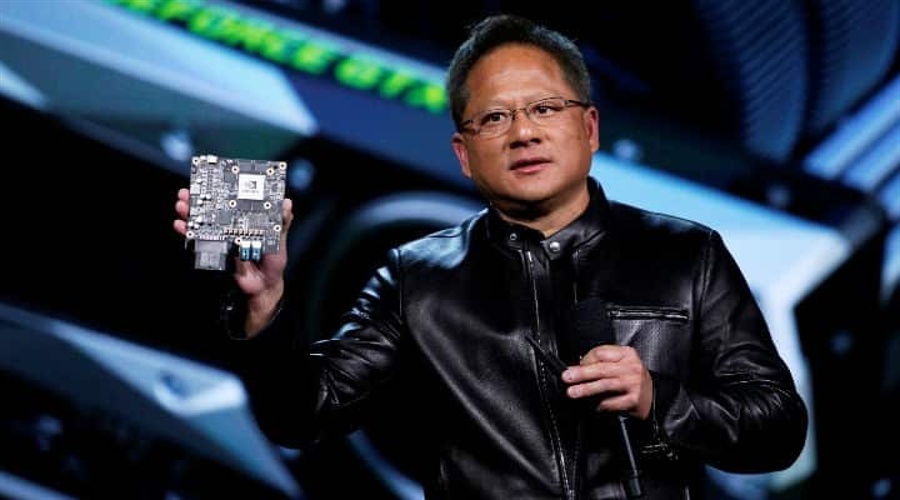
For years, NVIDIA has been the backbone of AI, providing the
high-powered GPUs that fuel AI innovation. But now, investors are wondering: If
Chinese firms like DeepSeek can develop cutting-edge AI without NVIDIA’s
premium chips, is the company’s growth story in jeopardy?
DeepSeek: A Threat to NVIDIA’s Business Model?
DeepSeek’s latest AI model, the R1, is making waves for its competitive
performance and affordability. Unlike previous AI models that rely heavily on
NVIDIA’s expensive GPUs, DeepSeek’s approach appears far less dependent on
NVIDIA hardware. This could mark a seismic shift in AI economics—and investors
are taking notice.
While NVIDIA still leads the market in AI chips, DeepSeek’s
breakthrough suggests that alternatives are emerging. If companies find ways to
develop advanced AI without paying a premium for NVIDIA’s hardware, demand for
NVIDIA’s products could decline. That fear is driving the current sell-off
🚀 DeepSeek-R1 is here!
⚡ Performance on par with OpenAI-o1 📖 Fully open-source model & technical report 🏆 MIT licensed: Distill & commercialize freely!
For a market that’s increasingly price-sensitive, this is a
game-changer. The mere fact that a Chinese company can produce competitive AI
models without relying heavily on NVIDIA’s advanced chips has sent shockwaves
through the tech world. It raises a glaring question: If DeepSeek can build
powerful AI without NVIDIA’s high-end hardware, do companies really need to
spend billions on NVIDIA’s GPUs?
Wall Street’s Verdict: Uncertainty Ahead
The financial markets reacted brutally to the news. NVIDIA’s dramatic
stock decline dragged down the entire AI sector, with companies like AMD and
TSMC also seeing steep losses. The core issue for investors isn’t just
DeepSeek—it’s what DeepSeek represents: a possible shift in AI innovation away
from NVIDIA’s ecosystem.
Some analysts believe this sell-off is an overreaction. NVIDIA remains
deeply entrenched in AI development, and most of the industry still relies on
its hardware. However, perception drives markets, and right now, the perception
is that DeepSeek is a real threat.
Some analysts believe this sell-off is an overreaction. NVIDIA remains
deeply entrenched in AI development, and most of the industry still relies on
its hardware. However, perception drives markets, and right now, the perception
is that DeepSeek is a real threat.
"If it’s true that DeepSeek is the proverbial 'better mousetrap,'
that could disrupt the entire AI narrative that has helped drive the markets
over the last two years," said Brian Jacobsen, chief economist at Annex
Wealth Management, in an
interview with Reuters. "It could mean less demand for chips, less
need for a massive build-out of power production to fuel the models, and less
need for large-scale data centers."
“DeepSeek has levelled the playing field,” said
Stephen Yiu, chief investment officer of Blue Whale Growth. Last month the
firm reduced its exposure to US tech companies due to their concern around
their focus on AI. The biggest US tech companies “have had monopoly access to
AI — the entry ticket price was in the billions of dollars, otherwise there was
no chance you could challenge the status quo”, Yiu said. That made DeepSeek’s
arrival a “very positive development for the adoption, development and
penetration of AI”, he added.
Helen Toner Sounds the Alarm on China’s AI Advances
Amid the panic, one voice stood out: Helen Toner, a former OpenAI board
member, who has been sounding alarms about China’s AI ambitions for some time.
In recent interviews, she has dismissed the idea that China is technologically
behind in AI, warning that relaxing export controls on AI chips would be a “huge
victory” for Beijing.
Helen Toner, who once briefly ousted Sam Altman at OpenAI, is sounding the alarm (LinkedIn).
Toner argues that the West has underestimated China’s ability to
innovate independently. While U.S. policymakers have focused on restricting
China’s access to cutting-edge AI chips, DeepSeek’s success suggests that China
may not need those chips to compete at the highest level.
DeepSeek's real psyop is naming their latest model after @repligate—endless font of based frontier AI takes—then trying to gaslight us into thinking it's named after some lightweight Roman god pic.twitter.com/kSBBdlbHMw
However, Toner doesn’t think that China has taken the lead, ““China is
doing everything they can to keep up with the U.S. in AI, and they’re doing
well at fast-following,” she said. “But to imply they’re out ahead of us is
clearly wrong,” she said.
U.S. Policy Implications: To Ban or Not to Ban?
Toner’s warnings have reignited a contentious debate in Washington.
Should the U.S. double down on restricting AI chip exports to China, or would
that only push Chinese firms to become even more self-reliant?
Some lawmakers argue that the U.S. needs to take an even more
aggressive stance, further tightening restrictions on AI-related technology
exports. They see DeepSeek’s rise as evidence that China is quickly closing the
gap and that U.S. companies like NVIDIA need stronger protection from foreign
competition.
Others, however, worry that overregulation could backfire. If American
companies are cut off from the Chinese market entirely, they could lose out on
billions in potential revenue. More importantly, restricting chip sales could
accelerate China’s push for self-sufficiency, making it even harder for U.S.
firms to compete in the long run.
What’s Next for NVIDIA Investors?
The road ahead is murky. NVIDIA still dominates AI chip production, but
investor confidence has been shaken. Wall Street will be watching closely to
see whether NVIDIA can reassure markets that its business model remains secure.
If DeepSeek’s AI success translates into real-world adoption at scale,
NVIDIA could face an even greater challenge. But if this turns out to be a short-term
overreaction, NVIDIA’s stock may rebound. Either way, the AI landscape has
shifted, and investors are now grappling with a question that once seemed
unthinkable: Is NVIDIA’s dominance under threat?
One group who weren’t put off at all were retail
investors, who have been quick to snap up stock in the wake of the news. Individual
traders saw the dip as a buying opportunity, betting on Nvidia’s long-term
dominance in the AI sector. The surge in retail inflows came as institutional
investors pulled back, highlighting a growing divide in market sentiment.
A Reality Check for AI Investors
NVIDIA’s historic stock plunge is a wake-up call. DeepSeek’s emergence
has rattled investor confidence and forced a reassessment of AI’s future. While
NVIDIA remains a major player, the market has spoken—competition is rising, and
the AI race is far from over.
For more stories around the edge of finance, visit our Trending section.
NVIDIA’s market dominance is under threat as China’s
DeepSeek unveils cost-effective AI models, triggering investor concerns and
policy debates.
For years, NVIDIA has been the backbone of AI, providing the
high-powered GPUs that fuel AI innovation. But now, investors are wondering: If
Chinese firms like DeepSeek can develop cutting-edge AI without NVIDIA’s
premium chips, is the company’s growth story in jeopardy?
DeepSeek: A Threat to NVIDIA’s Business Model?
DeepSeek’s latest AI model, the R1, is making waves for its competitive
performance and affordability. Unlike previous AI models that rely heavily on
NVIDIA’s expensive GPUs, DeepSeek’s approach appears far less dependent on
NVIDIA hardware. This could mark a seismic shift in AI economics—and investors
are taking notice.
While NVIDIA still leads the market in AI chips, DeepSeek’s
breakthrough suggests that alternatives are emerging. If companies find ways to
develop advanced AI without paying a premium for NVIDIA’s hardware, demand for
NVIDIA’s products could decline. That fear is driving the current sell-off
🚀 DeepSeek-R1 is here!
⚡ Performance on par with OpenAI-o1 📖 Fully open-source model & technical report 🏆 MIT licensed: Distill & commercialize freely!
For a market that’s increasingly price-sensitive, this is a
game-changer. The mere fact that a Chinese company can produce competitive AI
models without relying heavily on NVIDIA’s advanced chips has sent shockwaves
through the tech world. It raises a glaring question: If DeepSeek can build
powerful AI without NVIDIA’s high-end hardware, do companies really need to
spend billions on NVIDIA’s GPUs?
Wall Street’s Verdict: Uncertainty Ahead
The financial markets reacted brutally to the news. NVIDIA’s dramatic
stock decline dragged down the entire AI sector, with companies like AMD and
TSMC also seeing steep losses. The core issue for investors isn’t just
DeepSeek—it’s what DeepSeek represents: a possible shift in AI innovation away
from NVIDIA’s ecosystem.
Some analysts believe this sell-off is an overreaction. NVIDIA remains
deeply entrenched in AI development, and most of the industry still relies on
its hardware. However, perception drives markets, and right now, the perception
is that DeepSeek is a real threat.
Some analysts believe this sell-off is an overreaction. NVIDIA remains
deeply entrenched in AI development, and most of the industry still relies on
its hardware. However, perception drives markets, and right now, the perception
is that DeepSeek is a real threat.
"If it’s true that DeepSeek is the proverbial 'better mousetrap,'
that could disrupt the entire AI narrative that has helped drive the markets
over the last two years," said Brian Jacobsen, chief economist at Annex
Wealth Management, in an
interview with Reuters. "It could mean less demand for chips, less
need for a massive build-out of power production to fuel the models, and less
need for large-scale data centers."
“DeepSeek has levelled the playing field,” said
Stephen Yiu, chief investment officer of Blue Whale Growth. Last month the
firm reduced its exposure to US tech companies due to their concern around
their focus on AI. The biggest US tech companies “have had monopoly access to
AI — the entry ticket price was in the billions of dollars, otherwise there was
no chance you could challenge the status quo”, Yiu said. That made DeepSeek’s
arrival a “very positive development for the adoption, development and
penetration of AI”, he added.
Helen Toner Sounds the Alarm on China’s AI Advances
Amid the panic, one voice stood out: Helen Toner, a former OpenAI board
member, who has been sounding alarms about China’s AI ambitions for some time.
In recent interviews, she has dismissed the idea that China is technologically
behind in AI, warning that relaxing export controls on AI chips would be a “huge
victory” for Beijing.
Helen Toner, who once briefly ousted Sam Altman at OpenAI, is sounding the alarm (LinkedIn).
Toner argues that the West has underestimated China’s ability to
innovate independently. While U.S. policymakers have focused on restricting
China’s access to cutting-edge AI chips, DeepSeek’s success suggests that China
may not need those chips to compete at the highest level.
DeepSeek's real psyop is naming their latest model after @repligate—endless font of based frontier AI takes—then trying to gaslight us into thinking it's named after some lightweight Roman god pic.twitter.com/kSBBdlbHMw
However, Toner doesn’t think that China has taken the lead, ““China is
doing everything they can to keep up with the U.S. in AI, and they’re doing
well at fast-following,” she said. “But to imply they’re out ahead of us is
clearly wrong,” she said.
U.S. Policy Implications: To Ban or Not to Ban?
Toner’s warnings have reignited a contentious debate in Washington.
Should the U.S. double down on restricting AI chip exports to China, or would
that only push Chinese firms to become even more self-reliant?
Some lawmakers argue that the U.S. needs to take an even more
aggressive stance, further tightening restrictions on AI-related technology
exports. They see DeepSeek’s rise as evidence that China is quickly closing the
gap and that U.S. companies like NVIDIA need stronger protection from foreign
competition.
Others, however, worry that overregulation could backfire. If American
companies are cut off from the Chinese market entirely, they could lose out on
billions in potential revenue. More importantly, restricting chip sales could
accelerate China’s push for self-sufficiency, making it even harder for U.S.
firms to compete in the long run.
What’s Next for NVIDIA Investors?
The road ahead is murky. NVIDIA still dominates AI chip production, but
investor confidence has been shaken. Wall Street will be watching closely to
see whether NVIDIA can reassure markets that its business model remains secure.
If DeepSeek’s AI success translates into real-world adoption at scale,
NVIDIA could face an even greater challenge. But if this turns out to be a short-term
overreaction, NVIDIA’s stock may rebound. Either way, the AI landscape has
shifted, and investors are now grappling with a question that once seemed
unthinkable: Is NVIDIA’s dominance under threat?
One group who weren’t put off at all were retail
investors, who have been quick to snap up stock in the wake of the news. Individual
traders saw the dip as a buying opportunity, betting on Nvidia’s long-term
dominance in the AI sector. The surge in retail inflows came as institutional
investors pulled back, highlighting a growing divide in market sentiment.
A Reality Check for AI Investors
NVIDIA’s historic stock plunge is a wake-up call. DeepSeek’s emergence
has rattled investor confidence and forced a reassessment of AI’s future. While
NVIDIA remains a major player, the market has spoken—competition is rising, and
the AI race is far from over.
For more stories around the edge of finance, visit our Trending section.
Louis Parks has lived and worked in and around the Middle East for much of his professional career. He writes about the meeting of the tech and finance worlds.
Why Is Dogecoin Going Up Today? DOGE Price Prediction Shows 25% Upside Potential
Featured Videos
AvaTrade to Acquire Most of FXCM; NAGA Raises $8M
AvaTrade to Acquire Most of FXCM; NAGA Raises $8M
AvaTrade to Acquire Most of FXCM; NAGA Raises $8M
AvaTrade to Acquire Most of FXCM; NAGA Raises $8M
Today’s financial news recap covers AvaTrade agrees to acquire most of FXCM, NAGA secures eight million dollars in new financing, and Wise seeks a tax settlement in the UK.
Finance Magnates Daily Recap brings you the latest news from forex and CFD brokers, fintech, payments, cryptocurrency, digital assets, trading platforms, financial regulation and global markets.
Get the key company news, executive moves, deals, regulatory updates and market developments of the day, in just a few minutes. New episodes published every weekday.
Read more: https://www.financemagnates.com
#FinanceMagnates #ForexNews #FintechNews
Today’s financial news recap covers AvaTrade agrees to acquire most of FXCM, NAGA secures eight million dollars in new financing, and Wise seeks a tax settlement in the UK.
Finance Magnates Daily Recap brings you the latest news from forex and CFD brokers, fintech, payments, cryptocurrency, digital assets, trading platforms, financial regulation and global markets.
Get the key company news, executive moves, deals, regulatory updates and market developments of the day, in just a few minutes. New episodes published every weekday.
Read more: https://www.financemagnates.com
#FinanceMagnates #ForexNews #FintechNews
Today’s financial news recap covers AvaTrade agrees to acquire most of FXCM, NAGA secures eight million dollars in new financing, and Wise seeks a tax settlement in the UK.
Finance Magnates Daily Recap brings you the latest news from forex and CFD brokers, fintech, payments, cryptocurrency, digital assets, trading platforms, financial regulation and global markets.
Get the key company news, executive moves, deals, regulatory updates and market developments of the day, in just a few minutes. New episodes published every weekday.
Read more: https://www.financemagnates.com
#FinanceMagnates #ForexNews #FintechNews
Today’s financial news recap covers AvaTrade agrees to acquire most of FXCM, NAGA secures eight million dollars in new financing, and Wise seeks a tax settlement in the UK.
Finance Magnates Daily Recap brings you the latest news from forex and CFD brokers, fintech, payments, cryptocurrency, digital assets, trading platforms, financial regulation and global markets.
Get the key company news, executive moves, deals, regulatory updates and market developments of the day, in just a few minutes. New episodes published every weekday.
Read more: https://www.financemagnates.com
#FinanceMagnates #ForexNews #FintechNews
XTB Adds Overnight US Stock Trading; Nasdaq Ventures Invests in One Trading
XTB Adds Overnight US Stock Trading; Nasdaq Ventures Invests in One Trading
XTB Adds Overnight US Stock Trading; Nasdaq Ventures Invests in One Trading
XTB Adds Overnight US Stock Trading; Nasdaq Ventures Invests in One Trading
XTB Adds Overnight US Stock Trading; Nasdaq Ventures Invests in One Trading
XTB Adds Overnight US Stock Trading; Nasdaq Ventures Invests in One Trading
Today’s financial news recap covers XTB expands overnight US stock trading, Fortrade reports higher revenue, Nasdaq backs One Trading, and Vest Labs raises 13 million dollars.
Finance Magnates Daily Recap brings you the latest news from forex and CFD brokers, fintech, payments, cryptocurrency, digital assets, trading platforms, financial regulation and global markets.
Get the key company news, executive moves, deals, regulatory updates and market developments of the day, in just a few minutes. New episodes published every weekday.
Read more: https://www.financemagnates.com
#FinanceMagnates #ForexNews #FintechNews
Today’s financial news recap covers XTB expands overnight US stock trading, Fortrade reports higher revenue, Nasdaq backs One Trading, and Vest Labs raises 13 million dollars.
Finance Magnates Daily Recap brings you the latest news from forex and CFD brokers, fintech, payments, cryptocurrency, digital assets, trading platforms, financial regulation and global markets.
Get the key company news, executive moves, deals, regulatory updates and market developments of the day, in just a few minutes. New episodes published every weekday.
Read more: https://www.financemagnates.com
#FinanceMagnates #ForexNews #FintechNews
Today’s financial news recap covers XTB expands overnight US stock trading, Fortrade reports higher revenue, Nasdaq backs One Trading, and Vest Labs raises 13 million dollars.
Finance Magnates Daily Recap brings you the latest news from forex and CFD brokers, fintech, payments, cryptocurrency, digital assets, trading platforms, financial regulation and global markets.
Get the key company news, executive moves, deals, regulatory updates and market developments of the day, in just a few minutes. New episodes published every weekday.
Read more: https://www.financemagnates.com
#FinanceMagnates #ForexNews #FintechNews
Today’s financial news recap covers XTB expands overnight US stock trading, Fortrade reports higher revenue, Nasdaq backs One Trading, and Vest Labs raises 13 million dollars.
Finance Magnates Daily Recap brings you the latest news from forex and CFD brokers, fintech, payments, cryptocurrency, digital assets, trading platforms, financial regulation and global markets.
Get the key company news, executive moves, deals, regulatory updates and market developments of the day, in just a few minutes. New episodes published every weekday.
Read more: https://www.financemagnates.com
#FinanceMagnates #ForexNews #FintechNews
Today’s financial news recap covers XTB expands overnight US stock trading, Fortrade reports higher revenue, Nasdaq backs One Trading, and Vest Labs raises 13 million dollars.
Finance Magnates Daily Recap brings you the latest news from forex and CFD brokers, fintech, payments, cryptocurrency, digital assets, trading platforms, financial regulation and global markets.
Get the key company news, executive moves, deals, regulatory updates and market developments of the day, in just a few minutes. New episodes published every weekday.
Read more: https://www.financemagnates.com
#FinanceMagnates #ForexNews #FintechNews
Today’s financial news recap covers XTB expands overnight US stock trading, Fortrade reports higher revenue, Nasdaq backs One Trading, and Vest Labs raises 13 million dollars.
Finance Magnates Daily Recap brings you the latest news from forex and CFD brokers, fintech, payments, cryptocurrency, digital assets, trading platforms, financial regulation and global markets.
Get the key company news, executive moves, deals, regulatory updates and market developments of the day, in just a few minutes. New episodes published every weekday.
Read more: https://www.financemagnates.com
#FinanceMagnates #ForexNews #FintechNews
CMC Founder Downplays Volatility Hit; Devexperts Names CEO
CMC Founder Downplays Volatility Hit; Devexperts Names CEO
CMC Founder Downplays Volatility Hit; Devexperts Names CEO
CMC Founder Downplays Volatility Hit; Devexperts Names CEO
CMC Founder Downplays Volatility Hit; Devexperts Names CEO
CMC Founder Downplays Volatility Hit; Devexperts Names CEO
Today’s financial news recap covers low volatility pressures brokers, Devexperts names a new CEO, Saxo cuts onboarding time, and OKX reaches a 25 billion dollar valuation.
Finance Magnates Daily Recap brings you the latest news from forex and CFD brokers, fintech, payments, cryptocurrency, digital assets, trading platforms, financial regulation and global markets.
Get the key company news, executive moves, deals, regulatory updates and market developments of the day, in just a few minutes. New episodes published every weekday.
Read more: https://www.financemagnates.com
#FinanceMagnates #ForexNews #FintechNews
Today’s financial news recap covers low volatility pressures brokers, Devexperts names a new CEO, Saxo cuts onboarding time, and OKX reaches a 25 billion dollar valuation.
Finance Magnates Daily Recap brings you the latest news from forex and CFD brokers, fintech, payments, cryptocurrency, digital assets, trading platforms, financial regulation and global markets.
Get the key company news, executive moves, deals, regulatory updates and market developments of the day, in just a few minutes. New episodes published every weekday.
Read more: https://www.financemagnates.com
#FinanceMagnates #ForexNews #FintechNews
Today’s financial news recap covers low volatility pressures brokers, Devexperts names a new CEO, Saxo cuts onboarding time, and OKX reaches a 25 billion dollar valuation.
Finance Magnates Daily Recap brings you the latest news from forex and CFD brokers, fintech, payments, cryptocurrency, digital assets, trading platforms, financial regulation and global markets.
Get the key company news, executive moves, deals, regulatory updates and market developments of the day, in just a few minutes. New episodes published every weekday.
Read more: https://www.financemagnates.com
#FinanceMagnates #ForexNews #FintechNews
Today’s financial news recap covers low volatility pressures brokers, Devexperts names a new CEO, Saxo cuts onboarding time, and OKX reaches a 25 billion dollar valuation.
Finance Magnates Daily Recap brings you the latest news from forex and CFD brokers, fintech, payments, cryptocurrency, digital assets, trading platforms, financial regulation and global markets.
Get the key company news, executive moves, deals, regulatory updates and market developments of the day, in just a few minutes. New episodes published every weekday.
Read more: https://www.financemagnates.com
#FinanceMagnates #ForexNews #FintechNews
Today’s financial news recap covers low volatility pressures brokers, Devexperts names a new CEO, Saxo cuts onboarding time, and OKX reaches a 25 billion dollar valuation.
Finance Magnates Daily Recap brings you the latest news from forex and CFD brokers, fintech, payments, cryptocurrency, digital assets, trading platforms, financial regulation and global markets.
Get the key company news, executive moves, deals, regulatory updates and market developments of the day, in just a few minutes. New episodes published every weekday.
Read more: https://www.financemagnates.com
#FinanceMagnates #ForexNews #FintechNews
Today’s financial news recap covers low volatility pressures brokers, Devexperts names a new CEO, Saxo cuts onboarding time, and OKX reaches a 25 billion dollar valuation.
Finance Magnates Daily Recap brings you the latest news from forex and CFD brokers, fintech, payments, cryptocurrency, digital assets, trading platforms, financial regulation and global markets.
Get the key company news, executive moves, deals, regulatory updates and market developments of the day, in just a few minutes. New episodes published every weekday.
Read more: https://www.financemagnates.com
#FinanceMagnates #ForexNews #FintechNews
Today’s financial news recap covers Trade Nation buys FXCM's UK client book, Trading 212 reports higher revenue, the CFTC's move to allow perpetual index futures.
Finance Magnates Daily Recap brings you the latest news from forex and CFD brokers, fintech, payments, cryptocurrency, digital assets, trading platforms, financial regulation and global markets.
Get the key company news, executive moves, deals, regulatory updates and market developments of the day, in just a few minutes. New episodes published every weekday.
Read more: https://www.financemagnates.com
#FinanceMagnates #ForexNews #FintechNews
Today’s financial news recap covers Trade Nation buys FXCM's UK client book, Trading 212 reports higher revenue, the CFTC's move to allow perpetual index futures.
Finance Magnates Daily Recap brings you the latest news from forex and CFD brokers, fintech, payments, cryptocurrency, digital assets, trading platforms, financial regulation and global markets.
Get the key company news, executive moves, deals, regulatory updates and market developments of the day, in just a few minutes. New episodes published every weekday.
Read more: https://www.financemagnates.com
#FinanceMagnates #ForexNews #FintechNews
Today’s financial news recap covers Trade Nation buys FXCM's UK client book, Trading 212 reports higher revenue, the CFTC's move to allow perpetual index futures.
Finance Magnates Daily Recap brings you the latest news from forex and CFD brokers, fintech, payments, cryptocurrency, digital assets, trading platforms, financial regulation and global markets.
Get the key company news, executive moves, deals, regulatory updates and market developments of the day, in just a few minutes. New episodes published every weekday.
Read more: https://www.financemagnates.com
#FinanceMagnates #ForexNews #FintechNews
Today’s financial news recap covers Trade Nation buys FXCM's UK client book, Trading 212 reports higher revenue, the CFTC's move to allow perpetual index futures.
Finance Magnates Daily Recap brings you the latest news from forex and CFD brokers, fintech, payments, cryptocurrency, digital assets, trading platforms, financial regulation and global markets.
Get the key company news, executive moves, deals, regulatory updates and market developments of the day, in just a few minutes. New episodes published every weekday.
Read more: https://www.financemagnates.com
#FinanceMagnates #ForexNews #FintechNews
Today’s financial news recap covers Trade Nation buys FXCM's UK client book, Trading 212 reports higher revenue, the CFTC's move to allow perpetual index futures.
Finance Magnates Daily Recap brings you the latest news from forex and CFD brokers, fintech, payments, cryptocurrency, digital assets, trading platforms, financial regulation and global markets.
Get the key company news, executive moves, deals, regulatory updates and market developments of the day, in just a few minutes. New episodes published every weekday.
Read more: https://www.financemagnates.com
#FinanceMagnates #ForexNews #FintechNews
Today’s financial news recap covers Trade Nation buys FXCM's UK client book, Trading 212 reports higher revenue, the CFTC's move to allow perpetual index futures.
Finance Magnates Daily Recap brings you the latest news from forex and CFD brokers, fintech, payments, cryptocurrency, digital assets, trading platforms, financial regulation and global markets.
Get the key company news, executive moves, deals, regulatory updates and market developments of the day, in just a few minutes. New episodes published every weekday.
Read more: https://www.financemagnates.com
#FinanceMagnates #ForexNews #FintechNews
Your career isn’t a linear path.
Your career isn’t a linear path.
Your career isn’t a linear path.
Your career isn’t a linear path.
Your career isn’t a linear path.
Your career isn’t a linear path.
Roles change. Career goals change. Sometimes you want a completely new challenge.
But the skills and knowledge you build along the way can stay with you and give you something to build on.
For Jeff Patterson, that continued growth is key to long-term career development.
You bring the skills. FM Academy helps you build the knowledge.
#FMAcademy #FinanceMagnates #FinanceCareers #ProfessionalDevelopment #Fintech
Roles change. Career goals change. Sometimes you want a completely new challenge.
But the skills and knowledge you build along the way can stay with you and give you something to build on.
For Jeff Patterson, that continued growth is key to long-term career development.
You bring the skills. FM Academy helps you build the knowledge.
#FMAcademy #FinanceMagnates #FinanceCareers #ProfessionalDevelopment #Fintech
Roles change. Career goals change. Sometimes you want a completely new challenge.
But the skills and knowledge you build along the way can stay with you and give you something to build on.
For Jeff Patterson, that continued growth is key to long-term career development.
You bring the skills. FM Academy helps you build the knowledge.
#FMAcademy #FinanceMagnates #FinanceCareers #ProfessionalDevelopment #Fintech
Roles change. Career goals change. Sometimes you want a completely new challenge.
But the skills and knowledge you build along the way can stay with you and give you something to build on.
For Jeff Patterson, that continued growth is key to long-term career development.
You bring the skills. FM Academy helps you build the knowledge.
#FMAcademy #FinanceMagnates #FinanceCareers #ProfessionalDevelopment #Fintech
Roles change. Career goals change. Sometimes you want a completely new challenge.
But the skills and knowledge you build along the way can stay with you and give you something to build on.
For Jeff Patterson, that continued growth is key to long-term career development.
You bring the skills. FM Academy helps you build the knowledge.
#FMAcademy #FinanceMagnates #FinanceCareers #ProfessionalDevelopment #Fintech
Roles change. Career goals change. Sometimes you want a completely new challenge.
But the skills and knowledge you build along the way can stay with you and give you something to build on.
For Jeff Patterson, that continued growth is key to long-term career development.
You bring the skills. FM Academy helps you build the knowledge.
#FMAcademy #FinanceMagnates #FinanceCareers #ProfessionalDevelopment #Fintech