

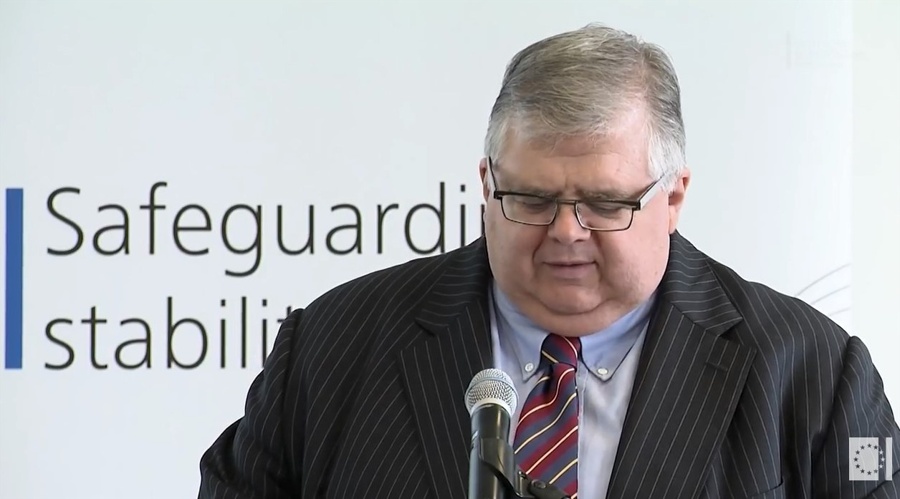
Agustín Carstens, the former head of the Bank for International Settlements, has taken a more supportive view of stablecoins, highlighting their potential to improve financial inclusion, reduce costs, and support innovation.
In parallal, the Bank of England revised its proposed stablecoin framework, replacing individual holding limits with an aggregate issuance cap. Under the updated approach, the central bank will no longer cap personal holdings at £20,000 or business holdings at £10 million per coin. Instead, systemic stablecoins will face a temporary £40 billion issuance limit.
Several jurisdictions have already introduced stablecoin-specific rules. The U.S. GENIUS Act requires full reserves for payment stablecoins, while the EU’s MiCA framework sets rules on authorization, reserve backing, and the segregation of client assets.
From Critic to Cautious Stablecoin View
Speaking at the Point Zero Forum on Tuesday, Carstens said, “I have come to appreciate what stablecoins can do to promote financial innovation, inclusion and to reduce costs.” He added that policymakers should aim for conditions where “we can live with fiat money and stablecoins.”
- Scammers Target Hong Kong Stablecoin Licences Before First Tokens Go Live
- Israel Approves First Shekel-Pegged Stablecoin Framework After Two-Year Regulatory Pilot
- FX Startup OpenFX Raises $94 Million for Stablecoin Payments Push: Report
The remarks contrast with Carstens’ earlier position as a leading critic of crypto assets. In 2022, he argued that stablecoins may not qualify as “sound money” because issuers could invest reserves in a “risky manner.” In 2025, he also warned that stablecoins could create liquidity risks.
Former BIS general manager Agustín Carstens said stablecoins can enhance financial inclusion and innovation but stressed the need for global regulatory frameworks to enable… https://t.co/ikx4JOMXeZ #Stablecoins #FiatCurrency #FinancialInclusion #Regulations #Innovation
— Entrepreneur_cm (@entrepreneur_cm) June 23, 2026
Global Rules Needed for Stablecoins
While Carstens has softened his stance, the BIS continues to take a cautious view. Current BIS chief Pablo Hernández de Cos said in April that the market remains “small” and faces structural limits.
The BIS also warned that wider adoption could pose risks to financial stability, bank funding, and monetary sovereignty.
Carstens said stablecoins, tokenization, and distributed ledger technology could support finance if backed by coordinated global rules. “If we really want a global system where stablecoins can interact with global currency, this has to be a cooperative effort worldwide,” he said.


