
Governor Malhotra rules out any rollback as the April 1 deadline approaches for higher collateral requirements.
Brokerage firms had sought a review after stocks tumbled as much as 10% on the new rules.
RBI Governor Sanjay Malhotra. Source: YouTube
India's
central bank will not soften its new lending rules for retail brokers and prop
traders, Reserve Bank of India (RBI) Governor Sanjay Malhotra confirmed today
(Monday), dismissing industry calls to revisit the restrictions before they
kick in on April 1.
"There
is no change that we are contemplating," Malhotra said at a press
conference following the RBI's board meeting.
The rules,
issued earlier this month after a public consultation process that began in
October 2025, require banks to back all credit to capital market intermediaries
with 100% eligible collateral, a significant tightening from a system where
partial or promoter-backed guarantees were common.
Banks are
also now barred entirely from financing brokers' proprietary trading, closing a
structure that had effectively let prop desks borrow at twice the value of
their deposits through leveraged bank guarantees.
India's
retail traders have lost an estimated $34 billion over four years, with 91% of
individual futures and options traders recording losses in the fiscal year
ending March 2025 - data that has placed India's regulatory toolkit under the
global spotlight.
A detailed
breakdown of how those losses may be shaping enforcement approaches in
Australia, Europe, and beyond is available through the new FMIntel
Datalab, where
registration is free.
Brokerage Stocks Already
Felt the Blow
The
announcement hit Indian brokerage stocks hard when the rules first landed. BSE,
the country's major exchange operator, fell as much as 9.9%, while Angel One
and Groww dropped 9.5% and 4.8%, respectively. Motilal Oswal Financial Services
shed 3.3%.
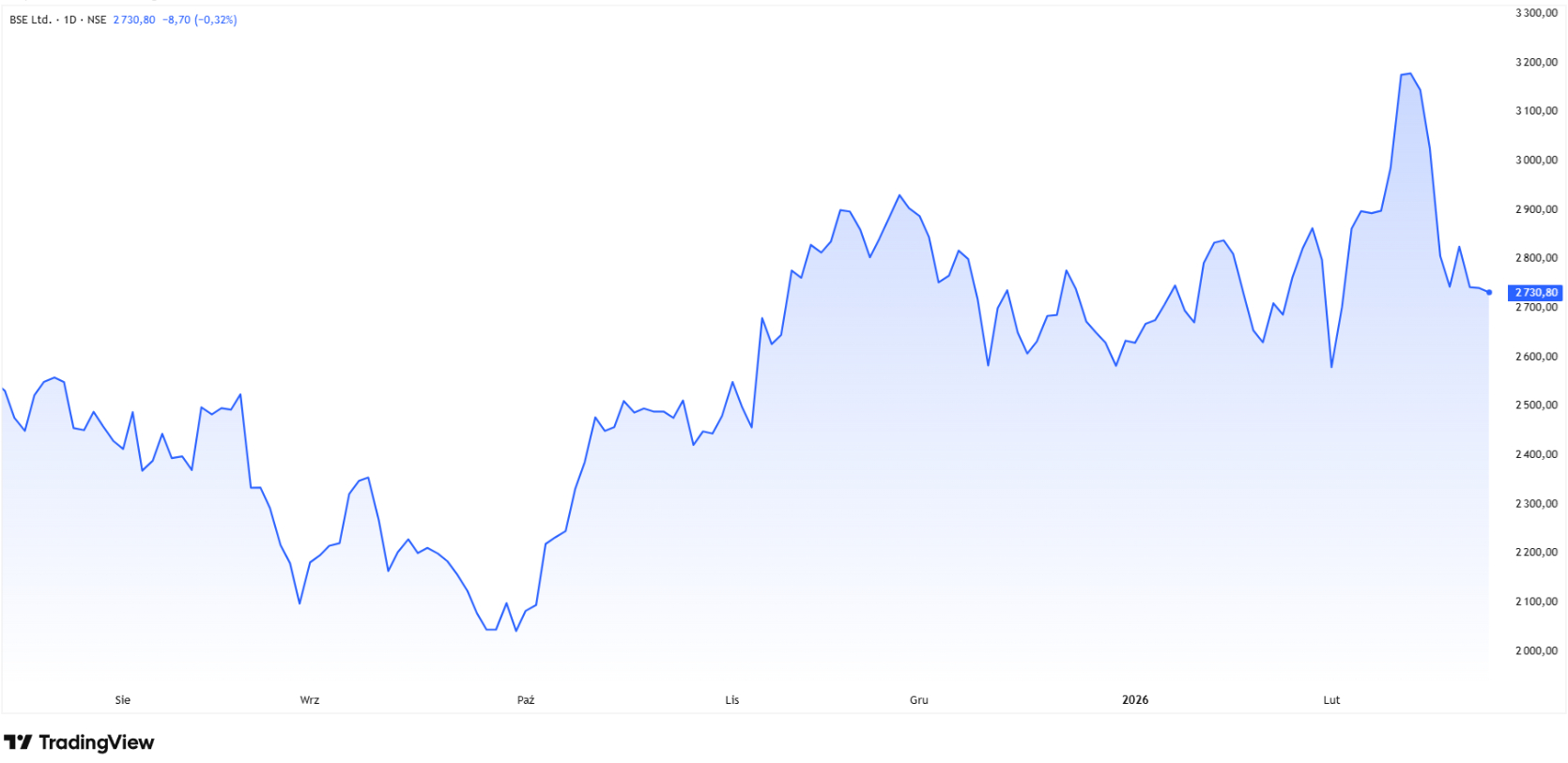
BSE chart. Source: Tradingview.com
Jefferies
estimated that proprietary trading accounts for roughly half of all equity
options premium turnover - meaning the ban on bank financing for such activity
could squeeze a substantial chunk of market liquidity.
Brokerage
firms pushed back by writing to the market regulator to seek a review.
Malhotra's statement Monday offers little encouragement for that effort.
The RBI's
move is the latest in a series of measures aimed at cooling India's derivatives
market, where retail investor losses have drawn growing scrutiny from
regulators. Combined with a recently hiked transaction tax on equity futures
and options, analysts expect the cumulative effect to dampen trading volumes
further.
When India
raised its securities transaction tax earlier this year, it prompted questions
about whether traders might migrate to unregulated CFD platforms to sidestep
the levies, a concern FinanceMagnates.com
covered in
depth following the STT hike announcement.
Malhotra
also addressed India's inflation-targeting framework on Monday, confirming the
RBI has sent its recommendations to the government ahead of a formal review due
by the end of March. He declined to reveal the contents of those
recommendations.
India
currently requires the central bank to hold retail inflation at 4%, within a
tolerance band of 2% to 6%. The country recently updated its inflation
measurement methodology, reducing the weight assigned to food prices in the
consumer basket. Malhotra said those technical changes would not, on their own,
shift the RBI's thinking on what the appropriate inflation target should be.
India's
central bank will not soften its new lending rules for retail brokers and prop
traders, Reserve Bank of India (RBI) Governor Sanjay Malhotra confirmed today
(Monday), dismissing industry calls to revisit the restrictions before they
kick in on April 1.
"There
is no change that we are contemplating," Malhotra said at a press
conference following the RBI's board meeting.
The rules,
issued earlier this month after a public consultation process that began in
October 2025, require banks to back all credit to capital market intermediaries
with 100% eligible collateral, a significant tightening from a system where
partial or promoter-backed guarantees were common.
Banks are
also now barred entirely from financing brokers' proprietary trading, closing a
structure that had effectively let prop desks borrow at twice the value of
their deposits through leveraged bank guarantees.
India's
retail traders have lost an estimated $34 billion over four years, with 91% of
individual futures and options traders recording losses in the fiscal year
ending March 2025 - data that has placed India's regulatory toolkit under the
global spotlight.
A detailed
breakdown of how those losses may be shaping enforcement approaches in
Australia, Europe, and beyond is available through the new FMIntel
Datalab, where
registration is free.
Brokerage Stocks Already
Felt the Blow
The
announcement hit Indian brokerage stocks hard when the rules first landed. BSE,
the country's major exchange operator, fell as much as 9.9%, while Angel One
and Groww dropped 9.5% and 4.8%, respectively. Motilal Oswal Financial Services
shed 3.3%.
BSE chart. Source: Tradingview.com
Jefferies
estimated that proprietary trading accounts for roughly half of all equity
options premium turnover - meaning the ban on bank financing for such activity
could squeeze a substantial chunk of market liquidity.
Brokerage
firms pushed back by writing to the market regulator to seek a review.
Malhotra's statement Monday offers little encouragement for that effort.
The RBI's
move is the latest in a series of measures aimed at cooling India's derivatives
market, where retail investor losses have drawn growing scrutiny from
regulators. Combined with a recently hiked transaction tax on equity futures
and options, analysts expect the cumulative effect to dampen trading volumes
further.
When India
raised its securities transaction tax earlier this year, it prompted questions
about whether traders might migrate to unregulated CFD platforms to sidestep
the levies, a concern FinanceMagnates.com
covered in
depth following the STT hike announcement.
Malhotra
also addressed India's inflation-targeting framework on Monday, confirming the
RBI has sent its recommendations to the government ahead of a formal review due
by the end of March. He declined to reveal the contents of those
recommendations.
India
currently requires the central bank to hold retail inflation at 4%, within a
tolerance band of 2% to 6%. The country recently updated its inflation
measurement methodology, reducing the weight assigned to food prices in the
consumer basket. Malhotra said those technical changes would not, on their own,
shift the RBI's thinking on what the appropriate inflation target should be.
Damian Chmiel is a Senior Analyst & Editor at Finance Magnates with more than 15 years of experience in the CFD and online trading industry. Active as both a trader and journalist since 2010, he focuses on broker coverage, fintech innovation, and regulatory developments across Europe, the Middle East, and Asia.
His work includes interviews with C-level leaders at major brokerages and fintech platforms, as well as co-authoring Finance Magnates’ quarterly industry benchmarking reports. Damian’s reporting is data-driven, market-aware, and grounded in direct industry engagement. His analysis and commentary have also been cited by external media outlets, including Investing.com, Binance, The Asset, Stockhead, and Dispatch.
Education:
MA in Finance and Accounting, Cracow University of Economics
CySEC Withdraws TTCM Traders Trust Capital Markets Licence as CFD Broker Exits Voluntarily
Featured Videos
Precious Insights: APAC's Bullion Market amid Record Volatility
The precious metals rally has challenged how brokers and LPs think about hedging, pricing, and physical delivery. But with regional banks eyeing physical gold retail and bullion brokers across Southeast Asia harnessing new tech, volatility is not only in 'safe havens'.
This session gathers practitioners from across the bullion ecosystem to unpack what the rally means on the ground in APAC.
Attendees will walk away with:
Insight into the physical market dynamics driving retail demand across Southeast Asia, from central bank buying to store-of-value purchases
Understanding of Singapore's distinct role as APAC's bullion gateway, and competition near and far
Perspective on operational challenges unique to APAC: kilogram pricing, local delivery, and bridging CFD and physical bullion infrastructure
The precious metals rally has challenged how brokers and LPs think about hedging, pricing, and physical delivery. But with regional banks eyeing physical gold retail and bullion brokers across Southeast Asia harnessing new tech, volatility is not only in 'safe havens'.
This session gathers practitioners from across the bullion ecosystem to unpack what the rally means on the ground in APAC.
Attendees will walk away with:
Insight into the physical market dynamics driving retail demand across Southeast Asia, from central bank buying to store-of-value purchases
Understanding of Singapore's distinct role as APAC's bullion gateway, and competition near and far
Perspective on operational challenges unique to APAC: kilogram pricing, local delivery, and bridging CFD and physical bullion infrastructure
The precious metals rally has challenged how brokers and LPs think about hedging, pricing, and physical delivery. But with regional banks eyeing physical gold retail and bullion brokers across Southeast Asia harnessing new tech, volatility is not only in 'safe havens'.
This session gathers practitioners from across the bullion ecosystem to unpack what the rally means on the ground in APAC.
Attendees will walk away with:
Insight into the physical market dynamics driving retail demand across Southeast Asia, from central bank buying to store-of-value purchases
Understanding of Singapore's distinct role as APAC's bullion gateway, and competition near and far
Perspective on operational challenges unique to APAC: kilogram pricing, local delivery, and bridging CFD and physical bullion infrastructure
The precious metals rally has challenged how brokers and LPs think about hedging, pricing, and physical delivery. But with regional banks eyeing physical gold retail and bullion brokers across Southeast Asia harnessing new tech, volatility is not only in 'safe havens'.
This session gathers practitioners from across the bullion ecosystem to unpack what the rally means on the ground in APAC.
Attendees will walk away with:
Insight into the physical market dynamics driving retail demand across Southeast Asia, from central bank buying to store-of-value purchases
Understanding of Singapore's distinct role as APAC's bullion gateway, and competition near and far
Perspective on operational challenges unique to APAC: kilogram pricing, local delivery, and bridging CFD and physical bullion infrastructure
License to Fill: Market Liquidity amid Global Turmoil
Asian markets bear unique characteristics, from connectivity to asset preference. The Singapore Summit will connect global executives and local experts across the liquidity chain to discuss volatility fluctuations, diversification vs over-reliance on single assets, and the role of trust and liquidity relationships in an increasingly automated sphere.
Regional Focus: Thailand, Vietnam
Bangkok is consolidating as Southeast Asia's broker hub for CLMV access, while Vietnam's trading volumes have made it harder to ignore from any regional headquarters. Most brokers know both exist. Fewer have tested what operating there actually requires.
This session gathers practitioners with on-the-ground experience in both markets to examine what it takes to build and run operations in Thailand and Vietnam.
Attendees will walk away with:
A clear view of setup requirements in both markets: entity structures, timelines, and what first-time operators tend to get wrong
Understanding of the offshore broker model and how compliant operators work within domestic restrictions in each jurisdiction
Insight into talent acquisition, client onboarding, and distribution in markets where language, culture, and acquisition channels don't follow standard APAC assumptions
Perspective on adjacent Southeast Asian markets worth monitoring for the next regional move
Bangkok is consolidating as Southeast Asia's broker hub for CLMV access, while Vietnam's trading volumes have made it harder to ignore from any regional headquarters. Most brokers know both exist. Fewer have tested what operating there actually requires.
This session gathers practitioners with on-the-ground experience in both markets to examine what it takes to build and run operations in Thailand and Vietnam.
Attendees will walk away with:
A clear view of setup requirements in both markets: entity structures, timelines, and what first-time operators tend to get wrong
Understanding of the offshore broker model and how compliant operators work within domestic restrictions in each jurisdiction
Insight into talent acquisition, client onboarding, and distribution in markets where language, culture, and acquisition channels don't follow standard APAC assumptions
Perspective on adjacent Southeast Asian markets worth monitoring for the next regional move
Bangkok is consolidating as Southeast Asia's broker hub for CLMV access, while Vietnam's trading volumes have made it harder to ignore from any regional headquarters. Most brokers know both exist. Fewer have tested what operating there actually requires.
This session gathers practitioners with on-the-ground experience in both markets to examine what it takes to build and run operations in Thailand and Vietnam.
Attendees will walk away with:
A clear view of setup requirements in both markets: entity structures, timelines, and what first-time operators tend to get wrong
Understanding of the offshore broker model and how compliant operators work within domestic restrictions in each jurisdiction
Insight into talent acquisition, client onboarding, and distribution in markets where language, culture, and acquisition channels don't follow standard APAC assumptions
Perspective on adjacent Southeast Asian markets worth monitoring for the next regional move
Bangkok is consolidating as Southeast Asia's broker hub for CLMV access, while Vietnam's trading volumes have made it harder to ignore from any regional headquarters. Most brokers know both exist. Fewer have tested what operating there actually requires.
This session gathers practitioners with on-the-ground experience in both markets to examine what it takes to build and run operations in Thailand and Vietnam.
Attendees will walk away with:
A clear view of setup requirements in both markets: entity structures, timelines, and what first-time operators tend to get wrong
Understanding of the offshore broker model and how compliant operators work within domestic restrictions in each jurisdiction
Insight into talent acquisition, client onboarding, and distribution in markets where language, culture, and acquisition channels don't follow standard APAC assumptions
Perspective on adjacent Southeast Asian markets worth monitoring for the next regional move
Bangkok is consolidating as Southeast Asia's broker hub for CLMV access, while Vietnam's trading volumes have made it harder to ignore from any regional headquarters. Most brokers know both exist. Fewer have tested what operating there actually requires.
This session gathers practitioners with on-the-ground experience in both markets to examine what it takes to build and run operations in Thailand and Vietnam.
Attendees will walk away with:
A clear view of setup requirements in both markets: entity structures, timelines, and what first-time operators tend to get wrong
Understanding of the offshore broker model and how compliant operators work within domestic restrictions in each jurisdiction
Insight into talent acquisition, client onboarding, and distribution in markets where language, culture, and acquisition channels don't follow standard APAC assumptions
Perspective on adjacent Southeast Asian markets worth monitoring for the next regional move
Bangkok is consolidating as Southeast Asia's broker hub for CLMV access, while Vietnam's trading volumes have made it harder to ignore from any regional headquarters. Most brokers know both exist. Fewer have tested what operating there actually requires.
This session gathers practitioners with on-the-ground experience in both markets to examine what it takes to build and run operations in Thailand and Vietnam.
Attendees will walk away with:
A clear view of setup requirements in both markets: entity structures, timelines, and what first-time operators tend to get wrong
Understanding of the offshore broker model and how compliant operators work within domestic restrictions in each jurisdiction
Insight into talent acquisition, client onboarding, and distribution in markets where language, culture, and acquisition channels don't follow standard APAC assumptions
Perspective on adjacent Southeast Asian markets worth monitoring for the next regional move
Join The Club: What Premium Clients Want
High-net-worth traders account for an outsized portion of revenues for various retail brokers.
This session will gather heads of premium, acquisition, and product experts to reveal how they build their client base in Asia.
Attendees will walk away with:
Understanding of how brokers view premium clients (beyond deposit size).
Insight into which services, products, and benefits increase trust and LTV.
Examples of offerings that scale without inflating cost or operational burden.
Lessons from leading brokers on growing premium segments and what’s next.
High-net-worth traders account for an outsized portion of revenues for various retail brokers.
This session will gather heads of premium, acquisition, and product experts to reveal how they build their client base in Asia.
Attendees will walk away with:
Understanding of how brokers view premium clients (beyond deposit size).
Insight into which services, products, and benefits increase trust and LTV.
Examples of offerings that scale without inflating cost or operational burden.
Lessons from leading brokers on growing premium segments and what’s next.
High-net-worth traders account for an outsized portion of revenues for various retail brokers.
This session will gather heads of premium, acquisition, and product experts to reveal how they build their client base in Asia.
Attendees will walk away with:
Understanding of how brokers view premium clients (beyond deposit size).
Insight into which services, products, and benefits increase trust and LTV.
Examples of offerings that scale without inflating cost or operational burden.
Lessons from leading brokers on growing premium segments and what’s next.
High-net-worth traders account for an outsized portion of revenues for various retail brokers.
This session will gather heads of premium, acquisition, and product experts to reveal how they build their client base in Asia.
Attendees will walk away with:
Understanding of how brokers view premium clients (beyond deposit size).
Insight into which services, products, and benefits increase trust and LTV.
Examples of offerings that scale without inflating cost or operational burden.
Lessons from leading brokers on growing premium segments and what’s next.
High-net-worth traders account for an outsized portion of revenues for various retail brokers.
This session will gather heads of premium, acquisition, and product experts to reveal how they build their client base in Asia.
Attendees will walk away with:
Understanding of how brokers view premium clients (beyond deposit size).
Insight into which services, products, and benefits increase trust and LTV.
Examples of offerings that scale without inflating cost or operational burden.
Lessons from leading brokers on growing premium segments and what’s next.
High-net-worth traders account for an outsized portion of revenues for various retail brokers.
This session will gather heads of premium, acquisition, and product experts to reveal how they build their client base in Asia.
Attendees will walk away with:
Understanding of how brokers view premium clients (beyond deposit size).
Insight into which services, products, and benefits increase trust and LTV.
Examples of offerings that scale without inflating cost or operational burden.
Lessons from leading brokers on growing premium segments and what’s next.
Buying The Deep: Digital Asset Adoption in APAC and Beyond
The persisting price drops test the industry's commitment to crypto adoption. While on-chain innovation is making headway across market mechanics, from stablecoins to tokenization, investors remains cautious.
This session brings together market structure experts and institutional investors to explore how a prolonged bear market affects their long-term strategy, and where the opportunities lie ahead of the next cycle.
Attendees will walk away with:
First-hand account of the bear market's impact on various industry players
Understanding of what custody, connectivity, and settlement gaps still hamper growth in APAC
Insight into how client mandates and operational readiness are shaping who moves and who waits
Perspective on what institutional investors need to move toward actual digital asset capital deployment
The persisting price drops test the industry's commitment to crypto adoption. While on-chain innovation is making headway across market mechanics, from stablecoins to tokenization, investors remains cautious.
This session brings together market structure experts and institutional investors to explore how a prolonged bear market affects their long-term strategy, and where the opportunities lie ahead of the next cycle.
Attendees will walk away with:
First-hand account of the bear market's impact on various industry players
Understanding of what custody, connectivity, and settlement gaps still hamper growth in APAC
Insight into how client mandates and operational readiness are shaping who moves and who waits
Perspective on what institutional investors need to move toward actual digital asset capital deployment
The persisting price drops test the industry's commitment to crypto adoption. While on-chain innovation is making headway across market mechanics, from stablecoins to tokenization, investors remains cautious.
This session brings together market structure experts and institutional investors to explore how a prolonged bear market affects their long-term strategy, and where the opportunities lie ahead of the next cycle.
Attendees will walk away with:
First-hand account of the bear market's impact on various industry players
Understanding of what custody, connectivity, and settlement gaps still hamper growth in APAC
Insight into how client mandates and operational readiness are shaping who moves and who waits
Perspective on what institutional investors need to move toward actual digital asset capital deployment
The persisting price drops test the industry's commitment to crypto adoption. While on-chain innovation is making headway across market mechanics, from stablecoins to tokenization, investors remains cautious.
This session brings together market structure experts and institutional investors to explore how a prolonged bear market affects their long-term strategy, and where the opportunities lie ahead of the next cycle.
Attendees will walk away with:
First-hand account of the bear market's impact on various industry players
Understanding of what custody, connectivity, and settlement gaps still hamper growth in APAC
Insight into how client mandates and operational readiness are shaping who moves and who waits
Perspective on what institutional investors need to move toward actual digital asset capital deployment
The persisting price drops test the industry's commitment to crypto adoption. While on-chain innovation is making headway across market mechanics, from stablecoins to tokenization, investors remains cautious.
This session brings together market structure experts and institutional investors to explore how a prolonged bear market affects their long-term strategy, and where the opportunities lie ahead of the next cycle.
Attendees will walk away with:
First-hand account of the bear market's impact on various industry players
Understanding of what custody, connectivity, and settlement gaps still hamper growth in APAC
Insight into how client mandates and operational readiness are shaping who moves and who waits
Perspective on what institutional investors need to move toward actual digital asset capital deployment
The persisting price drops test the industry's commitment to crypto adoption. While on-chain innovation is making headway across market mechanics, from stablecoins to tokenization, investors remains cautious.
This session brings together market structure experts and institutional investors to explore how a prolonged bear market affects their long-term strategy, and where the opportunities lie ahead of the next cycle.
Attendees will walk away with:
First-hand account of the bear market's impact on various industry players
Understanding of what custody, connectivity, and settlement gaps still hamper growth in APAC
Insight into how client mandates and operational readiness are shaping who moves and who waits
Perspective on what institutional investors need to move toward actual digital asset capital deployment