
Poland Fines Two US Trading Education Firms $5.7M for Pyramid Schemes

Tuesday, 30/12/2025 | 09:48 GMT by Damian Chmiel
  • Poland fined iGenius and International Markets Live for operating pyramid schemes disguised as trading education platforms.
  • UOKiK found both companies paid members primarily for recruiting new participants rather than selling courses, violating consumer protection law.
warning-fraud_880-400

Two American companies that marketed themselves as online trading schools just got slapped with multimillion-dollar penalties in Poland. Regulators found that iGenius and International Markets Live weren't really selling education. They were paying people to recruit new members, which is textbook pyramid scheme territory.

Poland Just Busted Two "Trading Education" Companies for Running Pyramid Schemes

The Office of Competition and Consumer Protection (UOKiK) found that iGenius and International Markets Live structured their business models around recruitment rather than actual education sales. This crosses the line from legitimate multi-level marketing into pyramid scheme territory, which is banned under Polish and EU law.

Both companies marketed themselves as online trading schools, but investigators found the real money came from signing up new members. The compensation structures rewarded building recruitment networks more than teaching people to trade.

Tomasz Chróstny, president of UOKiK

"Pyramid schemes rarely call themselves investment systems anymore," said Tomasz Chróstny, president of UOKiK. "Their creators learned from past mistakes and act smarter. They promise fast paths to financial freedom through internet livestreams and training sessions."

Experts have noted that trading education often involves conflicts of interest that need better regulatory oversight, particularly when compensation structures incentivize recruitment over education quality.

How the Schemes Actually Worked

iGenius operated through igeniusglobal.com, charging between $100 and $1,500 for monthly access to investment training materials. The company pushed users toward its affiliate program, which required ongoing subscription payments to earn commissions.

The catch? Your income depended mainly on how many other people you could convince to sign up, not on the quality of education you provided or courses you sold.
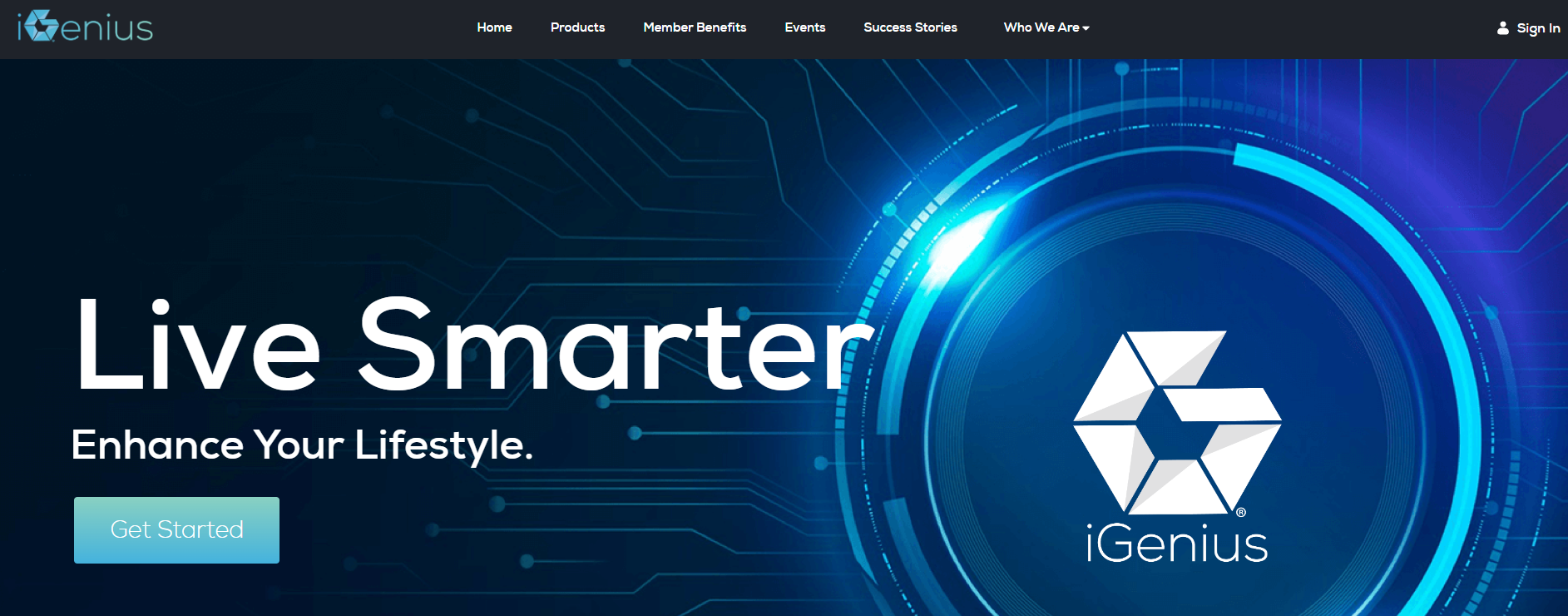
Promoters flooded social media with luxury lifestyle posts and promises of millionaire status. UOKiK says this reflects typical pyramid scheme tactics that emphasize recruitment rewards over actual product value.

International Markets Live ran a similar operation through im.academy, recently rebranded as iyovia.com. The company sold courses on forex, crypto and e-commerce. Members paid upfront fees plus monthly subscriptions to become "Independent Business Owners" who earned commissions mainly by building recruitment networks.

UOKiK's investigation found both platforms structured compensation to reward bringing in new members rather than selling education services. This violates Polish consumer protection law, which bans promotional systems where material benefits depend primarily on recruiting participants instead of moving products.

Modern Pyramid Schemes Hide Behind Education

Instead of obvious investment pitches, today's schemes offer access to trading tools, AI algorithms, secret strategies or guru mentorship. They host professional-looking events that create an illusion of legitimacy.

But participants often discover the courses are low-quality materials available online for a fraction of the price. The real emphasis falls on recruitment and maintaining distribution structures. The biggest earnings come from building your downline, not from any trading knowledge you gain.

Poland has taken consumer protection seriously across fintech platforms. The country previously fined PayPal $27.3 million for ambiguous user agreements that made it hard for customers to understand prohibited activities and penalties.

Part of a Larger Pattern

These cases fit into a troubling trend in the trading education space. OmegaPro defrauded victims of over $650 million by promising 300% returns through "elite forex traders" while executives simply pocketed cryptocurrency payments. The operation used lavish promotional events and even projected their logo onto Dubai's Burj Khalifa.

Belgium's financial regulator previously warned about International Markets Live, noting it specifically targeted younger people poorly educated about trading risks. The regulatory action in Poland represents an escalation from warnings to enforcement.

Crypto MLM schemes have cost victims hundreds of millions, with the US Federal Trade Commission settling charges against promoters for $500,000. Even fake YouTube trading gurus have run Ponzi schemes worth $18 million by using their channels to lure investors.

Going After Promoters Too

UOKiK isn't just targeting the companies. The agency currently has six cases running against people who promoted iGenius and three against International Markets Live advocates.

Under Polish law, promoting a pyramid scheme is just as illegal as running one. This approach makes sense because these schemes only function when regular people become recruitment agents.

The regulator is also investigating other suspected pyramid operations including BE Poland, GrowUp Session, Eaconomy and Jifu. UOKiK has issued public warnings about multiple platforms and notified law enforcement agencies about its findings.

"We regularly track, expose and eliminate this type of activity," Chróstny said. "But nothing replaces consumer vigilance and common sense."

The decision against iGenius remains subject to appeal. International Markets Live's ruling became final after the company stopped its prohibited practices in May 2025.

Two American companies that marketed themselves as online trading schools just got slapped with multimillion-dollar penalties in Poland. Regulators found that iGenius and International Markets Live weren't really selling education. They were paying people to recruit new members, which is textbook pyramid scheme territory.

Poland Just Busted Two "Trading Education" Companies for Running Pyramid Schemes

The Office of Competition and Consumer Protection (UOKiK) found that iGenius and International Markets Live structured their business models around recruitment rather than actual education sales. This crosses the line from legitimate multi-level marketing into pyramid scheme territory, which is banned under Polish and EU law.

Both companies marketed themselves as online trading schools, but investigators found the real money came from signing up new members. The compensation structures rewarded building recruitment networks more than teaching people to trade.

Tomasz Chróstny, president of UOKiK

"Pyramid schemes rarely call themselves investment systems anymore," said Tomasz Chróstny, president of UOKiK. "Their creators learned from past mistakes and act smarter. They promise fast paths to financial freedom through internet livestreams and training sessions."

Experts have noted that trading education often involves conflicts of interest that need better regulatory oversight, particularly when compensation structures incentivize recruitment over education quality.

How the Schemes Actually Worked

iGenius operated through igeniusglobal.com, charging between $100 and $1,500 for monthly access to investment training materials. The company pushed users toward its affiliate program, which required ongoing subscription payments to earn commissions.

The catch? Your income depended mainly on how many other people you could convince to sign up, not on the quality of education you provided or courses you sold.

Promoters flooded social media with luxury lifestyle posts and promises of millionaire status. UOKiK says this reflects typical pyramid scheme tactics that emphasize recruitment rewards over actual product value.

International Markets Live ran a similar operation through im.academy, recently rebranded as iyovia.com. The company sold courses on forex, crypto and e-commerce. Members paid upfront fees plus monthly subscriptions to become "Independent Business Owners" who earned commissions mainly by building recruitment networks.

UOKiK's investigation found both platforms structured compensation to reward bringing in new members rather than selling education services. This violates Polish consumer protection law, which bans promotional systems where material benefits depend primarily on recruiting participants instead of moving products.

Modern Pyramid Schemes Hide Behind Education

Instead of obvious investment pitches, today's schemes offer access to trading tools, AI algorithms, secret strategies or guru mentorship. They host professional-looking events that create an illusion of legitimacy.

But participants often discover the courses are low-quality materials available online for a fraction of the price. The real emphasis falls on recruitment and maintaining distribution structures. The biggest earnings come from building your downline, not from any trading knowledge you gain.

Poland has taken consumer protection seriously across fintech platforms. The country previously fined PayPal $27.3 million for ambiguous user agreements that made it hard for customers to understand prohibited activities and penalties.

Part of a Larger Pattern

These cases fit into a troubling trend in the trading education space. OmegaPro defrauded victims of over $650 million by promising 300% returns through "elite forex traders" while executives simply pocketed cryptocurrency payments. The operation used lavish promotional events and even projected their logo onto Dubai's Burj Khalifa.

Belgium's financial regulator previously warned about International Markets Live, noting it specifically targeted younger people poorly educated about trading risks. The regulatory action in Poland represents an escalation from warnings to enforcement.

Crypto MLM schemes have cost victims hundreds of millions, with the US Federal Trade Commission settling charges against promoters for $500,000. Even fake YouTube trading gurus have run Ponzi schemes worth $18 million by using their channels to lure investors.

Going After Promoters Too

UOKiK isn't just targeting the companies. The agency currently has six cases running against people who promoted iGenius and three against International Markets Live advocates.

Under Polish law, promoting a pyramid scheme is just as illegal as running one. This approach makes sense because these schemes only function when regular people become recruitment agents.

The regulator is also investigating other suspected pyramid operations including BE Poland, GrowUp Session, Eaconomy and Jifu. UOKiK has issued public warnings about multiple platforms and notified law enforcement agencies about its findings.

"We regularly track, expose and eliminate this type of activity," Chróstny said. "But nothing replaces consumer vigilance and common sense."

The decision against iGenius remains subject to appeal. International Markets Live's ruling became final after the company stopped its prohibited practices in May 2025.

About the Author: Damian Chmiel
Damian Chmiel
  • 3125 Articles
  • 96 Followers
About the Author: Damian Chmiel
Damian's adventure with financial markets began at the Cracow University of Economics, where he obtained his MA in finance and accounting. Starting from the retail trader perspective, he collaborated with brokerage houses and financial portals in Poland as an independent editor and content manager. His adventure with Finance Magnates began in 2016, where he is working as a business intelligence analyst.
  • 3125 Articles
  • 96 Followers

More from the Author

Retail FX

!"#$%&'()*+,-./0123456789:;<=>?@ABCDEFGHIJKLMNOPQRSTUVWXYZ[\]^_`abcdefghijklmnopqrstuvwxyz{|} !"#$%&'()*+,-./0123456789:;<=>?@ABCDEFGHIJKLMNOPQRSTUVWXYZ[\]^_`abcdefghijklmnopqrstuvwxyz{|}