The regulator's caps on leverage were not asked for and are forcing traders seeking it to use dodgy, offshore brokers
Bloomberg
Since the European Securities and Markets Authority’s (ESMA) latest regulations were first announced in March of this year, a swathe of articles have been scrawled across the internet covering the ins and outs of the rules and what the implications of their implementation might be.
That so much energy has been devoted to these regulations is indicative of the fact that no one thinks they are going to be pulled backed anytime soon. This has largely obscured the fact that these regulations are only supposed to last three months.
“Ahhh...you foolish hack,” I hear you sigh, “ESMA isn’t going to stop renewing those regulations.” Yes, my friend, you are probably right, but it still raises an interesting question - could brokers actually do anything that would cause ESMA to makes changes to the regulations it has implemented?
The simple answer to this question, as my esteemed colleague Victor Golovtchenko wrote last week, is “no.” Almost everyone Finance Magnates spoke to before the writing of this article had a similar view.
ESMA - No Backing Down
“Given the amount of research and effort that’s gone into the latest rule changes,” said Christian Rolando, a regulatory consultant to the retail trading industry, “it’s extremely unlikely that they’re going to be pulled back at all - especially with all the publicity that’s come on the back of them.”
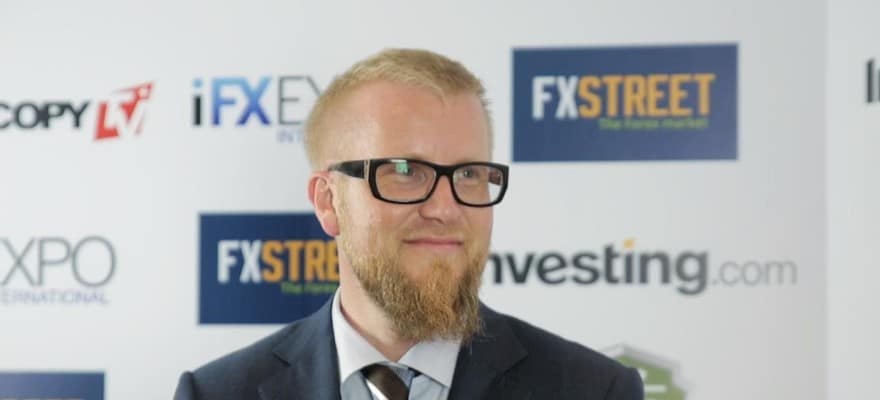
Shai Heffetz, CEO, InterTrader
That point was echoed by several other industry insiders. The level of effort ESMA has put into developing the regulations, and ensuring they’re adhered to, appears to have convinced most in the industry that they aren’t going to be disappearing any time soon.
If ESMA does have plans to “change a few things,” it’s unclear what those things are. It may be that the three month renewal period will allow the European regulator to make some minor tweaks to the regulation - even if the overall substance of them remains the same - before making it permanent.
"These measures are likely to become permanent over time.” Noted Rolando, “the temporary period will give regulators time to consider the impact, particularly on trading volumes and client performance."
That final point - client performance - is particularly important. The reason being that ESMA’s restrictions on CFD trading were, to a large degree, predicated on it.
How was this achieved? Well, ESMA looked at one 2014 study and found that lower leverage led to lower losses for clients - whether the converse of this was true appears to have been ignored. Concurrently, the regulator noted, as everyone in the retail industry already knew, that most clients lose money.
Having the intelligent readership that we do here at Finance Magnates, I’m sure you can imagine the wheels of ESMA’s collective brain turning to a particular conclusion. That was, of course, to say that clients were losing money and needed to be protected. To ensure they would be protected, the regulator had to cap leverage.
To this author, that seems like a form of sophistry that is not even speciously logical. The only way this can make sense is if consumers were complaining that high leverage was causing them to make huge losses.
No Complaints
This was not the case. It is absolutely true that bad practices, from slow execution and refused fund withdrawals, have cropped up across the retail brokerage industry.
It is not true that consumers were complaining that high leverage needed to be capped in order to protect them from losses. In fact, one poll by IG Group, a retail broker, showed that 98 percent of close to 15,000 respondents did not want caps on leveraged trading.
The first-hand experience of other brokers also indicates that clients were, and still are, fully aware of the risks that come with trading at high leverage.
“With or without risk warnings we have clients eager to trade CFDs.” Said Dmitry Kuravkin, Chief Compliance Officer at Admiral Markets, to Finance Magnates, “their most frequent question is on the possibility to regulate the risk when choosing their leverage themselves.
Unwanted Protection
This raises something of a philosophical conundrum. Is ESMA nannying traders into accepting something they don’t want or is the regulator protecting them from themselves?
This author tends to favor the first option. In the world today, people are free to waste their money on sports betting, selfie sticks and cigarettes. Being the fun-loving, go-getter that I am, I’m inclined to think that you should be allowed to trade with high leverage if that’s what you would like to do - just as long as no one breaks any bones along the way.
There is also something misleading in stating that a certain percentage of clients lose money when trading in CFDs. The impression one gets is that there are a fixed group of people making money and a fixed group of people losing money - yet this is almost certainly not the case.
To paraphrase the economist Thomas Sowell, it is easier and cheaper to collect statistics about losing traders than it is to follow actual flesh and blood people as they move from loser to winner over the years.
A broker may have 20 percent of its clients making money for five years in a row. That 20 percent, however, is not static. It may be that the bulk of those who have made money one year then lose money the following year. Conversely, traders who lost money one year may make money the following year.
ESMA’s logic means that such traders are constantly fluctuating between a state in which they need a regulator to save them or a pat on the back for having managed to cash in.
Heading to the Unknown Offshore
Banning something, whether it’s alcohol during Prohibition or leverage today, doesn’t reduce the demand for it. As Finance Magnates has reported on a number of occasions, traders looking for high leverage will now just go offshore.
“I can confirm there's at least some of that going on, and quite frankly it's pretty unfair on both customers and decent brokers.” Juan Colon, CEO of Darwinex, told Finance Magnates, “A big risk here is that ESMA regulates what it can but shifts customers into the dark with offshore brokers.”
Juan Colon, CEO and Co-Founder, Darwinex
Just this week the Autorite des Marches Financiers, a French regulator, released a statement encouraging traders not to go offshore, implying that it is happening. Humorously, the statement reminded traders that caps on leverage were for their own protection - likely reminding traders that they had never wanted leverage caps in the first place.
Like Colon, many respectable brokers have pointed out that ESMA’s regulation will harm their business and hurt clients. Not often is it pointed out that the latter of these two consequences entirely defeats the objective of the regulation - protecting customers.
As Finance Magnates has reported on frequently, offshore brokers are often nothing more than scams. Pushing traders into using their services, even if done inadvertently, seems a bad move to say the least.
Anyway, ESMA is unlikely to listen to a simple hack like myself. One can only hope that we can return to the good ol’ days of high leverage and bad behavior on the part of brokers is punished on a case by case basis.
Since the European Securities and Markets Authority’s (ESMA) latest regulations were first announced in March of this year, a swathe of articles have been scrawled across the internet covering the ins and outs of the rules and what the implications of their implementation might be.
That so much energy has been devoted to these regulations is indicative of the fact that no one thinks they are going to be pulled backed anytime soon. This has largely obscured the fact that these regulations are only supposed to last three months.
“Ahhh...you foolish hack,” I hear you sigh, “ESMA isn’t going to stop renewing those regulations.” Yes, my friend, you are probably right, but it still raises an interesting question - could brokers actually do anything that would cause ESMA to makes changes to the regulations it has implemented?
The simple answer to this question, as my esteemed colleague Victor Golovtchenko wrote last week, is “no.” Almost everyone Finance Magnates spoke to before the writing of this article had a similar view.
ESMA - No Backing Down
“Given the amount of research and effort that’s gone into the latest rule changes,” said Christian Rolando, a regulatory consultant to the retail trading industry, “it’s extremely unlikely that they’re going to be pulled back at all - especially with all the publicity that’s come on the back of them.”
Shai Heffetz, CEO, InterTrader
That point was echoed by several other industry insiders. The level of effort ESMA has put into developing the regulations, and ensuring they’re adhered to, appears to have convinced most in the industry that they aren’t going to be disappearing any time soon.
If ESMA does have plans to “change a few things,” it’s unclear what those things are. It may be that the three month renewal period will allow the European regulator to make some minor tweaks to the regulation - even if the overall substance of them remains the same - before making it permanent.
"These measures are likely to become permanent over time.” Noted Rolando, “the temporary period will give regulators time to consider the impact, particularly on trading volumes and client performance."
That final point - client performance - is particularly important. The reason being that ESMA’s restrictions on CFD trading were, to a large degree, predicated on it.
How was this achieved? Well, ESMA looked at one 2014 study and found that lower leverage led to lower losses for clients - whether the converse of this was true appears to have been ignored. Concurrently, the regulator noted, as everyone in the retail industry already knew, that most clients lose money.
Having the intelligent readership that we do here at Finance Magnates, I’m sure you can imagine the wheels of ESMA’s collective brain turning to a particular conclusion. That was, of course, to say that clients were losing money and needed to be protected. To ensure they would be protected, the regulator had to cap leverage.
To this author, that seems like a form of sophistry that is not even speciously logical. The only way this can make sense is if consumers were complaining that high leverage was causing them to make huge losses.
No Complaints
This was not the case. It is absolutely true that bad practices, from slow execution and refused fund withdrawals, have cropped up across the retail brokerage industry.
It is not true that consumers were complaining that high leverage needed to be capped in order to protect them from losses. In fact, one poll by IG Group, a retail broker, showed that 98 percent of close to 15,000 respondents did not want caps on leveraged trading.
The first-hand experience of other brokers also indicates that clients were, and still are, fully aware of the risks that come with trading at high leverage.
“With or without risk warnings we have clients eager to trade CFDs.” Said Dmitry Kuravkin, Chief Compliance Officer at Admiral Markets, to Finance Magnates, “their most frequent question is on the possibility to regulate the risk when choosing their leverage themselves.
Unwanted Protection
This raises something of a philosophical conundrum. Is ESMA nannying traders into accepting something they don’t want or is the regulator protecting them from themselves?
This author tends to favor the first option. In the world today, people are free to waste their money on sports betting, selfie sticks and cigarettes. Being the fun-loving, go-getter that I am, I’m inclined to think that you should be allowed to trade with high leverage if that’s what you would like to do - just as long as no one breaks any bones along the way.
There is also something misleading in stating that a certain percentage of clients lose money when trading in CFDs. The impression one gets is that there are a fixed group of people making money and a fixed group of people losing money - yet this is almost certainly not the case.
To paraphrase the economist Thomas Sowell, it is easier and cheaper to collect statistics about losing traders than it is to follow actual flesh and blood people as they move from loser to winner over the years.
A broker may have 20 percent of its clients making money for five years in a row. That 20 percent, however, is not static. It may be that the bulk of those who have made money one year then lose money the following year. Conversely, traders who lost money one year may make money the following year.
ESMA’s logic means that such traders are constantly fluctuating between a state in which they need a regulator to save them or a pat on the back for having managed to cash in.
Heading to the Unknown Offshore
Banning something, whether it’s alcohol during Prohibition or leverage today, doesn’t reduce the demand for it. As Finance Magnates has reported on a number of occasions, traders looking for high leverage will now just go offshore.
“I can confirm there's at least some of that going on, and quite frankly it's pretty unfair on both customers and decent brokers.” Juan Colon, CEO of Darwinex, told Finance Magnates, “A big risk here is that ESMA regulates what it can but shifts customers into the dark with offshore brokers.”
Juan Colon, CEO and Co-Founder, Darwinex
Just this week the Autorite des Marches Financiers, a French regulator, released a statement encouraging traders not to go offshore, implying that it is happening. Humorously, the statement reminded traders that caps on leverage were for their own protection - likely reminding traders that they had never wanted leverage caps in the first place.
Like Colon, many respectable brokers have pointed out that ESMA’s regulation will harm their business and hurt clients. Not often is it pointed out that the latter of these two consequences entirely defeats the objective of the regulation - protecting customers.
As Finance Magnates has reported on frequently, offshore brokers are often nothing more than scams. Pushing traders into using their services, even if done inadvertently, seems a bad move to say the least.
Anyway, ESMA is unlikely to listen to a simple hack like myself. One can only hope that we can return to the good ol’ days of high leverage and bad behavior on the part of brokers is punished on a case by case basis.
From Haas F1 Pilot to Multi-Entity Rollout: What It Took to Rename IC Markets
Featured Videos
CXM Group to Buy TD Markets; Interactive Brokers Raises Dividend
CXM Group to Buy TD Markets; Interactive Brokers Raises Dividend
CXM Group to Buy TD Markets; Interactive Brokers Raises Dividend
CXM Group to Buy TD Markets; Interactive Brokers Raises Dividend
Today’s financial news recap covers CXM Group agrees to acquire TD Markets, Interactive Brokers raises its dividend, Your Bourse and 4XPORTAL formalise a technology partnership, and IC completes its rebranding from IC Markets.
Finance Magnates Daily Recap brings you the latest news from forex and CFD brokers, fintech, payments, cryptocurrency, digital assets, trading platforms, financial regulation and global markets.
Get the key company news, executive moves, deals, regulatory updates and market developments of the day, in just a few minutes. New episodes published every weekday.
Read more: https://www.financemagnates.com
#FinanceMagnates #ForexNews #FintechNews
Today’s financial news recap covers CXM Group agrees to acquire TD Markets, Interactive Brokers raises its dividend, Your Bourse and 4XPORTAL formalise a technology partnership, and IC completes its rebranding from IC Markets.
Finance Magnates Daily Recap brings you the latest news from forex and CFD brokers, fintech, payments, cryptocurrency, digital assets, trading platforms, financial regulation and global markets.
Get the key company news, executive moves, deals, regulatory updates and market developments of the day, in just a few minutes. New episodes published every weekday.
Read more: https://www.financemagnates.com
#FinanceMagnates #ForexNews #FintechNews
Today’s financial news recap covers CXM Group agrees to acquire TD Markets, Interactive Brokers raises its dividend, Your Bourse and 4XPORTAL formalise a technology partnership, and IC completes its rebranding from IC Markets.
Finance Magnates Daily Recap brings you the latest news from forex and CFD brokers, fintech, payments, cryptocurrency, digital assets, trading platforms, financial regulation and global markets.
Get the key company news, executive moves, deals, regulatory updates and market developments of the day, in just a few minutes. New episodes published every weekday.
Read more: https://www.financemagnates.com
#FinanceMagnates #ForexNews #FintechNews
Today’s financial news recap covers CXM Group agrees to acquire TD Markets, Interactive Brokers raises its dividend, Your Bourse and 4XPORTAL formalise a technology partnership, and IC completes its rebranding from IC Markets.
Finance Magnates Daily Recap brings you the latest news from forex and CFD brokers, fintech, payments, cryptocurrency, digital assets, trading platforms, financial regulation and global markets.
Get the key company news, executive moves, deals, regulatory updates and market developments of the day, in just a few minutes. New episodes published every weekday.
Read more: https://www.financemagnates.com
#FinanceMagnates #ForexNews #FintechNews
Trade Nation Enters Poland; FCA Finds Gaps at Seven Brokers
Trade Nation Enters Poland; FCA Finds Gaps at Seven Brokers
Trade Nation Enters Poland; FCA Finds Gaps at Seven Brokers
Trade Nation Enters Poland; FCA Finds Gaps at Seven Brokers
Trade Nation Enters Poland; FCA Finds Gaps at Seven Brokers
Trade Nation Enters Poland; FCA Finds Gaps at Seven Brokers
Today’s financial news recap covers Trade Nation expands into Poland, the FCA finds surveillance gaps at seven UK retail brokers, perpetual futures on US stocks could launch within weeks, and Australia's crypto platforms face a new regulatory deadline.
Finance Magnates Daily Recap brings you the latest news from forex and CFD brokers, fintech, payments, cryptocurrency, digital assets, trading platforms, financial regulation and global markets.
Get the key company news, executive moves, deals, regulatory updates and market developments of the day, in just a few minutes. New episodes published every weekday.
Read more: https://www.financemagnates.com
#FinanceMagnates #ForexNews #FintechNews
Today’s financial news recap covers Trade Nation expands into Poland, the FCA finds surveillance gaps at seven UK retail brokers, perpetual futures on US stocks could launch within weeks, and Australia's crypto platforms face a new regulatory deadline.
Finance Magnates Daily Recap brings you the latest news from forex and CFD brokers, fintech, payments, cryptocurrency, digital assets, trading platforms, financial regulation and global markets.
Get the key company news, executive moves, deals, regulatory updates and market developments of the day, in just a few minutes. New episodes published every weekday.
Read more: https://www.financemagnates.com
#FinanceMagnates #ForexNews #FintechNews
Today’s financial news recap covers Trade Nation expands into Poland, the FCA finds surveillance gaps at seven UK retail brokers, perpetual futures on US stocks could launch within weeks, and Australia's crypto platforms face a new regulatory deadline.
Finance Magnates Daily Recap brings you the latest news from forex and CFD brokers, fintech, payments, cryptocurrency, digital assets, trading platforms, financial regulation and global markets.
Get the key company news, executive moves, deals, regulatory updates and market developments of the day, in just a few minutes. New episodes published every weekday.
Read more: https://www.financemagnates.com
#FinanceMagnates #ForexNews #FintechNews
Today’s financial news recap covers Trade Nation expands into Poland, the FCA finds surveillance gaps at seven UK retail brokers, perpetual futures on US stocks could launch within weeks, and Australia's crypto platforms face a new regulatory deadline.
Finance Magnates Daily Recap brings you the latest news from forex and CFD brokers, fintech, payments, cryptocurrency, digital assets, trading platforms, financial regulation and global markets.
Get the key company news, executive moves, deals, regulatory updates and market developments of the day, in just a few minutes. New episodes published every weekday.
Read more: https://www.financemagnates.com
#FinanceMagnates #ForexNews #FintechNews
Today’s financial news recap covers Trade Nation expands into Poland, the FCA finds surveillance gaps at seven UK retail brokers, perpetual futures on US stocks could launch within weeks, and Australia's crypto platforms face a new regulatory deadline.
Finance Magnates Daily Recap brings you the latest news from forex and CFD brokers, fintech, payments, cryptocurrency, digital assets, trading platforms, financial regulation and global markets.
Get the key company news, executive moves, deals, regulatory updates and market developments of the day, in just a few minutes. New episodes published every weekday.
Read more: https://www.financemagnates.com
#FinanceMagnates #ForexNews #FintechNews
Today’s financial news recap covers Trade Nation expands into Poland, the FCA finds surveillance gaps at seven UK retail brokers, perpetual futures on US stocks could launch within weeks, and Australia's crypto platforms face a new regulatory deadline.
Finance Magnates Daily Recap brings you the latest news from forex and CFD brokers, fintech, payments, cryptocurrency, digital assets, trading platforms, financial regulation and global markets.
Get the key company news, executive moves, deals, regulatory updates and market developments of the day, in just a few minutes. New episodes published every weekday.
Read more: https://www.financemagnates.com
#FinanceMagnates #ForexNews #FintechNews
FxPro Sells EU Clients to Capital.com; NAGA H1 Profit Revised
FxPro Sells EU Clients to Capital.com; NAGA H1 Profit Revised
FxPro Sells EU Clients to Capital.com; NAGA H1 Profit Revised
FxPro Sells EU Clients to Capital.com; NAGA H1 Profit Revised
FxPro Sells EU Clients to Capital.com; NAGA H1 Profit Revised
FxPro Sells EU Clients to Capital.com; NAGA H1 Profit Revised
Today’s financial news recap covers FxPro agrees to sell its European client book to Capital.com, NAGA raises its first-half profit estimate, Trade Republic prepares a fee-free pension account, and Interactive Brokers introduces Ether staking.
Finance Magnates Daily Recap brings you the latest news from forex and CFD brokers, fintech, payments, cryptocurrency, digital assets, trading platforms, financial regulation and global markets.
Get the key company news, executive moves, deals, regulatory updates and market developments of the day, in just a few minutes. New episodes published every weekday.
Read more: https://www.financemagnates.com
#FinanceMagnates #ForexNews #FintechNews
Today’s financial news recap covers FxPro agrees to sell its European client book to Capital.com, NAGA raises its first-half profit estimate, Trade Republic prepares a fee-free pension account, and Interactive Brokers introduces Ether staking.
Finance Magnates Daily Recap brings you the latest news from forex and CFD brokers, fintech, payments, cryptocurrency, digital assets, trading platforms, financial regulation and global markets.
Get the key company news, executive moves, deals, regulatory updates and market developments of the day, in just a few minutes. New episodes published every weekday.
Read more: https://www.financemagnates.com
#FinanceMagnates #ForexNews #FintechNews
Today’s financial news recap covers FxPro agrees to sell its European client book to Capital.com, NAGA raises its first-half profit estimate, Trade Republic prepares a fee-free pension account, and Interactive Brokers introduces Ether staking.
Finance Magnates Daily Recap brings you the latest news from forex and CFD brokers, fintech, payments, cryptocurrency, digital assets, trading platforms, financial regulation and global markets.
Get the key company news, executive moves, deals, regulatory updates and market developments of the day, in just a few minutes. New episodes published every weekday.
Read more: https://www.financemagnates.com
#FinanceMagnates #ForexNews #FintechNews
Today’s financial news recap covers FxPro agrees to sell its European client book to Capital.com, NAGA raises its first-half profit estimate, Trade Republic prepares a fee-free pension account, and Interactive Brokers introduces Ether staking.
Finance Magnates Daily Recap brings you the latest news from forex and CFD brokers, fintech, payments, cryptocurrency, digital assets, trading platforms, financial regulation and global markets.
Get the key company news, executive moves, deals, regulatory updates and market developments of the day, in just a few minutes. New episodes published every weekday.
Read more: https://www.financemagnates.com
#FinanceMagnates #ForexNews #FintechNews
Today’s financial news recap covers FxPro agrees to sell its European client book to Capital.com, NAGA raises its first-half profit estimate, Trade Republic prepares a fee-free pension account, and Interactive Brokers introduces Ether staking.
Finance Magnates Daily Recap brings you the latest news from forex and CFD brokers, fintech, payments, cryptocurrency, digital assets, trading platforms, financial regulation and global markets.
Get the key company news, executive moves, deals, regulatory updates and market developments of the day, in just a few minutes. New episodes published every weekday.
Read more: https://www.financemagnates.com
#FinanceMagnates #ForexNews #FintechNews
Today’s financial news recap covers FxPro agrees to sell its European client book to Capital.com, NAGA raises its first-half profit estimate, Trade Republic prepares a fee-free pension account, and Interactive Brokers introduces Ether staking.
Finance Magnates Daily Recap brings you the latest news from forex and CFD brokers, fintech, payments, cryptocurrency, digital assets, trading platforms, financial regulation and global markets.
Get the key company news, executive moves, deals, regulatory updates and market developments of the day, in just a few minutes. New episodes published every weekday.
Read more: https://www.financemagnates.com
#FinanceMagnates #ForexNews #FintechNews
Plus500 Plans US Super-App; Investec to Offer IG Platform
Plus500 Plans US Super-App; Investec to Offer IG Platform
Plus500 Plans US Super-App; Investec to Offer IG Platform
Plus500 Plans US Super-App; Investec to Offer IG Platform
Plus500 Plans US Super-App; Investec to Offer IG Platform
Plus500 Plans US Super-App; Investec to Offer IG Platform
Today’s financial news recap covers Plus500 plans a US trading super-app, Investec partners with IG, Trade Republic reports a sevenfold profit jump, and BingX adds thousands of US stocks.
Finance Magnates Daily Recap brings you the latest news from forex and CFD brokers, fintech, payments, cryptocurrency, digital assets, trading platforms, financial regulation and global markets.
Get the key company news, executive moves, deals, regulatory updates and market developments of the day, in just a few minutes. New episodes published every weekday.
Read more: https://www.financemagnates.com
#FinanceMagnates #ForexNews #FintechNews
Today’s financial news recap covers Plus500 plans a US trading super-app, Investec partners with IG, Trade Republic reports a sevenfold profit jump, and BingX adds thousands of US stocks.
Finance Magnates Daily Recap brings you the latest news from forex and CFD brokers, fintech, payments, cryptocurrency, digital assets, trading platforms, financial regulation and global markets.
Get the key company news, executive moves, deals, regulatory updates and market developments of the day, in just a few minutes. New episodes published every weekday.
Read more: https://www.financemagnates.com
#FinanceMagnates #ForexNews #FintechNews
Today’s financial news recap covers Plus500 plans a US trading super-app, Investec partners with IG, Trade Republic reports a sevenfold profit jump, and BingX adds thousands of US stocks.
Finance Magnates Daily Recap brings you the latest news from forex and CFD brokers, fintech, payments, cryptocurrency, digital assets, trading platforms, financial regulation and global markets.
Get the key company news, executive moves, deals, regulatory updates and market developments of the day, in just a few minutes. New episodes published every weekday.
Read more: https://www.financemagnates.com
#FinanceMagnates #ForexNews #FintechNews
Today’s financial news recap covers Plus500 plans a US trading super-app, Investec partners with IG, Trade Republic reports a sevenfold profit jump, and BingX adds thousands of US stocks.
Finance Magnates Daily Recap brings you the latest news from forex and CFD brokers, fintech, payments, cryptocurrency, digital assets, trading platforms, financial regulation and global markets.
Get the key company news, executive moves, deals, regulatory updates and market developments of the day, in just a few minutes. New episodes published every weekday.
Read more: https://www.financemagnates.com
#FinanceMagnates #ForexNews #FintechNews
Today’s financial news recap covers Plus500 plans a US trading super-app, Investec partners with IG, Trade Republic reports a sevenfold profit jump, and BingX adds thousands of US stocks.
Finance Magnates Daily Recap brings you the latest news from forex and CFD brokers, fintech, payments, cryptocurrency, digital assets, trading platforms, financial regulation and global markets.
Get the key company news, executive moves, deals, regulatory updates and market developments of the day, in just a few minutes. New episodes published every weekday.
Read more: https://www.financemagnates.com
#FinanceMagnates #ForexNews #FintechNews
Today’s financial news recap covers Plus500 plans a US trading super-app, Investec partners with IG, Trade Republic reports a sevenfold profit jump, and BingX adds thousands of US stocks.
Finance Magnates Daily Recap brings you the latest news from forex and CFD brokers, fintech, payments, cryptocurrency, digital assets, trading platforms, financial regulation and global markets.
Get the key company news, executive moves, deals, regulatory updates and market developments of the day, in just a few minutes. New episodes published every weekday.
Read more: https://www.financemagnates.com
#FinanceMagnates #ForexNews #FintechNews
FXCM UK Holds $110m in Client Money; IG CEO Questions Prediction Market Volumes
FXCM UK Holds $110m in Client Money; IG CEO Questions Prediction Market Volumes
FXCM UK Holds $110m in Client Money; IG CEO Questions Prediction Market Volumes
FXCM UK Holds $110m in Client Money; IG CEO Questions Prediction Market Volumes
FXCM UK Holds $110m in Client Money; IG CEO Questions Prediction Market Volumes
FXCM UK Holds $110m in Client Money; IG CEO Questions Prediction Market Volumes
Today’s financial news recap covers FXCM's UK arm holds $110 million in client money ahead of its sale to Trade Nation, Citadel Securities' UK profit falls 38 per cent, and Kraken secures its final Dubai crypto licence.
Finance Magnates Daily Recap brings you the latest news from forex and CFD brokers, fintech, payments, cryptocurrency, digital assets, trading platforms, financial regulation and global markets.
Get the key company news, executive moves, deals, regulatory updates and market developments of the day, in just a few minutes. New episodes published every weekday.
Read more: https://www.financemagnates.com
#FinanceMagnates #ForexNews #FintechNews
Today’s financial news recap covers FXCM's UK arm holds $110 million in client money ahead of its sale to Trade Nation, Citadel Securities' UK profit falls 38 per cent, and Kraken secures its final Dubai crypto licence.
Finance Magnates Daily Recap brings you the latest news from forex and CFD brokers, fintech, payments, cryptocurrency, digital assets, trading platforms, financial regulation and global markets.
Get the key company news, executive moves, deals, regulatory updates and market developments of the day, in just a few minutes. New episodes published every weekday.
Read more: https://www.financemagnates.com
#FinanceMagnates #ForexNews #FintechNews
Today’s financial news recap covers FXCM's UK arm holds $110 million in client money ahead of its sale to Trade Nation, Citadel Securities' UK profit falls 38 per cent, and Kraken secures its final Dubai crypto licence.
Finance Magnates Daily Recap brings you the latest news from forex and CFD brokers, fintech, payments, cryptocurrency, digital assets, trading platforms, financial regulation and global markets.
Get the key company news, executive moves, deals, regulatory updates and market developments of the day, in just a few minutes. New episodes published every weekday.
Read more: https://www.financemagnates.com
#FinanceMagnates #ForexNews #FintechNews
Today’s financial news recap covers FXCM's UK arm holds $110 million in client money ahead of its sale to Trade Nation, Citadel Securities' UK profit falls 38 per cent, and Kraken secures its final Dubai crypto licence.
Finance Magnates Daily Recap brings you the latest news from forex and CFD brokers, fintech, payments, cryptocurrency, digital assets, trading platforms, financial regulation and global markets.
Get the key company news, executive moves, deals, regulatory updates and market developments of the day, in just a few minutes. New episodes published every weekday.
Read more: https://www.financemagnates.com
#FinanceMagnates #ForexNews #FintechNews
Today’s financial news recap covers FXCM's UK arm holds $110 million in client money ahead of its sale to Trade Nation, Citadel Securities' UK profit falls 38 per cent, and Kraken secures its final Dubai crypto licence.
Finance Magnates Daily Recap brings you the latest news from forex and CFD brokers, fintech, payments, cryptocurrency, digital assets, trading platforms, financial regulation and global markets.
Get the key company news, executive moves, deals, regulatory updates and market developments of the day, in just a few minutes. New episodes published every weekday.
Read more: https://www.financemagnates.com
#FinanceMagnates #ForexNews #FintechNews
Today’s financial news recap covers FXCM's UK arm holds $110 million in client money ahead of its sale to Trade Nation, Citadel Securities' UK profit falls 38 per cent, and Kraken secures its final Dubai crypto licence.
Finance Magnates Daily Recap brings you the latest news from forex and CFD brokers, fintech, payments, cryptocurrency, digital assets, trading platforms, financial regulation and global markets.
Get the key company news, executive moves, deals, regulatory updates and market developments of the day, in just a few minutes. New episodes published every weekday.
Read more: https://www.financemagnates.com
#FinanceMagnates #ForexNews #FintechNews