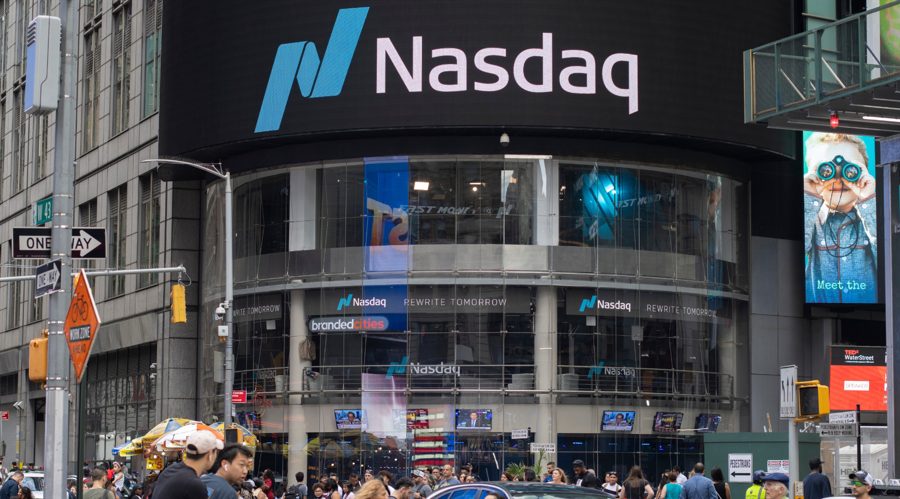
Nasdaq is
treating approval for tokenized stocks as a priority. The exchange is ready
to answer regulatory questions and respond to feedback as soon as the SEC
provides direction.
Matt
Savarese, who leads digital assets strategy at Nasdaq, told CNBC at a
technology conference in Florida that the company hopes to finalize the process
without unnecessary delays.
“I
think we have to really evaluate where the public comments come back in
and then answer and respond to the SEC questions as they come through,”
Savarese said. “We hope to kind of work with them as quickly as
possible.”
Nasdaq Pushes for
Tokenized Stock Trading as SEC Review Continues
Nasdaq
filed an official request to enable trading in tokenized
securities nearly three months ago.
The
September 8 filing asks
the SEC to let investors buy and sell stock tokens on Nasdaq's platform,
with those tokens representing actual shares in listed companies. Savarese
emphasized that the proposal does not overhaul how stocks trade or settle under
existing national market system rules.
“We're not looking at upending the system,”
he said. “We want everyone to come along for that ride and bring
tokenization
Tokenization
Tokenization represents the process of substituting a sensitive data element with a non-sensitive equivalent, i.e. token, which bears no extrinsic or exploitable meaning or value. In essence, the rights to the ownership of an asset are converted into a digital token. Tokenization can be used to own an entire unit of an asset. For example, one token that represents the ownership of a piece of real estate or to split ownership of a single unity of an asset such as 200,000 tokens, each one represen
Read this Term more into the mainstream, but we want to do it in that responsible
investor-led way first under the SEC rules themselves.”
The
exchange wants to avoid fragmenting liquidity or creating separate pools that
could thin out during volatile periods. Nasdaq has said the trading side
remains unchanged: the same order book, execution standards and regulatory
framework apply to both traditional and tokenized shares.
“The
stock is the stock and what's really important is that we focus to make
sure that the investor is first and they have the full rights and title that the shareholder should have as part of owning that share,”
Savarese said.
Post-Trade Efficiency
Drives Business Case
Near-term
benefits center on back-end settlement processes, according to Savarese.
Tokenized shares could settle faster than the current system, potentially
reaching instant or atomic settlement over time. However, Nasdaq acknowledges
that industry infrastructure needs to catch up before that happens at scale.
Collateral
management is another area where tokenization could reduce costs and improve
capital efficiency. Investors could move tokenized stocks between accounts or
use them as collateral for loans without the delays and overcollateralization
that current systems require.
That
argument echoes recent statements from Caroline Pham, acting chairman of the
Commodity Futures Trading Commission, who called
collateral management the “killer app” for blockchain technology in
traditional finance. The CFTC is racing to complete a 12-month initiative
to integrate tokenized collateral into derivatives markets. Major
clearinghouses will potentially start accepting the new forms of margin by the first or
second quarter of 2026.
Competition Heats Up for
Stock Token Market
Robinhood
has launched a tokenized stock offering in Europe that covers nearly 800 U.S.
securities. CEO Vlad Tenev called tokenization “the biggest
innovation in capital markets in well over a decade.” The brokerage is
building toward a system where users could withdraw tokenized stocks and use
them as collateral for crypto loans on decentralized finance platforms.
Switzerland's
BX Digital exchange received regulatory approval in March to
offer tokenized stocks through a partnership with Ondo Finance, enabling
round-the-clock trading with real-time settlement
Settlement
Settlement in finance refers to the process when a buyer makes payment and receives the agreed-upon services or goods. The term is used on exchanges such as New York Stock Exchange (NYSE) when security changes hands. When the asset is transferred and placed in the new buyer's name, it is considered settled. This process could take a few hours or several days after a trade is made. It depends on the clearance process. In the United States, the settlement date for marketable stocks is usually 2
Read this Term tied to the Swiss National
Bank's payment system. Bitget doubled its tokenized equity volume to
$1 billion within two weeks of launching the product, signaling retail
appetite for blockchain-based stock trading.
Galaxy
Digital became the first Nasdaq-listed company to tokenize its own shares in
September, launching Class A common stock on the Solana blockchain through a
partnership with Superstate. The offering gives shareholders the option to hold
and transfer their equity on-chain while maintaining full SEC-registered
rights.
“We
are kind of the original innovator in this ecosystem,” Savarese said.
“When things moved from paper-based to electronic form, we were the ones
that kind of brought that into the market and it's evolutionary. It's
not really revolutionary.”
Nasdaq is
treating approval for tokenized stocks as a priority. The exchange is ready
to answer regulatory questions and respond to feedback as soon as the SEC
provides direction.
Matt
Savarese, who leads digital assets strategy at Nasdaq, told CNBC at a
technology conference in Florida that the company hopes to finalize the process
without unnecessary delays.
“I
think we have to really evaluate where the public comments come back in
and then answer and respond to the SEC questions as they come through,”
Savarese said. “We hope to kind of work with them as quickly as
possible.”
Nasdaq Pushes for
Tokenized Stock Trading as SEC Review Continues
Nasdaq
filed an official request to enable trading in tokenized
securities nearly three months ago.
The
September 8 filing asks
the SEC to let investors buy and sell stock tokens on Nasdaq's platform,
with those tokens representing actual shares in listed companies. Savarese
emphasized that the proposal does not overhaul how stocks trade or settle under
existing national market system rules.
“We're not looking at upending the system,”
he said. “We want everyone to come along for that ride and bring
tokenization
Tokenization
Tokenization represents the process of substituting a sensitive data element with a non-sensitive equivalent, i.e. token, which bears no extrinsic or exploitable meaning or value. In essence, the rights to the ownership of an asset are converted into a digital token. Tokenization can be used to own an entire unit of an asset. For example, one token that represents the ownership of a piece of real estate or to split ownership of a single unity of an asset such as 200,000 tokens, each one represen
Read this Term more into the mainstream, but we want to do it in that responsible
investor-led way first under the SEC rules themselves.”
The
exchange wants to avoid fragmenting liquidity or creating separate pools that
could thin out during volatile periods. Nasdaq has said the trading side
remains unchanged: the same order book, execution standards and regulatory
framework apply to both traditional and tokenized shares.
“The
stock is the stock and what's really important is that we focus to make
sure that the investor is first and they have the full rights and title that the shareholder should have as part of owning that share,”
Savarese said.
Post-Trade Efficiency
Drives Business Case
Near-term
benefits center on back-end settlement processes, according to Savarese.
Tokenized shares could settle faster than the current system, potentially
reaching instant or atomic settlement over time. However, Nasdaq acknowledges
that industry infrastructure needs to catch up before that happens at scale.
Collateral
management is another area where tokenization could reduce costs and improve
capital efficiency. Investors could move tokenized stocks between accounts or
use them as collateral for loans without the delays and overcollateralization
that current systems require.
That
argument echoes recent statements from Caroline Pham, acting chairman of the
Commodity Futures Trading Commission, who called
collateral management the “killer app” for blockchain technology in
traditional finance. The CFTC is racing to complete a 12-month initiative
to integrate tokenized collateral into derivatives markets. Major
clearinghouses will potentially start accepting the new forms of margin by the first or
second quarter of 2026.
Competition Heats Up for
Stock Token Market
Robinhood
has launched a tokenized stock offering in Europe that covers nearly 800 U.S.
securities. CEO Vlad Tenev called tokenization “the biggest
innovation in capital markets in well over a decade.” The brokerage is
building toward a system where users could withdraw tokenized stocks and use
them as collateral for crypto loans on decentralized finance platforms.
Switzerland's
BX Digital exchange received regulatory approval in March to
offer tokenized stocks through a partnership with Ondo Finance, enabling
round-the-clock trading with real-time settlement
Settlement
Settlement in finance refers to the process when a buyer makes payment and receives the agreed-upon services or goods. The term is used on exchanges such as New York Stock Exchange (NYSE) when security changes hands. When the asset is transferred and placed in the new buyer's name, it is considered settled. This process could take a few hours or several days after a trade is made. It depends on the clearance process. In the United States, the settlement date for marketable stocks is usually 2
Read this Term tied to the Swiss National
Bank's payment system. Bitget doubled its tokenized equity volume to
$1 billion within two weeks of launching the product, signaling retail
appetite for blockchain-based stock trading.
Galaxy
Digital became the first Nasdaq-listed company to tokenize its own shares in
September, launching Class A common stock on the Solana blockchain through a
partnership with Superstate. The offering gives shareholders the option to hold
and transfer their equity on-chain while maintaining full SEC-registered
rights.
“We
are kind of the original innovator in this ecosystem,” Savarese said.
“When things moved from paper-based to electronic form, we were the ones
that kind of brought that into the market and it's evolutionary. It's
not really revolutionary.”