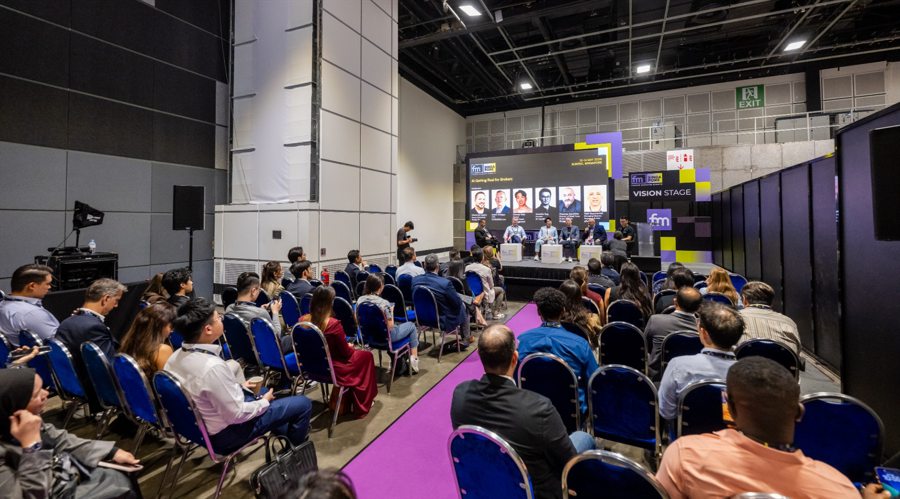
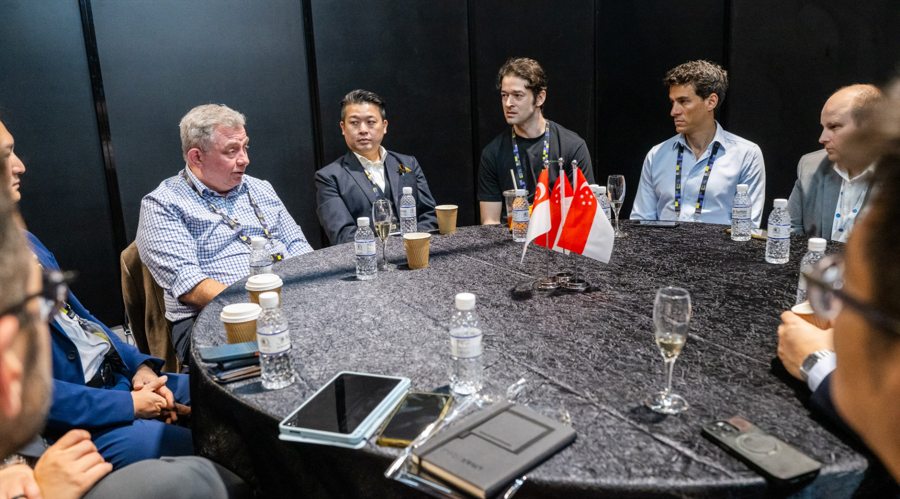
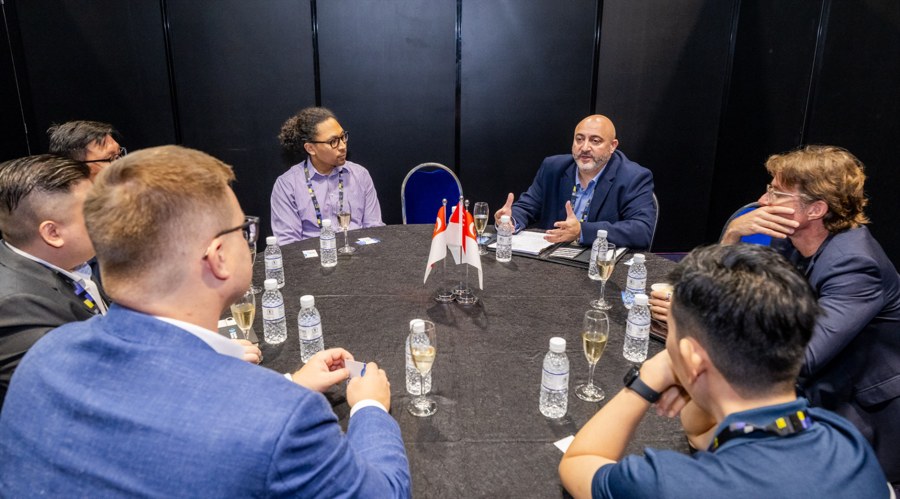
Brokers and fintech firms return to Suntec for final day of FM Summit.
Sessions today focus on liquidity, regulation, AI adoption, and digital asset infrastructure across APAC.
FM Singapore Summit 2026 Enters Final Day
The Finance Magnates Singapore Summit 2026 entered its third and final
day today (Thursday) at the Suntec Singapore Convention & Exhibition
Centre, with continued meetings, panel discussions, and exhibition activity
focused on the brokerage, fintech, and trading industries.
Following the opening event, the summit moved into two full days of
conference sessions and exhibition activity at Suntec. As Thursday’s programme
begins, discussions are expected to continue focusing on artificial
intelligence in brokerage operations, tokenised finance, and liquidity
infrastructure across Asia-Pacific markets.
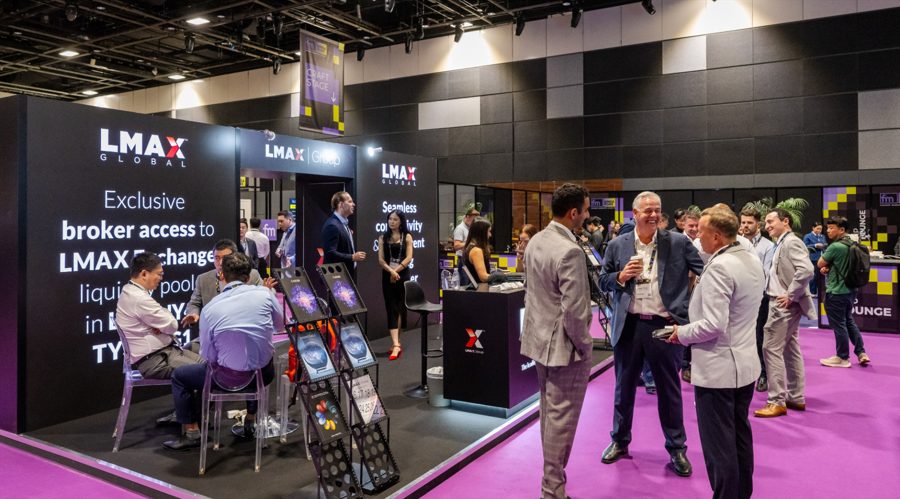
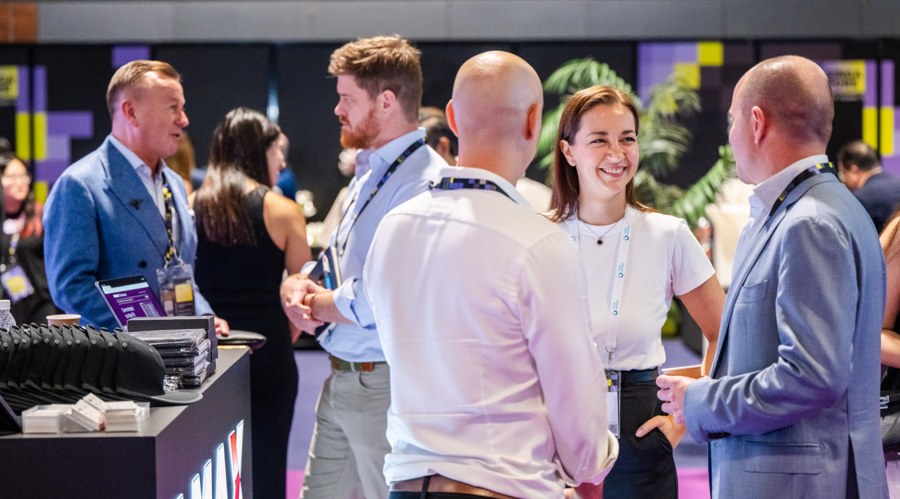
On the
exhibition floor in Hall 405, fintech firms, liquidity providers, trading
infrastructure companies, and platform operators continue with meetings and
product demonstrations.
Retail Trading Growth Driven by
Localization
The “Beyond Reach?
Retail Investor Acquisition Across APAC” session examined how brokers and
trading platforms approach retail client acquisition across a region that
represents a large share of global trading traffic, but remains highly
fragmented.
Speakers noted that
differences in regulation, language, and trader behaviour continue to shape how
firms design and execute acquisition strategies across markets such as
Singapore, Japan, and Southeast Asia.
The discussion focused
on the effectiveness of different acquisition channels, including introducing
broker networks, digital marketing, and platform partnerships, with an emphasis
on retention and lifetime value rather than initial deposits.
Panelists also
addressed the operational costs of localisation beyond translation, as well as
regulatory constraints such as advertising restrictions, crypto promotion
limits, and product bundling rules across jurisdictions. The session featured
Tony Cross, Director at Monk Communications and Duska Nedeljkovic, Head of
Conferences at Ultimate Group.
Brokers Expand Into Multi-Asset Trading
The “Multi-Asset or
Die: The New Brokerage Playbook” session examined how brokerage firms are
expanding their product offerings beyond CFDs into multi-asset trading,
including crypto, perpetuals, and equities.
Speakers discussed the
drivers behind this shift, including changing client demand, competitive
pressure, and the need to diversify revenue streams across market cycles.
The discussion also
focused on the operational challenges involved in building multi-asset
platforms, particularly in areas such as regulation, technology integration,
liquidity access, and risk management.
Panelists addressed
what it takes for brokers to execute this transition successfully and how firms
are positioning themselves for the next phase of industry growth. Participants
included Kate Rutkovskaya, Chief Revenue Officer at Your Bourse, Eng Thiam Choon
(TC), Business Director (Futures) at uSMART Securities, Quah Chum Yong, former
CEO of Anzo Capital, Wayne Zhao, Product Director and Head of DeFi at LTP, and
Eugenio Accongiagioco, Managing Director at APAC Management Consultancy.
Panel Examines In-House vs Vendor Tech
The “Buy, Build or
Both? Trading Tech for Brokers, Banks & Beyond” session examined how
financial institutions across Asia-Pacific decide between developing in-house
trading technology or sourcing solutions from external vendors.
Speakers discussed how
client demand, cost considerations, and operational constraints influence
technology build-versus-buy decisions across different types of market
participants, including brokers and banks.
The discussion also
focused on the practical challenges of integrating third-party systems at
scale, particularly in areas such as trading infrastructure, execution systems,
and product delivery timelines.
Panelists highlighted
how client feedback increasingly shapes technology roadmaps, while also
addressing expectations around speed of deployment and innovation.
The session featured
Aeby Samuel, CEO and Founder of FYNXT, Michael Lim, Managing Director at
Aquariux, Rick Williams, Director of Leverage Products FX at Maybank
Securities, Rhys Bryan, Managing Director of Sales and Business Development at
Lucera, and Roy Ng, Product Director at Axi.
Payment Infrastructure Expands Across
Financial Platforms
The “Rails for Growth:
‘Payments as Infrastructure’ for Financial Superapps” session examined how
payment systems are increasingly being integrated into investment and trading
platforms across Asia-Pacific markets.
Speakers discussed how
stablecoins, tokenised money, and on-chain settlement systems are being used in
institutional payment and settlement workflows, particularly as fintech firms
seek to combine payments, investing, and custody services within unified platforms.
The discussion also
focused on regulatory and infrastructure developments in Singapore, including
initiatives such as Project Orchid and Project Bloom, and what they may signal
for the future of digital money and capital market infrastructure.
Panelists further
examined compliance, custody, and operational challenges that emerge as
payment, trading, and settlement functions converge on shared systems.
Participants included Wendy Yew of Singapore Blockchain Week, Andrea Ang, APAC
Relationship Manager at Zodia Custody, Chris Holland, Chair of the Web3
Subcommittee at Singapore Fintech Association and Partner at HM Strategy, and
Leona Gan, Director of Business Development (iBiz) at FOMO Pay.
APAC Brokers Face Rising Compliance Costs
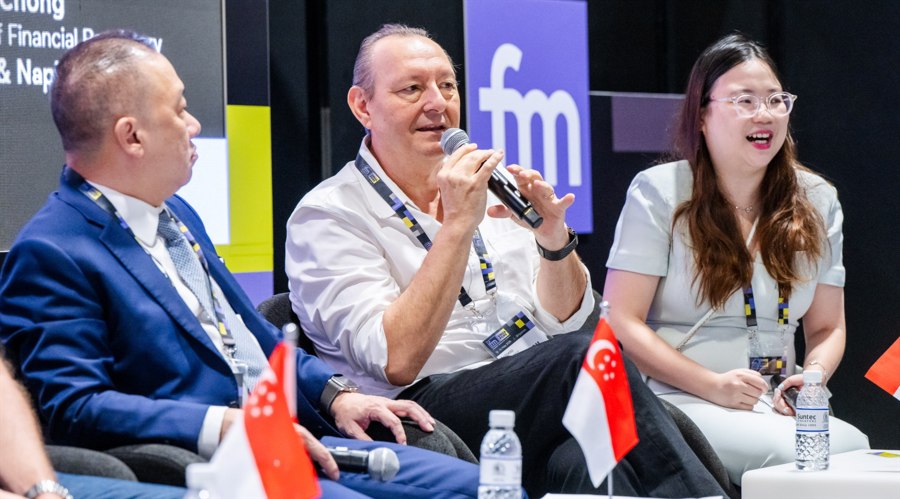
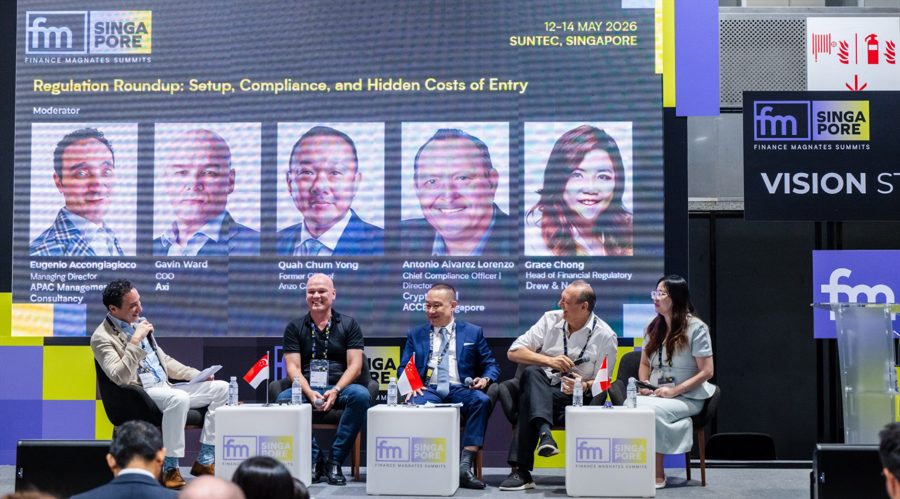
The “Regulation
Roundup: Setup, Compliance, and Hidden Costs of Entry” session examined the
regulatory and operational requirements for retail brokers across Asia-Pacific
markets, with a particular focus on market entry conditions and compliance
obligations.
Speakers discussed how
capital requirements and licensing frameworks continue to shape broker presence
in jurisdictions such as Singapore, where higher entry thresholds limit the
number of active retail operators.
The discussion also
covered differences in regulatory approaches across the region, highlighting
both established and emerging frameworks governing brokerage and digital asset
activity.
Panelists compared
operational costs, setup structures, and compliance burdens across APAC
markets, while also noting developments in related areas such as digital assets
and real-world asset tokenisation.
Participants included
Eugenio Accongiagioco, Managing Director at APAC Management Consultancy, Gavin
Ward, COO at Axi, Quah Chum Yong, former CEO of Anzo Capital, Antonio Alvarez
Lorenzo, Chief Compliance Officer at Crypto.com and Director at ACCESS
Singapore, and Grace Chong, Head of Financial Regulatory at Drew & Napier.
Loyalty Programmes Face Design and
Compliance Risks
The “From Rewards to
Retention: The 5 Loyalty Program Mistakes Brokers Need To Avoid (Case Study)”
session examined how broker loyalty programmes are evolving from marketing
add-ons into structured retention tools within trading platforms. The
discussion focused on rising client acquisition costs and the growing
importance of post-deposit engagement in driving long-term value.
Our @jakub_ceo just moderated an excellent panel on “Outrageous Predictions? Retail Brokers & Event Contracts” — super insightful discussions on the super-cycle in volumes, how brokers are approaching prediction/event… pic.twitter.com/OFVjCTLvvG
Desmond Leong, CEO of
Returning.AI, outlined common design and execution mistakes in loyalty
programmes, including the use of retail-style rewards, weak alignment with
regulatory constraints, and over-reliance on bonuses. The session also covered
how loyalty structures can be integrated into client lifecycle management,
linking rewards to trading behaviour, activity levels, and retention metrics
rather than short-term engagement.
Prop Trading Boom Raises Regulation
Concerns
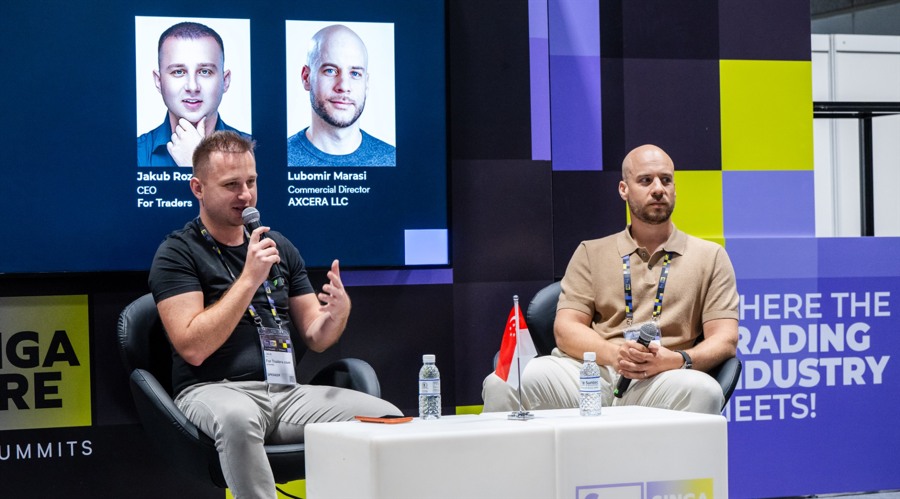
The “Overfunded or
Underregulated? The APAC Prop Trading Story” session examined the rapid
expansion of proprietary trading firms across the Asia-Pacific region, where
the market now accounts for nearly half of global sign-up growth.
Speakers noted that
while registration volumes have increased significantly in emerging markets,
pass rates and funded trader outcomes present a more uneven picture. The
discussion focused on the gap between headline growth figures and actual funded
trading activity, and what this divergence means for the sector’s
sustainability.
🚀 The FM Singapore Summit 2026 has officially kicked off at the Suntec Singapore Convention & Exhibition Centre! 🎉
Day 1 was full of energy, featuring industry leaders like David Jenkins and Christopher Forbes, and bringing together key players from fintech, trading, payments,… pic.twitter.com/57f4HyX1u4
Panelists also
addressed structural challenges shaping the industry, including mobile-first
acquisition models, legacy grey-market practices, and the resulting
complexities around KYC processes, payout systems, and regulatory alignment.
The session further explored how markets such as India, Vietnam, and Singapore
are transitioning from offshore leverage-driven models toward more regulated
frameworks. Participants included Jakub Roz, CEO of For Traders, and Lubomir
Marasi, Commercial Director at Axcera LLC.
Regulation Shapes Stablecoin Adoption
Across APAC
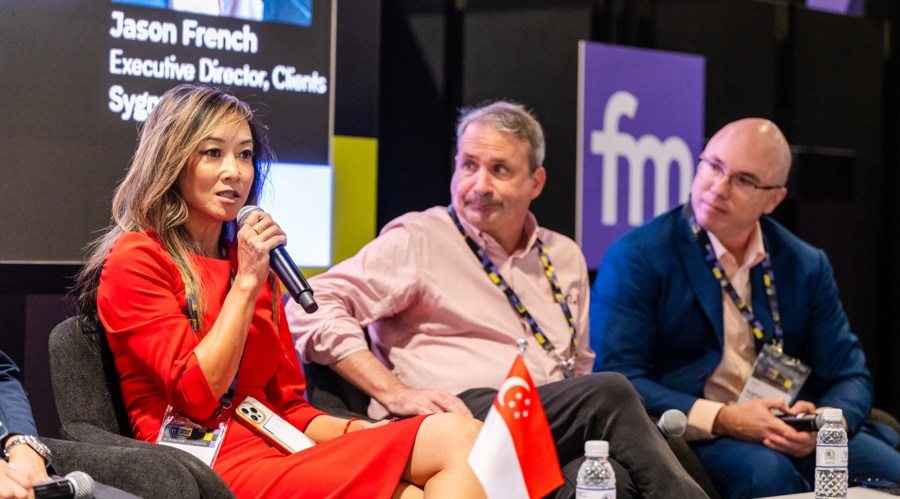
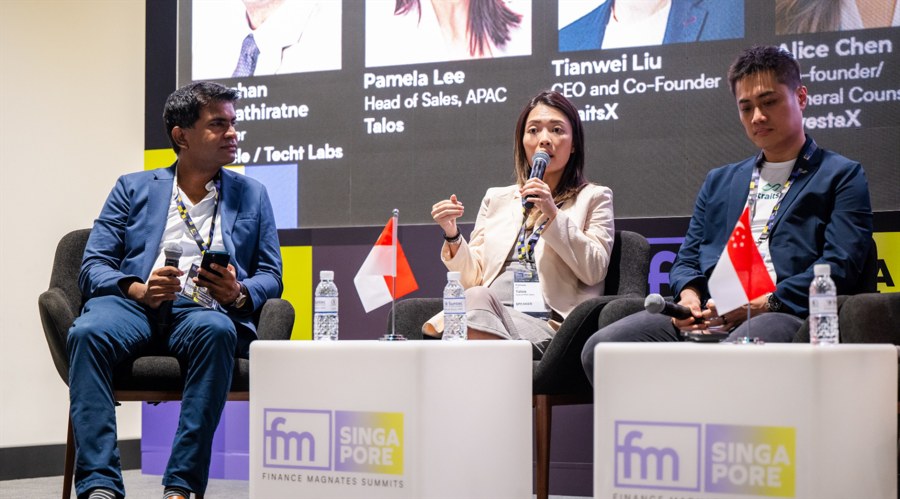
The “Stablecoins from
Experimentation to Implementation” session examined how stablecoins are moving
from pilot use cases into broader operational deployment across Asia-Pacific
markets.
Speakers noted that
with more than $300 billion in circulation, stablecoin adoption is increasingly
shaped by regulatory enforcement, as jurisdictions in the region move from
framework design to licensing and supervision.
The discussion, held
in partnership with 8 Circle, focused on how payment providers, trading
infrastructure firms, and financial institutions are integrating stablecoins
into live systems.
Panelists also
discussed the practical implications of regulatory regimes such as the Monetary
Authority of Singapore’s Payment Services Act and Hong Kong’s fiat stablecoin
licensing framework, particularly for brokers, custodians, and payment firms
operating across multiple jurisdictions.
The session
highlighted infrastructure gaps that often emerge during implementation,
including settlement processes, compliance workflows, and operational
readiness.
Speakers included
Vidushan Premathiratne, Founder of 8 Circle and Techt Labs; Pamela Lee, Head of
Sales, APAC at Talos; Tianwei Liu, CEO and Co-Founder of StraitsX; Alice Chen,
Co-Founder and General Counsel at InvestaX; Jason French, Executive Director,
Clients at Sygnum; and Eric Barbier, CEO and Founder of Triple-A.
The Finance Magnates Singapore Summit 2026 entered its third and final
day today (Thursday) at the Suntec Singapore Convention & Exhibition
Centre, with continued meetings, panel discussions, and exhibition activity
focused on the brokerage, fintech, and trading industries.
Following the opening event, the summit moved into two full days of
conference sessions and exhibition activity at Suntec. As Thursday’s programme
begins, discussions are expected to continue focusing on artificial
intelligence in brokerage operations, tokenised finance, and liquidity
infrastructure across Asia-Pacific markets.
On the
exhibition floor in Hall 405, fintech firms, liquidity providers, trading
infrastructure companies, and platform operators continue with meetings and
product demonstrations.
Retail Trading Growth Driven by
Localization
The “Beyond Reach?
Retail Investor Acquisition Across APAC” session examined how brokers and
trading platforms approach retail client acquisition across a region that
represents a large share of global trading traffic, but remains highly
fragmented.
Speakers noted that
differences in regulation, language, and trader behaviour continue to shape how
firms design and execute acquisition strategies across markets such as
Singapore, Japan, and Southeast Asia.
The discussion focused
on the effectiveness of different acquisition channels, including introducing
broker networks, digital marketing, and platform partnerships, with an emphasis
on retention and lifetime value rather than initial deposits.
Panelists also
addressed the operational costs of localisation beyond translation, as well as
regulatory constraints such as advertising restrictions, crypto promotion
limits, and product bundling rules across jurisdictions. The session featured
Tony Cross, Director at Monk Communications and Duska Nedeljkovic, Head of
Conferences at Ultimate Group.
Brokers Expand Into Multi-Asset Trading
The “Multi-Asset or
Die: The New Brokerage Playbook” session examined how brokerage firms are
expanding their product offerings beyond CFDs into multi-asset trading,
including crypto, perpetuals, and equities.
Speakers discussed the
drivers behind this shift, including changing client demand, competitive
pressure, and the need to diversify revenue streams across market cycles.
The discussion also
focused on the operational challenges involved in building multi-asset
platforms, particularly in areas such as regulation, technology integration,
liquidity access, and risk management.
Panelists addressed
what it takes for brokers to execute this transition successfully and how firms
are positioning themselves for the next phase of industry growth. Participants
included Kate Rutkovskaya, Chief Revenue Officer at Your Bourse, Eng Thiam Choon
(TC), Business Director (Futures) at uSMART Securities, Quah Chum Yong, former
CEO of Anzo Capital, Wayne Zhao, Product Director and Head of DeFi at LTP, and
Eugenio Accongiagioco, Managing Director at APAC Management Consultancy.
Panel Examines In-House vs Vendor Tech
The “Buy, Build or
Both? Trading Tech for Brokers, Banks & Beyond” session examined how
financial institutions across Asia-Pacific decide between developing in-house
trading technology or sourcing solutions from external vendors.
Speakers discussed how
client demand, cost considerations, and operational constraints influence
technology build-versus-buy decisions across different types of market
participants, including brokers and banks.
The discussion also
focused on the practical challenges of integrating third-party systems at
scale, particularly in areas such as trading infrastructure, execution systems,
and product delivery timelines.
Panelists highlighted
how client feedback increasingly shapes technology roadmaps, while also
addressing expectations around speed of deployment and innovation.
The session featured
Aeby Samuel, CEO and Founder of FYNXT, Michael Lim, Managing Director at
Aquariux, Rick Williams, Director of Leverage Products FX at Maybank
Securities, Rhys Bryan, Managing Director of Sales and Business Development at
Lucera, and Roy Ng, Product Director at Axi.
Payment Infrastructure Expands Across
Financial Platforms
The “Rails for Growth:
‘Payments as Infrastructure’ for Financial Superapps” session examined how
payment systems are increasingly being integrated into investment and trading
platforms across Asia-Pacific markets.
Speakers discussed how
stablecoins, tokenised money, and on-chain settlement systems are being used in
institutional payment and settlement workflows, particularly as fintech firms
seek to combine payments, investing, and custody services within unified platforms.
The discussion also
focused on regulatory and infrastructure developments in Singapore, including
initiatives such as Project Orchid and Project Bloom, and what they may signal
for the future of digital money and capital market infrastructure.
Panelists further
examined compliance, custody, and operational challenges that emerge as
payment, trading, and settlement functions converge on shared systems.
Participants included Wendy Yew of Singapore Blockchain Week, Andrea Ang, APAC
Relationship Manager at Zodia Custody, Chris Holland, Chair of the Web3
Subcommittee at Singapore Fintech Association and Partner at HM Strategy, and
Leona Gan, Director of Business Development (iBiz) at FOMO Pay.
APAC Brokers Face Rising Compliance Costs
The “Regulation
Roundup: Setup, Compliance, and Hidden Costs of Entry” session examined the
regulatory and operational requirements for retail brokers across Asia-Pacific
markets, with a particular focus on market entry conditions and compliance
obligations.
Speakers discussed how
capital requirements and licensing frameworks continue to shape broker presence
in jurisdictions such as Singapore, where higher entry thresholds limit the
number of active retail operators.
The discussion also
covered differences in regulatory approaches across the region, highlighting
both established and emerging frameworks governing brokerage and digital asset
activity.
Panelists compared
operational costs, setup structures, and compliance burdens across APAC
markets, while also noting developments in related areas such as digital assets
and real-world asset tokenisation.
Participants included
Eugenio Accongiagioco, Managing Director at APAC Management Consultancy, Gavin
Ward, COO at Axi, Quah Chum Yong, former CEO of Anzo Capital, Antonio Alvarez
Lorenzo, Chief Compliance Officer at Crypto.com and Director at ACCESS
Singapore, and Grace Chong, Head of Financial Regulatory at Drew & Napier.
Loyalty Programmes Face Design and
Compliance Risks
The “From Rewards to
Retention: The 5 Loyalty Program Mistakes Brokers Need To Avoid (Case Study)”
session examined how broker loyalty programmes are evolving from marketing
add-ons into structured retention tools within trading platforms. The
discussion focused on rising client acquisition costs and the growing
importance of post-deposit engagement in driving long-term value.
Our @jakub_ceo just moderated an excellent panel on “Outrageous Predictions? Retail Brokers & Event Contracts” — super insightful discussions on the super-cycle in volumes, how brokers are approaching prediction/event… pic.twitter.com/OFVjCTLvvG
Desmond Leong, CEO of
Returning.AI, outlined common design and execution mistakes in loyalty
programmes, including the use of retail-style rewards, weak alignment with
regulatory constraints, and over-reliance on bonuses. The session also covered
how loyalty structures can be integrated into client lifecycle management,
linking rewards to trading behaviour, activity levels, and retention metrics
rather than short-term engagement.
Prop Trading Boom Raises Regulation
Concerns
The “Overfunded or
Underregulated? The APAC Prop Trading Story” session examined the rapid
expansion of proprietary trading firms across the Asia-Pacific region, where
the market now accounts for nearly half of global sign-up growth.
Speakers noted that
while registration volumes have increased significantly in emerging markets,
pass rates and funded trader outcomes present a more uneven picture. The
discussion focused on the gap between headline growth figures and actual funded
trading activity, and what this divergence means for the sector’s
sustainability.
🚀 The FM Singapore Summit 2026 has officially kicked off at the Suntec Singapore Convention & Exhibition Centre! 🎉
Day 1 was full of energy, featuring industry leaders like David Jenkins and Christopher Forbes, and bringing together key players from fintech, trading, payments,… pic.twitter.com/57f4HyX1u4
Panelists also
addressed structural challenges shaping the industry, including mobile-first
acquisition models, legacy grey-market practices, and the resulting
complexities around KYC processes, payout systems, and regulatory alignment.
The session further explored how markets such as India, Vietnam, and Singapore
are transitioning from offshore leverage-driven models toward more regulated
frameworks. Participants included Jakub Roz, CEO of For Traders, and Lubomir
Marasi, Commercial Director at Axcera LLC.
Regulation Shapes Stablecoin Adoption
Across APAC
The “Stablecoins from
Experimentation to Implementation” session examined how stablecoins are moving
from pilot use cases into broader operational deployment across Asia-Pacific
markets.
Speakers noted that
with more than $300 billion in circulation, stablecoin adoption is increasingly
shaped by regulatory enforcement, as jurisdictions in the region move from
framework design to licensing and supervision.
The discussion, held
in partnership with 8 Circle, focused on how payment providers, trading
infrastructure firms, and financial institutions are integrating stablecoins
into live systems.
Panelists also
discussed the practical implications of regulatory regimes such as the Monetary
Authority of Singapore’s Payment Services Act and Hong Kong’s fiat stablecoin
licensing framework, particularly for brokers, custodians, and payment firms
operating across multiple jurisdictions.
The session
highlighted infrastructure gaps that often emerge during implementation,
including settlement processes, compliance workflows, and operational
readiness.
Speakers included
Vidushan Premathiratne, Founder of 8 Circle and Techt Labs; Pamela Lee, Head of
Sales, APAC at Talos; Tianwei Liu, CEO and Co-Founder of StraitsX; Alice Chen,
Co-Founder and General Counsel at InvestaX; Jason French, Executive Director,
Clients at Sygnum; and Eric Barbier, CEO and Founder of Triple-A.
Tareq is a financial writer with 15 years of experience covering global markets. His work spans technical analysis, forex broker reviews, and market sentiment, with a focus on topics relevant to retail traders. He joined Finance Magnates in 2023.
At Finance Magnates, he serves as News Editor, covering retail forex and CFD brokers, cryptocurrency exchanges, fintech firms, and regulatory developments shaping the trading industry. He holds an Honours degree in Information Technology from Anfell College, London.
Education:
Honours degree Information Technology, Anfell College, London
FXTF Becomes First Japanese Broker to Connect With TradingView
Featured Videos
FM Daily Brief - 3 June 2026
FM Daily Brief - 3 June 2026
FM Daily Brief - 3 June 2026
FM Daily Brief - 3 June 2026
Today is Wednesday, the 3rd of May 2026, and these are our main stories: a detailed look at whether AI can truly replace the Bloomberg Terminal, the FCA puts football clubs on notice over crypto and trading platform sponsorships, and XTB rolls out a tax tool.
Today is Wednesday, the 3rd of May 2026, and these are our main stories: a detailed look at whether AI can truly replace the Bloomberg Terminal, the FCA puts football clubs on notice over crypto and trading platform sponsorships, and XTB rolls out a tax tool.
Today is Wednesday, the 3rd of May 2026, and these are our main stories: a detailed look at whether AI can truly replace the Bloomberg Terminal, the FCA puts football clubs on notice over crypto and trading platform sponsorships, and XTB rolls out a tax tool.
Today is Wednesday, the 3rd of May 2026, and these are our main stories: a detailed look at whether AI can truly replace the Bloomberg Terminal, the FCA puts football clubs on notice over crypto and trading platform sponsorships, and XTB rolls out a tax tool.
In this video, we review @TradingPRO_inc, a multi-asset forex and CFD broker offering access to global markets through MetaTrader 4 and MetaTrader 5.
We examine the broker’s overall offering, including its regulatory structure, account types, platform ecosystem, and available markets. We also explore key features such as leverage, spreads, funding options, trading tools, and customer support.
Watch the full video for a clear, fact-based overview of TradingPRO’s products, trading conditions, and overall broker offering.
#TradingPRO #ForexBroker #CFDTrading #FinanceMagnates #Trading #BrokerReview #OnlineTrading
In this video, we review @TradingPRO_inc, a multi-asset forex and CFD broker offering access to global markets through MetaTrader 4 and MetaTrader 5.
We examine the broker’s overall offering, including its regulatory structure, account types, platform ecosystem, and available markets. We also explore key features such as leverage, spreads, funding options, trading tools, and customer support.
Watch the full video for a clear, fact-based overview of TradingPRO’s products, trading conditions, and overall broker offering.
#TradingPRO #ForexBroker #CFDTrading #FinanceMagnates #Trading #BrokerReview #OnlineTrading
In this video, we review @TradingPRO_inc, a multi-asset forex and CFD broker offering access to global markets through MetaTrader 4 and MetaTrader 5.
We examine the broker’s overall offering, including its regulatory structure, account types, platform ecosystem, and available markets. We also explore key features such as leverage, spreads, funding options, trading tools, and customer support.
Watch the full video for a clear, fact-based overview of TradingPRO’s products, trading conditions, and overall broker offering.
#TradingPRO #ForexBroker #CFDTrading #FinanceMagnates #Trading #BrokerReview #OnlineTrading
In this video, we review @TradingPRO_inc, a multi-asset forex and CFD broker offering access to global markets through MetaTrader 4 and MetaTrader 5.
We examine the broker’s overall offering, including its regulatory structure, account types, platform ecosystem, and available markets. We also explore key features such as leverage, spreads, funding options, trading tools, and customer support.
Watch the full video for a clear, fact-based overview of TradingPRO’s products, trading conditions, and overall broker offering.
#TradingPRO #ForexBroker #CFDTrading #FinanceMagnates #Trading #BrokerReview #OnlineTrading
In this video, we review @TradingPRO_inc, a multi-asset forex and CFD broker offering access to global markets through MetaTrader 4 and MetaTrader 5.
We examine the broker’s overall offering, including its regulatory structure, account types, platform ecosystem, and available markets. We also explore key features such as leverage, spreads, funding options, trading tools, and customer support.
Watch the full video for a clear, fact-based overview of TradingPRO’s products, trading conditions, and overall broker offering.
#TradingPRO #ForexBroker #CFDTrading #FinanceMagnates #Trading #BrokerReview #OnlineTrading
In this video, we review @TradingPRO_inc, a multi-asset forex and CFD broker offering access to global markets through MetaTrader 4 and MetaTrader 5.
We examine the broker’s overall offering, including its regulatory structure, account types, platform ecosystem, and available markets. We also explore key features such as leverage, spreads, funding options, trading tools, and customer support.
Watch the full video for a clear, fact-based overview of TradingPRO’s products, trading conditions, and overall broker offering.
#TradingPRO #ForexBroker #CFDTrading #FinanceMagnates #Trading #BrokerReview #OnlineTrading
FM Daily Brief - 2 June 2026
FM Daily Brief - 2 June 2026
FM Daily Brief - 2 June 2026
FM Daily Brief - 2 June 2026
FM Daily Brief - 2 June 2026
FM Daily Brief - 2 June 2026
Today is Tuesday, the second of May 2026, and these are our main stories: Why Revolut may be the most serious competitive threat the CFD brokers have ever faced, Binance adds seven thousand US stocks, and CME kills the weekend gap for crypto derivatives.
Today is Tuesday, the second of May 2026, and these are our main stories: Why Revolut may be the most serious competitive threat the CFD brokers have ever faced, Binance adds seven thousand US stocks, and CME kills the weekend gap for crypto derivatives.
Today is Tuesday, the second of May 2026, and these are our main stories: Why Revolut may be the most serious competitive threat the CFD brokers have ever faced, Binance adds seven thousand US stocks, and CME kills the weekend gap for crypto derivatives.
Today is Tuesday, the second of May 2026, and these are our main stories: Why Revolut may be the most serious competitive threat the CFD brokers have ever faced, Binance adds seven thousand US stocks, and CME kills the weekend gap for crypto derivatives.
Today is Tuesday, the second of May 2026, and these are our main stories: Why Revolut may be the most serious competitive threat the CFD brokers have ever faced, Binance adds seven thousand US stocks, and CME kills the weekend gap for crypto derivatives.
Today is Tuesday, the second of May 2026, and these are our main stories: Why Revolut may be the most serious competitive threat the CFD brokers have ever faced, Binance adds seven thousand US stocks, and CME kills the weekend gap for crypto derivatives.
FM Daily Brief - 1 June 2026
FM Daily Brief - 1 June 2026
FM Daily Brief - 1 June 2026
FM Daily Brief - 1 June 2026
FM Daily Brief - 1 June 2026
FM Daily Brief - 1 June 2026
Today is Monday, the 1st of June 2026, and these are our main stories:
The US just opened a regulated door for crypto perpetual futures, ThinkMarkets joins the MCP server bandwagon, and XM obtains a MiCA license.
Today is Monday, the 1st of June 2026, and these are our main stories:
The US just opened a regulated door for crypto perpetual futures, ThinkMarkets joins the MCP server bandwagon, and XM obtains a MiCA license.
Today is Monday, the 1st of June 2026, and these are our main stories:
The US just opened a regulated door for crypto perpetual futures, ThinkMarkets joins the MCP server bandwagon, and XM obtains a MiCA license.
Today is Monday, the 1st of June 2026, and these are our main stories:
The US just opened a regulated door for crypto perpetual futures, ThinkMarkets joins the MCP server bandwagon, and XM obtains a MiCA license.
Today is Monday, the 1st of June 2026, and these are our main stories:
The US just opened a regulated door for crypto perpetual futures, ThinkMarkets joins the MCP server bandwagon, and XM obtains a MiCA license.
Today is Monday, the 1st of June 2026, and these are our main stories:
The US just opened a regulated door for crypto perpetual futures, ThinkMarkets joins the MCP server bandwagon, and XM obtains a MiCA license.
FM Daily Brief - 29 May 2026
FM Daily Brief - 29 May 2026
FM Daily Brief - 29 May 2026
FM Daily Brief - 29 May 2026
FM Daily Brief - 29 May 2026
FM Daily Brief - 29 May 2026
Today is Friday, the 29th of May 2026, and these are our main stories: three global regulators are converging on trading platform design, and a Singapore prop firm launches a deferred-fee challenge model.
Today is Friday, the 29th of May 2026, and these are our main stories: three global regulators are converging on trading platform design, and a Singapore prop firm launches a deferred-fee challenge model.
Today is Friday, the 29th of May 2026, and these are our main stories: three global regulators are converging on trading platform design, and a Singapore prop firm launches a deferred-fee challenge model.
Today is Friday, the 29th of May 2026, and these are our main stories: three global regulators are converging on trading platform design, and a Singapore prop firm launches a deferred-fee challenge model.
Today is Friday, the 29th of May 2026, and these are our main stories: three global regulators are converging on trading platform design, and a Singapore prop firm launches a deferred-fee challenge model.
Today is Friday, the 29th of May 2026, and these are our main stories: three global regulators are converging on trading platform design, and a Singapore prop firm launches a deferred-fee challenge model.