FINMA Flags Doubling of Portfolio Manager Cases as In-House Product Risks Mount

Wednesday, 03/06/2026 | 10:00 GMT by Damian Chmiel
  • The Swiss regulator opened 68 supervisory cases involving independent portfolio managers in 2025, up from nine two years earlier.
  • FINMA points to conflicts of interest from in-house products, weak suitability checks and outsourced compliance as the recurring faults.
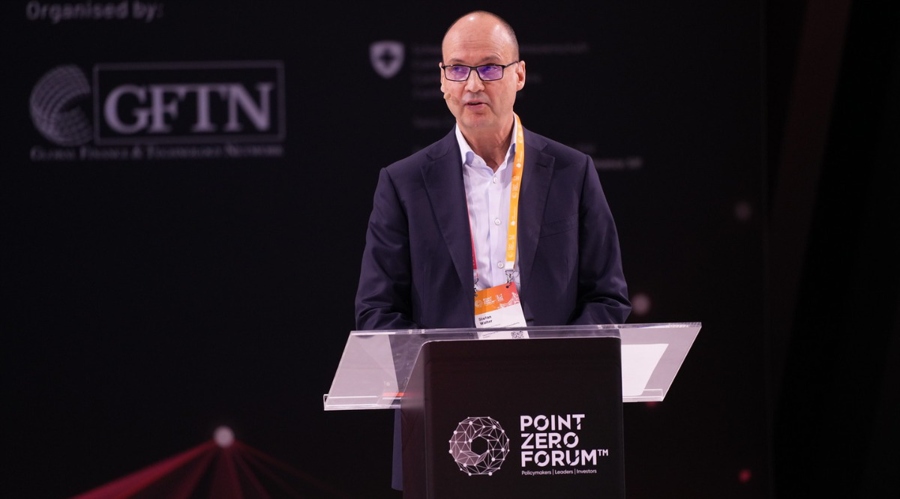
Stefan Walter, the CEO of FINMA. Source: GFTN video

Switzerland's financial regulator says the number of problem cases involving independent portfolio managers doubled last year, with retirement savings among the money put at risk.

In guidance published today (Wednesday), the Swiss Financial Market Supervisory Authority, known as FINMA, said it keeps finding the same issues turning up in client portfolios, namely conflicts of interest, thin suitability checks and complex products that many clients were never well suited to hold.

Escalation Cases Doubled to 68 Last Year

FINMA opened 68 supervisory cases tied to portfolio managers in 2025, up from 34 a year earlier and just nine in 2023.

The firms involved fall under Article 17 of the Financial Institutions Act, the regime that brought Switzerland's independent asset managers under direct licensing after a transition period closed at the end of 2022.

Half of last year's cases came from the supervisory organizations that monitor the sector day to day, the rest from third-party reports. About 1,664 managers and trustees held licenses by the end of 2025.

The losses were not small. FINMA said client assets at risk ran from tens of millions to several hundred million Swiss francs, with some of the money "required for retirement provision."

EU Regulators Are Chasing the Same Conflicts

FINMA is not the only watchdog worried about whether firms put their own interests ahead of clients.

In March, Cyprus's CySEC told investment firms it would run on-site inspections into conflicts of interest as part of a European Securities and Markets Authority sweep, looking at staff pay, platform design and inducements across the bloc.

ESMA raised a related point in February, when it reminded firms that perpetual futures fall under EU rules for contracts for difference.

It called same-group product issuance a notable conflict that can nudge firms toward their own products, the same dynamic FINMA describes with in-house funds and certificates.

The difference is who FINMA is aiming at. Its guidance does not target retail CFD brokers but the discretionary managers who build portfolios for wealthier clients, often using foreign funds, actively managed certificates and in-house structures that carry lighter supervision.

The concern underneath, selling complex products to people whose risk profiles do not fit them, is the one regulators across Europe have spent 2026 pressing.

In-House Products and Stacked Fees Draw the Closest Look

The clearest pattern, FINMA said, involved products the managers themselves issue or structure.

The regulator found opaque, stacked fees, pay incentives that rewarded staff for steering clients into the firm's own products, and portfolios concentrated "in clear contradiction to clients' risk profiles."

The products in question included foreign funds without equivalent oversight, structured products such as actively managed certificates, and securities from unregulated issuers abroad.

Many carry lighter transparency, valuation and liquidity requirements, FINMA said, and some lack audited accounts entirely.

The regulator also pointed to suitability failures, with some firms putting clients into high-risk or illiquid instruments without checking properly whether the products matched their finances, goals and appetite for risk.

A Young Supervisory Regime Under Strain

The case load is testing a system that is still bedding in. Ongoing supervision is handled by private supervisory organizations, with FINMA stepping in only for serious breaches, and the regulator said it found weaknesses in how those bodies authorize and oversee the audit firms they rely on.

Smaller firms also lean on outside providers for risk management and compliance, FINMA said, which in several cases produced standardized rather than tailored controls and left responsibilities unclear.

It follows an April guidance in which FINMA reported that 42% of surveyed Swiss financial firms had no policy for digital fraud.

Supervisory costs dipped slightly in 2025, though FINMA said its workload in the area stays heavy.

The guidance carries no enforcement action against any named firm and instead restates the rules on suitability, governance and conflicts that managers are already meant to follow.

Switzerland's financial regulator says the number of problem cases involving independent portfolio managers doubled last year, with retirement savings among the money put at risk.

In guidance published today (Wednesday), the Swiss Financial Market Supervisory Authority, known as FINMA, said it keeps finding the same issues turning up in client portfolios, namely conflicts of interest, thin suitability checks and complex products that many clients were never well suited to hold.

Escalation Cases Doubled to 68 Last Year

FINMA opened 68 supervisory cases tied to portfolio managers in 2025, up from 34 a year earlier and just nine in 2023.

The firms involved fall under Article 17 of the Financial Institutions Act, the regime that brought Switzerland's independent asset managers under direct licensing after a transition period closed at the end of 2022.

Half of last year's cases came from the supervisory organizations that monitor the sector day to day, the rest from third-party reports. About 1,664 managers and trustees held licenses by the end of 2025.

The losses were not small. FINMA said client assets at risk ran from tens of millions to several hundred million Swiss francs, with some of the money "required for retirement provision."

EU Regulators Are Chasing the Same Conflicts

FINMA is not the only watchdog worried about whether firms put their own interests ahead of clients.

In March, Cyprus's CySEC told investment firms it would run on-site inspections into conflicts of interest as part of a European Securities and Markets Authority sweep, looking at staff pay, platform design and inducements across the bloc.

ESMA raised a related point in February, when it reminded firms that perpetual futures fall under EU rules for contracts for difference.

It called same-group product issuance a notable conflict that can nudge firms toward their own products, the same dynamic FINMA describes with in-house funds and certificates.

The difference is who FINMA is aiming at. Its guidance does not target retail CFD brokers but the discretionary managers who build portfolios for wealthier clients, often using foreign funds, actively managed certificates and in-house structures that carry lighter supervision.

The concern underneath, selling complex products to people whose risk profiles do not fit them, is the one regulators across Europe have spent 2026 pressing.

In-House Products and Stacked Fees Draw the Closest Look

The clearest pattern, FINMA said, involved products the managers themselves issue or structure.

The regulator found opaque, stacked fees, pay incentives that rewarded staff for steering clients into the firm's own products, and portfolios concentrated "in clear contradiction to clients' risk profiles."

The products in question included foreign funds without equivalent oversight, structured products such as actively managed certificates, and securities from unregulated issuers abroad.

Many carry lighter transparency, valuation and liquidity requirements, FINMA said, and some lack audited accounts entirely.

The regulator also pointed to suitability failures, with some firms putting clients into high-risk or illiquid instruments without checking properly whether the products matched their finances, goals and appetite for risk.

A Young Supervisory Regime Under Strain

The case load is testing a system that is still bedding in. Ongoing supervision is handled by private supervisory organizations, with FINMA stepping in only for serious breaches, and the regulator said it found weaknesses in how those bodies authorize and oversee the audit firms they rely on.

Smaller firms also lean on outside providers for risk management and compliance, FINMA said, which in several cases produced standardized rather than tailored controls and left responsibilities unclear.

It follows an April guidance in which FINMA reported that 42% of surveyed Swiss financial firms had no policy for digital fraud.

Supervisory costs dipped slightly in 2025, though FINMA said its workload in the area stays heavy.

The guidance carries no enforcement action against any named firm and instead restates the rules on suitability, governance and conflicts that managers are already meant to follow.

About the Author: Damian Chmiel
Damian Chmiel
  • 3604 Articles
  • 112 Followers
About the Author: Damian Chmiel
Damian Chmiel is a Senior Analyst & Editor at Finance Magnates with more than 15 years of experience in the CFD and online trading industry. Active as both a trader and journalist since 2010, he focuses on broker coverage, fintech innovation, and regulatory developments across Europe, the Middle East, and Asia. His work includes interviews with C-level leaders at major brokerages and fintech platforms, as well as co-authoring Finance Magnates’ quarterly industry benchmarking reports. Damian’s reporting is data-driven, market-aware, and grounded in direct industry engagement. His analysis and commentary have also been cited by external media outlets, including Investing.com, Binance, The Asset, Stockhead, and Dispatch. Education: MA in Finance and Accounting, Cracow University of Economics
  • 3604 Articles
  • 112 Followers

More from the Author

Retail FX

!"#$%&'()*+,-./0123456789:;<=>?@ABCDEFGHIJKLMNOPQRSTUVWXYZ[\]^_`abcdefghijklmnopqrstuvwxyz{|} !"#$%&'()*+,-./0123456789:;<=>?@ABCDEFGHIJKLMNOPQRSTUVWXYZ[\]^_`abcdefghijklmnopqrstuvwxyz{|}