The dependency of some of the most dynamic sectors of the global economy on materials with relatively limited availability has positioned producers and refiners of critical minerals as an interesting investment opportunity. Paul Golden mines this potentially lucrative seam in his latest column.
He also explores how supply chain risks and price swings are shaping critical minerals markets, and why recycling is becoming a key source of future supply.
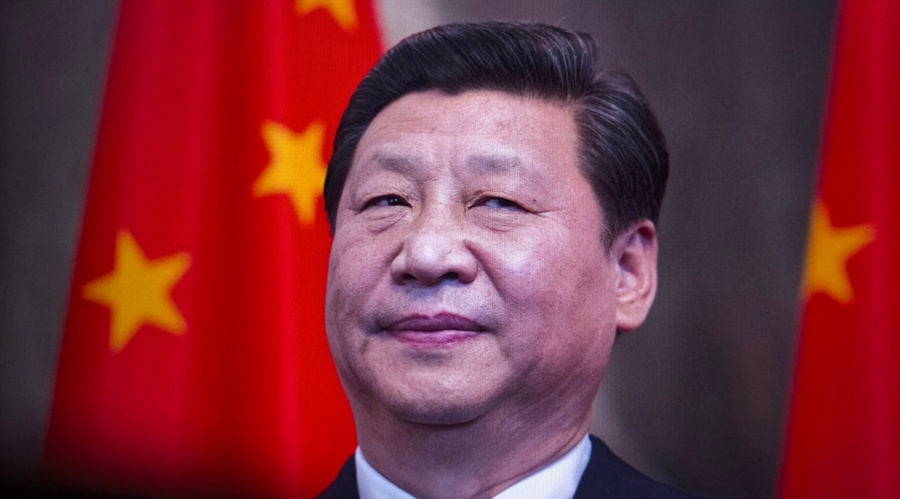
Chinese President Xi Jinping (shutterstock)
Rare, Rarer, Rarest
Critical minerals encompass a wide range of naturally occurring elements and minerals, such as lithium, cobalt, nickel and copper. These minerals are essential in the production of everyday items, including batteries and electrical wiring, as well as in industrial applications such as energy storage systems and military electronics.
Even less exotic materials now fall into this category. In November 2025, the US Geological Survey added silver to the critical minerals list for the first time, just weeks before China imposed a complete ban on silver exports that led to a fourfold increase in silver prices.
Rare earth elements, which fall under the umbrella of critical minerals, play a pivotal role in green energy projects and defence manufacturing, as magnets made from these elements are a key component of electric motors, wind turbines, aircraft engines and generators.
The public sector is recognising the importance of private companies in meeting the increasing demand for critical minerals. In 2025, the Pentagon became the largest shareholder in MP Materials, the only fully integrated producer of rare earth magnets in the US.
China added MP Materials and USA Rare Earth, as well as eight other US entities it said are linked to the US military, to its export-control list in retaliation for Washington placing several Chinese companies under restrictions this month https://t.co/CK4xXDZZalpic.twitter.com/4LkonZz3hS
Data centres require a wide range of critical minerals to function, while a standard electric car requires about six times more mineral inputs than a similar vehicle with a conventional internal combustion engine. JP Morgan Global Research forecasts that global demand for lithium will grow by 16% this year, most of which will be driven, if you will pardon the pun, by electric vehicle production.
As demand for green energy solutions increases, demand for lithium will rise accordingly, potentially creating a market deficit. The supply chain for critical minerals and rare earths is already highly concentrated, with China supplying upwards of 90% of refined rare earths and magnets.
Ivan Murphy, Executive Chairman of Harena Rare Earths (Photo: LinkedIn)
One of the reasons for China’s dominance of the rare earths market is that, in addition to its own reserves, it has acquired production facilities in Africa, from which minerals are shipped back to China for refining.
“This level of control has made pricing very difficult and encouraged the US government to introduce floor pricing for the only rare earth mine in that country and make a huge investment in it,” observes Ivan Murphy, Executive Chairman of Harena Rare Earths. “But even within that opportunity for MP Materials, the majority of what it produces in California is light rare earths.”
For investors, the most accessible option for gaining market exposure to critical minerals is through specialised funds that track global indices of companies involved in mining and processing these strategic elements.
Direct trading of physical battery metals and rare earths generally occurs OTC between miners, processors and end-users. Derivative contracts play a large part in price discovery and hedging, with futures and options heavily traded on major exchanges.
Critical minerals often experience significant price swings, which create active trading opportunities. Adding such alternative assets allows brokers to attract a broader client base and can position them as forward-thinking trading firms aligned with ESG and energy transition trends.
The upside for producers is that customers are supply-sensitive rather than price-sensitive, which is clearly good news for companies such as Harena Rare Earths, especially with the UK forming its own critical minerals strategy.
“While the current critical minerals supply chain is concentrated in the Asia Pacific, there are opportunities for growth and expansion across regions,” says Bill Peterson, Head of Clean Tech and Metals & Mining Research at JP Morgan.
Juliette Fortin, Senior Managing Director in the Economic Consulting segment at FTI Consulting
“Supply-demand imbalances also impact volatility, with global demand responding to the energy transition,” she says. “Rare earth prices have been highly volatile since 2019, with a peak in early 2022 driven by post-COVID demand and rapid EV and battery growth.”
Supply growth for battery metals stabilised prices in 2024 and early 2025, until China’s export restrictions in April 2025.
Other factors affecting access to critical minerals include the risks associated with committing substantial long-term capital across multiple jurisdictions, as well as lengthy permitting and development timeframes in Western countries.
Tony Sage, Chairman and CEO of Critical Metals Corp
“Lithium remains constrained, not because of resource scarcity but because bringing new, high-quality supply online takes time and capital,” observes Tony Sage, Chairman and CEO of Critical Metals Corp. “Volatility is inherent in the sector. Lithium prices rose sharply and then corrected by more than 70% in a relatively short period, and similar cycles have played out across nickel, cobalt and other critical metals. From our perspective, that reinforces the need to focus on long-term fundamentals rather than short-term price cycles.”
The solution is not to chase pricing cycles but to advance high-quality assets that remain competitive across cycles. That means prioritising resource quality, favourable jurisdictions and proximity to end markets so that projects are economically viable and strategically relevant throughout the full commodity cycle.
A Virtuous Cycle
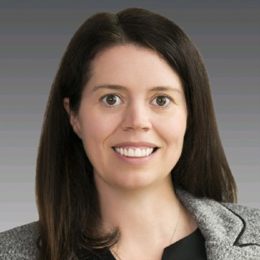
Recycling has emerged as a key strategy for increasing the supply of lithium. “When we think about key components of common battery chemistries, it isn’t so much about them being difficult to access as it is about ensuring that our sourcing is diversified enough,” explains Claire Zirkelbach, CFO of battery recycling materials and management company Cirba Solutions.
Claire Zirkelbach, CFO at Cirba Solutions (Photo: LinkedIn)
Recycled materials recovered from manufacturing scrap, end-of-life batteries and electronics provide a complementary, often more localised, supply stream that can reduce dependence on primary extraction, shorten supply chains and buffer against market fluctuations.
Closed-loop systems that include collection networks and partnerships with battery recycling infrastructure help capture those materials already in circulation, effectively turning waste into a strategic resource and reinforcing a more resilient and secure critical minerals supply chain.
Fastmarkets estimates that around 8% of global battery metal supply will come from battery recycling this year. Secondary content can help close the gap between supply and demand because these recycled battery materials can be used repeatedly.
It is clear that critical mineral producers offer scope for considerable returns. However, investors need to be aware that, according to the Critical Minerals Institute, the speed of deal-making in critical minerals is outstripping the necessary technical due diligence in some cases.
Given the importance of geological complexity, processing skills and operational expertise in this sector, such lapses can lead to serious consequences for project success and investor confidence.
Rare, Rarer, Rarest
Critical minerals encompass a wide range of naturally occurring elements and minerals, such as lithium, cobalt, nickel and copper. These minerals are essential in the production of everyday items, including batteries and electrical wiring, as well as in industrial applications such as energy storage systems and military electronics.
Even less exotic materials now fall into this category. In November 2025, the US Geological Survey added silver to the critical minerals list for the first time, just weeks before China imposed a complete ban on silver exports that led to a fourfold increase in silver prices.
Rare earth elements, which fall under the umbrella of critical minerals, play a pivotal role in green energy projects and defence manufacturing, as magnets made from these elements are a key component of electric motors, wind turbines, aircraft engines and generators.
The public sector is recognising the importance of private companies in meeting the increasing demand for critical minerals. In 2025, the Pentagon became the largest shareholder in MP Materials, the only fully integrated producer of rare earth magnets in the US.
China added MP Materials and USA Rare Earth, as well as eight other US entities it said are linked to the US military, to its export-control list in retaliation for Washington placing several Chinese companies under restrictions this month https://t.co/CK4xXDZZalpic.twitter.com/4LkonZz3hS
Data centres require a wide range of critical minerals to function, while a standard electric car requires about six times more mineral inputs than a similar vehicle with a conventional internal combustion engine. JP Morgan Global Research forecasts that global demand for lithium will grow by 16% this year, most of which will be driven, if you will pardon the pun, by electric vehicle production.
As demand for green energy solutions increases, demand for lithium will rise accordingly, potentially creating a market deficit. The supply chain for critical minerals and rare earths is already highly concentrated, with China supplying upwards of 90% of refined rare earths and magnets.
Ivan Murphy, Executive Chairman of Harena Rare Earths (Photo: LinkedIn)
One of the reasons for China’s dominance of the rare earths market is that, in addition to its own reserves, it has acquired production facilities in Africa, from which minerals are shipped back to China for refining.
“This level of control has made pricing very difficult and encouraged the US government to introduce floor pricing for the only rare earth mine in that country and make a huge investment in it,” observes Ivan Murphy, Executive Chairman of Harena Rare Earths. “But even within that opportunity for MP Materials, the majority of what it produces in California is light rare earths.”
For investors, the most accessible option for gaining market exposure to critical minerals is through specialised funds that track global indices of companies involved in mining and processing these strategic elements.
Direct trading of physical battery metals and rare earths generally occurs OTC between miners, processors and end-users. Derivative contracts play a large part in price discovery and hedging, with futures and options heavily traded on major exchanges.
Critical minerals often experience significant price swings, which create active trading opportunities. Adding such alternative assets allows brokers to attract a broader client base and can position them as forward-thinking trading firms aligned with ESG and energy transition trends.
The upside for producers is that customers are supply-sensitive rather than price-sensitive, which is clearly good news for companies such as Harena Rare Earths, especially with the UK forming its own critical minerals strategy.
“While the current critical minerals supply chain is concentrated in the Asia Pacific, there are opportunities for growth and expansion across regions,” says Bill Peterson, Head of Clean Tech and Metals & Mining Research at JP Morgan.
Juliette Fortin, Senior Managing Director in the Economic Consulting segment at FTI Consulting
“Supply-demand imbalances also impact volatility, with global demand responding to the energy transition,” she says. “Rare earth prices have been highly volatile since 2019, with a peak in early 2022 driven by post-COVID demand and rapid EV and battery growth.”
Supply growth for battery metals stabilised prices in 2024 and early 2025, until China’s export restrictions in April 2025.
Other factors affecting access to critical minerals include the risks associated with committing substantial long-term capital across multiple jurisdictions, as well as lengthy permitting and development timeframes in Western countries.
Tony Sage, Chairman and CEO of Critical Metals Corp
“Lithium remains constrained, not because of resource scarcity but because bringing new, high-quality supply online takes time and capital,” observes Tony Sage, Chairman and CEO of Critical Metals Corp. “Volatility is inherent in the sector. Lithium prices rose sharply and then corrected by more than 70% in a relatively short period, and similar cycles have played out across nickel, cobalt and other critical metals. From our perspective, that reinforces the need to focus on long-term fundamentals rather than short-term price cycles.”
The solution is not to chase pricing cycles but to advance high-quality assets that remain competitive across cycles. That means prioritising resource quality, favourable jurisdictions and proximity to end markets so that projects are economically viable and strategically relevant throughout the full commodity cycle.
A Virtuous Cycle
Recycling has emerged as a key strategy for increasing the supply of lithium. “When we think about key components of common battery chemistries, it isn’t so much about them being difficult to access as it is about ensuring that our sourcing is diversified enough,” explains Claire Zirkelbach, CFO of battery recycling materials and management company Cirba Solutions.
Claire Zirkelbach, CFO at Cirba Solutions (Photo: LinkedIn)
Recycled materials recovered from manufacturing scrap, end-of-life batteries and electronics provide a complementary, often more localised, supply stream that can reduce dependence on primary extraction, shorten supply chains and buffer against market fluctuations.
Closed-loop systems that include collection networks and partnerships with battery recycling infrastructure help capture those materials already in circulation, effectively turning waste into a strategic resource and reinforcing a more resilient and secure critical minerals supply chain.
Fastmarkets estimates that around 8% of global battery metal supply will come from battery recycling this year. Secondary content can help close the gap between supply and demand because these recycled battery materials can be used repeatedly.
It is clear that critical mineral producers offer scope for considerable returns. However, investors need to be aware that, according to the Critical Minerals Institute, the speed of deal-making in critical minerals is outstripping the necessary technical due diligence in some cases.
Given the importance of geological complexity, processing skills and operational expertise in this sector, such lapses can lead to serious consequences for project success and investor confidence.
Paul Golden is an experienced freelance financial journalist with a strong institutional background. Over the past two decades, he has written for globally recognised financial publications, covering topics such as market structure, regulation, trading behaviour, and economic policy.
AI Wave Reaches Prop Firms as FundedNext Launches MCP Server
Featured Videos
FM Daily Brief – 14 July 2026
FM Daily Brief – 14 July 2026
FM Daily Brief – 14 July 2026
FM Daily Brief – 14 July 2026
Today's Tuesday, the 14th of July 2026, and these are our main stories: NinjaTrader cuts ties with Alpha Futures, Russia opens regulated crypto CFDs, and ActivTrades reshapes its group structure.
Today's Tuesday, the 14th of July 2026, and these are our main stories: NinjaTrader cuts ties with Alpha Futures, Russia opens regulated crypto CFDs, and ActivTrades reshapes its group structure.
Today's Tuesday, the 14th of July 2026, and these are our main stories: NinjaTrader cuts ties with Alpha Futures, Russia opens regulated crypto CFDs, and ActivTrades reshapes its group structure.
Today's Tuesday, the 14th of July 2026, and these are our main stories: NinjaTrader cuts ties with Alpha Futures, Russia opens regulated crypto CFDs, and ActivTrades reshapes its group structure.
What's the one piece of advice that's shaped your success?
We asked finance leaders at iFX EXPO International, and their answers couldn't have been more different.
Scott Chiriaco shares why discipline is everything, while Charles Savva believes success starts with balance.
Which perspective do you agree with?
#FinanceMagnates #iFXEXPO #Leadership #Business #Fintech #Shorts
What's the one piece of advice that's shaped your success?
We asked finance leaders at iFX EXPO International, and their answers couldn't have been more different.
Scott Chiriaco shares why discipline is everything, while Charles Savva believes success starts with balance.
Which perspective do you agree with?
#FinanceMagnates #iFXEXPO #Leadership #Business #Fintech #Shorts
What's the one piece of advice that's shaped your success?
We asked finance leaders at iFX EXPO International, and their answers couldn't have been more different.
Scott Chiriaco shares why discipline is everything, while Charles Savva believes success starts with balance.
Which perspective do you agree with?
#FinanceMagnates #iFXEXPO #Leadership #Business #Fintech #Shorts
What's the one piece of advice that's shaped your success?
We asked finance leaders at iFX EXPO International, and their answers couldn't have been more different.
Scott Chiriaco shares why discipline is everything, while Charles Savva believes success starts with balance.
Which perspective do you agree with?
#FinanceMagnates #iFXEXPO #Leadership #Business #Fintech #Shorts
What's the one piece of advice that's shaped your success?
We asked finance leaders at iFX EXPO International, and their answers couldn't have been more different.
Scott Chiriaco shares why discipline is everything, while Charles Savva believes success starts with balance.
Which perspective do you agree with?
#FinanceMagnates #iFXEXPO #Leadership #Business #Fintech #Shorts
What's the one piece of advice that's shaped your success?
We asked finance leaders at iFX EXPO International, and their answers couldn't have been more different.
Scott Chiriaco shares why discipline is everything, while Charles Savva believes success starts with balance.
Which perspective do you agree with?
#FinanceMagnates #iFXEXPO #Leadership #Business #Fintech #Shorts
FM Daily Brief – 13 July 2026
FM Daily Brief – 13 July 2026
FM Daily Brief – 13 July 2026
FM Daily Brief – 13 July 2026
FM Daily Brief – 13 July 2026
FM Daily Brief – 13 July 2026
Today is Monday, the 13th of July 2026, and these are our main stories: Plus500 reports stronger first-half revenue, Asic cuts retail CFD levies in, and Pepperstone expands its perpetual CFD plans.
Today is Monday, the 13th of July 2026, and these are our main stories: Plus500 reports stronger first-half revenue, Asic cuts retail CFD levies in, and Pepperstone expands its perpetual CFD plans.
Today is Monday, the 13th of July 2026, and these are our main stories: Plus500 reports stronger first-half revenue, Asic cuts retail CFD levies in, and Pepperstone expands its perpetual CFD plans.
Today is Monday, the 13th of July 2026, and these are our main stories: Plus500 reports stronger first-half revenue, Asic cuts retail CFD levies in, and Pepperstone expands its perpetual CFD plans.
Today is Monday, the 13th of July 2026, and these are our main stories: Plus500 reports stronger first-half revenue, Asic cuts retail CFD levies in, and Pepperstone expands its perpetual CFD plans.
Today is Monday, the 13th of July 2026, and these are our main stories: Plus500 reports stronger first-half revenue, Asic cuts retail CFD levies in, and Pepperstone expands its perpetual CFD plans.
Freedom24 on the Future of Finance: Why Platforms & Ecosystems Are Becoming The Next Major Shift
Freedom24 on the Future of Finance: Why Platforms & Ecosystems Are Becoming The Next Major Shift
Freedom24 on the Future of Finance: Why Platforms & Ecosystems Are Becoming The Next Major Shift
Freedom24 on the Future of Finance: Why Platforms & Ecosystems Are Becoming The Next Major Shift
Freedom24 on the Future of Finance: Why Platforms & Ecosystems Are Becoming The Next Major Shift
Freedom24 on the Future of Finance: Why Platforms & Ecosystems Are Becoming The Next Major Shift
Is the future of financial services about brokers, banks, or something much bigger?
At iFX Expo International 2026, Adonis Adoni, News Editor at Finance Magnates, sits down with Valentin Shatalov, Head of Corporate Affairs at Freedom24, to discuss how financial services are changing and why integrated platforms could become the industry's next major shift.
In this interview, Valentin explains why access to financial markets is no longer enough, how customer expectations are changing, and why trust and local presence remain essential in an increasingly digital world.
In this interview:
- Why Freedom24 sees itself as more than a brokerage
- The move from financial products to platform ecosystems
- How AI is changing customer expectations
- Why trust matters more than technology alone
- The importance of local teams in a digital-first world
- What financial services could look like by 2030
- Lessons from Freedom's Super App success in Kazakhstan
If you're interested in fintech, online trading, brokerage innovation, or the future of investing, this interview offers valuable insights into where the industry is heading.
#Freedom24 #Fintech #Brokerage #Investing #Trading #FinancialServices #Banking #AI #DigitalTransformation #FinanceMagnates #iFXExpo #CapitalMarkets #Innovation #WealthManagement #FintechNews
Is the future of financial services about brokers, banks, or something much bigger?
At iFX Expo International 2026, Adonis Adoni, News Editor at Finance Magnates, sits down with Valentin Shatalov, Head of Corporate Affairs at Freedom24, to discuss how financial services are changing and why integrated platforms could become the industry's next major shift.
In this interview, Valentin explains why access to financial markets is no longer enough, how customer expectations are changing, and why trust and local presence remain essential in an increasingly digital world.
In this interview:
- Why Freedom24 sees itself as more than a brokerage
- The move from financial products to platform ecosystems
- How AI is changing customer expectations
- Why trust matters more than technology alone
- The importance of local teams in a digital-first world
- What financial services could look like by 2030
- Lessons from Freedom's Super App success in Kazakhstan
If you're interested in fintech, online trading, brokerage innovation, or the future of investing, this interview offers valuable insights into where the industry is heading.
#Freedom24 #Fintech #Brokerage #Investing #Trading #FinancialServices #Banking #AI #DigitalTransformation #FinanceMagnates #iFXExpo #CapitalMarkets #Innovation #WealthManagement #FintechNews
Is the future of financial services about brokers, banks, or something much bigger?
At iFX Expo International 2026, Adonis Adoni, News Editor at Finance Magnates, sits down with Valentin Shatalov, Head of Corporate Affairs at Freedom24, to discuss how financial services are changing and why integrated platforms could become the industry's next major shift.
In this interview, Valentin explains why access to financial markets is no longer enough, how customer expectations are changing, and why trust and local presence remain essential in an increasingly digital world.
In this interview:
- Why Freedom24 sees itself as more than a brokerage
- The move from financial products to platform ecosystems
- How AI is changing customer expectations
- Why trust matters more than technology alone
- The importance of local teams in a digital-first world
- What financial services could look like by 2030
- Lessons from Freedom's Super App success in Kazakhstan
If you're interested in fintech, online trading, brokerage innovation, or the future of investing, this interview offers valuable insights into where the industry is heading.
#Freedom24 #Fintech #Brokerage #Investing #Trading #FinancialServices #Banking #AI #DigitalTransformation #FinanceMagnates #iFXExpo #CapitalMarkets #Innovation #WealthManagement #FintechNews
Is the future of financial services about brokers, banks, or something much bigger?
At iFX Expo International 2026, Adonis Adoni, News Editor at Finance Magnates, sits down with Valentin Shatalov, Head of Corporate Affairs at Freedom24, to discuss how financial services are changing and why integrated platforms could become the industry's next major shift.
In this interview, Valentin explains why access to financial markets is no longer enough, how customer expectations are changing, and why trust and local presence remain essential in an increasingly digital world.
In this interview:
- Why Freedom24 sees itself as more than a brokerage
- The move from financial products to platform ecosystems
- How AI is changing customer expectations
- Why trust matters more than technology alone
- The importance of local teams in a digital-first world
- What financial services could look like by 2030
- Lessons from Freedom's Super App success in Kazakhstan
If you're interested in fintech, online trading, brokerage innovation, or the future of investing, this interview offers valuable insights into where the industry is heading.
#Freedom24 #Fintech #Brokerage #Investing #Trading #FinancialServices #Banking #AI #DigitalTransformation #FinanceMagnates #iFXExpo #CapitalMarkets #Innovation #WealthManagement #FintechNews
Is the future of financial services about brokers, banks, or something much bigger?
At iFX Expo International 2026, Adonis Adoni, News Editor at Finance Magnates, sits down with Valentin Shatalov, Head of Corporate Affairs at Freedom24, to discuss how financial services are changing and why integrated platforms could become the industry's next major shift.
In this interview, Valentin explains why access to financial markets is no longer enough, how customer expectations are changing, and why trust and local presence remain essential in an increasingly digital world.
In this interview:
- Why Freedom24 sees itself as more than a brokerage
- The move from financial products to platform ecosystems
- How AI is changing customer expectations
- Why trust matters more than technology alone
- The importance of local teams in a digital-first world
- What financial services could look like by 2030
- Lessons from Freedom's Super App success in Kazakhstan
If you're interested in fintech, online trading, brokerage innovation, or the future of investing, this interview offers valuable insights into where the industry is heading.
#Freedom24 #Fintech #Brokerage #Investing #Trading #FinancialServices #Banking #AI #DigitalTransformation #FinanceMagnates #iFXExpo #CapitalMarkets #Innovation #WealthManagement #FintechNews
Is the future of financial services about brokers, banks, or something much bigger?
At iFX Expo International 2026, Adonis Adoni, News Editor at Finance Magnates, sits down with Valentin Shatalov, Head of Corporate Affairs at Freedom24, to discuss how financial services are changing and why integrated platforms could become the industry's next major shift.
In this interview, Valentin explains why access to financial markets is no longer enough, how customer expectations are changing, and why trust and local presence remain essential in an increasingly digital world.
In this interview:
- Why Freedom24 sees itself as more than a brokerage
- The move from financial products to platform ecosystems
- How AI is changing customer expectations
- Why trust matters more than technology alone
- The importance of local teams in a digital-first world
- What financial services could look like by 2030
- Lessons from Freedom's Super App success in Kazakhstan
If you're interested in fintech, online trading, brokerage innovation, or the future of investing, this interview offers valuable insights into where the industry is heading.
#Freedom24 #Fintech #Brokerage #Investing #Trading #FinancialServices #Banking #AI #DigitalTransformation #FinanceMagnates #iFXExpo #CapitalMarkets #Innovation #WealthManagement #FintechNews
FM Daily Brief – 10 July 2026
FM Daily Brief – 10 July 2026
FM Daily Brief – 10 July 2026
FM Daily Brief – 10 July 2026
FM Daily Brief – 10 July 2026
FM Daily Brief – 10 July 2026
Today is Friday, the 10th of July 2026, and here are our main stories: US brokers posted record trading volumes in June, Tradeify's co-founders detail the firm's rapid growth, and the Genius Act's stablecoin deadline is ten days out.
Today is Friday, the 10th of July 2026, and here are our main stories: US brokers posted record trading volumes in June, Tradeify's co-founders detail the firm's rapid growth, and the Genius Act's stablecoin deadline is ten days out.
Today is Friday, the 10th of July 2026, and here are our main stories: US brokers posted record trading volumes in June, Tradeify's co-founders detail the firm's rapid growth, and the Genius Act's stablecoin deadline is ten days out.
Today is Friday, the 10th of July 2026, and here are our main stories: US brokers posted record trading volumes in June, Tradeify's co-founders detail the firm's rapid growth, and the Genius Act's stablecoin deadline is ten days out.
Today is Friday, the 10th of July 2026, and here are our main stories: US brokers posted record trading volumes in June, Tradeify's co-founders detail the firm's rapid growth, and the Genius Act's stablecoin deadline is ten days out.
Today is Friday, the 10th of July 2026, and here are our main stories: US brokers posted record trading volumes in June, Tradeify's co-founders detail the firm's rapid growth, and the Genius Act's stablecoin deadline is ten days out.