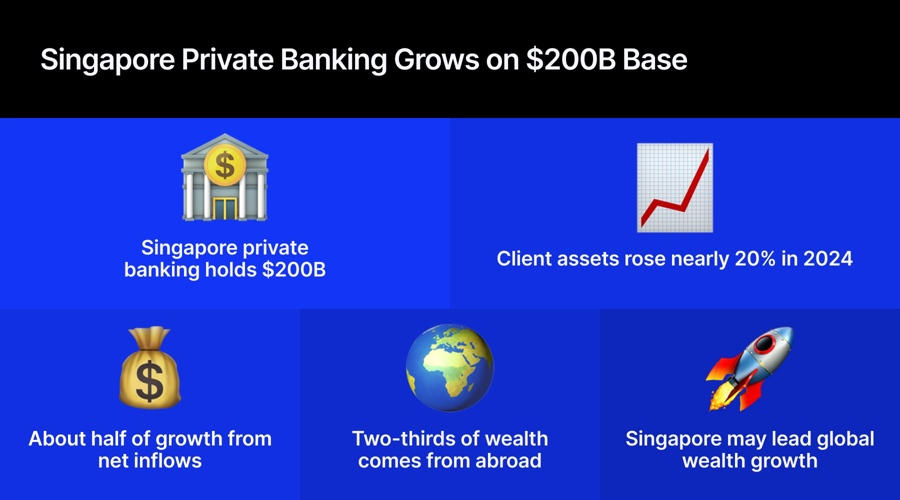
Private bank assets in Singapore rose nearly 20% in 2024, driven by strong inflows and demand.
Investors are shifting from Hong Kong to Singapore for long-term wealth management strategies.
Private banking is yet another segment of the wealth
management industry where Singapore is expected to experience growth in excess
of the regional average over the next few years.
Singapore’s private banks are estimated to hold
approximately $200 billion in managed global wealth, underlining its status as
the largest private banking centre in Asia, with just over two-thirds of the
funds managed originating from outside the city-state.
Rapid Growth in Private Wealth and Client Demand
Private wealth in Singapore is growing rapidly, with a burgeoning middle class
and an increasing number of ultra-high net worth individuals. At the same time,
there is a growing clientele from outside Singapore looking for investment
diversification opportunities.
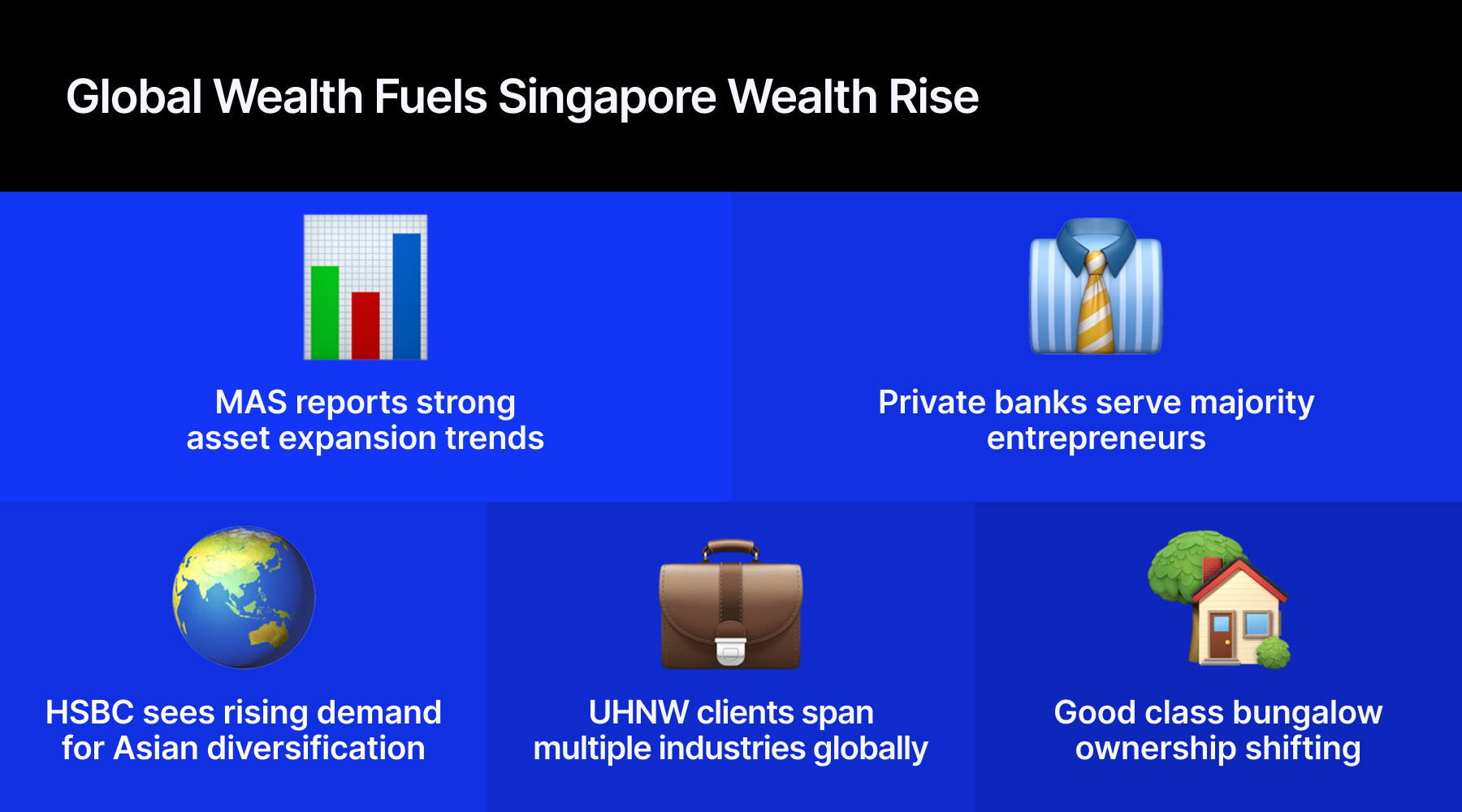
“Singapore is very encouraging at the highest end of the market, which plays
into how mainland Chinese entrepreneurs are layering diversification into their
investment portfolios,” comments Tommy Leung, head of South Asia at HSBC
Private Bank.
Hong Kong Remains Entry Point, but Singapore Gains Ground
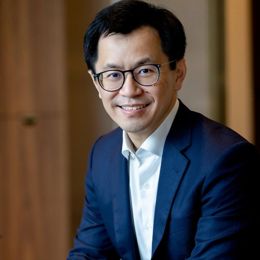
Tommy Leung, Head of South Asia at HSBC Private Bank
These individuals nearly always start in Hong Kong, as it is the closest
offshore booking centre. “But as their wealth increases, horizons expand and
needs broaden,” he continues.
“That is when other jurisdictions come into play, and
Singapore is the obvious choice within Asia for cultural and business reasons.
It tends to attract slightly older entrepreneurs who are further along their
wealth planning journey.”
Data from the Monetary Authority of Singapore indicates that private banking
client assets increased by almost 20% in 2024, with about half of that growth
coming from net new inflows. Looking ahead, BCG’s latest global wealth report
projects Singapore to be the fastest-growing wealth management centre over the
next four years.
Shift in Client Expectations and Advisory Models
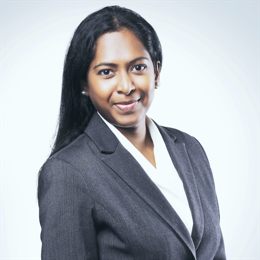
Nithi Genesan, Country head, Singapore at Waystone
Private banking is not for everyone. “There is a notable shift away from
traditional private banks, as clients increasingly prioritise independence, fee
transparency and conflict-free advice,” suggests Nithi Genesan, country head –
Singapore at Waystone.
However, Lillian Liao, market executive for Singapore and Malaysia and head of
Asia South investment counsellors at Citi Private Bank, says there are a number
of factors behind the significant growth in private banking client assets in
Singapore over the last few years.
“Singapore has cemented its position as a global wealth management hub by
cultivating a uniquely secure and dynamic environment for international
capital,” she says.
“At its core, its appeal lies in its geopolitical stability
and strong rule of law. This reputation as a safe and neutral jurisdiction
provides confidence for investors, reinforced by a robust regulatory
framework.”
Policy Balance Between Regulation and Openness
Singaporean policymakers appear to have achieved a balance between stringent
governance standards and an open, forward-looking approach, ensuring both
stability and attractiveness to sustained international capital.
Lillian Liao, Citi Private Bank
“More than just a booking centre, Singapore channels international capital into
the real economy to support long-term investment across sectors, rather than
short-term financial flows,” says Liao.
“It also acts as a key gateway for
capital deployment into the broader ASEAN region, enhancing its role as a hub
for international investment opportunities.”
Supporting this stable financial infrastructure is a global talent ecosystem
with strong international expertise, enabling it to serve not only Asian
clients but also global wealth.
This concentration of multilingual talent
across banking, investment, legal and trust services creates a full support
system capable of managing large-scale, cross-border wealth flows.
Lifestyle Factors Driving Wealth Migration
Beyond these financial and professional advantages, the
quality of life in Singapore transforms it from a temporary haven for assets
into a permanent home for families. It is perceived as a safe, stable and harmonious society, which, coupled with first-class education and healthcare, makes it a highly attractive destination for high-net-worth individuals seeking to relocate.
“This migration of not just wealth but of families further anchors assets
within the ecosystem, anchoring Singapore's status as a leading centre for
global wealth preservation and growth,” says Liao, adding that the sector is
distinguished by its highly international and globally connected clientele.
Diverse but Globally Oriented Client Base
“These clients hail from diverse geographies, with complex financial lives that
often span multiple jurisdictions, businesses and asset classes,” she says.
The market is known for the breadth of its wealth profiles, which range from
senior executives at top global corporations and successful entrepreneurs to
ultra-high net worth individuals and billionaires who have either built or
inherited their substantial fortunes.
This wealth is spread across a wide spectrum of industries,
including technology, finance, real estate and healthcare, creating a client
base that is both diversified and highly sophisticated.
Blending Old Wealth and New Wealth
Despite this diversity, a defining characteristic of
Singapore’s private banking clients is their shared global perspective and
financial acumen, suggests Liao.
“As investment-savvy individuals, they typically have global exposure in their
business, lifestyle and investments and a strong understanding of markets and
products,” she says. “They also represent a unique blend of old money and new
wealth, combining first-generation entrepreneurial wealth with established
family wealth, creating a dynamic mix of risk appetite and long-term legacy
thinking.”
These factors mean Singapore is seen as not just a domestic wealth hub but a
global convergence point where international capital, world-class talent and a
sophisticated, globally-minded clientele come together.
Oversea-Chinese Banking Corp (OCBC) on Monday said it will let institutional and private banking clients buy, sell and store physical gold in Singapore from June 10, expanding its business as demand for bullion rises.https://t.co/9EZ543nlQb
According to Liao, international individuals and families are increasingly
choosing Singapore not just to book assets but to make it their permanent home.
“That reflects the country’s unique value proposition, stability, strong
governance, openness and a high-quality living environment,” she says. “This
dynamic is visible beyond lifestyle – it is also mirrored in the changing
composition of Singapore’s rich list, which now features a dynamic blend of
first-generation entrepreneurs and new immigrants alongside traditional local
families.”
For example, the good class bungalow market (the most prestigious and exclusive
form of landed housing in Singapore) has seen a notable increase in transition
of ownership, with many properties being acquired by new immigrants and
globally mobile wealth.
Private banking is yet another segment of the wealth
management industry where Singapore is expected to experience growth in excess
of the regional average over the next few years.
Singapore’s private banks are estimated to hold
approximately $200 billion in managed global wealth, underlining its status as
the largest private banking centre in Asia, with just over two-thirds of the
funds managed originating from outside the city-state.
Rapid Growth in Private Wealth and Client Demand
Private wealth in Singapore is growing rapidly, with a burgeoning middle class
and an increasing number of ultra-high net worth individuals. At the same time,
there is a growing clientele from outside Singapore looking for investment
diversification opportunities.
“Singapore is very encouraging at the highest end of the market, which plays
into how mainland Chinese entrepreneurs are layering diversification into their
investment portfolios,” comments Tommy Leung, head of South Asia at HSBC
Private Bank.
Hong Kong Remains Entry Point, but Singapore Gains Ground
Tommy Leung, Head of South Asia at HSBC Private Bank
These individuals nearly always start in Hong Kong, as it is the closest
offshore booking centre. “But as their wealth increases, horizons expand and
needs broaden,” he continues.
“That is when other jurisdictions come into play, and
Singapore is the obvious choice within Asia for cultural and business reasons.
It tends to attract slightly older entrepreneurs who are further along their
wealth planning journey.”
Data from the Monetary Authority of Singapore indicates that private banking
client assets increased by almost 20% in 2024, with about half of that growth
coming from net new inflows. Looking ahead, BCG’s latest global wealth report
projects Singapore to be the fastest-growing wealth management centre over the
next four years.
Shift in Client Expectations and Advisory Models
Nithi Genesan, Country head, Singapore at Waystone
Private banking is not for everyone. “There is a notable shift away from
traditional private banks, as clients increasingly prioritise independence, fee
transparency and conflict-free advice,” suggests Nithi Genesan, country head –
Singapore at Waystone.
However, Lillian Liao, market executive for Singapore and Malaysia and head of
Asia South investment counsellors at Citi Private Bank, says there are a number
of factors behind the significant growth in private banking client assets in
Singapore over the last few years.
“Singapore has cemented its position as a global wealth management hub by
cultivating a uniquely secure and dynamic environment for international
capital,” she says.
“At its core, its appeal lies in its geopolitical stability
and strong rule of law. This reputation as a safe and neutral jurisdiction
provides confidence for investors, reinforced by a robust regulatory
framework.”
Policy Balance Between Regulation and Openness
Singaporean policymakers appear to have achieved a balance between stringent
governance standards and an open, forward-looking approach, ensuring both
stability and attractiveness to sustained international capital.
Lillian Liao, Citi Private Bank
“More than just a booking centre, Singapore channels international capital into
the real economy to support long-term investment across sectors, rather than
short-term financial flows,” says Liao.
“It also acts as a key gateway for
capital deployment into the broader ASEAN region, enhancing its role as a hub
for international investment opportunities.”
Supporting this stable financial infrastructure is a global talent ecosystem
with strong international expertise, enabling it to serve not only Asian
clients but also global wealth.
This concentration of multilingual talent
across banking, investment, legal and trust services creates a full support
system capable of managing large-scale, cross-border wealth flows.
Lifestyle Factors Driving Wealth Migration
Beyond these financial and professional advantages, the
quality of life in Singapore transforms it from a temporary haven for assets
into a permanent home for families. It is perceived as a safe, stable and harmonious society, which, coupled with first-class education and healthcare, makes it a highly attractive destination for high-net-worth individuals seeking to relocate.
“This migration of not just wealth but of families further anchors assets
within the ecosystem, anchoring Singapore's status as a leading centre for
global wealth preservation and growth,” says Liao, adding that the sector is
distinguished by its highly international and globally connected clientele.
Diverse but Globally Oriented Client Base
“These clients hail from diverse geographies, with complex financial lives that
often span multiple jurisdictions, businesses and asset classes,” she says.
The market is known for the breadth of its wealth profiles, which range from
senior executives at top global corporations and successful entrepreneurs to
ultra-high net worth individuals and billionaires who have either built or
inherited their substantial fortunes.
This wealth is spread across a wide spectrum of industries,
including technology, finance, real estate and healthcare, creating a client
base that is both diversified and highly sophisticated.
Blending Old Wealth and New Wealth
Despite this diversity, a defining characteristic of
Singapore’s private banking clients is their shared global perspective and
financial acumen, suggests Liao.
“As investment-savvy individuals, they typically have global exposure in their
business, lifestyle and investments and a strong understanding of markets and
products,” she says. “They also represent a unique blend of old money and new
wealth, combining first-generation entrepreneurial wealth with established
family wealth, creating a dynamic mix of risk appetite and long-term legacy
thinking.”
These factors mean Singapore is seen as not just a domestic wealth hub but a
global convergence point where international capital, world-class talent and a
sophisticated, globally-minded clientele come together.
Oversea-Chinese Banking Corp (OCBC) on Monday said it will let institutional and private banking clients buy, sell and store physical gold in Singapore from June 10, expanding its business as demand for bullion rises.https://t.co/9EZ543nlQb
According to Liao, international individuals and families are increasingly
choosing Singapore not just to book assets but to make it their permanent home.
“That reflects the country’s unique value proposition, stability, strong
governance, openness and a high-quality living environment,” she says. “This
dynamic is visible beyond lifestyle – it is also mirrored in the changing
composition of Singapore’s rich list, which now features a dynamic blend of
first-generation entrepreneurs and new immigrants alongside traditional local
families.”
For example, the good class bungalow market (the most prestigious and exclusive
form of landed housing in Singapore) has seen a notable increase in transition
of ownership, with many properties being acquired by new immigrants and
globally mobile wealth.
Paul Golden is an experienced freelance financial journalist with a strong institutional background. Over the past two decades, he has written for globally recognised financial publications, covering topics such as market structure, regulation, trading behaviour, and economic policy.
What's the one piece of advice that's shaped your success?
We asked finance leaders at iFX EXPO International, and their answers couldn't have been more different.
Scott Chiriaco shares why discipline is everything, while Charles Savva believes success starts with balance.
Which perspective do you agree with?
#FinanceMagnates #iFXEXPO #Leadership #Business #Fintech #Shorts
What's the one piece of advice that's shaped your success?
We asked finance leaders at iFX EXPO International, and their answers couldn't have been more different.
Scott Chiriaco shares why discipline is everything, while Charles Savva believes success starts with balance.
Which perspective do you agree with?
#FinanceMagnates #iFXEXPO #Leadership #Business #Fintech #Shorts
What's the one piece of advice that's shaped your success?
We asked finance leaders at iFX EXPO International, and their answers couldn't have been more different.
Scott Chiriaco shares why discipline is everything, while Charles Savva believes success starts with balance.
Which perspective do you agree with?
#FinanceMagnates #iFXEXPO #Leadership #Business #Fintech #Shorts
What's the one piece of advice that's shaped your success?
We asked finance leaders at iFX EXPO International, and their answers couldn't have been more different.
Scott Chiriaco shares why discipline is everything, while Charles Savva believes success starts with balance.
Which perspective do you agree with?
#FinanceMagnates #iFXEXPO #Leadership #Business #Fintech #Shorts
Today is Monday, the 13th of July 2026, and these are our main stories: Plus500 reports stronger first-half revenue, Asic cuts retail CFD levies in, and Pepperstone expands its perpetual CFD plans.
Today is Monday, the 13th of July 2026, and these are our main stories: Plus500 reports stronger first-half revenue, Asic cuts retail CFD levies in, and Pepperstone expands its perpetual CFD plans.
Today is Monday, the 13th of July 2026, and these are our main stories: Plus500 reports stronger first-half revenue, Asic cuts retail CFD levies in, and Pepperstone expands its perpetual CFD plans.
Today is Monday, the 13th of July 2026, and these are our main stories: Plus500 reports stronger first-half revenue, Asic cuts retail CFD levies in, and Pepperstone expands its perpetual CFD plans.
Today is Monday, the 13th of July 2026, and these are our main stories: Plus500 reports stronger first-half revenue, Asic cuts retail CFD levies in, and Pepperstone expands its perpetual CFD plans.
Today is Monday, the 13th of July 2026, and these are our main stories: Plus500 reports stronger first-half revenue, Asic cuts retail CFD levies in, and Pepperstone expands its perpetual CFD plans.
Freedom24 on the Future of Finance: Why Platforms & Ecosystems Are Becoming The Next Major Shift
Freedom24 on the Future of Finance: Why Platforms & Ecosystems Are Becoming The Next Major Shift
Freedom24 on the Future of Finance: Why Platforms & Ecosystems Are Becoming The Next Major Shift
Freedom24 on the Future of Finance: Why Platforms & Ecosystems Are Becoming The Next Major Shift
Freedom24 on the Future of Finance: Why Platforms & Ecosystems Are Becoming The Next Major Shift
Freedom24 on the Future of Finance: Why Platforms & Ecosystems Are Becoming The Next Major Shift
Is the future of financial services about brokers, banks, or something much bigger?
At iFX Expo International 2026, Adonis Adoni, News Editor at Finance Magnates, sits down with Valentin Shatalov, Head of Corporate Affairs at Freedom24, to discuss how financial services are changing and why integrated platforms could become the industry's next major shift.
In this interview, Valentin explains why access to financial markets is no longer enough, how customer expectations are changing, and why trust and local presence remain essential in an increasingly digital world.
In this interview:
- Why Freedom24 sees itself as more than a brokerage
- The move from financial products to platform ecosystems
- How AI is changing customer expectations
- Why trust matters more than technology alone
- The importance of local teams in a digital-first world
- What financial services could look like by 2030
- Lessons from Freedom's Super App success in Kazakhstan
If you're interested in fintech, online trading, brokerage innovation, or the future of investing, this interview offers valuable insights into where the industry is heading.
#Freedom24 #Fintech #Brokerage #Investing #Trading #FinancialServices #Banking #AI #DigitalTransformation #FinanceMagnates #iFXExpo #CapitalMarkets #Innovation #WealthManagement #FintechNews
Is the future of financial services about brokers, banks, or something much bigger?
At iFX Expo International 2026, Adonis Adoni, News Editor at Finance Magnates, sits down with Valentin Shatalov, Head of Corporate Affairs at Freedom24, to discuss how financial services are changing and why integrated platforms could become the industry's next major shift.
In this interview, Valentin explains why access to financial markets is no longer enough, how customer expectations are changing, and why trust and local presence remain essential in an increasingly digital world.
In this interview:
- Why Freedom24 sees itself as more than a brokerage
- The move from financial products to platform ecosystems
- How AI is changing customer expectations
- Why trust matters more than technology alone
- The importance of local teams in a digital-first world
- What financial services could look like by 2030
- Lessons from Freedom's Super App success in Kazakhstan
If you're interested in fintech, online trading, brokerage innovation, or the future of investing, this interview offers valuable insights into where the industry is heading.
#Freedom24 #Fintech #Brokerage #Investing #Trading #FinancialServices #Banking #AI #DigitalTransformation #FinanceMagnates #iFXExpo #CapitalMarkets #Innovation #WealthManagement #FintechNews
Is the future of financial services about brokers, banks, or something much bigger?
At iFX Expo International 2026, Adonis Adoni, News Editor at Finance Magnates, sits down with Valentin Shatalov, Head of Corporate Affairs at Freedom24, to discuss how financial services are changing and why integrated platforms could become the industry's next major shift.
In this interview, Valentin explains why access to financial markets is no longer enough, how customer expectations are changing, and why trust and local presence remain essential in an increasingly digital world.
In this interview:
- Why Freedom24 sees itself as more than a brokerage
- The move from financial products to platform ecosystems
- How AI is changing customer expectations
- Why trust matters more than technology alone
- The importance of local teams in a digital-first world
- What financial services could look like by 2030
- Lessons from Freedom's Super App success in Kazakhstan
If you're interested in fintech, online trading, brokerage innovation, or the future of investing, this interview offers valuable insights into where the industry is heading.
#Freedom24 #Fintech #Brokerage #Investing #Trading #FinancialServices #Banking #AI #DigitalTransformation #FinanceMagnates #iFXExpo #CapitalMarkets #Innovation #WealthManagement #FintechNews
Is the future of financial services about brokers, banks, or something much bigger?
At iFX Expo International 2026, Adonis Adoni, News Editor at Finance Magnates, sits down with Valentin Shatalov, Head of Corporate Affairs at Freedom24, to discuss how financial services are changing and why integrated platforms could become the industry's next major shift.
In this interview, Valentin explains why access to financial markets is no longer enough, how customer expectations are changing, and why trust and local presence remain essential in an increasingly digital world.
In this interview:
- Why Freedom24 sees itself as more than a brokerage
- The move from financial products to platform ecosystems
- How AI is changing customer expectations
- Why trust matters more than technology alone
- The importance of local teams in a digital-first world
- What financial services could look like by 2030
- Lessons from Freedom's Super App success in Kazakhstan
If you're interested in fintech, online trading, brokerage innovation, or the future of investing, this interview offers valuable insights into where the industry is heading.
#Freedom24 #Fintech #Brokerage #Investing #Trading #FinancialServices #Banking #AI #DigitalTransformation #FinanceMagnates #iFXExpo #CapitalMarkets #Innovation #WealthManagement #FintechNews
Is the future of financial services about brokers, banks, or something much bigger?
At iFX Expo International 2026, Adonis Adoni, News Editor at Finance Magnates, sits down with Valentin Shatalov, Head of Corporate Affairs at Freedom24, to discuss how financial services are changing and why integrated platforms could become the industry's next major shift.
In this interview, Valentin explains why access to financial markets is no longer enough, how customer expectations are changing, and why trust and local presence remain essential in an increasingly digital world.
In this interview:
- Why Freedom24 sees itself as more than a brokerage
- The move from financial products to platform ecosystems
- How AI is changing customer expectations
- Why trust matters more than technology alone
- The importance of local teams in a digital-first world
- What financial services could look like by 2030
- Lessons from Freedom's Super App success in Kazakhstan
If you're interested in fintech, online trading, brokerage innovation, or the future of investing, this interview offers valuable insights into where the industry is heading.
#Freedom24 #Fintech #Brokerage #Investing #Trading #FinancialServices #Banking #AI #DigitalTransformation #FinanceMagnates #iFXExpo #CapitalMarkets #Innovation #WealthManagement #FintechNews
Is the future of financial services about brokers, banks, or something much bigger?
At iFX Expo International 2026, Adonis Adoni, News Editor at Finance Magnates, sits down with Valentin Shatalov, Head of Corporate Affairs at Freedom24, to discuss how financial services are changing and why integrated platforms could become the industry's next major shift.
In this interview, Valentin explains why access to financial markets is no longer enough, how customer expectations are changing, and why trust and local presence remain essential in an increasingly digital world.
In this interview:
- Why Freedom24 sees itself as more than a brokerage
- The move from financial products to platform ecosystems
- How AI is changing customer expectations
- Why trust matters more than technology alone
- The importance of local teams in a digital-first world
- What financial services could look like by 2030
- Lessons from Freedom's Super App success in Kazakhstan
If you're interested in fintech, online trading, brokerage innovation, or the future of investing, this interview offers valuable insights into where the industry is heading.
#Freedom24 #Fintech #Brokerage #Investing #Trading #FinancialServices #Banking #AI #DigitalTransformation #FinanceMagnates #iFXExpo #CapitalMarkets #Innovation #WealthManagement #FintechNews
FM Daily Brief – 10 July 2026
FM Daily Brief – 10 July 2026
FM Daily Brief – 10 July 2026
FM Daily Brief – 10 July 2026
FM Daily Brief – 10 July 2026
FM Daily Brief – 10 July 2026
Today is Friday, the 10th of July 2026, and here are our main stories: US brokers posted record trading volumes in June, Tradeify's co-founders detail the firm's rapid growth, and the Genius Act's stablecoin deadline is ten days out.
Today is Friday, the 10th of July 2026, and here are our main stories: US brokers posted record trading volumes in June, Tradeify's co-founders detail the firm's rapid growth, and the Genius Act's stablecoin deadline is ten days out.
Today is Friday, the 10th of July 2026, and here are our main stories: US brokers posted record trading volumes in June, Tradeify's co-founders detail the firm's rapid growth, and the Genius Act's stablecoin deadline is ten days out.
Today is Friday, the 10th of July 2026, and here are our main stories: US brokers posted record trading volumes in June, Tradeify's co-founders detail the firm's rapid growth, and the Genius Act's stablecoin deadline is ten days out.
Today is Friday, the 10th of July 2026, and here are our main stories: US brokers posted record trading volumes in June, Tradeify's co-founders detail the firm's rapid growth, and the Genius Act's stablecoin deadline is ten days out.
Today is Friday, the 10th of July 2026, and here are our main stories: US brokers posted record trading volumes in June, Tradeify's co-founders detail the firm's rapid growth, and the Genius Act's stablecoin deadline is ten days out.
FM Daily Brief – 9 July 2026
FM Daily Brief – 9 July 2026
FM Daily Brief – 9 July 2026
FM Daily Brief – 9 July 2026
FM Daily Brief – 9 July 2026
FM Daily Brief – 9 July 2026
Today is Thursday, the 9th of July 2026 and here’s our main stories: Capital dot com's trading volumes slipped, while average trade size jumped. Trive loses its Australian license. And European lawmakers eye new rules for DeFi and staking.
Today is Thursday, the 9th of July 2026 and here’s our main stories: Capital dot com's trading volumes slipped, while average trade size jumped. Trive loses its Australian license. And European lawmakers eye new rules for DeFi and staking.
Today is Thursday, the 9th of July 2026 and here’s our main stories: Capital dot com's trading volumes slipped, while average trade size jumped. Trive loses its Australian license. And European lawmakers eye new rules for DeFi and staking.
Today is Thursday, the 9th of July 2026 and here’s our main stories: Capital dot com's trading volumes slipped, while average trade size jumped. Trive loses its Australian license. And European lawmakers eye new rules for DeFi and staking.
Today is Thursday, the 9th of July 2026 and here’s our main stories: Capital dot com's trading volumes slipped, while average trade size jumped. Trive loses its Australian license. And European lawmakers eye new rules for DeFi and staking.
Today is Thursday, the 9th of July 2026 and here’s our main stories: Capital dot com's trading volumes slipped, while average trade size jumped. Trive loses its Australian license. And European lawmakers eye new rules for DeFi and staking.