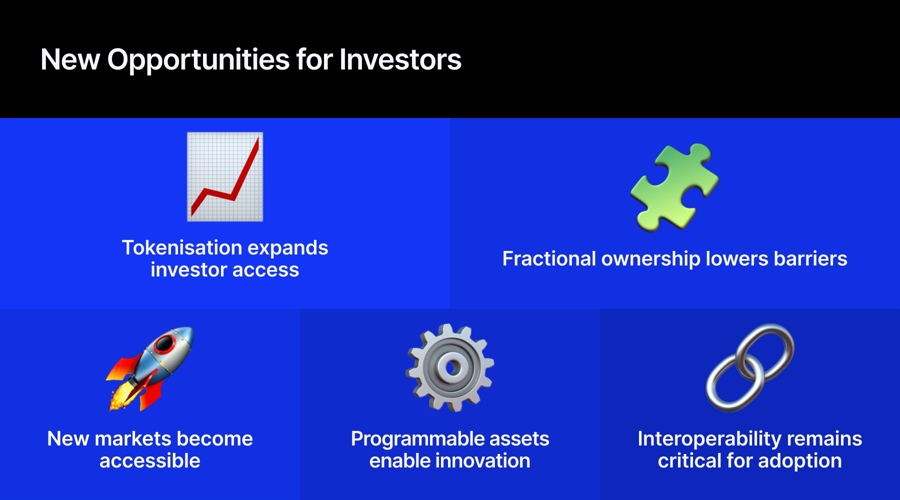
Fractional ownership and programmability may expand investor access to traditionally illiquid assets and new markets.
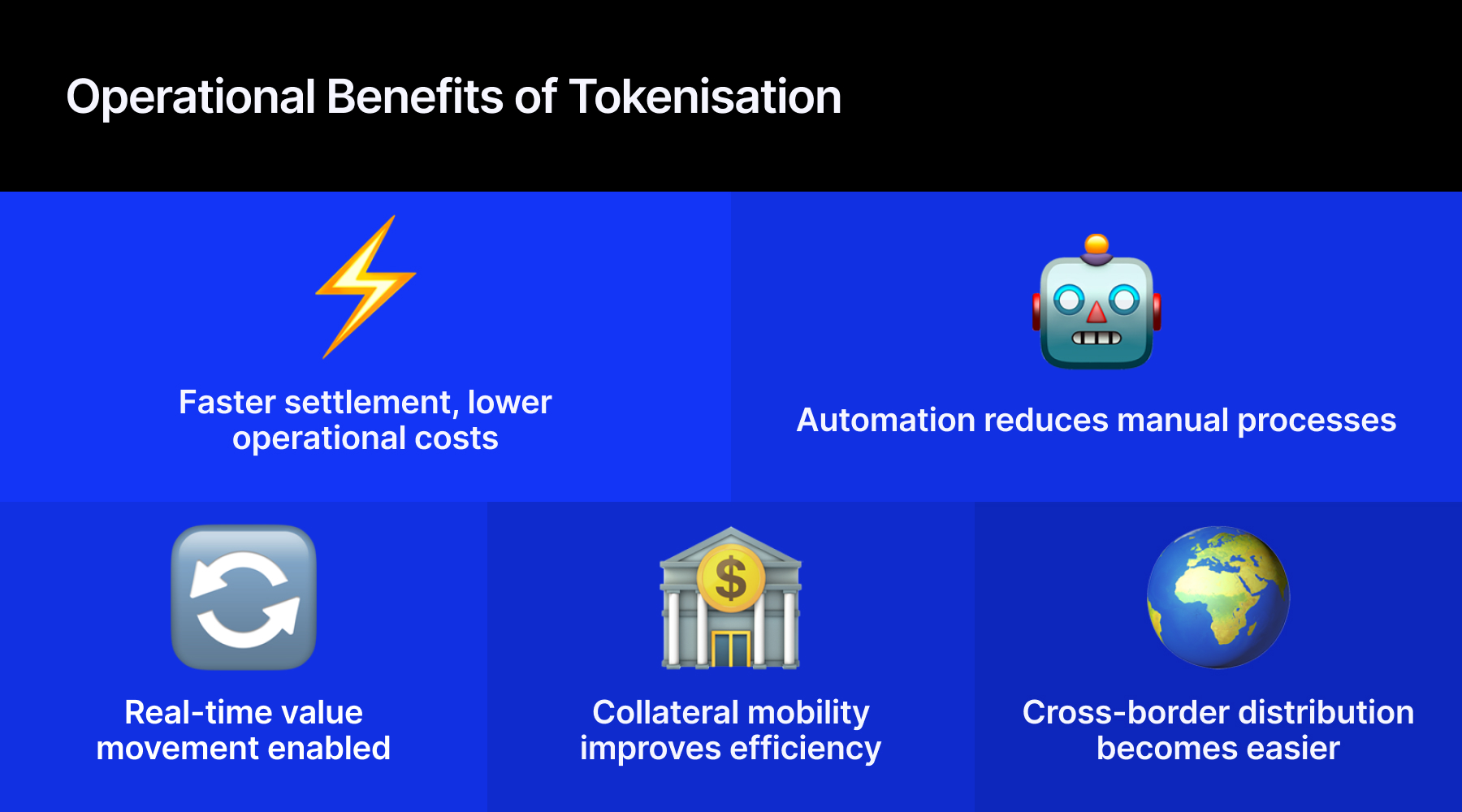
Institutions could benefit from improved collateral mobility, atomic settlement and reduced operational and counterparty risks.
Market participants have identified a wide range of
opportunities for capitalising on Singapore’s status as a regional leader in
asset tokenisation infrastructure.
The Investment Management Association of Singapore (IMAS)
has taken various steps to accelerate understanding and adoption of
tokenisation among the investment community. One example is its support for
education-focused initiatives, including a foundational e-learning module
developed with support from Schroders, Baker McKenzie Wong & Leow and
Phillip Capital.
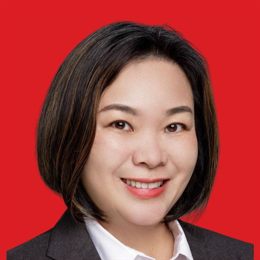
IMAS CEO Carmen Wee suggests that the industry can only
progress by building shared knowledge and readiness and says her organisation is
uniquely positioned to help its members identify emerging opportunities.
Automation, Transparency and Faster Settlement
Carmen Wee, CEO, Investment Management Association of Singapore
So, what do these potential benefits look like? According to
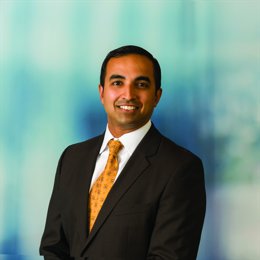
Justin Christopher, head of Asia at Calastone, some of the clearest gains are
operational: automation, transparency and shorter settlement cycles.
“Integrated properly, tokenisation
removes manual reconciliation, embeds compliance into workflows and strengthens
risk control,” he says. “Commercially, it also extends distribution.
Justin Christopher, Head of Asia at Calastone
Tokenised
instruments can reach beyond traditional channels into digital-native platforms
and new liquidity venues without stepping outside regulated frameworks.”
Looking ahead, Christopher reckons the real opportunity is
market-wide efficiency in the form of programmable assets interacting with
tokenised cash and collateral, enabling delivery-versus-payment models and more
efficient capital movement.
However, he acknowledges that this will only materialise if
tokenisation becomes part of trusted market infrastructure where digital and
traditional instruments operate seamlessly together rather than in fragmented
parallel systems.
“The infrastructure must support both models working
together efficiently and securely,” adds Christopher. “Tokenisation will only
succeed when it is interoperable, production-grade and connected to global
distribution networks.”
Bridging Traditional Finance and Blockchain Networks
Hubert Grignon Dumoulin, Digital Assets Senior Expert, CACEIS
The main current and potential future benefits of adopting
tokenisation are that financial entities may continue to use their current TradFi infrastructure
together with a public blockchain infrastructure while avoiding the creation of
separate processing silos for each asset class.
Blockchain also allows for a shortening of the settlement
cycle, continuous transactions without any cut-off, and fractionalisation of
assets.
That is the view of Hubert Grignon Dumoulin, digital assets
senior expert at CACEIS, who notes that industry stakeholders benefit from the
network effect of the crypto assets ecosystem while supporting the
internet-based finance that is key to attracting digital-native investors and
simplifying cross-border distribution of financial products.
Alvin Chia, Head of Digital Assets Innovation, Asia Pacific, Northern Trust
“The increased scale will reduce operational costs, while
opening up new business models associated with DeFi protocols, organisations
and more,” he says. “This technological revolution promises to be so
transformative that market participants are cautiously studying the optimal and
most secure ways to embrace tokenisation.”
Improving Collateral Mobility and Capital Efficiency
For institutional investors, tokenisation can improve
collateral mobility and enable atomic settlement, reducing counterparty and
operational risk. For asset owners and investors, fractionalisation and
programmability could expand access to assets that were previously
operationally complex or illiquid.
Chetan Karkhanis, SVP, Digital Asset Partnership Development, Franklin Templeton
“The longer-term opportunity is a more interoperable
financial system where assets, cash and data move seamlessly across networks,
unlocking new business models,” explains Alvin Chia, head of digital assets
innovation Asia Pacific for Northern Trust.
Real-time movement of high-quality assets and clear
visibility of exposures enhance liquidity and risk detection, agrees Chetan
Karkhanis, SVP, digital asset partnership development at Franklin Templeton.
“In the near future, the real upside is flexibility,” he
says. “Because tokenisation allows assets to be fractionalised, distributed
more broadly and embedded with logic that automates certain actions, it creates
room for new product design and more tailored investment access, particularly
in APAC, where
cross-border capital flows are significant. Over time, that flexibility could
lower barriers to entry and make markets more responsive to investor needs.”
Real-Time Treasury and Asset Movement
Ankur Kanwar, Global Head of Cash Structured Solutions Development, Standard Chartered
Given the programmability of tokenised assets, certain
processes can be further automated through smart contracts based on predefined
conditions to streamline workflows and lower operational costs.
“Tokenisation could also support the real economy by
enabling trade and financial assets to be distributed to a broader pool of
investors, potentially expanding access to financing,” suggests Ankur Kanwar,
head of transaction banking & cash management, Singapore and ASEAN and global at
Standard Chartered.
The bank has introduced a tokenised SGD and USD account
balances solution for Ant International on the latter’s blockchain-based
real-time global treasury management platform, building on learnings from the
Monetary Authority of Singapore’s Guardian initiative.
Duncan Trenholme, Managing Director, TP ICAP Fusion Digital Assets
“The solution was co-created with Ant International and aims
to enable it to future-proof its treasury and shift to real-time, 24/7 movement
of value in SGD and USD,” says Kanwar.
New Products and Broader Investor Access
Tokenised products have opened up new distribution channels,
particularly to digitally native investors, while stablecoins and tokenised
money market funds give users the ability to move value or rebalance risk
within minutes rather than days.
Meanwhile, tokenised gold products and oil perpetual futures
have gained traction for trading and hedging macro events that happen over the
weekend or outside of conventional trading hours.
“For institutions, the ability to post digital cash or
tokenised treasuries intraday reduces settlement risk and improves collateral
efficiency,” says Duncan Trenholme, managing director of TP ICAP Fusion Digital
Assets, who adds that the longer-term implications are more significant.
Huan Kiat, Fintech Director, PhillipCapital
When cash and collateral can move in minutes, funding
transitions from broad overnight blocks to precise intraday slices. The short
end of the rates curve begins to reflect these finer temporal units, meaning
collateral spreads tighten and reuse cycles accelerate.
“At the same time, on-chain-native derivatives lower the
marginal cost of creating and servicing instruments, making it commercially
viable to build more granular markets, meaning more bespoke exposures and more
acute trading strategies for clients,” adds Trenholme.
“Examples include on-chain prediction markets and on-chain
derivatives markets. The compression of time and the expansion of the
investable universe is where the real commercial impact of tokenisation will be
felt.”
Lowering Barriers for Retail Investors
For retail
investors, tokenisation has the potential to lower entry barriers through
fractional ownership and broaden access to traditionally illiquid asset
classes. On the other hand, it creates opportunities for intermediaries to
streamline post-trade processes and rethink distribution models.
“Furthermore, if liquidity and standards mature over time,
tokenisation could support more efficient capital formation and portfolio
diversification,” concludes Huan Kiat, fintech director at PhillipCapital.
“Ultimately, its long-term impact will depend on whether it delivers tangible
improvements in cost, access and execution compared with traditional
structures.”
Market participants have identified a wide range of
opportunities for capitalising on Singapore’s status as a regional leader in
asset tokenisation infrastructure.
The Investment Management Association of Singapore (IMAS)
has taken various steps to accelerate understanding and adoption of
tokenisation among the investment community. One example is its support for
education-focused initiatives, including a foundational e-learning module
developed with support from Schroders, Baker McKenzie Wong & Leow and
Phillip Capital.
IMAS CEO Carmen Wee suggests that the industry can only
progress by building shared knowledge and readiness and says her organisation is
uniquely positioned to help its members identify emerging opportunities.
Automation, Transparency and Faster Settlement
Carmen Wee, CEO, Investment Management Association of Singapore
So, what do these potential benefits look like? According to
Justin Christopher, head of Asia at Calastone, some of the clearest gains are
operational: automation, transparency and shorter settlement cycles.
“Integrated properly, tokenisation
removes manual reconciliation, embeds compliance into workflows and strengthens
risk control,” he says. “Commercially, it also extends distribution.
Justin Christopher, Head of Asia at Calastone
Tokenised
instruments can reach beyond traditional channels into digital-native platforms
and new liquidity venues without stepping outside regulated frameworks.”
Looking ahead, Christopher reckons the real opportunity is
market-wide efficiency in the form of programmable assets interacting with
tokenised cash and collateral, enabling delivery-versus-payment models and more
efficient capital movement.
However, he acknowledges that this will only materialise if
tokenisation becomes part of trusted market infrastructure where digital and
traditional instruments operate seamlessly together rather than in fragmented
parallel systems.
“The infrastructure must support both models working
together efficiently and securely,” adds Christopher. “Tokenisation will only
succeed when it is interoperable, production-grade and connected to global
distribution networks.”
Bridging Traditional Finance and Blockchain Networks
Hubert Grignon Dumoulin, Digital Assets Senior Expert, CACEIS
The main current and potential future benefits of adopting
tokenisation are that financial entities may continue to use their current TradFi infrastructure
together with a public blockchain infrastructure while avoiding the creation of
separate processing silos for each asset class.
Blockchain also allows for a shortening of the settlement
cycle, continuous transactions without any cut-off, and fractionalisation of
assets.
That is the view of Hubert Grignon Dumoulin, digital assets
senior expert at CACEIS, who notes that industry stakeholders benefit from the
network effect of the crypto assets ecosystem while supporting the
internet-based finance that is key to attracting digital-native investors and
simplifying cross-border distribution of financial products.
Alvin Chia, Head of Digital Assets Innovation, Asia Pacific, Northern Trust
“The increased scale will reduce operational costs, while
opening up new business models associated with DeFi protocols, organisations
and more,” he says. “This technological revolution promises to be so
transformative that market participants are cautiously studying the optimal and
most secure ways to embrace tokenisation.”
Improving Collateral Mobility and Capital Efficiency
For institutional investors, tokenisation can improve
collateral mobility and enable atomic settlement, reducing counterparty and
operational risk. For asset owners and investors, fractionalisation and
programmability could expand access to assets that were previously
operationally complex or illiquid.
Chetan Karkhanis, SVP, Digital Asset Partnership Development, Franklin Templeton
“The longer-term opportunity is a more interoperable
financial system where assets, cash and data move seamlessly across networks,
unlocking new business models,” explains Alvin Chia, head of digital assets
innovation Asia Pacific for Northern Trust.
Real-time movement of high-quality assets and clear
visibility of exposures enhance liquidity and risk detection, agrees Chetan
Karkhanis, SVP, digital asset partnership development at Franklin Templeton.
“In the near future, the real upside is flexibility,” he
says. “Because tokenisation allows assets to be fractionalised, distributed
more broadly and embedded with logic that automates certain actions, it creates
room for new product design and more tailored investment access, particularly
in APAC, where
cross-border capital flows are significant. Over time, that flexibility could
lower barriers to entry and make markets more responsive to investor needs.”
Real-Time Treasury and Asset Movement
Ankur Kanwar, Global Head of Cash Structured Solutions Development, Standard Chartered
Given the programmability of tokenised assets, certain
processes can be further automated through smart contracts based on predefined
conditions to streamline workflows and lower operational costs.
“Tokenisation could also support the real economy by
enabling trade and financial assets to be distributed to a broader pool of
investors, potentially expanding access to financing,” suggests Ankur Kanwar,
head of transaction banking & cash management, Singapore and ASEAN and global at
Standard Chartered.
The bank has introduced a tokenised SGD and USD account
balances solution for Ant International on the latter’s blockchain-based
real-time global treasury management platform, building on learnings from the
Monetary Authority of Singapore’s Guardian initiative.
Duncan Trenholme, Managing Director, TP ICAP Fusion Digital Assets
“The solution was co-created with Ant International and aims
to enable it to future-proof its treasury and shift to real-time, 24/7 movement
of value in SGD and USD,” says Kanwar.
New Products and Broader Investor Access
Tokenised products have opened up new distribution channels,
particularly to digitally native investors, while stablecoins and tokenised
money market funds give users the ability to move value or rebalance risk
within minutes rather than days.
Meanwhile, tokenised gold products and oil perpetual futures
have gained traction for trading and hedging macro events that happen over the
weekend or outside of conventional trading hours.
“For institutions, the ability to post digital cash or
tokenised treasuries intraday reduces settlement risk and improves collateral
efficiency,” says Duncan Trenholme, managing director of TP ICAP Fusion Digital
Assets, who adds that the longer-term implications are more significant.
Huan Kiat, Fintech Director, PhillipCapital
When cash and collateral can move in minutes, funding
transitions from broad overnight blocks to precise intraday slices. The short
end of the rates curve begins to reflect these finer temporal units, meaning
collateral spreads tighten and reuse cycles accelerate.
“At the same time, on-chain-native derivatives lower the
marginal cost of creating and servicing instruments, making it commercially
viable to build more granular markets, meaning more bespoke exposures and more
acute trading strategies for clients,” adds Trenholme.
“Examples include on-chain prediction markets and on-chain
derivatives markets. The compression of time and the expansion of the
investable universe is where the real commercial impact of tokenisation will be
felt.”
Lowering Barriers for Retail Investors
For retail
investors, tokenisation has the potential to lower entry barriers through
fractional ownership and broaden access to traditionally illiquid asset
classes. On the other hand, it creates opportunities for intermediaries to
streamline post-trade processes and rethink distribution models.
“Furthermore, if liquidity and standards mature over time,
tokenisation could support more efficient capital formation and portfolio
diversification,” concludes Huan Kiat, fintech director at PhillipCapital.
“Ultimately, its long-term impact will depend on whether it delivers tangible
improvements in cost, access and execution compared with traditional
structures.”
Paul Golden is an experienced freelance financial journalist with a strong institutional background. Over the past two decades, he has written for globally recognised financial publications, covering topics such as market structure, regulation, trading behaviour, and economic policy.
Capitolis Raises $220 Million to Support $200 Million eSecLending Deal
Featured Videos
AvaTrade to Acquire Most of FXCM; NAGA Raises $8M
AvaTrade to Acquire Most of FXCM; NAGA Raises $8M
AvaTrade to Acquire Most of FXCM; NAGA Raises $8M
AvaTrade to Acquire Most of FXCM; NAGA Raises $8M
Today’s financial news recap covers AvaTrade agrees to acquire most of FXCM, NAGA secures eight million dollars in new financing, and Wise seeks a tax settlement in the UK.
Finance Magnates Daily Recap brings you the latest news from forex and CFD brokers, fintech, payments, cryptocurrency, digital assets, trading platforms, financial regulation and global markets.
Get the key company news, executive moves, deals, regulatory updates and market developments of the day, in just a few minutes. New episodes published every weekday.
Read more: https://www.financemagnates.com
#FinanceMagnates #ForexNews #FintechNews
Today’s financial news recap covers AvaTrade agrees to acquire most of FXCM, NAGA secures eight million dollars in new financing, and Wise seeks a tax settlement in the UK.
Finance Magnates Daily Recap brings you the latest news from forex and CFD brokers, fintech, payments, cryptocurrency, digital assets, trading platforms, financial regulation and global markets.
Get the key company news, executive moves, deals, regulatory updates and market developments of the day, in just a few minutes. New episodes published every weekday.
Read more: https://www.financemagnates.com
#FinanceMagnates #ForexNews #FintechNews
Today’s financial news recap covers AvaTrade agrees to acquire most of FXCM, NAGA secures eight million dollars in new financing, and Wise seeks a tax settlement in the UK.
Finance Magnates Daily Recap brings you the latest news from forex and CFD brokers, fintech, payments, cryptocurrency, digital assets, trading platforms, financial regulation and global markets.
Get the key company news, executive moves, deals, regulatory updates and market developments of the day, in just a few minutes. New episodes published every weekday.
Read more: https://www.financemagnates.com
#FinanceMagnates #ForexNews #FintechNews
Today’s financial news recap covers AvaTrade agrees to acquire most of FXCM, NAGA secures eight million dollars in new financing, and Wise seeks a tax settlement in the UK.
Finance Magnates Daily Recap brings you the latest news from forex and CFD brokers, fintech, payments, cryptocurrency, digital assets, trading platforms, financial regulation and global markets.
Get the key company news, executive moves, deals, regulatory updates and market developments of the day, in just a few minutes. New episodes published every weekday.
Read more: https://www.financemagnates.com
#FinanceMagnates #ForexNews #FintechNews
XTB Adds Overnight US Stock Trading; Nasdaq Ventures Invests in One Trading
XTB Adds Overnight US Stock Trading; Nasdaq Ventures Invests in One Trading
XTB Adds Overnight US Stock Trading; Nasdaq Ventures Invests in One Trading
XTB Adds Overnight US Stock Trading; Nasdaq Ventures Invests in One Trading
XTB Adds Overnight US Stock Trading; Nasdaq Ventures Invests in One Trading
XTB Adds Overnight US Stock Trading; Nasdaq Ventures Invests in One Trading
Today’s financial news recap covers XTB expands overnight US stock trading, Fortrade reports higher revenue, Nasdaq backs One Trading, and Vest Labs raises 13 million dollars.
Finance Magnates Daily Recap brings you the latest news from forex and CFD brokers, fintech, payments, cryptocurrency, digital assets, trading platforms, financial regulation and global markets.
Get the key company news, executive moves, deals, regulatory updates and market developments of the day, in just a few minutes. New episodes published every weekday.
Read more: https://www.financemagnates.com
#FinanceMagnates #ForexNews #FintechNews
Today’s financial news recap covers XTB expands overnight US stock trading, Fortrade reports higher revenue, Nasdaq backs One Trading, and Vest Labs raises 13 million dollars.
Finance Magnates Daily Recap brings you the latest news from forex and CFD brokers, fintech, payments, cryptocurrency, digital assets, trading platforms, financial regulation and global markets.
Get the key company news, executive moves, deals, regulatory updates and market developments of the day, in just a few minutes. New episodes published every weekday.
Read more: https://www.financemagnates.com
#FinanceMagnates #ForexNews #FintechNews
Today’s financial news recap covers XTB expands overnight US stock trading, Fortrade reports higher revenue, Nasdaq backs One Trading, and Vest Labs raises 13 million dollars.
Finance Magnates Daily Recap brings you the latest news from forex and CFD brokers, fintech, payments, cryptocurrency, digital assets, trading platforms, financial regulation and global markets.
Get the key company news, executive moves, deals, regulatory updates and market developments of the day, in just a few minutes. New episodes published every weekday.
Read more: https://www.financemagnates.com
#FinanceMagnates #ForexNews #FintechNews
Today’s financial news recap covers XTB expands overnight US stock trading, Fortrade reports higher revenue, Nasdaq backs One Trading, and Vest Labs raises 13 million dollars.
Finance Magnates Daily Recap brings you the latest news from forex and CFD brokers, fintech, payments, cryptocurrency, digital assets, trading platforms, financial regulation and global markets.
Get the key company news, executive moves, deals, regulatory updates and market developments of the day, in just a few minutes. New episodes published every weekday.
Read more: https://www.financemagnates.com
#FinanceMagnates #ForexNews #FintechNews
Today’s financial news recap covers XTB expands overnight US stock trading, Fortrade reports higher revenue, Nasdaq backs One Trading, and Vest Labs raises 13 million dollars.
Finance Magnates Daily Recap brings you the latest news from forex and CFD brokers, fintech, payments, cryptocurrency, digital assets, trading platforms, financial regulation and global markets.
Get the key company news, executive moves, deals, regulatory updates and market developments of the day, in just a few minutes. New episodes published every weekday.
Read more: https://www.financemagnates.com
#FinanceMagnates #ForexNews #FintechNews
Today’s financial news recap covers XTB expands overnight US stock trading, Fortrade reports higher revenue, Nasdaq backs One Trading, and Vest Labs raises 13 million dollars.
Finance Magnates Daily Recap brings you the latest news from forex and CFD brokers, fintech, payments, cryptocurrency, digital assets, trading platforms, financial regulation and global markets.
Get the key company news, executive moves, deals, regulatory updates and market developments of the day, in just a few minutes. New episodes published every weekday.
Read more: https://www.financemagnates.com
#FinanceMagnates #ForexNews #FintechNews
CMC Founder Downplays Volatility Hit; Devexperts Names CEO
CMC Founder Downplays Volatility Hit; Devexperts Names CEO
CMC Founder Downplays Volatility Hit; Devexperts Names CEO
CMC Founder Downplays Volatility Hit; Devexperts Names CEO
CMC Founder Downplays Volatility Hit; Devexperts Names CEO
CMC Founder Downplays Volatility Hit; Devexperts Names CEO
Today’s financial news recap covers low volatility pressures brokers, Devexperts names a new CEO, Saxo cuts onboarding time, and OKX reaches a 25 billion dollar valuation.
Finance Magnates Daily Recap brings you the latest news from forex and CFD brokers, fintech, payments, cryptocurrency, digital assets, trading platforms, financial regulation and global markets.
Get the key company news, executive moves, deals, regulatory updates and market developments of the day, in just a few minutes. New episodes published every weekday.
Read more: https://www.financemagnates.com
#FinanceMagnates #ForexNews #FintechNews
Today’s financial news recap covers low volatility pressures brokers, Devexperts names a new CEO, Saxo cuts onboarding time, and OKX reaches a 25 billion dollar valuation.
Finance Magnates Daily Recap brings you the latest news from forex and CFD brokers, fintech, payments, cryptocurrency, digital assets, trading platforms, financial regulation and global markets.
Get the key company news, executive moves, deals, regulatory updates and market developments of the day, in just a few minutes. New episodes published every weekday.
Read more: https://www.financemagnates.com
#FinanceMagnates #ForexNews #FintechNews
Today’s financial news recap covers low volatility pressures brokers, Devexperts names a new CEO, Saxo cuts onboarding time, and OKX reaches a 25 billion dollar valuation.
Finance Magnates Daily Recap brings you the latest news from forex and CFD brokers, fintech, payments, cryptocurrency, digital assets, trading platforms, financial regulation and global markets.
Get the key company news, executive moves, deals, regulatory updates and market developments of the day, in just a few minutes. New episodes published every weekday.
Read more: https://www.financemagnates.com
#FinanceMagnates #ForexNews #FintechNews
Today’s financial news recap covers low volatility pressures brokers, Devexperts names a new CEO, Saxo cuts onboarding time, and OKX reaches a 25 billion dollar valuation.
Finance Magnates Daily Recap brings you the latest news from forex and CFD brokers, fintech, payments, cryptocurrency, digital assets, trading platforms, financial regulation and global markets.
Get the key company news, executive moves, deals, regulatory updates and market developments of the day, in just a few minutes. New episodes published every weekday.
Read more: https://www.financemagnates.com
#FinanceMagnates #ForexNews #FintechNews
Today’s financial news recap covers low volatility pressures brokers, Devexperts names a new CEO, Saxo cuts onboarding time, and OKX reaches a 25 billion dollar valuation.
Finance Magnates Daily Recap brings you the latest news from forex and CFD brokers, fintech, payments, cryptocurrency, digital assets, trading platforms, financial regulation and global markets.
Get the key company news, executive moves, deals, regulatory updates and market developments of the day, in just a few minutes. New episodes published every weekday.
Read more: https://www.financemagnates.com
#FinanceMagnates #ForexNews #FintechNews
Today’s financial news recap covers low volatility pressures brokers, Devexperts names a new CEO, Saxo cuts onboarding time, and OKX reaches a 25 billion dollar valuation.
Finance Magnates Daily Recap brings you the latest news from forex and CFD brokers, fintech, payments, cryptocurrency, digital assets, trading platforms, financial regulation and global markets.
Get the key company news, executive moves, deals, regulatory updates and market developments of the day, in just a few minutes. New episodes published every weekday.
Read more: https://www.financemagnates.com
#FinanceMagnates #ForexNews #FintechNews
Today’s financial news recap covers Trade Nation buys FXCM's UK client book, Trading 212 reports higher revenue, the CFTC's move to allow perpetual index futures.
Finance Magnates Daily Recap brings you the latest news from forex and CFD brokers, fintech, payments, cryptocurrency, digital assets, trading platforms, financial regulation and global markets.
Get the key company news, executive moves, deals, regulatory updates and market developments of the day, in just a few minutes. New episodes published every weekday.
Read more: https://www.financemagnates.com
#FinanceMagnates #ForexNews #FintechNews
Today’s financial news recap covers Trade Nation buys FXCM's UK client book, Trading 212 reports higher revenue, the CFTC's move to allow perpetual index futures.
Finance Magnates Daily Recap brings you the latest news from forex and CFD brokers, fintech, payments, cryptocurrency, digital assets, trading platforms, financial regulation and global markets.
Get the key company news, executive moves, deals, regulatory updates and market developments of the day, in just a few minutes. New episodes published every weekday.
Read more: https://www.financemagnates.com
#FinanceMagnates #ForexNews #FintechNews
Today’s financial news recap covers Trade Nation buys FXCM's UK client book, Trading 212 reports higher revenue, the CFTC's move to allow perpetual index futures.
Finance Magnates Daily Recap brings you the latest news from forex and CFD brokers, fintech, payments, cryptocurrency, digital assets, trading platforms, financial regulation and global markets.
Get the key company news, executive moves, deals, regulatory updates and market developments of the day, in just a few minutes. New episodes published every weekday.
Read more: https://www.financemagnates.com
#FinanceMagnates #ForexNews #FintechNews
Today’s financial news recap covers Trade Nation buys FXCM's UK client book, Trading 212 reports higher revenue, the CFTC's move to allow perpetual index futures.
Finance Magnates Daily Recap brings you the latest news from forex and CFD brokers, fintech, payments, cryptocurrency, digital assets, trading platforms, financial regulation and global markets.
Get the key company news, executive moves, deals, regulatory updates and market developments of the day, in just a few minutes. New episodes published every weekday.
Read more: https://www.financemagnates.com
#FinanceMagnates #ForexNews #FintechNews
Today’s financial news recap covers Trade Nation buys FXCM's UK client book, Trading 212 reports higher revenue, the CFTC's move to allow perpetual index futures.
Finance Magnates Daily Recap brings you the latest news from forex and CFD brokers, fintech, payments, cryptocurrency, digital assets, trading platforms, financial regulation and global markets.
Get the key company news, executive moves, deals, regulatory updates and market developments of the day, in just a few minutes. New episodes published every weekday.
Read more: https://www.financemagnates.com
#FinanceMagnates #ForexNews #FintechNews
Today’s financial news recap covers Trade Nation buys FXCM's UK client book, Trading 212 reports higher revenue, the CFTC's move to allow perpetual index futures.
Finance Magnates Daily Recap brings you the latest news from forex and CFD brokers, fintech, payments, cryptocurrency, digital assets, trading platforms, financial regulation and global markets.
Get the key company news, executive moves, deals, regulatory updates and market developments of the day, in just a few minutes. New episodes published every weekday.
Read more: https://www.financemagnates.com
#FinanceMagnates #ForexNews #FintechNews
Your career isn’t a linear path.
Your career isn’t a linear path.
Your career isn’t a linear path.
Your career isn’t a linear path.
Your career isn’t a linear path.
Your career isn’t a linear path.
Roles change. Career goals change. Sometimes you want a completely new challenge.
But the skills and knowledge you build along the way can stay with you and give you something to build on.
For Jeff Patterson, that continued growth is key to long-term career development.
You bring the skills. FM Academy helps you build the knowledge.
#FMAcademy #FinanceMagnates #FinanceCareers #ProfessionalDevelopment #Fintech
Roles change. Career goals change. Sometimes you want a completely new challenge.
But the skills and knowledge you build along the way can stay with you and give you something to build on.
For Jeff Patterson, that continued growth is key to long-term career development.
You bring the skills. FM Academy helps you build the knowledge.
#FMAcademy #FinanceMagnates #FinanceCareers #ProfessionalDevelopment #Fintech
Roles change. Career goals change. Sometimes you want a completely new challenge.
But the skills and knowledge you build along the way can stay with you and give you something to build on.
For Jeff Patterson, that continued growth is key to long-term career development.
You bring the skills. FM Academy helps you build the knowledge.
#FMAcademy #FinanceMagnates #FinanceCareers #ProfessionalDevelopment #Fintech
Roles change. Career goals change. Sometimes you want a completely new challenge.
But the skills and knowledge you build along the way can stay with you and give you something to build on.
For Jeff Patterson, that continued growth is key to long-term career development.
You bring the skills. FM Academy helps you build the knowledge.
#FMAcademy #FinanceMagnates #FinanceCareers #ProfessionalDevelopment #Fintech
Roles change. Career goals change. Sometimes you want a completely new challenge.
But the skills and knowledge you build along the way can stay with you and give you something to build on.
For Jeff Patterson, that continued growth is key to long-term career development.
You bring the skills. FM Academy helps you build the knowledge.
#FMAcademy #FinanceMagnates #FinanceCareers #ProfessionalDevelopment #Fintech
Roles change. Career goals change. Sometimes you want a completely new challenge.
But the skills and knowledge you build along the way can stay with you and give you something to build on.
For Jeff Patterson, that continued growth is key to long-term career development.
You bring the skills. FM Academy helps you build the knowledge.
#FMAcademy #FinanceMagnates #FinanceCareers #ProfessionalDevelopment #Fintech