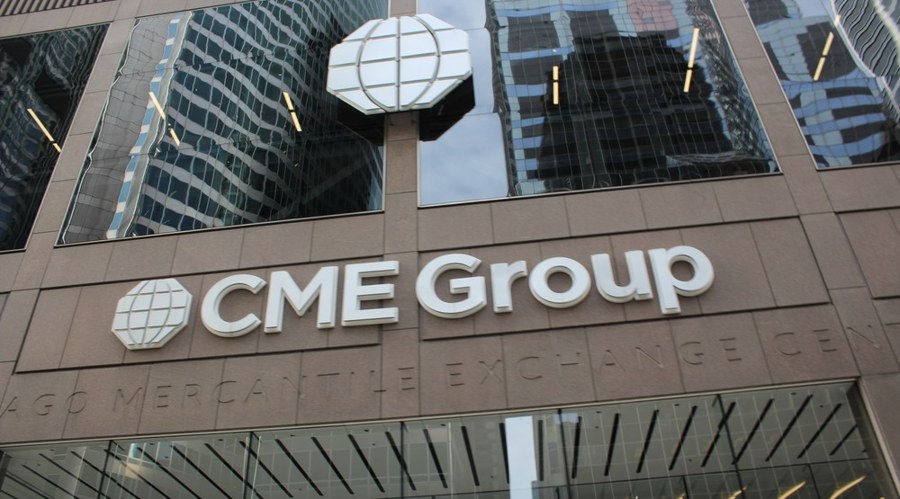
CME Group's
Globex electronic trading platform went dark for gold, copper and natural gas
futures on Wednesday afternoon, the second significant breakdown on the
exchange's commodity markets within the last few months, and this time it
happened on one of the most sensitive days in the trading calendar.
CME's
Global Command Center flagged the problem at 12:11 p.m. Central Time. Four
minutes later, the exchange
Exchange
An exchange is known as a marketplace that supports the trading of derivatives, commodities, securities, and other financial instruments.Generally, an exchange is accessible through a digital platform or sometimes at a tangible address where investors organize to perform trading. Among the chief responsibilities of an exchange would be to uphold honest and fair-trading practices. These are instrumental in making sure that the distribution of supported security rates on that exchange are effectiv
Read this Term confirmed a full trading halt across metals and
natural gas futures and options. Natural gas markets came back online at 12:50
p.m., about 50 minutes after they were switched off, with options following 35
minutes into the halt. Metals took considerably longer, with gold and copper
contracts on Globex not reopening until around 1:45 p.m.
Bad Timing on Contract
Expiry Day
The
disruption landed at a particularly sensitive moment. Wednesday was the expiry
date for the March natural gas futures contract - the day when traders
traditionally roll positions over into the next month. Despite the confusion,
gas prices still managed to push higher, ultimately settling up 1.9% at $2.969
per million British thermal units. Whether the halt itself contributed to that
move remains unclear.
CME said
all standard day orders and good-till-date orders placed for Wednesday were
wiped out entirely. Good-till-canceled orders that had already been
acknowledged were left in place. The cancellations added operational headaches
on top of an already volatile session.
Trading on
the competing Intercontinental Exchange was unaffected throughout.
Silver Tests $91 Amid the
Chaos
Silver
added its own layer of intrigue to Wednesday's session. Prices climbed to their
highest levels in three weeks during the day, briefly testing just above $91
per ounce intraday, a level that carries significant technical weight as the
upper boundary of February's consolidation range. By the close, however, the
metal pulled back to finish the day below $90, failing to confirm the breakout.
On Thursday, silver drifted slightly lower again, continuing to trade beneath
that key resistance zone.
Whether the
Globex outage played any role in those price swings is hard to say with
certainty. What is clear is that the halt disrupted normal price discovery in
metals markets at precisely the moment silver was making its most technically
significant move of the month.
As detailed
analysis on FinanceMagnates.com shows, the $90-$91 zone is the gate that determines whether
silver's recovery from February's brutal selloff gains real momentum. A daily
close above it would open the path toward $100 and beyond, while failure to
hold it keeps the metal range-bound.
Confidence Erosion Sets In
The
reaction from market participants was pointed. Nicky Shiels, head of metals
strategy at MKS PAMP SA, commented for Bloomberg the glitch "erases
confidence over liquidity
Liquidity
The term liquidity refers to the process, speed, and ease of which a given asset or security can be converted into cash. Notably, liquidity surmises a retention in market price, with the most liquid assets representing cash.The most liquid asset of all is cash itself.· In economics, liquidity is defined by how efficiently and quickly an asset can be converted into usable cash without materially affecting its market price. · Nothing is more liquid than cash, while other assets represent
Read this Term and price discovery at a time when the market has
been contending with a market dysfunctioning given the wild price swings."
CME's stock
felt the impact too, falling about 4% on the day. The exchange is currently
riding record trading volumes: its natural gas complex hit an all-time
single-day record of more than 2.5 million contracts on January 20, up 15% from
the previous peak set in November 2018. Metals volumes have also surged this
year as gold and silver prices rocketed to new highs, driven in part by
tariff-related safe-haven buying.
That volume
boom has made the reliability question harder to ignore. The exchange earlier
this year overhauled how it calculates margins for precious metals, switching from
fixed-dollar amounts to a percentage-based system as prices surged to records.
Despite the
margin change, metals volumes
at CME jumped 18%,
with micro silver futures hitting a new daily record of 715,111 contracts.
A Familiar Problem
This was
not a one-off. In late January, the New York Mercantile Exchange - owned by CME
- imposed an unusual two-minute trading halt during the market close for
natural gas, skewing the settlement price and leaving traders dealing with
unusually high volatility caused by a wave of cold weather thoroughly confused.
And just this month, CME reported delays in publishing metals settlement
prices.
The
problems go back further still. In November, CME
was forced to suspend futures and options trading entirely for several
hours after a cooling failure at a CyrusOne data center knocked out systems
across foreign exchange, bonds, equities and commodities. That outage left
brokers flying blind and
forced firms onto internal pricing models.
CME Group's
Globex electronic trading platform went dark for gold, copper and natural gas
futures on Wednesday afternoon, the second significant breakdown on the
exchange's commodity markets within the last few months, and this time it
happened on one of the most sensitive days in the trading calendar.
CME's
Global Command Center flagged the problem at 12:11 p.m. Central Time. Four
minutes later, the exchange
Exchange
An exchange is known as a marketplace that supports the trading of derivatives, commodities, securities, and other financial instruments.Generally, an exchange is accessible through a digital platform or sometimes at a tangible address where investors organize to perform trading. Among the chief responsibilities of an exchange would be to uphold honest and fair-trading practices. These are instrumental in making sure that the distribution of supported security rates on that exchange are effectiv
Read this Term confirmed a full trading halt across metals and
natural gas futures and options. Natural gas markets came back online at 12:50
p.m., about 50 minutes after they were switched off, with options following 35
minutes into the halt. Metals took considerably longer, with gold and copper
contracts on Globex not reopening until around 1:45 p.m.
Bad Timing on Contract
Expiry Day
The
disruption landed at a particularly sensitive moment. Wednesday was the expiry
date for the March natural gas futures contract - the day when traders
traditionally roll positions over into the next month. Despite the confusion,
gas prices still managed to push higher, ultimately settling up 1.9% at $2.969
per million British thermal units. Whether the halt itself contributed to that
move remains unclear.
CME said
all standard day orders and good-till-date orders placed for Wednesday were
wiped out entirely. Good-till-canceled orders that had already been
acknowledged were left in place. The cancellations added operational headaches
on top of an already volatile session.
Trading on
the competing Intercontinental Exchange was unaffected throughout.
Silver Tests $91 Amid the
Chaos
Silver
added its own layer of intrigue to Wednesday's session. Prices climbed to their
highest levels in three weeks during the day, briefly testing just above $91
per ounce intraday, a level that carries significant technical weight as the
upper boundary of February's consolidation range. By the close, however, the
metal pulled back to finish the day below $90, failing to confirm the breakout.
On Thursday, silver drifted slightly lower again, continuing to trade beneath
that key resistance zone.
Whether the
Globex outage played any role in those price swings is hard to say with
certainty. What is clear is that the halt disrupted normal price discovery in
metals markets at precisely the moment silver was making its most technically
significant move of the month.
As detailed
analysis on FinanceMagnates.com shows, the $90-$91 zone is the gate that determines whether
silver's recovery from February's brutal selloff gains real momentum. A daily
close above it would open the path toward $100 and beyond, while failure to
hold it keeps the metal range-bound.
Confidence Erosion Sets In
The
reaction from market participants was pointed. Nicky Shiels, head of metals
strategy at MKS PAMP SA, commented for Bloomberg the glitch "erases
confidence over liquidity
Liquidity
The term liquidity refers to the process, speed, and ease of which a given asset or security can be converted into cash. Notably, liquidity surmises a retention in market price, with the most liquid assets representing cash.The most liquid asset of all is cash itself.· In economics, liquidity is defined by how efficiently and quickly an asset can be converted into usable cash without materially affecting its market price. · Nothing is more liquid than cash, while other assets represent
Read this Term and price discovery at a time when the market has
been contending with a market dysfunctioning given the wild price swings."
CME's stock
felt the impact too, falling about 4% on the day. The exchange is currently
riding record trading volumes: its natural gas complex hit an all-time
single-day record of more than 2.5 million contracts on January 20, up 15% from
the previous peak set in November 2018. Metals volumes have also surged this
year as gold and silver prices rocketed to new highs, driven in part by
tariff-related safe-haven buying.
That volume
boom has made the reliability question harder to ignore. The exchange earlier
this year overhauled how it calculates margins for precious metals, switching from
fixed-dollar amounts to a percentage-based system as prices surged to records.
Despite the
margin change, metals volumes
at CME jumped 18%,
with micro silver futures hitting a new daily record of 715,111 contracts.
A Familiar Problem
This was
not a one-off. In late January, the New York Mercantile Exchange - owned by CME
- imposed an unusual two-minute trading halt during the market close for
natural gas, skewing the settlement price and leaving traders dealing with
unusually high volatility caused by a wave of cold weather thoroughly confused.
And just this month, CME reported delays in publishing metals settlement
prices.
The
problems go back further still. In November, CME
was forced to suspend futures and options trading entirely for several
hours after a cooling failure at a CyrusOne data center knocked out systems
across foreign exchange, bonds, equities and commodities. That outage left
brokers flying blind and
forced firms onto internal pricing models.