Forex Magnates researches reports that Saxo Bank plans to open an office in Abu Dhabi, adding to its office in Dubai, as the United Arab Emirates and prospects in the middle east attracts the bank's attention, once again.
According to reports in the media from the United Arab Emirates-based publication, thenational.ae, Saxo Bank has planned to open an office in Abu Dhabi this summer, citing reasons including revenues from the Middle East which have grown to be a significant portion of the bank's revenue, according to the article.
As brokers seek to expand their market share, whether locally or by expanding into new regions internationally, the focus on trader demographics is a common metric used to quantify revenue forecast potential along with Return on Investment (ROI) from costs related to enter the region in question.
Further quoted in the above mentioned article, with regards to tailoring products to meet customers needs, Mr. Christensen said,“We have a Sharia-compliant version of the platform where we have tailored it to this region so you can only trade in commodities and products that meet the tenets of Sharia law.” The quote concluded Mr. Christensen citing uncertainty of the potential success,“I’m not sure it has been hugely successful so far. Maybe one of the new partners will push it more.”
While the UAE has seen an influx of foreigners flocking to work in the ultra-modernized furnishing within Dubai, as well as within the country's capital Abu Dhabi, the country and its nationals remain to makeup a strong and robust economy, the latter of which was noted by the International Monetary Fund (IMF) during a recent visit.
GDP to Remain Strong in UAE Near 4.5% in 2014, As Per IMF Estimates
Just two weeks ago, the IMF's Harald Finger visited the UAE to review macroeconomic and financial sector developments, meeting with H.E. Sultan Bin Nasser Al Suwaidi, Governor of the Central Bank of United Arab Emirates; H.E. Younis Haji Alkhoori, Undersecretary, Ministry of Finance, and other senior government officials, and representatives from the business and financial community. At the conclusion of the visit, Mr. Finger issued the following statement in Abu Dhabi, according to an IMF press release:
GDP appears to have stabilized in recent years, as per IMF GDP Chart for U.A.E [Source: World Economic Outlook (WEO) October 2013]
“Economic growth in the United Arab Emirates is expected to remain strong. The economy is estimated to have grown by 4½ percent in 2013, supported by tourism, hospitality, and real estate. The real estate sector in particular has seen a steep recovery, with prices in the Dubai residential real estate market having increased rapidly in selected areas. We expect real GDP growth to remain firm at 4½ percent this year, driven by ongoing momentum in the non-oil economy. By contrast, further growth in oil production could be limited in the context of an amply supplied global oil market. Inflation is expected to increase moderately, driven by rising rents.
Looking ahead, growth in the coming years will benefit from a number of megaprojects and Dubai’s successful bid for the Expo 2020. The total cost, pace of execution, and financing of the new megaprojects remain uncertain. If not implemented prudently, these projects could exacerbate the risk of a real estate bubble. Moreover, these projects may create additional financial risks for Dubai’s government-related entities (GREs) and the banking system in light of the still considerable debt overhang from the 2009 crisis [...]."
Importance of a Local Presence in Gulf Countries
Talal AlSumairi, CEO, Arabic Trader LLC
Forex Magnates' reporters spoke with Talal AlSumairi, CEO of Arabic Trader LLC, who operates ArabicTrader.com as well as multiple business lines including Forex since 2004 in the Middle East, and asked questions about the perceived significance of opening an office in Abu Dhabi.
Mr. AlSumairi said,"Having offices in the region will help build trust in the company locally, because the trading culture in the Middle East gives high regard to companies that are physically present, especially in Abu Dhabi which has a larger proportion of Gulf Country Citizens (GCC), in comparison to Dubai," and added, "Having multiple offices within the country, would further solidify the company's commitment to the region."
Running only one of six currently authorized training centers registered with the Saudi Capital Markets Authority, under the name Arabic Trader Training Centre, Mr. AlSumairi said during a phone interview with Forex Magnates' reporters, that while Forex and financial markets investing and trading have come a long way over the last decade, he added how there is still room for development, and the arrival of more brokers in the region could be a sign of this progress, and also noted the amount of online advertising that has taken place in the Middle East, as FX and related online trading marketing has been a major focus in recent years to drive business.
As for Saxo Bank, according to Forex Magnates' research, the firm will either have to become regulated with the Central Bank of the UAE, under the appropriate licenses in order to solicit retail clients from there, or could opt to focus solely on high net worth clients -as it mentioned it would in 2013 in the region - which would be considered "professional," based on an exemption from central bank regulations.
According to reports in the media from the United Arab Emirates-based publication, thenational.ae, Saxo Bank has planned to open an office in Abu Dhabi this summer, citing reasons including revenues from the Middle East which have grown to be a significant portion of the bank's revenue, according to the article.
As brokers seek to expand their market share, whether locally or by expanding into new regions internationally, the focus on trader demographics is a common metric used to quantify revenue forecast potential along with Return on Investment (ROI) from costs related to enter the region in question.
Further quoted in the above mentioned article, with regards to tailoring products to meet customers needs, Mr. Christensen said,“We have a Sharia-compliant version of the platform where we have tailored it to this region so you can only trade in commodities and products that meet the tenets of Sharia law.” The quote concluded Mr. Christensen citing uncertainty of the potential success,“I’m not sure it has been hugely successful so far. Maybe one of the new partners will push it more.”
While the UAE has seen an influx of foreigners flocking to work in the ultra-modernized furnishing within Dubai, as well as within the country's capital Abu Dhabi, the country and its nationals remain to makeup a strong and robust economy, the latter of which was noted by the International Monetary Fund (IMF) during a recent visit.
GDP to Remain Strong in UAE Near 4.5% in 2014, As Per IMF Estimates
Just two weeks ago, the IMF's Harald Finger visited the UAE to review macroeconomic and financial sector developments, meeting with H.E. Sultan Bin Nasser Al Suwaidi, Governor of the Central Bank of United Arab Emirates; H.E. Younis Haji Alkhoori, Undersecretary, Ministry of Finance, and other senior government officials, and representatives from the business and financial community. At the conclusion of the visit, Mr. Finger issued the following statement in Abu Dhabi, according to an IMF press release:
GDP appears to have stabilized in recent years, as per IMF GDP Chart for U.A.E [Source: World Economic Outlook (WEO) October 2013]
“Economic growth in the United Arab Emirates is expected to remain strong. The economy is estimated to have grown by 4½ percent in 2013, supported by tourism, hospitality, and real estate. The real estate sector in particular has seen a steep recovery, with prices in the Dubai residential real estate market having increased rapidly in selected areas. We expect real GDP growth to remain firm at 4½ percent this year, driven by ongoing momentum in the non-oil economy. By contrast, further growth in oil production could be limited in the context of an amply supplied global oil market. Inflation is expected to increase moderately, driven by rising rents.
Looking ahead, growth in the coming years will benefit from a number of megaprojects and Dubai’s successful bid for the Expo 2020. The total cost, pace of execution, and financing of the new megaprojects remain uncertain. If not implemented prudently, these projects could exacerbate the risk of a real estate bubble. Moreover, these projects may create additional financial risks for Dubai’s government-related entities (GREs) and the banking system in light of the still considerable debt overhang from the 2009 crisis [...]."
Importance of a Local Presence in Gulf Countries
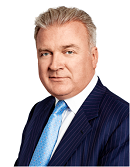
Talal AlSumairi, CEO, Arabic Trader LLC
Forex Magnates' reporters spoke with Talal AlSumairi, CEO of Arabic Trader LLC, who operates ArabicTrader.com as well as multiple business lines including Forex since 2004 in the Middle East, and asked questions about the perceived significance of opening an office in Abu Dhabi.
Mr. AlSumairi said,"Having offices in the region will help build trust in the company locally, because the trading culture in the Middle East gives high regard to companies that are physically present, especially in Abu Dhabi which has a larger proportion of Gulf Country Citizens (GCC), in comparison to Dubai," and added, "Having multiple offices within the country, would further solidify the company's commitment to the region."
Running only one of six currently authorized training centers registered with the Saudi Capital Markets Authority, under the name Arabic Trader Training Centre, Mr. AlSumairi said during a phone interview with Forex Magnates' reporters, that while Forex and financial markets investing and trading have come a long way over the last decade, he added how there is still room for development, and the arrival of more brokers in the region could be a sign of this progress, and also noted the amount of online advertising that has taken place in the Middle East, as FX and related online trading marketing has been a major focus in recent years to drive business.
As for Saxo Bank, according to Forex Magnates' research, the firm will either have to become regulated with the Central Bank of the UAE, under the appropriate licenses in order to solicit retail clients from there, or could opt to focus solely on high net worth clients -as it mentioned it would in 2013 in the region - which would be considered "professional," based on an exemption from central bank regulations.
Sky Links Capital Taps UAE Veteran Mitul Kapadia as Commercial Director
Featured Videos
CXM Group to Buy TD Markets; Interactive Brokers Raises Dividend
CXM Group to Buy TD Markets; Interactive Brokers Raises Dividend
CXM Group to Buy TD Markets; Interactive Brokers Raises Dividend
CXM Group to Buy TD Markets; Interactive Brokers Raises Dividend
Today’s financial news recap covers CXM Group agrees to acquire TD Markets, Interactive Brokers raises its dividend, Your Bourse and 4XPORTAL formalise a technology partnership, and IC completes its rebranding from IC Markets.
Finance Magnates Daily Recap brings you the latest news from forex and CFD brokers, fintech, payments, cryptocurrency, digital assets, trading platforms, financial regulation and global markets.
Get the key company news, executive moves, deals, regulatory updates and market developments of the day, in just a few minutes. New episodes published every weekday.
Read more: https://www.financemagnates.com
#FinanceMagnates #ForexNews #FintechNews
Today’s financial news recap covers CXM Group agrees to acquire TD Markets, Interactive Brokers raises its dividend, Your Bourse and 4XPORTAL formalise a technology partnership, and IC completes its rebranding from IC Markets.
Finance Magnates Daily Recap brings you the latest news from forex and CFD brokers, fintech, payments, cryptocurrency, digital assets, trading platforms, financial regulation and global markets.
Get the key company news, executive moves, deals, regulatory updates and market developments of the day, in just a few minutes. New episodes published every weekday.
Read more: https://www.financemagnates.com
#FinanceMagnates #ForexNews #FintechNews
Today’s financial news recap covers CXM Group agrees to acquire TD Markets, Interactive Brokers raises its dividend, Your Bourse and 4XPORTAL formalise a technology partnership, and IC completes its rebranding from IC Markets.
Finance Magnates Daily Recap brings you the latest news from forex and CFD brokers, fintech, payments, cryptocurrency, digital assets, trading platforms, financial regulation and global markets.
Get the key company news, executive moves, deals, regulatory updates and market developments of the day, in just a few minutes. New episodes published every weekday.
Read more: https://www.financemagnates.com
#FinanceMagnates #ForexNews #FintechNews
Today’s financial news recap covers CXM Group agrees to acquire TD Markets, Interactive Brokers raises its dividend, Your Bourse and 4XPORTAL formalise a technology partnership, and IC completes its rebranding from IC Markets.
Finance Magnates Daily Recap brings you the latest news from forex and CFD brokers, fintech, payments, cryptocurrency, digital assets, trading platforms, financial regulation and global markets.
Get the key company news, executive moves, deals, regulatory updates and market developments of the day, in just a few minutes. New episodes published every weekday.
Read more: https://www.financemagnates.com
#FinanceMagnates #ForexNews #FintechNews
Trade Nation Enters Poland; FCA Finds Gaps at Seven Brokers
Trade Nation Enters Poland; FCA Finds Gaps at Seven Brokers
Trade Nation Enters Poland; FCA Finds Gaps at Seven Brokers
Trade Nation Enters Poland; FCA Finds Gaps at Seven Brokers
Trade Nation Enters Poland; FCA Finds Gaps at Seven Brokers
Trade Nation Enters Poland; FCA Finds Gaps at Seven Brokers
Today’s financial news recap covers Trade Nation expands into Poland, the FCA finds surveillance gaps at seven UK retail brokers, perpetual futures on US stocks could launch within weeks, and Australia's crypto platforms face a new regulatory deadline.
Finance Magnates Daily Recap brings you the latest news from forex and CFD brokers, fintech, payments, cryptocurrency, digital assets, trading platforms, financial regulation and global markets.
Get the key company news, executive moves, deals, regulatory updates and market developments of the day, in just a few minutes. New episodes published every weekday.
Read more: https://www.financemagnates.com
#FinanceMagnates #ForexNews #FintechNews
Today’s financial news recap covers Trade Nation expands into Poland, the FCA finds surveillance gaps at seven UK retail brokers, perpetual futures on US stocks could launch within weeks, and Australia's crypto platforms face a new regulatory deadline.
Finance Magnates Daily Recap brings you the latest news from forex and CFD brokers, fintech, payments, cryptocurrency, digital assets, trading platforms, financial regulation and global markets.
Get the key company news, executive moves, deals, regulatory updates and market developments of the day, in just a few minutes. New episodes published every weekday.
Read more: https://www.financemagnates.com
#FinanceMagnates #ForexNews #FintechNews
Today’s financial news recap covers Trade Nation expands into Poland, the FCA finds surveillance gaps at seven UK retail brokers, perpetual futures on US stocks could launch within weeks, and Australia's crypto platforms face a new regulatory deadline.
Finance Magnates Daily Recap brings you the latest news from forex and CFD brokers, fintech, payments, cryptocurrency, digital assets, trading platforms, financial regulation and global markets.
Get the key company news, executive moves, deals, regulatory updates and market developments of the day, in just a few minutes. New episodes published every weekday.
Read more: https://www.financemagnates.com
#FinanceMagnates #ForexNews #FintechNews
Today’s financial news recap covers Trade Nation expands into Poland, the FCA finds surveillance gaps at seven UK retail brokers, perpetual futures on US stocks could launch within weeks, and Australia's crypto platforms face a new regulatory deadline.
Finance Magnates Daily Recap brings you the latest news from forex and CFD brokers, fintech, payments, cryptocurrency, digital assets, trading platforms, financial regulation and global markets.
Get the key company news, executive moves, deals, regulatory updates and market developments of the day, in just a few minutes. New episodes published every weekday.
Read more: https://www.financemagnates.com
#FinanceMagnates #ForexNews #FintechNews
Today’s financial news recap covers Trade Nation expands into Poland, the FCA finds surveillance gaps at seven UK retail brokers, perpetual futures on US stocks could launch within weeks, and Australia's crypto platforms face a new regulatory deadline.
Finance Magnates Daily Recap brings you the latest news from forex and CFD brokers, fintech, payments, cryptocurrency, digital assets, trading platforms, financial regulation and global markets.
Get the key company news, executive moves, deals, regulatory updates and market developments of the day, in just a few minutes. New episodes published every weekday.
Read more: https://www.financemagnates.com
#FinanceMagnates #ForexNews #FintechNews
Today’s financial news recap covers Trade Nation expands into Poland, the FCA finds surveillance gaps at seven UK retail brokers, perpetual futures on US stocks could launch within weeks, and Australia's crypto platforms face a new regulatory deadline.
Finance Magnates Daily Recap brings you the latest news from forex and CFD brokers, fintech, payments, cryptocurrency, digital assets, trading platforms, financial regulation and global markets.
Get the key company news, executive moves, deals, regulatory updates and market developments of the day, in just a few minutes. New episodes published every weekday.
Read more: https://www.financemagnates.com
#FinanceMagnates #ForexNews #FintechNews
FxPro Sells EU Clients to Capital.com; NAGA H1 Profit Revised
FxPro Sells EU Clients to Capital.com; NAGA H1 Profit Revised
FxPro Sells EU Clients to Capital.com; NAGA H1 Profit Revised
FxPro Sells EU Clients to Capital.com; NAGA H1 Profit Revised
FxPro Sells EU Clients to Capital.com; NAGA H1 Profit Revised
FxPro Sells EU Clients to Capital.com; NAGA H1 Profit Revised
Today’s financial news recap covers FxPro agrees to sell its European client book to Capital.com, NAGA raises its first-half profit estimate, Trade Republic prepares a fee-free pension account, and Interactive Brokers introduces Ether staking.
Finance Magnates Daily Recap brings you the latest news from forex and CFD brokers, fintech, payments, cryptocurrency, digital assets, trading platforms, financial regulation and global markets.
Get the key company news, executive moves, deals, regulatory updates and market developments of the day, in just a few minutes. New episodes published every weekday.
Read more: https://www.financemagnates.com
#FinanceMagnates #ForexNews #FintechNews
Today’s financial news recap covers FxPro agrees to sell its European client book to Capital.com, NAGA raises its first-half profit estimate, Trade Republic prepares a fee-free pension account, and Interactive Brokers introduces Ether staking.
Finance Magnates Daily Recap brings you the latest news from forex and CFD brokers, fintech, payments, cryptocurrency, digital assets, trading platforms, financial regulation and global markets.
Get the key company news, executive moves, deals, regulatory updates and market developments of the day, in just a few minutes. New episodes published every weekday.
Read more: https://www.financemagnates.com
#FinanceMagnates #ForexNews #FintechNews
Today’s financial news recap covers FxPro agrees to sell its European client book to Capital.com, NAGA raises its first-half profit estimate, Trade Republic prepares a fee-free pension account, and Interactive Brokers introduces Ether staking.
Finance Magnates Daily Recap brings you the latest news from forex and CFD brokers, fintech, payments, cryptocurrency, digital assets, trading platforms, financial regulation and global markets.
Get the key company news, executive moves, deals, regulatory updates and market developments of the day, in just a few minutes. New episodes published every weekday.
Read more: https://www.financemagnates.com
#FinanceMagnates #ForexNews #FintechNews
Today’s financial news recap covers FxPro agrees to sell its European client book to Capital.com, NAGA raises its first-half profit estimate, Trade Republic prepares a fee-free pension account, and Interactive Brokers introduces Ether staking.
Finance Magnates Daily Recap brings you the latest news from forex and CFD brokers, fintech, payments, cryptocurrency, digital assets, trading platforms, financial regulation and global markets.
Get the key company news, executive moves, deals, regulatory updates and market developments of the day, in just a few minutes. New episodes published every weekday.
Read more: https://www.financemagnates.com
#FinanceMagnates #ForexNews #FintechNews
Today’s financial news recap covers FxPro agrees to sell its European client book to Capital.com, NAGA raises its first-half profit estimate, Trade Republic prepares a fee-free pension account, and Interactive Brokers introduces Ether staking.
Finance Magnates Daily Recap brings you the latest news from forex and CFD brokers, fintech, payments, cryptocurrency, digital assets, trading platforms, financial regulation and global markets.
Get the key company news, executive moves, deals, regulatory updates and market developments of the day, in just a few minutes. New episodes published every weekday.
Read more: https://www.financemagnates.com
#FinanceMagnates #ForexNews #FintechNews
Today’s financial news recap covers FxPro agrees to sell its European client book to Capital.com, NAGA raises its first-half profit estimate, Trade Republic prepares a fee-free pension account, and Interactive Brokers introduces Ether staking.
Finance Magnates Daily Recap brings you the latest news from forex and CFD brokers, fintech, payments, cryptocurrency, digital assets, trading platforms, financial regulation and global markets.
Get the key company news, executive moves, deals, regulatory updates and market developments of the day, in just a few minutes. New episodes published every weekday.
Read more: https://www.financemagnates.com
#FinanceMagnates #ForexNews #FintechNews
Plus500 Plans US Super-App; Investec to Offer IG Platform
Plus500 Plans US Super-App; Investec to Offer IG Platform
Plus500 Plans US Super-App; Investec to Offer IG Platform
Plus500 Plans US Super-App; Investec to Offer IG Platform
Plus500 Plans US Super-App; Investec to Offer IG Platform
Plus500 Plans US Super-App; Investec to Offer IG Platform
Today’s financial news recap covers Plus500 plans a US trading super-app, Investec partners with IG, Trade Republic reports a sevenfold profit jump, and BingX adds thousands of US stocks.
Finance Magnates Daily Recap brings you the latest news from forex and CFD brokers, fintech, payments, cryptocurrency, digital assets, trading platforms, financial regulation and global markets.
Get the key company news, executive moves, deals, regulatory updates and market developments of the day, in just a few minutes. New episodes published every weekday.
Read more: https://www.financemagnates.com
#FinanceMagnates #ForexNews #FintechNews
Today’s financial news recap covers Plus500 plans a US trading super-app, Investec partners with IG, Trade Republic reports a sevenfold profit jump, and BingX adds thousands of US stocks.
Finance Magnates Daily Recap brings you the latest news from forex and CFD brokers, fintech, payments, cryptocurrency, digital assets, trading platforms, financial regulation and global markets.
Get the key company news, executive moves, deals, regulatory updates and market developments of the day, in just a few minutes. New episodes published every weekday.
Read more: https://www.financemagnates.com
#FinanceMagnates #ForexNews #FintechNews
Today’s financial news recap covers Plus500 plans a US trading super-app, Investec partners with IG, Trade Republic reports a sevenfold profit jump, and BingX adds thousands of US stocks.
Finance Magnates Daily Recap brings you the latest news from forex and CFD brokers, fintech, payments, cryptocurrency, digital assets, trading platforms, financial regulation and global markets.
Get the key company news, executive moves, deals, regulatory updates and market developments of the day, in just a few minutes. New episodes published every weekday.
Read more: https://www.financemagnates.com
#FinanceMagnates #ForexNews #FintechNews
Today’s financial news recap covers Plus500 plans a US trading super-app, Investec partners with IG, Trade Republic reports a sevenfold profit jump, and BingX adds thousands of US stocks.
Finance Magnates Daily Recap brings you the latest news from forex and CFD brokers, fintech, payments, cryptocurrency, digital assets, trading platforms, financial regulation and global markets.
Get the key company news, executive moves, deals, regulatory updates and market developments of the day, in just a few minutes. New episodes published every weekday.
Read more: https://www.financemagnates.com
#FinanceMagnates #ForexNews #FintechNews
Today’s financial news recap covers Plus500 plans a US trading super-app, Investec partners with IG, Trade Republic reports a sevenfold profit jump, and BingX adds thousands of US stocks.
Finance Magnates Daily Recap brings you the latest news from forex and CFD brokers, fintech, payments, cryptocurrency, digital assets, trading platforms, financial regulation and global markets.
Get the key company news, executive moves, deals, regulatory updates and market developments of the day, in just a few minutes. New episodes published every weekday.
Read more: https://www.financemagnates.com
#FinanceMagnates #ForexNews #FintechNews
Today’s financial news recap covers Plus500 plans a US trading super-app, Investec partners with IG, Trade Republic reports a sevenfold profit jump, and BingX adds thousands of US stocks.
Finance Magnates Daily Recap brings you the latest news from forex and CFD brokers, fintech, payments, cryptocurrency, digital assets, trading platforms, financial regulation and global markets.
Get the key company news, executive moves, deals, regulatory updates and market developments of the day, in just a few minutes. New episodes published every weekday.
Read more: https://www.financemagnates.com
#FinanceMagnates #ForexNews #FintechNews
FXCM UK Holds $110m in Client Money; IG CEO Questions Prediction Market Volumes
FXCM UK Holds $110m in Client Money; IG CEO Questions Prediction Market Volumes
FXCM UK Holds $110m in Client Money; IG CEO Questions Prediction Market Volumes
FXCM UK Holds $110m in Client Money; IG CEO Questions Prediction Market Volumes
FXCM UK Holds $110m in Client Money; IG CEO Questions Prediction Market Volumes
FXCM UK Holds $110m in Client Money; IG CEO Questions Prediction Market Volumes
Today’s financial news recap covers FXCM's UK arm holds $110 million in client money ahead of its sale to Trade Nation, Citadel Securities' UK profit falls 38 per cent, and Kraken secures its final Dubai crypto licence.
Finance Magnates Daily Recap brings you the latest news from forex and CFD brokers, fintech, payments, cryptocurrency, digital assets, trading platforms, financial regulation and global markets.
Get the key company news, executive moves, deals, regulatory updates and market developments of the day, in just a few minutes. New episodes published every weekday.
Read more: https://www.financemagnates.com
#FinanceMagnates #ForexNews #FintechNews
Today’s financial news recap covers FXCM's UK arm holds $110 million in client money ahead of its sale to Trade Nation, Citadel Securities' UK profit falls 38 per cent, and Kraken secures its final Dubai crypto licence.
Finance Magnates Daily Recap brings you the latest news from forex and CFD brokers, fintech, payments, cryptocurrency, digital assets, trading platforms, financial regulation and global markets.
Get the key company news, executive moves, deals, regulatory updates and market developments of the day, in just a few minutes. New episodes published every weekday.
Read more: https://www.financemagnates.com
#FinanceMagnates #ForexNews #FintechNews
Today’s financial news recap covers FXCM's UK arm holds $110 million in client money ahead of its sale to Trade Nation, Citadel Securities' UK profit falls 38 per cent, and Kraken secures its final Dubai crypto licence.
Finance Magnates Daily Recap brings you the latest news from forex and CFD brokers, fintech, payments, cryptocurrency, digital assets, trading platforms, financial regulation and global markets.
Get the key company news, executive moves, deals, regulatory updates and market developments of the day, in just a few minutes. New episodes published every weekday.
Read more: https://www.financemagnates.com
#FinanceMagnates #ForexNews #FintechNews
Today’s financial news recap covers FXCM's UK arm holds $110 million in client money ahead of its sale to Trade Nation, Citadel Securities' UK profit falls 38 per cent, and Kraken secures its final Dubai crypto licence.
Finance Magnates Daily Recap brings you the latest news from forex and CFD brokers, fintech, payments, cryptocurrency, digital assets, trading platforms, financial regulation and global markets.
Get the key company news, executive moves, deals, regulatory updates and market developments of the day, in just a few minutes. New episodes published every weekday.
Read more: https://www.financemagnates.com
#FinanceMagnates #ForexNews #FintechNews
Today’s financial news recap covers FXCM's UK arm holds $110 million in client money ahead of its sale to Trade Nation, Citadel Securities' UK profit falls 38 per cent, and Kraken secures its final Dubai crypto licence.
Finance Magnates Daily Recap brings you the latest news from forex and CFD brokers, fintech, payments, cryptocurrency, digital assets, trading platforms, financial regulation and global markets.
Get the key company news, executive moves, deals, regulatory updates and market developments of the day, in just a few minutes. New episodes published every weekday.
Read more: https://www.financemagnates.com
#FinanceMagnates #ForexNews #FintechNews
Today’s financial news recap covers FXCM's UK arm holds $110 million in client money ahead of its sale to Trade Nation, Citadel Securities' UK profit falls 38 per cent, and Kraken secures its final Dubai crypto licence.
Finance Magnates Daily Recap brings you the latest news from forex and CFD brokers, fintech, payments, cryptocurrency, digital assets, trading platforms, financial regulation and global markets.
Get the key company news, executive moves, deals, regulatory updates and market developments of the day, in just a few minutes. New episodes published every weekday.
Read more: https://www.financemagnates.com
#FinanceMagnates #ForexNews #FintechNews



![GDP appears to have stabilized in recent years, as per IMF GDP Chart for U.A.E [Source: World Economic Outlook (WEO) October 2013]](https://www.financemagnates.com/wp-content/uploads/fxmag/2014/02/UAE-GDP-300x274.jpg)