CFH Group is a privately held company and is not disclosing financial numbers - but the company has seen explosive growth since founding in 2008. Companies within CFH Group has close to 100 employees, offices in 5 countries and service institutional clients in more than 50 countries.
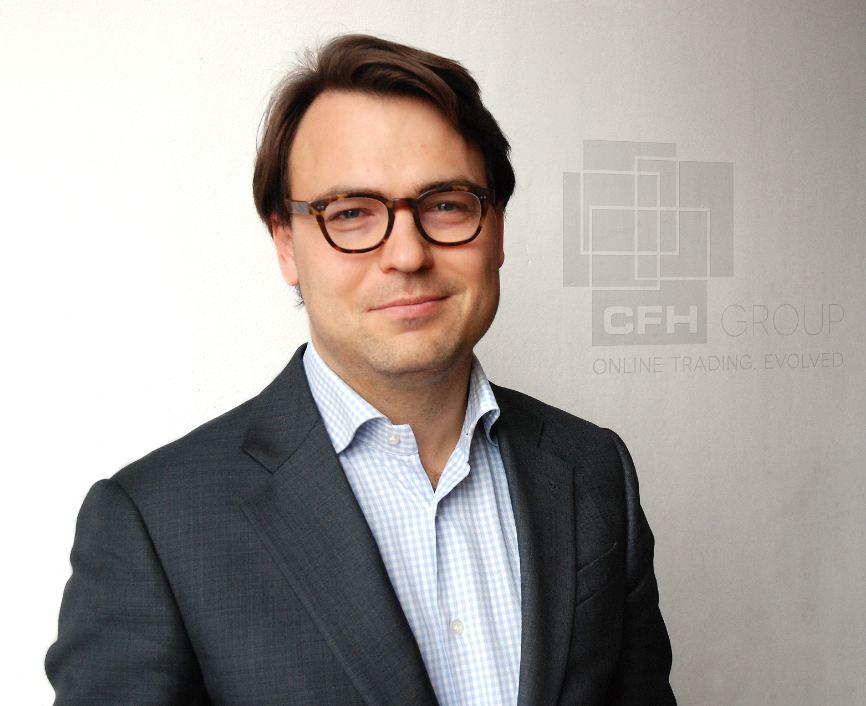
We've had the opportunity to chat with Christian Frahm, CEO of CFH Group.
Please give us a short intro of CFH – what do you do and offer in FX
CFH Group is the parent investment company behind several leading FX technology and institutional brokerage businesses including CFH Markets, CFH Systems and others in the making.
Each one of the group entities have its own focus area, but they all service brokerages, banks or other financial institutions around the world who want to compete in the FX space.
Brokers are under heavy pressure to deliver innovative and cool products to their end clients, and they look for technology and liquidity partners who are clear about their own position in the market and where they believe they will not end up competing for the same clients.
All companies in the CFH Group have a clear institutional positioning.
CFH Markets, our first business founded in 2008, is today a leading institutional STP broker delivering interbank liquidity and white label solutions to financial institutions in more than 50 countries.
Since then we founded CFH Systems which is more focused on the high end of the space allowing clients to connect directly to the banks with their own prime broker.
Recently, we have invested in a number of independent FX technology companies which we believe individually and together have the chance of pushing the industry in a new direction and help our clients become winners in their individual markets.
Why do you think there is decreasing volumes trend in the FX space?
Generally, I still see a lot of growth potential. And the decrease in volume might be true for the whole FX market, but there are fragments still growing pretty well - both in terms of players, geography and markets.
FX ALL for example recently announced healthy growth and same signs from CLS. On the other hand – there have been a lot of big names announcing decreasing FX volumes. I guess reality is there is a lot of big players out there today who are hanging on to outdated business models and they will simply have to make drastic changes to even survive a few years from now let alone get back to growth phases.
As for geography – clearly companies whose main business revenue drivers have been Europe or US have been hit. Whereas Asia is still seeing healthy growth rates – and as I look ahead at some stage - places like China and Latin America will really take off.
We work with clients in over 50 countries and have seen growth across all our client base.
What do you provide in terms of liquidity and technology?
CFH Markets for the small to medium sized brokers. As a company, CFH Markets is all about STP and transparency of pricing. The company is licensed under UK FSA as a riskless principal which means we cannot hold any proprietary positions on our own books. This is a unique selling point to both clients and LP’s.
All trades are hedged on a trade by trade basis with the top interbank players via Morgan Stanley as the prime broker.
CFH Systems for the large brokers and financial institutions who have their own prime broker and simply want to use our trading system and maintain their own banking relationships. In that case we simply connect to the banks they want to trade with.
Other new products or solutions are on the way. But developed and offered by independent technology companies and connecting to a variety of different liquidity offerings outside CFH.
What percentage is algo trading out of all volume?
Across our entire client base – I would say 30%-40% but growing quickly.
What are your volumes?
We do not disclose volumes. However, CFH Markets is amongst the top STP brokers globally and if you include the total volume getting traded across all our systems with counterparts in addition to CFH Markets we rank among the top players according to your own industry rankings.
Do you accept high-frequency?
Yes.
Where do you see this market in 3 years time in terms of regulation?
Tougher capital requirements, higher margin requirements much more focus on client money, and where the regulators will dictate in guidelines how to conduct business.
Do you see the regulation hurting your business?
I still see growth in the space and with growth come opportunities. Yes – it will be more difficult to open and operate an FX brokerage business. But so it should be. And I think in many ways this clean up – as long as it is done in a sensible way is a good thing for the industry and brings credibility and long term growth prospects for everybody who are able to change and adapt to a new more regulated world.
Where do you see this market in 3 years in terms of technology?
In general clients are getting much smarter in how they trade. Today they are not only one way of trading, you can do algo, scripting, social… People in this space are coming up with more new ways to trade as we speak. They all want more tools and more functionality while at the same time demand faster and better execution. Especially execution is a key word in the years to come. As spreads have come down – the next battle is going to be fought on low rejection rates and low latency.
This puts pressure on brokers to invest more in technology and more in infrastructure.
For most brokers this is a losing battle. It’s hard to stay ahead and cater to the needs of all your clients as the retail space is becoming more differentiated in trading styles and demands. The leading players will have to invest to keep up. But even they will struggle to keep up.
The winning model for technology is to give the broker the ability to work with several independent technology companies and offer them the freedom to choose.
What do you think is the next key growth driver of the FX market – for instance high frequency, exotic currencies, etc?
We’re at the brink of a new era from a technology point of view, and think this space is about to pick up its pace and become a lot more interesting….we are certainly involved in several projects which we think will lead and push the industry in a new direction and result in continued growth for many years to come…more to come on this.
CFH Group is a privately held company and is not disclosing financial numbers - but the company has seen explosive growth since founding in 2008. Companies within CFH Group has close to 100 employees, offices in 5 countries and service institutional clients in more than 50 countries.
We've had the opportunity to chat with Christian Frahm, CEO of CFH Group.
Please give us a short intro of CFH – what do you do and offer in FX
CFH Group is the parent investment company behind several leading FX technology and institutional brokerage businesses including CFH Markets, CFH Systems and others in the making.
Each one of the group entities have its own focus area, but they all service brokerages, banks or other financial institutions around the world who want to compete in the FX space.
Brokers are under heavy pressure to deliver innovative and cool products to their end clients, and they look for technology and liquidity partners who are clear about their own position in the market and where they believe they will not end up competing for the same clients.
All companies in the CFH Group have a clear institutional positioning.
CFH Markets, our first business founded in 2008, is today a leading institutional STP broker delivering interbank liquidity and white label solutions to financial institutions in more than 50 countries.
Since then we founded CFH Systems which is more focused on the high end of the space allowing clients to connect directly to the banks with their own prime broker.
Recently, we have invested in a number of independent FX technology companies which we believe individually and together have the chance of pushing the industry in a new direction and help our clients become winners in their individual markets.
Why do you think there is decreasing volumes trend in the FX space?
Generally, I still see a lot of growth potential. And the decrease in volume might be true for the whole FX market, but there are fragments still growing pretty well - both in terms of players, geography and markets.
FX ALL for example recently announced healthy growth and same signs from CLS. On the other hand – there have been a lot of big names announcing decreasing FX volumes. I guess reality is there is a lot of big players out there today who are hanging on to outdated business models and they will simply have to make drastic changes to even survive a few years from now let alone get back to growth phases.
As for geography – clearly companies whose main business revenue drivers have been Europe or US have been hit. Whereas Asia is still seeing healthy growth rates – and as I look ahead at some stage - places like China and Latin America will really take off.
We work with clients in over 50 countries and have seen growth across all our client base.
What do you provide in terms of liquidity and technology?
CFH Markets for the small to medium sized brokers. As a company, CFH Markets is all about STP and transparency of pricing. The company is licensed under UK FSA as a riskless principal which means we cannot hold any proprietary positions on our own books. This is a unique selling point to both clients and LP’s.
All trades are hedged on a trade by trade basis with the top interbank players via Morgan Stanley as the prime broker.
CFH Systems for the large brokers and financial institutions who have their own prime broker and simply want to use our trading system and maintain their own banking relationships. In that case we simply connect to the banks they want to trade with.
Other new products or solutions are on the way. But developed and offered by independent technology companies and connecting to a variety of different liquidity offerings outside CFH.
What percentage is algo trading out of all volume?
Across our entire client base – I would say 30%-40% but growing quickly.
What are your volumes?
We do not disclose volumes. However, CFH Markets is amongst the top STP brokers globally and if you include the total volume getting traded across all our systems with counterparts in addition to CFH Markets we rank among the top players according to your own industry rankings.
Do you accept high-frequency?
Yes.
Where do you see this market in 3 years time in terms of regulation?
Tougher capital requirements, higher margin requirements much more focus on client money, and where the regulators will dictate in guidelines how to conduct business.
Do you see the regulation hurting your business?
I still see growth in the space and with growth come opportunities. Yes – it will be more difficult to open and operate an FX brokerage business. But so it should be. And I think in many ways this clean up – as long as it is done in a sensible way is a good thing for the industry and brings credibility and long term growth prospects for everybody who are able to change and adapt to a new more regulated world.
Where do you see this market in 3 years in terms of technology?
In general clients are getting much smarter in how they trade. Today they are not only one way of trading, you can do algo, scripting, social… People in this space are coming up with more new ways to trade as we speak. They all want more tools and more functionality while at the same time demand faster and better execution. Especially execution is a key word in the years to come. As spreads have come down – the next battle is going to be fought on low rejection rates and low latency.
This puts pressure on brokers to invest more in technology and more in infrastructure.
For most brokers this is a losing battle. It’s hard to stay ahead and cater to the needs of all your clients as the retail space is becoming more differentiated in trading styles and demands. The leading players will have to invest to keep up. But even they will struggle to keep up.
The winning model for technology is to give the broker the ability to work with several independent technology companies and offer them the freedom to choose.
What do you think is the next key growth driver of the FX market – for instance high frequency, exotic currencies, etc?
We’re at the brink of a new era from a technology point of view, and think this space is about to pick up its pace and become a lot more interesting….we are certainly involved in several projects which we think will lead and push the industry in a new direction and result in continued growth for many years to come…more to come on this.
FXCM UK Holds $110m in Client Money; IG CEO Questions Prediction Market Volumes
FXCM UK Holds $110m in Client Money; IG CEO Questions Prediction Market Volumes
FXCM UK Holds $110m in Client Money; IG CEO Questions Prediction Market Volumes
FXCM UK Holds $110m in Client Money; IG CEO Questions Prediction Market Volumes
Today’s financial news recap covers FXCM's UK arm holds $110 million in client money ahead of its sale to Trade Nation, Citadel Securities' UK profit falls 38 per cent, and Kraken secures its final Dubai crypto licence.
Finance Magnates Daily Recap brings you the latest news from forex and CFD brokers, fintech, payments, cryptocurrency, digital assets, trading platforms, financial regulation and global markets.
Get the key company news, executive moves, deals, regulatory updates and market developments of the day, in just a few minutes. New episodes published every weekday.
Read more: https://www.financemagnates.com
#FinanceMagnates #ForexNews #FintechNews
Today’s financial news recap covers FXCM's UK arm holds $110 million in client money ahead of its sale to Trade Nation, Citadel Securities' UK profit falls 38 per cent, and Kraken secures its final Dubai crypto licence.
Finance Magnates Daily Recap brings you the latest news from forex and CFD brokers, fintech, payments, cryptocurrency, digital assets, trading platforms, financial regulation and global markets.
Get the key company news, executive moves, deals, regulatory updates and market developments of the day, in just a few minutes. New episodes published every weekday.
Read more: https://www.financemagnates.com
#FinanceMagnates #ForexNews #FintechNews
Today’s financial news recap covers FXCM's UK arm holds $110 million in client money ahead of its sale to Trade Nation, Citadel Securities' UK profit falls 38 per cent, and Kraken secures its final Dubai crypto licence.
Finance Magnates Daily Recap brings you the latest news from forex and CFD brokers, fintech, payments, cryptocurrency, digital assets, trading platforms, financial regulation and global markets.
Get the key company news, executive moves, deals, regulatory updates and market developments of the day, in just a few minutes. New episodes published every weekday.
Read more: https://www.financemagnates.com
#FinanceMagnates #ForexNews #FintechNews
Today’s financial news recap covers FXCM's UK arm holds $110 million in client money ahead of its sale to Trade Nation, Citadel Securities' UK profit falls 38 per cent, and Kraken secures its final Dubai crypto licence.
Finance Magnates Daily Recap brings you the latest news from forex and CFD brokers, fintech, payments, cryptocurrency, digital assets, trading platforms, financial regulation and global markets.
Get the key company news, executive moves, deals, regulatory updates and market developments of the day, in just a few minutes. New episodes published every weekday.
Read more: https://www.financemagnates.com
#FinanceMagnates #ForexNews #FintechNews
Today’s financial news recap covers AvaTrade agrees to acquire most of FXCM, NAGA secures eight million dollars in new financing, and Wise seeks a tax settlement in the UK.
Finance Magnates Daily Recap brings you the latest news from forex and CFD brokers, fintech, payments, cryptocurrency, digital assets, trading platforms, financial regulation and global markets.
Get the key company news, executive moves, deals, regulatory updates and market developments of the day, in just a few minutes. New episodes published every weekday.
Read more: https://www.financemagnates.com
#FinanceMagnates #ForexNews #FintechNews
Today’s financial news recap covers AvaTrade agrees to acquire most of FXCM, NAGA secures eight million dollars in new financing, and Wise seeks a tax settlement in the UK.
Finance Magnates Daily Recap brings you the latest news from forex and CFD brokers, fintech, payments, cryptocurrency, digital assets, trading platforms, financial regulation and global markets.
Get the key company news, executive moves, deals, regulatory updates and market developments of the day, in just a few minutes. New episodes published every weekday.
Read more: https://www.financemagnates.com
#FinanceMagnates #ForexNews #FintechNews
Today’s financial news recap covers AvaTrade agrees to acquire most of FXCM, NAGA secures eight million dollars in new financing, and Wise seeks a tax settlement in the UK.
Finance Magnates Daily Recap brings you the latest news from forex and CFD brokers, fintech, payments, cryptocurrency, digital assets, trading platforms, financial regulation and global markets.
Get the key company news, executive moves, deals, regulatory updates and market developments of the day, in just a few minutes. New episodes published every weekday.
Read more: https://www.financemagnates.com
#FinanceMagnates #ForexNews #FintechNews
Today’s financial news recap covers AvaTrade agrees to acquire most of FXCM, NAGA secures eight million dollars in new financing, and Wise seeks a tax settlement in the UK.
Finance Magnates Daily Recap brings you the latest news from forex and CFD brokers, fintech, payments, cryptocurrency, digital assets, trading platforms, financial regulation and global markets.
Get the key company news, executive moves, deals, regulatory updates and market developments of the day, in just a few minutes. New episodes published every weekday.
Read more: https://www.financemagnates.com
#FinanceMagnates #ForexNews #FintechNews
Today’s financial news recap covers AvaTrade agrees to acquire most of FXCM, NAGA secures eight million dollars in new financing, and Wise seeks a tax settlement in the UK.
Finance Magnates Daily Recap brings you the latest news from forex and CFD brokers, fintech, payments, cryptocurrency, digital assets, trading platforms, financial regulation and global markets.
Get the key company news, executive moves, deals, regulatory updates and market developments of the day, in just a few minutes. New episodes published every weekday.
Read more: https://www.financemagnates.com
#FinanceMagnates #ForexNews #FintechNews
Today’s financial news recap covers AvaTrade agrees to acquire most of FXCM, NAGA secures eight million dollars in new financing, and Wise seeks a tax settlement in the UK.
Finance Magnates Daily Recap brings you the latest news from forex and CFD brokers, fintech, payments, cryptocurrency, digital assets, trading platforms, financial regulation and global markets.
Get the key company news, executive moves, deals, regulatory updates and market developments of the day, in just a few minutes. New episodes published every weekday.
Read more: https://www.financemagnates.com
#FinanceMagnates #ForexNews #FintechNews
XTB Adds Overnight US Stock Trading; Nasdaq Ventures Invests in One Trading
XTB Adds Overnight US Stock Trading; Nasdaq Ventures Invests in One Trading
XTB Adds Overnight US Stock Trading; Nasdaq Ventures Invests in One Trading
XTB Adds Overnight US Stock Trading; Nasdaq Ventures Invests in One Trading
XTB Adds Overnight US Stock Trading; Nasdaq Ventures Invests in One Trading
XTB Adds Overnight US Stock Trading; Nasdaq Ventures Invests in One Trading
Today’s financial news recap covers XTB expands overnight US stock trading, Fortrade reports higher revenue, Nasdaq backs One Trading, and Vest Labs raises 13 million dollars.
Finance Magnates Daily Recap brings you the latest news from forex and CFD brokers, fintech, payments, cryptocurrency, digital assets, trading platforms, financial regulation and global markets.
Get the key company news, executive moves, deals, regulatory updates and market developments of the day, in just a few minutes. New episodes published every weekday.
Read more: https://www.financemagnates.com
#FinanceMagnates #ForexNews #FintechNews
Today’s financial news recap covers XTB expands overnight US stock trading, Fortrade reports higher revenue, Nasdaq backs One Trading, and Vest Labs raises 13 million dollars.
Finance Magnates Daily Recap brings you the latest news from forex and CFD brokers, fintech, payments, cryptocurrency, digital assets, trading platforms, financial regulation and global markets.
Get the key company news, executive moves, deals, regulatory updates and market developments of the day, in just a few minutes. New episodes published every weekday.
Read more: https://www.financemagnates.com
#FinanceMagnates #ForexNews #FintechNews
Today’s financial news recap covers XTB expands overnight US stock trading, Fortrade reports higher revenue, Nasdaq backs One Trading, and Vest Labs raises 13 million dollars.
Finance Magnates Daily Recap brings you the latest news from forex and CFD brokers, fintech, payments, cryptocurrency, digital assets, trading platforms, financial regulation and global markets.
Get the key company news, executive moves, deals, regulatory updates and market developments of the day, in just a few minutes. New episodes published every weekday.
Read more: https://www.financemagnates.com
#FinanceMagnates #ForexNews #FintechNews
Today’s financial news recap covers XTB expands overnight US stock trading, Fortrade reports higher revenue, Nasdaq backs One Trading, and Vest Labs raises 13 million dollars.
Finance Magnates Daily Recap brings you the latest news from forex and CFD brokers, fintech, payments, cryptocurrency, digital assets, trading platforms, financial regulation and global markets.
Get the key company news, executive moves, deals, regulatory updates and market developments of the day, in just a few minutes. New episodes published every weekday.
Read more: https://www.financemagnates.com
#FinanceMagnates #ForexNews #FintechNews
Today’s financial news recap covers XTB expands overnight US stock trading, Fortrade reports higher revenue, Nasdaq backs One Trading, and Vest Labs raises 13 million dollars.
Finance Magnates Daily Recap brings you the latest news from forex and CFD brokers, fintech, payments, cryptocurrency, digital assets, trading platforms, financial regulation and global markets.
Get the key company news, executive moves, deals, regulatory updates and market developments of the day, in just a few minutes. New episodes published every weekday.
Read more: https://www.financemagnates.com
#FinanceMagnates #ForexNews #FintechNews
Today’s financial news recap covers XTB expands overnight US stock trading, Fortrade reports higher revenue, Nasdaq backs One Trading, and Vest Labs raises 13 million dollars.
Finance Magnates Daily Recap brings you the latest news from forex and CFD brokers, fintech, payments, cryptocurrency, digital assets, trading platforms, financial regulation and global markets.
Get the key company news, executive moves, deals, regulatory updates and market developments of the day, in just a few minutes. New episodes published every weekday.
Read more: https://www.financemagnates.com
#FinanceMagnates #ForexNews #FintechNews
CMC Founder Downplays Volatility Hit; Devexperts Names CEO
CMC Founder Downplays Volatility Hit; Devexperts Names CEO
CMC Founder Downplays Volatility Hit; Devexperts Names CEO
CMC Founder Downplays Volatility Hit; Devexperts Names CEO
CMC Founder Downplays Volatility Hit; Devexperts Names CEO
CMC Founder Downplays Volatility Hit; Devexperts Names CEO
Today’s financial news recap covers low volatility pressures brokers, Devexperts names a new CEO, Saxo cuts onboarding time, and OKX reaches a 25 billion dollar valuation.
Finance Magnates Daily Recap brings you the latest news from forex and CFD brokers, fintech, payments, cryptocurrency, digital assets, trading platforms, financial regulation and global markets.
Get the key company news, executive moves, deals, regulatory updates and market developments of the day, in just a few minutes. New episodes published every weekday.
Read more: https://www.financemagnates.com
#FinanceMagnates #ForexNews #FintechNews
Today’s financial news recap covers low volatility pressures brokers, Devexperts names a new CEO, Saxo cuts onboarding time, and OKX reaches a 25 billion dollar valuation.
Finance Magnates Daily Recap brings you the latest news from forex and CFD brokers, fintech, payments, cryptocurrency, digital assets, trading platforms, financial regulation and global markets.
Get the key company news, executive moves, deals, regulatory updates and market developments of the day, in just a few minutes. New episodes published every weekday.
Read more: https://www.financemagnates.com
#FinanceMagnates #ForexNews #FintechNews
Today’s financial news recap covers low volatility pressures brokers, Devexperts names a new CEO, Saxo cuts onboarding time, and OKX reaches a 25 billion dollar valuation.
Finance Magnates Daily Recap brings you the latest news from forex and CFD brokers, fintech, payments, cryptocurrency, digital assets, trading platforms, financial regulation and global markets.
Get the key company news, executive moves, deals, regulatory updates and market developments of the day, in just a few minutes. New episodes published every weekday.
Read more: https://www.financemagnates.com
#FinanceMagnates #ForexNews #FintechNews
Today’s financial news recap covers low volatility pressures brokers, Devexperts names a new CEO, Saxo cuts onboarding time, and OKX reaches a 25 billion dollar valuation.
Finance Magnates Daily Recap brings you the latest news from forex and CFD brokers, fintech, payments, cryptocurrency, digital assets, trading platforms, financial regulation and global markets.
Get the key company news, executive moves, deals, regulatory updates and market developments of the day, in just a few minutes. New episodes published every weekday.
Read more: https://www.financemagnates.com
#FinanceMagnates #ForexNews #FintechNews
Today’s financial news recap covers low volatility pressures brokers, Devexperts names a new CEO, Saxo cuts onboarding time, and OKX reaches a 25 billion dollar valuation.
Finance Magnates Daily Recap brings you the latest news from forex and CFD brokers, fintech, payments, cryptocurrency, digital assets, trading platforms, financial regulation and global markets.
Get the key company news, executive moves, deals, regulatory updates and market developments of the day, in just a few minutes. New episodes published every weekday.
Read more: https://www.financemagnates.com
#FinanceMagnates #ForexNews #FintechNews
Today’s financial news recap covers low volatility pressures brokers, Devexperts names a new CEO, Saxo cuts onboarding time, and OKX reaches a 25 billion dollar valuation.
Finance Magnates Daily Recap brings you the latest news from forex and CFD brokers, fintech, payments, cryptocurrency, digital assets, trading platforms, financial regulation and global markets.
Get the key company news, executive moves, deals, regulatory updates and market developments of the day, in just a few minutes. New episodes published every weekday.
Read more: https://www.financemagnates.com
#FinanceMagnates #ForexNews #FintechNews
Today’s financial news recap covers Trade Nation buys FXCM's UK client book, Trading 212 reports higher revenue, the CFTC's move to allow perpetual index futures.
Finance Magnates Daily Recap brings you the latest news from forex and CFD brokers, fintech, payments, cryptocurrency, digital assets, trading platforms, financial regulation and global markets.
Get the key company news, executive moves, deals, regulatory updates and market developments of the day, in just a few minutes. New episodes published every weekday.
Read more: https://www.financemagnates.com
#FinanceMagnates #ForexNews #FintechNews
Today’s financial news recap covers Trade Nation buys FXCM's UK client book, Trading 212 reports higher revenue, the CFTC's move to allow perpetual index futures.
Finance Magnates Daily Recap brings you the latest news from forex and CFD brokers, fintech, payments, cryptocurrency, digital assets, trading platforms, financial regulation and global markets.
Get the key company news, executive moves, deals, regulatory updates and market developments of the day, in just a few minutes. New episodes published every weekday.
Read more: https://www.financemagnates.com
#FinanceMagnates #ForexNews #FintechNews
Today’s financial news recap covers Trade Nation buys FXCM's UK client book, Trading 212 reports higher revenue, the CFTC's move to allow perpetual index futures.
Finance Magnates Daily Recap brings you the latest news from forex and CFD brokers, fintech, payments, cryptocurrency, digital assets, trading platforms, financial regulation and global markets.
Get the key company news, executive moves, deals, regulatory updates and market developments of the day, in just a few minutes. New episodes published every weekday.
Read more: https://www.financemagnates.com
#FinanceMagnates #ForexNews #FintechNews
Today’s financial news recap covers Trade Nation buys FXCM's UK client book, Trading 212 reports higher revenue, the CFTC's move to allow perpetual index futures.
Finance Magnates Daily Recap brings you the latest news from forex and CFD brokers, fintech, payments, cryptocurrency, digital assets, trading platforms, financial regulation and global markets.
Get the key company news, executive moves, deals, regulatory updates and market developments of the day, in just a few minutes. New episodes published every weekday.
Read more: https://www.financemagnates.com
#FinanceMagnates #ForexNews #FintechNews
Today’s financial news recap covers Trade Nation buys FXCM's UK client book, Trading 212 reports higher revenue, the CFTC's move to allow perpetual index futures.
Finance Magnates Daily Recap brings you the latest news from forex and CFD brokers, fintech, payments, cryptocurrency, digital assets, trading platforms, financial regulation and global markets.
Get the key company news, executive moves, deals, regulatory updates and market developments of the day, in just a few minutes. New episodes published every weekday.
Read more: https://www.financemagnates.com
#FinanceMagnates #ForexNews #FintechNews
Today’s financial news recap covers Trade Nation buys FXCM's UK client book, Trading 212 reports higher revenue, the CFTC's move to allow perpetual index futures.
Finance Magnates Daily Recap brings you the latest news from forex and CFD brokers, fintech, payments, cryptocurrency, digital assets, trading platforms, financial regulation and global markets.
Get the key company news, executive moves, deals, regulatory updates and market developments of the day, in just a few minutes. New episodes published every weekday.
Read more: https://www.financemagnates.com
#FinanceMagnates #ForexNews #FintechNews