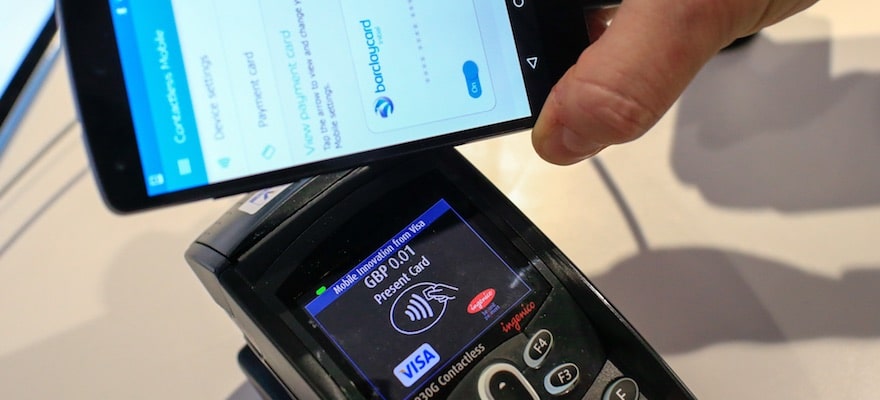
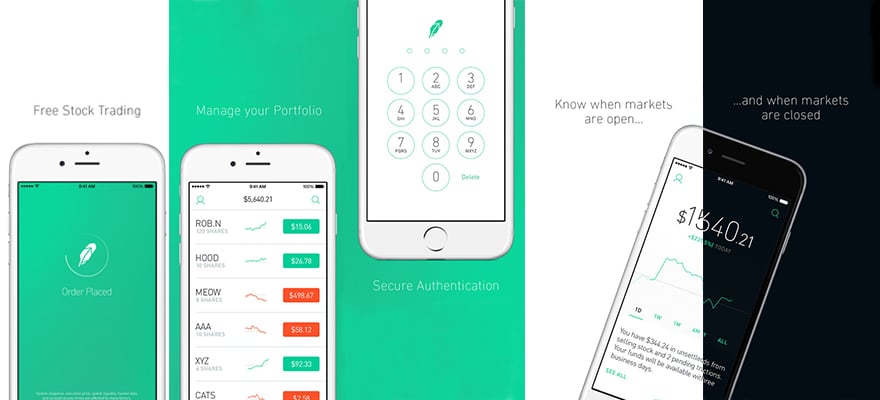
According to the latest FinTech report by Statista, the average transaction value per user in the Digital Payments segment is projected to amount to US$1,400 in 2020, and this is expected to increase by nearly 30% to reach US$1,800 in 2024(!) Subsequently, there is no wonder why these questions have caught the attention of many major banking institutions for the past several years, along with the GAFA giants. Some answers were swift with the launch of Apple Pay & Google Pay. Facebook (NASDAQ: FB) is in the midst of refining the Libra cryptocurrency, and Amazon (NASDAQ: AMZN) recently announced its palm payment technology, which lets shoppers at physical stores pay for their purchases by scanning the palm of their hand.
We base our entire civilization on the exchange of goods and services for consideration, usually in the form of government-backed fiat currencies. Though, in the past cash and handwritten checks were the only widely
Nir Netzer Chairman of the Israeli FinTech Association - FinTech-Aviv
accepted medium of exchange. Nowadays, the majority of us may struggle to remember the last time we used cash to buy something, especially the Millennial and Gen Z populous.
A super innovative FinTech that enables this is PayKey, which has created a platform for financial institutions to provide its end clients with the ability to pay by using their smartphone’s keyboard and to access digital banking services at the moment of need, without even having to leave the current app.
PSD2 (Payment Services Directive), an EU regulation that aims to align payment regulation with the everchanging payment technologies, provides an opportunity for FinTechs to enjoy open Application Programming Interfaces (APIs). Further, there is no doubt that the fastest FinTech players were leveraging this to their benefit. This was done by transforming our public transportation, food delivery and shopping experience into a game of identity instead of a game of money, by creating a seamless payment process.
For example, Paygilant, which enables a safe payment experience, is a FinTech startup dedicated to making secure payments without the friction, currently associated with banking, credit cards and eCommerce transactions. It does this by analyzing various unique characteristics of your smartphone and your biometric behavior to accurately distinguish between a legitimate and a fraudulent transaction. Paygilant’s CEO, Ziv Cohen, clearly says that its vision is to enable the rapid growth of digital banking and payments by bridging the gap between preventing fraud and ensuring a seamless user experience. In this new instant payments era, a 'customer first' approach is required more than ever before and hence, a new anti-fraud approach is vital.
The 'buy now pay later' approach is already having a significant impact on the way we shop and the amounts we spend. One of the most interesting FinTech start-ups that enable this is Jifiti, which partners include Citizens Bank and furniture giant, IKEA. The Jifiti white-labelled platform enables traditional banks and lenders to deploy its consumer loan programs at any merchant’s point-of-sale without the need for integration. It does this by including a seamless mobile payment for in-store and online payment for e-commerce directly within the 'buy-now-pay-later experience'.
While older generations who are more comfortable with cash may be sceptical of a largely cashless economy with digital financial solutions, Millennials and Gen Z participants are known to be trusting of newer technologies. Additionally, their voices are now being heard in this space, as they begin to make up the majority of the workforce and consumer base all over the world.
This is increasingly evident in the growth of cryptocurrencies because one of the most controversial points about them is that they are largely decentralized. This may seem like a detraction to older generations, who are comfortable with the idea that governments and central banks have some level of control. However, younger generations see this as a major advantage.
Anywhere you look, from a B2B, B2C, or P2P standpoint, there is no doubt that these shakeups are revolutionizing the world of finance. A good example of this is a FinTech start-up called OpenBlocks, which aims to change the way we use our cryptocurrencies and enables a secured crypto purchase on the consumer level from any platform. Elad Naggar, OpenBlocks CEO states that it initiated its activity out of the basic need to turn cryptocurrency into real usable money, by transforming existing credit cards into 'digital currency' enabled cards. With Openblocks, users can buy anything online with their cryptocurrencies with one click, thus enabling online merchants to get access to a huge untapped market of crypto holders.
Another great startup that is innovating in this space is Rapyd, which facilitates the world’s largest global payments network, and enables people to deposit and withdraw cash of any currency and to make payments or collections worldwide using digital wallets.
There are still many issues regarding a shift toward a largely cashless economy to iron out. These include, but are not limited to, technical difficulties surrounding digital infrastructure, cybersecurity, data collection/privacy regulation, and marginalization of cash users. However, we see that the FinTech innovators around us are trying to solve every challenge with their tech.
Though this will not replace traditional retail and commercial banking, in the long term there is still plenty of room for new players. This can be achieved through collaboration between startups and major institutions and it is clear that this is the direction we are moving in.
While this will not happen overnight, as there are still many hurdles to overcome, we should fully expect these ripples in the way we transact to improve in convenience, efficiency and safety to move us forward.
Nir Netzer | CPA (LL.B, MBA) Founding Partner at Equitech Group Chairman of the Israeli FinTech Association - FinTech-Aviv
If you would like to find out more about PayTech, you are most welcome to watch The Israeli FinTech Association virtual event next week for additional insight on this super exciting sub-segment of FinTech.
According to the latest FinTech report by Statista, the average transaction value per user in the Digital Payments segment is projected to amount to US$1,400 in 2020, and this is expected to increase by nearly 30% to reach US$1,800 in 2024(!) Subsequently, there is no wonder why these questions have caught the attention of many major banking institutions for the past several years, along with the GAFA giants. Some answers were swift with the launch of Apple Pay & Google Pay. Facebook (NASDAQ: FB) is in the midst of refining the Libra cryptocurrency, and Amazon (NASDAQ: AMZN) recently announced its palm payment technology, which lets shoppers at physical stores pay for their purchases by scanning the palm of their hand.
We base our entire civilization on the exchange of goods and services for consideration, usually in the form of government-backed fiat currencies. Though, in the past cash and handwritten checks were the only widely
Nir Netzer Chairman of the Israeli FinTech Association - FinTech-Aviv
accepted medium of exchange. Nowadays, the majority of us may struggle to remember the last time we used cash to buy something, especially the Millennial and Gen Z populous.
A super innovative FinTech that enables this is PayKey, which has created a platform for financial institutions to provide its end clients with the ability to pay by using their smartphone’s keyboard and to access digital banking services at the moment of need, without even having to leave the current app.
PSD2 (Payment Services Directive), an EU regulation that aims to align payment regulation with the everchanging payment technologies, provides an opportunity for FinTechs to enjoy open Application Programming Interfaces (APIs). Further, there is no doubt that the fastest FinTech players were leveraging this to their benefit. This was done by transforming our public transportation, food delivery and shopping experience into a game of identity instead of a game of money, by creating a seamless payment process.
For example, Paygilant, which enables a safe payment experience, is a FinTech startup dedicated to making secure payments without the friction, currently associated with banking, credit cards and eCommerce transactions. It does this by analyzing various unique characteristics of your smartphone and your biometric behavior to accurately distinguish between a legitimate and a fraudulent transaction. Paygilant’s CEO, Ziv Cohen, clearly says that its vision is to enable the rapid growth of digital banking and payments by bridging the gap between preventing fraud and ensuring a seamless user experience. In this new instant payments era, a 'customer first' approach is required more than ever before and hence, a new anti-fraud approach is vital.
The 'buy now pay later' approach is already having a significant impact on the way we shop and the amounts we spend. One of the most interesting FinTech start-ups that enable this is Jifiti, which partners include Citizens Bank and furniture giant, IKEA. The Jifiti white-labelled platform enables traditional banks and lenders to deploy its consumer loan programs at any merchant’s point-of-sale without the need for integration. It does this by including a seamless mobile payment for in-store and online payment for e-commerce directly within the 'buy-now-pay-later experience'.
While older generations who are more comfortable with cash may be sceptical of a largely cashless economy with digital financial solutions, Millennials and Gen Z participants are known to be trusting of newer technologies. Additionally, their voices are now being heard in this space, as they begin to make up the majority of the workforce and consumer base all over the world.
This is increasingly evident in the growth of cryptocurrencies because one of the most controversial points about them is that they are largely decentralized. This may seem like a detraction to older generations, who are comfortable with the idea that governments and central banks have some level of control. However, younger generations see this as a major advantage.
Anywhere you look, from a B2B, B2C, or P2P standpoint, there is no doubt that these shakeups are revolutionizing the world of finance. A good example of this is a FinTech start-up called OpenBlocks, which aims to change the way we use our cryptocurrencies and enables a secured crypto purchase on the consumer level from any platform. Elad Naggar, OpenBlocks CEO states that it initiated its activity out of the basic need to turn cryptocurrency into real usable money, by transforming existing credit cards into 'digital currency' enabled cards. With Openblocks, users can buy anything online with their cryptocurrencies with one click, thus enabling online merchants to get access to a huge untapped market of crypto holders.
Another great startup that is innovating in this space is Rapyd, which facilitates the world’s largest global payments network, and enables people to deposit and withdraw cash of any currency and to make payments or collections worldwide using digital wallets.
There are still many issues regarding a shift toward a largely cashless economy to iron out. These include, but are not limited to, technical difficulties surrounding digital infrastructure, cybersecurity, data collection/privacy regulation, and marginalization of cash users. However, we see that the FinTech innovators around us are trying to solve every challenge with their tech.
Though this will not replace traditional retail and commercial banking, in the long term there is still plenty of room for new players. This can be achieved through collaboration between startups and major institutions and it is clear that this is the direction we are moving in.
While this will not happen overnight, as there are still many hurdles to overcome, we should fully expect these ripples in the way we transact to improve in convenience, efficiency and safety to move us forward.
Nir Netzer | CPA (LL.B, MBA) Founding Partner at Equitech Group Chairman of the Israeli FinTech Association - FinTech-Aviv
If you would like to find out more about PayTech, you are most welcome to watch The Israeli FinTech Association virtual event next week for additional insight on this super exciting sub-segment of FinTech.
FinTech Innovation Strategist, FinTech Transformation Advisor and a keen leader of the Israeli FinTech ecosystem. Nir is an expert Strategic and Financial Consultant, advising FinTech companies, global financial institutions, institutional and private investors, regulators and governmental entities on FinTech aspects and digital transformation processes. Nir is a seasoned manager and speaker, frequently curating and hosting FinTech events, moderating professional panel discussions and delivering keynote performances in local and global FinTech Summits as well as serving as a desired FinTech lecturer in several Israeli Academic institutions.
Nir is a certified CPA, holds a B.A in Accounting and in Law as well as an MBA Specializing in Financing and Financial Management.
Inside Prediction Markets: Lawsuits Mount as New Products and Partnerships Keep Coming
Featured Videos
FM Daily Brief – 29 June 2026
FM Daily Brief – 29 June 2026
FM Daily Brief – 29 June 2026
FM Daily Brief – 29 June 2026
Today’s Monday, the 29th of June 2026, and these are our main stories: why foreign brokers are abandoning South Africa’s ODP licence regime, Plus500’s expansion into sports prediction markets, and regulatory concerns over staff trading controls in Dubai.
Today’s Monday, the 29th of June 2026, and these are our main stories: why foreign brokers are abandoning South Africa’s ODP licence regime, Plus500’s expansion into sports prediction markets, and regulatory concerns over staff trading controls in Dubai.
Today’s Monday, the 29th of June 2026, and these are our main stories: why foreign brokers are abandoning South Africa’s ODP licence regime, Plus500’s expansion into sports prediction markets, and regulatory concerns over staff trading controls in Dubai.
Today’s Monday, the 29th of June 2026, and these are our main stories: why foreign brokers are abandoning South Africa’s ODP licence regime, Plus500’s expansion into sports prediction markets, and regulatory concerns over staff trading controls in Dubai.
Shift Markets Review: The Shift Platform & White Label Prediction Markets
Shift Markets Review: The Shift Platform & White Label Prediction Markets
Shift Markets Review: The Shift Platform & White Label Prediction Markets
Shift Markets Review: The Shift Platform & White Label Prediction Markets
Shift Markets Review: The Shift Platform & White Label Prediction Markets
Shift Markets Review: The Shift Platform & White Label Prediction Markets
In this video, we review The Shift Platform by Shift Markets, a white label crypto exchange solution designed for brokerages, crypto exchanges, fintechs, banks, and other digital asset businesses.
We explore the platform's exchange infrastructure, including spot and derivatives trading, liquidity aggregation, market-making tools, digital asset ledger, API-first architecture, back-office management, and third-party integrations. We also take a look at Shift Markets' White Label Prediction Markets solution, which enables businesses to launch fully branded prediction markets for real-world events.
Watch the full video for a clear, fact-based overview of The Shift Platform, its core features, use cases, and the infrastructure powering modern digital asset trading businesses.
#ShiftMarkets #ShiftPlatform #WhiteLabelCryptoExchange #PredictionMarkets #WhiteLabelPredictionMarkets #CryptoExchange #CryptoInfrastructure #DigitalAssets #Fintech #FinanceMagnates #CryptoTrading #TradingTechnology
In this video, we review The Shift Platform by Shift Markets, a white label crypto exchange solution designed for brokerages, crypto exchanges, fintechs, banks, and other digital asset businesses.
We explore the platform's exchange infrastructure, including spot and derivatives trading, liquidity aggregation, market-making tools, digital asset ledger, API-first architecture, back-office management, and third-party integrations. We also take a look at Shift Markets' White Label Prediction Markets solution, which enables businesses to launch fully branded prediction markets for real-world events.
Watch the full video for a clear, fact-based overview of The Shift Platform, its core features, use cases, and the infrastructure powering modern digital asset trading businesses.
#ShiftMarkets #ShiftPlatform #WhiteLabelCryptoExchange #PredictionMarkets #WhiteLabelPredictionMarkets #CryptoExchange #CryptoInfrastructure #DigitalAssets #Fintech #FinanceMagnates #CryptoTrading #TradingTechnology
In this video, we review The Shift Platform by Shift Markets, a white label crypto exchange solution designed for brokerages, crypto exchanges, fintechs, banks, and other digital asset businesses.
We explore the platform's exchange infrastructure, including spot and derivatives trading, liquidity aggregation, market-making tools, digital asset ledger, API-first architecture, back-office management, and third-party integrations. We also take a look at Shift Markets' White Label Prediction Markets solution, which enables businesses to launch fully branded prediction markets for real-world events.
Watch the full video for a clear, fact-based overview of The Shift Platform, its core features, use cases, and the infrastructure powering modern digital asset trading businesses.
#ShiftMarkets #ShiftPlatform #WhiteLabelCryptoExchange #PredictionMarkets #WhiteLabelPredictionMarkets #CryptoExchange #CryptoInfrastructure #DigitalAssets #Fintech #FinanceMagnates #CryptoTrading #TradingTechnology
In this video, we review The Shift Platform by Shift Markets, a white label crypto exchange solution designed for brokerages, crypto exchanges, fintechs, banks, and other digital asset businesses.
We explore the platform's exchange infrastructure, including spot and derivatives trading, liquidity aggregation, market-making tools, digital asset ledger, API-first architecture, back-office management, and third-party integrations. We also take a look at Shift Markets' White Label Prediction Markets solution, which enables businesses to launch fully branded prediction markets for real-world events.
Watch the full video for a clear, fact-based overview of The Shift Platform, its core features, use cases, and the infrastructure powering modern digital asset trading businesses.
#ShiftMarkets #ShiftPlatform #WhiteLabelCryptoExchange #PredictionMarkets #WhiteLabelPredictionMarkets #CryptoExchange #CryptoInfrastructure #DigitalAssets #Fintech #FinanceMagnates #CryptoTrading #TradingTechnology
In this video, we review The Shift Platform by Shift Markets, a white label crypto exchange solution designed for brokerages, crypto exchanges, fintechs, banks, and other digital asset businesses.
We explore the platform's exchange infrastructure, including spot and derivatives trading, liquidity aggregation, market-making tools, digital asset ledger, API-first architecture, back-office management, and third-party integrations. We also take a look at Shift Markets' White Label Prediction Markets solution, which enables businesses to launch fully branded prediction markets for real-world events.
Watch the full video for a clear, fact-based overview of The Shift Platform, its core features, use cases, and the infrastructure powering modern digital asset trading businesses.
#ShiftMarkets #ShiftPlatform #WhiteLabelCryptoExchange #PredictionMarkets #WhiteLabelPredictionMarkets #CryptoExchange #CryptoInfrastructure #DigitalAssets #Fintech #FinanceMagnates #CryptoTrading #TradingTechnology
In this video, we review The Shift Platform by Shift Markets, a white label crypto exchange solution designed for brokerages, crypto exchanges, fintechs, banks, and other digital asset businesses.
We explore the platform's exchange infrastructure, including spot and derivatives trading, liquidity aggregation, market-making tools, digital asset ledger, API-first architecture, back-office management, and third-party integrations. We also take a look at Shift Markets' White Label Prediction Markets solution, which enables businesses to launch fully branded prediction markets for real-world events.
Watch the full video for a clear, fact-based overview of The Shift Platform, its core features, use cases, and the infrastructure powering modern digital asset trading businesses.
#ShiftMarkets #ShiftPlatform #WhiteLabelCryptoExchange #PredictionMarkets #WhiteLabelPredictionMarkets #CryptoExchange #CryptoInfrastructure #DigitalAssets #Fintech #FinanceMagnates #CryptoTrading #TradingTechnology
FM Daily Brief – 26 June 2026
FM Daily Brief – 26 June 2026
FM Daily Brief – 26 June 2026
FM Daily Brief – 26 June 2026
FM Daily Brief – 26 June 2026
FM Daily Brief – 26 June 2026
Today’s Friday, the 26th of June 2026, and these are our main stories: retail prop trading slips down Europe’s regulatory agenda, Mica reaches a major milestone for crypto markets, and Naga reports stronger audited results.
Today’s Friday, the 26th of June 2026, and these are our main stories: retail prop trading slips down Europe’s regulatory agenda, Mica reaches a major milestone for crypto markets, and Naga reports stronger audited results.
Today’s Friday, the 26th of June 2026, and these are our main stories: retail prop trading slips down Europe’s regulatory agenda, Mica reaches a major milestone for crypto markets, and Naga reports stronger audited results.
Today’s Friday, the 26th of June 2026, and these are our main stories: retail prop trading slips down Europe’s regulatory agenda, Mica reaches a major milestone for crypto markets, and Naga reports stronger audited results.
Today’s Friday, the 26th of June 2026, and these are our main stories: retail prop trading slips down Europe’s regulatory agenda, Mica reaches a major milestone for crypto markets, and Naga reports stronger audited results.
Today’s Friday, the 26th of June 2026, and these are our main stories: retail prop trading slips down Europe’s regulatory agenda, Mica reaches a major milestone for crypto markets, and Naga reports stronger audited results.
AI is changing every industry, but is it a threat or an opportunity?
AI is changing every industry, but is it a threat or an opportunity?
AI is changing every industry, but is it a threat or an opportunity?
AI is changing every industry, but is it a threat or an opportunity?
AI is changing every industry, but is it a threat or an opportunity?
AI is changing every industry, but is it a threat or an opportunity?
We asked attendees at IFX Expo International to share their thoughts, and while opinions differed, one message came through loud and clear: AI is a powerful opportunity when used responsibly.
Where do you stand? Let us know in the comments.
#AI #IFXExpo #Fintech #ArtificialIntelligence #Technology #Innovation
We asked attendees at IFX Expo International to share their thoughts, and while opinions differed, one message came through loud and clear: AI is a powerful opportunity when used responsibly.
Where do you stand? Let us know in the comments.
#AI #IFXExpo #Fintech #ArtificialIntelligence #Technology #Innovation
We asked attendees at IFX Expo International to share their thoughts, and while opinions differed, one message came through loud and clear: AI is a powerful opportunity when used responsibly.
Where do you stand? Let us know in the comments.
#AI #IFXExpo #Fintech #ArtificialIntelligence #Technology #Innovation
We asked attendees at IFX Expo International to share their thoughts, and while opinions differed, one message came through loud and clear: AI is a powerful opportunity when used responsibly.
Where do you stand? Let us know in the comments.
#AI #IFXExpo #Fintech #ArtificialIntelligence #Technology #Innovation
We asked attendees at IFX Expo International to share their thoughts, and while opinions differed, one message came through loud and clear: AI is a powerful opportunity when used responsibly.
Where do you stand? Let us know in the comments.
#AI #IFXExpo #Fintech #ArtificialIntelligence #Technology #Innovation
We asked attendees at IFX Expo International to share their thoughts, and while opinions differed, one message came through loud and clear: AI is a powerful opportunity when used responsibly.
Where do you stand? Let us know in the comments.
#AI #IFXExpo #Fintech #ArtificialIntelligence #Technology #Innovation
FM Daily Brief – 25 June 2026
FM Daily Brief – 25 June 2026
FM Daily Brief – 25 June 2026
FM Daily Brief – 25 June 2026
FM Daily Brief – 25 June 2026
FM Daily Brief – 25 June 2026
Today’s Thursday, the 25th of June 2026, and these are our main stories: AI agents are reshaping how traders access markets, XTB steps up its challenge to Trade Republic in Germany, and Indonesia tightens rules on finfluencers.
Today’s Thursday, the 25th of June 2026, and these are our main stories: AI agents are reshaping how traders access markets, XTB steps up its challenge to Trade Republic in Germany, and Indonesia tightens rules on finfluencers.
Today’s Thursday, the 25th of June 2026, and these are our main stories: AI agents are reshaping how traders access markets, XTB steps up its challenge to Trade Republic in Germany, and Indonesia tightens rules on finfluencers.
Today’s Thursday, the 25th of June 2026, and these are our main stories: AI agents are reshaping how traders access markets, XTB steps up its challenge to Trade Republic in Germany, and Indonesia tightens rules on finfluencers.
Today’s Thursday, the 25th of June 2026, and these are our main stories: AI agents are reshaping how traders access markets, XTB steps up its challenge to Trade Republic in Germany, and Indonesia tightens rules on finfluencers.
Today’s Thursday, the 25th of June 2026, and these are our main stories: AI agents are reshaping how traders access markets, XTB steps up its challenge to Trade Republic in Germany, and Indonesia tightens rules on finfluencers.