Other companies that announced notable executive changes this week include PLUGIT, ADSS, Reactive Markets, TIOmarkets, INGOT Brokers, OneZero, Praxis Digital, CFTC, and CMC Markets.
In the second week of the new year 2025, the number of executive appointments, promotions, and exits significantly surged. Myria Evdokimou joined PLUGIT; Former Saxo Analyst Bernardas Baciulis departed from ADSS; Naga Markets tapped Juan Enrique as Head of Europe and Education; and Exegy appointed Broadridge’s Exec Jim Fiesel as CRO.
Also, Henry Durrant was promoted to CRO at Reactive Markets; TIOmarkets hired Nick Jay as Chief Operating Officer; Equiti onboarded Navin Dsouza as COO for Digital Assets and Gold; and Andreas Andreou will continue to run his prop firm alongside a new role at INGOT Brokers.
Elsewhere, FXAll Founder Phil Weisberg is set to leave OneZero after 5 Years; Praxis Digital Trading named Bea Picciano as Chief Operating Officer; CFTC Chairman to exit in February after seven years; while CMC Markets named a new Head of Asia.
Myria Evdokimou Joined PLUGIT
Myria Evdokimou started a new role as Head of Business Development & Partnerships at PLUGIT. Before joining PLUGIT, Evdokimou held various business development roles. She was an Executive Director at FX CFD Investment Management for over two and a half years, where she focused on customer relationships, strategic planning, and partnerships.
Myria Evdokimou, Source: LinkedIn
Prior to this, she worked as a Business Development Consultant at CIF Portfolio Management Company for eight months. Her earlier experience includes a brief tenure as Chief Business Development Officer at Exclusive Capital in 2021, where she managed investment strategies and fund distribution.
Former Saxo Analyst Bernardas Baciulis Departs ADSS
Bernardas Baciulis's time ay ADSS came to an end. This week, he shared that he is now seeking the next opportunity to build innovative projects. Baciulis has been with ADSS since October 2022, serving as the Head of Product for New Initiatives. Prior to his time at ADSS, He worked at Saxo Capital Markets UK for over four years, from June 2018 to September 2022.
Bernardas Baciulis, Source: LinkedIn
As a Business Analyst, he contributed to a range of projects, analyzing data and developing business strategies to improve the company's operations. His experience at Saxo helped solidify his expertise in the financial services sector, particularly in product development and business analysis.
Naga Markets Taps Juan Enrique as Head of Europe and Education
Naga Markets welcomed Juan Enrique Cadiñanos Moriano as the Head of Europe and Education during what is shaping up to be one of the busiest weeks for executive transitions. Moriano joined the company from a freelance position he held for more than five years in Madrid, Spain.
Juan Enrique Cadiñanos Moriano, Source: LinkedIn
He is a seasoned industry executive, having previously worked for notable brands in the forex and CFD space. For eight years, he held various roles at Admiral Markets Group based in Madrid, including serving as the Country Manager.
Exegy Appoints Broadridge’s Exec Jim Fiesel as CRO
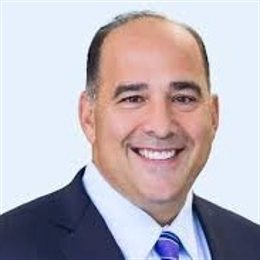
Market data and trading technology company Exegy appointed Jim Fiesel as its Chief Revenue Officer. Fiesel has an extensive experience in financial technology, having worked for major brands, including Broadridge.
Jim Fiesel, Source: LinkedIn
He joins the firm from Broadridge, where he held the role of Managing Director for the Americas for nearly three years. Fiesel has also served as the Managing Director for the Americas Sales and Managing Director at Finastra and Tradeweb, respectively.
Henry Durrant started a new position as Chief Revenue Officer (CRO) at Reactive Markets. Previously, he held the role of Head of Business Development at the same company for four years. During his tenure, Durrant reportedly contributed to building the firm’s institutional OTC trading network for Digital Assets and FX.
Henry Durrant , Source: Reactive Markets
Before his time at Reactive Markets, Durrant was the AVP at FXSpotStream LLC for one and a half years. In this position, he led the company’s global Liquidity Management efforts and also took on a senior business development role across the EMEA region.
TIOmarkets Hires Nick Jay as Chief Operating Officer
Nick Jay joined the Cyprus-based forex broker and online trading company TIOmarkets as the Chief Operating Officer and FX Consultant. In a LinkedIn post today (Wednesday), Jay expressed excitement about the new opportunity.
Nick Jay, Source: LinkedIn
“A new journey awaits for me and I am beyond excited to get back to doing what I can to ensure the company I represent reaches its full potential across its full operation,” he wrote. “Small, consistent steps or ‘little wins’ are what will get you in the right frame of mind and on the right path most of the time.”
Equiti Appoints Navin Dsouza as COO for Digital Assets and Gold
Equiti Group welcomed Navin Dsouza as the new Chief Operating Officer for Digital Assets and Gold. Dsouza will be taking on the new role based in Dubai, the United Arab Emirates. Prior to this, Dsouza was the Head of Special Projects at Dubai Financial Market.
Navin Dsouza, Source: X
He also held other roles at DFM, including Senior Vice President for Post-Trade Operations, head of Risk Management, and Vice President for Clearing Settlement and Depository. Dsouza joined ComTech Gold, a company he co-founded to focus on the digitization of gold using Blockchain technology. He has been with the company for nearly three years, serving as CEO and later as Advisor.
Andreas Andreou Will Continue to Run His Prop Firm Alongside a New Role at INGOT Brokers
INGOT Brokers onboarded two former BDSwiss executives: Andreas Andreou as Chief Sales Officer and Marios Morfakis as Head of Business Development. According to their LinkedIn profiles, both separated from BDSwiss last September, during a period when many other employees left the broker.
Andreas Andreou
After departing from BDSwiss, Andreou launched a proprietary trading platform where he serves as co-CEO. He confirmed to Finance Magnates that he will maintain his role at the prop trading firm alongside his new responsibilities at INGOT.
FXAll Founder Phil Weisberg Leaves OneZero after 5 Years
Phil Weisberg, known for founding FXAll, parted ways with OneZero Financial Systems, where he served as the EVP of Strategic Planning and Partnerships for the past five years. Although he initially joined OneZero in mid-2018 as a Strategic Advisor, he was added to the executive team after a year.
Phil Weisberg, Source: LinkedIn
“I’m grateful for the opportunity to have spent five years contributing to the substantial growth of OneZero, a bootstrapped, technology-first company,” Weisberg wrote in a LinkedIn post announcing his departure.
Praxis Digital Trading Names Bea Picciano as Chief Operating Officer
Praxis Digital Trading, an FX and CFD firm with offices in London, Hong Kong, and the Cayman Islands, promoted Bea Picciano as the Chief Operating Officer. Picciano has been the company’s Senior Vice President for Operations for more than four years.
Bea Picciano, Source: LinkedIn
According to her LinkedIn profile, the seasoned executive joined Praxis from Empire Radiology Co., where she worked a four-month contract as a Consulting Revamping Engineer. She also previously worked as Assistant Vice President for Platforms Operations at Dynasty Financial Partners, and Corporate Recovery Consultant at CBIZ.
CFTC Chairman to Exit in February After Seven Years
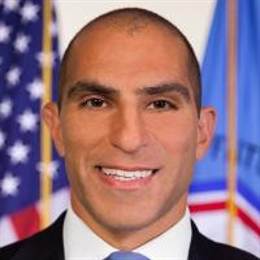
Rostin Behnam, the Chairman of the Commodity Futures Trading Commission (CFTC), is stepping down. His tenure leaves behind a trail of high-profile enforcement cases and a growing debate over crypto regulation.
Rostin Behnam, Source: CFTC
“After more than seven years at the U.S. Commodity Futures Trading Commission, I will be stepping down from my position as Chairman on January 20. My final day at the commission will be Friday, February 7,” Behnam shared.
CMC Markets kicked off 2025 with the announcement of several executive appointments at its Singapore hub, although most of the decisions were finalized last year. The brokerage firm has promoted Christopher Forbes to Head of Asia, unifying the role across three brands: CMC Markets, CMC Invest, and CMC Connect (its institutional arm).
Christopher Forbes, Head of Asia at CMC. Photo: CMC Markets
“Christopher’s track record speaks volumes about his ability to grow and scale businesses while prioritizing client experience,” said Lord Peter Cruddas, Founder and CEO of CMC Markets. “His leadership in Singapore has been a defining chapter for CMC, and we are excited to see him bring the same vision and energy to the broader Asia region.”
In the second week of the new year 2025, the number of executive appointments, promotions, and exits significantly surged. Myria Evdokimou joined PLUGIT; Former Saxo Analyst Bernardas Baciulis departed from ADSS; Naga Markets tapped Juan Enrique as Head of Europe and Education; and Exegy appointed Broadridge’s Exec Jim Fiesel as CRO.
Also, Henry Durrant was promoted to CRO at Reactive Markets; TIOmarkets hired Nick Jay as Chief Operating Officer; Equiti onboarded Navin Dsouza as COO for Digital Assets and Gold; and Andreas Andreou will continue to run his prop firm alongside a new role at INGOT Brokers.
Elsewhere, FXAll Founder Phil Weisberg is set to leave OneZero after 5 Years; Praxis Digital Trading named Bea Picciano as Chief Operating Officer; CFTC Chairman to exit in February after seven years; while CMC Markets named a new Head of Asia.
Myria Evdokimou Joined PLUGIT
Myria Evdokimou started a new role as Head of Business Development & Partnerships at PLUGIT. Before joining PLUGIT, Evdokimou held various business development roles. She was an Executive Director at FX CFD Investment Management for over two and a half years, where she focused on customer relationships, strategic planning, and partnerships.
Myria Evdokimou, Source: LinkedIn
Prior to this, she worked as a Business Development Consultant at CIF Portfolio Management Company for eight months. Her earlier experience includes a brief tenure as Chief Business Development Officer at Exclusive Capital in 2021, where she managed investment strategies and fund distribution.
Former Saxo Analyst Bernardas Baciulis Departs ADSS
Bernardas Baciulis's time ay ADSS came to an end. This week, he shared that he is now seeking the next opportunity to build innovative projects. Baciulis has been with ADSS since October 2022, serving as the Head of Product for New Initiatives. Prior to his time at ADSS, He worked at Saxo Capital Markets UK for over four years, from June 2018 to September 2022.
Bernardas Baciulis, Source: LinkedIn
As a Business Analyst, he contributed to a range of projects, analyzing data and developing business strategies to improve the company's operations. His experience at Saxo helped solidify his expertise in the financial services sector, particularly in product development and business analysis.
Naga Markets Taps Juan Enrique as Head of Europe and Education
Naga Markets welcomed Juan Enrique Cadiñanos Moriano as the Head of Europe and Education during what is shaping up to be one of the busiest weeks for executive transitions. Moriano joined the company from a freelance position he held for more than five years in Madrid, Spain.
Juan Enrique Cadiñanos Moriano, Source: LinkedIn
He is a seasoned industry executive, having previously worked for notable brands in the forex and CFD space. For eight years, he held various roles at Admiral Markets Group based in Madrid, including serving as the Country Manager.
Exegy Appoints Broadridge’s Exec Jim Fiesel as CRO
Market data and trading technology company Exegy appointed Jim Fiesel as its Chief Revenue Officer. Fiesel has an extensive experience in financial technology, having worked for major brands, including Broadridge.
Jim Fiesel, Source: LinkedIn
He joins the firm from Broadridge, where he held the role of Managing Director for the Americas for nearly three years. Fiesel has also served as the Managing Director for the Americas Sales and Managing Director at Finastra and Tradeweb, respectively.
Henry Durrant started a new position as Chief Revenue Officer (CRO) at Reactive Markets. Previously, he held the role of Head of Business Development at the same company for four years. During his tenure, Durrant reportedly contributed to building the firm’s institutional OTC trading network for Digital Assets and FX.
Henry Durrant , Source: Reactive Markets
Before his time at Reactive Markets, Durrant was the AVP at FXSpotStream LLC for one and a half years. In this position, he led the company’s global Liquidity Management efforts and also took on a senior business development role across the EMEA region.
TIOmarkets Hires Nick Jay as Chief Operating Officer
Nick Jay joined the Cyprus-based forex broker and online trading company TIOmarkets as the Chief Operating Officer and FX Consultant. In a LinkedIn post today (Wednesday), Jay expressed excitement about the new opportunity.
Nick Jay, Source: LinkedIn
“A new journey awaits for me and I am beyond excited to get back to doing what I can to ensure the company I represent reaches its full potential across its full operation,” he wrote. “Small, consistent steps or ‘little wins’ are what will get you in the right frame of mind and on the right path most of the time.”
Equiti Appoints Navin Dsouza as COO for Digital Assets and Gold
Equiti Group welcomed Navin Dsouza as the new Chief Operating Officer for Digital Assets and Gold. Dsouza will be taking on the new role based in Dubai, the United Arab Emirates. Prior to this, Dsouza was the Head of Special Projects at Dubai Financial Market.
Navin Dsouza, Source: X
He also held other roles at DFM, including Senior Vice President for Post-Trade Operations, head of Risk Management, and Vice President for Clearing Settlement and Depository. Dsouza joined ComTech Gold, a company he co-founded to focus on the digitization of gold using Blockchain technology. He has been with the company for nearly three years, serving as CEO and later as Advisor.
Andreas Andreou Will Continue to Run His Prop Firm Alongside a New Role at INGOT Brokers
INGOT Brokers onboarded two former BDSwiss executives: Andreas Andreou as Chief Sales Officer and Marios Morfakis as Head of Business Development. According to their LinkedIn profiles, both separated from BDSwiss last September, during a period when many other employees left the broker.
Andreas Andreou
After departing from BDSwiss, Andreou launched a proprietary trading platform where he serves as co-CEO. He confirmed to Finance Magnates that he will maintain his role at the prop trading firm alongside his new responsibilities at INGOT.
FXAll Founder Phil Weisberg Leaves OneZero after 5 Years
Phil Weisberg, known for founding FXAll, parted ways with OneZero Financial Systems, where he served as the EVP of Strategic Planning and Partnerships for the past five years. Although he initially joined OneZero in mid-2018 as a Strategic Advisor, he was added to the executive team after a year.
Phil Weisberg, Source: LinkedIn
“I’m grateful for the opportunity to have spent five years contributing to the substantial growth of OneZero, a bootstrapped, technology-first company,” Weisberg wrote in a LinkedIn post announcing his departure.
Praxis Digital Trading Names Bea Picciano as Chief Operating Officer
Praxis Digital Trading, an FX and CFD firm with offices in London, Hong Kong, and the Cayman Islands, promoted Bea Picciano as the Chief Operating Officer. Picciano has been the company’s Senior Vice President for Operations for more than four years.
Bea Picciano, Source: LinkedIn
According to her LinkedIn profile, the seasoned executive joined Praxis from Empire Radiology Co., where she worked a four-month contract as a Consulting Revamping Engineer. She also previously worked as Assistant Vice President for Platforms Operations at Dynasty Financial Partners, and Corporate Recovery Consultant at CBIZ.
CFTC Chairman to Exit in February After Seven Years
Rostin Behnam, the Chairman of the Commodity Futures Trading Commission (CFTC), is stepping down. His tenure leaves behind a trail of high-profile enforcement cases and a growing debate over crypto regulation.
Rostin Behnam, Source: CFTC
“After more than seven years at the U.S. Commodity Futures Trading Commission, I will be stepping down from my position as Chairman on January 20. My final day at the commission will be Friday, February 7,” Behnam shared.
CMC Markets kicked off 2025 with the announcement of several executive appointments at its Singapore hub, although most of the decisions were finalized last year. The brokerage firm has promoted Christopher Forbes to Head of Asia, unifying the role across three brands: CMC Markets, CMC Invest, and CMC Connect (its institutional arm).
Christopher Forbes, Head of Asia at CMC. Photo: CMC Markets
“Christopher’s track record speaks volumes about his ability to grow and scale businesses while prioritizing client experience,” said Lord Peter Cruddas, Founder and CEO of CMC Markets. “His leadership in Singapore has been a defining chapter for CMC, and we are excited to see him bring the same vision and energy to the broader Asia region.”
Jared Kirui is an Editor at Finance Magnates with more than five years of experience in financial journalism. He covers online trading, fintech, payments, and crypto industries with a focus on companies, regulation and compliance, executive moves, trading technology, and market analysis.
His work has been featured in other media outlets, including Benzinga, ZyCrypto, The Distributed, and The Daily Hodl.
Education:
Bachelor of Commerce degree (Finance option), University of Nairobi
Mitrade Hires Former TD Ameritrade and Capital.com Singapore Chief as Markets Advisor
Featured Videos
FXCM UK Holds $110m in Client Money; IG CEO Questions Prediction Market Volumes
FXCM UK Holds $110m in Client Money; IG CEO Questions Prediction Market Volumes
FXCM UK Holds $110m in Client Money; IG CEO Questions Prediction Market Volumes
FXCM UK Holds $110m in Client Money; IG CEO Questions Prediction Market Volumes
Today’s financial news recap covers FXCM's UK arm holds $110 million in client money ahead of its sale to Trade Nation, Citadel Securities' UK profit falls 38 per cent, and Kraken secures its final Dubai crypto licence.
Finance Magnates Daily Recap brings you the latest news from forex and CFD brokers, fintech, payments, cryptocurrency, digital assets, trading platforms, financial regulation and global markets.
Get the key company news, executive moves, deals, regulatory updates and market developments of the day, in just a few minutes. New episodes published every weekday.
Read more: https://www.financemagnates.com
#FinanceMagnates #ForexNews #FintechNews
Today’s financial news recap covers FXCM's UK arm holds $110 million in client money ahead of its sale to Trade Nation, Citadel Securities' UK profit falls 38 per cent, and Kraken secures its final Dubai crypto licence.
Finance Magnates Daily Recap brings you the latest news from forex and CFD brokers, fintech, payments, cryptocurrency, digital assets, trading platforms, financial regulation and global markets.
Get the key company news, executive moves, deals, regulatory updates and market developments of the day, in just a few minutes. New episodes published every weekday.
Read more: https://www.financemagnates.com
#FinanceMagnates #ForexNews #FintechNews
Today’s financial news recap covers FXCM's UK arm holds $110 million in client money ahead of its sale to Trade Nation, Citadel Securities' UK profit falls 38 per cent, and Kraken secures its final Dubai crypto licence.
Finance Magnates Daily Recap brings you the latest news from forex and CFD brokers, fintech, payments, cryptocurrency, digital assets, trading platforms, financial regulation and global markets.
Get the key company news, executive moves, deals, regulatory updates and market developments of the day, in just a few minutes. New episodes published every weekday.
Read more: https://www.financemagnates.com
#FinanceMagnates #ForexNews #FintechNews
Today’s financial news recap covers FXCM's UK arm holds $110 million in client money ahead of its sale to Trade Nation, Citadel Securities' UK profit falls 38 per cent, and Kraken secures its final Dubai crypto licence.
Finance Magnates Daily Recap brings you the latest news from forex and CFD brokers, fintech, payments, cryptocurrency, digital assets, trading platforms, financial regulation and global markets.
Get the key company news, executive moves, deals, regulatory updates and market developments of the day, in just a few minutes. New episodes published every weekday.
Read more: https://www.financemagnates.com
#FinanceMagnates #ForexNews #FintechNews
Today’s financial news recap covers AvaTrade agrees to acquire most of FXCM, NAGA secures eight million dollars in new financing, and Wise seeks a tax settlement in the UK.
Finance Magnates Daily Recap brings you the latest news from forex and CFD brokers, fintech, payments, cryptocurrency, digital assets, trading platforms, financial regulation and global markets.
Get the key company news, executive moves, deals, regulatory updates and market developments of the day, in just a few minutes. New episodes published every weekday.
Read more: https://www.financemagnates.com
#FinanceMagnates #ForexNews #FintechNews
Today’s financial news recap covers AvaTrade agrees to acquire most of FXCM, NAGA secures eight million dollars in new financing, and Wise seeks a tax settlement in the UK.
Finance Magnates Daily Recap brings you the latest news from forex and CFD brokers, fintech, payments, cryptocurrency, digital assets, trading platforms, financial regulation and global markets.
Get the key company news, executive moves, deals, regulatory updates and market developments of the day, in just a few minutes. New episodes published every weekday.
Read more: https://www.financemagnates.com
#FinanceMagnates #ForexNews #FintechNews
Today’s financial news recap covers AvaTrade agrees to acquire most of FXCM, NAGA secures eight million dollars in new financing, and Wise seeks a tax settlement in the UK.
Finance Magnates Daily Recap brings you the latest news from forex and CFD brokers, fintech, payments, cryptocurrency, digital assets, trading platforms, financial regulation and global markets.
Get the key company news, executive moves, deals, regulatory updates and market developments of the day, in just a few minutes. New episodes published every weekday.
Read more: https://www.financemagnates.com
#FinanceMagnates #ForexNews #FintechNews
Today’s financial news recap covers AvaTrade agrees to acquire most of FXCM, NAGA secures eight million dollars in new financing, and Wise seeks a tax settlement in the UK.
Finance Magnates Daily Recap brings you the latest news from forex and CFD brokers, fintech, payments, cryptocurrency, digital assets, trading platforms, financial regulation and global markets.
Get the key company news, executive moves, deals, regulatory updates and market developments of the day, in just a few minutes. New episodes published every weekday.
Read more: https://www.financemagnates.com
#FinanceMagnates #ForexNews #FintechNews
Today’s financial news recap covers AvaTrade agrees to acquire most of FXCM, NAGA secures eight million dollars in new financing, and Wise seeks a tax settlement in the UK.
Finance Magnates Daily Recap brings you the latest news from forex and CFD brokers, fintech, payments, cryptocurrency, digital assets, trading platforms, financial regulation and global markets.
Get the key company news, executive moves, deals, regulatory updates and market developments of the day, in just a few minutes. New episodes published every weekday.
Read more: https://www.financemagnates.com
#FinanceMagnates #ForexNews #FintechNews
Today’s financial news recap covers AvaTrade agrees to acquire most of FXCM, NAGA secures eight million dollars in new financing, and Wise seeks a tax settlement in the UK.
Finance Magnates Daily Recap brings you the latest news from forex and CFD brokers, fintech, payments, cryptocurrency, digital assets, trading platforms, financial regulation and global markets.
Get the key company news, executive moves, deals, regulatory updates and market developments of the day, in just a few minutes. New episodes published every weekday.
Read more: https://www.financemagnates.com
#FinanceMagnates #ForexNews #FintechNews
XTB Adds Overnight US Stock Trading; Nasdaq Ventures Invests in One Trading
XTB Adds Overnight US Stock Trading; Nasdaq Ventures Invests in One Trading
XTB Adds Overnight US Stock Trading; Nasdaq Ventures Invests in One Trading
XTB Adds Overnight US Stock Trading; Nasdaq Ventures Invests in One Trading
XTB Adds Overnight US Stock Trading; Nasdaq Ventures Invests in One Trading
XTB Adds Overnight US Stock Trading; Nasdaq Ventures Invests in One Trading
Today’s financial news recap covers XTB expands overnight US stock trading, Fortrade reports higher revenue, Nasdaq backs One Trading, and Vest Labs raises 13 million dollars.
Finance Magnates Daily Recap brings you the latest news from forex and CFD brokers, fintech, payments, cryptocurrency, digital assets, trading platforms, financial regulation and global markets.
Get the key company news, executive moves, deals, regulatory updates and market developments of the day, in just a few minutes. New episodes published every weekday.
Read more: https://www.financemagnates.com
#FinanceMagnates #ForexNews #FintechNews
Today’s financial news recap covers XTB expands overnight US stock trading, Fortrade reports higher revenue, Nasdaq backs One Trading, and Vest Labs raises 13 million dollars.
Finance Magnates Daily Recap brings you the latest news from forex and CFD brokers, fintech, payments, cryptocurrency, digital assets, trading platforms, financial regulation and global markets.
Get the key company news, executive moves, deals, regulatory updates and market developments of the day, in just a few minutes. New episodes published every weekday.
Read more: https://www.financemagnates.com
#FinanceMagnates #ForexNews #FintechNews
Today’s financial news recap covers XTB expands overnight US stock trading, Fortrade reports higher revenue, Nasdaq backs One Trading, and Vest Labs raises 13 million dollars.
Finance Magnates Daily Recap brings you the latest news from forex and CFD brokers, fintech, payments, cryptocurrency, digital assets, trading platforms, financial regulation and global markets.
Get the key company news, executive moves, deals, regulatory updates and market developments of the day, in just a few minutes. New episodes published every weekday.
Read more: https://www.financemagnates.com
#FinanceMagnates #ForexNews #FintechNews
Today’s financial news recap covers XTB expands overnight US stock trading, Fortrade reports higher revenue, Nasdaq backs One Trading, and Vest Labs raises 13 million dollars.
Finance Magnates Daily Recap brings you the latest news from forex and CFD brokers, fintech, payments, cryptocurrency, digital assets, trading platforms, financial regulation and global markets.
Get the key company news, executive moves, deals, regulatory updates and market developments of the day, in just a few minutes. New episodes published every weekday.
Read more: https://www.financemagnates.com
#FinanceMagnates #ForexNews #FintechNews
Today’s financial news recap covers XTB expands overnight US stock trading, Fortrade reports higher revenue, Nasdaq backs One Trading, and Vest Labs raises 13 million dollars.
Finance Magnates Daily Recap brings you the latest news from forex and CFD brokers, fintech, payments, cryptocurrency, digital assets, trading platforms, financial regulation and global markets.
Get the key company news, executive moves, deals, regulatory updates and market developments of the day, in just a few minutes. New episodes published every weekday.
Read more: https://www.financemagnates.com
#FinanceMagnates #ForexNews #FintechNews
Today’s financial news recap covers XTB expands overnight US stock trading, Fortrade reports higher revenue, Nasdaq backs One Trading, and Vest Labs raises 13 million dollars.
Finance Magnates Daily Recap brings you the latest news from forex and CFD brokers, fintech, payments, cryptocurrency, digital assets, trading platforms, financial regulation and global markets.
Get the key company news, executive moves, deals, regulatory updates and market developments of the day, in just a few minutes. New episodes published every weekday.
Read more: https://www.financemagnates.com
#FinanceMagnates #ForexNews #FintechNews
CMC Founder Downplays Volatility Hit; Devexperts Names CEO
CMC Founder Downplays Volatility Hit; Devexperts Names CEO
CMC Founder Downplays Volatility Hit; Devexperts Names CEO
CMC Founder Downplays Volatility Hit; Devexperts Names CEO
CMC Founder Downplays Volatility Hit; Devexperts Names CEO
CMC Founder Downplays Volatility Hit; Devexperts Names CEO
Today’s financial news recap covers low volatility pressures brokers, Devexperts names a new CEO, Saxo cuts onboarding time, and OKX reaches a 25 billion dollar valuation.
Finance Magnates Daily Recap brings you the latest news from forex and CFD brokers, fintech, payments, cryptocurrency, digital assets, trading platforms, financial regulation and global markets.
Get the key company news, executive moves, deals, regulatory updates and market developments of the day, in just a few minutes. New episodes published every weekday.
Read more: https://www.financemagnates.com
#FinanceMagnates #ForexNews #FintechNews
Today’s financial news recap covers low volatility pressures brokers, Devexperts names a new CEO, Saxo cuts onboarding time, and OKX reaches a 25 billion dollar valuation.
Finance Magnates Daily Recap brings you the latest news from forex and CFD brokers, fintech, payments, cryptocurrency, digital assets, trading platforms, financial regulation and global markets.
Get the key company news, executive moves, deals, regulatory updates and market developments of the day, in just a few minutes. New episodes published every weekday.
Read more: https://www.financemagnates.com
#FinanceMagnates #ForexNews #FintechNews
Today’s financial news recap covers low volatility pressures brokers, Devexperts names a new CEO, Saxo cuts onboarding time, and OKX reaches a 25 billion dollar valuation.
Finance Magnates Daily Recap brings you the latest news from forex and CFD brokers, fintech, payments, cryptocurrency, digital assets, trading platforms, financial regulation and global markets.
Get the key company news, executive moves, deals, regulatory updates and market developments of the day, in just a few minutes. New episodes published every weekday.
Read more: https://www.financemagnates.com
#FinanceMagnates #ForexNews #FintechNews
Today’s financial news recap covers low volatility pressures brokers, Devexperts names a new CEO, Saxo cuts onboarding time, and OKX reaches a 25 billion dollar valuation.
Finance Magnates Daily Recap brings you the latest news from forex and CFD brokers, fintech, payments, cryptocurrency, digital assets, trading platforms, financial regulation and global markets.
Get the key company news, executive moves, deals, regulatory updates and market developments of the day, in just a few minutes. New episodes published every weekday.
Read more: https://www.financemagnates.com
#FinanceMagnates #ForexNews #FintechNews
Today’s financial news recap covers low volatility pressures brokers, Devexperts names a new CEO, Saxo cuts onboarding time, and OKX reaches a 25 billion dollar valuation.
Finance Magnates Daily Recap brings you the latest news from forex and CFD brokers, fintech, payments, cryptocurrency, digital assets, trading platforms, financial regulation and global markets.
Get the key company news, executive moves, deals, regulatory updates and market developments of the day, in just a few minutes. New episodes published every weekday.
Read more: https://www.financemagnates.com
#FinanceMagnates #ForexNews #FintechNews
Today’s financial news recap covers low volatility pressures brokers, Devexperts names a new CEO, Saxo cuts onboarding time, and OKX reaches a 25 billion dollar valuation.
Finance Magnates Daily Recap brings you the latest news from forex and CFD brokers, fintech, payments, cryptocurrency, digital assets, trading platforms, financial regulation and global markets.
Get the key company news, executive moves, deals, regulatory updates and market developments of the day, in just a few minutes. New episodes published every weekday.
Read more: https://www.financemagnates.com
#FinanceMagnates #ForexNews #FintechNews
Today’s financial news recap covers Trade Nation buys FXCM's UK client book, Trading 212 reports higher revenue, the CFTC's move to allow perpetual index futures.
Finance Magnates Daily Recap brings you the latest news from forex and CFD brokers, fintech, payments, cryptocurrency, digital assets, trading platforms, financial regulation and global markets.
Get the key company news, executive moves, deals, regulatory updates and market developments of the day, in just a few minutes. New episodes published every weekday.
Read more: https://www.financemagnates.com
#FinanceMagnates #ForexNews #FintechNews
Today’s financial news recap covers Trade Nation buys FXCM's UK client book, Trading 212 reports higher revenue, the CFTC's move to allow perpetual index futures.
Finance Magnates Daily Recap brings you the latest news from forex and CFD brokers, fintech, payments, cryptocurrency, digital assets, trading platforms, financial regulation and global markets.
Get the key company news, executive moves, deals, regulatory updates and market developments of the day, in just a few minutes. New episodes published every weekday.
Read more: https://www.financemagnates.com
#FinanceMagnates #ForexNews #FintechNews
Today’s financial news recap covers Trade Nation buys FXCM's UK client book, Trading 212 reports higher revenue, the CFTC's move to allow perpetual index futures.
Finance Magnates Daily Recap brings you the latest news from forex and CFD brokers, fintech, payments, cryptocurrency, digital assets, trading platforms, financial regulation and global markets.
Get the key company news, executive moves, deals, regulatory updates and market developments of the day, in just a few minutes. New episodes published every weekday.
Read more: https://www.financemagnates.com
#FinanceMagnates #ForexNews #FintechNews
Today’s financial news recap covers Trade Nation buys FXCM's UK client book, Trading 212 reports higher revenue, the CFTC's move to allow perpetual index futures.
Finance Magnates Daily Recap brings you the latest news from forex and CFD brokers, fintech, payments, cryptocurrency, digital assets, trading platforms, financial regulation and global markets.
Get the key company news, executive moves, deals, regulatory updates and market developments of the day, in just a few minutes. New episodes published every weekday.
Read more: https://www.financemagnates.com
#FinanceMagnates #ForexNews #FintechNews
Today’s financial news recap covers Trade Nation buys FXCM's UK client book, Trading 212 reports higher revenue, the CFTC's move to allow perpetual index futures.
Finance Magnates Daily Recap brings you the latest news from forex and CFD brokers, fintech, payments, cryptocurrency, digital assets, trading platforms, financial regulation and global markets.
Get the key company news, executive moves, deals, regulatory updates and market developments of the day, in just a few minutes. New episodes published every weekday.
Read more: https://www.financemagnates.com
#FinanceMagnates #ForexNews #FintechNews
Today’s financial news recap covers Trade Nation buys FXCM's UK client book, Trading 212 reports higher revenue, the CFTC's move to allow perpetual index futures.
Finance Magnates Daily Recap brings you the latest news from forex and CFD brokers, fintech, payments, cryptocurrency, digital assets, trading platforms, financial regulation and global markets.
Get the key company news, executive moves, deals, regulatory updates and market developments of the day, in just a few minutes. New episodes published every weekday.
Read more: https://www.financemagnates.com
#FinanceMagnates #ForexNews #FintechNews