While these topics are certainly important and relevant to the lives of many, they are only the reflection of a shifting culture of technology and regulation. Therefore, the forces that influence these valuations and market caps are perhaps more important--the regulations and innovations that inform the markets in the first place.
Blockchain technology is also reaching outside of the cryptosphere to monetize various parts of our everyday lives. Decentralized apps are created to collect and sell data about our health, our habits, and our finances.
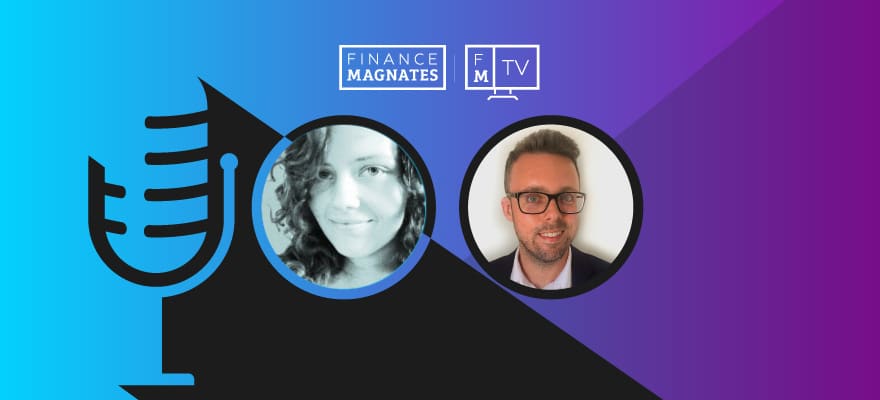
Finance Magnates spoke to Blox.io CEO Alon Muroch about regulations in the crypto industry and how his company’s platform is monetizing individuals’ financial data.
We asked Alon about his thoughts on the ways that regulations are shaping the cryptocurrency industry. He noted that “there’s no ‘regulation’ coming out of the big powerhouses, like the US or the UK...[They are] mostly singling out what not to do.”
Alon said that this wait-and-see approach is “all part of the process of growing up,” he explained. “Regulators need to understand the industry, and regulate accordingly.”
“This is the first time that we’ve seen countries openly and actively knowing that they need to regulate to stay competitive. So they have to adapt as well, because they won’t be crypto and blockchain-friendly, somebody else will. So everyone is making their best efforts to really create an environment where companies can grow and products can be built.”
Alon added that properly imposed regulatory structures will have a palpable effect on the industry. “As you have more regulation enabling you to act as a crypto investor, as a crypto holder, as a crypto company, as a crypto fund--obviously, there’s more value to the industry as a whole.”
“If you’re considering three to five years from now, definitely there will be a very positive outcome from supporting regulation. The industry is growing up--every year is better than the previous one.”
Blockchain Liberated Individual Financial Data
“Right around the time where money or assets became digitized, what essentially happened is that banks transformed from being custodians of physical assets, like gold or a certificate of shares or a dollar bill, into basically becoming these big IT companies,” Alon said.
“When blockchain came along, it was a question of this: instead of the banks saying that there are a bunch of zeros and ones that tell how much money (an individual) has, then everyone gets to say how much money I have in a special, decentralized network.”
“That’s great because it really liberated all of our financial data,” he continued. However, “we (as individuals) are not really able to cope with financial data because we have no experience in it.”
Indeed, “in most countries around the world, you have very limited access to your financial data. You can maybe download an excel sheet from your bank account, but you can’t really connect a third-party service.”
Blox.io
As it stands now, “your financial data is actually loaned to you by your bank,” Alon explained. As such, the concept of self-ownership of financial data is “very new for us.”
“If you think about it,” he continued, “most of the past decades, somebody else was the owner of our financial data and so all of a sudden, when blockchain kind of freed our financial data into our own hands, we kind of got stuck because we had no idea what to do with it.”
Financial Data Must be Organized in Order to Be Valuable, Muroch Says
Alon went on to describe Blox as a platform that “allows you to organize your crypto financial data and potentially also monetize it if you wish.”
“Financial data is worth a lot of money,” he added. “This is why companies like Facebook are beginning to approach banks for this data.”
However, “the main thing (about this financial data) is not necessarily who will buy the data, but how do you organize it so that it actually makes sense and is useful and has value. Right now, it’s just a bunch of transaction hashes and some trades you did on different exchanges. It’s not really organized.”
“In order to make it valuable for yourself and for others, you need a way to organize the data, and to manage it, and to share it with others.”
“Financial data is extremely important. We have to be mindful in the way that we interact with it,” he explained. “If we think that data is the most important thing that we have as a digital identity, then financial data is definitely the next revolution, or the next phase (of the revolution that’s already happening.)”
Financial Data is the ‘Oil’ to Bitcoin’s ‘Gold’
Alon believes that Bitcoin has played a significant role in the ownership of financial data.
“It’s not only a ‘digital gold’--even more so, it’s a tool for liberating your financial data from others. When Bitcoin came along, it established a new paradigm saying that ‘your financial data is not only valuable because some bank thinks it’s valuable, it’s valuable because everyone thinks it’s valuable.”
This is an excerpt. To hear the full interview, please click the Soundcloud or Youtube Links.
While these topics are certainly important and relevant to the lives of many, they are only the reflection of a shifting culture of technology and regulation. Therefore, the forces that influence these valuations and market caps are perhaps more important--the regulations and innovations that inform the markets in the first place.
Blockchain technology is also reaching outside of the cryptosphere to monetize various parts of our everyday lives. Decentralized apps are created to collect and sell data about our health, our habits, and our finances.
Finance Magnates spoke to Blox.io CEO Alon Muroch about regulations in the crypto industry and how his company’s platform is monetizing individuals’ financial data.
We asked Alon about his thoughts on the ways that regulations are shaping the cryptocurrency industry. He noted that “there’s no ‘regulation’ coming out of the big powerhouses, like the US or the UK...[They are] mostly singling out what not to do.”
Alon said that this wait-and-see approach is “all part of the process of growing up,” he explained. “Regulators need to understand the industry, and regulate accordingly.”
“This is the first time that we’ve seen countries openly and actively knowing that they need to regulate to stay competitive. So they have to adapt as well, because they won’t be crypto and blockchain-friendly, somebody else will. So everyone is making their best efforts to really create an environment where companies can grow and products can be built.”
Alon added that properly imposed regulatory structures will have a palpable effect on the industry. “As you have more regulation enabling you to act as a crypto investor, as a crypto holder, as a crypto company, as a crypto fund--obviously, there’s more value to the industry as a whole.”
“If you’re considering three to five years from now, definitely there will be a very positive outcome from supporting regulation. The industry is growing up--every year is better than the previous one.”
Blockchain Liberated Individual Financial Data
“Right around the time where money or assets became digitized, what essentially happened is that banks transformed from being custodians of physical assets, like gold or a certificate of shares or a dollar bill, into basically becoming these big IT companies,” Alon said.
“When blockchain came along, it was a question of this: instead of the banks saying that there are a bunch of zeros and ones that tell how much money (an individual) has, then everyone gets to say how much money I have in a special, decentralized network.”
“That’s great because it really liberated all of our financial data,” he continued. However, “we (as individuals) are not really able to cope with financial data because we have no experience in it.”
Indeed, “in most countries around the world, you have very limited access to your financial data. You can maybe download an excel sheet from your bank account, but you can’t really connect a third-party service.”
Blox.io
As it stands now, “your financial data is actually loaned to you by your bank,” Alon explained. As such, the concept of self-ownership of financial data is “very new for us.”
“If you think about it,” he continued, “most of the past decades, somebody else was the owner of our financial data and so all of a sudden, when blockchain kind of freed our financial data into our own hands, we kind of got stuck because we had no idea what to do with it.”
Financial Data Must be Organized in Order to Be Valuable, Muroch Says
Alon went on to describe Blox as a platform that “allows you to organize your crypto financial data and potentially also monetize it if you wish.”
“Financial data is worth a lot of money,” he added. “This is why companies like Facebook are beginning to approach banks for this data.”
However, “the main thing (about this financial data) is not necessarily who will buy the data, but how do you organize it so that it actually makes sense and is useful and has value. Right now, it’s just a bunch of transaction hashes and some trades you did on different exchanges. It’s not really organized.”
“In order to make it valuable for yourself and for others, you need a way to organize the data, and to manage it, and to share it with others.”
“Financial data is extremely important. We have to be mindful in the way that we interact with it,” he explained. “If we think that data is the most important thing that we have as a digital identity, then financial data is definitely the next revolution, or the next phase (of the revolution that’s already happening.)”
Financial Data is the ‘Oil’ to Bitcoin’s ‘Gold’
Alon believes that Bitcoin has played a significant role in the ownership of financial data.
“It’s not only a ‘digital gold’--even more so, it’s a tool for liberating your financial data from others. When Bitcoin came along, it established a new paradigm saying that ‘your financial data is not only valuable because some bank thinks it’s valuable, it’s valuable because everyone thinks it’s valuable.”
Rachel is a self-taught crypto geek and a passionate writer. She believes in the power that the written word has to educate, connect and empower individuals to make positive and powerful financial choices. She is the Podcast Host and a Cryptocurrency Editor at Finance Magnates.
OKX Turns Infrastructure Partners into Investors at $25 Billion Valuation
Featured Videos
AvaTrade to Acquire Most of FXCM; NAGA Raises $8M
AvaTrade to Acquire Most of FXCM; NAGA Raises $8M
AvaTrade to Acquire Most of FXCM; NAGA Raises $8M
AvaTrade to Acquire Most of FXCM; NAGA Raises $8M
Today’s financial news recap covers AvaTrade agrees to acquire most of FXCM, NAGA secures eight million dollars in new financing, and Wise seeks a tax settlement in the UK.
Finance Magnates Daily Recap brings you the latest news from forex and CFD brokers, fintech, payments, cryptocurrency, digital assets, trading platforms, financial regulation and global markets.
Get the key company news, executive moves, deals, regulatory updates and market developments of the day, in just a few minutes. New episodes published every weekday.
Read more: https://www.financemagnates.com
#FinanceMagnates #ForexNews #FintechNews
Today’s financial news recap covers AvaTrade agrees to acquire most of FXCM, NAGA secures eight million dollars in new financing, and Wise seeks a tax settlement in the UK.
Finance Magnates Daily Recap brings you the latest news from forex and CFD brokers, fintech, payments, cryptocurrency, digital assets, trading platforms, financial regulation and global markets.
Get the key company news, executive moves, deals, regulatory updates and market developments of the day, in just a few minutes. New episodes published every weekday.
Read more: https://www.financemagnates.com
#FinanceMagnates #ForexNews #FintechNews
Today’s financial news recap covers AvaTrade agrees to acquire most of FXCM, NAGA secures eight million dollars in new financing, and Wise seeks a tax settlement in the UK.
Finance Magnates Daily Recap brings you the latest news from forex and CFD brokers, fintech, payments, cryptocurrency, digital assets, trading platforms, financial regulation and global markets.
Get the key company news, executive moves, deals, regulatory updates and market developments of the day, in just a few minutes. New episodes published every weekday.
Read more: https://www.financemagnates.com
#FinanceMagnates #ForexNews #FintechNews
Today’s financial news recap covers AvaTrade agrees to acquire most of FXCM, NAGA secures eight million dollars in new financing, and Wise seeks a tax settlement in the UK.
Finance Magnates Daily Recap brings you the latest news from forex and CFD brokers, fintech, payments, cryptocurrency, digital assets, trading platforms, financial regulation and global markets.
Get the key company news, executive moves, deals, regulatory updates and market developments of the day, in just a few minutes. New episodes published every weekday.
Read more: https://www.financemagnates.com
#FinanceMagnates #ForexNews #FintechNews
XTB Adds Overnight US Stock Trading; Nasdaq Ventures Invests in One Trading
XTB Adds Overnight US Stock Trading; Nasdaq Ventures Invests in One Trading
XTB Adds Overnight US Stock Trading; Nasdaq Ventures Invests in One Trading
XTB Adds Overnight US Stock Trading; Nasdaq Ventures Invests in One Trading
XTB Adds Overnight US Stock Trading; Nasdaq Ventures Invests in One Trading
XTB Adds Overnight US Stock Trading; Nasdaq Ventures Invests in One Trading
Today’s financial news recap covers XTB expands overnight US stock trading, Fortrade reports higher revenue, Nasdaq backs One Trading, and Vest Labs raises 13 million dollars.
Finance Magnates Daily Recap brings you the latest news from forex and CFD brokers, fintech, payments, cryptocurrency, digital assets, trading platforms, financial regulation and global markets.
Get the key company news, executive moves, deals, regulatory updates and market developments of the day, in just a few minutes. New episodes published every weekday.
Read more: https://www.financemagnates.com
#FinanceMagnates #ForexNews #FintechNews
Today’s financial news recap covers XTB expands overnight US stock trading, Fortrade reports higher revenue, Nasdaq backs One Trading, and Vest Labs raises 13 million dollars.
Finance Magnates Daily Recap brings you the latest news from forex and CFD brokers, fintech, payments, cryptocurrency, digital assets, trading platforms, financial regulation and global markets.
Get the key company news, executive moves, deals, regulatory updates and market developments of the day, in just a few minutes. New episodes published every weekday.
Read more: https://www.financemagnates.com
#FinanceMagnates #ForexNews #FintechNews
Today’s financial news recap covers XTB expands overnight US stock trading, Fortrade reports higher revenue, Nasdaq backs One Trading, and Vest Labs raises 13 million dollars.
Finance Magnates Daily Recap brings you the latest news from forex and CFD brokers, fintech, payments, cryptocurrency, digital assets, trading platforms, financial regulation and global markets.
Get the key company news, executive moves, deals, regulatory updates and market developments of the day, in just a few minutes. New episodes published every weekday.
Read more: https://www.financemagnates.com
#FinanceMagnates #ForexNews #FintechNews
Today’s financial news recap covers XTB expands overnight US stock trading, Fortrade reports higher revenue, Nasdaq backs One Trading, and Vest Labs raises 13 million dollars.
Finance Magnates Daily Recap brings you the latest news from forex and CFD brokers, fintech, payments, cryptocurrency, digital assets, trading platforms, financial regulation and global markets.
Get the key company news, executive moves, deals, regulatory updates and market developments of the day, in just a few minutes. New episodes published every weekday.
Read more: https://www.financemagnates.com
#FinanceMagnates #ForexNews #FintechNews
Today’s financial news recap covers XTB expands overnight US stock trading, Fortrade reports higher revenue, Nasdaq backs One Trading, and Vest Labs raises 13 million dollars.
Finance Magnates Daily Recap brings you the latest news from forex and CFD brokers, fintech, payments, cryptocurrency, digital assets, trading platforms, financial regulation and global markets.
Get the key company news, executive moves, deals, regulatory updates and market developments of the day, in just a few minutes. New episodes published every weekday.
Read more: https://www.financemagnates.com
#FinanceMagnates #ForexNews #FintechNews
Today’s financial news recap covers XTB expands overnight US stock trading, Fortrade reports higher revenue, Nasdaq backs One Trading, and Vest Labs raises 13 million dollars.
Finance Magnates Daily Recap brings you the latest news from forex and CFD brokers, fintech, payments, cryptocurrency, digital assets, trading platforms, financial regulation and global markets.
Get the key company news, executive moves, deals, regulatory updates and market developments of the day, in just a few minutes. New episodes published every weekday.
Read more: https://www.financemagnates.com
#FinanceMagnates #ForexNews #FintechNews
CMC Founder Downplays Volatility Hit; Devexperts Names CEO
CMC Founder Downplays Volatility Hit; Devexperts Names CEO
CMC Founder Downplays Volatility Hit; Devexperts Names CEO
CMC Founder Downplays Volatility Hit; Devexperts Names CEO
CMC Founder Downplays Volatility Hit; Devexperts Names CEO
CMC Founder Downplays Volatility Hit; Devexperts Names CEO
Today’s financial news recap covers low volatility pressures brokers, Devexperts names a new CEO, Saxo cuts onboarding time, and OKX reaches a 25 billion dollar valuation.
Finance Magnates Daily Recap brings you the latest news from forex and CFD brokers, fintech, payments, cryptocurrency, digital assets, trading platforms, financial regulation and global markets.
Get the key company news, executive moves, deals, regulatory updates and market developments of the day, in just a few minutes. New episodes published every weekday.
Read more: https://www.financemagnates.com
#FinanceMagnates #ForexNews #FintechNews
Today’s financial news recap covers low volatility pressures brokers, Devexperts names a new CEO, Saxo cuts onboarding time, and OKX reaches a 25 billion dollar valuation.
Finance Magnates Daily Recap brings you the latest news from forex and CFD brokers, fintech, payments, cryptocurrency, digital assets, trading platforms, financial regulation and global markets.
Get the key company news, executive moves, deals, regulatory updates and market developments of the day, in just a few minutes. New episodes published every weekday.
Read more: https://www.financemagnates.com
#FinanceMagnates #ForexNews #FintechNews
Today’s financial news recap covers low volatility pressures brokers, Devexperts names a new CEO, Saxo cuts onboarding time, and OKX reaches a 25 billion dollar valuation.
Finance Magnates Daily Recap brings you the latest news from forex and CFD brokers, fintech, payments, cryptocurrency, digital assets, trading platforms, financial regulation and global markets.
Get the key company news, executive moves, deals, regulatory updates and market developments of the day, in just a few minutes. New episodes published every weekday.
Read more: https://www.financemagnates.com
#FinanceMagnates #ForexNews #FintechNews
Today’s financial news recap covers low volatility pressures brokers, Devexperts names a new CEO, Saxo cuts onboarding time, and OKX reaches a 25 billion dollar valuation.
Finance Magnates Daily Recap brings you the latest news from forex and CFD brokers, fintech, payments, cryptocurrency, digital assets, trading platforms, financial regulation and global markets.
Get the key company news, executive moves, deals, regulatory updates and market developments of the day, in just a few minutes. New episodes published every weekday.
Read more: https://www.financemagnates.com
#FinanceMagnates #ForexNews #FintechNews
Today’s financial news recap covers low volatility pressures brokers, Devexperts names a new CEO, Saxo cuts onboarding time, and OKX reaches a 25 billion dollar valuation.
Finance Magnates Daily Recap brings you the latest news from forex and CFD brokers, fintech, payments, cryptocurrency, digital assets, trading platforms, financial regulation and global markets.
Get the key company news, executive moves, deals, regulatory updates and market developments of the day, in just a few minutes. New episodes published every weekday.
Read more: https://www.financemagnates.com
#FinanceMagnates #ForexNews #FintechNews
Today’s financial news recap covers low volatility pressures brokers, Devexperts names a new CEO, Saxo cuts onboarding time, and OKX reaches a 25 billion dollar valuation.
Finance Magnates Daily Recap brings you the latest news from forex and CFD brokers, fintech, payments, cryptocurrency, digital assets, trading platforms, financial regulation and global markets.
Get the key company news, executive moves, deals, regulatory updates and market developments of the day, in just a few minutes. New episodes published every weekday.
Read more: https://www.financemagnates.com
#FinanceMagnates #ForexNews #FintechNews
Today’s financial news recap covers Trade Nation buys FXCM's UK client book, Trading 212 reports higher revenue, the CFTC's move to allow perpetual index futures.
Finance Magnates Daily Recap brings you the latest news from forex and CFD brokers, fintech, payments, cryptocurrency, digital assets, trading platforms, financial regulation and global markets.
Get the key company news, executive moves, deals, regulatory updates and market developments of the day, in just a few minutes. New episodes published every weekday.
Read more: https://www.financemagnates.com
#FinanceMagnates #ForexNews #FintechNews
Today’s financial news recap covers Trade Nation buys FXCM's UK client book, Trading 212 reports higher revenue, the CFTC's move to allow perpetual index futures.
Finance Magnates Daily Recap brings you the latest news from forex and CFD brokers, fintech, payments, cryptocurrency, digital assets, trading platforms, financial regulation and global markets.
Get the key company news, executive moves, deals, regulatory updates and market developments of the day, in just a few minutes. New episodes published every weekday.
Read more: https://www.financemagnates.com
#FinanceMagnates #ForexNews #FintechNews
Today’s financial news recap covers Trade Nation buys FXCM's UK client book, Trading 212 reports higher revenue, the CFTC's move to allow perpetual index futures.
Finance Magnates Daily Recap brings you the latest news from forex and CFD brokers, fintech, payments, cryptocurrency, digital assets, trading platforms, financial regulation and global markets.
Get the key company news, executive moves, deals, regulatory updates and market developments of the day, in just a few minutes. New episodes published every weekday.
Read more: https://www.financemagnates.com
#FinanceMagnates #ForexNews #FintechNews
Today’s financial news recap covers Trade Nation buys FXCM's UK client book, Trading 212 reports higher revenue, the CFTC's move to allow perpetual index futures.
Finance Magnates Daily Recap brings you the latest news from forex and CFD brokers, fintech, payments, cryptocurrency, digital assets, trading platforms, financial regulation and global markets.
Get the key company news, executive moves, deals, regulatory updates and market developments of the day, in just a few minutes. New episodes published every weekday.
Read more: https://www.financemagnates.com
#FinanceMagnates #ForexNews #FintechNews
Today’s financial news recap covers Trade Nation buys FXCM's UK client book, Trading 212 reports higher revenue, the CFTC's move to allow perpetual index futures.
Finance Magnates Daily Recap brings you the latest news from forex and CFD brokers, fintech, payments, cryptocurrency, digital assets, trading platforms, financial regulation and global markets.
Get the key company news, executive moves, deals, regulatory updates and market developments of the day, in just a few minutes. New episodes published every weekday.
Read more: https://www.financemagnates.com
#FinanceMagnates #ForexNews #FintechNews
Today’s financial news recap covers Trade Nation buys FXCM's UK client book, Trading 212 reports higher revenue, the CFTC's move to allow perpetual index futures.
Finance Magnates Daily Recap brings you the latest news from forex and CFD brokers, fintech, payments, cryptocurrency, digital assets, trading platforms, financial regulation and global markets.
Get the key company news, executive moves, deals, regulatory updates and market developments of the day, in just a few minutes. New episodes published every weekday.
Read more: https://www.financemagnates.com
#FinanceMagnates #ForexNews #FintechNews
Your career isn’t a linear path.
Your career isn’t a linear path.
Your career isn’t a linear path.
Your career isn’t a linear path.
Your career isn’t a linear path.
Your career isn’t a linear path.
Roles change. Career goals change. Sometimes you want a completely new challenge.
But the skills and knowledge you build along the way can stay with you and give you something to build on.
For Jeff Patterson, that continued growth is key to long-term career development.
You bring the skills. FM Academy helps you build the knowledge.
#FMAcademy #FinanceMagnates #FinanceCareers #ProfessionalDevelopment #Fintech
Roles change. Career goals change. Sometimes you want a completely new challenge.
But the skills and knowledge you build along the way can stay with you and give you something to build on.
For Jeff Patterson, that continued growth is key to long-term career development.
You bring the skills. FM Academy helps you build the knowledge.
#FMAcademy #FinanceMagnates #FinanceCareers #ProfessionalDevelopment #Fintech
Roles change. Career goals change. Sometimes you want a completely new challenge.
But the skills and knowledge you build along the way can stay with you and give you something to build on.
For Jeff Patterson, that continued growth is key to long-term career development.
You bring the skills. FM Academy helps you build the knowledge.
#FMAcademy #FinanceMagnates #FinanceCareers #ProfessionalDevelopment #Fintech
Roles change. Career goals change. Sometimes you want a completely new challenge.
But the skills and knowledge you build along the way can stay with you and give you something to build on.
For Jeff Patterson, that continued growth is key to long-term career development.
You bring the skills. FM Academy helps you build the knowledge.
#FMAcademy #FinanceMagnates #FinanceCareers #ProfessionalDevelopment #Fintech
Roles change. Career goals change. Sometimes you want a completely new challenge.
But the skills and knowledge you build along the way can stay with you and give you something to build on.
For Jeff Patterson, that continued growth is key to long-term career development.
You bring the skills. FM Academy helps you build the knowledge.
#FMAcademy #FinanceMagnates #FinanceCareers #ProfessionalDevelopment #Fintech
Roles change. Career goals change. Sometimes you want a completely new challenge.
But the skills and knowledge you build along the way can stay with you and give you something to build on.
For Jeff Patterson, that continued growth is key to long-term career development.
You bring the skills. FM Academy helps you build the knowledge.
#FMAcademy #FinanceMagnates #FinanceCareers #ProfessionalDevelopment #Fintech