>
CFTC Fines Algorithmic Trader $2.8 Million For Spoofing In The First Market Abuse Case Brought By Dodd-Frank Act, And Imposes Ban
CFTC Fines Algorithmic Trader $2.8 Million For Spoofing In The First Market Abuse Case Brought By Dodd-Frank Act, And Imposes Ban
Monday,22/07/2013|13:09GMTby
Andrew Saks McLeod
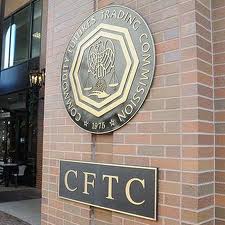
Today, the US Commodity Futures Trading Commission and Britain's FCA announced that they have brought a milestone case against an algorithmic trading entity for market abuse, representing the first Dodd-Frank Act application.
There has been some degree of concern among regulators during the course of this year with regard to high speed algorithmic trading and what certain authorities consider to be the disruptive behavior in which certain traders engage by using algorithms to outpace other market participants.
Today, the US Commodity Futures Trading Commission (CFTC) has brought a successful case against two parties, citing them for engaging in what the CFTC considers to be the disruptive process of spoofing. This is a milestone case, as it represents the first time that a trading firm has been prosecuted under the Dodd-Frank Act’s prohibition of spoofing, which is defined under the act as the illegal practice of bidding or offering with intent to cancel before execution.
Britain's Financial Conduct Authority (FCA) collaborated with the CFTC on this matter, and has also issued a penalty to the same parties.
High Speed Deception
One of the reasons that algorithmic trading is on the agenda of regulators is that it facilitates positions to be opened and closed at extremely high speeds, using extremely high technology, therefore giving certain traders a distinct advantage over others.
In this particular case, Panther Energy Trading LLC and its Principal Michael J. Coscia utilized a computer algorithm that was designed to illegally place and quickly cancel bids and offers in futures contracts.
The resultant toxic order flow of firms that use algorithms without contravening any laws has resulted in German regulator BaFIN proposing a mandatory delay in trade execution times to prevent disruptions, and go against latency arbitrage by those with quicker systems and complex automated algorithms.
Certain firms, without any encouragement from regulators, are also considering imposing a latency floor in order to absolve them of any such business. EBS recently embarked on such a consideration.
The CFTC Order requires Panther and Coscia to pay a $1.4 million civil monetary penalty, disgorge $1.4 million in trading profits, and bans Panther and Coscia from trading on any CFTC-registered entity for one year.
According to the Order, Coscia and Panther made money by employing a computer algorithm that was designed to unlawfully place and quickly cancel orders in exchange-traded futures contracts.
For example, Coscia and Panther would place a relatively small order to sell futures that they did want to execute, which they quickly followed with several large buy orders at successively higher prices that they intended to cancel.
By placing the large buy orders, Mr. Coscia and Panther sought to give the market the impression that there was significant buying interest, which suggested that prices would soon rise, raising the likelihood that other market participants would buy from the small order Coscia and Panther were then offering to sell.
FCA Rears Its Head
Across the pond, the FCA in Britain also today announced that it is prosecuting Mr. Coscia by imposing a fine of £597,993 for deliberate manipulation of the commodities markets.
The British regulator cites that Mr. Coscia is not an FCA regulated individual, and that his firm is not a regulated entity in Britain, and that he engaged in what the FCA calls layering.
Patrick Lindsay of the compliance team at Tradenext commented to Forex Magnates about the fine. He said: “The FCA is giving a clear message that malpractice will not be tolerated, and with technical advancements dictating the markets, it’s imperative for regulators to be aware the realms of technology."
The FCA alleges that Mr. Coscia was taking advantage of the price movements generated by his layering strategy, and made a profit of US $279,920 over the 6 week period during which he traded at the expense of other market participants - primarily other High Frequency Traders or traders using algorithmic and/or automated systems.
FX Firms Could Fall Into Trap
Although Coscia and Panther wanted to give the impression of buy-side interest, they entered the large buy orders with the intent that they be canceled before these orders were actually executed. Once the small sell order was filled according to the plan, the buy orders would be cancelled, and the sequence would quickly repeat but in reverse – a small buy order followed by several large sell orders. With this back and forth, Coscia and Panther profited on the executions of the small orders many times over the period in question.
David Meister, the CFTC’s Enforcement Director, made a public statement on behalf of the regulator: “While forms of algorithmic trading are of course lawful, using a computer program that is written to spoof the market is illegal and will not be tolerated. We will use the Dodd Frank anti-disruptive practices provision against schemes like this one to protect market participants and promote market integrity, particularly in the growing world of electronic trading platforms.”
The Order finds that Panther and Coscia engaged in this unlawful activity in 18 futures contracts traded on four exchanges owned by CME Group. Although futures contracts were the subject of this particular matter, there were also FX contracts being spoofed, as discovered by the CFTC.
The illegal activity by Panther Energy Trading involved a broad spectrum of commodities including energies, metals, interest rates, agricultures, stock indices, but also foreign currencies.
The futures contracts included the widely-traded Light Sweet Crude Oil contract as well as Natural Gas, Corn, Soybean, Soybean Oil, Soybean Meal, and Wheat contracts.
Technology Firms Strive For Low Latency To Regulatory Dismay
In a matter related to this case, the United Kingdom’s Financial Conduct Authority issued a Final Notice regarding its enforcement action against Coscia relating to his market abuse activities on the ICE Futures Europe exchange, and has imposed a penalty of approximately $900,000 against him.
Furthermore, the CME Group, by virtue of disciplinary actions taken by four of its exchanges, has imposed a fine of $800,000 and ordered disgorgement of approximately $1.3 million against Coscia and Panther and has issued a six-month trading ban on its exchanges against Coscia.
The CFTC’s $1.4 million disgorgement will be offset by amounts paid by Panther and Coscia to satisfy any disgorgement order in CME Group’s disciplinary action related to the spoofing charged by the CFTC.
As CME Group has represented to the CFTC, disgorgement paid in the CME Group’s action will be used first to offset the cost of customer protection programs, and thereafter, if the disgorged funds collected exceed the cost of those programs, the excess will be contributed to the CME Trust to be used to provide assistance to customers threatened with loss of their money or securities. The CME Trust is prohibited from utilizing any of its funds for the purpose of satisfying any legal obligation of the CME.
All of the major venues worldwide, including CME with today's announcement that the venue connected 5 major firms in the Far East to its point to point hub in Hong Kong, plus technology and infrastructure providers are engaged in a very fast-changing development phase currently, aimed at achieving extremely low latency and high connectivity and availability to the world’s venues.
This, whilst very popular with high-frequency traders and those wishing to have uninterrupted access to major electronic trading venues regardless of location, is contrary to the regulatory viewpoint that it helps those who wish to engage in disruptive behavior.
At this year's iFXEXPO in Cyprus, discussion among those well versed in the technology sector touched on this matter during the first day's discussion panels.
Jeff Ward, Global Head of FX Sales & EBS Direct at ICAP demonstrated his view on this matter, in that companies can improve efficiency and drive cost down whilst still providing seamless execution by operating a central order book and investing in their respective platform technology, therefore being able to leverage distribution internationally.
“Relationship and understanding who you’re trading with and what orders are being placed along with trading behavior are critical matters. If transparency is present, and it is known which party is dealing with which, a relationship can be built” is Mr Ward's opinion.
“A broker should be able to run its own liquidity curve and find out whether clients are profitable after 30 minutes or one hour for example” explained Mr Lukasiewicz.
It is difficult to know where this will end, whether dark pools will become the de facto means by which high frequency traders will conduct trades, as UBS connected its dark pool to TMX Atrium’s community last month and Australian regulator ASIC accepted dark liquidity as part of the financial landscape, or whether the vast technological developments in institutional infrastructure are taking place too quickly for regulators to forge their procedure to tackle its effect on the market.
There has been some degree of concern among regulators during the course of this year with regard to high speed algorithmic trading and what certain authorities consider to be the disruptive behavior in which certain traders engage by using algorithms to outpace other market participants.
Today, the US Commodity Futures Trading Commission (CFTC) has brought a successful case against two parties, citing them for engaging in what the CFTC considers to be the disruptive process of spoofing. This is a milestone case, as it represents the first time that a trading firm has been prosecuted under the Dodd-Frank Act’s prohibition of spoofing, which is defined under the act as the illegal practice of bidding or offering with intent to cancel before execution.
Britain's Financial Conduct Authority (FCA) collaborated with the CFTC on this matter, and has also issued a penalty to the same parties.
High Speed Deception
One of the reasons that algorithmic trading is on the agenda of regulators is that it facilitates positions to be opened and closed at extremely high speeds, using extremely high technology, therefore giving certain traders a distinct advantage over others.
In this particular case, Panther Energy Trading LLC and its Principal Michael J. Coscia utilized a computer algorithm that was designed to illegally place and quickly cancel bids and offers in futures contracts.
The resultant toxic order flow of firms that use algorithms without contravening any laws has resulted in German regulator BaFIN proposing a mandatory delay in trade execution times to prevent disruptions, and go against latency arbitrage by those with quicker systems and complex automated algorithms.
Certain firms, without any encouragement from regulators, are also considering imposing a latency floor in order to absolve them of any such business. EBS recently embarked on such a consideration.
The CFTC Order requires Panther and Coscia to pay a $1.4 million civil monetary penalty, disgorge $1.4 million in trading profits, and bans Panther and Coscia from trading on any CFTC-registered entity for one year.
According to the Order, Coscia and Panther made money by employing a computer algorithm that was designed to unlawfully place and quickly cancel orders in exchange-traded futures contracts.
For example, Coscia and Panther would place a relatively small order to sell futures that they did want to execute, which they quickly followed with several large buy orders at successively higher prices that they intended to cancel.
By placing the large buy orders, Mr. Coscia and Panther sought to give the market the impression that there was significant buying interest, which suggested that prices would soon rise, raising the likelihood that other market participants would buy from the small order Coscia and Panther were then offering to sell.
FCA Rears Its Head
Across the pond, the FCA in Britain also today announced that it is prosecuting Mr. Coscia by imposing a fine of £597,993 for deliberate manipulation of the commodities markets.
The British regulator cites that Mr. Coscia is not an FCA regulated individual, and that his firm is not a regulated entity in Britain, and that he engaged in what the FCA calls layering.
Patrick Lindsay of the compliance team at Tradenext commented to Forex Magnates about the fine. He said: “The FCA is giving a clear message that malpractice will not be tolerated, and with technical advancements dictating the markets, it’s imperative for regulators to be aware the realms of technology."
The FCA alleges that Mr. Coscia was taking advantage of the price movements generated by his layering strategy, and made a profit of US $279,920 over the 6 week period during which he traded at the expense of other market participants - primarily other High Frequency Traders or traders using algorithmic and/or automated systems.
FX Firms Could Fall Into Trap
Although Coscia and Panther wanted to give the impression of buy-side interest, they entered the large buy orders with the intent that they be canceled before these orders were actually executed. Once the small sell order was filled according to the plan, the buy orders would be cancelled, and the sequence would quickly repeat but in reverse – a small buy order followed by several large sell orders. With this back and forth, Coscia and Panther profited on the executions of the small orders many times over the period in question.
David Meister, the CFTC’s Enforcement Director, made a public statement on behalf of the regulator: “While forms of algorithmic trading are of course lawful, using a computer program that is written to spoof the market is illegal and will not be tolerated. We will use the Dodd Frank anti-disruptive practices provision against schemes like this one to protect market participants and promote market integrity, particularly in the growing world of electronic trading platforms.”
The Order finds that Panther and Coscia engaged in this unlawful activity in 18 futures contracts traded on four exchanges owned by CME Group. Although futures contracts were the subject of this particular matter, there were also FX contracts being spoofed, as discovered by the CFTC.
The illegal activity by Panther Energy Trading involved a broad spectrum of commodities including energies, metals, interest rates, agricultures, stock indices, but also foreign currencies.
The futures contracts included the widely-traded Light Sweet Crude Oil contract as well as Natural Gas, Corn, Soybean, Soybean Oil, Soybean Meal, and Wheat contracts.
Technology Firms Strive For Low Latency To Regulatory Dismay
In a matter related to this case, the United Kingdom’s Financial Conduct Authority issued a Final Notice regarding its enforcement action against Coscia relating to his market abuse activities on the ICE Futures Europe exchange, and has imposed a penalty of approximately $900,000 against him.
Furthermore, the CME Group, by virtue of disciplinary actions taken by four of its exchanges, has imposed a fine of $800,000 and ordered disgorgement of approximately $1.3 million against Coscia and Panther and has issued a six-month trading ban on its exchanges against Coscia.
The CFTC’s $1.4 million disgorgement will be offset by amounts paid by Panther and Coscia to satisfy any disgorgement order in CME Group’s disciplinary action related to the spoofing charged by the CFTC.
As CME Group has represented to the CFTC, disgorgement paid in the CME Group’s action will be used first to offset the cost of customer protection programs, and thereafter, if the disgorged funds collected exceed the cost of those programs, the excess will be contributed to the CME Trust to be used to provide assistance to customers threatened with loss of their money or securities. The CME Trust is prohibited from utilizing any of its funds for the purpose of satisfying any legal obligation of the CME.
All of the major venues worldwide, including CME with today's announcement that the venue connected 5 major firms in the Far East to its point to point hub in Hong Kong, plus technology and infrastructure providers are engaged in a very fast-changing development phase currently, aimed at achieving extremely low latency and high connectivity and availability to the world’s venues.
This, whilst very popular with high-frequency traders and those wishing to have uninterrupted access to major electronic trading venues regardless of location, is contrary to the regulatory viewpoint that it helps those who wish to engage in disruptive behavior.
At this year's iFXEXPO in Cyprus, discussion among those well versed in the technology sector touched on this matter during the first day's discussion panels.
Jeff Ward, Global Head of FX Sales & EBS Direct at ICAP demonstrated his view on this matter, in that companies can improve efficiency and drive cost down whilst still providing seamless execution by operating a central order book and investing in their respective platform technology, therefore being able to leverage distribution internationally.
“Relationship and understanding who you’re trading with and what orders are being placed along with trading behavior are critical matters. If transparency is present, and it is known which party is dealing with which, a relationship can be built” is Mr Ward's opinion.
“A broker should be able to run its own liquidity curve and find out whether clients are profitable after 30 minutes or one hour for example” explained Mr Lukasiewicz.
It is difficult to know where this will end, whether dark pools will become the de facto means by which high frequency traders will conduct trades, as UBS connected its dark pool to TMX Atrium’s community last month and Australian regulator ASIC accepted dark liquidity as part of the financial landscape, or whether the vast technological developments in institutional infrastructure are taking place too quickly for regulators to forge their procedure to tackle its effect on the market.
Italy’s Consob Tightens Net on AI-Fueled Scams With Fresh Website Bans
Featured Videos
FP Markets Winner Spotlight 🏆 | Global Broker of the Year 2025 #Trading #Broker #Innovation #Shorts
FP Markets Winner Spotlight 🏆 | Global Broker of the Year 2025 #Trading #Broker #Innovation #Shorts
FP Markets Winner Spotlight 🏆 | Global Broker of the Year 2025 #Trading #Broker #Innovation #Shorts
FP Markets Winner Spotlight 🏆 | Global Broker of the Year 2025 #Trading #Broker #Innovation #Shorts
FP Markets takes the spotlight as Global Broker of the Year 2025 at the Finance Magnates Awards.
Martin Stoilov, Head of Client Experience, shares that trust, innovation, and people played a key role in the company’s success, supported by a strong foundation of integrity and client-centricity.
Following this milestone, FP Markets continues to focus on growth, technology investment, and its core values of transparency and excellence.
👉 Be part of FM Awards 2026: https://awards.financemagnates.com/#nominate
FP Markets takes the spotlight as Global Broker of the Year 2025 at the Finance Magnates Awards.
Martin Stoilov, Head of Client Experience, shares that trust, innovation, and people played a key role in the company’s success, supported by a strong foundation of integrity and client-centricity.
Following this milestone, FP Markets continues to focus on growth, technology investment, and its core values of transparency and excellence.
👉 Be part of FM Awards 2026: https://awards.financemagnates.com/#nominate
FP Markets takes the spotlight as Global Broker of the Year 2025 at the Finance Magnates Awards.
Martin Stoilov, Head of Client Experience, shares that trust, innovation, and people played a key role in the company’s success, supported by a strong foundation of integrity and client-centricity.
Following this milestone, FP Markets continues to focus on growth, technology investment, and its core values of transparency and excellence.
👉 Be part of FM Awards 2026: https://awards.financemagnates.com/#nominate
FP Markets takes the spotlight as Global Broker of the Year 2025 at the Finance Magnates Awards.
Martin Stoilov, Head of Client Experience, shares that trust, innovation, and people played a key role in the company’s success, supported by a strong foundation of integrity and client-centricity.
Following this milestone, FP Markets continues to focus on growth, technology investment, and its core values of transparency and excellence.
👉 Be part of FM Awards 2026: https://awards.financemagnates.com/#nominate
In this video, we review @HolaPrimeMarketsOfficial, a multi-asset forex and CFDs broker offering different account types, trading platforms, and flexible trading conditions.
We cover the broker’s overall offering, including account options, trading environment, platforms like MT4 and MT5, and additional services such as managed accounts and fast withdrawals.
Watch the full video to see if Hola Prime Markets fits your trading needs.
📣 Stay up to date with the latest in finance and trading. Follow Finance Magnates for industry news, insights, and global event coverage.
Connect with us:
🔗 LinkedIn: /financemagnates
👍 Facebook: /financemagnates
📸 Instagram: https://www.instagram.com/financemagnates
🐦 X: https://x.com/financemagnates
🎥 TikTok: https://www.tiktok.com/tag/financemagnates
▶️ YouTube: /@financemagnates_official
#HolaPrime #ForexBroker #CFDTrading #FinanceMagnates #Trading #Forex #BrokerReview
In this video, we review @HolaPrimeMarketsOfficial, a multi-asset forex and CFDs broker offering different account types, trading platforms, and flexible trading conditions.
We cover the broker’s overall offering, including account options, trading environment, platforms like MT4 and MT5, and additional services such as managed accounts and fast withdrawals.
Watch the full video to see if Hola Prime Markets fits your trading needs.
📣 Stay up to date with the latest in finance and trading. Follow Finance Magnates for industry news, insights, and global event coverage.
Connect with us:
🔗 LinkedIn: /financemagnates
👍 Facebook: /financemagnates
📸 Instagram: https://www.instagram.com/financemagnates
🐦 X: https://x.com/financemagnates
🎥 TikTok: https://www.tiktok.com/tag/financemagnates
▶️ YouTube: /@financemagnates_official
#HolaPrime #ForexBroker #CFDTrading #FinanceMagnates #Trading #Forex #BrokerReview
In this video, we review @HolaPrimeMarketsOfficial, a multi-asset forex and CFDs broker offering different account types, trading platforms, and flexible trading conditions.
We cover the broker’s overall offering, including account options, trading environment, platforms like MT4 and MT5, and additional services such as managed accounts and fast withdrawals.
Watch the full video to see if Hola Prime Markets fits your trading needs.
📣 Stay up to date with the latest in finance and trading. Follow Finance Magnates for industry news, insights, and global event coverage.
Connect with us:
🔗 LinkedIn: /financemagnates
👍 Facebook: /financemagnates
📸 Instagram: https://www.instagram.com/financemagnates
🐦 X: https://x.com/financemagnates
🎥 TikTok: https://www.tiktok.com/tag/financemagnates
▶️ YouTube: /@financemagnates_official
#HolaPrime #ForexBroker #CFDTrading #FinanceMagnates #Trading #Forex #BrokerReview
In this video, we review @HolaPrimeMarketsOfficial, a multi-asset forex and CFDs broker offering different account types, trading platforms, and flexible trading conditions.
We cover the broker’s overall offering, including account options, trading environment, platforms like MT4 and MT5, and additional services such as managed accounts and fast withdrawals.
Watch the full video to see if Hola Prime Markets fits your trading needs.
📣 Stay up to date with the latest in finance and trading. Follow Finance Magnates for industry news, insights, and global event coverage.
Connect with us:
🔗 LinkedIn: /financemagnates
👍 Facebook: /financemagnates
📸 Instagram: https://www.instagram.com/financemagnates
🐦 X: https://x.com/financemagnates
🎥 TikTok: https://www.tiktok.com/tag/financemagnates
▶️ YouTube: /@financemagnates_official
#HolaPrime #ForexBroker #CFDTrading #FinanceMagnates #Trading #Forex #BrokerReview
In this video, we review @HolaPrimeMarketsOfficial, a multi-asset forex and CFDs broker offering different account types, trading platforms, and flexible trading conditions.
We cover the broker’s overall offering, including account options, trading environment, platforms like MT4 and MT5, and additional services such as managed accounts and fast withdrawals.
Watch the full video to see if Hola Prime Markets fits your trading needs.
📣 Stay up to date with the latest in finance and trading. Follow Finance Magnates for industry news, insights, and global event coverage.
Connect with us:
🔗 LinkedIn: /financemagnates
👍 Facebook: /financemagnates
📸 Instagram: https://www.instagram.com/financemagnates
🐦 X: https://x.com/financemagnates
🎥 TikTok: https://www.tiktok.com/tag/financemagnates
▶️ YouTube: /@financemagnates_official
#HolaPrime #ForexBroker #CFDTrading #FinanceMagnates #Trading #Forex #BrokerReview
In this video, we review @HolaPrimeMarketsOfficial, a multi-asset forex and CFDs broker offering different account types, trading platforms, and flexible trading conditions.
We cover the broker’s overall offering, including account options, trading environment, platforms like MT4 and MT5, and additional services such as managed accounts and fast withdrawals.
Watch the full video to see if Hola Prime Markets fits your trading needs.
📣 Stay up to date with the latest in finance and trading. Follow Finance Magnates for industry news, insights, and global event coverage.
Connect with us:
🔗 LinkedIn: /financemagnates
👍 Facebook: /financemagnates
📸 Instagram: https://www.instagram.com/financemagnates
🐦 X: https://x.com/financemagnates
🎥 TikTok: https://www.tiktok.com/tag/financemagnates
▶️ YouTube: /@financemagnates_official
#HolaPrime #ForexBroker #CFDTrading #FinanceMagnates #Trading #Forex #BrokerReview
Hola Prime Review: What You Need to Know | Full Breakdown by Finance Magnates
Hola Prime Review: What You Need to Know | Full Breakdown by Finance Magnates
Hola Prime Review: What You Need to Know | Full Breakdown by Finance Magnates
Hola Prime Review: What You Need to Know | Full Breakdown by Finance Magnates
Hola Prime Review: What You Need to Know | Full Breakdown by Finance Magnates
Hola Prime Review: What You Need to Know | Full Breakdown by Finance Magnates
In this video, we review @HolaPrime_Global, a proprietary trading firm offering evaluation programs and performance-based payouts in simulated market environments.
We cover how the challenge model works, including account types, profit splits (up to 95%), trading rules, and what it takes to reach a funded account. You’ll also learn about available platforms like MT4, MT5, cTrader, and more, along with insights into payouts, support, and trading conditions.
Watch the full video to see if Hola Prime fits your trading style.
📣 Stay up to date with the latest in finance and trading. Follow Finance Magnates for industry news, insights, and global event coverage.
Connect with us:
🔗 LinkedIn: /financemagnates
👍 Facebook: /financemagnates
📸 Instagram: https://www.instagram.com/financemagnates
🐦 X: https://x.com/financemagnates
🎥 TikTok: https://www.tiktok.com/tag/financemagnates
▶️ YouTube: /@financemagnates_official
#HolaPrime #PropFirm #Trading #FinanceMagnates #Forex #FuturesTrading #TradingReview #PropFirmReview
In this video, we review @HolaPrime_Global, a proprietary trading firm offering evaluation programs and performance-based payouts in simulated market environments.
We cover how the challenge model works, including account types, profit splits (up to 95%), trading rules, and what it takes to reach a funded account. You’ll also learn about available platforms like MT4, MT5, cTrader, and more, along with insights into payouts, support, and trading conditions.
Watch the full video to see if Hola Prime fits your trading style.
📣 Stay up to date with the latest in finance and trading. Follow Finance Magnates for industry news, insights, and global event coverage.
Connect with us:
🔗 LinkedIn: /financemagnates
👍 Facebook: /financemagnates
📸 Instagram: https://www.instagram.com/financemagnates
🐦 X: https://x.com/financemagnates
🎥 TikTok: https://www.tiktok.com/tag/financemagnates
▶️ YouTube: /@financemagnates_official
#HolaPrime #PropFirm #Trading #FinanceMagnates #Forex #FuturesTrading #TradingReview #PropFirmReview
In this video, we review @HolaPrime_Global, a proprietary trading firm offering evaluation programs and performance-based payouts in simulated market environments.
We cover how the challenge model works, including account types, profit splits (up to 95%), trading rules, and what it takes to reach a funded account. You’ll also learn about available platforms like MT4, MT5, cTrader, and more, along with insights into payouts, support, and trading conditions.
Watch the full video to see if Hola Prime fits your trading style.
📣 Stay up to date with the latest in finance and trading. Follow Finance Magnates for industry news, insights, and global event coverage.
Connect with us:
🔗 LinkedIn: /financemagnates
👍 Facebook: /financemagnates
📸 Instagram: https://www.instagram.com/financemagnates
🐦 X: https://x.com/financemagnates
🎥 TikTok: https://www.tiktok.com/tag/financemagnates
▶️ YouTube: /@financemagnates_official
#HolaPrime #PropFirm #Trading #FinanceMagnates #Forex #FuturesTrading #TradingReview #PropFirmReview
In this video, we review @HolaPrime_Global, a proprietary trading firm offering evaluation programs and performance-based payouts in simulated market environments.
We cover how the challenge model works, including account types, profit splits (up to 95%), trading rules, and what it takes to reach a funded account. You’ll also learn about available platforms like MT4, MT5, cTrader, and more, along with insights into payouts, support, and trading conditions.
Watch the full video to see if Hola Prime fits your trading style.
📣 Stay up to date with the latest in finance and trading. Follow Finance Magnates for industry news, insights, and global event coverage.
Connect with us:
🔗 LinkedIn: /financemagnates
👍 Facebook: /financemagnates
📸 Instagram: https://www.instagram.com/financemagnates
🐦 X: https://x.com/financemagnates
🎥 TikTok: https://www.tiktok.com/tag/financemagnates
▶️ YouTube: /@financemagnates_official
#HolaPrime #PropFirm #Trading #FinanceMagnates #Forex #FuturesTrading #TradingReview #PropFirmReview
In this video, we review @HolaPrime_Global, a proprietary trading firm offering evaluation programs and performance-based payouts in simulated market environments.
We cover how the challenge model works, including account types, profit splits (up to 95%), trading rules, and what it takes to reach a funded account. You’ll also learn about available platforms like MT4, MT5, cTrader, and more, along with insights into payouts, support, and trading conditions.
Watch the full video to see if Hola Prime fits your trading style.
📣 Stay up to date with the latest in finance and trading. Follow Finance Magnates for industry news, insights, and global event coverage.
Connect with us:
🔗 LinkedIn: /financemagnates
👍 Facebook: /financemagnates
📸 Instagram: https://www.instagram.com/financemagnates
🐦 X: https://x.com/financemagnates
🎥 TikTok: https://www.tiktok.com/tag/financemagnates
▶️ YouTube: /@financemagnates_official
#HolaPrime #PropFirm #Trading #FinanceMagnates #Forex #FuturesTrading #TradingReview #PropFirmReview
In this video, we review @HolaPrime_Global, a proprietary trading firm offering evaluation programs and performance-based payouts in simulated market environments.
We cover how the challenge model works, including account types, profit splits (up to 95%), trading rules, and what it takes to reach a funded account. You’ll also learn about available platforms like MT4, MT5, cTrader, and more, along with insights into payouts, support, and trading conditions.
Watch the full video to see if Hola Prime fits your trading style.
📣 Stay up to date with the latest in finance and trading. Follow Finance Magnates for industry news, insights, and global event coverage.
Connect with us:
🔗 LinkedIn: /financemagnates
👍 Facebook: /financemagnates
📸 Instagram: https://www.instagram.com/financemagnates
🐦 X: https://x.com/financemagnates
🎥 TikTok: https://www.tiktok.com/tag/financemagnates
▶️ YouTube: /@financemagnates_official
#HolaPrime #PropFirm #Trading #FinanceMagnates #Forex #FuturesTrading #TradingReview #PropFirmReview
Axi Winner Spotlight 🏆 | Global Most Innovative Broker 2025 #Innovation #Trading #Fintech #Broker
Axi Winner Spotlight 🏆 | Global Most Innovative Broker 2025 #Innovation #Trading #Fintech #Broker
Axi Winner Spotlight 🏆 | Global Most Innovative Broker 2025 #Innovation #Trading #Fintech #Broker
Axi Winner Spotlight 🏆 | Global Most Innovative Broker 2025 #Innovation #Trading #Fintech #Broker
Axi Winner Spotlight 🏆 | Global Most Innovative Broker 2025 #Innovation #Trading #Fintech #Broker
Axi Winner Spotlight 🏆 | Global Most Innovative Broker 2025 #Innovation #Trading #Fintech #Broker
Axi takes the spotlight at the Finance Magnates Awards, winning Global Most Innovative Broker 2025.
Olivia Xenofontos and Ivanna Openko share how the team will feel: proud, motivated, and ready to keep delivering.
They also describe the night as well-organized, focused, and enjoyable for all.
👉 Be part of FM Awards 2026.
Axi takes the spotlight at the Finance Magnates Awards, winning Global Most Innovative Broker 2025.
Olivia Xenofontos and Ivanna Openko share how the team will feel: proud, motivated, and ready to keep delivering.
They also describe the night as well-organized, focused, and enjoyable for all.
👉 Be part of FM Awards 2026.
Axi takes the spotlight at the Finance Magnates Awards, winning Global Most Innovative Broker 2025.
Olivia Xenofontos and Ivanna Openko share how the team will feel: proud, motivated, and ready to keep delivering.
They also describe the night as well-organized, focused, and enjoyable for all.
👉 Be part of FM Awards 2026.
Axi takes the spotlight at the Finance Magnates Awards, winning Global Most Innovative Broker 2025.
Olivia Xenofontos and Ivanna Openko share how the team will feel: proud, motivated, and ready to keep delivering.
They also describe the night as well-organized, focused, and enjoyable for all.
👉 Be part of FM Awards 2026.
Axi takes the spotlight at the Finance Magnates Awards, winning Global Most Innovative Broker 2025.
Olivia Xenofontos and Ivanna Openko share how the team will feel: proud, motivated, and ready to keep delivering.
They also describe the night as well-organized, focused, and enjoyable for all.
👉 Be part of FM Awards 2026.
Axi takes the spotlight at the Finance Magnates Awards, winning Global Most Innovative Broker 2025.
Olivia Xenofontos and Ivanna Openko share how the team will feel: proud, motivated, and ready to keep delivering.
They also describe the night as well-organized, focused, and enjoyable for all.
👉 Be part of FM Awards 2026.
Recognition that matters.
Built on transparency.
Driven by the industry.
The Finance Magnates Awards 2026.
Nominations are now open.
🔗 https://awards.financemagnates.com/?utm_source=SM&utm_medium=social&utm_campaign=recognition-matters
Recognition that matters.
Built on transparency.
Driven by the industry.
The Finance Magnates Awards 2026.
Nominations are now open.
🔗 https://awards.financemagnates.com/?utm_source=SM&utm_medium=social&utm_campaign=recognition-matters
Recognition that matters.
Built on transparency.
Driven by the industry.
The Finance Magnates Awards 2026.
Nominations are now open.
🔗 https://awards.financemagnates.com/?utm_source=SM&utm_medium=social&utm_campaign=recognition-matters
Recognition that matters.
Built on transparency.
Driven by the industry.
The Finance Magnates Awards 2026.
Nominations are now open.
🔗 https://awards.financemagnates.com/?utm_source=SM&utm_medium=social&utm_campaign=recognition-matters
Recognition that matters.
Built on transparency.
Driven by the industry.
The Finance Magnates Awards 2026.
Nominations are now open.
🔗 https://awards.financemagnates.com/?utm_source=SM&utm_medium=social&utm_campaign=recognition-matters
Recognition that matters.
Built on transparency.
Driven by the industry.
The Finance Magnates Awards 2026.
Nominations are now open.
🔗 https://awards.financemagnates.com/?utm_source=SM&utm_medium=social&utm_campaign=recognition-matters