The local regulator has added a new fee category for CFD dealers.
FM
After searching through regulatory documents, Finance Magnates has learned that it is now going to be much more expensive for contracts for difference (CFD) providers that have a license within The Bahamas, as the local regulator has added a new fee category for CFD dealers.
In particular, legislation from the Securities Commission of The Bahamas was passed on the 27th of May 2020 by Parliament, amending the existing fee rules in place since January 2018.
Following this change, "persons seeking to register to deal in Contracts for Differences" will have to pay an application fee of $2,500, a registration fee of $15,000 and an annual renewal fee of $30,000, according to the Official Gazette of The Bahamas.
However, according to the amended rules, a registered CFD firm shall, in addition to paying the annual renewal fee, need to pay a quarterly activity fee of $45,000, unless the firm has been exempted or had the fee reduced by the Securities Commission.
Furthermore, a "CFD Supervisory Officer" will be subject to a $1,000 application fee, a $3,000 registration fee, and a $5,000 annual renewal fee, the document showed.
Annual cost of CFD license increases by 15 times
The new fees for CFD providers dramatically increase the annual cost of having a Bahamas license to more than $230,000 per year, which is almost 15 times more than the previous cost of around $16,500.
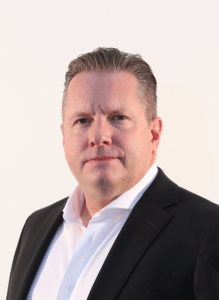
Jim Manczak, Director of Bahamas Offshore Services
Speaking to Finance Magnates on the changes, Jim Manczak, Director of Bahamas Offshore Services, said: "The Securities Commission intends to make the Bahamas a premium jurisdiction. This sends a clear signal to unscrupulous CFD brokers to not even consider the Bahamas. But, the most important question is whether or not the most well established and reputable brokers will accept it."
The role of The Bahamas in FX
The Bahamas is one of the most legitimate offshore jurisdictions. However, the significant uptick in fees in The Bahamas is an interesting move from the regulator. Of course, the increase in fees is likely to drive away fraudsters, but it could also drive away legitimate brokers who are seeking an offshore jurisdiction, as they could easily go to other countries, such as Seychelles or Vanuatu.
"And Estonia, which costs 20,000 Euro plus 12,000 Euro capital, makes much more economic sense for those dealing with Crypto. Both licenses are accepted in several Australian, Singaporean, German, and Hong Kong banks, if the broker is working according to a strict compliance protocol which we prepare for the broker."
However, as pointed out by David Woliner, Head of Financial Regulation at Porat Group, even with the new fees, The Bahamas is still not the most expensive license for an offshore jurisdiction.
David Woliner, Head of Financial Regulation at Porat Group
"Yes, it is, and yet, not the most expensive one, even in the offshore world," he stated. "The BVI still leads the way with a $1 million regulatory capital requirement, before mentioning the annual costs of maintaining the license there. Belize is also high above the Bahamas, consisting of a $500,000 capital, a $25,000 annual fee for the regulator alone, to which you add the costs of maintaining the local physical presence required by the regulator (local office and staff)."
Woliner then went on to explain that, depending on a broker's status, the cost of a Bahamas CFD license under the new pricing is still worth it.
"If you are a startup in this industry, you may not be looking at jurisdictions like the Bahamas or the BVI as your primary target for set up. You will typically prefer the likes of Vanuatu, Seychelles, and Mauritius, which are more affordable. But if you are a well-established group (or looking to become one) in this industry, you may want to distance yourself from others by choosing a jurisdiction which will raise the bar high enough to let you (and similar competitors) in and deter small inexperienced brokers, who may attract regulatory attention and bad reputation to the jurisdiction.
"To this date, and despite the high costs, some of the big names in the industry, such as Etoro and XM, continue to maintain their Belize licenses. The Bahamas hosts licenses by FXPro, IC Markets, Infinox, and XM. It was never cheap to start with - $180,000 capital for a broker, $300,000 for a market maker, not to mention highly expensive costs to maintain your local set up. The new costs certainly set a higher bar, but mostly for those brokers looking to get in. The big groups which are already there are likely to stay put, and groups of similar size will still consider jurisdiction like the Bahamas, despite its high costs."
The regulation from the Securities Commission of The Bahamas was passed at the same time as a new set of regulations introduced by the authority, which included leverage restrictions and banning binary options.
As Finance Magnates reported, legislation was passed to allow the SC of The Bahamas to implement leverage restrictions of 200:1, as well as ban binary options trading. The regulator will also impose marketing restrictions, which will limit cold calling and other aggressive marketing tactics.
This, coupled with the new fee structure, creates a significantly more regulated environment. Until recently, although the island nation did have a broker-dealer regulatory framework, dealing CFDs was loosely defined.
After searching through regulatory documents, Finance Magnates has learned that it is now going to be much more expensive for contracts for difference (CFD) providers that have a license within The Bahamas, as the local regulator has added a new fee category for CFD dealers.
In particular, legislation from the Securities Commission of The Bahamas was passed on the 27th of May 2020 by Parliament, amending the existing fee rules in place since January 2018.
Following this change, "persons seeking to register to deal in Contracts for Differences" will have to pay an application fee of $2,500, a registration fee of $15,000 and an annual renewal fee of $30,000, according to the Official Gazette of The Bahamas.
However, according to the amended rules, a registered CFD firm shall, in addition to paying the annual renewal fee, need to pay a quarterly activity fee of $45,000, unless the firm has been exempted or had the fee reduced by the Securities Commission.
Furthermore, a "CFD Supervisory Officer" will be subject to a $1,000 application fee, a $3,000 registration fee, and a $5,000 annual renewal fee, the document showed.
Annual cost of CFD license increases by 15 times
The new fees for CFD providers dramatically increase the annual cost of having a Bahamas license to more than $230,000 per year, which is almost 15 times more than the previous cost of around $16,500.
Jim Manczak, Director of Bahamas Offshore Services
Speaking to Finance Magnates on the changes, Jim Manczak, Director of Bahamas Offshore Services, said: "The Securities Commission intends to make the Bahamas a premium jurisdiction. This sends a clear signal to unscrupulous CFD brokers to not even consider the Bahamas. But, the most important question is whether or not the most well established and reputable brokers will accept it."
The role of The Bahamas in FX
The Bahamas is one of the most legitimate offshore jurisdictions. However, the significant uptick in fees in The Bahamas is an interesting move from the regulator. Of course, the increase in fees is likely to drive away fraudsters, but it could also drive away legitimate brokers who are seeking an offshore jurisdiction, as they could easily go to other countries, such as Seychelles or Vanuatu.
"And Estonia, which costs 20,000 Euro plus 12,000 Euro capital, makes much more economic sense for those dealing with Crypto. Both licenses are accepted in several Australian, Singaporean, German, and Hong Kong banks, if the broker is working according to a strict compliance protocol which we prepare for the broker."
However, as pointed out by David Woliner, Head of Financial Regulation at Porat Group, even with the new fees, The Bahamas is still not the most expensive license for an offshore jurisdiction.
David Woliner, Head of Financial Regulation at Porat Group
"Yes, it is, and yet, not the most expensive one, even in the offshore world," he stated. "The BVI still leads the way with a $1 million regulatory capital requirement, before mentioning the annual costs of maintaining the license there. Belize is also high above the Bahamas, consisting of a $500,000 capital, a $25,000 annual fee for the regulator alone, to which you add the costs of maintaining the local physical presence required by the regulator (local office and staff)."
Woliner then went on to explain that, depending on a broker's status, the cost of a Bahamas CFD license under the new pricing is still worth it.
"If you are a startup in this industry, you may not be looking at jurisdictions like the Bahamas or the BVI as your primary target for set up. You will typically prefer the likes of Vanuatu, Seychelles, and Mauritius, which are more affordable. But if you are a well-established group (or looking to become one) in this industry, you may want to distance yourself from others by choosing a jurisdiction which will raise the bar high enough to let you (and similar competitors) in and deter small inexperienced brokers, who may attract regulatory attention and bad reputation to the jurisdiction.
"To this date, and despite the high costs, some of the big names in the industry, such as Etoro and XM, continue to maintain their Belize licenses. The Bahamas hosts licenses by FXPro, IC Markets, Infinox, and XM. It was never cheap to start with - $180,000 capital for a broker, $300,000 for a market maker, not to mention highly expensive costs to maintain your local set up. The new costs certainly set a higher bar, but mostly for those brokers looking to get in. The big groups which are already there are likely to stay put, and groups of similar size will still consider jurisdiction like the Bahamas, despite its high costs."
The regulation from the Securities Commission of The Bahamas was passed at the same time as a new set of regulations introduced by the authority, which included leverage restrictions and banning binary options.
As Finance Magnates reported, legislation was passed to allow the SC of The Bahamas to implement leverage restrictions of 200:1, as well as ban binary options trading. The regulator will also impose marketing restrictions, which will limit cold calling and other aggressive marketing tactics.
This, coupled with the new fee structure, creates a significantly more regulated environment. Until recently, although the island nation did have a broker-dealer regulatory framework, dealing CFDs was loosely defined.
London Stock Exchange Owner Says NVIDIA Chips Crunch Years of Trading Data in Seconds
Featured Videos
FxPro Sells EU Clients to Capital.com; NAGA H1 Profit Revised
FxPro Sells EU Clients to Capital.com; NAGA H1 Profit Revised
FxPro Sells EU Clients to Capital.com; NAGA H1 Profit Revised
FxPro Sells EU Clients to Capital.com; NAGA H1 Profit Revised
Today’s financial news recap covers FxPro agrees to sell its European client book to Capital.com, NAGA raises its first-half profit estimate, Trade Republic prepares a fee-free pension account, and Interactive Brokers introduces Ether staking.
Finance Magnates Daily Recap brings you the latest news from forex and CFD brokers, fintech, payments, cryptocurrency, digital assets, trading platforms, financial regulation and global markets.
Get the key company news, executive moves, deals, regulatory updates and market developments of the day, in just a few minutes. New episodes published every weekday.
Read more: https://www.financemagnates.com
#FinanceMagnates #ForexNews #FintechNews
Today’s financial news recap covers FxPro agrees to sell its European client book to Capital.com, NAGA raises its first-half profit estimate, Trade Republic prepares a fee-free pension account, and Interactive Brokers introduces Ether staking.
Finance Magnates Daily Recap brings you the latest news from forex and CFD brokers, fintech, payments, cryptocurrency, digital assets, trading platforms, financial regulation and global markets.
Get the key company news, executive moves, deals, regulatory updates and market developments of the day, in just a few minutes. New episodes published every weekday.
Read more: https://www.financemagnates.com
#FinanceMagnates #ForexNews #FintechNews
Today’s financial news recap covers FxPro agrees to sell its European client book to Capital.com, NAGA raises its first-half profit estimate, Trade Republic prepares a fee-free pension account, and Interactive Brokers introduces Ether staking.
Finance Magnates Daily Recap brings you the latest news from forex and CFD brokers, fintech, payments, cryptocurrency, digital assets, trading platforms, financial regulation and global markets.
Get the key company news, executive moves, deals, regulatory updates and market developments of the day, in just a few minutes. New episodes published every weekday.
Read more: https://www.financemagnates.com
#FinanceMagnates #ForexNews #FintechNews
Today’s financial news recap covers FxPro agrees to sell its European client book to Capital.com, NAGA raises its first-half profit estimate, Trade Republic prepares a fee-free pension account, and Interactive Brokers introduces Ether staking.
Finance Magnates Daily Recap brings you the latest news from forex and CFD brokers, fintech, payments, cryptocurrency, digital assets, trading platforms, financial regulation and global markets.
Get the key company news, executive moves, deals, regulatory updates and market developments of the day, in just a few minutes. New episodes published every weekday.
Read more: https://www.financemagnates.com
#FinanceMagnates #ForexNews #FintechNews
Plus500 Plans US Super-App; Investec to Offer IG Platform
Plus500 Plans US Super-App; Investec to Offer IG Platform
Plus500 Plans US Super-App; Investec to Offer IG Platform
Plus500 Plans US Super-App; Investec to Offer IG Platform
Plus500 Plans US Super-App; Investec to Offer IG Platform
Plus500 Plans US Super-App; Investec to Offer IG Platform
Today’s financial news recap covers Plus500 plans a US trading super-app, Investec partners with IG, Trade Republic reports a sevenfold profit jump, and BingX adds thousands of US stocks.
Finance Magnates Daily Recap brings you the latest news from forex and CFD brokers, fintech, payments, cryptocurrency, digital assets, trading platforms, financial regulation and global markets.
Get the key company news, executive moves, deals, regulatory updates and market developments of the day, in just a few minutes. New episodes published every weekday.
Read more: https://www.financemagnates.com
#FinanceMagnates #ForexNews #FintechNews
Today’s financial news recap covers Plus500 plans a US trading super-app, Investec partners with IG, Trade Republic reports a sevenfold profit jump, and BingX adds thousands of US stocks.
Finance Magnates Daily Recap brings you the latest news from forex and CFD brokers, fintech, payments, cryptocurrency, digital assets, trading platforms, financial regulation and global markets.
Get the key company news, executive moves, deals, regulatory updates and market developments of the day, in just a few minutes. New episodes published every weekday.
Read more: https://www.financemagnates.com
#FinanceMagnates #ForexNews #FintechNews
Today’s financial news recap covers Plus500 plans a US trading super-app, Investec partners with IG, Trade Republic reports a sevenfold profit jump, and BingX adds thousands of US stocks.
Finance Magnates Daily Recap brings you the latest news from forex and CFD brokers, fintech, payments, cryptocurrency, digital assets, trading platforms, financial regulation and global markets.
Get the key company news, executive moves, deals, regulatory updates and market developments of the day, in just a few minutes. New episodes published every weekday.
Read more: https://www.financemagnates.com
#FinanceMagnates #ForexNews #FintechNews
Today’s financial news recap covers Plus500 plans a US trading super-app, Investec partners with IG, Trade Republic reports a sevenfold profit jump, and BingX adds thousands of US stocks.
Finance Magnates Daily Recap brings you the latest news from forex and CFD brokers, fintech, payments, cryptocurrency, digital assets, trading platforms, financial regulation and global markets.
Get the key company news, executive moves, deals, regulatory updates and market developments of the day, in just a few minutes. New episodes published every weekday.
Read more: https://www.financemagnates.com
#FinanceMagnates #ForexNews #FintechNews
Today’s financial news recap covers Plus500 plans a US trading super-app, Investec partners with IG, Trade Republic reports a sevenfold profit jump, and BingX adds thousands of US stocks.
Finance Magnates Daily Recap brings you the latest news from forex and CFD brokers, fintech, payments, cryptocurrency, digital assets, trading platforms, financial regulation and global markets.
Get the key company news, executive moves, deals, regulatory updates and market developments of the day, in just a few minutes. New episodes published every weekday.
Read more: https://www.financemagnates.com
#FinanceMagnates #ForexNews #FintechNews
Today’s financial news recap covers Plus500 plans a US trading super-app, Investec partners with IG, Trade Republic reports a sevenfold profit jump, and BingX adds thousands of US stocks.
Finance Magnates Daily Recap brings you the latest news from forex and CFD brokers, fintech, payments, cryptocurrency, digital assets, trading platforms, financial regulation and global markets.
Get the key company news, executive moves, deals, regulatory updates and market developments of the day, in just a few minutes. New episodes published every weekday.
Read more: https://www.financemagnates.com
#FinanceMagnates #ForexNews #FintechNews
FXCM UK Holds $110m in Client Money; IG CEO Questions Prediction Market Volumes
FXCM UK Holds $110m in Client Money; IG CEO Questions Prediction Market Volumes
FXCM UK Holds $110m in Client Money; IG CEO Questions Prediction Market Volumes
FXCM UK Holds $110m in Client Money; IG CEO Questions Prediction Market Volumes
FXCM UK Holds $110m in Client Money; IG CEO Questions Prediction Market Volumes
FXCM UK Holds $110m in Client Money; IG CEO Questions Prediction Market Volumes
Today’s financial news recap covers FXCM's UK arm holds $110 million in client money ahead of its sale to Trade Nation, Citadel Securities' UK profit falls 38 per cent, and Kraken secures its final Dubai crypto licence.
Finance Magnates Daily Recap brings you the latest news from forex and CFD brokers, fintech, payments, cryptocurrency, digital assets, trading platforms, financial regulation and global markets.
Get the key company news, executive moves, deals, regulatory updates and market developments of the day, in just a few minutes. New episodes published every weekday.
Read more: https://www.financemagnates.com
#FinanceMagnates #ForexNews #FintechNews
Today’s financial news recap covers FXCM's UK arm holds $110 million in client money ahead of its sale to Trade Nation, Citadel Securities' UK profit falls 38 per cent, and Kraken secures its final Dubai crypto licence.
Finance Magnates Daily Recap brings you the latest news from forex and CFD brokers, fintech, payments, cryptocurrency, digital assets, trading platforms, financial regulation and global markets.
Get the key company news, executive moves, deals, regulatory updates and market developments of the day, in just a few minutes. New episodes published every weekday.
Read more: https://www.financemagnates.com
#FinanceMagnates #ForexNews #FintechNews
Today’s financial news recap covers FXCM's UK arm holds $110 million in client money ahead of its sale to Trade Nation, Citadel Securities' UK profit falls 38 per cent, and Kraken secures its final Dubai crypto licence.
Finance Magnates Daily Recap brings you the latest news from forex and CFD brokers, fintech, payments, cryptocurrency, digital assets, trading platforms, financial regulation and global markets.
Get the key company news, executive moves, deals, regulatory updates and market developments of the day, in just a few minutes. New episodes published every weekday.
Read more: https://www.financemagnates.com
#FinanceMagnates #ForexNews #FintechNews
Today’s financial news recap covers FXCM's UK arm holds $110 million in client money ahead of its sale to Trade Nation, Citadel Securities' UK profit falls 38 per cent, and Kraken secures its final Dubai crypto licence.
Finance Magnates Daily Recap brings you the latest news from forex and CFD brokers, fintech, payments, cryptocurrency, digital assets, trading platforms, financial regulation and global markets.
Get the key company news, executive moves, deals, regulatory updates and market developments of the day, in just a few minutes. New episodes published every weekday.
Read more: https://www.financemagnates.com
#FinanceMagnates #ForexNews #FintechNews
Today’s financial news recap covers FXCM's UK arm holds $110 million in client money ahead of its sale to Trade Nation, Citadel Securities' UK profit falls 38 per cent, and Kraken secures its final Dubai crypto licence.
Finance Magnates Daily Recap brings you the latest news from forex and CFD brokers, fintech, payments, cryptocurrency, digital assets, trading platforms, financial regulation and global markets.
Get the key company news, executive moves, deals, regulatory updates and market developments of the day, in just a few minutes. New episodes published every weekday.
Read more: https://www.financemagnates.com
#FinanceMagnates #ForexNews #FintechNews
Today’s financial news recap covers FXCM's UK arm holds $110 million in client money ahead of its sale to Trade Nation, Citadel Securities' UK profit falls 38 per cent, and Kraken secures its final Dubai crypto licence.
Finance Magnates Daily Recap brings you the latest news from forex and CFD brokers, fintech, payments, cryptocurrency, digital assets, trading platforms, financial regulation and global markets.
Get the key company news, executive moves, deals, regulatory updates and market developments of the day, in just a few minutes. New episodes published every weekday.
Read more: https://www.financemagnates.com
#FinanceMagnates #ForexNews #FintechNews
AvaTrade to Acquire Most of FXCM; NAGA Raises $8M
AvaTrade to Acquire Most of FXCM; NAGA Raises $8M
AvaTrade to Acquire Most of FXCM; NAGA Raises $8M
AvaTrade to Acquire Most of FXCM; NAGA Raises $8M
AvaTrade to Acquire Most of FXCM; NAGA Raises $8M
AvaTrade to Acquire Most of FXCM; NAGA Raises $8M
Today’s financial news recap covers AvaTrade agrees to acquire most of FXCM, NAGA secures eight million dollars in new financing, and Wise seeks a tax settlement in the UK.
Finance Magnates Daily Recap brings you the latest news from forex and CFD brokers, fintech, payments, cryptocurrency, digital assets, trading platforms, financial regulation and global markets.
Get the key company news, executive moves, deals, regulatory updates and market developments of the day, in just a few minutes. New episodes published every weekday.
Read more: https://www.financemagnates.com
#FinanceMagnates #ForexNews #FintechNews
Today’s financial news recap covers AvaTrade agrees to acquire most of FXCM, NAGA secures eight million dollars in new financing, and Wise seeks a tax settlement in the UK.
Finance Magnates Daily Recap brings you the latest news from forex and CFD brokers, fintech, payments, cryptocurrency, digital assets, trading platforms, financial regulation and global markets.
Get the key company news, executive moves, deals, regulatory updates and market developments of the day, in just a few minutes. New episodes published every weekday.
Read more: https://www.financemagnates.com
#FinanceMagnates #ForexNews #FintechNews
Today’s financial news recap covers AvaTrade agrees to acquire most of FXCM, NAGA secures eight million dollars in new financing, and Wise seeks a tax settlement in the UK.
Finance Magnates Daily Recap brings you the latest news from forex and CFD brokers, fintech, payments, cryptocurrency, digital assets, trading platforms, financial regulation and global markets.
Get the key company news, executive moves, deals, regulatory updates and market developments of the day, in just a few minutes. New episodes published every weekday.
Read more: https://www.financemagnates.com
#FinanceMagnates #ForexNews #FintechNews
Today’s financial news recap covers AvaTrade agrees to acquire most of FXCM, NAGA secures eight million dollars in new financing, and Wise seeks a tax settlement in the UK.
Finance Magnates Daily Recap brings you the latest news from forex and CFD brokers, fintech, payments, cryptocurrency, digital assets, trading platforms, financial regulation and global markets.
Get the key company news, executive moves, deals, regulatory updates and market developments of the day, in just a few minutes. New episodes published every weekday.
Read more: https://www.financemagnates.com
#FinanceMagnates #ForexNews #FintechNews
Today’s financial news recap covers AvaTrade agrees to acquire most of FXCM, NAGA secures eight million dollars in new financing, and Wise seeks a tax settlement in the UK.
Finance Magnates Daily Recap brings you the latest news from forex and CFD brokers, fintech, payments, cryptocurrency, digital assets, trading platforms, financial regulation and global markets.
Get the key company news, executive moves, deals, regulatory updates and market developments of the day, in just a few minutes. New episodes published every weekday.
Read more: https://www.financemagnates.com
#FinanceMagnates #ForexNews #FintechNews
Today’s financial news recap covers AvaTrade agrees to acquire most of FXCM, NAGA secures eight million dollars in new financing, and Wise seeks a tax settlement in the UK.
Finance Magnates Daily Recap brings you the latest news from forex and CFD brokers, fintech, payments, cryptocurrency, digital assets, trading platforms, financial regulation and global markets.
Get the key company news, executive moves, deals, regulatory updates and market developments of the day, in just a few minutes. New episodes published every weekday.
Read more: https://www.financemagnates.com
#FinanceMagnates #ForexNews #FintechNews
XTB Adds Overnight US Stock Trading; Nasdaq Ventures Invests in One Trading
XTB Adds Overnight US Stock Trading; Nasdaq Ventures Invests in One Trading
XTB Adds Overnight US Stock Trading; Nasdaq Ventures Invests in One Trading
XTB Adds Overnight US Stock Trading; Nasdaq Ventures Invests in One Trading
XTB Adds Overnight US Stock Trading; Nasdaq Ventures Invests in One Trading
XTB Adds Overnight US Stock Trading; Nasdaq Ventures Invests in One Trading
Today’s financial news recap covers XTB expands overnight US stock trading, Fortrade reports higher revenue, Nasdaq backs One Trading, and Vest Labs raises 13 million dollars.
Finance Magnates Daily Recap brings you the latest news from forex and CFD brokers, fintech, payments, cryptocurrency, digital assets, trading platforms, financial regulation and global markets.
Get the key company news, executive moves, deals, regulatory updates and market developments of the day, in just a few minutes. New episodes published every weekday.
Read more: https://www.financemagnates.com
#FinanceMagnates #ForexNews #FintechNews
Today’s financial news recap covers XTB expands overnight US stock trading, Fortrade reports higher revenue, Nasdaq backs One Trading, and Vest Labs raises 13 million dollars.
Finance Magnates Daily Recap brings you the latest news from forex and CFD brokers, fintech, payments, cryptocurrency, digital assets, trading platforms, financial regulation and global markets.
Get the key company news, executive moves, deals, regulatory updates and market developments of the day, in just a few minutes. New episodes published every weekday.
Read more: https://www.financemagnates.com
#FinanceMagnates #ForexNews #FintechNews
Today’s financial news recap covers XTB expands overnight US stock trading, Fortrade reports higher revenue, Nasdaq backs One Trading, and Vest Labs raises 13 million dollars.
Finance Magnates Daily Recap brings you the latest news from forex and CFD brokers, fintech, payments, cryptocurrency, digital assets, trading platforms, financial regulation and global markets.
Get the key company news, executive moves, deals, regulatory updates and market developments of the day, in just a few minutes. New episodes published every weekday.
Read more: https://www.financemagnates.com
#FinanceMagnates #ForexNews #FintechNews
Today’s financial news recap covers XTB expands overnight US stock trading, Fortrade reports higher revenue, Nasdaq backs One Trading, and Vest Labs raises 13 million dollars.
Finance Magnates Daily Recap brings you the latest news from forex and CFD brokers, fintech, payments, cryptocurrency, digital assets, trading platforms, financial regulation and global markets.
Get the key company news, executive moves, deals, regulatory updates and market developments of the day, in just a few minutes. New episodes published every weekday.
Read more: https://www.financemagnates.com
#FinanceMagnates #ForexNews #FintechNews
Today’s financial news recap covers XTB expands overnight US stock trading, Fortrade reports higher revenue, Nasdaq backs One Trading, and Vest Labs raises 13 million dollars.
Finance Magnates Daily Recap brings you the latest news from forex and CFD brokers, fintech, payments, cryptocurrency, digital assets, trading platforms, financial regulation and global markets.
Get the key company news, executive moves, deals, regulatory updates and market developments of the day, in just a few minutes. New episodes published every weekday.
Read more: https://www.financemagnates.com
#FinanceMagnates #ForexNews #FintechNews
Today’s financial news recap covers XTB expands overnight US stock trading, Fortrade reports higher revenue, Nasdaq backs One Trading, and Vest Labs raises 13 million dollars.
Finance Magnates Daily Recap brings you the latest news from forex and CFD brokers, fintech, payments, cryptocurrency, digital assets, trading platforms, financial regulation and global markets.
Get the key company news, executive moves, deals, regulatory updates and market developments of the day, in just a few minutes. New episodes published every weekday.
Read more: https://www.financemagnates.com
#FinanceMagnates #ForexNews #FintechNews