1st part of Australia's new OTC derivative reporting rules has just come into effect.
CFD Brokers must now provide collateral reporting, new unique identifiers, and standardized XML formatting.
Australian
CFD brokers are bracing for significant changes to their reporting obligations
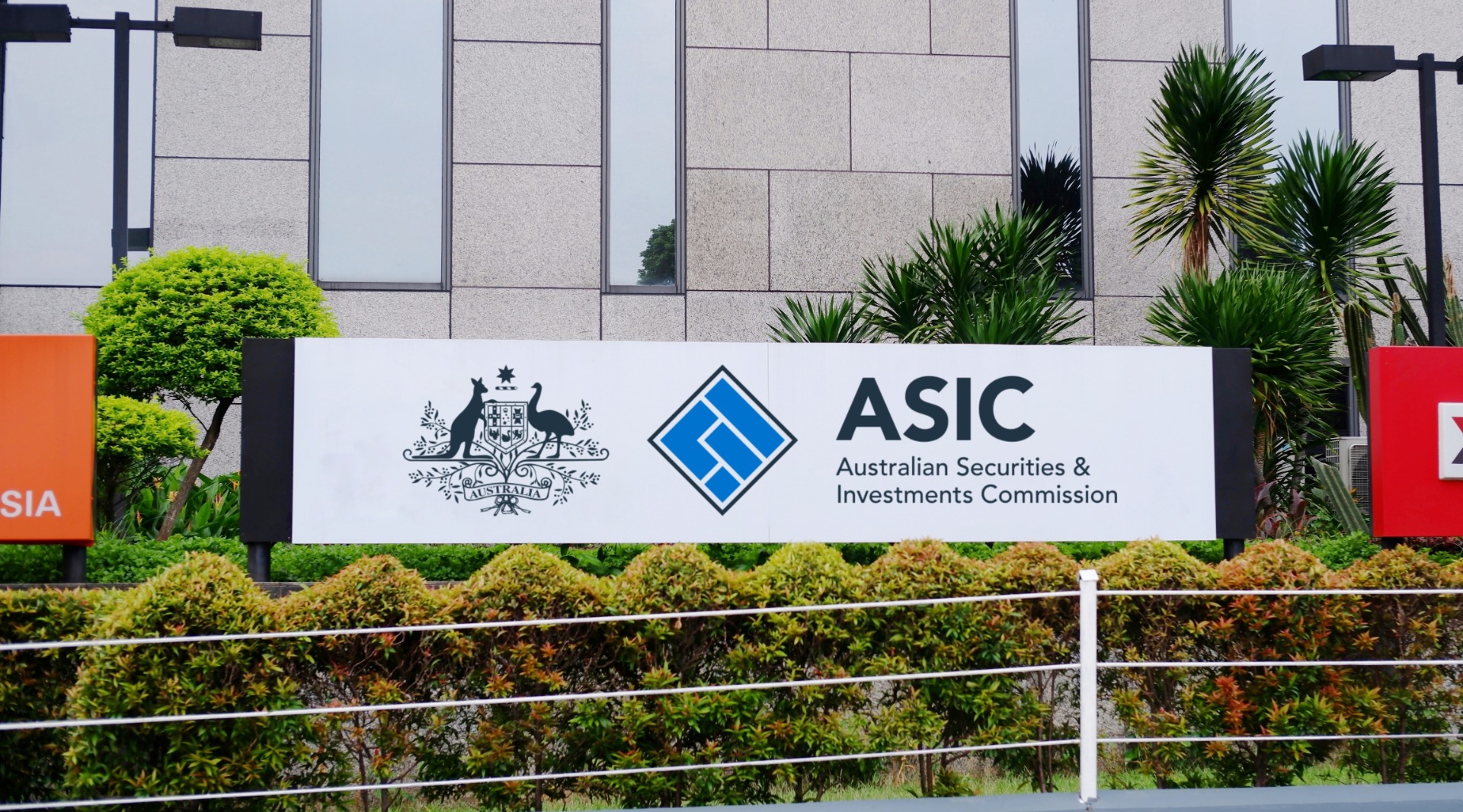
as the Australian Securities and Investments Commission (ASIC) finalizes its
“ASIC Rewrite” of OTC derivative reporting rules, set to commence today
(Monday).
CFD Brokers Face New
Reporting Requirements as ASIC Rewrite Looms
The new
rules, which have been years in the making, will introduce sweeping changes to
how CFD brokers report transactions and manage client data. Key updates include
the requirement to report collected collateral, new unique identifier fields,
and a shift to XML formatting.
What is changing for CFD
brokers?
Expanded
collateral reporting:
Brokers must now report the margin received from clients, not just the margin posted to
hedging counterparties. This provides regulators with a more comprehensive view
of collateral flows.
Revised
single-sided reporting rules: The framework for single-sided reporting relief has been updated,
potentially affecting how some trades are reported.
New
identifier fields:
The introduction of Unique Transaction Identifiers (UTIs) and Unique Product
Identifiers (UPIs) aims to improve trade matching and product classification
across the industry.
Standardized
data format:
Reports must now be submitted in XML format, promoting consistency and easier
data processing.
Sophie Gerber, Co-CEO, Director at TRAction Fintech
“The
ASIC Rewrite will bring many major and minor reporting changes for CFDs brokers,”
said Sophie Gerber, co-CEO of TRAction Fintech. “Previously, reporting
entities (such as CFD brokers) only had to report collateral that was ‘posted.’
Now, they will also have to report collateral received.”
Gerber
highlighted that the implementation is staggered, with the bulk of changes
coming into effect now, followed by additional requirements in October 2025:
October 21, 2024: UPI, UTI, XML format, and the
country of counterparty 2.
October 20, 2025:
Removing the “alternative reporting” framework, requiring ASIC-regulated firms
to report trades with foreign firms, regardless of the foreign firm’s reporting
obligations. Reporting must be submitted to ASIC-authorized repositories to
qualify for compliance relief.
“CFD
brokers should consider the changes, particularly the impact of the additional
requirement to report collected collateral in relation to derivatives on behalf
of their clients,” Gerber advised. “Whether this will be strenuous on
the business and require additional resourcing, along with the timing of the
two implementation dates, should be carefully considered.”
What are UTIs and UPIs?
The ASIC
Rewrite introduces new concepts such as Unique Transaction Identifiers (UTIs)
and Unique Product Identifiers (UPIs). It aligns Australian reporting standards
more closely with global practices.
UTIs
UTIs are
like unique barcodes for individual derivatives transactions. They allow
regulators and market participants to identify and track specific trades across
different systems and institutions. UTIs help prevent double-counting of trades
and make it easier to reconcile trade data. When a derivatives trade is
executed, it is assigned a UTI—typically a long alphanumeric code. This UTI
stays with the trade throughout its lifecycle, allowing it to be tracked even
if it is modified or transferred between parties.
UPIs
UPIs are
standardized codes that identify specific types of derivatives products. They
provide a consistent way to classify and identify the particular product being
traded, such as a certain type of interest rate swap or credit default swap.
UPIs are
typically shorter codes that represent the key characteristics of a derivatives
product. By using UPIs, regulators and market participants can more easily
analyze market activity and risk across comparable products, even when those
products are traded on different platforms or in different jurisdictions.
To Sum Up
UTIs
identify specific trades, while UPIs identify what type of product was traded.
Together, these identifiers help create a more organized and transparent
derivatives market by providing consistent ways to label and track trades and
products across different institutions and jurisdictions.
As the
October 2024 deadline approached, ASIC
provided further guidance to help firms transition to the new reporting
regime.
Australian
CFD brokers are bracing for significant changes to their reporting obligations
as the Australian Securities and Investments Commission (ASIC) finalizes its
“ASIC Rewrite” of OTC derivative reporting rules, set to commence today
(Monday).
CFD Brokers Face New
Reporting Requirements as ASIC Rewrite Looms
The new
rules, which have been years in the making, will introduce sweeping changes to
how CFD brokers report transactions and manage client data. Key updates include
the requirement to report collected collateral, new unique identifier fields,
and a shift to XML formatting.
What is changing for CFD
brokers?
Expanded
collateral reporting:
Brokers must now report the margin received from clients, not just the margin posted to
hedging counterparties. This provides regulators with a more comprehensive view
of collateral flows.
Revised
single-sided reporting rules: The framework for single-sided reporting relief has been updated,
potentially affecting how some trades are reported.
New
identifier fields:
The introduction of Unique Transaction Identifiers (UTIs) and Unique Product
Identifiers (UPIs) aims to improve trade matching and product classification
across the industry.
Standardized
data format:
Reports must now be submitted in XML format, promoting consistency and easier
data processing.
Sophie Gerber, Co-CEO, Director at TRAction Fintech
“The
ASIC Rewrite will bring many major and minor reporting changes for CFDs brokers,”
said Sophie Gerber, co-CEO of TRAction Fintech. “Previously, reporting
entities (such as CFD brokers) only had to report collateral that was ‘posted.’
Now, they will also have to report collateral received.”
Gerber
highlighted that the implementation is staggered, with the bulk of changes
coming into effect now, followed by additional requirements in October 2025:
October 21, 2024: UPI, UTI, XML format, and the
country of counterparty 2.
October 20, 2025:
Removing the “alternative reporting” framework, requiring ASIC-regulated firms
to report trades with foreign firms, regardless of the foreign firm’s reporting
obligations. Reporting must be submitted to ASIC-authorized repositories to
qualify for compliance relief.
“CFD
brokers should consider the changes, particularly the impact of the additional
requirement to report collected collateral in relation to derivatives on behalf
of their clients,” Gerber advised. “Whether this will be strenuous on
the business and require additional resourcing, along with the timing of the
two implementation dates, should be carefully considered.”
What are UTIs and UPIs?
The ASIC
Rewrite introduces new concepts such as Unique Transaction Identifiers (UTIs)
and Unique Product Identifiers (UPIs). It aligns Australian reporting standards
more closely with global practices.
UTIs
UTIs are
like unique barcodes for individual derivatives transactions. They allow
regulators and market participants to identify and track specific trades across
different systems and institutions. UTIs help prevent double-counting of trades
and make it easier to reconcile trade data. When a derivatives trade is
executed, it is assigned a UTI—typically a long alphanumeric code. This UTI
stays with the trade throughout its lifecycle, allowing it to be tracked even
if it is modified or transferred between parties.
UPIs
UPIs are
standardized codes that identify specific types of derivatives products. They
provide a consistent way to classify and identify the particular product being
traded, such as a certain type of interest rate swap or credit default swap.
UPIs are
typically shorter codes that represent the key characteristics of a derivatives
product. By using UPIs, regulators and market participants can more easily
analyze market activity and risk across comparable products, even when those
products are traded on different platforms or in different jurisdictions.
To Sum Up
UTIs
identify specific trades, while UPIs identify what type of product was traded.
Together, these identifiers help create a more organized and transparent
derivatives market by providing consistent ways to label and track trades and
products across different institutions and jurisdictions.
As the
October 2024 deadline approached, ASIC
provided further guidance to help firms transition to the new reporting
regime.
Damian Chmiel is a Senior Analyst & Editor at Finance Magnates with more than 15 years of experience in the CFD and online trading industry. Active as both a trader and journalist since 2010, he focuses on broker coverage, fintech innovation, and regulatory developments across Europe, the Middle East, and Asia.
His work includes interviews with C-level leaders at major brokerages and fintech platforms, as well as co-authoring Finance Magnates’ quarterly industry benchmarking reports. Damian’s reporting is data-driven, market-aware, and grounded in direct industry engagement. His analysis and commentary have also been cited by external media outlets, including Investing.com, Binance, The Asset, Stockhead, and Dispatch.
Education:
MA in Finance and Accounting, Cracow University of Economics
Retail Traders Can Now Access Prediction Markets Through Binance Wallet
FP Markets Winner Spotlight 🏆 | Global Broker of the Year 2025 #Trading #Broker #Innovation #Shorts
FP Markets Winner Spotlight 🏆 | Global Broker of the Year 2025 #Trading #Broker #Innovation #Shorts
FP Markets takes the spotlight as Global Broker of the Year 2025 at the Finance Magnates Awards.
Martin Stoilov, Head of Client Experience, shares that trust, innovation, and people played a key role in the company’s success, supported by a strong foundation of integrity and client-centricity.
Following this milestone, FP Markets continues to focus on growth, technology investment, and its core values of transparency and excellence.
👉 Be part of FM Awards 2026: https://awards.financemagnates.com/#nominate
FP Markets takes the spotlight as Global Broker of the Year 2025 at the Finance Magnates Awards.
Martin Stoilov, Head of Client Experience, shares that trust, innovation, and people played a key role in the company’s success, supported by a strong foundation of integrity and client-centricity.
Following this milestone, FP Markets continues to focus on growth, technology investment, and its core values of transparency and excellence.
👉 Be part of FM Awards 2026: https://awards.financemagnates.com/#nominate
In this video, we review @HolaPrimeMarketsOfficial, a multi-asset forex and CFDs broker offering different account types, trading platforms, and flexible trading conditions.
We cover the broker’s overall offering, including account options, trading environment, platforms like MT4 and MT5, and additional services such as managed accounts and fast withdrawals.
Watch the full video to see if Hola Prime Markets fits your trading needs.
📣 Stay up to date with the latest in finance and trading. Follow Finance Magnates for industry news, insights, and global event coverage.
Connect with us:
🔗 LinkedIn: /financemagnates
👍 Facebook: /financemagnates
📸 Instagram: https://www.instagram.com/financemagnates
🐦 X: https://x.com/financemagnates
🎥 TikTok: https://www.tiktok.com/tag/financemagnates
▶️ YouTube: /@financemagnates_official
#HolaPrime #ForexBroker #CFDTrading #FinanceMagnates #Trading #Forex #BrokerReview
In this video, we review @HolaPrimeMarketsOfficial, a multi-asset forex and CFDs broker offering different account types, trading platforms, and flexible trading conditions.
We cover the broker’s overall offering, including account options, trading environment, platforms like MT4 and MT5, and additional services such as managed accounts and fast withdrawals.
Watch the full video to see if Hola Prime Markets fits your trading needs.
📣 Stay up to date with the latest in finance and trading. Follow Finance Magnates for industry news, insights, and global event coverage.
Connect with us:
🔗 LinkedIn: /financemagnates
👍 Facebook: /financemagnates
📸 Instagram: https://www.instagram.com/financemagnates
🐦 X: https://x.com/financemagnates
🎥 TikTok: https://www.tiktok.com/tag/financemagnates
▶️ YouTube: /@financemagnates_official
#HolaPrime #ForexBroker #CFDTrading #FinanceMagnates #Trading #Forex #BrokerReview
Hola Prime Review: What You Need to Know | Full Breakdown by Finance Magnates
Hola Prime Review: What You Need to Know | Full Breakdown by Finance Magnates
In this video, we review @HolaPrime_Global, a proprietary trading firm offering evaluation programs and performance-based payouts in simulated market environments.
We cover how the challenge model works, including account types, profit splits (up to 95%), trading rules, and what it takes to reach a funded account. You’ll also learn about available platforms like MT4, MT5, cTrader, and more, along with insights into payouts, support, and trading conditions.
Watch the full video to see if Hola Prime fits your trading style.
📣 Stay up to date with the latest in finance and trading. Follow Finance Magnates for industry news, insights, and global event coverage.
Connect with us:
🔗 LinkedIn: /financemagnates
👍 Facebook: /financemagnates
📸 Instagram: https://www.instagram.com/financemagnates
🐦 X: https://x.com/financemagnates
🎥 TikTok: https://www.tiktok.com/tag/financemagnates
▶️ YouTube: /@financemagnates_official
#HolaPrime #PropFirm #Trading #FinanceMagnates #Forex #FuturesTrading #TradingReview #PropFirmReview
In this video, we review @HolaPrime_Global, a proprietary trading firm offering evaluation programs and performance-based payouts in simulated market environments.
We cover how the challenge model works, including account types, profit splits (up to 95%), trading rules, and what it takes to reach a funded account. You’ll also learn about available platforms like MT4, MT5, cTrader, and more, along with insights into payouts, support, and trading conditions.
Watch the full video to see if Hola Prime fits your trading style.
📣 Stay up to date with the latest in finance and trading. Follow Finance Magnates for industry news, insights, and global event coverage.
Connect with us:
🔗 LinkedIn: /financemagnates
👍 Facebook: /financemagnates
📸 Instagram: https://www.instagram.com/financemagnates
🐦 X: https://x.com/financemagnates
🎥 TikTok: https://www.tiktok.com/tag/financemagnates
▶️ YouTube: /@financemagnates_official
#HolaPrime #PropFirm #Trading #FinanceMagnates #Forex #FuturesTrading #TradingReview #PropFirmReview
Axi Winner Spotlight 🏆 | Global Most Innovative Broker 2025 #Innovation #Trading #Fintech #Broker
Axi Winner Spotlight 🏆 | Global Most Innovative Broker 2025 #Innovation #Trading #Fintech #Broker
Axi takes the spotlight at the Finance Magnates Awards, winning Global Most Innovative Broker 2025.
Olivia Xenofontos and Ivanna Openko share how the team will feel: proud, motivated, and ready to keep delivering.
They also describe the night as well-organized, focused, and enjoyable for all.
👉 Be part of FM Awards 2026.
Axi takes the spotlight at the Finance Magnates Awards, winning Global Most Innovative Broker 2025.
Olivia Xenofontos and Ivanna Openko share how the team will feel: proud, motivated, and ready to keep delivering.
They also describe the night as well-organized, focused, and enjoyable for all.
👉 Be part of FM Awards 2026.
Recognition that matters.
Built on transparency.
Driven by the industry.
The Finance Magnates Awards 2026.
Nominations are now open.
🔗 https://awards.financemagnates.com/?utm_source=SM&utm_medium=social&utm_campaign=recognition-matters
Recognition that matters.
Built on transparency.
Driven by the industry.
The Finance Magnates Awards 2026.
Nominations are now open.
🔗 https://awards.financemagnates.com/?utm_source=SM&utm_medium=social&utm_campaign=recognition-matters