Discussing the “State of Prop in 2026,” the panelists agreed the industry is maturing beyond its early excitement.
Risk management also dominated the discussion, with the panel agreeing that firms will only thrive if they can filter out manipulative traders.
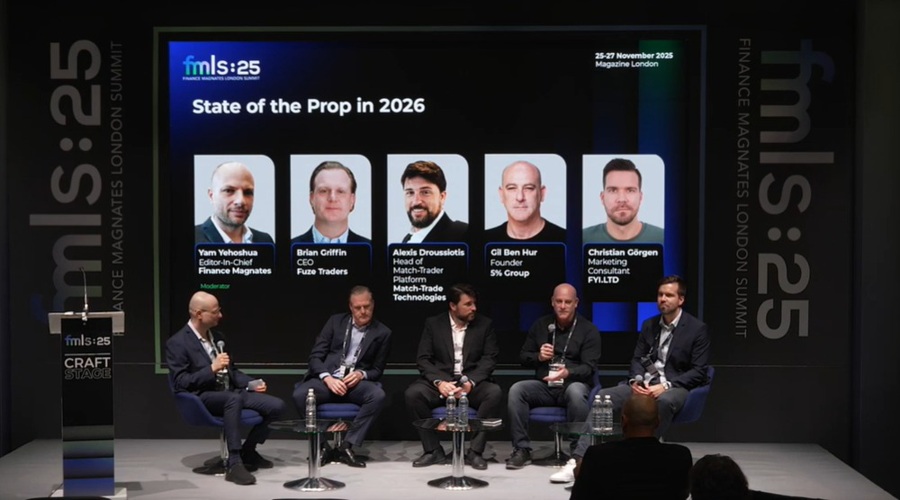
At this year’s FMLS:25 in London, the “Craft Stage”
was packed for a spirited debate on the future of proprietary trading.
Moderated by Yam Yehoshua, the Editor-in-Chief of
Finance Magnates, the panel featured four veteran voices at the crossroads of
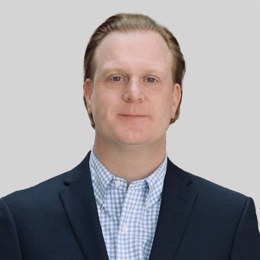
brokerage, technology, and marketing: Brian Griffin, CEO of Fuze Traders; Gil
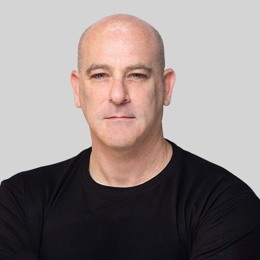
Ben-Hur, Founder of 5% Group; Alexis Droussiotis, the Head of Match-Trader at
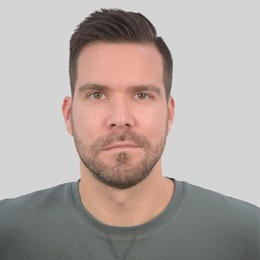
Match-Trader Technologies; and Christian Görgen, Marketing Consultant at
FYI.LTD.
Their verdict on the prop trading landscape in 2026:
the sector’s exuberance is giving way to consolidation, professionalism, and an
urgent quest for trust.
From left: Yam Yehoshua, Brian Griffin, Alexis Droussiotis, Gil Ben Hur, and Christian Görgen
From Hype to Hard Economics
“The word I’d use is hype,” Görgen said bluntly,
describing the surge of prop trading brands that have emerged in recent years.
But as the panel agreed, enthusiasm alone no longer sustains a business.
Griffin, who has operated several prop firms himself,
laid out the stark new economics of entry: “If you started a prop firm two, two
and a half, three years ago, you could simply set up with, you know, a front end
and some form of dashboard. Now, I think the costs of entry are significant.”
That barrier, he argued, reflects the price of waning
confidence after too many short-lived operations left traders burnt. For panelists,
rebuilding credibility is the defining theme for 2026.
Trust as the New Currency
According to Ben-Hur, “There's a lot of space for new
companies that come and propose new ideas to this industry. When I mentioned
before that I think the industry needs to be more mature and growing, I would
expect that a new company will not just take more of the same and embrace
technology and do something that many other companies are doing, but also
propose new values, new ideas, and new models for being funded.”
Many companies have recently shut down, leaving those
still active with the challenge of rebuilding industry trust. However,
restoring that trust requires significant investment, as affiliate partners are
now demanding high revenue shares – often between 20% and 70% – making it
difficult for newcomers without strong marketing capabilities or distinctive
offerings to compete.
Alexis Droussiotis, Head of Match-Trader Platform Match-Trade Technologies
Technology Tiers and Rising Sophistication
Droussiotis broke the market into three layers:
top-tier firms developing their own technology; mid-tier firms assembling
best-of-breed tech stacks; and newer entrants relying on turnkey white-label
solutions.
“So, depending on each of the tiers, there's a
different, let's say, barrier to entry,” he said. “There's a different one to all three. I
understand.”
Ben-Hur warned against the illusion that technology
alone can substitute for originality. “The business is saturated,” he said. “To
stand out, firms must bring new ideas and funding models – not more of the
same.”
Risk: The Industry’s Defining Challenge
If one theme dominated, it was risk management,
repeatedly cited as the line between durability and downfall. Ben-Hur emphasized that managing risk is central to
the firm’s daily operations, noting that an internal initiative is training all
departments, including marketing, to identify and exclude traders who use
manipulative or exploitative strategies.
“The prop firm business model, as it is today, it's
statistical, and you need to mitigate the risk by a lot of means, specifically
data,” he said. “The main challenge is how to filter out the toxic players and still
provide good terms for what we call the genuine traders, the ones that really
want to participate in trading as a genuine trader.”
“We've created a mindset project in the company that
says that risk is everywhere, because every department in the company can
contribute to mitigate risk, even marketing,” he shared.
Droussiotis explained that technology plays a crucial
role in detecting misuse, noting that it is the firm’s risk management
system – rather than the trading platform – that identifies abusive behavior. He
said the company relies on funded-phase liquidity models to limit payouts and
flag potential arbitrage or hedging activity.
Futures, Platforms, and the Post-MetaQuotes Pivot
The panel discussed MetaQuotes’ withdrawal from the proprietary trading sector, which prompted firms to seek alternative platform
providers. Ben-Hur noted that the shift attracted new clients to his company
after some providers were left unable to serve their existing users.
Droussiotis saw a silver lining: “When MetaQuotes
pulled out, what happened was and what I'm seeing continuing is that prop firms had to use alternative trading platforms. And the benefit out of this was that
they actually understood other trading platforms as well.”
“So where do I see it going? Prop firms understanding
that using a few trading platforms could be to their benefit rather than
focusing on just one,” he explained.
In the U.S., he added, many traders moved into futures
trading – a trend Ben-Hur said reflects regulatory friction. “For American
traders, regulation makes life hard. Futures offer them an easier, more
familiar option.”
Brian Griffin, the CEO of Fuze Traders
The Trader’s Edge – and Prop’s Lasting Value
“Overall for beginners, it's also a less painful
experience if you start trading as a prop trader compared to as a CFD trader
where you lose large capital in the first couple of weeks. That's usually the
experience of someone who's new to trading. So with prop trading, I think it
can be a learning curve, which is easier and less pricey as well,” Görgen
opined.
Droussiotis called it “a gentler learning curve,” and
Görgen praised its psychological angle – trading real funds for low cost.
Gil noted that proprietary trading firms offer clear
value to traders by providing low-cost access, practical experience, and a
sense of community that traditional brokers often cannot due to regulatory
constraints.
He added that
prop firms have played a major role in expanding the retail trading ecosystem
by serving as an entry point for large numbers of new traders.
For Ben-Hur, the broader contribution is systemic.
“Props have become the gateway to retail trading. We’re bringing the masses in
– people who never had the resources or confidence before. That’s our biggest
impact.”
Gil Ben Hur, Founder & CEO of 5% Group
Prop and Brokers: Complement or Competition?
In closing, the audience asked a provocative question: would prop firms replace brokers? The panel was unanimous: no.
“The old guys, they stay here. And I think the prop
firms are just bringing many, many more masses of new clients and they will
eventually grow up to be broker clients. I think we contribute to this
ecosystem quite a lot in a very beneficial way.”
Griffin argued that while all brokers could benefit
from offering proprietary trading programs, not every prop firm is suited to
become a broker. Ben-Hur added that prop firms play a complementary role by
introducing new traders who often progress to become brokerage clients,
contributing to a balanced industry ecosystem.
At this year’s FMLS:25 in London, the “Craft Stage”
was packed for a spirited debate on the future of proprietary trading.
Moderated by Yam Yehoshua, the Editor-in-Chief of
Finance Magnates, the panel featured four veteran voices at the crossroads of
brokerage, technology, and marketing: Brian Griffin, CEO of Fuze Traders; Gil
Ben-Hur, Founder of 5% Group; Alexis Droussiotis, the Head of Match-Trader at
Match-Trader Technologies; and Christian Görgen, Marketing Consultant at
FYI.LTD.
Their verdict on the prop trading landscape in 2026:
the sector’s exuberance is giving way to consolidation, professionalism, and an
urgent quest for trust.
From left: Yam Yehoshua, Brian Griffin, Alexis Droussiotis, Gil Ben Hur, and Christian Görgen
From Hype to Hard Economics
“The word I’d use is hype,” Görgen said bluntly,
describing the surge of prop trading brands that have emerged in recent years.
But as the panel agreed, enthusiasm alone no longer sustains a business.
Griffin, who has operated several prop firms himself,
laid out the stark new economics of entry: “If you started a prop firm two, two
and a half, three years ago, you could simply set up with, you know, a front end
and some form of dashboard. Now, I think the costs of entry are significant.”
That barrier, he argued, reflects the price of waning
confidence after too many short-lived operations left traders burnt. For panelists,
rebuilding credibility is the defining theme for 2026.
Trust as the New Currency
According to Ben-Hur, “There's a lot of space for new
companies that come and propose new ideas to this industry. When I mentioned
before that I think the industry needs to be more mature and growing, I would
expect that a new company will not just take more of the same and embrace
technology and do something that many other companies are doing, but also
propose new values, new ideas, and new models for being funded.”
Many companies have recently shut down, leaving those
still active with the challenge of rebuilding industry trust. However,
restoring that trust requires significant investment, as affiliate partners are
now demanding high revenue shares – often between 20% and 70% – making it
difficult for newcomers without strong marketing capabilities or distinctive
offerings to compete.
Alexis Droussiotis, Head of Match-Trader Platform Match-Trade Technologies
Technology Tiers and Rising Sophistication
Droussiotis broke the market into three layers:
top-tier firms developing their own technology; mid-tier firms assembling
best-of-breed tech stacks; and newer entrants relying on turnkey white-label
solutions.
“So, depending on each of the tiers, there's a
different, let's say, barrier to entry,” he said. “There's a different one to all three. I
understand.”
Ben-Hur warned against the illusion that technology
alone can substitute for originality. “The business is saturated,” he said. “To
stand out, firms must bring new ideas and funding models – not more of the
same.”
Risk: The Industry’s Defining Challenge
If one theme dominated, it was risk management,
repeatedly cited as the line between durability and downfall. Ben-Hur emphasized that managing risk is central to
the firm’s daily operations, noting that an internal initiative is training all
departments, including marketing, to identify and exclude traders who use
manipulative or exploitative strategies.
“The prop firm business model, as it is today, it's
statistical, and you need to mitigate the risk by a lot of means, specifically
data,” he said. “The main challenge is how to filter out the toxic players and still
provide good terms for what we call the genuine traders, the ones that really
want to participate in trading as a genuine trader.”
“We've created a mindset project in the company that
says that risk is everywhere, because every department in the company can
contribute to mitigate risk, even marketing,” he shared.
Droussiotis explained that technology plays a crucial
role in detecting misuse, noting that it is the firm’s risk management
system – rather than the trading platform – that identifies abusive behavior. He
said the company relies on funded-phase liquidity models to limit payouts and
flag potential arbitrage or hedging activity.
Futures, Platforms, and the Post-MetaQuotes Pivot
The panel discussed MetaQuotes’ withdrawal from the proprietary trading sector, which prompted firms to seek alternative platform
providers. Ben-Hur noted that the shift attracted new clients to his company
after some providers were left unable to serve their existing users.
Droussiotis saw a silver lining: “When MetaQuotes
pulled out, what happened was and what I'm seeing continuing is that prop firms had to use alternative trading platforms. And the benefit out of this was that
they actually understood other trading platforms as well.”
“So where do I see it going? Prop firms understanding
that using a few trading platforms could be to their benefit rather than
focusing on just one,” he explained.
In the U.S., he added, many traders moved into futures
trading – a trend Ben-Hur said reflects regulatory friction. “For American
traders, regulation makes life hard. Futures offer them an easier, more
familiar option.”
Brian Griffin, the CEO of Fuze Traders
The Trader’s Edge – and Prop’s Lasting Value
“Overall for beginners, it's also a less painful
experience if you start trading as a prop trader compared to as a CFD trader
where you lose large capital in the first couple of weeks. That's usually the
experience of someone who's new to trading. So with prop trading, I think it
can be a learning curve, which is easier and less pricey as well,” Görgen
opined.
Droussiotis called it “a gentler learning curve,” and
Görgen praised its psychological angle – trading real funds for low cost.
Gil noted that proprietary trading firms offer clear
value to traders by providing low-cost access, practical experience, and a
sense of community that traditional brokers often cannot due to regulatory
constraints.
He added that
prop firms have played a major role in expanding the retail trading ecosystem
by serving as an entry point for large numbers of new traders.
For Ben-Hur, the broader contribution is systemic.
“Props have become the gateway to retail trading. We’re bringing the masses in
– people who never had the resources or confidence before. That’s our biggest
impact.”
Gil Ben Hur, Founder & CEO of 5% Group
Prop and Brokers: Complement or Competition?
In closing, the audience asked a provocative question: would prop firms replace brokers? The panel was unanimous: no.
“The old guys, they stay here. And I think the prop
firms are just bringing many, many more masses of new clients and they will
eventually grow up to be broker clients. I think we contribute to this
ecosystem quite a lot in a very beneficial way.”
Griffin argued that while all brokers could benefit
from offering proprietary trading programs, not every prop firm is suited to
become a broker. Ben-Hur added that prop firms play a complementary role by
introducing new traders who often progress to become brokerage clients,
contributing to a balanced industry ecosystem.
Jared Kirui is an Editor at Finance Magnates with more than five years of experience in financial journalism. He covers online trading, fintech, payments, and crypto industries with a focus on companies, regulation and compliance, executive moves, trading technology, and market analysis.
His work has been featured in other media outlets, including Benzinga, ZyCrypto, The Distributed, and The Daily Hodl.
Education:
Bachelor of Commerce degree (Finance option), University of Nairobi
FCA to Review Complex-Product Risk Tests as AI Erodes Client Screening
Featured Videos
CXM Group to Buy TD Markets; Interactive Brokers Raises Dividend
CXM Group to Buy TD Markets; Interactive Brokers Raises Dividend
CXM Group to Buy TD Markets; Interactive Brokers Raises Dividend
CXM Group to Buy TD Markets; Interactive Brokers Raises Dividend
Today’s financial news recap covers CXM Group agrees to acquire TD Markets, Interactive Brokers raises its dividend, Your Bourse and 4XPORTAL formalise a technology partnership, and IC completes its rebranding from IC Markets.
Finance Magnates Daily Recap brings you the latest news from forex and CFD brokers, fintech, payments, cryptocurrency, digital assets, trading platforms, financial regulation and global markets.
Get the key company news, executive moves, deals, regulatory updates and market developments of the day, in just a few minutes. New episodes published every weekday.
Read more: https://www.financemagnates.com
#FinanceMagnates #ForexNews #FintechNews
Today’s financial news recap covers CXM Group agrees to acquire TD Markets, Interactive Brokers raises its dividend, Your Bourse and 4XPORTAL formalise a technology partnership, and IC completes its rebranding from IC Markets.
Finance Magnates Daily Recap brings you the latest news from forex and CFD brokers, fintech, payments, cryptocurrency, digital assets, trading platforms, financial regulation and global markets.
Get the key company news, executive moves, deals, regulatory updates and market developments of the day, in just a few minutes. New episodes published every weekday.
Read more: https://www.financemagnates.com
#FinanceMagnates #ForexNews #FintechNews
Today’s financial news recap covers CXM Group agrees to acquire TD Markets, Interactive Brokers raises its dividend, Your Bourse and 4XPORTAL formalise a technology partnership, and IC completes its rebranding from IC Markets.
Finance Magnates Daily Recap brings you the latest news from forex and CFD brokers, fintech, payments, cryptocurrency, digital assets, trading platforms, financial regulation and global markets.
Get the key company news, executive moves, deals, regulatory updates and market developments of the day, in just a few minutes. New episodes published every weekday.
Read more: https://www.financemagnates.com
#FinanceMagnates #ForexNews #FintechNews
Today’s financial news recap covers CXM Group agrees to acquire TD Markets, Interactive Brokers raises its dividend, Your Bourse and 4XPORTAL formalise a technology partnership, and IC completes its rebranding from IC Markets.
Finance Magnates Daily Recap brings you the latest news from forex and CFD brokers, fintech, payments, cryptocurrency, digital assets, trading platforms, financial regulation and global markets.
Get the key company news, executive moves, deals, regulatory updates and market developments of the day, in just a few minutes. New episodes published every weekday.
Read more: https://www.financemagnates.com
#FinanceMagnates #ForexNews #FintechNews
Trade Nation Enters Poland; FCA Finds Gaps at Seven Brokers
Trade Nation Enters Poland; FCA Finds Gaps at Seven Brokers
Trade Nation Enters Poland; FCA Finds Gaps at Seven Brokers
Trade Nation Enters Poland; FCA Finds Gaps at Seven Brokers
Trade Nation Enters Poland; FCA Finds Gaps at Seven Brokers
Trade Nation Enters Poland; FCA Finds Gaps at Seven Brokers
Today’s financial news recap covers Trade Nation expands into Poland, the FCA finds surveillance gaps at seven UK retail brokers, perpetual futures on US stocks could launch within weeks, and Australia's crypto platforms face a new regulatory deadline.
Finance Magnates Daily Recap brings you the latest news from forex and CFD brokers, fintech, payments, cryptocurrency, digital assets, trading platforms, financial regulation and global markets.
Get the key company news, executive moves, deals, regulatory updates and market developments of the day, in just a few minutes. New episodes published every weekday.
Read more: https://www.financemagnates.com
#FinanceMagnates #ForexNews #FintechNews
Today’s financial news recap covers Trade Nation expands into Poland, the FCA finds surveillance gaps at seven UK retail brokers, perpetual futures on US stocks could launch within weeks, and Australia's crypto platforms face a new regulatory deadline.
Finance Magnates Daily Recap brings you the latest news from forex and CFD brokers, fintech, payments, cryptocurrency, digital assets, trading platforms, financial regulation and global markets.
Get the key company news, executive moves, deals, regulatory updates and market developments of the day, in just a few minutes. New episodes published every weekday.
Read more: https://www.financemagnates.com
#FinanceMagnates #ForexNews #FintechNews
Today’s financial news recap covers Trade Nation expands into Poland, the FCA finds surveillance gaps at seven UK retail brokers, perpetual futures on US stocks could launch within weeks, and Australia's crypto platforms face a new regulatory deadline.
Finance Magnates Daily Recap brings you the latest news from forex and CFD brokers, fintech, payments, cryptocurrency, digital assets, trading platforms, financial regulation and global markets.
Get the key company news, executive moves, deals, regulatory updates and market developments of the day, in just a few minutes. New episodes published every weekday.
Read more: https://www.financemagnates.com
#FinanceMagnates #ForexNews #FintechNews
Today’s financial news recap covers Trade Nation expands into Poland, the FCA finds surveillance gaps at seven UK retail brokers, perpetual futures on US stocks could launch within weeks, and Australia's crypto platforms face a new regulatory deadline.
Finance Magnates Daily Recap brings you the latest news from forex and CFD brokers, fintech, payments, cryptocurrency, digital assets, trading platforms, financial regulation and global markets.
Get the key company news, executive moves, deals, regulatory updates and market developments of the day, in just a few minutes. New episodes published every weekday.
Read more: https://www.financemagnates.com
#FinanceMagnates #ForexNews #FintechNews
Today’s financial news recap covers Trade Nation expands into Poland, the FCA finds surveillance gaps at seven UK retail brokers, perpetual futures on US stocks could launch within weeks, and Australia's crypto platforms face a new regulatory deadline.
Finance Magnates Daily Recap brings you the latest news from forex and CFD brokers, fintech, payments, cryptocurrency, digital assets, trading platforms, financial regulation and global markets.
Get the key company news, executive moves, deals, regulatory updates and market developments of the day, in just a few minutes. New episodes published every weekday.
Read more: https://www.financemagnates.com
#FinanceMagnates #ForexNews #FintechNews
Today’s financial news recap covers Trade Nation expands into Poland, the FCA finds surveillance gaps at seven UK retail brokers, perpetual futures on US stocks could launch within weeks, and Australia's crypto platforms face a new regulatory deadline.
Finance Magnates Daily Recap brings you the latest news from forex and CFD brokers, fintech, payments, cryptocurrency, digital assets, trading platforms, financial regulation and global markets.
Get the key company news, executive moves, deals, regulatory updates and market developments of the day, in just a few minutes. New episodes published every weekday.
Read more: https://www.financemagnates.com
#FinanceMagnates #ForexNews #FintechNews
FxPro Sells EU Clients to Capital.com; NAGA H1 Profit Revised
FxPro Sells EU Clients to Capital.com; NAGA H1 Profit Revised
FxPro Sells EU Clients to Capital.com; NAGA H1 Profit Revised
FxPro Sells EU Clients to Capital.com; NAGA H1 Profit Revised
FxPro Sells EU Clients to Capital.com; NAGA H1 Profit Revised
FxPro Sells EU Clients to Capital.com; NAGA H1 Profit Revised
Today’s financial news recap covers FxPro agrees to sell its European client book to Capital.com, NAGA raises its first-half profit estimate, Trade Republic prepares a fee-free pension account, and Interactive Brokers introduces Ether staking.
Finance Magnates Daily Recap brings you the latest news from forex and CFD brokers, fintech, payments, cryptocurrency, digital assets, trading platforms, financial regulation and global markets.
Get the key company news, executive moves, deals, regulatory updates and market developments of the day, in just a few minutes. New episodes published every weekday.
Read more: https://www.financemagnates.com
#FinanceMagnates #ForexNews #FintechNews
Today’s financial news recap covers FxPro agrees to sell its European client book to Capital.com, NAGA raises its first-half profit estimate, Trade Republic prepares a fee-free pension account, and Interactive Brokers introduces Ether staking.
Finance Magnates Daily Recap brings you the latest news from forex and CFD brokers, fintech, payments, cryptocurrency, digital assets, trading platforms, financial regulation and global markets.
Get the key company news, executive moves, deals, regulatory updates and market developments of the day, in just a few minutes. New episodes published every weekday.
Read more: https://www.financemagnates.com
#FinanceMagnates #ForexNews #FintechNews
Today’s financial news recap covers FxPro agrees to sell its European client book to Capital.com, NAGA raises its first-half profit estimate, Trade Republic prepares a fee-free pension account, and Interactive Brokers introduces Ether staking.
Finance Magnates Daily Recap brings you the latest news from forex and CFD brokers, fintech, payments, cryptocurrency, digital assets, trading platforms, financial regulation and global markets.
Get the key company news, executive moves, deals, regulatory updates and market developments of the day, in just a few minutes. New episodes published every weekday.
Read more: https://www.financemagnates.com
#FinanceMagnates #ForexNews #FintechNews
Today’s financial news recap covers FxPro agrees to sell its European client book to Capital.com, NAGA raises its first-half profit estimate, Trade Republic prepares a fee-free pension account, and Interactive Brokers introduces Ether staking.
Finance Magnates Daily Recap brings you the latest news from forex and CFD brokers, fintech, payments, cryptocurrency, digital assets, trading platforms, financial regulation and global markets.
Get the key company news, executive moves, deals, regulatory updates and market developments of the day, in just a few minutes. New episodes published every weekday.
Read more: https://www.financemagnates.com
#FinanceMagnates #ForexNews #FintechNews
Today’s financial news recap covers FxPro agrees to sell its European client book to Capital.com, NAGA raises its first-half profit estimate, Trade Republic prepares a fee-free pension account, and Interactive Brokers introduces Ether staking.
Finance Magnates Daily Recap brings you the latest news from forex and CFD brokers, fintech, payments, cryptocurrency, digital assets, trading platforms, financial regulation and global markets.
Get the key company news, executive moves, deals, regulatory updates and market developments of the day, in just a few minutes. New episodes published every weekday.
Read more: https://www.financemagnates.com
#FinanceMagnates #ForexNews #FintechNews
Today’s financial news recap covers FxPro agrees to sell its European client book to Capital.com, NAGA raises its first-half profit estimate, Trade Republic prepares a fee-free pension account, and Interactive Brokers introduces Ether staking.
Finance Magnates Daily Recap brings you the latest news from forex and CFD brokers, fintech, payments, cryptocurrency, digital assets, trading platforms, financial regulation and global markets.
Get the key company news, executive moves, deals, regulatory updates and market developments of the day, in just a few minutes. New episodes published every weekday.
Read more: https://www.financemagnates.com
#FinanceMagnates #ForexNews #FintechNews
Plus500 Plans US Super-App; Investec to Offer IG Platform
Plus500 Plans US Super-App; Investec to Offer IG Platform
Plus500 Plans US Super-App; Investec to Offer IG Platform
Plus500 Plans US Super-App; Investec to Offer IG Platform
Plus500 Plans US Super-App; Investec to Offer IG Platform
Plus500 Plans US Super-App; Investec to Offer IG Platform
Today’s financial news recap covers Plus500 plans a US trading super-app, Investec partners with IG, Trade Republic reports a sevenfold profit jump, and BingX adds thousands of US stocks.
Finance Magnates Daily Recap brings you the latest news from forex and CFD brokers, fintech, payments, cryptocurrency, digital assets, trading platforms, financial regulation and global markets.
Get the key company news, executive moves, deals, regulatory updates and market developments of the day, in just a few minutes. New episodes published every weekday.
Read more: https://www.financemagnates.com
#FinanceMagnates #ForexNews #FintechNews
Today’s financial news recap covers Plus500 plans a US trading super-app, Investec partners with IG, Trade Republic reports a sevenfold profit jump, and BingX adds thousands of US stocks.
Finance Magnates Daily Recap brings you the latest news from forex and CFD brokers, fintech, payments, cryptocurrency, digital assets, trading platforms, financial regulation and global markets.
Get the key company news, executive moves, deals, regulatory updates and market developments of the day, in just a few minutes. New episodes published every weekday.
Read more: https://www.financemagnates.com
#FinanceMagnates #ForexNews #FintechNews
Today’s financial news recap covers Plus500 plans a US trading super-app, Investec partners with IG, Trade Republic reports a sevenfold profit jump, and BingX adds thousands of US stocks.
Finance Magnates Daily Recap brings you the latest news from forex and CFD brokers, fintech, payments, cryptocurrency, digital assets, trading platforms, financial regulation and global markets.
Get the key company news, executive moves, deals, regulatory updates and market developments of the day, in just a few minutes. New episodes published every weekday.
Read more: https://www.financemagnates.com
#FinanceMagnates #ForexNews #FintechNews
Today’s financial news recap covers Plus500 plans a US trading super-app, Investec partners with IG, Trade Republic reports a sevenfold profit jump, and BingX adds thousands of US stocks.
Finance Magnates Daily Recap brings you the latest news from forex and CFD brokers, fintech, payments, cryptocurrency, digital assets, trading platforms, financial regulation and global markets.
Get the key company news, executive moves, deals, regulatory updates and market developments of the day, in just a few minutes. New episodes published every weekday.
Read more: https://www.financemagnates.com
#FinanceMagnates #ForexNews #FintechNews
Today’s financial news recap covers Plus500 plans a US trading super-app, Investec partners with IG, Trade Republic reports a sevenfold profit jump, and BingX adds thousands of US stocks.
Finance Magnates Daily Recap brings you the latest news from forex and CFD brokers, fintech, payments, cryptocurrency, digital assets, trading platforms, financial regulation and global markets.
Get the key company news, executive moves, deals, regulatory updates and market developments of the day, in just a few minutes. New episodes published every weekday.
Read more: https://www.financemagnates.com
#FinanceMagnates #ForexNews #FintechNews
Today’s financial news recap covers Plus500 plans a US trading super-app, Investec partners with IG, Trade Republic reports a sevenfold profit jump, and BingX adds thousands of US stocks.
Finance Magnates Daily Recap brings you the latest news from forex and CFD brokers, fintech, payments, cryptocurrency, digital assets, trading platforms, financial regulation and global markets.
Get the key company news, executive moves, deals, regulatory updates and market developments of the day, in just a few minutes. New episodes published every weekday.
Read more: https://www.financemagnates.com
#FinanceMagnates #ForexNews #FintechNews
FXCM UK Holds $110m in Client Money; IG CEO Questions Prediction Market Volumes
FXCM UK Holds $110m in Client Money; IG CEO Questions Prediction Market Volumes
FXCM UK Holds $110m in Client Money; IG CEO Questions Prediction Market Volumes
FXCM UK Holds $110m in Client Money; IG CEO Questions Prediction Market Volumes
FXCM UK Holds $110m in Client Money; IG CEO Questions Prediction Market Volumes
FXCM UK Holds $110m in Client Money; IG CEO Questions Prediction Market Volumes
Today’s financial news recap covers FXCM's UK arm holds $110 million in client money ahead of its sale to Trade Nation, Citadel Securities' UK profit falls 38 per cent, and Kraken secures its final Dubai crypto licence.
Finance Magnates Daily Recap brings you the latest news from forex and CFD brokers, fintech, payments, cryptocurrency, digital assets, trading platforms, financial regulation and global markets.
Get the key company news, executive moves, deals, regulatory updates and market developments of the day, in just a few minutes. New episodes published every weekday.
Read more: https://www.financemagnates.com
#FinanceMagnates #ForexNews #FintechNews
Today’s financial news recap covers FXCM's UK arm holds $110 million in client money ahead of its sale to Trade Nation, Citadel Securities' UK profit falls 38 per cent, and Kraken secures its final Dubai crypto licence.
Finance Magnates Daily Recap brings you the latest news from forex and CFD brokers, fintech, payments, cryptocurrency, digital assets, trading platforms, financial regulation and global markets.
Get the key company news, executive moves, deals, regulatory updates and market developments of the day, in just a few minutes. New episodes published every weekday.
Read more: https://www.financemagnates.com
#FinanceMagnates #ForexNews #FintechNews
Today’s financial news recap covers FXCM's UK arm holds $110 million in client money ahead of its sale to Trade Nation, Citadel Securities' UK profit falls 38 per cent, and Kraken secures its final Dubai crypto licence.
Finance Magnates Daily Recap brings you the latest news from forex and CFD brokers, fintech, payments, cryptocurrency, digital assets, trading platforms, financial regulation and global markets.
Get the key company news, executive moves, deals, regulatory updates and market developments of the day, in just a few minutes. New episodes published every weekday.
Read more: https://www.financemagnates.com
#FinanceMagnates #ForexNews #FintechNews
Today’s financial news recap covers FXCM's UK arm holds $110 million in client money ahead of its sale to Trade Nation, Citadel Securities' UK profit falls 38 per cent, and Kraken secures its final Dubai crypto licence.
Finance Magnates Daily Recap brings you the latest news from forex and CFD brokers, fintech, payments, cryptocurrency, digital assets, trading platforms, financial regulation and global markets.
Get the key company news, executive moves, deals, regulatory updates and market developments of the day, in just a few minutes. New episodes published every weekday.
Read more: https://www.financemagnates.com
#FinanceMagnates #ForexNews #FintechNews
Today’s financial news recap covers FXCM's UK arm holds $110 million in client money ahead of its sale to Trade Nation, Citadel Securities' UK profit falls 38 per cent, and Kraken secures its final Dubai crypto licence.
Finance Magnates Daily Recap brings you the latest news from forex and CFD brokers, fintech, payments, cryptocurrency, digital assets, trading platforms, financial regulation and global markets.
Get the key company news, executive moves, deals, regulatory updates and market developments of the day, in just a few minutes. New episodes published every weekday.
Read more: https://www.financemagnates.com
#FinanceMagnates #ForexNews #FintechNews
Today’s financial news recap covers FXCM's UK arm holds $110 million in client money ahead of its sale to Trade Nation, Citadel Securities' UK profit falls 38 per cent, and Kraken secures its final Dubai crypto licence.
Finance Magnates Daily Recap brings you the latest news from forex and CFD brokers, fintech, payments, cryptocurrency, digital assets, trading platforms, financial regulation and global markets.
Get the key company news, executive moves, deals, regulatory updates and market developments of the day, in just a few minutes. New episodes published every weekday.
Read more: https://www.financemagnates.com
#FinanceMagnates #ForexNews #FintechNews