The dependency of some of the most dynamic sectors of the global economy on materials with relatively limited availability has positioned producers and refiners of critical minerals as an interesting investment opportunity. Paul Golden mines this potentially lucrative seam in his latest column.
He also explores how supply chain risks and price swings are shaping critical minerals markets, and why recycling is becoming a key source of future supply.
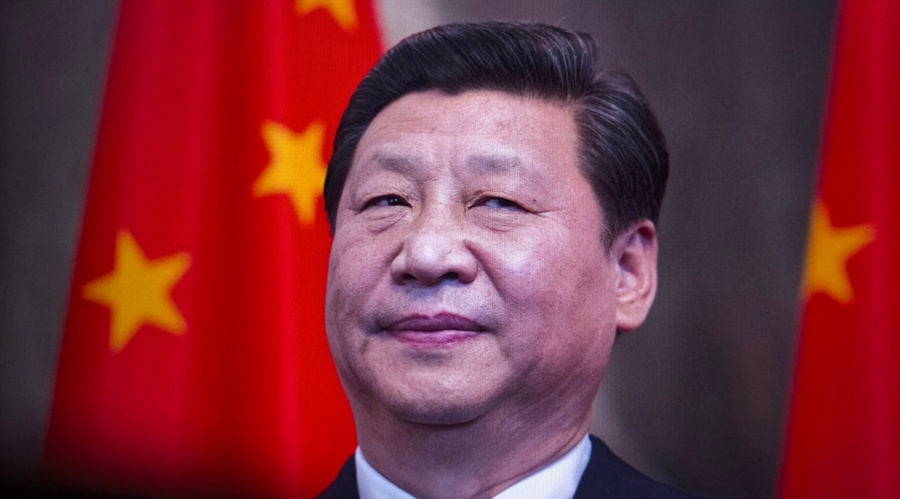
Chinese President Xi Jinping (shutterstock)
Rare, Rarer, Rarest
Critical minerals encompass a wide range of naturally occurring elements and minerals, such as lithium, cobalt, nickel and copper. These minerals are essential in the production of everyday items, including batteries and electrical wiring, as well as in industrial applications such as energy storage systems and military electronics.
Even less exotic materials now fall into this category. In November 2025, the US Geological Survey added silver to the critical minerals list for the first time, just weeks before China imposed a complete ban on silver exports that led to a fourfold increase in silver prices.
Rare earth elements, which fall under the umbrella of critical minerals, play a pivotal role in green energy projects and defence manufacturing, as magnets made from these elements are a key component of electric motors, wind turbines, aircraft engines and generators.
The public sector is recognising the importance of private companies in meeting the increasing demand for critical minerals. In 2025, the Pentagon became the largest shareholder in MP Materials, the only fully integrated producer of rare earth magnets in the US.
China added MP Materials and USA Rare Earth, as well as eight other US entities it said are linked to the US military, to its export-control list in retaliation for Washington placing several Chinese companies under restrictions this month https://t.co/CK4xXDZZalpic.twitter.com/4LkonZz3hS
Data centres require a wide range of critical minerals to function, while a standard electric car requires about six times more mineral inputs than a similar vehicle with a conventional internal combustion engine. JP Morgan Global Research forecasts that global demand for lithium will grow by 16% this year, most of which will be driven, if you will pardon the pun, by electric vehicle production.
As demand for green energy solutions increases, demand for lithium will rise accordingly, potentially creating a market deficit. The supply chain for critical minerals and rare earths is already highly concentrated, with China supplying upwards of 90% of refined rare earths and magnets.
Ivan Murphy, Executive Chairman of Harena Rare Earths (Photo: LinkedIn)
One of the reasons for China’s dominance of the rare earths market is that, in addition to its own reserves, it has acquired production facilities in Africa, from which minerals are shipped back to China for refining.
“This level of control has made pricing very difficult and encouraged the US government to introduce floor pricing for the only rare earth mine in that country and make a huge investment in it,” observes Ivan Murphy, Executive Chairman of Harena Rare Earths. “But even within that opportunity for MP Materials, the majority of what it produces in California is light rare earths.”
For investors, the most accessible option for gaining market exposure to critical minerals is through specialised funds that track global indices of companies involved in mining and processing these strategic elements.
Direct trading of physical battery metals and rare earths generally occurs OTC between miners, processors and end-users. Derivative contracts play a large part in price discovery and hedging, with futures and options heavily traded on major exchanges.
Critical minerals often experience significant price swings, which create active trading opportunities. Adding such alternative assets allows brokers to attract a broader client base and can position them as forward-thinking trading firms aligned with ESG and energy transition trends.
The upside for producers is that customers are supply-sensitive rather than price-sensitive, which is clearly good news for companies such as Harena Rare Earths, especially with the UK forming its own critical minerals strategy.
“While the current critical minerals supply chain is concentrated in the Asia Pacific, there are opportunities for growth and expansion across regions,” says Bill Peterson, Head of Clean Tech and Metals & Mining Research at JP Morgan.
Juliette Fortin, Senior Managing Director in the Economic Consulting segment at FTI Consulting
The high concentration in the market creates a significant risk of supply chain disruption, translating into increased price volatility, says Juliette Fortin, Senior Managing Director in the Economic Consulting segment at FTI Consulting.
“Supply-demand imbalances also impact volatility, with global demand responding to the energy transition,” she says. “Rare earth prices have been highly volatile since 2019, with a peak in early 2022 driven by post-COVID demand and rapid EV and battery growth.”
Supply growth for battery metals stabilised prices in 2024 and early 2025, until China’s export restrictions in April 2025.
Other factors affecting access to critical minerals include the risks associated with committing substantial long-term capital across multiple jurisdictions, as well as lengthy permitting and development timeframes in Western countries.
Tony Sage, Chairman and CEO of Critical Metals Corp
“Lithium remains constrained, not because of resource scarcity but because bringing new, high-quality supply online takes time and capital,” observes Tony Sage, Chairman and CEO of Critical Metals Corp. “Volatility is inherent in the sector. Lithium prices rose sharply and then corrected by more than 70% in a relatively short period, and similar cycles have played out across nickel, cobalt and other critical metals. From our perspective, that reinforces the need to focus on long-term fundamentals rather than short-term price cycles.”
The solution is not to chase pricing cycles but to advance high-quality assets that remain competitive across cycles. That means prioritising resource quality, favourable jurisdictions and proximity to end markets so that projects are economically viable and strategically relevant throughout the full commodity cycle.
A Virtuous Cycle
Recycling has emerged as a key strategy for increasing the supply of lithium. “When we think about key components of common battery chemistries, it isn’t so much about them being difficult to access as it is about ensuring that our sourcing is diversified enough,” explains Claire Zirkelbach, CFO of battery recycling materials and management company Cirba Solutions.
Claire Zirkelbach, CFO at Cirba Solutions (Photo: LinkedIn)
Recycled materials recovered from manufacturing scrap, end-of-life batteries and electronics provide a complementary, often more localised, supply stream that can reduce dependence on primary extraction, shorten supply chains and buffer against market fluctuations.
Closed-loop systems that include collection networks and partnerships with battery recycling infrastructure help capture those materials already in circulation, effectively turning waste into a strategic resource and reinforcing a more resilient and secure critical minerals supply chain.
Fastmarkets estimates that around 8% of global battery metal supply will come from battery recycling this year. Secondary content can help close the gap between supply and demand because these recycled battery materials can be used repeatedly.
It is clear that critical mineral producers offer scope for considerable returns. However, investors need to be aware that, according to the Critical Minerals Institute, the speed of deal-making in critical minerals is outstripping the necessary technical due diligence in some cases.
Given the importance of geological complexity, processing skills and operational expertise in this sector, such lapses can lead to serious consequences for project success and investor confidence.
Rare, Rarer, Rarest
Critical minerals encompass a wide range of naturally occurring elements and minerals, such as lithium, cobalt, nickel and copper. These minerals are essential in the production of everyday items, including batteries and electrical wiring, as well as in industrial applications such as energy storage systems and military electronics.
Even less exotic materials now fall into this category. In November 2025, the US Geological Survey added silver to the critical minerals list for the first time, just weeks before China imposed a complete ban on silver exports that led to a fourfold increase in silver prices.
Rare earth elements, which fall under the umbrella of critical minerals, play a pivotal role in green energy projects and defence manufacturing, as magnets made from these elements are a key component of electric motors, wind turbines, aircraft engines and generators.
The public sector is recognising the importance of private companies in meeting the increasing demand for critical minerals. In 2025, the Pentagon became the largest shareholder in MP Materials, the only fully integrated producer of rare earth magnets in the US.
China added MP Materials and USA Rare Earth, as well as eight other US entities it said are linked to the US military, to its export-control list in retaliation for Washington placing several Chinese companies under restrictions this month https://t.co/CK4xXDZZalpic.twitter.com/4LkonZz3hS
Data centres require a wide range of critical minerals to function, while a standard electric car requires about six times more mineral inputs than a similar vehicle with a conventional internal combustion engine. JP Morgan Global Research forecasts that global demand for lithium will grow by 16% this year, most of which will be driven, if you will pardon the pun, by electric vehicle production.
As demand for green energy solutions increases, demand for lithium will rise accordingly, potentially creating a market deficit. The supply chain for critical minerals and rare earths is already highly concentrated, with China supplying upwards of 90% of refined rare earths and magnets.
Ivan Murphy, Executive Chairman of Harena Rare Earths (Photo: LinkedIn)
One of the reasons for China’s dominance of the rare earths market is that, in addition to its own reserves, it has acquired production facilities in Africa, from which minerals are shipped back to China for refining.
“This level of control has made pricing very difficult and encouraged the US government to introduce floor pricing for the only rare earth mine in that country and make a huge investment in it,” observes Ivan Murphy, Executive Chairman of Harena Rare Earths. “But even within that opportunity for MP Materials, the majority of what it produces in California is light rare earths.”
For investors, the most accessible option for gaining market exposure to critical minerals is through specialised funds that track global indices of companies involved in mining and processing these strategic elements.
Direct trading of physical battery metals and rare earths generally occurs OTC between miners, processors and end-users. Derivative contracts play a large part in price discovery and hedging, with futures and options heavily traded on major exchanges.
Critical minerals often experience significant price swings, which create active trading opportunities. Adding such alternative assets allows brokers to attract a broader client base and can position them as forward-thinking trading firms aligned with ESG and energy transition trends.
The upside for producers is that customers are supply-sensitive rather than price-sensitive, which is clearly good news for companies such as Harena Rare Earths, especially with the UK forming its own critical minerals strategy.
“While the current critical minerals supply chain is concentrated in the Asia Pacific, there are opportunities for growth and expansion across regions,” says Bill Peterson, Head of Clean Tech and Metals & Mining Research at JP Morgan.
Juliette Fortin, Senior Managing Director in the Economic Consulting segment at FTI Consulting
The high concentration in the market creates a significant risk of supply chain disruption, translating into increased price volatility, says Juliette Fortin, Senior Managing Director in the Economic Consulting segment at FTI Consulting.
“Supply-demand imbalances also impact volatility, with global demand responding to the energy transition,” she says. “Rare earth prices have been highly volatile since 2019, with a peak in early 2022 driven by post-COVID demand and rapid EV and battery growth.”
Supply growth for battery metals stabilised prices in 2024 and early 2025, until China’s export restrictions in April 2025.
Other factors affecting access to critical minerals include the risks associated with committing substantial long-term capital across multiple jurisdictions, as well as lengthy permitting and development timeframes in Western countries.
Tony Sage, Chairman and CEO of Critical Metals Corp
“Lithium remains constrained, not because of resource scarcity but because bringing new, high-quality supply online takes time and capital,” observes Tony Sage, Chairman and CEO of Critical Metals Corp. “Volatility is inherent in the sector. Lithium prices rose sharply and then corrected by more than 70% in a relatively short period, and similar cycles have played out across nickel, cobalt and other critical metals. From our perspective, that reinforces the need to focus on long-term fundamentals rather than short-term price cycles.”
The solution is not to chase pricing cycles but to advance high-quality assets that remain competitive across cycles. That means prioritising resource quality, favourable jurisdictions and proximity to end markets so that projects are economically viable and strategically relevant throughout the full commodity cycle.
A Virtuous Cycle
Recycling has emerged as a key strategy for increasing the supply of lithium. “When we think about key components of common battery chemistries, it isn’t so much about them being difficult to access as it is about ensuring that our sourcing is diversified enough,” explains Claire Zirkelbach, CFO of battery recycling materials and management company Cirba Solutions.
Claire Zirkelbach, CFO at Cirba Solutions (Photo: LinkedIn)
Recycled materials recovered from manufacturing scrap, end-of-life batteries and electronics provide a complementary, often more localised, supply stream that can reduce dependence on primary extraction, shorten supply chains and buffer against market fluctuations.
Closed-loop systems that include collection networks and partnerships with battery recycling infrastructure help capture those materials already in circulation, effectively turning waste into a strategic resource and reinforcing a more resilient and secure critical minerals supply chain.
Fastmarkets estimates that around 8% of global battery metal supply will come from battery recycling this year. Secondary content can help close the gap between supply and demand because these recycled battery materials can be used repeatedly.
It is clear that critical mineral producers offer scope for considerable returns. However, investors need to be aware that, according to the Critical Minerals Institute, the speed of deal-making in critical minerals is outstripping the necessary technical due diligence in some cases.
Given the importance of geological complexity, processing skills and operational expertise in this sector, such lapses can lead to serious consequences for project success and investor confidence.
Paul Golden is an experienced freelance financial journalist with a strong institutional background. Over the past two decades, he has written for globally recognised financial publications, covering topics such as market structure, regulation, trading behaviour, and economic policy.
The Broker Volumes and Client Numbers ChatGPT Cannot Reach Now Have Their Own Chatbot
Featured Videos
FXOpen UK Applies to Cancel Licence; FCA Plans Staff Rule Changes
FXOpen UK Applies to Cancel Licence; FCA Plans Staff Rule Changes
FXOpen UK Applies to Cancel Licence; FCA Plans Staff Rule Changes
FXOpen UK Applies to Cancel Licence; FCA Plans Staff Rule Changes
Today’s financial news recap covers FXOpen UK closes client accounts, the FCA proposes changes to senior management rules, Webull extends options trading hours, and Match-Prime joins iSAM Securities Apex.
Finance Magnates Daily Recap brings you the latest news from forex and CFD brokers, fintech, payments, cryptocurrency, digital assets, trading platforms, financial regulation and global markets.
Get the key company news, executive moves, deals, regulatory updates and market developments of the day, in just a few minutes. New episodes published every weekday.
Read more: https://www.financemagnates.com
#FinanceMagnates #ForexNews #FintechNews
Today’s financial news recap covers FXOpen UK closes client accounts, the FCA proposes changes to senior management rules, Webull extends options trading hours, and Match-Prime joins iSAM Securities Apex.
Finance Magnates Daily Recap brings you the latest news from forex and CFD brokers, fintech, payments, cryptocurrency, digital assets, trading platforms, financial regulation and global markets.
Get the key company news, executive moves, deals, regulatory updates and market developments of the day, in just a few minutes. New episodes published every weekday.
Read more: https://www.financemagnates.com
#FinanceMagnates #ForexNews #FintechNews
Today’s financial news recap covers FXOpen UK closes client accounts, the FCA proposes changes to senior management rules, Webull extends options trading hours, and Match-Prime joins iSAM Securities Apex.
Finance Magnates Daily Recap brings you the latest news from forex and CFD brokers, fintech, payments, cryptocurrency, digital assets, trading platforms, financial regulation and global markets.
Get the key company news, executive moves, deals, regulatory updates and market developments of the day, in just a few minutes. New episodes published every weekday.
Read more: https://www.financemagnates.com
#FinanceMagnates #ForexNews #FintechNews
Today’s financial news recap covers FXOpen UK closes client accounts, the FCA proposes changes to senior management rules, Webull extends options trading hours, and Match-Prime joins iSAM Securities Apex.
Finance Magnates Daily Recap brings you the latest news from forex and CFD brokers, fintech, payments, cryptocurrency, digital assets, trading platforms, financial regulation and global markets.
Get the key company news, executive moves, deals, regulatory updates and market developments of the day, in just a few minutes. New episodes published every weekday.
Read more: https://www.financemagnates.com
#FinanceMagnates #ForexNews #FintechNews
IG Seeks UK Gambling Licence; OANDA Japan Holds Withdrawals
IG Seeks UK Gambling Licence; OANDA Japan Holds Withdrawals
IG Seeks UK Gambling Licence; OANDA Japan Holds Withdrawals
IG Seeks UK Gambling Licence; OANDA Japan Holds Withdrawals
IG Seeks UK Gambling Licence; OANDA Japan Holds Withdrawals
IG Seeks UK Gambling Licence; OANDA Japan Holds Withdrawals
Today’s financial news recap covers IG's plans to enter prediction markets, OANDA Japan's withdrawal suspension after a server hack, a NAGA's falling earnings amid rising marketing costs
Finance Magnates Daily Recap brings you the latest news from forex and CFD brokers, fintech, payments, cryptocurrency, digital assets, trading platforms, financial regulation and global markets.
Get the key company news, executive moves, deals, regulatory updates and market developments of the day, in just a few minutes. New episodes published every weekday.
Read more: https://www.financemagnates.com
#FinanceMagnates #ForexNews #FintechNews
Today’s financial news recap covers IG's plans to enter prediction markets, OANDA Japan's withdrawal suspension after a server hack, a NAGA's falling earnings amid rising marketing costs
Finance Magnates Daily Recap brings you the latest news from forex and CFD brokers, fintech, payments, cryptocurrency, digital assets, trading platforms, financial regulation and global markets.
Get the key company news, executive moves, deals, regulatory updates and market developments of the day, in just a few minutes. New episodes published every weekday.
Read more: https://www.financemagnates.com
#FinanceMagnates #ForexNews #FintechNews
Today’s financial news recap covers IG's plans to enter prediction markets, OANDA Japan's withdrawal suspension after a server hack, a NAGA's falling earnings amid rising marketing costs
Finance Magnates Daily Recap brings you the latest news from forex and CFD brokers, fintech, payments, cryptocurrency, digital assets, trading platforms, financial regulation and global markets.
Get the key company news, executive moves, deals, regulatory updates and market developments of the day, in just a few minutes. New episodes published every weekday.
Read more: https://www.financemagnates.com
#FinanceMagnates #ForexNews #FintechNews
Today’s financial news recap covers IG's plans to enter prediction markets, OANDA Japan's withdrawal suspension after a server hack, a NAGA's falling earnings amid rising marketing costs
Finance Magnates Daily Recap brings you the latest news from forex and CFD brokers, fintech, payments, cryptocurrency, digital assets, trading platforms, financial regulation and global markets.
Get the key company news, executive moves, deals, regulatory updates and market developments of the day, in just a few minutes. New episodes published every weekday.
Read more: https://www.financemagnates.com
#FinanceMagnates #ForexNews #FintechNews
Today’s financial news recap covers IG's plans to enter prediction markets, OANDA Japan's withdrawal suspension after a server hack, a NAGA's falling earnings amid rising marketing costs
Finance Magnates Daily Recap brings you the latest news from forex and CFD brokers, fintech, payments, cryptocurrency, digital assets, trading platforms, financial regulation and global markets.
Get the key company news, executive moves, deals, regulatory updates and market developments of the day, in just a few minutes. New episodes published every weekday.
Read more: https://www.financemagnates.com
#FinanceMagnates #ForexNews #FintechNews
Today’s financial news recap covers IG's plans to enter prediction markets, OANDA Japan's withdrawal suspension after a server hack, a NAGA's falling earnings amid rising marketing costs
Finance Magnates Daily Recap brings you the latest news from forex and CFD brokers, fintech, payments, cryptocurrency, digital assets, trading platforms, financial regulation and global markets.
Get the key company news, executive moves, deals, regulatory updates and market developments of the day, in just a few minutes. New episodes published every weekday.
Read more: https://www.financemagnates.com
#FinanceMagnates #ForexNews #FintechNews
FMIQ: Get Verified Market Intelligence in Seconds | FM Intelligence
FMIQ: Get Verified Market Intelligence in Seconds | FM Intelligence
FMIQ: Get Verified Market Intelligence in Seconds | FM Intelligence
FMIQ: Get Verified Market Intelligence in Seconds | FM Intelligence
FMIQ: Get Verified Market Intelligence in Seconds | FM Intelligence
FMIQ: Get Verified Market Intelligence in Seconds | FM Intelligence
Meet FMIQ (FM Intelligence Quantitative), now available inside the FM Intelligence Portal.
Ask the market a question in plain language and get a sourced, verified answer in seconds. FMIQ gives you the figures, time periods, and sources you need to make informed decisions, without the need to work through dashboards, filters, or spreadsheet exports.
What makes FMIQ different?
✓ Ask questions in plain language, with no SQL or dashboard setup required.
✓ Get verified answers checked through an independent quality assurance step.
✓ Access sourced figures you can cite with confidence.
✓ Ask follow-up questions and build on the same conversation.
✓ Query seven datasets in one place, covering trading volumes, traffic, platforms, market movements, regulations, fines, and licences.
Built for professionals across the financial markets
- Editorial teams: Find reliable figures and support your reporting with clear sources.
- Commercial teams: Access the market data you need to prepare for client meetings and sales discussions.
- Research and analyst teams: Explore market trends and get answers to specific questions.
- Compliance teams: Access intelligence on regulations, fines, and licences.
Every query is run live, and answers go through an independent quality check. FMIQ is read-only, stays focused on your question, and does not alter the underlying data.
Built on Finance Magnates market intelligence, FMIQ helps professionals get the answers they need, when they need them.
Access FMIQ today: https://datalab.financemagnates.com/market?utm_source=youtube&utm_medium=video&utm_campaign=fmiq_phase1_mvp_launch
#FMIntelligence #FMIQ #MarketIntelligence #FinanceMagnates #FinancialMarkets #MarketResearch
Meet FMIQ (FM Intelligence Quantitative), now available inside the FM Intelligence Portal.
Ask the market a question in plain language and get a sourced, verified answer in seconds. FMIQ gives you the figures, time periods, and sources you need to make informed decisions, without the need to work through dashboards, filters, or spreadsheet exports.
What makes FMIQ different?
✓ Ask questions in plain language, with no SQL or dashboard setup required.
✓ Get verified answers checked through an independent quality assurance step.
✓ Access sourced figures you can cite with confidence.
✓ Ask follow-up questions and build on the same conversation.
✓ Query seven datasets in one place, covering trading volumes, traffic, platforms, market movements, regulations, fines, and licences.
Built for professionals across the financial markets
- Editorial teams: Find reliable figures and support your reporting with clear sources.
- Commercial teams: Access the market data you need to prepare for client meetings and sales discussions.
- Research and analyst teams: Explore market trends and get answers to specific questions.
- Compliance teams: Access intelligence on regulations, fines, and licences.
Every query is run live, and answers go through an independent quality check. FMIQ is read-only, stays focused on your question, and does not alter the underlying data.
Built on Finance Magnates market intelligence, FMIQ helps professionals get the answers they need, when they need them.
Access FMIQ today: https://datalab.financemagnates.com/market?utm_source=youtube&utm_medium=video&utm_campaign=fmiq_phase1_mvp_launch
#FMIntelligence #FMIQ #MarketIntelligence #FinanceMagnates #FinancialMarkets #MarketResearch
Meet FMIQ (FM Intelligence Quantitative), now available inside the FM Intelligence Portal.
Ask the market a question in plain language and get a sourced, verified answer in seconds. FMIQ gives you the figures, time periods, and sources you need to make informed decisions, without the need to work through dashboards, filters, or spreadsheet exports.
What makes FMIQ different?
✓ Ask questions in plain language, with no SQL or dashboard setup required.
✓ Get verified answers checked through an independent quality assurance step.
✓ Access sourced figures you can cite with confidence.
✓ Ask follow-up questions and build on the same conversation.
✓ Query seven datasets in one place, covering trading volumes, traffic, platforms, market movements, regulations, fines, and licences.
Built for professionals across the financial markets
- Editorial teams: Find reliable figures and support your reporting with clear sources.
- Commercial teams: Access the market data you need to prepare for client meetings and sales discussions.
- Research and analyst teams: Explore market trends and get answers to specific questions.
- Compliance teams: Access intelligence on regulations, fines, and licences.
Every query is run live, and answers go through an independent quality check. FMIQ is read-only, stays focused on your question, and does not alter the underlying data.
Built on Finance Magnates market intelligence, FMIQ helps professionals get the answers they need, when they need them.
Access FMIQ today: https://datalab.financemagnates.com/market?utm_source=youtube&utm_medium=video&utm_campaign=fmiq_phase1_mvp_launch
#FMIntelligence #FMIQ #MarketIntelligence #FinanceMagnates #FinancialMarkets #MarketResearch
Meet FMIQ (FM Intelligence Quantitative), now available inside the FM Intelligence Portal.
Ask the market a question in plain language and get a sourced, verified answer in seconds. FMIQ gives you the figures, time periods, and sources you need to make informed decisions, without the need to work through dashboards, filters, or spreadsheet exports.
What makes FMIQ different?
✓ Ask questions in plain language, with no SQL or dashboard setup required.
✓ Get verified answers checked through an independent quality assurance step.
✓ Access sourced figures you can cite with confidence.
✓ Ask follow-up questions and build on the same conversation.
✓ Query seven datasets in one place, covering trading volumes, traffic, platforms, market movements, regulations, fines, and licences.
Built for professionals across the financial markets
- Editorial teams: Find reliable figures and support your reporting with clear sources.
- Commercial teams: Access the market data you need to prepare for client meetings and sales discussions.
- Research and analyst teams: Explore market trends and get answers to specific questions.
- Compliance teams: Access intelligence on regulations, fines, and licences.
Every query is run live, and answers go through an independent quality check. FMIQ is read-only, stays focused on your question, and does not alter the underlying data.
Built on Finance Magnates market intelligence, FMIQ helps professionals get the answers they need, when they need them.
Access FMIQ today: https://datalab.financemagnates.com/market?utm_source=youtube&utm_medium=video&utm_campaign=fmiq_phase1_mvp_launch
#FMIntelligence #FMIQ #MarketIntelligence #FinanceMagnates #FinancialMarkets #MarketResearch
Meet FMIQ (FM Intelligence Quantitative), now available inside the FM Intelligence Portal.
Ask the market a question in plain language and get a sourced, verified answer in seconds. FMIQ gives you the figures, time periods, and sources you need to make informed decisions, without the need to work through dashboards, filters, or spreadsheet exports.
What makes FMIQ different?
✓ Ask questions in plain language, with no SQL or dashboard setup required.
✓ Get verified answers checked through an independent quality assurance step.
✓ Access sourced figures you can cite with confidence.
✓ Ask follow-up questions and build on the same conversation.
✓ Query seven datasets in one place, covering trading volumes, traffic, platforms, market movements, regulations, fines, and licences.
Built for professionals across the financial markets
- Editorial teams: Find reliable figures and support your reporting with clear sources.
- Commercial teams: Access the market data you need to prepare for client meetings and sales discussions.
- Research and analyst teams: Explore market trends and get answers to specific questions.
- Compliance teams: Access intelligence on regulations, fines, and licences.
Every query is run live, and answers go through an independent quality check. FMIQ is read-only, stays focused on your question, and does not alter the underlying data.
Built on Finance Magnates market intelligence, FMIQ helps professionals get the answers they need, when they need them.
Access FMIQ today: https://datalab.financemagnates.com/market?utm_source=youtube&utm_medium=video&utm_campaign=fmiq_phase1_mvp_launch
#FMIntelligence #FMIQ #MarketIntelligence #FinanceMagnates #FinancialMarkets #MarketResearch
Meet FMIQ (FM Intelligence Quantitative), now available inside the FM Intelligence Portal.
Ask the market a question in plain language and get a sourced, verified answer in seconds. FMIQ gives you the figures, time periods, and sources you need to make informed decisions, without the need to work through dashboards, filters, or spreadsheet exports.
What makes FMIQ different?
✓ Ask questions in plain language, with no SQL or dashboard setup required.
✓ Get verified answers checked through an independent quality assurance step.
✓ Access sourced figures you can cite with confidence.
✓ Ask follow-up questions and build on the same conversation.
✓ Query seven datasets in one place, covering trading volumes, traffic, platforms, market movements, regulations, fines, and licences.
Built for professionals across the financial markets
- Editorial teams: Find reliable figures and support your reporting with clear sources.
- Commercial teams: Access the market data you need to prepare for client meetings and sales discussions.
- Research and analyst teams: Explore market trends and get answers to specific questions.
- Compliance teams: Access intelligence on regulations, fines, and licences.
Every query is run live, and answers go through an independent quality check. FMIQ is read-only, stays focused on your question, and does not alter the underlying data.
Built on Finance Magnates market intelligence, FMIQ helps professionals get the answers they need, when they need them.
Access FMIQ today: https://datalab.financemagnates.com/market?utm_source=youtube&utm_medium=video&utm_campaign=fmiq_phase1_mvp_launch
#FMIntelligence #FMIQ #MarketIntelligence #FinanceMagnates #FinancialMarkets #MarketResearch
MyForexFunds Details No Conflict Model; UK Eyes iPhone Wallets
MyForexFunds Details No Conflict Model; UK Eyes iPhone Wallets
MyForexFunds Details No Conflict Model; UK Eyes iPhone Wallets
MyForexFunds Details No Conflict Model; UK Eyes iPhone Wallets
MyForexFunds Details No Conflict Model; UK Eyes iPhone Wallets
MyForexFunds Details No Conflict Model; UK Eyes iPhone Wallets
Today’s financial news recap covers MyForexFunds outlines its Evolution relaunch, UK brokers could get their own iPhone wallets, Goat Funded Trader reports $26 million in payouts, and Kalshi explains its pitch to brokers.
Finance Magnates Daily Recap brings you the latest news from forex and CFD brokers, fintech, payments, cryptocurrency, digital assets, trading platforms, financial regulation and global markets.
Get the key company news, executive moves, deals, regulatory updates and market developments of the day, in just a few minutes. New episodes published every weekday.
Read more: https://www.financemagnates.com
#FinanceMagnates #ForexNews #FintechNews
Today’s financial news recap covers MyForexFunds outlines its Evolution relaunch, UK brokers could get their own iPhone wallets, Goat Funded Trader reports $26 million in payouts, and Kalshi explains its pitch to brokers.
Finance Magnates Daily Recap brings you the latest news from forex and CFD brokers, fintech, payments, cryptocurrency, digital assets, trading platforms, financial regulation and global markets.
Get the key company news, executive moves, deals, regulatory updates and market developments of the day, in just a few minutes. New episodes published every weekday.
Read more: https://www.financemagnates.com
#FinanceMagnates #ForexNews #FintechNews
Today’s financial news recap covers MyForexFunds outlines its Evolution relaunch, UK brokers could get their own iPhone wallets, Goat Funded Trader reports $26 million in payouts, and Kalshi explains its pitch to brokers.
Finance Magnates Daily Recap brings you the latest news from forex and CFD brokers, fintech, payments, cryptocurrency, digital assets, trading platforms, financial regulation and global markets.
Get the key company news, executive moves, deals, regulatory updates and market developments of the day, in just a few minutes. New episodes published every weekday.
Read more: https://www.financemagnates.com
#FinanceMagnates #ForexNews #FintechNews
Today’s financial news recap covers MyForexFunds outlines its Evolution relaunch, UK brokers could get their own iPhone wallets, Goat Funded Trader reports $26 million in payouts, and Kalshi explains its pitch to brokers.
Finance Magnates Daily Recap brings you the latest news from forex and CFD brokers, fintech, payments, cryptocurrency, digital assets, trading platforms, financial regulation and global markets.
Get the key company news, executive moves, deals, regulatory updates and market developments of the day, in just a few minutes. New episodes published every weekday.
Read more: https://www.financemagnates.com
#FinanceMagnates #ForexNews #FintechNews
Today’s financial news recap covers MyForexFunds outlines its Evolution relaunch, UK brokers could get their own iPhone wallets, Goat Funded Trader reports $26 million in payouts, and Kalshi explains its pitch to brokers.
Finance Magnates Daily Recap brings you the latest news from forex and CFD brokers, fintech, payments, cryptocurrency, digital assets, trading platforms, financial regulation and global markets.
Get the key company news, executive moves, deals, regulatory updates and market developments of the day, in just a few minutes. New episodes published every weekday.
Read more: https://www.financemagnates.com
#FinanceMagnates #ForexNews #FintechNews
Today’s financial news recap covers MyForexFunds outlines its Evolution relaunch, UK brokers could get their own iPhone wallets, Goat Funded Trader reports $26 million in payouts, and Kalshi explains its pitch to brokers.
Finance Magnates Daily Recap brings you the latest news from forex and CFD brokers, fintech, payments, cryptocurrency, digital assets, trading platforms, financial regulation and global markets.
Get the key company news, executive moves, deals, regulatory updates and market developments of the day, in just a few minutes. New episodes published every weekday.
Read more: https://www.financemagnates.com
#FinanceMagnates #ForexNews #FintechNews
How Much Are CFD Industry Executives Making; Plus500 Buys Brazilian Broker
How Much Are CFD Industry Executives Making; Plus500 Buys Brazilian Broker
How Much Are CFD Industry Executives Making; Plus500 Buys Brazilian Broker
How Much Are CFD Industry Executives Making; Plus500 Buys Brazilian Broker
How Much Are CFD Industry Executives Making; Plus500 Buys Brazilian Broker
How Much Are CFD Industry Executives Making; Plus500 Buys Brazilian Broker
Today’s financial news recap covers FinTop Consulting shared its 2026 salary surveys for Dubai, London and Cyprus with Finance Magnates, Plus500 buys a Brazilian broker, and Google opens the door to CFD ads in Denmark and Chile.
Finance Magnates Daily Recap brings you the latest news from forex and CFD brokers, fintech, payments, cryptocurrency, digital assets, trading platforms, financial regulation and global markets.
Get the key company news, executive moves, deals, regulatory updates and market developments of the day, in just a few minutes. New episodes published every weekday.
Read more: https://www.financemagnates.com
#FinanceMagnates #ForexNews #FintechNews
Today’s financial news recap covers FinTop Consulting shared its 2026 salary surveys for Dubai, London and Cyprus with Finance Magnates, Plus500 buys a Brazilian broker, and Google opens the door to CFD ads in Denmark and Chile.
Finance Magnates Daily Recap brings you the latest news from forex and CFD brokers, fintech, payments, cryptocurrency, digital assets, trading platforms, financial regulation and global markets.
Get the key company news, executive moves, deals, regulatory updates and market developments of the day, in just a few minutes. New episodes published every weekday.
Read more: https://www.financemagnates.com
#FinanceMagnates #ForexNews #FintechNews
Today’s financial news recap covers FinTop Consulting shared its 2026 salary surveys for Dubai, London and Cyprus with Finance Magnates, Plus500 buys a Brazilian broker, and Google opens the door to CFD ads in Denmark and Chile.
Finance Magnates Daily Recap brings you the latest news from forex and CFD brokers, fintech, payments, cryptocurrency, digital assets, trading platforms, financial regulation and global markets.
Get the key company news, executive moves, deals, regulatory updates and market developments of the day, in just a few minutes. New episodes published every weekday.
Read more: https://www.financemagnates.com
#FinanceMagnates #ForexNews #FintechNews
Today’s financial news recap covers FinTop Consulting shared its 2026 salary surveys for Dubai, London and Cyprus with Finance Magnates, Plus500 buys a Brazilian broker, and Google opens the door to CFD ads in Denmark and Chile.
Finance Magnates Daily Recap brings you the latest news from forex and CFD brokers, fintech, payments, cryptocurrency, digital assets, trading platforms, financial regulation and global markets.
Get the key company news, executive moves, deals, regulatory updates and market developments of the day, in just a few minutes. New episodes published every weekday.
Read more: https://www.financemagnates.com
#FinanceMagnates #ForexNews #FintechNews
Today’s financial news recap covers FinTop Consulting shared its 2026 salary surveys for Dubai, London and Cyprus with Finance Magnates, Plus500 buys a Brazilian broker, and Google opens the door to CFD ads in Denmark and Chile.
Finance Magnates Daily Recap brings you the latest news from forex and CFD brokers, fintech, payments, cryptocurrency, digital assets, trading platforms, financial regulation and global markets.
Get the key company news, executive moves, deals, regulatory updates and market developments of the day, in just a few minutes. New episodes published every weekday.
Read more: https://www.financemagnates.com
#FinanceMagnates #ForexNews #FintechNews
Today’s financial news recap covers FinTop Consulting shared its 2026 salary surveys for Dubai, London and Cyprus with Finance Magnates, Plus500 buys a Brazilian broker, and Google opens the door to CFD ads in Denmark and Chile.
Finance Magnates Daily Recap brings you the latest news from forex and CFD brokers, fintech, payments, cryptocurrency, digital assets, trading platforms, financial regulation and global markets.
Get the key company news, executive moves, deals, regulatory updates and market developments of the day, in just a few minutes. New episodes published every weekday.
Read more: https://www.financemagnates.com
#FinanceMagnates #ForexNews #FintechNews