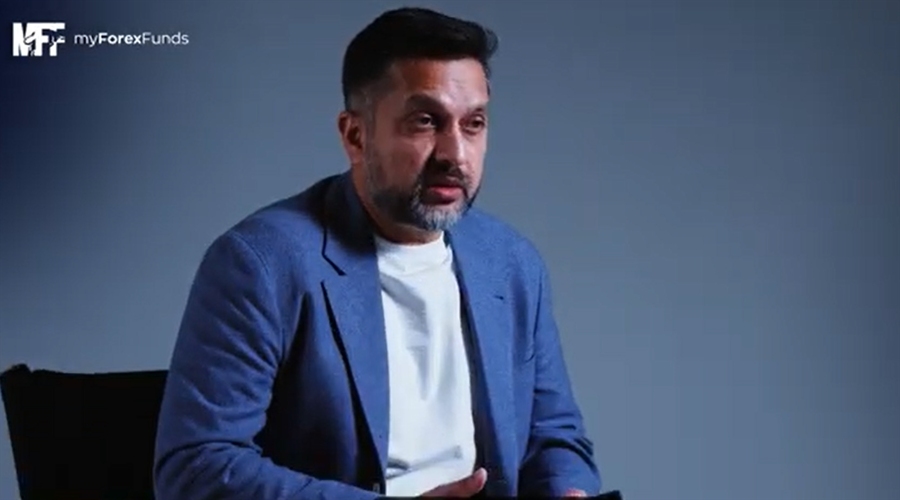
After more than two years of limited public communication,
MyForexFunds CEO Murtuza Kazmi has provided an update on the company’s legal
battle with the U.S. Commodity Futures Trading Commission (CFTC), the sudden
account freezes in 2023, and plans for resuming operations.
In an exclusive interview with Finance Magnates, Kazmi
reflected on the challenges the firm faced after the CFTC’s asset freeze
and the subsequent legal proceedings following MFF’s shutdown in August 2023.
He said the company was “blindsided” by the events and that he “had to beg,
borrow funds from family and friends” to navigate the period. Kazmi added that
MFF “would have won the case regardless” and suggested that a successful
comeback could “bring the industry back to its prior glory,” potentially
involving several major competitors.
MFF Unable to Communicate with Clients
Kazmi further detailed these events in a video released
today (Monday), describing August 30, 2023, as “sudden, shocking, and completely out of
our control,” and adding that “there was no opportunity to prepare, explain or
protect the community that we have taken years to build.”
Kazmi said that
systems, servers, infrastructure, and data were seized, leaving the company
unable to communicate with clients while it focused on the legal dispute.
MFF Wins Case, Receives Legal Fees
Kazmi stated that the CFTC
CFTC
The 1974 Commodity Exchange Act (CEA) in the United States created the Commodity Futures Trading Commission (CFTC). The Commission protects and regulates market activities against manipulation, fraud, and abuse trade practices and promotes fairness in futures contracts. The CEA also included the Sad-Johnson Agreement, which defined the authority and responsibilities for the monitoring of financial contracts between the Commodity Futures Trading Commission and the Securities and Exchange Commiss
Read this Term took more than three years to
allege fraud. “Did they find anything? No. Why? The answer is simple. We never
committed fraud,” he said. According to Kazmi, the agency “simply lied to the
judge before getting a freeze order,” claiming that MFF misappropriated
investor funds, which he said was false because MFF does not take deposits.
In May 2025, Kazmi said, the district court dismissed the
case with prejudice, awarding legal fees to MFF and finding “no elements of
fraud.” He criticized the lack of prior warning or complaints, noting that
earlier transparency could have avoided “so much pain and uncertainty for
traders, for staff, for the families.”
Kazmi Apologizes, Promises “Restored Client Access”
Kazmi expressed regret for the impact on clients, saying, “I
want to say I'm sorry. I really do. Not because we did something wrong, but
because of what you were put through.” He emphasized that restoring client
access to data, accounts, and payouts is now a top priority.
He also reminded clients that MFF had paid out close to $300
million to customers over two years, and that the firm was built “by you for
you.” Kazmi concluded with an update on payouts: “Anyone that had requested a
payout prior to the freeze should be expecting communications from us shortly.”
After more than two years of limited public communication,
MyForexFunds CEO Murtuza Kazmi has provided an update on the company’s legal
battle with the U.S. Commodity Futures Trading Commission (CFTC), the sudden
account freezes in 2023, and plans for resuming operations.
In an exclusive interview with Finance Magnates, Kazmi
reflected on the challenges the firm faced after the CFTC’s asset freeze
and the subsequent legal proceedings following MFF’s shutdown in August 2023.
He said the company was “blindsided” by the events and that he “had to beg,
borrow funds from family and friends” to navigate the period. Kazmi added that
MFF “would have won the case regardless” and suggested that a successful
comeback could “bring the industry back to its prior glory,” potentially
involving several major competitors.
MFF Unable to Communicate with Clients
Kazmi further detailed these events in a video released
today (Monday), describing August 30, 2023, as “sudden, shocking, and completely out of
our control,” and adding that “there was no opportunity to prepare, explain or
protect the community that we have taken years to build.”
Kazmi said that
systems, servers, infrastructure, and data were seized, leaving the company
unable to communicate with clients while it focused on the legal dispute.
MFF Wins Case, Receives Legal Fees
Kazmi stated that the CFTC
CFTC
The 1974 Commodity Exchange Act (CEA) in the United States created the Commodity Futures Trading Commission (CFTC). The Commission protects and regulates market activities against manipulation, fraud, and abuse trade practices and promotes fairness in futures contracts. The CEA also included the Sad-Johnson Agreement, which defined the authority and responsibilities for the monitoring of financial contracts between the Commodity Futures Trading Commission and the Securities and Exchange Commiss
Read this Term took more than three years to
allege fraud. “Did they find anything? No. Why? The answer is simple. We never
committed fraud,” he said. According to Kazmi, the agency “simply lied to the
judge before getting a freeze order,” claiming that MFF misappropriated
investor funds, which he said was false because MFF does not take deposits.
In May 2025, Kazmi said, the district court dismissed the
case with prejudice, awarding legal fees to MFF and finding “no elements of
fraud.” He criticized the lack of prior warning or complaints, noting that
earlier transparency could have avoided “so much pain and uncertainty for
traders, for staff, for the families.”
Kazmi Apologizes, Promises “Restored Client Access”
Kazmi expressed regret for the impact on clients, saying, “I
want to say I'm sorry. I really do. Not because we did something wrong, but
because of what you were put through.” He emphasized that restoring client
access to data, accounts, and payouts is now a top priority.
He also reminded clients that MFF had paid out close to $300
million to customers over two years, and that the firm was built “by you for
you.” Kazmi concluded with an update on payouts: “Anyone that had requested a
payout prior to the freeze should be expecting communications from us shortly.”