Singapore Exchange Ltd. to launch six exchange traded futures for regional currency pairs as the demand for FX pushes the country to 3rd largest trading center overtaking Japan by only one tenth of a percent.
SGX
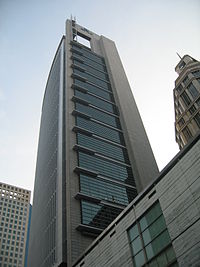
Exchange traded FX just got a boost by one of the world's innovative bourses, the Singapore Exchange which announced today that it will be adding six new currency futures contracts for both deliverable and non-deliverable Asian currencies, including AUD/USD, AUD/JPY, USD/SGD, INR/USD, KRW/USD and KRW/JPY pairs.
The initial launch is set for November 11th and provides the existing exchange members the ability to keep related clearing and settlement activity within the exchange, along their existing securities related businesses via SGXClear and Calypso, the two systems used at SGX-DC (for securities and commodity derivatives).
The original plan to launch was noted in a previous post following a positive September for the exchange, and the pairs which include, the US dollar, Singapore dollar, Australian dollar, Japanese yen, Indian rupiah and Korean won will bolster the offering of the exchange's new futures contracts to both exchange members and regional participants, including hedgers and speculators.
Third-Largest FX Center By a Hair
Singapore recently overtook the lead in Asia with 5.7% of Global FX market share, just slightly over Japan which had 5.6% in April 2013, and thereby becoming the world's 3rd- largest trading center according to the latest BIS Triennial Survey of foreign exchange trading activity in April 2013.
Forex Magnates' opines that the retail FX sector in Japan remains much larger than that of Singapore with regards to retail online FX trading. Nonetheless, Singapore experienced substantial growth in its FX volumes to the tune of 44% based on over the last three years, up from $266 billion in April 2010 to $383 billion during the same period in 2013, as per the BIS survey of central banks, and thus provides the momentum that could sustain growth in the region with exchange traded FX products such as those announced today by SGX.
Magnus Böcker, CEO, SGX
Commenting in the corporate statement from SGX, Magnus Böcker the group CEO said, “The trading of Asian FX futures on SGX offers global investors a transparent, margin-efficient and well-regulated marketplace to seamlessly manage their Asian currency risks. We will be adding more currency pairs to our Asian FX suite over the next 12 to 18 months. This comprehensive range of Asian FX futures will contribute towards the continued growth of Singapore's FX market, which is already the world's third biggest FX centre.”
Of the 36 exchange members on the SGX that are licensed as clearing members, of which 26 are also licensed for derivatives trading, many are subsidiaries of foreign headquartered financial services as is normal for multi-national companies seeking membership on major exchanges around the world. One example of a local provider with tremendous history in Singapore is DBS, originally setup as Development Bank of Singapore in 1964 and was a catalyst for the country's early economic development, DBS Bank now has 4 million customers in the region and is a market-maker in USD/SGD pair.
Richard Vine, Head of APAC Futures at ICAP Singapore, was quoted in the above- mentioned SGX corporate announcement today saying, "Volumes and interest in listed FX futures are continuing to grow and the introduction of these contracts by SGX comes at an opportune time for all market participants."
Remote Membership Class from SGX for FX Derivatives in U.S.
In a separate announcement today on the SGX corporate website, demonstrating the groups speed with regards to intra-market and cross-border regulatory cooperation, the exchange announced that it is consulting the market on a new remote membership class, which will enable futures commission merchants registered with the US Commodity Futures Trading Commission (CFTC) to clear swaps for existing and new US customers through SGX’s derivatives clearing house, SGX Derivatives Clearing.
While this proposal is initially aimed at meeting US regulatory requirements, SGX Derivatives Clearing may admit members of other jurisdictions as remote clearing members in the future, according to the release. This follows regulatory changes in the US under the Dodd-Frank Act, which requires that US customers clearing swaps do so through a clearing house registered with the CFTC as a derivatives clearing organization and through clearing members who are futures commission merchants.
Under the Basel III framework, SGX clearing houses have also become qualifying central counterparties, thus enabling SGX bank clearing members to enjoy the lowest capital costs as per the announcement. This year up to 30 June 2013, SGX saw an 86% increase in average month-end open interest, further augmenting its position as a leading center for the management of open exposures by global investors and risk managers, as per its corporate website.
Related Developments in the Region
Both announcements from SGX follow lasts week's news regarding China and Singapore introducing direct currency trading between the Yuan and the Singapore dollar, following announcements from Hong Kong in late July regarding the Renminbi. The agreement for a new initiative was reached at the 10th Joint Council for Bilateral Cooperation (JCBC), where China extended its Renminbi Qualified Institutional Investor (RQFII) to Singapore which allows qualified Singapore-based institutional investors to funnel offshore RMB from Singapore into China’s securities markets. Singapore is being considered as one of the investment destinations under the new Renminbi Qualified Domestic Institutional Investor (RQDII) scheme, which allows qualified Chinese institutional investors to use RMB to invest in Singapore’s capital markets, according to the new initiative.
Mr Ravi Menon, MD, MAS
In comments from the event quoted by the media, Ravi Menon, Managing Director of the Monetary Authority of Singapore (MAS), emphasized the positive ties between Singapore and China this year, “Financial ties between the two countries have deepened considerably and Singapore is well placed to promote greater use of the RMB in international trade and investment in the years to come.”
Last week, the Swiss FX rigging probe which was started by FINMA early in the month, had reached further into Asia (after Hong Kong) when Singapore's Central Bank said that it would assist in the widening investigations on alleged currency rate manipulations. The degree of this unfolding story, which has started to more than scratch the surface, is being closely monitored by Forex Magnates as participants in the worlds's most liquid markets wait in anticipation.
SGX
Exchange traded FX just got a boost by one of the world's innovative bourses, the Singapore Exchange which announced today that it will be adding six new currency futures contracts for both deliverable and non-deliverable Asian currencies, including AUD/USD, AUD/JPY, USD/SGD, INR/USD, KRW/USD and KRW/JPY pairs.
The initial launch is set for November 11th and provides the existing exchange members the ability to keep related clearing and settlement activity within the exchange, along their existing securities related businesses via SGXClear and Calypso, the two systems used at SGX-DC (for securities and commodity derivatives).
The original plan to launch was noted in a previous post following a positive September for the exchange, and the pairs which include, the US dollar, Singapore dollar, Australian dollar, Japanese yen, Indian rupiah and Korean won will bolster the offering of the exchange's new futures contracts to both exchange members and regional participants, including hedgers and speculators.
Third-Largest FX Center By a Hair
Singapore recently overtook the lead in Asia with 5.7% of Global FX market share, just slightly over Japan which had 5.6% in April 2013, and thereby becoming the world's 3rd- largest trading center according to the latest BIS Triennial Survey of foreign exchange trading activity in April 2013.
Forex Magnates' opines that the retail FX sector in Japan remains much larger than that of Singapore with regards to retail online FX trading. Nonetheless, Singapore experienced substantial growth in its FX volumes to the tune of 44% based on over the last three years, up from $266 billion in April 2010 to $383 billion during the same period in 2013, as per the BIS survey of central banks, and thus provides the momentum that could sustain growth in the region with exchange traded FX products such as those announced today by SGX.
Magnus Böcker, CEO, SGX
Commenting in the corporate statement from SGX, Magnus Böcker the group CEO said, “The trading of Asian FX futures on SGX offers global investors a transparent, margin-efficient and well-regulated marketplace to seamlessly manage their Asian currency risks. We will be adding more currency pairs to our Asian FX suite over the next 12 to 18 months. This comprehensive range of Asian FX futures will contribute towards the continued growth of Singapore's FX market, which is already the world's third biggest FX centre.”
Of the 36 exchange members on the SGX that are licensed as clearing members, of which 26 are also licensed for derivatives trading, many are subsidiaries of foreign headquartered financial services as is normal for multi-national companies seeking membership on major exchanges around the world. One example of a local provider with tremendous history in Singapore is DBS, originally setup as Development Bank of Singapore in 1964 and was a catalyst for the country's early economic development, DBS Bank now has 4 million customers in the region and is a market-maker in USD/SGD pair.
Richard Vine, Head of APAC Futures at ICAP Singapore, was quoted in the above- mentioned SGX corporate announcement today saying, "Volumes and interest in listed FX futures are continuing to grow and the introduction of these contracts by SGX comes at an opportune time for all market participants."
Remote Membership Class from SGX for FX Derivatives in U.S.
In a separate announcement today on the SGX corporate website, demonstrating the groups speed with regards to intra-market and cross-border regulatory cooperation, the exchange announced that it is consulting the market on a new remote membership class, which will enable futures commission merchants registered with the US Commodity Futures Trading Commission (CFTC) to clear swaps for existing and new US customers through SGX’s derivatives clearing house, SGX Derivatives Clearing.
While this proposal is initially aimed at meeting US regulatory requirements, SGX Derivatives Clearing may admit members of other jurisdictions as remote clearing members in the future, according to the release. This follows regulatory changes in the US under the Dodd-Frank Act, which requires that US customers clearing swaps do so through a clearing house registered with the CFTC as a derivatives clearing organization and through clearing members who are futures commission merchants.
Under the Basel III framework, SGX clearing houses have also become qualifying central counterparties, thus enabling SGX bank clearing members to enjoy the lowest capital costs as per the announcement. This year up to 30 June 2013, SGX saw an 86% increase in average month-end open interest, further augmenting its position as a leading center for the management of open exposures by global investors and risk managers, as per its corporate website.
Related Developments in the Region
Both announcements from SGX follow lasts week's news regarding China and Singapore introducing direct currency trading between the Yuan and the Singapore dollar, following announcements from Hong Kong in late July regarding the Renminbi. The agreement for a new initiative was reached at the 10th Joint Council for Bilateral Cooperation (JCBC), where China extended its Renminbi Qualified Institutional Investor (RQFII) to Singapore which allows qualified Singapore-based institutional investors to funnel offshore RMB from Singapore into China’s securities markets. Singapore is being considered as one of the investment destinations under the new Renminbi Qualified Domestic Institutional Investor (RQDII) scheme, which allows qualified Chinese institutional investors to use RMB to invest in Singapore’s capital markets, according to the new initiative.
Mr Ravi Menon, MD, MAS
In comments from the event quoted by the media, Ravi Menon, Managing Director of the Monetary Authority of Singapore (MAS), emphasized the positive ties between Singapore and China this year, “Financial ties between the two countries have deepened considerably and Singapore is well placed to promote greater use of the RMB in international trade and investment in the years to come.”
Last week, the Swiss FX rigging probe which was started by FINMA early in the month, had reached further into Asia (after Hong Kong) when Singapore's Central Bank said that it would assist in the widening investigations on alleged currency rate manipulations. The degree of this unfolding story, which has started to more than scratch the surface, is being closely monitored by Forex Magnates as participants in the worlds's most liquid markets wait in anticipation.
FXCM’s UK Arm Lost $2.2 Million in 2025 Ahead of Sale to Trade Nation
Featured Videos
FXCM UK Holds $110m in Client Money; IG CEO Questions Prediction Market Volumes
FXCM UK Holds $110m in Client Money; IG CEO Questions Prediction Market Volumes
FXCM UK Holds $110m in Client Money; IG CEO Questions Prediction Market Volumes
FXCM UK Holds $110m in Client Money; IG CEO Questions Prediction Market Volumes
Today’s financial news recap covers FXCM's UK arm holds $110 million in client money ahead of its sale to Trade Nation, Citadel Securities' UK profit falls 38 per cent, and Kraken secures its final Dubai crypto licence.
Finance Magnates Daily Recap brings you the latest news from forex and CFD brokers, fintech, payments, cryptocurrency, digital assets, trading platforms, financial regulation and global markets.
Get the key company news, executive moves, deals, regulatory updates and market developments of the day, in just a few minutes. New episodes published every weekday.
Read more: https://www.financemagnates.com
#FinanceMagnates #ForexNews #FintechNews
Today’s financial news recap covers FXCM's UK arm holds $110 million in client money ahead of its sale to Trade Nation, Citadel Securities' UK profit falls 38 per cent, and Kraken secures its final Dubai crypto licence.
Finance Magnates Daily Recap brings you the latest news from forex and CFD brokers, fintech, payments, cryptocurrency, digital assets, trading platforms, financial regulation and global markets.
Get the key company news, executive moves, deals, regulatory updates and market developments of the day, in just a few minutes. New episodes published every weekday.
Read more: https://www.financemagnates.com
#FinanceMagnates #ForexNews #FintechNews
Today’s financial news recap covers FXCM's UK arm holds $110 million in client money ahead of its sale to Trade Nation, Citadel Securities' UK profit falls 38 per cent, and Kraken secures its final Dubai crypto licence.
Finance Magnates Daily Recap brings you the latest news from forex and CFD brokers, fintech, payments, cryptocurrency, digital assets, trading platforms, financial regulation and global markets.
Get the key company news, executive moves, deals, regulatory updates and market developments of the day, in just a few minutes. New episodes published every weekday.
Read more: https://www.financemagnates.com
#FinanceMagnates #ForexNews #FintechNews
Today’s financial news recap covers FXCM's UK arm holds $110 million in client money ahead of its sale to Trade Nation, Citadel Securities' UK profit falls 38 per cent, and Kraken secures its final Dubai crypto licence.
Finance Magnates Daily Recap brings you the latest news from forex and CFD brokers, fintech, payments, cryptocurrency, digital assets, trading platforms, financial regulation and global markets.
Get the key company news, executive moves, deals, regulatory updates and market developments of the day, in just a few minutes. New episodes published every weekday.
Read more: https://www.financemagnates.com
#FinanceMagnates #ForexNews #FintechNews
Today’s financial news recap covers AvaTrade agrees to acquire most of FXCM, NAGA secures eight million dollars in new financing, and Wise seeks a tax settlement in the UK.
Finance Magnates Daily Recap brings you the latest news from forex and CFD brokers, fintech, payments, cryptocurrency, digital assets, trading platforms, financial regulation and global markets.
Get the key company news, executive moves, deals, regulatory updates and market developments of the day, in just a few minutes. New episodes published every weekday.
Read more: https://www.financemagnates.com
#FinanceMagnates #ForexNews #FintechNews
Today’s financial news recap covers AvaTrade agrees to acquire most of FXCM, NAGA secures eight million dollars in new financing, and Wise seeks a tax settlement in the UK.
Finance Magnates Daily Recap brings you the latest news from forex and CFD brokers, fintech, payments, cryptocurrency, digital assets, trading platforms, financial regulation and global markets.
Get the key company news, executive moves, deals, regulatory updates and market developments of the day, in just a few minutes. New episodes published every weekday.
Read more: https://www.financemagnates.com
#FinanceMagnates #ForexNews #FintechNews
Today’s financial news recap covers AvaTrade agrees to acquire most of FXCM, NAGA secures eight million dollars in new financing, and Wise seeks a tax settlement in the UK.
Finance Magnates Daily Recap brings you the latest news from forex and CFD brokers, fintech, payments, cryptocurrency, digital assets, trading platforms, financial regulation and global markets.
Get the key company news, executive moves, deals, regulatory updates and market developments of the day, in just a few minutes. New episodes published every weekday.
Read more: https://www.financemagnates.com
#FinanceMagnates #ForexNews #FintechNews
Today’s financial news recap covers AvaTrade agrees to acquire most of FXCM, NAGA secures eight million dollars in new financing, and Wise seeks a tax settlement in the UK.
Finance Magnates Daily Recap brings you the latest news from forex and CFD brokers, fintech, payments, cryptocurrency, digital assets, trading platforms, financial regulation and global markets.
Get the key company news, executive moves, deals, regulatory updates and market developments of the day, in just a few minutes. New episodes published every weekday.
Read more: https://www.financemagnates.com
#FinanceMagnates #ForexNews #FintechNews
Today’s financial news recap covers AvaTrade agrees to acquire most of FXCM, NAGA secures eight million dollars in new financing, and Wise seeks a tax settlement in the UK.
Finance Magnates Daily Recap brings you the latest news from forex and CFD brokers, fintech, payments, cryptocurrency, digital assets, trading platforms, financial regulation and global markets.
Get the key company news, executive moves, deals, regulatory updates and market developments of the day, in just a few minutes. New episodes published every weekday.
Read more: https://www.financemagnates.com
#FinanceMagnates #ForexNews #FintechNews
Today’s financial news recap covers AvaTrade agrees to acquire most of FXCM, NAGA secures eight million dollars in new financing, and Wise seeks a tax settlement in the UK.
Finance Magnates Daily Recap brings you the latest news from forex and CFD brokers, fintech, payments, cryptocurrency, digital assets, trading platforms, financial regulation and global markets.
Get the key company news, executive moves, deals, regulatory updates and market developments of the day, in just a few minutes. New episodes published every weekday.
Read more: https://www.financemagnates.com
#FinanceMagnates #ForexNews #FintechNews
XTB Adds Overnight US Stock Trading; Nasdaq Ventures Invests in One Trading
XTB Adds Overnight US Stock Trading; Nasdaq Ventures Invests in One Trading
XTB Adds Overnight US Stock Trading; Nasdaq Ventures Invests in One Trading
XTB Adds Overnight US Stock Trading; Nasdaq Ventures Invests in One Trading
XTB Adds Overnight US Stock Trading; Nasdaq Ventures Invests in One Trading
XTB Adds Overnight US Stock Trading; Nasdaq Ventures Invests in One Trading
Today’s financial news recap covers XTB expands overnight US stock trading, Fortrade reports higher revenue, Nasdaq backs One Trading, and Vest Labs raises 13 million dollars.
Finance Magnates Daily Recap brings you the latest news from forex and CFD brokers, fintech, payments, cryptocurrency, digital assets, trading platforms, financial regulation and global markets.
Get the key company news, executive moves, deals, regulatory updates and market developments of the day, in just a few minutes. New episodes published every weekday.
Read more: https://www.financemagnates.com
#FinanceMagnates #ForexNews #FintechNews
Today’s financial news recap covers XTB expands overnight US stock trading, Fortrade reports higher revenue, Nasdaq backs One Trading, and Vest Labs raises 13 million dollars.
Finance Magnates Daily Recap brings you the latest news from forex and CFD brokers, fintech, payments, cryptocurrency, digital assets, trading platforms, financial regulation and global markets.
Get the key company news, executive moves, deals, regulatory updates and market developments of the day, in just a few minutes. New episodes published every weekday.
Read more: https://www.financemagnates.com
#FinanceMagnates #ForexNews #FintechNews
Today’s financial news recap covers XTB expands overnight US stock trading, Fortrade reports higher revenue, Nasdaq backs One Trading, and Vest Labs raises 13 million dollars.
Finance Magnates Daily Recap brings you the latest news from forex and CFD brokers, fintech, payments, cryptocurrency, digital assets, trading platforms, financial regulation and global markets.
Get the key company news, executive moves, deals, regulatory updates and market developments of the day, in just a few minutes. New episodes published every weekday.
Read more: https://www.financemagnates.com
#FinanceMagnates #ForexNews #FintechNews
Today’s financial news recap covers XTB expands overnight US stock trading, Fortrade reports higher revenue, Nasdaq backs One Trading, and Vest Labs raises 13 million dollars.
Finance Magnates Daily Recap brings you the latest news from forex and CFD brokers, fintech, payments, cryptocurrency, digital assets, trading platforms, financial regulation and global markets.
Get the key company news, executive moves, deals, regulatory updates and market developments of the day, in just a few minutes. New episodes published every weekday.
Read more: https://www.financemagnates.com
#FinanceMagnates #ForexNews #FintechNews
Today’s financial news recap covers XTB expands overnight US stock trading, Fortrade reports higher revenue, Nasdaq backs One Trading, and Vest Labs raises 13 million dollars.
Finance Magnates Daily Recap brings you the latest news from forex and CFD brokers, fintech, payments, cryptocurrency, digital assets, trading platforms, financial regulation and global markets.
Get the key company news, executive moves, deals, regulatory updates and market developments of the day, in just a few minutes. New episodes published every weekday.
Read more: https://www.financemagnates.com
#FinanceMagnates #ForexNews #FintechNews
Today’s financial news recap covers XTB expands overnight US stock trading, Fortrade reports higher revenue, Nasdaq backs One Trading, and Vest Labs raises 13 million dollars.
Finance Magnates Daily Recap brings you the latest news from forex and CFD brokers, fintech, payments, cryptocurrency, digital assets, trading platforms, financial regulation and global markets.
Get the key company news, executive moves, deals, regulatory updates and market developments of the day, in just a few minutes. New episodes published every weekday.
Read more: https://www.financemagnates.com
#FinanceMagnates #ForexNews #FintechNews
CMC Founder Downplays Volatility Hit; Devexperts Names CEO
CMC Founder Downplays Volatility Hit; Devexperts Names CEO
CMC Founder Downplays Volatility Hit; Devexperts Names CEO
CMC Founder Downplays Volatility Hit; Devexperts Names CEO
CMC Founder Downplays Volatility Hit; Devexperts Names CEO
CMC Founder Downplays Volatility Hit; Devexperts Names CEO
Today’s financial news recap covers low volatility pressures brokers, Devexperts names a new CEO, Saxo cuts onboarding time, and OKX reaches a 25 billion dollar valuation.
Finance Magnates Daily Recap brings you the latest news from forex and CFD brokers, fintech, payments, cryptocurrency, digital assets, trading platforms, financial regulation and global markets.
Get the key company news, executive moves, deals, regulatory updates and market developments of the day, in just a few minutes. New episodes published every weekday.
Read more: https://www.financemagnates.com
#FinanceMagnates #ForexNews #FintechNews
Today’s financial news recap covers low volatility pressures brokers, Devexperts names a new CEO, Saxo cuts onboarding time, and OKX reaches a 25 billion dollar valuation.
Finance Magnates Daily Recap brings you the latest news from forex and CFD brokers, fintech, payments, cryptocurrency, digital assets, trading platforms, financial regulation and global markets.
Get the key company news, executive moves, deals, regulatory updates and market developments of the day, in just a few minutes. New episodes published every weekday.
Read more: https://www.financemagnates.com
#FinanceMagnates #ForexNews #FintechNews
Today’s financial news recap covers low volatility pressures brokers, Devexperts names a new CEO, Saxo cuts onboarding time, and OKX reaches a 25 billion dollar valuation.
Finance Magnates Daily Recap brings you the latest news from forex and CFD brokers, fintech, payments, cryptocurrency, digital assets, trading platforms, financial regulation and global markets.
Get the key company news, executive moves, deals, regulatory updates and market developments of the day, in just a few minutes. New episodes published every weekday.
Read more: https://www.financemagnates.com
#FinanceMagnates #ForexNews #FintechNews
Today’s financial news recap covers low volatility pressures brokers, Devexperts names a new CEO, Saxo cuts onboarding time, and OKX reaches a 25 billion dollar valuation.
Finance Magnates Daily Recap brings you the latest news from forex and CFD brokers, fintech, payments, cryptocurrency, digital assets, trading platforms, financial regulation and global markets.
Get the key company news, executive moves, deals, regulatory updates and market developments of the day, in just a few minutes. New episodes published every weekday.
Read more: https://www.financemagnates.com
#FinanceMagnates #ForexNews #FintechNews
Today’s financial news recap covers low volatility pressures brokers, Devexperts names a new CEO, Saxo cuts onboarding time, and OKX reaches a 25 billion dollar valuation.
Finance Magnates Daily Recap brings you the latest news from forex and CFD brokers, fintech, payments, cryptocurrency, digital assets, trading platforms, financial regulation and global markets.
Get the key company news, executive moves, deals, regulatory updates and market developments of the day, in just a few minutes. New episodes published every weekday.
Read more: https://www.financemagnates.com
#FinanceMagnates #ForexNews #FintechNews
Today’s financial news recap covers low volatility pressures brokers, Devexperts names a new CEO, Saxo cuts onboarding time, and OKX reaches a 25 billion dollar valuation.
Finance Magnates Daily Recap brings you the latest news from forex and CFD brokers, fintech, payments, cryptocurrency, digital assets, trading platforms, financial regulation and global markets.
Get the key company news, executive moves, deals, regulatory updates and market developments of the day, in just a few minutes. New episodes published every weekday.
Read more: https://www.financemagnates.com
#FinanceMagnates #ForexNews #FintechNews
Today’s financial news recap covers Trade Nation buys FXCM's UK client book, Trading 212 reports higher revenue, the CFTC's move to allow perpetual index futures.
Finance Magnates Daily Recap brings you the latest news from forex and CFD brokers, fintech, payments, cryptocurrency, digital assets, trading platforms, financial regulation and global markets.
Get the key company news, executive moves, deals, regulatory updates and market developments of the day, in just a few minutes. New episodes published every weekday.
Read more: https://www.financemagnates.com
#FinanceMagnates #ForexNews #FintechNews
Today’s financial news recap covers Trade Nation buys FXCM's UK client book, Trading 212 reports higher revenue, the CFTC's move to allow perpetual index futures.
Finance Magnates Daily Recap brings you the latest news from forex and CFD brokers, fintech, payments, cryptocurrency, digital assets, trading platforms, financial regulation and global markets.
Get the key company news, executive moves, deals, regulatory updates and market developments of the day, in just a few minutes. New episodes published every weekday.
Read more: https://www.financemagnates.com
#FinanceMagnates #ForexNews #FintechNews
Today’s financial news recap covers Trade Nation buys FXCM's UK client book, Trading 212 reports higher revenue, the CFTC's move to allow perpetual index futures.
Finance Magnates Daily Recap brings you the latest news from forex and CFD brokers, fintech, payments, cryptocurrency, digital assets, trading platforms, financial regulation and global markets.
Get the key company news, executive moves, deals, regulatory updates and market developments of the day, in just a few minutes. New episodes published every weekday.
Read more: https://www.financemagnates.com
#FinanceMagnates #ForexNews #FintechNews
Today’s financial news recap covers Trade Nation buys FXCM's UK client book, Trading 212 reports higher revenue, the CFTC's move to allow perpetual index futures.
Finance Magnates Daily Recap brings you the latest news from forex and CFD brokers, fintech, payments, cryptocurrency, digital assets, trading platforms, financial regulation and global markets.
Get the key company news, executive moves, deals, regulatory updates and market developments of the day, in just a few minutes. New episodes published every weekday.
Read more: https://www.financemagnates.com
#FinanceMagnates #ForexNews #FintechNews
Today’s financial news recap covers Trade Nation buys FXCM's UK client book, Trading 212 reports higher revenue, the CFTC's move to allow perpetual index futures.
Finance Magnates Daily Recap brings you the latest news from forex and CFD brokers, fintech, payments, cryptocurrency, digital assets, trading platforms, financial regulation and global markets.
Get the key company news, executive moves, deals, regulatory updates and market developments of the day, in just a few minutes. New episodes published every weekday.
Read more: https://www.financemagnates.com
#FinanceMagnates #ForexNews #FintechNews
Today’s financial news recap covers Trade Nation buys FXCM's UK client book, Trading 212 reports higher revenue, the CFTC's move to allow perpetual index futures.
Finance Magnates Daily Recap brings you the latest news from forex and CFD brokers, fintech, payments, cryptocurrency, digital assets, trading platforms, financial regulation and global markets.
Get the key company news, executive moves, deals, regulatory updates and market developments of the day, in just a few minutes. New episodes published every weekday.
Read more: https://www.financemagnates.com
#FinanceMagnates #ForexNews #FintechNews