The event contracts provider taps John Wang as head of crypto amid Trump administration's supportive stance.
In the meantime, the company, along with Robinhood, was again sued over event contracts resembling sports betting.
The U.S.-regulated prediction marketplace Kalshi hired John Wang, a 23-year-old crypto entrepreneur turned social media influencer, to spearhead the company's push into digital assets.
Kalshi Names John Wang
Head of Crypto in Digital Push
Wang
dropped out of the University of Pennsylvania to start Armor Labs, a crypto
company that was later acquired. Before joining Kalshi, he advised crypto
startups and built a following on X (formerly Twitter) writing about
cryptocurrency and finance topics.
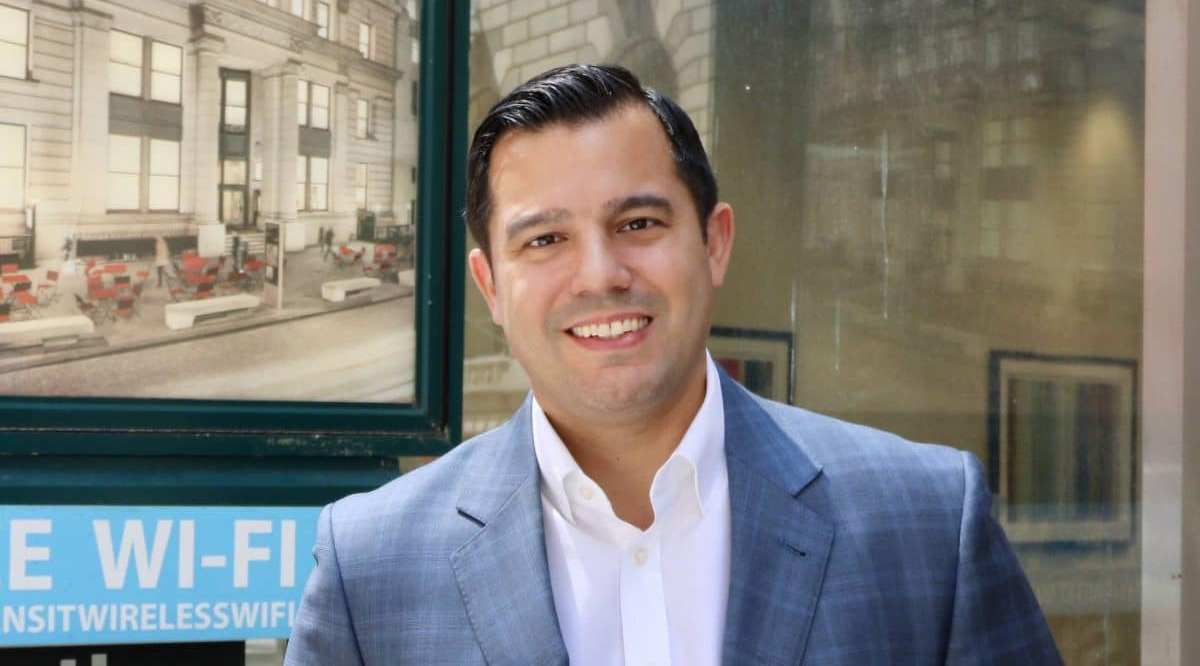
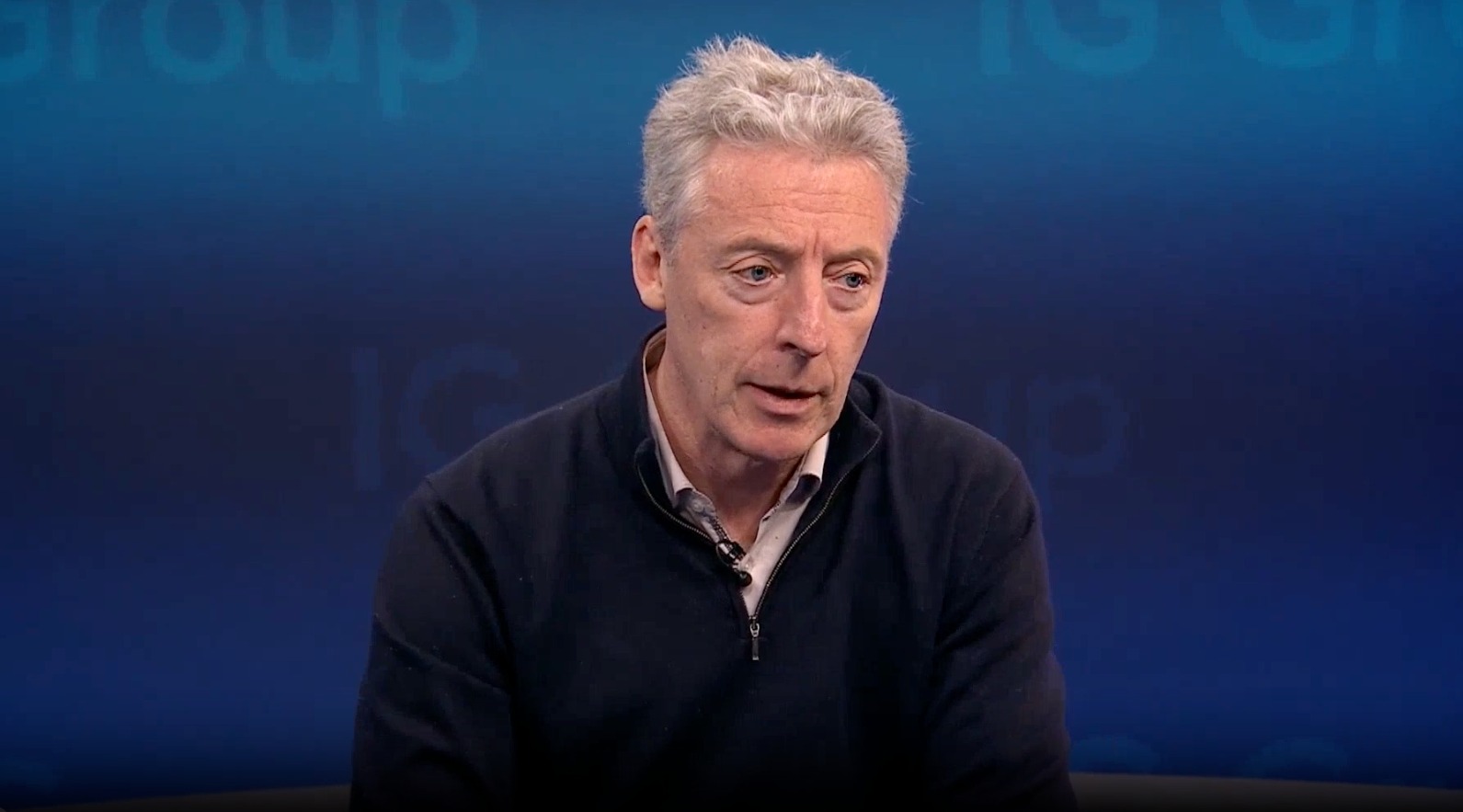
Tarek Mansour, Kalshi's CEO
Kalshi CEO
Tarek Mansour said he discovered Wang through his social media commentary. The
hire comes as the prediction platform looks to capitalize on the Trump
administration's more favorable approach to cryptocurrency regulation.
“All
the largest fintech companies are adopting crypto strategies as a core part of
their company missions now,” Wang said. His immediate focus involves
creating “culturally resonant, fast moving markets that speak directly to
your crypto Twitter people.”
The company
already started accepting crypto deposits as an alternative to traditional bank
transfers and debit card payments. Mansour suggested the distinction between
crypto and traditional financial companies is blurring.
“We
don't really see this distinction between a crypto company and a non-crypto
company,” he said. “Over time, anyone who is basically moving money
or anyone who's in financial services is going to be a crypto company in one
way, shape or form.”
Event Contracts on the
Rise, Along With Controversy
Kalshi gained
significant attention during the 2024 presidential election, partly because
it operates as a CFTC-licensed exchange. This regulatory approval gives it an
advantage over competitors like Polymarket, which runs on blockchain technology
but restricts U.S. users due to regulatory concerns.
The company
has notable political connections. Donald Trump Jr. serves as a strategic
adviser, while board member Brian Quintenz received Trump's nomination to lead
the CFTC.
In its most
recent funding round, Kalshi
raised $185 million at a $2 billion valuation. Notable investors included
crypto-focused venture funds Paradigm and Multicoin.
The
business, however, is not without controversy. Major global exchanges have
recently highlighted the need to regulate, or even restrict, the
tokenized equities and event contracts sector. Kalshi, together with
Robinhood, which offers the provider’s products, has been regularly sued in
court. The
latest example came last week, when a lawsuit targeted event contracts
resembling sports betting.
From Doomscrolling to
Active Participation
Wang
described his fascination with prediction markets dating back to discovering
Augur during the 2018 crypto market downturn. He sees these platforms as
transforming passive news consumption into active participation.
“My
generation grew up doomscrolling, watching events unfold passively with
distance and hopelessness,” Wang wrote on LinkedIn. “Prediction
markets flip that script. Even a small stake makes you pay closer attention,
talk about it with friends, and feel invested in what happens next.”
The company
plans to expand its crypto offerings in the coming months, though specific
details about new products remain unclear. Back in June, the
company partnered with Webull, allowing U.S. retail traders to speculate on
short-term cryptocurrency moves, including Bitcoin (BTC).
The U.S.-regulated prediction marketplace Kalshi hired John Wang, a 23-year-old crypto entrepreneur turned social media influencer, to spearhead the company's push into digital assets.
Kalshi Names John Wang
Head of Crypto in Digital Push
Wang
dropped out of the University of Pennsylvania to start Armor Labs, a crypto
company that was later acquired. Before joining Kalshi, he advised crypto
startups and built a following on X (formerly Twitter) writing about
cryptocurrency and finance topics.
Tarek Mansour, Kalshi's CEO
Kalshi CEO
Tarek Mansour said he discovered Wang through his social media commentary. The
hire comes as the prediction platform looks to capitalize on the Trump
administration's more favorable approach to cryptocurrency regulation.
“All
the largest fintech companies are adopting crypto strategies as a core part of
their company missions now,” Wang said. His immediate focus involves
creating “culturally resonant, fast moving markets that speak directly to
your crypto Twitter people.”
The company
already started accepting crypto deposits as an alternative to traditional bank
transfers and debit card payments. Mansour suggested the distinction between
crypto and traditional financial companies is blurring.
“We
don't really see this distinction between a crypto company and a non-crypto
company,” he said. “Over time, anyone who is basically moving money
or anyone who's in financial services is going to be a crypto company in one
way, shape or form.”
Event Contracts on the
Rise, Along With Controversy
Kalshi gained
significant attention during the 2024 presidential election, partly because
it operates as a CFTC-licensed exchange. This regulatory approval gives it an
advantage over competitors like Polymarket, which runs on blockchain technology
but restricts U.S. users due to regulatory concerns.
The company
has notable political connections. Donald Trump Jr. serves as a strategic
adviser, while board member Brian Quintenz received Trump's nomination to lead
the CFTC.
In its most
recent funding round, Kalshi
raised $185 million at a $2 billion valuation. Notable investors included
crypto-focused venture funds Paradigm and Multicoin.
The
business, however, is not without controversy. Major global exchanges have
recently highlighted the need to regulate, or even restrict, the
tokenized equities and event contracts sector. Kalshi, together with
Robinhood, which offers the provider’s products, has been regularly sued in
court. The
latest example came last week, when a lawsuit targeted event contracts
resembling sports betting.
From Doomscrolling to
Active Participation
Wang
described his fascination with prediction markets dating back to discovering
Augur during the 2018 crypto market downturn. He sees these platforms as
transforming passive news consumption into active participation.
“My
generation grew up doomscrolling, watching events unfold passively with
distance and hopelessness,” Wang wrote on LinkedIn. “Prediction
markets flip that script. Even a small stake makes you pay closer attention,
talk about it with friends, and feel invested in what happens next.”
The company
plans to expand its crypto offerings in the coming months, though specific
details about new products remain unclear. Back in June, the
company partnered with Webull, allowing U.S. retail traders to speculate on
short-term cryptocurrency moves, including Bitcoin (BTC).
Damian Chmiel is a Senior Analyst & Editor at Finance Magnates with more than 15 years of experience in the CFD and online trading industry. Active as both a trader and journalist since 2010, he focuses on broker coverage, fintech innovation, and regulatory developments across Europe, the Middle East, and Asia.
His work includes interviews with C-level leaders at major brokerages and fintech platforms, as well as co-authoring Finance Magnates’ quarterly industry benchmarking reports. Damian’s reporting is data-driven, market-aware, and grounded in direct industry engagement. His analysis and commentary have also been cited by external media outlets, including Investing.com, Binance, The Asset, Stockhead, and Dispatch.
Education:
MA in Finance and Accounting, Cracow University of Economics
EBC Financial’s UK CEO David Barrett Steps Down After Six Years
FP Markets Winner Spotlight 🏆 | Global Broker of the Year 2025 #Trading #Broker #Innovation #Shorts
FP Markets Winner Spotlight 🏆 | Global Broker of the Year 2025 #Trading #Broker #Innovation #Shorts
FP Markets takes the spotlight as Global Broker of the Year 2025 at the Finance Magnates Awards.
Martin Stoilov, Head of Client Experience, shares that trust, innovation, and people played a key role in the company’s success, supported by a strong foundation of integrity and client-centricity.
Following this milestone, FP Markets continues to focus on growth, technology investment, and its core values of transparency and excellence.
👉 Be part of FM Awards 2026: https://awards.financemagnates.com/#nominate
FP Markets takes the spotlight as Global Broker of the Year 2025 at the Finance Magnates Awards.
Martin Stoilov, Head of Client Experience, shares that trust, innovation, and people played a key role in the company’s success, supported by a strong foundation of integrity and client-centricity.
Following this milestone, FP Markets continues to focus on growth, technology investment, and its core values of transparency and excellence.
👉 Be part of FM Awards 2026: https://awards.financemagnates.com/#nominate
In this video, we review @HolaPrimeMarketsOfficial, a multi-asset forex and CFDs broker offering different account types, trading platforms, and flexible trading conditions.
We cover the broker’s overall offering, including account options, trading environment, platforms like MT4 and MT5, and additional services such as managed accounts and fast withdrawals.
Watch the full video to see if Hola Prime Markets fits your trading needs.
📣 Stay up to date with the latest in finance and trading. Follow Finance Magnates for industry news, insights, and global event coverage.
Connect with us:
🔗 LinkedIn: /financemagnates
👍 Facebook: /financemagnates
📸 Instagram: https://www.instagram.com/financemagnates
🐦 X: https://x.com/financemagnates
🎥 TikTok: https://www.tiktok.com/tag/financemagnates
▶️ YouTube: /@financemagnates_official
#HolaPrime #ForexBroker #CFDTrading #FinanceMagnates #Trading #Forex #BrokerReview
In this video, we review @HolaPrimeMarketsOfficial, a multi-asset forex and CFDs broker offering different account types, trading platforms, and flexible trading conditions.
We cover the broker’s overall offering, including account options, trading environment, platforms like MT4 and MT5, and additional services such as managed accounts and fast withdrawals.
Watch the full video to see if Hola Prime Markets fits your trading needs.
📣 Stay up to date with the latest in finance and trading. Follow Finance Magnates for industry news, insights, and global event coverage.
Connect with us:
🔗 LinkedIn: /financemagnates
👍 Facebook: /financemagnates
📸 Instagram: https://www.instagram.com/financemagnates
🐦 X: https://x.com/financemagnates
🎥 TikTok: https://www.tiktok.com/tag/financemagnates
▶️ YouTube: /@financemagnates_official
#HolaPrime #ForexBroker #CFDTrading #FinanceMagnates #Trading #Forex #BrokerReview
Hola Prime Review: What You Need to Know | Full Breakdown by Finance Magnates
Hola Prime Review: What You Need to Know | Full Breakdown by Finance Magnates
In this video, we review @HolaPrime_Global, a proprietary trading firm offering evaluation programs and performance-based payouts in simulated market environments.
We cover how the challenge model works, including account types, profit splits (up to 95%), trading rules, and what it takes to reach a funded account. You’ll also learn about available platforms like MT4, MT5, cTrader, and more, along with insights into payouts, support, and trading conditions.
Watch the full video to see if Hola Prime fits your trading style.
📣 Stay up to date with the latest in finance and trading. Follow Finance Magnates for industry news, insights, and global event coverage.
Connect with us:
🔗 LinkedIn: /financemagnates
👍 Facebook: /financemagnates
📸 Instagram: https://www.instagram.com/financemagnates
🐦 X: https://x.com/financemagnates
🎥 TikTok: https://www.tiktok.com/tag/financemagnates
▶️ YouTube: /@financemagnates_official
#HolaPrime #PropFirm #Trading #FinanceMagnates #Forex #FuturesTrading #TradingReview #PropFirmReview
In this video, we review @HolaPrime_Global, a proprietary trading firm offering evaluation programs and performance-based payouts in simulated market environments.
We cover how the challenge model works, including account types, profit splits (up to 95%), trading rules, and what it takes to reach a funded account. You’ll also learn about available platforms like MT4, MT5, cTrader, and more, along with insights into payouts, support, and trading conditions.
Watch the full video to see if Hola Prime fits your trading style.
📣 Stay up to date with the latest in finance and trading. Follow Finance Magnates for industry news, insights, and global event coverage.
Connect with us:
🔗 LinkedIn: /financemagnates
👍 Facebook: /financemagnates
📸 Instagram: https://www.instagram.com/financemagnates
🐦 X: https://x.com/financemagnates
🎥 TikTok: https://www.tiktok.com/tag/financemagnates
▶️ YouTube: /@financemagnates_official
#HolaPrime #PropFirm #Trading #FinanceMagnates #Forex #FuturesTrading #TradingReview #PropFirmReview
Axi Winner Spotlight 🏆 | Global Most Innovative Broker 2025 #Innovation #Trading #Fintech #Broker
Axi Winner Spotlight 🏆 | Global Most Innovative Broker 2025 #Innovation #Trading #Fintech #Broker
Axi takes the spotlight at the Finance Magnates Awards, winning Global Most Innovative Broker 2025.
Olivia Xenofontos and Ivanna Openko share how the team will feel: proud, motivated, and ready to keep delivering.
They also describe the night as well-organized, focused, and enjoyable for all.
👉 Be part of FM Awards 2026.
Axi takes the spotlight at the Finance Magnates Awards, winning Global Most Innovative Broker 2025.
Olivia Xenofontos and Ivanna Openko share how the team will feel: proud, motivated, and ready to keep delivering.
They also describe the night as well-organized, focused, and enjoyable for all.
👉 Be part of FM Awards 2026.
Recognition that matters.
Built on transparency.
Driven by the industry.
The Finance Magnates Awards 2026.
Nominations are now open.
🔗 https://awards.financemagnates.com/?utm_source=SM&utm_medium=social&utm_campaign=recognition-matters
Recognition that matters.
Built on transparency.
Driven by the industry.
The Finance Magnates Awards 2026.
Nominations are now open.
🔗 https://awards.financemagnates.com/?utm_source=SM&utm_medium=social&utm_campaign=recognition-matters