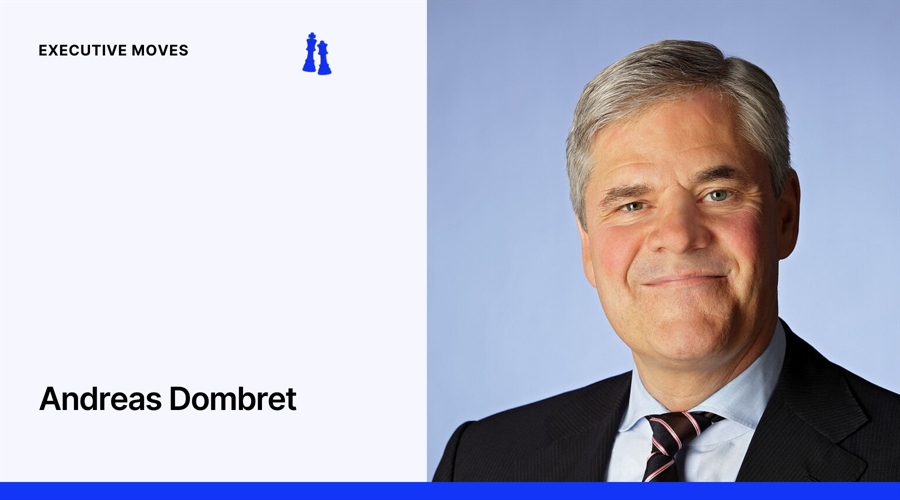
Andreas Dombret's appointment signals the end to investor-founder standoff at German fintech.
In the meantime, founder Valentin Stalf steps down as CEO amid investor pressure.
German neobank
N26 is bringing in former Bundesbank executive Andreas Dombret to chair its
supervisory board, capping months of turmoil between investors and the
company's founding team.
The leadership
overhaul represents the latest attempt to stabilize Germany's most
valuable fintech after regulatory troubles and internal disputes threatened to
derail the digital bank's growth trajectory.
German Fintech N26 Gets
New Boss Amid Regulatory Storm
Dombret,
who served on the Bundesbank's executive board from 2010 to 2018, will be
nominated by both founders and investors at an upcoming extraordinary general
meeting. His banking supervision background could help N26 navigate ongoing
regulatory scrutiny from German watchdog BaFin.
The
appointment comes alongside other significant changes. Current supervisory
board chair Marcus Mosen will become co-CEO, working alongside remaining
founder Maximilian Tayenthal. Co-founder Valentin Stalf stepped down from his
CEO role last week and will join the supervisory board after a cooling-off
period.

Colin Bryant of Coatue
"Marcus
Mosen has known the company since its founding and has the full trust of the
investors," said Colin Bryant of Coatue, one of N26's backers, quoted by Financial Times. "We
are confident that as CEO he will be integral in helping to position N26 for
long-term growth and lasting success."
Banking Veteran Brings
Deep Experience
Dombret
brings decades of financial services expertise spanning
both private sector and regulatory roles. His career includes
senior positions at major Wall Street firms, including a decade
as managing director at J.P. Morgan and partnerships at Rothschild
& Co.
Before
joining the Bundesbank, he served as Vice Chairman Europe at Bank of
America from 2006 to 2009, navigating the financial crisis period. His
regulatory experience extends beyond Germany, he was a
founding member of the European Central Bank's Supervisory Board and
served on the Board of Directors at the Bank for International
Settlements.
Since
leaving the Bundesbank in 2018, Dombret has maintained an active advisory
portfolio. He currently serves as Global Senior Advisor at
Oliver Wyman and holds advisory roles at major financial institutions
including Banco Santander and Sumitomo Mitsui Banking Corporation.
A recent
BaFin audit found "weaknesses in the internal control systems, processes
and overall organization," according to N26's annual report. The watchdog
plans to issue formal warnings to two management board members and install
another special monitor.
Behind the
scenes, months of friction between N26's investors and its founding
team had reached a breaking point. Stalf and Tayenthal together own about 20%
of the company's equity and had retained special veto rights over major
decisions.
Investors
pushed to remove these founder privileges, particularly after the latest
regulatory troubles. The founders have been negotiating to give up their veto
powers in exchange for reducing the guaranteed returns promised to investors in
N26's 2021 fundraising round.
That
funding valued N26 at €7.7 billion and guaranteed new investors a 25% annual
return. Under the deal being discussed, these guaranteed returns would be cut
as part of the compromise.
Tayenthal
is also expected to step down from his management role by year-end, according
to people familiar with the negotiations.
New Leadership Takes Shape
Dombret
could assume his new position as early as October, pending routine BaFin
approval. His extensive experience overseeing banking supervision and financial
stability at the Bundesbank makes regulatory approval likely.
The timing
reflects urgency around resolving the company's governance issues. Invitations
for the extraordinary general meeting to formalize Dombret's nomination are
expected next week.
Founded in
2013 as an online-only bank, N26 has struggled to balance rapid growth with
regulatory compliance. The company's attempts to expand internationally while
maintaining German regulatory approval have created ongoing tensions.
German neobank
N26 is bringing in former Bundesbank executive Andreas Dombret to chair its
supervisory board, capping months of turmoil between investors and the
company's founding team.
The leadership
overhaul represents the latest attempt to stabilize Germany's most
valuable fintech after regulatory troubles and internal disputes threatened to
derail the digital bank's growth trajectory.
German Fintech N26 Gets
New Boss Amid Regulatory Storm
Dombret,
who served on the Bundesbank's executive board from 2010 to 2018, will be
nominated by both founders and investors at an upcoming extraordinary general
meeting. His banking supervision background could help N26 navigate ongoing
regulatory scrutiny from German watchdog BaFin.
The
appointment comes alongside other significant changes. Current supervisory
board chair Marcus Mosen will become co-CEO, working alongside remaining
founder Maximilian Tayenthal. Co-founder Valentin Stalf stepped down from his
CEO role last week and will join the supervisory board after a cooling-off
period.
Colin Bryant of Coatue
"Marcus
Mosen has known the company since its founding and has the full trust of the
investors," said Colin Bryant of Coatue, one of N26's backers, quoted by Financial Times. "We
are confident that as CEO he will be integral in helping to position N26 for
long-term growth and lasting success."
Banking Veteran Brings
Deep Experience
Dombret
brings decades of financial services expertise spanning
both private sector and regulatory roles. His career includes
senior positions at major Wall Street firms, including a decade
as managing director at J.P. Morgan and partnerships at Rothschild
& Co.
Before
joining the Bundesbank, he served as Vice Chairman Europe at Bank of
America from 2006 to 2009, navigating the financial crisis period. His
regulatory experience extends beyond Germany, he was a
founding member of the European Central Bank's Supervisory Board and
served on the Board of Directors at the Bank for International
Settlements.
Since
leaving the Bundesbank in 2018, Dombret has maintained an active advisory
portfolio. He currently serves as Global Senior Advisor at
Oliver Wyman and holds advisory roles at major financial institutions
including Banco Santander and Sumitomo Mitsui Banking Corporation.
A recent
BaFin audit found "weaknesses in the internal control systems, processes
and overall organization," according to N26's annual report. The watchdog
plans to issue formal warnings to two management board members and install
another special monitor.
Behind the
scenes, months of friction between N26's investors and its founding
team had reached a breaking point. Stalf and Tayenthal together own about 20%
of the company's equity and had retained special veto rights over major
decisions.
Investors
pushed to remove these founder privileges, particularly after the latest
regulatory troubles. The founders have been negotiating to give up their veto
powers in exchange for reducing the guaranteed returns promised to investors in
N26's 2021 fundraising round.
That
funding valued N26 at €7.7 billion and guaranteed new investors a 25% annual
return. Under the deal being discussed, these guaranteed returns would be cut
as part of the compromise.
Tayenthal
is also expected to step down from his management role by year-end, according
to people familiar with the negotiations.
New Leadership Takes Shape
Dombret
could assume his new position as early as October, pending routine BaFin
approval. His extensive experience overseeing banking supervision and financial
stability at the Bundesbank makes regulatory approval likely.
The timing
reflects urgency around resolving the company's governance issues. Invitations
for the extraordinary general meeting to formalize Dombret's nomination are
expected next week.
Founded in
2013 as an online-only bank, N26 has struggled to balance rapid growth with
regulatory compliance. The company's attempts to expand internationally while
maintaining German regulatory approval have created ongoing tensions.
Damian Chmiel is a Senior Analyst & Editor at Finance Magnates with more than 15 years of experience in the CFD and online trading industry. Active as both a trader and journalist since 2010, he focuses on broker coverage, fintech innovation, and regulatory developments across Europe, the Middle East, and Asia.
His work includes interviews with C-level leaders at major brokerages and fintech platforms, as well as co-authoring Finance Magnates’ quarterly industry benchmarking reports. Damian’s reporting is data-driven, market-aware, and grounded in direct industry engagement. His analysis and commentary have also been cited by external media outlets, including Investing.com, Binance, The Asset, Stockhead, and Dispatch.
Education:
MA in Finance and Accounting, Cracow University of Economics
John Murphy Becomes Retail-Focused Scope Markets’ Managing Director
Featured Videos
FM Daily Brief – 9 June 2026
Today’s Tuesday, the 9th of June 2026, and these are our main stories: eToro’s customer assets climbed back above $20 billion, Prop trading model in prediction markets, and Leverate launched a new AI assistant for brokers and traders.
War Stories: Lessons from 20 Years in Markets (the pain, the pitfalls and the profits)
The trades that taught me the most aren't the ones that worked. They're the ones that didn't — or the ones I almost caught and didn't have the nerve to ride. In this session, I'll tell you about the Brexit miss, the SNB shocker that nearly handed me a 5400% return, the BoJ surprise that punched me in the gut, and a few wins along the way. Each story carries a lesson, but the lessons aren't the point. Everyone who trades long enough collects a portfolio of moments like these; what separates the people who stay in the game is what they do with them.
The Engine and the Fuel: How AI & Data Drives African Future
If AI is the engine, data is the fuel. Without quality, accessible data, AI cannot work well; and without the right mindset, data remains just numbers instead of insight. In this session, leading experts will explore how AI and data are democratizing opportunities for businesses and personal growth. Discover practical ways to make AI accessible today, anticipate its transformative impact on African markets, and learn actionable steps to prepare for what's next. Let's talk about:
-How AI and data drive business efficiency and innovation in trading and fintech
-AI tools to elevate trading or business strategies
-How to access and maximise the power of data and AI
-Emerging AI and data trends in Africa and their economic ripple effects
If AI is the engine, data is the fuel. Without quality, accessible data, AI cannot work well; and without the right mindset, data remains just numbers instead of insight. In this session, leading experts will explore how AI and data are democratizing opportunities for businesses and personal growth. Discover practical ways to make AI accessible today, anticipate its transformative impact on African markets, and learn actionable steps to prepare for what's next. Let's talk about:
-How AI and data drive business efficiency and innovation in trading and fintech
-AI tools to elevate trading or business strategies
-How to access and maximise the power of data and AI
-Emerging AI and data trends in Africa and their economic ripple effects
If AI is the engine, data is the fuel. Without quality, accessible data, AI cannot work well; and without the right mindset, data remains just numbers instead of insight. In this session, leading experts will explore how AI and data are democratizing opportunities for businesses and personal growth. Discover practical ways to make AI accessible today, anticipate its transformative impact on African markets, and learn actionable steps to prepare for what's next. Let's talk about:
-How AI and data drive business efficiency and innovation in trading and fintech
-AI tools to elevate trading or business strategies
-How to access and maximise the power of data and AI
-Emerging AI and data trends in Africa and their economic ripple effects
If AI is the engine, data is the fuel. Without quality, accessible data, AI cannot work well; and without the right mindset, data remains just numbers instead of insight. In this session, leading experts will explore how AI and data are democratizing opportunities for businesses and personal growth. Discover practical ways to make AI accessible today, anticipate its transformative impact on African markets, and learn actionable steps to prepare for what's next. Let's talk about:
-How AI and data drive business efficiency and innovation in trading and fintech
-AI tools to elevate trading or business strategies
-How to access and maximise the power of data and AI
-Emerging AI and data trends in Africa and their economic ripple effects
If AI is the engine, data is the fuel. Without quality, accessible data, AI cannot work well; and without the right mindset, data remains just numbers instead of insight. In this session, leading experts will explore how AI and data are democratizing opportunities for businesses and personal growth. Discover practical ways to make AI accessible today, anticipate its transformative impact on African markets, and learn actionable steps to prepare for what's next. Let's talk about:
-How AI and data drive business efficiency and innovation in trading and fintech
-AI tools to elevate trading or business strategies
-How to access and maximise the power of data and AI
-Emerging AI and data trends in Africa and their economic ripple effects
If AI is the engine, data is the fuel. Without quality, accessible data, AI cannot work well; and without the right mindset, data remains just numbers instead of insight. In this session, leading experts will explore how AI and data are democratizing opportunities for businesses and personal growth. Discover practical ways to make AI accessible today, anticipate its transformative impact on African markets, and learn actionable steps to prepare for what's next. Let's talk about:
-How AI and data drive business efficiency and innovation in trading and fintech
-AI tools to elevate trading or business strategies
-How to access and maximise the power of data and AI
-Emerging AI and data trends in Africa and their economic ripple effects
Inside My Best Trade with Jimmy Moyaha
Most market post-mortems describe what happened to prices. Few describe what happened in the trading room while the position was open: the entry conviction, the moments that tested it, and the exit decision that closed the book.
This session brings one seasoned trader to the stage for an unfiltered account of the position that still defines how they think about markets.
Attendees will walk away with:
-A first-hand account of how a conviction trade is built, from thesis and entry through position management and exit
-Understanding of what turns a market observation into a live position, and what holds it when conditions shift
-Insight into how timing, execution quality, and market structure shaped the final result
-Perspective on what the trade revealed about edge, risk tolerance, and when to hold through a position moving against you
-Clarity on what separates a well-built trade from a well-timed one
Most market post-mortems describe what happened to prices. Few describe what happened in the trading room while the position was open: the entry conviction, the moments that tested it, and the exit decision that closed the book.
This session brings one seasoned trader to the stage for an unfiltered account of the position that still defines how they think about markets.
Attendees will walk away with:
-A first-hand account of how a conviction trade is built, from thesis and entry through position management and exit
-Understanding of what turns a market observation into a live position, and what holds it when conditions shift
-Insight into how timing, execution quality, and market structure shaped the final result
-Perspective on what the trade revealed about edge, risk tolerance, and when to hold through a position moving against you
-Clarity on what separates a well-built trade from a well-timed one
Most market post-mortems describe what happened to prices. Few describe what happened in the trading room while the position was open: the entry conviction, the moments that tested it, and the exit decision that closed the book.
This session brings one seasoned trader to the stage for an unfiltered account of the position that still defines how they think about markets.
Attendees will walk away with:
-A first-hand account of how a conviction trade is built, from thesis and entry through position management and exit
-Understanding of what turns a market observation into a live position, and what holds it when conditions shift
-Insight into how timing, execution quality, and market structure shaped the final result
-Perspective on what the trade revealed about edge, risk tolerance, and when to hold through a position moving against you
-Clarity on what separates a well-built trade from a well-timed one
Most market post-mortems describe what happened to prices. Few describe what happened in the trading room while the position was open: the entry conviction, the moments that tested it, and the exit decision that closed the book.
This session brings one seasoned trader to the stage for an unfiltered account of the position that still defines how they think about markets.
Attendees will walk away with:
-A first-hand account of how a conviction trade is built, from thesis and entry through position management and exit
-Understanding of what turns a market observation into a live position, and what holds it when conditions shift
-Insight into how timing, execution quality, and market structure shaped the final result
-Perspective on what the trade revealed about edge, risk tolerance, and when to hold through a position moving against you
-Clarity on what separates a well-built trade from a well-timed one
Most market post-mortems describe what happened to prices. Few describe what happened in the trading room while the position was open: the entry conviction, the moments that tested it, and the exit decision that closed the book.
This session brings one seasoned trader to the stage for an unfiltered account of the position that still defines how they think about markets.
Attendees will walk away with:
-A first-hand account of how a conviction trade is built, from thesis and entry through position management and exit
-Understanding of what turns a market observation into a live position, and what holds it when conditions shift
-Insight into how timing, execution quality, and market structure shaped the final result
-Perspective on what the trade revealed about edge, risk tolerance, and when to hold through a position moving against you
-Clarity on what separates a well-built trade from a well-timed one
Most market post-mortems describe what happened to prices. Few describe what happened in the trading room while the position was open: the entry conviction, the moments that tested it, and the exit decision that closed the book.
This session brings one seasoned trader to the stage for an unfiltered account of the position that still defines how they think about markets.
Attendees will walk away with:
-A first-hand account of how a conviction trade is built, from thesis and entry through position management and exit
-Understanding of what turns a market observation into a live position, and what holds it when conditions shift
-Insight into how timing, execution quality, and market structure shaped the final result
-Perspective on what the trade revealed about edge, risk tolerance, and when to hold through a position moving against you
-Clarity on what separates a well-built trade from a well-timed one
Agentic Inequality: Democratizing Financial Access Through AI & Blockchain
As crypto and CFD trading continue to expand across Africa, access to advanced tools and market insights remains uneven. This session explores how AI and blockchain can bridge that gap by empowering informal traders and underserved communities to participate more effectively in digital financial markets. The discussion will focus on practical applications of technology to improve accessibility, education, and investment outcomes in both formal and informal sectors.
In this discussion, we will explore:
-The role of AI in democratizing access to trading tools, insights, and strategy development
-How crypto and blockchain can enable broader participation beyond traditional financial systems
-Addressing access barriers: infrastructure, education, and affordability in underserved communities
-Opportunities for brokers and platforms to tap into the informal trading economy
As crypto and CFD trading continue to expand across Africa, access to advanced tools and market insights remains uneven. This session explores how AI and blockchain can bridge that gap by empowering informal traders and underserved communities to participate more effectively in digital financial markets. The discussion will focus on practical applications of technology to improve accessibility, education, and investment outcomes in both formal and informal sectors.
In this discussion, we will explore:
-The role of AI in democratizing access to trading tools, insights, and strategy development
-How crypto and blockchain can enable broader participation beyond traditional financial systems
-Addressing access barriers: infrastructure, education, and affordability in underserved communities
-Opportunities for brokers and platforms to tap into the informal trading economy
As crypto and CFD trading continue to expand across Africa, access to advanced tools and market insights remains uneven. This session explores how AI and blockchain can bridge that gap by empowering informal traders and underserved communities to participate more effectively in digital financial markets. The discussion will focus on practical applications of technology to improve accessibility, education, and investment outcomes in both formal and informal sectors.
In this discussion, we will explore:
-The role of AI in democratizing access to trading tools, insights, and strategy development
-How crypto and blockchain can enable broader participation beyond traditional financial systems
-Addressing access barriers: infrastructure, education, and affordability in underserved communities
-Opportunities for brokers and platforms to tap into the informal trading economy
As crypto and CFD trading continue to expand across Africa, access to advanced tools and market insights remains uneven. This session explores how AI and blockchain can bridge that gap by empowering informal traders and underserved communities to participate more effectively in digital financial markets. The discussion will focus on practical applications of technology to improve accessibility, education, and investment outcomes in both formal and informal sectors.
In this discussion, we will explore:
-The role of AI in democratizing access to trading tools, insights, and strategy development
-How crypto and blockchain can enable broader participation beyond traditional financial systems
-Addressing access barriers: infrastructure, education, and affordability in underserved communities
-Opportunities for brokers and platforms to tap into the informal trading economy
As crypto and CFD trading continue to expand across Africa, access to advanced tools and market insights remains uneven. This session explores how AI and blockchain can bridge that gap by empowering informal traders and underserved communities to participate more effectively in digital financial markets. The discussion will focus on practical applications of technology to improve accessibility, education, and investment outcomes in both formal and informal sectors.
In this discussion, we will explore:
-The role of AI in democratizing access to trading tools, insights, and strategy development
-How crypto and blockchain can enable broader participation beyond traditional financial systems
-Addressing access barriers: infrastructure, education, and affordability in underserved communities
-Opportunities for brokers and platforms to tap into the informal trading economy
As crypto and CFD trading continue to expand across Africa, access to advanced tools and market insights remains uneven. This session explores how AI and blockchain can bridge that gap by empowering informal traders and underserved communities to participate more effectively in digital financial markets. The discussion will focus on practical applications of technology to improve accessibility, education, and investment outcomes in both formal and informal sectors.
In this discussion, we will explore:
-The role of AI in democratizing access to trading tools, insights, and strategy development
-How crypto and blockchain can enable broader participation beyond traditional financial systems
-Addressing access barriers: infrastructure, education, and affordability in underserved communities
-Opportunities for brokers and platforms to tap into the informal trading economy