Unauthorized DeepSeek tokens hit a $48M market cap before crashing.
Bitcoin drops below $100K as DeepSeek's AI disruption spooks tech stocks and crypto markets.
The Chinese startup's cost-effective AI models threaten Silicon Valley, causing market-wide tech and crypto selloffs.
Why is crypto going down? DeepSeek sparks market's confusion
A wave of
unauthorized cryptocurrency tokens exploiting the name of Chinese AI sensation
DeepSeek has emerged on multiple blockchain networks, with one fraudulent token
briefly reaching a market capitalization of $48 million despite explicit
warnings from the company.
This is
happening as
DeepSeek has triggered significant panic on Wall Street, dragging
cryptocurrencies down as well. Bitcoin (BTC) briefly dropped below $100,000,
while XRP tested monthly lows. Let's take a closer look at why crypto is going
down.
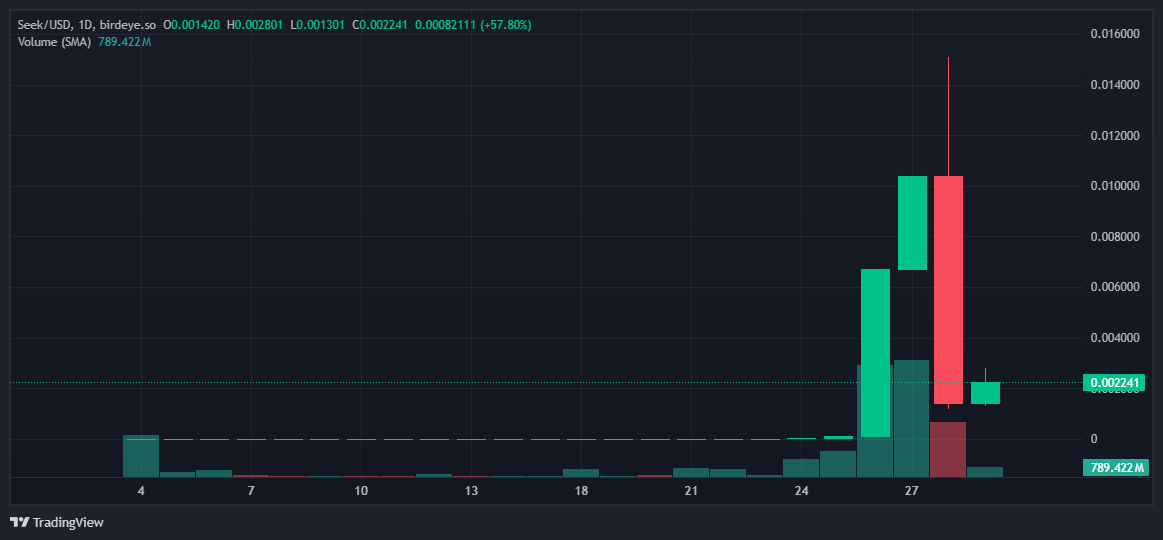
Fake DeepSeek Token Hits
$48 Million Market Cap as AI Hype Fuels Surge
The primary
impostor token, launched on the Solana blockchain earlier this month, generated
approximately $150 million in trading volume and attracted over 22,000 wallet
holders, according to data from Solana token tracker Birdeye. DeepSeek has
explicitly denied any connection to cryptocurrency projects and warned users
about potential scams.
Fake Token experienced a sharp surge followed by an equally rapid decline. Source: Birdeye
The scam's
timing coincided with DeepSeek's
meteoric rise to prominence in the artificial intelligence sector, where
its cost-effective AI model has challenged industry giants. The fraudulent
token's creators attempted to legitimize their offering by creating false
associations with DeepSeek's official social media presence and website.
A second
unauthorized DeepSeek
token also gained significant traction, reaching a $13 million market cap with
$28.5 million in trading volume before declining to $8.6 million. These
incidents are part of a broader trend of scammers exploiting popular technology
trends in cryptocurrency markets.
Paul Howard, Wincent
"DeepSeek will accelerate AI development both in the US and
overseas, denying hegemony over AI," commented Paul Howard, Director at Wincent. "There is little impact for trading, anything an LLM could offer has already been available for a while, and a lower cost base will do little to influence the way institutional players interact with the crypto market, which is at the amplified risk end of the stock market."
Why Is Crypto Going Down?
Bitcoin's
price recently dipped below $100,000, reaching an 11-day low, amid a broader
selloff in technology stocks. This downturn was triggered by DeepSeek's
announcement of more affordable AI models, which intensified competition in the
tech sector and led to significant declines in tech equities.
At the
beginning of this week, Bitcoin dropped to just under $98,000, testing the
50-day exponential moving average. All major altcoins followed suit: Ethereum
(ETH) tested the psychological support level of $3,000, while XRP formed a long
lower wick, dipping to $3.05.
The Nasdaq
100, heavily weighted with technology companies, experienced notable losses,
reflecting investor concerns over DeepSeek's potential impact on established
tech firms.
The
cryptocurrency market, particularly Bitcoin, has shown a strong correlation
with technology stocks, especially during periods of market stress. As tech
stocks declined, Bitcoin's value also dropped, highlighting its sensitivity to
shifts in investor sentiment within the tech industry.
However, by
Wednesday, January 29, 2025, the market appears to be stabilizing. Bitcoin is
currently rebounding by 1.3%, testing the $102,630 level. Moreover, analysts are
still being highly positive, some of them even predicting, that
Bitcoin price this year may reach $200K mark.
Major
decentralized finance platforms have implemented protective measures, with
companies like Uniswap and DexScreener partnering with security firms to filter
out fraudulent tokens. However, the decentralized nature of blockchain
technology makes it challenging to completely prevent such scams.
As of press
time, the primary fake DeepSeek token's volume had decreased to $2 million,
though thousands of wallets still hold the unauthorized asset. The incident
serves as a stark reminder of the risks in cryptocurrency markets, particularly
during periods of intense speculation around emerging technologies.
To prevent any potential harm, we reiterate that @deepseek_ai is our sole official account on Twitter/X.
Any accounts: - representing us - using identical avatars - using similar names are impersonations.
This
cost-efficiency, combined with an open-source approach, has raised concerns
among U.S. tech leaders about China’s growing influence in AI. DeepSeek’s rapid
rise, underscored by its AI assistant surpassing ChatGPT in downloads, signals
a shift in the global AI race. Furthermore, the Chinese government’s support
for DeepSeek highlights AI as a strategic industry, intensifying geopolitical
tensions and fueling fears in Silicon Valley about maintaining dominance in AI
innovation.
"Similar to the headlines we saw around quantum computing several months ago,
both software and hardware will continue to advance, reduce cost, and increase
access," Howard added. "Moreover, in the medium term for crypto, pay attention to macro and tech
numbers due out this week as to influencing the majors, whilst we see a continued
pullback in the pricing of AI tokens the last 7 days not necessarily correlated
with DeepSeek news itself."
Deepseek engineers getting a $5K bonus after wiping out $1 trillion in the market pic.twitter.com/OjjKIokDwx
The
cryptocurrency market is currently experiencing a downturn due to a combination
of factors, including broader sell-offs in technology stocks and the impact of
fraudulent token schemes. The recent surge and collapse of unauthorized
DeepSeek-branded tokens have contributed to heightened volatility, shaking
investor confidence.
Additionally,
DeepSeek’s disruption of the AI sector has triggered concerns on Wall Street,
leading to declines in tech stocks, which have historically correlated with
Bitcoin and other cryptocurrencies. As a result, Bitcoin briefly fell below
$100,000, while major altcoins like Ethereum and XRP also tested key support
levels.
Will Crypto Rise Again in
2025?
Despite the
recent downturn, analysts remain optimistic about the long-term outlook for
cryptocurrency in 2025. Bitcoin has already shown signs of recovery, rebounding
to over $102,000. Some analysts predict that Bitcoin could reach $200,000 by
the end of the year, supported by institutional adoption, potential regulatory
clarity, and continued demand for decentralized assets. However, market
volatility remains a key factor, and investors should remain cautious about
speculative trends and potential scams.
A wave of
unauthorized cryptocurrency tokens exploiting the name of Chinese AI sensation
DeepSeek has emerged on multiple blockchain networks, with one fraudulent token
briefly reaching a market capitalization of $48 million despite explicit
warnings from the company.
This is
happening as
DeepSeek has triggered significant panic on Wall Street, dragging
cryptocurrencies down as well. Bitcoin (BTC) briefly dropped below $100,000,
while XRP tested monthly lows. Let's take a closer look at why crypto is going
down.
Fake DeepSeek Token Hits
$48 Million Market Cap as AI Hype Fuels Surge
The primary
impostor token, launched on the Solana blockchain earlier this month, generated
approximately $150 million in trading volume and attracted over 22,000 wallet
holders, according to data from Solana token tracker Birdeye. DeepSeek has
explicitly denied any connection to cryptocurrency projects and warned users
about potential scams.
Fake Token experienced a sharp surge followed by an equally rapid decline. Source: Birdeye
The scam's
timing coincided with DeepSeek's
meteoric rise to prominence in the artificial intelligence sector, where
its cost-effective AI model has challenged industry giants. The fraudulent
token's creators attempted to legitimize their offering by creating false
associations with DeepSeek's official social media presence and website.
A second
unauthorized DeepSeek
token also gained significant traction, reaching a $13 million market cap with
$28.5 million in trading volume before declining to $8.6 million. These
incidents are part of a broader trend of scammers exploiting popular technology
trends in cryptocurrency markets.
Paul Howard, Wincent
"DeepSeek will accelerate AI development both in the US and
overseas, denying hegemony over AI," commented Paul Howard, Director at Wincent. "There is little impact for trading, anything an LLM could offer has already been available for a while, and a lower cost base will do little to influence the way institutional players interact with the crypto market, which is at the amplified risk end of the stock market."
Why Is Crypto Going Down?
Bitcoin's
price recently dipped below $100,000, reaching an 11-day low, amid a broader
selloff in technology stocks. This downturn was triggered by DeepSeek's
announcement of more affordable AI models, which intensified competition in the
tech sector and led to significant declines in tech equities.
At the
beginning of this week, Bitcoin dropped to just under $98,000, testing the
50-day exponential moving average. All major altcoins followed suit: Ethereum
(ETH) tested the psychological support level of $3,000, while XRP formed a long
lower wick, dipping to $3.05.
The Nasdaq
100, heavily weighted with technology companies, experienced notable losses,
reflecting investor concerns over DeepSeek's potential impact on established
tech firms.
The
cryptocurrency market, particularly Bitcoin, has shown a strong correlation
with technology stocks, especially during periods of market stress. As tech
stocks declined, Bitcoin's value also dropped, highlighting its sensitivity to
shifts in investor sentiment within the tech industry.
However, by
Wednesday, January 29, 2025, the market appears to be stabilizing. Bitcoin is
currently rebounding by 1.3%, testing the $102,630 level. Moreover, analysts are
still being highly positive, some of them even predicting, that
Bitcoin price this year may reach $200K mark.
Major
decentralized finance platforms have implemented protective measures, with
companies like Uniswap and DexScreener partnering with security firms to filter
out fraudulent tokens. However, the decentralized nature of blockchain
technology makes it challenging to completely prevent such scams.
As of press
time, the primary fake DeepSeek token's volume had decreased to $2 million,
though thousands of wallets still hold the unauthorized asset. The incident
serves as a stark reminder of the risks in cryptocurrency markets, particularly
during periods of intense speculation around emerging technologies.
To prevent any potential harm, we reiterate that @deepseek_ai is our sole official account on Twitter/X.
Any accounts: - representing us - using identical avatars - using similar names are impersonations.
This
cost-efficiency, combined with an open-source approach, has raised concerns
among U.S. tech leaders about China’s growing influence in AI. DeepSeek’s rapid
rise, underscored by its AI assistant surpassing ChatGPT in downloads, signals
a shift in the global AI race. Furthermore, the Chinese government’s support
for DeepSeek highlights AI as a strategic industry, intensifying geopolitical
tensions and fueling fears in Silicon Valley about maintaining dominance in AI
innovation.
"Similar to the headlines we saw around quantum computing several months ago,
both software and hardware will continue to advance, reduce cost, and increase
access," Howard added. "Moreover, in the medium term for crypto, pay attention to macro and tech
numbers due out this week as to influencing the majors, whilst we see a continued
pullback in the pricing of AI tokens the last 7 days not necessarily correlated
with DeepSeek news itself."
Deepseek engineers getting a $5K bonus after wiping out $1 trillion in the market pic.twitter.com/OjjKIokDwx
The
cryptocurrency market is currently experiencing a downturn due to a combination
of factors, including broader sell-offs in technology stocks and the impact of
fraudulent token schemes. The recent surge and collapse of unauthorized
DeepSeek-branded tokens have contributed to heightened volatility, shaking
investor confidence.
Additionally,
DeepSeek’s disruption of the AI sector has triggered concerns on Wall Street,
leading to declines in tech stocks, which have historically correlated with
Bitcoin and other cryptocurrencies. As a result, Bitcoin briefly fell below
$100,000, while major altcoins like Ethereum and XRP also tested key support
levels.
Will Crypto Rise Again in
2025?
Despite the
recent downturn, analysts remain optimistic about the long-term outlook for
cryptocurrency in 2025. Bitcoin has already shown signs of recovery, rebounding
to over $102,000. Some analysts predict that Bitcoin could reach $200,000 by
the end of the year, supported by institutional adoption, potential regulatory
clarity, and continued demand for decentralized assets. However, market
volatility remains a key factor, and investors should remain cautious about
speculative trends and potential scams.
Damian Chmiel is a Senior Analyst & Editor at Finance Magnates with more than 15 years of experience in the CFD and online trading industry. Active as both a trader and journalist since 2010, he focuses on broker coverage, fintech innovation, and regulatory developments across Europe, the Middle East, and Asia.
His work includes interviews with C-level leaders at major brokerages and fintech platforms, as well as co-authoring Finance Magnates’ quarterly industry benchmarking reports. Damian’s reporting is data-driven, market-aware, and grounded in direct industry engagement. His analysis and commentary have also been cited by external media outlets, including Investing.com, Binance, The Asset, Stockhead, and Dispatch.
Education:
MA in Finance and Accounting, Cracow University of Economics
Binance Claims Fastest $1 Billion Sprint in bStocks With $6 Billion in Share Conversions
Featured Videos
IG Seeks UK Gambling Licence; OANDA Japan Holds Withdrawals
IG Seeks UK Gambling Licence; OANDA Japan Holds Withdrawals
IG Seeks UK Gambling Licence; OANDA Japan Holds Withdrawals
IG Seeks UK Gambling Licence; OANDA Japan Holds Withdrawals
Today’s financial news recap covers IG's plans to enter prediction markets, OANDA Japan's withdrawal suspension after a server hack, a NAGA's falling earnings amid rising marketing costs
Finance Magnates Daily Recap brings you the latest news from forex and CFD brokers, fintech, payments, cryptocurrency, digital assets, trading platforms, financial regulation and global markets.
Get the key company news, executive moves, deals, regulatory updates and market developments of the day, in just a few minutes. New episodes published every weekday.
Read more: https://www.financemagnates.com
#FinanceMagnates #ForexNews #FintechNews
Today’s financial news recap covers IG's plans to enter prediction markets, OANDA Japan's withdrawal suspension after a server hack, a NAGA's falling earnings amid rising marketing costs
Finance Magnates Daily Recap brings you the latest news from forex and CFD brokers, fintech, payments, cryptocurrency, digital assets, trading platforms, financial regulation and global markets.
Get the key company news, executive moves, deals, regulatory updates and market developments of the day, in just a few minutes. New episodes published every weekday.
Read more: https://www.financemagnates.com
#FinanceMagnates #ForexNews #FintechNews
Today’s financial news recap covers IG's plans to enter prediction markets, OANDA Japan's withdrawal suspension after a server hack, a NAGA's falling earnings amid rising marketing costs
Finance Magnates Daily Recap brings you the latest news from forex and CFD brokers, fintech, payments, cryptocurrency, digital assets, trading platforms, financial regulation and global markets.
Get the key company news, executive moves, deals, regulatory updates and market developments of the day, in just a few minutes. New episodes published every weekday.
Read more: https://www.financemagnates.com
#FinanceMagnates #ForexNews #FintechNews
Today’s financial news recap covers IG's plans to enter prediction markets, OANDA Japan's withdrawal suspension after a server hack, a NAGA's falling earnings amid rising marketing costs
Finance Magnates Daily Recap brings you the latest news from forex and CFD brokers, fintech, payments, cryptocurrency, digital assets, trading platforms, financial regulation and global markets.
Get the key company news, executive moves, deals, regulatory updates and market developments of the day, in just a few minutes. New episodes published every weekday.
Read more: https://www.financemagnates.com
#FinanceMagnates #ForexNews #FintechNews
FMIQ: Get Verified Market Intelligence in Seconds | FM Intelligence
FMIQ: Get Verified Market Intelligence in Seconds | FM Intelligence
FMIQ: Get Verified Market Intelligence in Seconds | FM Intelligence
FMIQ: Get Verified Market Intelligence in Seconds | FM Intelligence
FMIQ: Get Verified Market Intelligence in Seconds | FM Intelligence
FMIQ: Get Verified Market Intelligence in Seconds | FM Intelligence
Meet FMIQ (FM Intelligence Quantitative), now available inside the FM Intelligence Portal.
Ask the market a question in plain language and get a sourced, verified answer in seconds. FMIQ gives you the figures, time periods, and sources you need to make informed decisions, without the need to work through dashboards, filters, or spreadsheet exports.
What makes FMIQ different?
✓ Ask questions in plain language, with no SQL or dashboard setup required.
✓ Get verified answers checked through an independent quality assurance step.
✓ Access sourced figures you can cite with confidence.
✓ Ask follow-up questions and build on the same conversation.
✓ Query seven datasets in one place, covering trading volumes, traffic, platforms, market movements, regulations, fines, and licences.
Built for professionals across the financial markets
- Editorial teams: Find reliable figures and support your reporting with clear sources.
- Commercial teams: Access the market data you need to prepare for client meetings and sales discussions.
- Research and analyst teams: Explore market trends and get answers to specific questions.
- Compliance teams: Access intelligence on regulations, fines, and licences.
Every query is run live, and answers go through an independent quality check. FMIQ is read-only, stays focused on your question, and does not alter the underlying data.
Built on Finance Magnates market intelligence, FMIQ helps professionals get the answers they need, when they need them.
Access FMIQ today: https://datalab.financemagnates.com/market?utm_source=youtube&utm_medium=video&utm_campaign=fmiq_phase1_mvp_launch
#FMIntelligence #FMIQ #MarketIntelligence #FinanceMagnates #FinancialMarkets #MarketResearch
Meet FMIQ (FM Intelligence Quantitative), now available inside the FM Intelligence Portal.
Ask the market a question in plain language and get a sourced, verified answer in seconds. FMIQ gives you the figures, time periods, and sources you need to make informed decisions, without the need to work through dashboards, filters, or spreadsheet exports.
What makes FMIQ different?
✓ Ask questions in plain language, with no SQL or dashboard setup required.
✓ Get verified answers checked through an independent quality assurance step.
✓ Access sourced figures you can cite with confidence.
✓ Ask follow-up questions and build on the same conversation.
✓ Query seven datasets in one place, covering trading volumes, traffic, platforms, market movements, regulations, fines, and licences.
Built for professionals across the financial markets
- Editorial teams: Find reliable figures and support your reporting with clear sources.
- Commercial teams: Access the market data you need to prepare for client meetings and sales discussions.
- Research and analyst teams: Explore market trends and get answers to specific questions.
- Compliance teams: Access intelligence on regulations, fines, and licences.
Every query is run live, and answers go through an independent quality check. FMIQ is read-only, stays focused on your question, and does not alter the underlying data.
Built on Finance Magnates market intelligence, FMIQ helps professionals get the answers they need, when they need them.
Access FMIQ today: https://datalab.financemagnates.com/market?utm_source=youtube&utm_medium=video&utm_campaign=fmiq_phase1_mvp_launch
#FMIntelligence #FMIQ #MarketIntelligence #FinanceMagnates #FinancialMarkets #MarketResearch
Meet FMIQ (FM Intelligence Quantitative), now available inside the FM Intelligence Portal.
Ask the market a question in plain language and get a sourced, verified answer in seconds. FMIQ gives you the figures, time periods, and sources you need to make informed decisions, without the need to work through dashboards, filters, or spreadsheet exports.
What makes FMIQ different?
✓ Ask questions in plain language, with no SQL or dashboard setup required.
✓ Get verified answers checked through an independent quality assurance step.
✓ Access sourced figures you can cite with confidence.
✓ Ask follow-up questions and build on the same conversation.
✓ Query seven datasets in one place, covering trading volumes, traffic, platforms, market movements, regulations, fines, and licences.
Built for professionals across the financial markets
- Editorial teams: Find reliable figures and support your reporting with clear sources.
- Commercial teams: Access the market data you need to prepare for client meetings and sales discussions.
- Research and analyst teams: Explore market trends and get answers to specific questions.
- Compliance teams: Access intelligence on regulations, fines, and licences.
Every query is run live, and answers go through an independent quality check. FMIQ is read-only, stays focused on your question, and does not alter the underlying data.
Built on Finance Magnates market intelligence, FMIQ helps professionals get the answers they need, when they need them.
Access FMIQ today: https://datalab.financemagnates.com/market?utm_source=youtube&utm_medium=video&utm_campaign=fmiq_phase1_mvp_launch
#FMIntelligence #FMIQ #MarketIntelligence #FinanceMagnates #FinancialMarkets #MarketResearch
Meet FMIQ (FM Intelligence Quantitative), now available inside the FM Intelligence Portal.
Ask the market a question in plain language and get a sourced, verified answer in seconds. FMIQ gives you the figures, time periods, and sources you need to make informed decisions, without the need to work through dashboards, filters, or spreadsheet exports.
What makes FMIQ different?
✓ Ask questions in plain language, with no SQL or dashboard setup required.
✓ Get verified answers checked through an independent quality assurance step.
✓ Access sourced figures you can cite with confidence.
✓ Ask follow-up questions and build on the same conversation.
✓ Query seven datasets in one place, covering trading volumes, traffic, platforms, market movements, regulations, fines, and licences.
Built for professionals across the financial markets
- Editorial teams: Find reliable figures and support your reporting with clear sources.
- Commercial teams: Access the market data you need to prepare for client meetings and sales discussions.
- Research and analyst teams: Explore market trends and get answers to specific questions.
- Compliance teams: Access intelligence on regulations, fines, and licences.
Every query is run live, and answers go through an independent quality check. FMIQ is read-only, stays focused on your question, and does not alter the underlying data.
Built on Finance Magnates market intelligence, FMIQ helps professionals get the answers they need, when they need them.
Access FMIQ today: https://datalab.financemagnates.com/market?utm_source=youtube&utm_medium=video&utm_campaign=fmiq_phase1_mvp_launch
#FMIntelligence #FMIQ #MarketIntelligence #FinanceMagnates #FinancialMarkets #MarketResearch
Meet FMIQ (FM Intelligence Quantitative), now available inside the FM Intelligence Portal.
Ask the market a question in plain language and get a sourced, verified answer in seconds. FMIQ gives you the figures, time periods, and sources you need to make informed decisions, without the need to work through dashboards, filters, or spreadsheet exports.
What makes FMIQ different?
✓ Ask questions in plain language, with no SQL or dashboard setup required.
✓ Get verified answers checked through an independent quality assurance step.
✓ Access sourced figures you can cite with confidence.
✓ Ask follow-up questions and build on the same conversation.
✓ Query seven datasets in one place, covering trading volumes, traffic, platforms, market movements, regulations, fines, and licences.
Built for professionals across the financial markets
- Editorial teams: Find reliable figures and support your reporting with clear sources.
- Commercial teams: Access the market data you need to prepare for client meetings and sales discussions.
- Research and analyst teams: Explore market trends and get answers to specific questions.
- Compliance teams: Access intelligence on regulations, fines, and licences.
Every query is run live, and answers go through an independent quality check. FMIQ is read-only, stays focused on your question, and does not alter the underlying data.
Built on Finance Magnates market intelligence, FMIQ helps professionals get the answers they need, when they need them.
Access FMIQ today: https://datalab.financemagnates.com/market?utm_source=youtube&utm_medium=video&utm_campaign=fmiq_phase1_mvp_launch
#FMIntelligence #FMIQ #MarketIntelligence #FinanceMagnates #FinancialMarkets #MarketResearch
Meet FMIQ (FM Intelligence Quantitative), now available inside the FM Intelligence Portal.
Ask the market a question in plain language and get a sourced, verified answer in seconds. FMIQ gives you the figures, time periods, and sources you need to make informed decisions, without the need to work through dashboards, filters, or spreadsheet exports.
What makes FMIQ different?
✓ Ask questions in plain language, with no SQL or dashboard setup required.
✓ Get verified answers checked through an independent quality assurance step.
✓ Access sourced figures you can cite with confidence.
✓ Ask follow-up questions and build on the same conversation.
✓ Query seven datasets in one place, covering trading volumes, traffic, platforms, market movements, regulations, fines, and licences.
Built for professionals across the financial markets
- Editorial teams: Find reliable figures and support your reporting with clear sources.
- Commercial teams: Access the market data you need to prepare for client meetings and sales discussions.
- Research and analyst teams: Explore market trends and get answers to specific questions.
- Compliance teams: Access intelligence on regulations, fines, and licences.
Every query is run live, and answers go through an independent quality check. FMIQ is read-only, stays focused on your question, and does not alter the underlying data.
Built on Finance Magnates market intelligence, FMIQ helps professionals get the answers they need, when they need them.
Access FMIQ today: https://datalab.financemagnates.com/market?utm_source=youtube&utm_medium=video&utm_campaign=fmiq_phase1_mvp_launch
#FMIntelligence #FMIQ #MarketIntelligence #FinanceMagnates #FinancialMarkets #MarketResearch
MyForexFunds Details No Conflict Model; UK Eyes iPhone Wallets
MyForexFunds Details No Conflict Model; UK Eyes iPhone Wallets
MyForexFunds Details No Conflict Model; UK Eyes iPhone Wallets
MyForexFunds Details No Conflict Model; UK Eyes iPhone Wallets
MyForexFunds Details No Conflict Model; UK Eyes iPhone Wallets
MyForexFunds Details No Conflict Model; UK Eyes iPhone Wallets
Today’s financial news recap covers MyForexFunds outlines its Evolution relaunch, UK brokers could get their own iPhone wallets, Goat Funded Trader reports $26 million in payouts, and Kalshi explains its pitch to brokers.
Finance Magnates Daily Recap brings you the latest news from forex and CFD brokers, fintech, payments, cryptocurrency, digital assets, trading platforms, financial regulation and global markets.
Get the key company news, executive moves, deals, regulatory updates and market developments of the day, in just a few minutes. New episodes published every weekday.
Read more: https://www.financemagnates.com
#FinanceMagnates #ForexNews #FintechNews
Today’s financial news recap covers MyForexFunds outlines its Evolution relaunch, UK brokers could get their own iPhone wallets, Goat Funded Trader reports $26 million in payouts, and Kalshi explains its pitch to brokers.
Finance Magnates Daily Recap brings you the latest news from forex and CFD brokers, fintech, payments, cryptocurrency, digital assets, trading platforms, financial regulation and global markets.
Get the key company news, executive moves, deals, regulatory updates and market developments of the day, in just a few minutes. New episodes published every weekday.
Read more: https://www.financemagnates.com
#FinanceMagnates #ForexNews #FintechNews
Today’s financial news recap covers MyForexFunds outlines its Evolution relaunch, UK brokers could get their own iPhone wallets, Goat Funded Trader reports $26 million in payouts, and Kalshi explains its pitch to brokers.
Finance Magnates Daily Recap brings you the latest news from forex and CFD brokers, fintech, payments, cryptocurrency, digital assets, trading platforms, financial regulation and global markets.
Get the key company news, executive moves, deals, regulatory updates and market developments of the day, in just a few minutes. New episodes published every weekday.
Read more: https://www.financemagnates.com
#FinanceMagnates #ForexNews #FintechNews
Today’s financial news recap covers MyForexFunds outlines its Evolution relaunch, UK brokers could get their own iPhone wallets, Goat Funded Trader reports $26 million in payouts, and Kalshi explains its pitch to brokers.
Finance Magnates Daily Recap brings you the latest news from forex and CFD brokers, fintech, payments, cryptocurrency, digital assets, trading platforms, financial regulation and global markets.
Get the key company news, executive moves, deals, regulatory updates and market developments of the day, in just a few minutes. New episodes published every weekday.
Read more: https://www.financemagnates.com
#FinanceMagnates #ForexNews #FintechNews
Today’s financial news recap covers MyForexFunds outlines its Evolution relaunch, UK brokers could get their own iPhone wallets, Goat Funded Trader reports $26 million in payouts, and Kalshi explains its pitch to brokers.
Finance Magnates Daily Recap brings you the latest news from forex and CFD brokers, fintech, payments, cryptocurrency, digital assets, trading platforms, financial regulation and global markets.
Get the key company news, executive moves, deals, regulatory updates and market developments of the day, in just a few minutes. New episodes published every weekday.
Read more: https://www.financemagnates.com
#FinanceMagnates #ForexNews #FintechNews
Today’s financial news recap covers MyForexFunds outlines its Evolution relaunch, UK brokers could get their own iPhone wallets, Goat Funded Trader reports $26 million in payouts, and Kalshi explains its pitch to brokers.
Finance Magnates Daily Recap brings you the latest news from forex and CFD brokers, fintech, payments, cryptocurrency, digital assets, trading platforms, financial regulation and global markets.
Get the key company news, executive moves, deals, regulatory updates and market developments of the day, in just a few minutes. New episodes published every weekday.
Read more: https://www.financemagnates.com
#FinanceMagnates #ForexNews #FintechNews
How Much Are CFD Industry Executives Making; Plus500 Buys Brazilian Broker
How Much Are CFD Industry Executives Making; Plus500 Buys Brazilian Broker
How Much Are CFD Industry Executives Making; Plus500 Buys Brazilian Broker
How Much Are CFD Industry Executives Making; Plus500 Buys Brazilian Broker
How Much Are CFD Industry Executives Making; Plus500 Buys Brazilian Broker
How Much Are CFD Industry Executives Making; Plus500 Buys Brazilian Broker
Today’s financial news recap covers FinTop Consulting shared its 2026 salary surveys for Dubai, London and Cyprus with Finance Magnates, Plus500 buys a Brazilian broker, and Google opens the door to CFD ads in Denmark and Chile.
Finance Magnates Daily Recap brings you the latest news from forex and CFD brokers, fintech, payments, cryptocurrency, digital assets, trading platforms, financial regulation and global markets.
Get the key company news, executive moves, deals, regulatory updates and market developments of the day, in just a few minutes. New episodes published every weekday.
Read more: https://www.financemagnates.com
#FinanceMagnates #ForexNews #FintechNews
Today’s financial news recap covers FinTop Consulting shared its 2026 salary surveys for Dubai, London and Cyprus with Finance Magnates, Plus500 buys a Brazilian broker, and Google opens the door to CFD ads in Denmark and Chile.
Finance Magnates Daily Recap brings you the latest news from forex and CFD brokers, fintech, payments, cryptocurrency, digital assets, trading platforms, financial regulation and global markets.
Get the key company news, executive moves, deals, regulatory updates and market developments of the day, in just a few minutes. New episodes published every weekday.
Read more: https://www.financemagnates.com
#FinanceMagnates #ForexNews #FintechNews
Today’s financial news recap covers FinTop Consulting shared its 2026 salary surveys for Dubai, London and Cyprus with Finance Magnates, Plus500 buys a Brazilian broker, and Google opens the door to CFD ads in Denmark and Chile.
Finance Magnates Daily Recap brings you the latest news from forex and CFD brokers, fintech, payments, cryptocurrency, digital assets, trading platforms, financial regulation and global markets.
Get the key company news, executive moves, deals, regulatory updates and market developments of the day, in just a few minutes. New episodes published every weekday.
Read more: https://www.financemagnates.com
#FinanceMagnates #ForexNews #FintechNews
Today’s financial news recap covers FinTop Consulting shared its 2026 salary surveys for Dubai, London and Cyprus with Finance Magnates, Plus500 buys a Brazilian broker, and Google opens the door to CFD ads in Denmark and Chile.
Finance Magnates Daily Recap brings you the latest news from forex and CFD brokers, fintech, payments, cryptocurrency, digital assets, trading platforms, financial regulation and global markets.
Get the key company news, executive moves, deals, regulatory updates and market developments of the day, in just a few minutes. New episodes published every weekday.
Read more: https://www.financemagnates.com
#FinanceMagnates #ForexNews #FintechNews
Today’s financial news recap covers FinTop Consulting shared its 2026 salary surveys for Dubai, London and Cyprus with Finance Magnates, Plus500 buys a Brazilian broker, and Google opens the door to CFD ads in Denmark and Chile.
Finance Magnates Daily Recap brings you the latest news from forex and CFD brokers, fintech, payments, cryptocurrency, digital assets, trading platforms, financial regulation and global markets.
Get the key company news, executive moves, deals, regulatory updates and market developments of the day, in just a few minutes. New episodes published every weekday.
Read more: https://www.financemagnates.com
#FinanceMagnates #ForexNews #FintechNews
Today’s financial news recap covers FinTop Consulting shared its 2026 salary surveys for Dubai, London and Cyprus with Finance Magnates, Plus500 buys a Brazilian broker, and Google opens the door to CFD ads in Denmark and Chile.
Finance Magnates Daily Recap brings you the latest news from forex and CFD brokers, fintech, payments, cryptocurrency, digital assets, trading platforms, financial regulation and global markets.
Get the key company news, executive moves, deals, regulatory updates and market developments of the day, in just a few minutes. New episodes published every weekday.
Read more: https://www.financemagnates.com
#FinanceMagnates #ForexNews #FintechNews
Capital.com UAE Clients Trade $1T in H1; Saxo Signs Nine Athletes
Capital.com UAE Clients Trade $1T in H1; Saxo Signs Nine Athletes
Capital.com UAE Clients Trade $1T in H1; Saxo Signs Nine Athletes
Capital.com UAE Clients Trade $1T in H1; Saxo Signs Nine Athletes
Capital.com UAE Clients Trade $1T in H1; Saxo Signs Nine Athletes
Capital.com UAE Clients Trade $1T in H1; Saxo Signs Nine Athletes
Today’s financial news recap covers Capital.com’s trading data, Saxo Bank’s athlete campaign, Revolut’s Gibraltar crypto licence, and eToro’s new desktop terminal.
Finance Magnates Daily Recap brings you the latest news from forex and CFD brokers, fintech, payments, cryptocurrency, digital assets, trading platforms, financial regulation and global markets.
Get the key company news, executive moves, deals, regulatory updates and market developments of the day, in just a few minutes. New episodes published every weekday.
Read more: https://www.financemagnates.com
#FinanceMagnates #ForexNews #FintechNews
Today’s financial news recap covers Capital.com’s trading data, Saxo Bank’s athlete campaign, Revolut’s Gibraltar crypto licence, and eToro’s new desktop terminal.
Finance Magnates Daily Recap brings you the latest news from forex and CFD brokers, fintech, payments, cryptocurrency, digital assets, trading platforms, financial regulation and global markets.
Get the key company news, executive moves, deals, regulatory updates and market developments of the day, in just a few minutes. New episodes published every weekday.
Read more: https://www.financemagnates.com
#FinanceMagnates #ForexNews #FintechNews
Today’s financial news recap covers Capital.com’s trading data, Saxo Bank’s athlete campaign, Revolut’s Gibraltar crypto licence, and eToro’s new desktop terminal.
Finance Magnates Daily Recap brings you the latest news from forex and CFD brokers, fintech, payments, cryptocurrency, digital assets, trading platforms, financial regulation and global markets.
Get the key company news, executive moves, deals, regulatory updates and market developments of the day, in just a few minutes. New episodes published every weekday.
Read more: https://www.financemagnates.com
#FinanceMagnates #ForexNews #FintechNews
Today’s financial news recap covers Capital.com’s trading data, Saxo Bank’s athlete campaign, Revolut’s Gibraltar crypto licence, and eToro’s new desktop terminal.
Finance Magnates Daily Recap brings you the latest news from forex and CFD brokers, fintech, payments, cryptocurrency, digital assets, trading platforms, financial regulation and global markets.
Get the key company news, executive moves, deals, regulatory updates and market developments of the day, in just a few minutes. New episodes published every weekday.
Read more: https://www.financemagnates.com
#FinanceMagnates #ForexNews #FintechNews
Today’s financial news recap covers Capital.com’s trading data, Saxo Bank’s athlete campaign, Revolut’s Gibraltar crypto licence, and eToro’s new desktop terminal.
Finance Magnates Daily Recap brings you the latest news from forex and CFD brokers, fintech, payments, cryptocurrency, digital assets, trading platforms, financial regulation and global markets.
Get the key company news, executive moves, deals, regulatory updates and market developments of the day, in just a few minutes. New episodes published every weekday.
Read more: https://www.financemagnates.com
#FinanceMagnates #ForexNews #FintechNews
Today’s financial news recap covers Capital.com’s trading data, Saxo Bank’s athlete campaign, Revolut’s Gibraltar crypto licence, and eToro’s new desktop terminal.
Finance Magnates Daily Recap brings you the latest news from forex and CFD brokers, fintech, payments, cryptocurrency, digital assets, trading platforms, financial regulation and global markets.
Get the key company news, executive moves, deals, regulatory updates and market developments of the day, in just a few minutes. New episodes published every weekday.
Read more: https://www.financemagnates.com
#FinanceMagnates #ForexNews #FintechNews