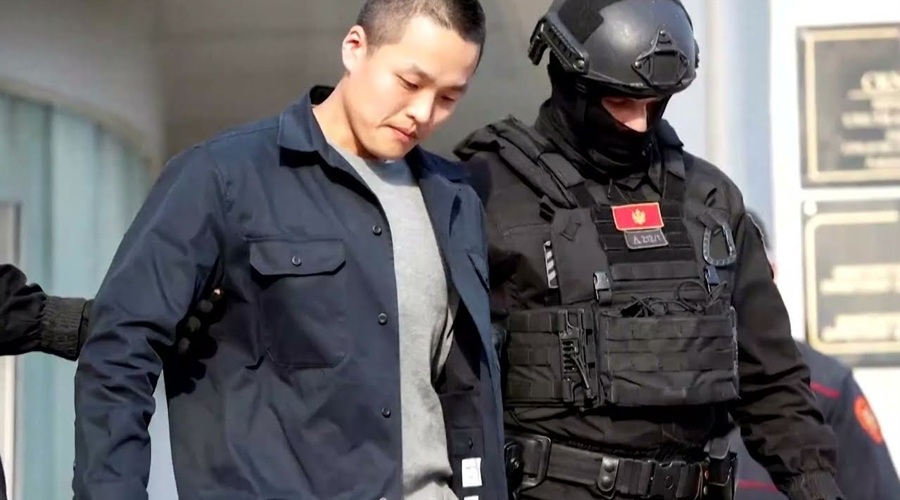
Do Kwon
walked into a Manhattan federal courtroom yesterday (Tuesday) and did something
many crypto executives have avoided: he admitted he was wrong.
The
33-year-old South Korean entrepreneur pleaded guilty to conspiracy to defraud
and wire fraud charges linked to the spectacular collapse of his TerraUSD and
Luna cryptocurrencies, which wiped out roughly $40 billion in
investor funds during 2022's crypto winter.
Do Kwon Faces 25 Years
After Guilty Plea in Crypto Fraud
Standing
before U.S. District Judge Paul Engelmayer, Kwon acknowledged he had deliberately
misled investors about how his stablecoin maintained its $1 value. The
Terraform Labs co-founder, who once commanded a crypto empire worth tens of
billions, now faces up to 25 years behind bars when he's sentenced on
December 11.
"I
made false and misleading statements about why it regained its peg by failing
to disclose a trading firm's role in restoring that peg," Kwon told the
court. "What I did was wrong."
The Day Crypto's Golden
Boy Became a Felon
Kwon's
troubles center on TerraUSD, a so-called stablecoin
Stablecoin
Unlike other cryptocurrencies like Bitcoin and Ethereum, stablecoins are cryptocurrencies that have been designed to keep a stable value. Placing a greater emphasis on stability over volatility can be a huge draw for some investors. Many individuals can be turned off from large swings and uncertainty presented by cryptos relative to other traditional assets.Stablecoins control for this volatility by being pegged to another cryptocurrency, fiat money, or to exchange-traded commodities, including
Read this Term that was supposed to hold
steady at $1 through an algorithmic system he called "Terra
Protocol." When the coin slipped below its target price in May 2021, Kwon
told investors his computer algorithm had automatically restored the peg.
That wasn't
true. Instead, prosecutors said Kwon secretly arranged for a high-frequency
trading firm to pump millions of dollars into buying TerraUSD tokens,
artificially inflating the price back to $1. He never disclosed this manual
intervention to investors who believed they were backing a self-correcting
system.
The
deception worked. Retail and institutional investors poured money into
Terraform products, driving the value of Luna - TerraUSD's companion token -
to $50 billion by spring 2022. Then everything fell apart when
broader crypto markets crashed, exposing the fragile foundation beneath Kwon's
digital empire.
🚨 BREAKING: Terraform Labs co-founder Do Kwon has pleaded guilty to two counts of wire fraud and conspiracy to defraud in the U.S., facing up to 25 years in prison. pic.twitter.com/358hOwAVEw
— Cointelegraph (@Cointelegraph) August 12, 2025
From Nine Charges to Two
Kwon's
guilty plea represents a significant shift from his initial stance. When he was
first charged in January after being extradited from Montenegro, Kwon pleaded
not guilty to a nine-count indictment that included securities fraud,
commodities fraud, and money laundering conspiracy.
The plea
agreement with Manhattan U.S. Attorney Jay Clayton's office narrows the charges
to two counts, though the potential prison sentence remains severe. Prosecutor
Kimberly Ravener said the government would recommend no more than 12 years if
Kwon continues accepting responsibility for his actions.
"Do
Kwon used the technological promise and investment euphoria around
cryptocurrency to commit one of the largest frauds in history," Clayton
said in a statement following the hearing.
Already Paying the Price
Kwon isn't
just facing criminal penalties. He and Terraform Labs agreed to pay $4.55
billion to settle civil charges with the Securities and Exchange
Commission (SEC) in 2024. Kwon's personal share of that settlement
Settlement
Settlement in finance refers to the process when a buyer makes payment and receives the agreed-upon services or goods. The term is used on exchanges such as New York Stock Exchange (NYSE) when security changes hands. When the asset is transferred and placed in the new buyer's name, it is considered settled. This process could take a few hours or several days after a trade is made. It depends on the clearance process. In the United States, the settlement date for marketable stocks is usually 2
Read this Term was $80
million, plus a lifetime ban from crypto transactions.
The
criminal case adds another layer of consequences for someone who was once
celebrated as a crypto visionary. Kwon has been detained since his extradition
from Montenegro late last year, where he had been fighting legal battles on
multiple fronts.
His legal
troubles don't end with the U.S. case. South Korea has also filed charges
against Kwon, though prosecutors indicated they won't oppose his potential
transfer abroad after serving half his American sentence.
Part of a Larger Pattern
Kwon joins
a growing list of crypto executives facing federal charges after 2022's market
collapse exposed widespread problems in the digital asset industry. His case
illustrates how quickly fortunes can reverse in the volatile world of
cryptocurrency, where yesterday's innovators become today's defendants.
The
Terraform Labs founder's admission of guilt stands out in an industry where
many executives continue fighting charges in court. His willingness to accept
responsibility may influence his eventual sentence, though he'll still likely
spend years in federal prison.
For
investors who lost money in the Terra ecosystem collapse, Kwon's guilty plea
provides some measure of accountability. Whether it leads to any recovery of
their losses remains unclear, as the complex process of unwinding failed crypto
projects often leaves little for ordinary investors to reclaim.
Do Kwon
walked into a Manhattan federal courtroom yesterday (Tuesday) and did something
many crypto executives have avoided: he admitted he was wrong.
The
33-year-old South Korean entrepreneur pleaded guilty to conspiracy to defraud
and wire fraud charges linked to the spectacular collapse of his TerraUSD and
Luna cryptocurrencies, which wiped out roughly $40 billion in
investor funds during 2022's crypto winter.
Do Kwon Faces 25 Years
After Guilty Plea in Crypto Fraud
Standing
before U.S. District Judge Paul Engelmayer, Kwon acknowledged he had deliberately
misled investors about how his stablecoin maintained its $1 value. The
Terraform Labs co-founder, who once commanded a crypto empire worth tens of
billions, now faces up to 25 years behind bars when he's sentenced on
December 11.
"I
made false and misleading statements about why it regained its peg by failing
to disclose a trading firm's role in restoring that peg," Kwon told the
court. "What I did was wrong."
The Day Crypto's Golden
Boy Became a Felon
Kwon's
troubles center on TerraUSD, a so-called stablecoin
Stablecoin
Unlike other cryptocurrencies like Bitcoin and Ethereum, stablecoins are cryptocurrencies that have been designed to keep a stable value. Placing a greater emphasis on stability over volatility can be a huge draw for some investors. Many individuals can be turned off from large swings and uncertainty presented by cryptos relative to other traditional assets.Stablecoins control for this volatility by being pegged to another cryptocurrency, fiat money, or to exchange-traded commodities, including
Read this Term that was supposed to hold
steady at $1 through an algorithmic system he called "Terra
Protocol." When the coin slipped below its target price in May 2021, Kwon
told investors his computer algorithm had automatically restored the peg.
That wasn't
true. Instead, prosecutors said Kwon secretly arranged for a high-frequency
trading firm to pump millions of dollars into buying TerraUSD tokens,
artificially inflating the price back to $1. He never disclosed this manual
intervention to investors who believed they were backing a self-correcting
system.
The
deception worked. Retail and institutional investors poured money into
Terraform products, driving the value of Luna - TerraUSD's companion token -
to $50 billion by spring 2022. Then everything fell apart when
broader crypto markets crashed, exposing the fragile foundation beneath Kwon's
digital empire.
🚨 BREAKING: Terraform Labs co-founder Do Kwon has pleaded guilty to two counts of wire fraud and conspiracy to defraud in the U.S., facing up to 25 years in prison. pic.twitter.com/358hOwAVEw
— Cointelegraph (@Cointelegraph) August 12, 2025
From Nine Charges to Two
Kwon's
guilty plea represents a significant shift from his initial stance. When he was
first charged in January after being extradited from Montenegro, Kwon pleaded
not guilty to a nine-count indictment that included securities fraud,
commodities fraud, and money laundering conspiracy.
The plea
agreement with Manhattan U.S. Attorney Jay Clayton's office narrows the charges
to two counts, though the potential prison sentence remains severe. Prosecutor
Kimberly Ravener said the government would recommend no more than 12 years if
Kwon continues accepting responsibility for his actions.
"Do
Kwon used the technological promise and investment euphoria around
cryptocurrency to commit one of the largest frauds in history," Clayton
said in a statement following the hearing.
Already Paying the Price
Kwon isn't
just facing criminal penalties. He and Terraform Labs agreed to pay $4.55
billion to settle civil charges with the Securities and Exchange
Commission (SEC) in 2024. Kwon's personal share of that settlement
Settlement
Settlement in finance refers to the process when a buyer makes payment and receives the agreed-upon services or goods. The term is used on exchanges such as New York Stock Exchange (NYSE) when security changes hands. When the asset is transferred and placed in the new buyer's name, it is considered settled. This process could take a few hours or several days after a trade is made. It depends on the clearance process. In the United States, the settlement date for marketable stocks is usually 2
Read this Term was $80
million, plus a lifetime ban from crypto transactions.
The
criminal case adds another layer of consequences for someone who was once
celebrated as a crypto visionary. Kwon has been detained since his extradition
from Montenegro late last year, where he had been fighting legal battles on
multiple fronts.
His legal
troubles don't end with the U.S. case. South Korea has also filed charges
against Kwon, though prosecutors indicated they won't oppose his potential
transfer abroad after serving half his American sentence.
Part of a Larger Pattern
Kwon joins
a growing list of crypto executives facing federal charges after 2022's market
collapse exposed widespread problems in the digital asset industry. His case
illustrates how quickly fortunes can reverse in the volatile world of
cryptocurrency, where yesterday's innovators become today's defendants.
The
Terraform Labs founder's admission of guilt stands out in an industry where
many executives continue fighting charges in court. His willingness to accept
responsibility may influence his eventual sentence, though he'll still likely
spend years in federal prison.
For
investors who lost money in the Terra ecosystem collapse, Kwon's guilty plea
provides some measure of accountability. Whether it leads to any recovery of
their losses remains unclear, as the complex process of unwinding failed crypto
projects often leaves little for ordinary investors to reclaim.