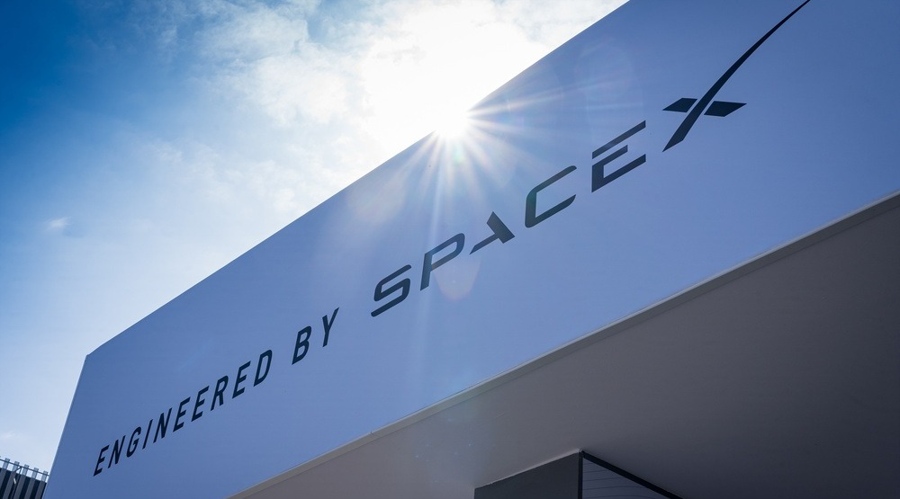
Bybit became the latest to offer SpaceX on June 7, joining Kraken on Payward's xStocks rails days after the deal drew more orders than shares.
The products on offer split into three very different trades, from real offer-price shares to synthetic bets that hold no stock at all.
SpaceX is
about to pull off the biggest stock market debut in history, and for once
ordinary investors are not entirely locked out. Elon Musk's rocket company may
raise about $75 billion, a deal Bloomberg reported is already oversubscribed at
a valuation near $1.8 trillion, with more orders than shares to go around. It
starts trading on Nasdaq on June 12.
The unusual
part is who gets to buy in. SpaceX set aside up to 30% of the offering for
retail, roughly triple the usual slice, and that has touched off a scramble to
put the deal in front of small investors.
Crypto Exchanges and
Brokers Race to Sell SpaceX to Retail Before the June 12 Listing
For
example, the digital assets platform Bybit opened subscriptions to a tokenized
SpaceX offering on June 7, becoming the second crypto exchange in three days to
let ordinary investors buy into Elon Musk's rocket company at its IPO price.
The timing
is pointed. SpaceX priced 555.6 million shares at $135 each to raise about $75
billion. That is the backdrop to a scramble that now stretches from Wall Street
brokerages to offshore crypto venues, and the products being sold are far from
identical.
In the US,
Robinhood, Fidelity, Charles Schwab, SoFi and Morgan Stanley's E*Trade are
taking orders from American clients, while Interactive Brokers opened the same
direct allocation on June 4, limited to clients who are tax resident and
located in the United Kingdom.
The second
is a tokenized claim. Kraken and Bybit are issuing SPCXx and SPCX, tokens
backed one-to-one by a share held in custody that carry price exposure but no
voting or dividend rights, and that exclude users in the US, UK, Canada and
Australia.
An older
route runs through private secondary markets and special purpose vehicles,
where platforms like Forge and Hiive have quoted SpaceX shares to accredited
investors, with Hiive listing the stock near $832 a unit in April.
The
geographies barely overlap. A trader outside the US can take the tokenized
route but not the US broker allocation, a UK resident can apply through Interactive Brokers but is locked out of the xStocks
token, and American retail is steered to its domestic brokers while both
crypto-rail routes shut US persons out.
Same
demand, three instruments, and a mirror-image map of who is let in.
How You Trade a Company
That Has Not Listed Yet
There are
really two mechanisms behind the pre-IPO label, and they work in opposite
directions.
An
allocation means you apply during a subscription window, an underwriting
syndicate decides who gets what, and you own nothing until the stock prices and
lists.
Arkadiusz Jóźwiak
Because
demand routinely outstrips supply, applying is not receiving. "Retail
investors can access some IPOs through brokers that offer pre-market share
allocations before a company begins trading publicly," said Arkadiusz
Jóźwiak, editor-in-chief at Comparic.pl.
Dan Coatsworth, head of markets at AJ Bell
Dan
Coatsworth, head of markets at AJ Bell, said allocations are set once the offer
period closes, adding that "it's rare to receive nothing in an IPO offer,
but it cannot be ruled out."
A synthetic
product skips shares entirely. A venue quotes a price on the private company
and lets clients trade a derivative against it, then settles or rolls the
position once the stock lists.
That is how
grey-market CFDs and pre-IPO perpetual futures can trade for months before any
allocation exists, and it is why a trader holding one of these owns a bet on
the price, not the company.
OKX said on
May 6 it would add perpetual futures tracking OpenAI, SpaceX and Anthropic,
following Injective, which listed similar contracts in 2025.
The crowd
matters because the rationale for a synthetic fades the moment the real stock
trades, and the smaller venues carry the most regulatory exposure if the SEC or
CFTC starts asking questions after listing.
The flow is
starting to show in the data. Crypto analytics firm Block Scholes said on June
5 that pre-IPO perpetual volume on Hyperliquid had jumped from under $5 million
a day to more than $50 million, led by a SpaceX-linked contract launched in
mid-May, even as the venue's bitcoin and ether volumes sat near multi-quarter
lows.
Tokenized
exposure has its own troubled history here.
Robinhood pushed tokenized SpaceX and OpenAI
products to European users in June 2025, drawing an inquiry from the Bank of
Lithuania and a
public statement from OpenAI that the tokens did not represent its equity.
What Kraken
and Bybit add now is the allocation itself wrapped in a token, not just a
tracking instrument, though the debate over whether tokens beat CFDs is unresolved.
The xStocks Bet and the US
Split
For Kraken
and Bybit, the pitch is geography. Kraken said its SPCXx token is open in more
than 110 countries including the European Economic Area, and Payward Co-CEO
Arjun Sethi framed it around exclusion, saying that "for a century, the
best IPOs opened behind a velvet rope."
Bybit set
its subscription window from June 7 to June 11, with pro-rata allocation,
automatic refunds on unused funds and spot trading from June 12.
Emily Bao,
the exchange's head of spot, said retail had long been shut out, noting that
"for decades, the most exciting moments in capital markets were reserved
for institutions."
The crypto
and brokerage routes do not overlap on geography or on rights.
Kraken's
token is not available to US persons and carries price exposure only, with no
voting or dividend rights, while MEXC has gone the other way, routing orders for real US shares
through a licensed broker.
SpaceX
itself reserved up to 30% of the deal for retail through the US brokers,
roughly triple the usual 5% to 10%.
Allocation Is Not the Same
as Access
The supply
math is the catch that cuts across every channel. With the book oversubscribed,
applicants face scaling back, by lottery at some US brokers and pro-rata on the
exchanges, so a request does not guarantee a fill.
There is
also a tension in how the product is sold. SpaceX and the US brokers lean on
anti-flipping rules to encourage holding, while the tokenized versions are
marketed on 24/7 liquidity, including through the first weekend when
traditional venues are closed.
Morningstar analyst Nicolas Owens
And the
offer price is not a floor. Morningstar analyst Nicolas Owens, who rates the
company overvalued, wrote that "investors will have opportunities to buy
the stock at more attractive levels after the IPO."
Whether
that proves right will only become clear once SPCX trades, and only then will
buyers learn whether they were holding a share, a token or a bet.
One thing
is certain: given Musk’s fondness for X and for promoting financial assets on
the platform (remember
Dogegoin?), it would hardly be surprising to see posts encouraging
investors to buy SpaceX shares after the IPO. The only question is how the SEC
would respond.
SpaceX is
about to pull off the biggest stock market debut in history, and for once
ordinary investors are not entirely locked out. Elon Musk's rocket company may
raise about $75 billion, a deal Bloomberg reported is already oversubscribed at
a valuation near $1.8 trillion, with more orders than shares to go around. It
starts trading on Nasdaq on June 12.
The unusual
part is who gets to buy in. SpaceX set aside up to 30% of the offering for
retail, roughly triple the usual slice, and that has touched off a scramble to
put the deal in front of small investors.
Crypto Exchanges and
Brokers Race to Sell SpaceX to Retail Before the June 12 Listing
For
example, the digital assets platform Bybit opened subscriptions to a tokenized
SpaceX offering on June 7, becoming the second crypto exchange in three days to
let ordinary investors buy into Elon Musk's rocket company at its IPO price.
The timing
is pointed. SpaceX priced 555.6 million shares at $135 each to raise about $75
billion. That is the backdrop to a scramble that now stretches from Wall Street
brokerages to offshore crypto venues, and the products being sold are far from
identical.
In the US,
Robinhood, Fidelity, Charles Schwab, SoFi and Morgan Stanley's E*Trade are
taking orders from American clients, while Interactive Brokers opened the same
direct allocation on June 4, limited to clients who are tax resident and
located in the United Kingdom.
The second
is a tokenized claim. Kraken and Bybit are issuing SPCXx and SPCX, tokens
backed one-to-one by a share held in custody that carry price exposure but no
voting or dividend rights, and that exclude users in the US, UK, Canada and
Australia.
An older
route runs through private secondary markets and special purpose vehicles,
where platforms like Forge and Hiive have quoted SpaceX shares to accredited
investors, with Hiive listing the stock near $832 a unit in April.
The
geographies barely overlap. A trader outside the US can take the tokenized
route but not the US broker allocation, a UK resident can apply through Interactive Brokers but is locked out of the xStocks
token, and American retail is steered to its domestic brokers while both
crypto-rail routes shut US persons out.
Same
demand, three instruments, and a mirror-image map of who is let in.
How You Trade a Company
That Has Not Listed Yet
There are
really two mechanisms behind the pre-IPO label, and they work in opposite
directions.
An
allocation means you apply during a subscription window, an underwriting
syndicate decides who gets what, and you own nothing until the stock prices and
lists.
Arkadiusz Jóźwiak
Because
demand routinely outstrips supply, applying is not receiving. "Retail
investors can access some IPOs through brokers that offer pre-market share
allocations before a company begins trading publicly," said Arkadiusz
Jóźwiak, editor-in-chief at Comparic.pl.
Dan Coatsworth, head of markets at AJ Bell
Dan
Coatsworth, head of markets at AJ Bell, said allocations are set once the offer
period closes, adding that "it's rare to receive nothing in an IPO offer,
but it cannot be ruled out."
A synthetic
product skips shares entirely. A venue quotes a price on the private company
and lets clients trade a derivative against it, then settles or rolls the
position once the stock lists.
That is how
grey-market CFDs and pre-IPO perpetual futures can trade for months before any
allocation exists, and it is why a trader holding one of these owns a bet on
the price, not the company.
OKX said on
May 6 it would add perpetual futures tracking OpenAI, SpaceX and Anthropic,
following Injective, which listed similar contracts in 2025.
The crowd
matters because the rationale for a synthetic fades the moment the real stock
trades, and the smaller venues carry the most regulatory exposure if the SEC or
CFTC starts asking questions after listing.
The flow is
starting to show in the data. Crypto analytics firm Block Scholes said on June
5 that pre-IPO perpetual volume on Hyperliquid had jumped from under $5 million
a day to more than $50 million, led by a SpaceX-linked contract launched in
mid-May, even as the venue's bitcoin and ether volumes sat near multi-quarter
lows.
Tokenized
exposure has its own troubled history here.
Robinhood pushed tokenized SpaceX and OpenAI
products to European users in June 2025, drawing an inquiry from the Bank of
Lithuania and a
public statement from OpenAI that the tokens did not represent its equity.
What Kraken
and Bybit add now is the allocation itself wrapped in a token, not just a
tracking instrument, though the debate over whether tokens beat CFDs is unresolved.
The xStocks Bet and the US
Split
For Kraken
and Bybit, the pitch is geography. Kraken said its SPCXx token is open in more
than 110 countries including the European Economic Area, and Payward Co-CEO
Arjun Sethi framed it around exclusion, saying that "for a century, the
best IPOs opened behind a velvet rope."
Bybit set
its subscription window from June 7 to June 11, with pro-rata allocation,
automatic refunds on unused funds and spot trading from June 12.
Emily Bao,
the exchange's head of spot, said retail had long been shut out, noting that
"for decades, the most exciting moments in capital markets were reserved
for institutions."
The crypto
and brokerage routes do not overlap on geography or on rights.
Kraken's
token is not available to US persons and carries price exposure only, with no
voting or dividend rights, while MEXC has gone the other way, routing orders for real US shares
through a licensed broker.
SpaceX
itself reserved up to 30% of the deal for retail through the US brokers,
roughly triple the usual 5% to 10%.
Allocation Is Not the Same
as Access
The supply
math is the catch that cuts across every channel. With the book oversubscribed,
applicants face scaling back, by lottery at some US brokers and pro-rata on the
exchanges, so a request does not guarantee a fill.
There is
also a tension in how the product is sold. SpaceX and the US brokers lean on
anti-flipping rules to encourage holding, while the tokenized versions are
marketed on 24/7 liquidity, including through the first weekend when
traditional venues are closed.
Morningstar analyst Nicolas Owens
And the
offer price is not a floor. Morningstar analyst Nicolas Owens, who rates the
company overvalued, wrote that "investors will have opportunities to buy
the stock at more attractive levels after the IPO."
Whether
that proves right will only become clear once SPCX trades, and only then will
buyers learn whether they were holding a share, a token or a bet.
One thing
is certain: given Musk’s fondness for X and for promoting financial assets on
the platform (remember
Dogegoin?), it would hardly be surprising to see posts encouraging
investors to buy SpaceX shares after the IPO. The only question is how the SEC
would respond.
Damian Chmiel is a Senior Analyst & Editor at Finance Magnates with more than 15 years of experience in the CFD and online trading industry. Active as both a trader and journalist since 2010, he focuses on broker coverage, fintech innovation, and regulatory developments across Europe, the Middle East, and Asia.
His work includes interviews with C-level leaders at major brokerages and fintech platforms, as well as co-authoring Finance Magnates’ quarterly industry benchmarking reports. Damian’s reporting is data-driven, market-aware, and grounded in direct industry engagement. His analysis and commentary have also been cited by external media outlets, including Investing.com, Binance, The Asset, Stockhead, and Dispatch.
Education:
MA in Finance and Accounting, Cracow University of Economics
Why Is Dogecoin Going Up Today? DOGE Price Prediction Shows 25% Upside Potential
Featured Videos
XTB Adds Overnight US Stock Trading; Nasdaq Ventures Invests in One Trading
XTB Adds Overnight US Stock Trading; Nasdaq Ventures Invests in One Trading
XTB Adds Overnight US Stock Trading; Nasdaq Ventures Invests in One Trading
XTB Adds Overnight US Stock Trading; Nasdaq Ventures Invests in One Trading
Today’s financial news recap covers XTB expands overnight US stock trading, Fortrade reports higher revenue, Nasdaq backs One Trading, and Vest Labs raises 13 million dollars.
Finance Magnates Daily Recap brings you the latest news from forex and CFD brokers, fintech, payments, cryptocurrency, digital assets, trading platforms, financial regulation and global markets.
Get the key company news, executive moves, deals, regulatory updates and market developments of the day, in just a few minutes. New episodes published every weekday.
Read more: https://www.financemagnates.com
#FinanceMagnates #ForexNews #FintechNews
Today’s financial news recap covers XTB expands overnight US stock trading, Fortrade reports higher revenue, Nasdaq backs One Trading, and Vest Labs raises 13 million dollars.
Finance Magnates Daily Recap brings you the latest news from forex and CFD brokers, fintech, payments, cryptocurrency, digital assets, trading platforms, financial regulation and global markets.
Get the key company news, executive moves, deals, regulatory updates and market developments of the day, in just a few minutes. New episodes published every weekday.
Read more: https://www.financemagnates.com
#FinanceMagnates #ForexNews #FintechNews
Today’s financial news recap covers XTB expands overnight US stock trading, Fortrade reports higher revenue, Nasdaq backs One Trading, and Vest Labs raises 13 million dollars.
Finance Magnates Daily Recap brings you the latest news from forex and CFD brokers, fintech, payments, cryptocurrency, digital assets, trading platforms, financial regulation and global markets.
Get the key company news, executive moves, deals, regulatory updates and market developments of the day, in just a few minutes. New episodes published every weekday.
Read more: https://www.financemagnates.com
#FinanceMagnates #ForexNews #FintechNews
Today’s financial news recap covers XTB expands overnight US stock trading, Fortrade reports higher revenue, Nasdaq backs One Trading, and Vest Labs raises 13 million dollars.
Finance Magnates Daily Recap brings you the latest news from forex and CFD brokers, fintech, payments, cryptocurrency, digital assets, trading platforms, financial regulation and global markets.
Get the key company news, executive moves, deals, regulatory updates and market developments of the day, in just a few minutes. New episodes published every weekday.
Read more: https://www.financemagnates.com
#FinanceMagnates #ForexNews #FintechNews
CMC Founder Downplays Volatility Hit; Devexperts Names CEO
CMC Founder Downplays Volatility Hit; Devexperts Names CEO
CMC Founder Downplays Volatility Hit; Devexperts Names CEO
CMC Founder Downplays Volatility Hit; Devexperts Names CEO
CMC Founder Downplays Volatility Hit; Devexperts Names CEO
CMC Founder Downplays Volatility Hit; Devexperts Names CEO
Today’s financial news recap covers low volatility pressures brokers, Devexperts names a new CEO, Saxo cuts onboarding time, and OKX reaches a 25 billion dollar valuation.
Finance Magnates Daily Recap brings you the latest news from forex and CFD brokers, fintech, payments, cryptocurrency, digital assets, trading platforms, financial regulation and global markets.
Get the key company news, executive moves, deals, regulatory updates and market developments of the day, in just a few minutes. New episodes published every weekday.
Read more: https://www.financemagnates.com
#FinanceMagnates #ForexNews #FintechNews
Today’s financial news recap covers low volatility pressures brokers, Devexperts names a new CEO, Saxo cuts onboarding time, and OKX reaches a 25 billion dollar valuation.
Finance Magnates Daily Recap brings you the latest news from forex and CFD brokers, fintech, payments, cryptocurrency, digital assets, trading platforms, financial regulation and global markets.
Get the key company news, executive moves, deals, regulatory updates and market developments of the day, in just a few minutes. New episodes published every weekday.
Read more: https://www.financemagnates.com
#FinanceMagnates #ForexNews #FintechNews
Today’s financial news recap covers low volatility pressures brokers, Devexperts names a new CEO, Saxo cuts onboarding time, and OKX reaches a 25 billion dollar valuation.
Finance Magnates Daily Recap brings you the latest news from forex and CFD brokers, fintech, payments, cryptocurrency, digital assets, trading platforms, financial regulation and global markets.
Get the key company news, executive moves, deals, regulatory updates and market developments of the day, in just a few minutes. New episodes published every weekday.
Read more: https://www.financemagnates.com
#FinanceMagnates #ForexNews #FintechNews
Today’s financial news recap covers low volatility pressures brokers, Devexperts names a new CEO, Saxo cuts onboarding time, and OKX reaches a 25 billion dollar valuation.
Finance Magnates Daily Recap brings you the latest news from forex and CFD brokers, fintech, payments, cryptocurrency, digital assets, trading platforms, financial regulation and global markets.
Get the key company news, executive moves, deals, regulatory updates and market developments of the day, in just a few minutes. New episodes published every weekday.
Read more: https://www.financemagnates.com
#FinanceMagnates #ForexNews #FintechNews
Today’s financial news recap covers low volatility pressures brokers, Devexperts names a new CEO, Saxo cuts onboarding time, and OKX reaches a 25 billion dollar valuation.
Finance Magnates Daily Recap brings you the latest news from forex and CFD brokers, fintech, payments, cryptocurrency, digital assets, trading platforms, financial regulation and global markets.
Get the key company news, executive moves, deals, regulatory updates and market developments of the day, in just a few minutes. New episodes published every weekday.
Read more: https://www.financemagnates.com
#FinanceMagnates #ForexNews #FintechNews
Today’s financial news recap covers low volatility pressures brokers, Devexperts names a new CEO, Saxo cuts onboarding time, and OKX reaches a 25 billion dollar valuation.
Finance Magnates Daily Recap brings you the latest news from forex and CFD brokers, fintech, payments, cryptocurrency, digital assets, trading platforms, financial regulation and global markets.
Get the key company news, executive moves, deals, regulatory updates and market developments of the day, in just a few minutes. New episodes published every weekday.
Read more: https://www.financemagnates.com
#FinanceMagnates #ForexNews #FintechNews
Today’s financial news recap covers Trade Nation buys FXCM's UK client book, Trading 212 reports higher revenue, the CFTC's move to allow perpetual index futures.
Finance Magnates Daily Recap brings you the latest news from forex and CFD brokers, fintech, payments, cryptocurrency, digital assets, trading platforms, financial regulation and global markets.
Get the key company news, executive moves, deals, regulatory updates and market developments of the day, in just a few minutes. New episodes published every weekday.
Read more: https://www.financemagnates.com
#FinanceMagnates #ForexNews #FintechNews
Today’s financial news recap covers Trade Nation buys FXCM's UK client book, Trading 212 reports higher revenue, the CFTC's move to allow perpetual index futures.
Finance Magnates Daily Recap brings you the latest news from forex and CFD brokers, fintech, payments, cryptocurrency, digital assets, trading platforms, financial regulation and global markets.
Get the key company news, executive moves, deals, regulatory updates and market developments of the day, in just a few minutes. New episodes published every weekday.
Read more: https://www.financemagnates.com
#FinanceMagnates #ForexNews #FintechNews
Today’s financial news recap covers Trade Nation buys FXCM's UK client book, Trading 212 reports higher revenue, the CFTC's move to allow perpetual index futures.
Finance Magnates Daily Recap brings you the latest news from forex and CFD brokers, fintech, payments, cryptocurrency, digital assets, trading platforms, financial regulation and global markets.
Get the key company news, executive moves, deals, regulatory updates and market developments of the day, in just a few minutes. New episodes published every weekday.
Read more: https://www.financemagnates.com
#FinanceMagnates #ForexNews #FintechNews
Today’s financial news recap covers Trade Nation buys FXCM's UK client book, Trading 212 reports higher revenue, the CFTC's move to allow perpetual index futures.
Finance Magnates Daily Recap brings you the latest news from forex and CFD brokers, fintech, payments, cryptocurrency, digital assets, trading platforms, financial regulation and global markets.
Get the key company news, executive moves, deals, regulatory updates and market developments of the day, in just a few minutes. New episodes published every weekday.
Read more: https://www.financemagnates.com
#FinanceMagnates #ForexNews #FintechNews
Today’s financial news recap covers Trade Nation buys FXCM's UK client book, Trading 212 reports higher revenue, the CFTC's move to allow perpetual index futures.
Finance Magnates Daily Recap brings you the latest news from forex and CFD brokers, fintech, payments, cryptocurrency, digital assets, trading platforms, financial regulation and global markets.
Get the key company news, executive moves, deals, regulatory updates and market developments of the day, in just a few minutes. New episodes published every weekday.
Read more: https://www.financemagnates.com
#FinanceMagnates #ForexNews #FintechNews
Today’s financial news recap covers Trade Nation buys FXCM's UK client book, Trading 212 reports higher revenue, the CFTC's move to allow perpetual index futures.
Finance Magnates Daily Recap brings you the latest news from forex and CFD brokers, fintech, payments, cryptocurrency, digital assets, trading platforms, financial regulation and global markets.
Get the key company news, executive moves, deals, regulatory updates and market developments of the day, in just a few minutes. New episodes published every weekday.
Read more: https://www.financemagnates.com
#FinanceMagnates #ForexNews #FintechNews
Your career isn’t a linear path.
Your career isn’t a linear path.
Your career isn’t a linear path.
Your career isn’t a linear path.
Your career isn’t a linear path.
Your career isn’t a linear path.
Roles change. Career goals change. Sometimes you want a completely new challenge.
But the skills and knowledge you build along the way can stay with you and give you something to build on.
For Jeff Patterson, that continued growth is key to long-term career development.
You bring the skills. FM Academy helps you build the knowledge.
#FMAcademy #FinanceMagnates #FinanceCareers #ProfessionalDevelopment #Fintech
Roles change. Career goals change. Sometimes you want a completely new challenge.
But the skills and knowledge you build along the way can stay with you and give you something to build on.
For Jeff Patterson, that continued growth is key to long-term career development.
You bring the skills. FM Academy helps you build the knowledge.
#FMAcademy #FinanceMagnates #FinanceCareers #ProfessionalDevelopment #Fintech
Roles change. Career goals change. Sometimes you want a completely new challenge.
But the skills and knowledge you build along the way can stay with you and give you something to build on.
For Jeff Patterson, that continued growth is key to long-term career development.
You bring the skills. FM Academy helps you build the knowledge.
#FMAcademy #FinanceMagnates #FinanceCareers #ProfessionalDevelopment #Fintech
Roles change. Career goals change. Sometimes you want a completely new challenge.
But the skills and knowledge you build along the way can stay with you and give you something to build on.
For Jeff Patterson, that continued growth is key to long-term career development.
You bring the skills. FM Academy helps you build the knowledge.
#FMAcademy #FinanceMagnates #FinanceCareers #ProfessionalDevelopment #Fintech
Roles change. Career goals change. Sometimes you want a completely new challenge.
But the skills and knowledge you build along the way can stay with you and give you something to build on.
For Jeff Patterson, that continued growth is key to long-term career development.
You bring the skills. FM Academy helps you build the knowledge.
#FMAcademy #FinanceMagnates #FinanceCareers #ProfessionalDevelopment #Fintech
Roles change. Career goals change. Sometimes you want a completely new challenge.
But the skills and knowledge you build along the way can stay with you and give you something to build on.
For Jeff Patterson, that continued growth is key to long-term career development.
You bring the skills. FM Academy helps you build the knowledge.
#FMAcademy #FinanceMagnates #FinanceCareers #ProfessionalDevelopment #Fintech
IG Group Tech Chiefs Exit; Pepperstone Revenue Grows
IG Group Tech Chiefs Exit; Pepperstone Revenue Grows
IG Group Tech Chiefs Exit; Pepperstone Revenue Grows
IG Group Tech Chiefs Exit; Pepperstone Revenue Grows
IG Group Tech Chiefs Exit; Pepperstone Revenue Grows
IG Group Tech Chiefs Exit; Pepperstone Revenue Grows
Today’s financial news recap covers IG Group loses two technology chiefs, Pepperstone reports double-digit growth, and eToro backs a euro stablecoin.
Finance Magnates Daily Recap brings you the latest news from forex and CFD brokers, fintech, payments, cryptocurrency, digital assets, trading platforms, financial regulation and global markets.
Get the key company news, executive moves, deals, regulatory updates and market developments of the day, in just a few minutes. New episodes published every weekday.
Read more: https://www.financemagnates.com
#FinanceMagnates #ForexNews #FintechNews
Today’s financial news recap covers IG Group loses two technology chiefs, Pepperstone reports double-digit growth, and eToro backs a euro stablecoin.
Finance Magnates Daily Recap brings you the latest news from forex and CFD brokers, fintech, payments, cryptocurrency, digital assets, trading platforms, financial regulation and global markets.
Get the key company news, executive moves, deals, regulatory updates and market developments of the day, in just a few minutes. New episodes published every weekday.
Read more: https://www.financemagnates.com
#FinanceMagnates #ForexNews #FintechNews
Today’s financial news recap covers IG Group loses two technology chiefs, Pepperstone reports double-digit growth, and eToro backs a euro stablecoin.
Finance Magnates Daily Recap brings you the latest news from forex and CFD brokers, fintech, payments, cryptocurrency, digital assets, trading platforms, financial regulation and global markets.
Get the key company news, executive moves, deals, regulatory updates and market developments of the day, in just a few minutes. New episodes published every weekday.
Read more: https://www.financemagnates.com
#FinanceMagnates #ForexNews #FintechNews
Today’s financial news recap covers IG Group loses two technology chiefs, Pepperstone reports double-digit growth, and eToro backs a euro stablecoin.
Finance Magnates Daily Recap brings you the latest news from forex and CFD brokers, fintech, payments, cryptocurrency, digital assets, trading platforms, financial regulation and global markets.
Get the key company news, executive moves, deals, regulatory updates and market developments of the day, in just a few minutes. New episodes published every weekday.
Read more: https://www.financemagnates.com
#FinanceMagnates #ForexNews #FintechNews
Today’s financial news recap covers IG Group loses two technology chiefs, Pepperstone reports double-digit growth, and eToro backs a euro stablecoin.
Finance Magnates Daily Recap brings you the latest news from forex and CFD brokers, fintech, payments, cryptocurrency, digital assets, trading platforms, financial regulation and global markets.
Get the key company news, executive moves, deals, regulatory updates and market developments of the day, in just a few minutes. New episodes published every weekday.
Read more: https://www.financemagnates.com
#FinanceMagnates #ForexNews #FintechNews
Today’s financial news recap covers IG Group loses two technology chiefs, Pepperstone reports double-digit growth, and eToro backs a euro stablecoin.
Finance Magnates Daily Recap brings you the latest news from forex and CFD brokers, fintech, payments, cryptocurrency, digital assets, trading platforms, financial regulation and global markets.
Get the key company news, executive moves, deals, regulatory updates and market developments of the day, in just a few minutes. New episodes published every weekday.
Read more: https://www.financemagnates.com
#FinanceMagnates #ForexNews #FintechNews