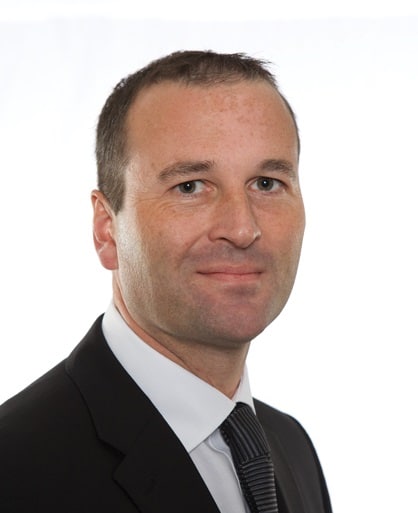
eFX expert appointed after leaving his prior post earlier this year which included being Global head of Client services, then Global Head of Electronic Trading, and then Head of Marketplaces, over the last 14 years.
Mr. Allmark joins after leaving Thomson Reuters in February 2013, following a long career spanning several very senior roles, spearheading some of its global operation divisions – such as when he was global head of trading for nearly six years – according to a LinkedIn profile description reviewed for this executive move.
As electronic broking initiatives continue, the appointment of someone such as Mr. Allmark highlights the importance that EBS’s eCommerce division plays within the firm, including interacting with key stakeholders internally and externally among other senior persons within the industry, while nurturing and establishing relationships.
Other eCommerce and eFX executives from banks who had participated in that launch were also quoted, as an example. Accordingly, the eCommerce division for EBS, including its Americas operation, handles a number of electronic initiatives including product design, development and deployment of the group’s hybrid solutions and trading platforms.
In the copy of ICAP's annual results for its calendar year that just ended March 31, 2014, where net profit increased despite the drop in group revenue which was down 5% year-over-year to £1,397 million, Group CEO, Michael Spencer, echoed the new regulatory landscape and changes underway as part of the challenge, he explained,
Michael Spencer, Group CEO, ICAP
“The past year has presented many challenges. Trading conditions have been and are likely to remain extremely difficult. We operate in an industry which is undergoing an enormous amount of structural change with the emergence of a new post-financial crisis regulatory landscape. The trading operations of our bank customers, particularly their FICC franchises, continue to be scaled back as balance sheets are de-levered in response to increased capital requirements. In addition to these structural developments, cyclical factors such as the low interest rate environment, muted foreign exchange rate volatility and continued uncertainty over the long overdue economic recovery, have inevitably impacted revenue."
Mr. Spencer discussed the regulatory actions that tallied up some substantial costs for ICAP during the year, "This was also an extremely difficult year because of the yen Libor investigation. In September 2013, one of our Global Broking subsidiaries reached settlement agreements with the CFTC and FCA and paid penalties totaling £55 million relating to the involvement of certain brokers assisting bank traders seeking to manipulate yen Libor. We have learnt lessons from this experience and have taken steps to strengthen the business."
He added that a move towards more listed trading of OTC products such as derivatives could be positive, “Despite the ongoing structural challenges facing the industry, I believe that there are reasons to be optimistic. ICAP, with its diverse portfolio of businesses, is uniquely positioned to provide the full range of pre- trade, execution and post trade services. I am convinced that the move towards increased electronic trading of derivatives, central clearing and risk mitigation are positive drivers for future growth. In anticipation of the new market place, we are investing heavily in delivering both new and enhanced product and technological solutions including the ICAP SEF, EBS Direct, TriOptima’s triResolve and Traiana’s CreditLink services."
Concluding his remarks regarding the 2013 year results, Mr. Spencer said, “ICAP is profitable and cash generative. Over many years, we have demonstrated our ability to re-position our business to the changing market landscape. We will continue to pursue our long-term strategy to grow our Electronic Markets and Post Trade Risk and Information businesses and reshape Global Broking in response to the structural changes in the marketplace.”
The outlook presented in the above mentioned document said market conditions remain very challenging, and "Regulatory change continues to create uncertainty within the marketplace." Also noted by ICAP was that in the last two weeks a number of its major bank customers had again reported significantly reduced activity levels across their FICC franchises and do not foresee any material near- term recovery. The outlook described that cyclical factors such as low interest rate and exchange rate volatility represent further drags on trading activity, and that ICAP expected this challenging environment to endure.
With regards to the new executive move for EBS, we can look at the number of years that Mr. Allmark has been in the industry, the companies he has worked for and the roles that he has held, and conclude that those credentials seem well- suited for someone to tackle the challenging market conditions with - as EBS looks to regain market share of trading volumes.
Mr. Allmark joins after leaving Thomson Reuters in February 2013, following a long career spanning several very senior roles, spearheading some of its global operation divisions – such as when he was global head of trading for nearly six years – according to a LinkedIn profile description reviewed for this executive move.
As electronic broking initiatives continue, the appointment of someone such as Mr. Allmark highlights the importance that EBS’s eCommerce division plays within the firm, including interacting with key stakeholders internally and externally among other senior persons within the industry, while nurturing and establishing relationships.
Other eCommerce and eFX executives from banks who had participated in that launch were also quoted, as an example. Accordingly, the eCommerce division for EBS, including its Americas operation, handles a number of electronic initiatives including product design, development and deployment of the group’s hybrid solutions and trading platforms.
In the copy of ICAP's annual results for its calendar year that just ended March 31, 2014, where net profit increased despite the drop in group revenue which was down 5% year-over-year to £1,397 million, Group CEO, Michael Spencer, echoed the new regulatory landscape and changes underway as part of the challenge, he explained,
Michael Spencer, Group CEO, ICAP
“The past year has presented many challenges. Trading conditions have been and are likely to remain extremely difficult. We operate in an industry which is undergoing an enormous amount of structural change with the emergence of a new post-financial crisis regulatory landscape. The trading operations of our bank customers, particularly their FICC franchises, continue to be scaled back as balance sheets are de-levered in response to increased capital requirements. In addition to these structural developments, cyclical factors such as the low interest rate environment, muted foreign exchange rate volatility and continued uncertainty over the long overdue economic recovery, have inevitably impacted revenue."
Mr. Spencer discussed the regulatory actions that tallied up some substantial costs for ICAP during the year, "This was also an extremely difficult year because of the yen Libor investigation. In September 2013, one of our Global Broking subsidiaries reached settlement agreements with the CFTC and FCA and paid penalties totaling £55 million relating to the involvement of certain brokers assisting bank traders seeking to manipulate yen Libor. We have learnt lessons from this experience and have taken steps to strengthen the business."
He added that a move towards more listed trading of OTC products such as derivatives could be positive, “Despite the ongoing structural challenges facing the industry, I believe that there are reasons to be optimistic. ICAP, with its diverse portfolio of businesses, is uniquely positioned to provide the full range of pre- trade, execution and post trade services. I am convinced that the move towards increased electronic trading of derivatives, central clearing and risk mitigation are positive drivers for future growth. In anticipation of the new market place, we are investing heavily in delivering both new and enhanced product and technological solutions including the ICAP SEF, EBS Direct, TriOptima’s triResolve and Traiana’s CreditLink services."
Concluding his remarks regarding the 2013 year results, Mr. Spencer said, “ICAP is profitable and cash generative. Over many years, we have demonstrated our ability to re-position our business to the changing market landscape. We will continue to pursue our long-term strategy to grow our Electronic Markets and Post Trade Risk and Information businesses and reshape Global Broking in response to the structural changes in the marketplace.”
The outlook presented in the above mentioned document said market conditions remain very challenging, and "Regulatory change continues to create uncertainty within the marketplace." Also noted by ICAP was that in the last two weeks a number of its major bank customers had again reported significantly reduced activity levels across their FICC franchises and do not foresee any material near- term recovery. The outlook described that cyclical factors such as low interest rate and exchange rate volatility represent further drags on trading activity, and that ICAP expected this challenging environment to endure.
With regards to the new executive move for EBS, we can look at the number of years that Mr. Allmark has been in the industry, the companies he has worked for and the roles that he has held, and conclude that those credentials seem well- suited for someone to tackle the challenging market conditions with - as EBS looks to regain market share of trading volumes.
GTC Prime Adds Centroid Bridge as Multi-Asset Liquidity Distribution Channel
Featured Videos
AvaTrade to Acquire Most of FXCM; NAGA Raises $8M
AvaTrade to Acquire Most of FXCM; NAGA Raises $8M
AvaTrade to Acquire Most of FXCM; NAGA Raises $8M
AvaTrade to Acquire Most of FXCM; NAGA Raises $8M
Today’s financial news recap covers AvaTrade agrees to acquire most of FXCM, NAGA secures eight million dollars in new financing, and Wise seeks a tax settlement in the UK.
Finance Magnates Daily Recap brings you the latest news from forex and CFD brokers, fintech, payments, cryptocurrency, digital assets, trading platforms, financial regulation and global markets.
Get the key company news, executive moves, deals, regulatory updates and market developments of the day, in just a few minutes. New episodes published every weekday.
Read more: https://www.financemagnates.com
#FinanceMagnates #ForexNews #FintechNews
Today’s financial news recap covers AvaTrade agrees to acquire most of FXCM, NAGA secures eight million dollars in new financing, and Wise seeks a tax settlement in the UK.
Finance Magnates Daily Recap brings you the latest news from forex and CFD brokers, fintech, payments, cryptocurrency, digital assets, trading platforms, financial regulation and global markets.
Get the key company news, executive moves, deals, regulatory updates and market developments of the day, in just a few minutes. New episodes published every weekday.
Read more: https://www.financemagnates.com
#FinanceMagnates #ForexNews #FintechNews
Today’s financial news recap covers AvaTrade agrees to acquire most of FXCM, NAGA secures eight million dollars in new financing, and Wise seeks a tax settlement in the UK.
Finance Magnates Daily Recap brings you the latest news from forex and CFD brokers, fintech, payments, cryptocurrency, digital assets, trading platforms, financial regulation and global markets.
Get the key company news, executive moves, deals, regulatory updates and market developments of the day, in just a few minutes. New episodes published every weekday.
Read more: https://www.financemagnates.com
#FinanceMagnates #ForexNews #FintechNews
Today’s financial news recap covers AvaTrade agrees to acquire most of FXCM, NAGA secures eight million dollars in new financing, and Wise seeks a tax settlement in the UK.
Finance Magnates Daily Recap brings you the latest news from forex and CFD brokers, fintech, payments, cryptocurrency, digital assets, trading platforms, financial regulation and global markets.
Get the key company news, executive moves, deals, regulatory updates and market developments of the day, in just a few minutes. New episodes published every weekday.
Read more: https://www.financemagnates.com
#FinanceMagnates #ForexNews #FintechNews
XTB Adds Overnight US Stock Trading; Nasdaq Ventures Invests in One Trading
XTB Adds Overnight US Stock Trading; Nasdaq Ventures Invests in One Trading
XTB Adds Overnight US Stock Trading; Nasdaq Ventures Invests in One Trading
XTB Adds Overnight US Stock Trading; Nasdaq Ventures Invests in One Trading
XTB Adds Overnight US Stock Trading; Nasdaq Ventures Invests in One Trading
XTB Adds Overnight US Stock Trading; Nasdaq Ventures Invests in One Trading
Today’s financial news recap covers XTB expands overnight US stock trading, Fortrade reports higher revenue, Nasdaq backs One Trading, and Vest Labs raises 13 million dollars.
Finance Magnates Daily Recap brings you the latest news from forex and CFD brokers, fintech, payments, cryptocurrency, digital assets, trading platforms, financial regulation and global markets.
Get the key company news, executive moves, deals, regulatory updates and market developments of the day, in just a few minutes. New episodes published every weekday.
Read more: https://www.financemagnates.com
#FinanceMagnates #ForexNews #FintechNews
Today’s financial news recap covers XTB expands overnight US stock trading, Fortrade reports higher revenue, Nasdaq backs One Trading, and Vest Labs raises 13 million dollars.
Finance Magnates Daily Recap brings you the latest news from forex and CFD brokers, fintech, payments, cryptocurrency, digital assets, trading platforms, financial regulation and global markets.
Get the key company news, executive moves, deals, regulatory updates and market developments of the day, in just a few minutes. New episodes published every weekday.
Read more: https://www.financemagnates.com
#FinanceMagnates #ForexNews #FintechNews
Today’s financial news recap covers XTB expands overnight US stock trading, Fortrade reports higher revenue, Nasdaq backs One Trading, and Vest Labs raises 13 million dollars.
Finance Magnates Daily Recap brings you the latest news from forex and CFD brokers, fintech, payments, cryptocurrency, digital assets, trading platforms, financial regulation and global markets.
Get the key company news, executive moves, deals, regulatory updates and market developments of the day, in just a few minutes. New episodes published every weekday.
Read more: https://www.financemagnates.com
#FinanceMagnates #ForexNews #FintechNews
Today’s financial news recap covers XTB expands overnight US stock trading, Fortrade reports higher revenue, Nasdaq backs One Trading, and Vest Labs raises 13 million dollars.
Finance Magnates Daily Recap brings you the latest news from forex and CFD brokers, fintech, payments, cryptocurrency, digital assets, trading platforms, financial regulation and global markets.
Get the key company news, executive moves, deals, regulatory updates and market developments of the day, in just a few minutes. New episodes published every weekday.
Read more: https://www.financemagnates.com
#FinanceMagnates #ForexNews #FintechNews
Today’s financial news recap covers XTB expands overnight US stock trading, Fortrade reports higher revenue, Nasdaq backs One Trading, and Vest Labs raises 13 million dollars.
Finance Magnates Daily Recap brings you the latest news from forex and CFD brokers, fintech, payments, cryptocurrency, digital assets, trading platforms, financial regulation and global markets.
Get the key company news, executive moves, deals, regulatory updates and market developments of the day, in just a few minutes. New episodes published every weekday.
Read more: https://www.financemagnates.com
#FinanceMagnates #ForexNews #FintechNews
Today’s financial news recap covers XTB expands overnight US stock trading, Fortrade reports higher revenue, Nasdaq backs One Trading, and Vest Labs raises 13 million dollars.
Finance Magnates Daily Recap brings you the latest news from forex and CFD brokers, fintech, payments, cryptocurrency, digital assets, trading platforms, financial regulation and global markets.
Get the key company news, executive moves, deals, regulatory updates and market developments of the day, in just a few minutes. New episodes published every weekday.
Read more: https://www.financemagnates.com
#FinanceMagnates #ForexNews #FintechNews
CMC Founder Downplays Volatility Hit; Devexperts Names CEO
CMC Founder Downplays Volatility Hit; Devexperts Names CEO
CMC Founder Downplays Volatility Hit; Devexperts Names CEO
CMC Founder Downplays Volatility Hit; Devexperts Names CEO
CMC Founder Downplays Volatility Hit; Devexperts Names CEO
CMC Founder Downplays Volatility Hit; Devexperts Names CEO
Today’s financial news recap covers low volatility pressures brokers, Devexperts names a new CEO, Saxo cuts onboarding time, and OKX reaches a 25 billion dollar valuation.
Finance Magnates Daily Recap brings you the latest news from forex and CFD brokers, fintech, payments, cryptocurrency, digital assets, trading platforms, financial regulation and global markets.
Get the key company news, executive moves, deals, regulatory updates and market developments of the day, in just a few minutes. New episodes published every weekday.
Read more: https://www.financemagnates.com
#FinanceMagnates #ForexNews #FintechNews
Today’s financial news recap covers low volatility pressures brokers, Devexperts names a new CEO, Saxo cuts onboarding time, and OKX reaches a 25 billion dollar valuation.
Finance Magnates Daily Recap brings you the latest news from forex and CFD brokers, fintech, payments, cryptocurrency, digital assets, trading platforms, financial regulation and global markets.
Get the key company news, executive moves, deals, regulatory updates and market developments of the day, in just a few minutes. New episodes published every weekday.
Read more: https://www.financemagnates.com
#FinanceMagnates #ForexNews #FintechNews
Today’s financial news recap covers low volatility pressures brokers, Devexperts names a new CEO, Saxo cuts onboarding time, and OKX reaches a 25 billion dollar valuation.
Finance Magnates Daily Recap brings you the latest news from forex and CFD brokers, fintech, payments, cryptocurrency, digital assets, trading platforms, financial regulation and global markets.
Get the key company news, executive moves, deals, regulatory updates and market developments of the day, in just a few minutes. New episodes published every weekday.
Read more: https://www.financemagnates.com
#FinanceMagnates #ForexNews #FintechNews
Today’s financial news recap covers low volatility pressures brokers, Devexperts names a new CEO, Saxo cuts onboarding time, and OKX reaches a 25 billion dollar valuation.
Finance Magnates Daily Recap brings you the latest news from forex and CFD brokers, fintech, payments, cryptocurrency, digital assets, trading platforms, financial regulation and global markets.
Get the key company news, executive moves, deals, regulatory updates and market developments of the day, in just a few minutes. New episodes published every weekday.
Read more: https://www.financemagnates.com
#FinanceMagnates #ForexNews #FintechNews
Today’s financial news recap covers low volatility pressures brokers, Devexperts names a new CEO, Saxo cuts onboarding time, and OKX reaches a 25 billion dollar valuation.
Finance Magnates Daily Recap brings you the latest news from forex and CFD brokers, fintech, payments, cryptocurrency, digital assets, trading platforms, financial regulation and global markets.
Get the key company news, executive moves, deals, regulatory updates and market developments of the day, in just a few minutes. New episodes published every weekday.
Read more: https://www.financemagnates.com
#FinanceMagnates #ForexNews #FintechNews
Today’s financial news recap covers low volatility pressures brokers, Devexperts names a new CEO, Saxo cuts onboarding time, and OKX reaches a 25 billion dollar valuation.
Finance Magnates Daily Recap brings you the latest news from forex and CFD brokers, fintech, payments, cryptocurrency, digital assets, trading platforms, financial regulation and global markets.
Get the key company news, executive moves, deals, regulatory updates and market developments of the day, in just a few minutes. New episodes published every weekday.
Read more: https://www.financemagnates.com
#FinanceMagnates #ForexNews #FintechNews
Today’s financial news recap covers Trade Nation buys FXCM's UK client book, Trading 212 reports higher revenue, the CFTC's move to allow perpetual index futures.
Finance Magnates Daily Recap brings you the latest news from forex and CFD brokers, fintech, payments, cryptocurrency, digital assets, trading platforms, financial regulation and global markets.
Get the key company news, executive moves, deals, regulatory updates and market developments of the day, in just a few minutes. New episodes published every weekday.
Read more: https://www.financemagnates.com
#FinanceMagnates #ForexNews #FintechNews
Today’s financial news recap covers Trade Nation buys FXCM's UK client book, Trading 212 reports higher revenue, the CFTC's move to allow perpetual index futures.
Finance Magnates Daily Recap brings you the latest news from forex and CFD brokers, fintech, payments, cryptocurrency, digital assets, trading platforms, financial regulation and global markets.
Get the key company news, executive moves, deals, regulatory updates and market developments of the day, in just a few minutes. New episodes published every weekday.
Read more: https://www.financemagnates.com
#FinanceMagnates #ForexNews #FintechNews
Today’s financial news recap covers Trade Nation buys FXCM's UK client book, Trading 212 reports higher revenue, the CFTC's move to allow perpetual index futures.
Finance Magnates Daily Recap brings you the latest news from forex and CFD brokers, fintech, payments, cryptocurrency, digital assets, trading platforms, financial regulation and global markets.
Get the key company news, executive moves, deals, regulatory updates and market developments of the day, in just a few minutes. New episodes published every weekday.
Read more: https://www.financemagnates.com
#FinanceMagnates #ForexNews #FintechNews
Today’s financial news recap covers Trade Nation buys FXCM's UK client book, Trading 212 reports higher revenue, the CFTC's move to allow perpetual index futures.
Finance Magnates Daily Recap brings you the latest news from forex and CFD brokers, fintech, payments, cryptocurrency, digital assets, trading platforms, financial regulation and global markets.
Get the key company news, executive moves, deals, regulatory updates and market developments of the day, in just a few minutes. New episodes published every weekday.
Read more: https://www.financemagnates.com
#FinanceMagnates #ForexNews #FintechNews
Today’s financial news recap covers Trade Nation buys FXCM's UK client book, Trading 212 reports higher revenue, the CFTC's move to allow perpetual index futures.
Finance Magnates Daily Recap brings you the latest news from forex and CFD brokers, fintech, payments, cryptocurrency, digital assets, trading platforms, financial regulation and global markets.
Get the key company news, executive moves, deals, regulatory updates and market developments of the day, in just a few minutes. New episodes published every weekday.
Read more: https://www.financemagnates.com
#FinanceMagnates #ForexNews #FintechNews
Today’s financial news recap covers Trade Nation buys FXCM's UK client book, Trading 212 reports higher revenue, the CFTC's move to allow perpetual index futures.
Finance Magnates Daily Recap brings you the latest news from forex and CFD brokers, fintech, payments, cryptocurrency, digital assets, trading platforms, financial regulation and global markets.
Get the key company news, executive moves, deals, regulatory updates and market developments of the day, in just a few minutes. New episodes published every weekday.
Read more: https://www.financemagnates.com
#FinanceMagnates #ForexNews #FintechNews
Your career isn’t a linear path.
Your career isn’t a linear path.
Your career isn’t a linear path.
Your career isn’t a linear path.
Your career isn’t a linear path.
Your career isn’t a linear path.
Roles change. Career goals change. Sometimes you want a completely new challenge.
But the skills and knowledge you build along the way can stay with you and give you something to build on.
For Jeff Patterson, that continued growth is key to long-term career development.
You bring the skills. FM Academy helps you build the knowledge.
#FMAcademy #FinanceMagnates #FinanceCareers #ProfessionalDevelopment #Fintech
Roles change. Career goals change. Sometimes you want a completely new challenge.
But the skills and knowledge you build along the way can stay with you and give you something to build on.
For Jeff Patterson, that continued growth is key to long-term career development.
You bring the skills. FM Academy helps you build the knowledge.
#FMAcademy #FinanceMagnates #FinanceCareers #ProfessionalDevelopment #Fintech
Roles change. Career goals change. Sometimes you want a completely new challenge.
But the skills and knowledge you build along the way can stay with you and give you something to build on.
For Jeff Patterson, that continued growth is key to long-term career development.
You bring the skills. FM Academy helps you build the knowledge.
#FMAcademy #FinanceMagnates #FinanceCareers #ProfessionalDevelopment #Fintech
Roles change. Career goals change. Sometimes you want a completely new challenge.
But the skills and knowledge you build along the way can stay with you and give you something to build on.
For Jeff Patterson, that continued growth is key to long-term career development.
You bring the skills. FM Academy helps you build the knowledge.
#FMAcademy #FinanceMagnates #FinanceCareers #ProfessionalDevelopment #Fintech
Roles change. Career goals change. Sometimes you want a completely new challenge.
But the skills and knowledge you build along the way can stay with you and give you something to build on.
For Jeff Patterson, that continued growth is key to long-term career development.
You bring the skills. FM Academy helps you build the knowledge.
#FMAcademy #FinanceMagnates #FinanceCareers #ProfessionalDevelopment #Fintech
Roles change. Career goals change. Sometimes you want a completely new challenge.
But the skills and knowledge you build along the way can stay with you and give you something to build on.
For Jeff Patterson, that continued growth is key to long-term career development.
You bring the skills. FM Academy helps you build the knowledge.
#FMAcademy #FinanceMagnates #FinanceCareers #ProfessionalDevelopment #Fintech