MAS keeps FX and crypto regulation separate while allowing institutional participation across both markets.
Custody, mandates and operational readiness continue to limit broader institutional crypto adoption.
The skyline of Singapore
The
ability to trade across both FX and cryptocurrency has prompted institutional
traders in Singapore to take a closer look at the latter, although obstacles
remain to be overcome if it is to become a core element of portfolios.
Singapore
remains very clear in regulatory terms that FX and crypto are distinct markets
– the former is supervised under long‑standing
capital markets and banking rules, while digital assets sit under the Payment
Services Act and related MAS frameworks for digital payment tokens.
“Institutionally,
Singapore has deliberately built itself as both a leading global FX hub and an
institutional grade
digital asset centre, so the infrastructure stacks are converging,” explains Kate
Leaman, chief market analyst at AvaTrade.
Separate
Rules, Shared Standards
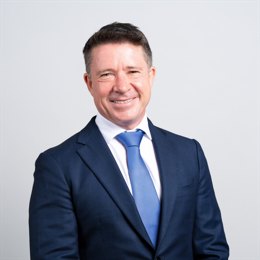
Julien Le Noble, Chief Executive Officer, GTN Asia
While
the regulatory regimes remain separate, MAS has been deliberate in allowing
institutional participation across both, rather than letting crypto markets
develop in isolation.
“For
institutional traders, this convergence should translate into greater
confidence when accessing crypto markets through regulated entities, with
clearer expectations around custody, capital treatment and operational risk -
even where regulatory objectives differ,” says Julien Le Noble, chief executive officer GTN Asia.
Tokenisation
Drives Institutional Learning
In
many ways, trading digital assets and the opportunities they present mirror
those in FX with the same core attraction: the ability to extract alpha.
Nick Strain, Director, LMAX Digital
Where
engagement has notably increased is in the recognition that tokenised assets
are likely to form a part of the future structure of capital markets.
As a
result, building knowledge around trading, safeguarding and understanding the
underlying technology on which these assets increasingly operate has become a
serious driver of institutional involvement suggests Nick Strain, director LMAX Digital.
Infrastructure
and API Connectivity Lower Barriers
The
convergence of crypto and FX markets in Singapore has significantly reduced
costs and increased market access for institutional traders and brokers because
API connectivity in digital assets has largely become commoditised.
Tom Higgins, Founder & CEO, Gold-i
“Any
platform can now be connected to any exchange and any digital asset liquidity
provider using the same protocols already implemented across existing FX
trading infrastructures,” notes Tom Higgins, founder & CEO Gold-i.
“This
removes the need for bespoke integrations and lowers the technical and
operational barriers to entry.”
Strategic
Allocations Remain Limited
Cryptocurrency
is still perceived as a small allocation in strategic terms. For example,
although there has been a good deal of engagement, the two main sovereign
wealth funds in Singapore have not allocated to direct crypto asset holdings.
Increased
regulatory clarity has been welcomed and has led to the emergence of these
strategic allocations, but more needs to be issued - particularly in other
regions - to further confidence in investing according to Mark Garabedian, director
digital assets and tokenization at Wellington Management Singapore.
Mark Garabedian, Wellington Management Singapore
“Infrastructure
is the key challenge and that starts with custody and the need to be able to
partner with a trusted, reputable institution offering high grade custody that
obfuscates technical hurdles,” he says.
“There are also ancillary adjustments
to operations, risk, compliance and oversight that need to be built. While the
long term benefits of holding assets on chain should bring ongoing costs and
risks down, the short term adjustment to on chain investing will require proper
tooling.”
Structural
challenges still exist for many asset managers. Investor mandates often do not
yet explore exposure to newer asset classes such as digital assets, limiting
their ability to invest directly in crypto markets.
However,
those that have control over their own assets - such as high net worth
individuals or family offices - are far
more likely to invest in crypto markets, suggests Strain. “Given there are more
than 2000 registered family offices in Singapore and they manage assets in
excess of $67 billion, there is a significant potential investor base that is
either already invested in or is considering investing in digital assets as a
core part of their holdings,” he says.
Regulated
Products and Settlement Efficiency in Focus
In
addition, the advent of crypto ETFs and the creation of digital assets futures
on regulated exchanges have allowed investors in Singapore to gain exposure in
a format they already understand.
Legacy
technology within domestic institutions will need to be connected to digital
asset markets which operate using technology that differs from their existing
systems and the regulatory environment also presents a challenge, as the
regulator does not yet have full digital asset regulation in place.
However,
Higgins notes that this is coming and will drive increased market uptake
amongst institutional investors and firms in Singapore.
As
for institutional traders and brokers in terms of market access and costs,
Strain suggests that for the larger players, legacy systems remain relatively
efficient when it comes to trading. “The greater opportunity lies is in the
settlement layer,” he says. “Here, stablecoins are the product driving
step-change improvements in efficiency and cost.”
🇸🇬 ADOPTION: Singapore Exchange will introduce Bitcoin and Ethereum perpetual futures on Nov 24, adding regulated crypto derivatives to its product lineup.
Singapore’s broader crypto landscape remains strong, with 94% public awareness and a 15th-place ranking on the global… pic.twitter.com/BvVFV1rKP5
Cost
reductions at this scale potentially change the fundamental nature of the FX
business from an institutional model that relies on aggregating transactions
into a marketable parcel and then transacting into a model of smaller trade
sizes, dramatically lower transaction costs and corresponding tighter spreads.
Regulation
as a Competitive Differentiator
Leaman
reckons the integration of FX and crypto in Singapore reinforces its status as
a pricediscovery
and risktransfer
hub. Average daily FX volumes have continued to climb, cementing Singapore as
the world’s thirdlargest
FX centre, while the number of licensed digital asset providers has grown under
a clearer MAS rulebook.
“That
combination is exactly what institutional traders want,” she says. “Deep
liquidity, strong regulation and the ability to trade legacy and novel asset
classes through a unified, institutionalgrade
infrastructure.”
A
competitive advantage will accrue to brokers and venues that can offer
capital-efficient, compliant and scalable multi-asset access, adds Le Noble. In
this environment, regulation will act less as a constraint and more as a
differentiator.
The
ability to trade across both FX and cryptocurrency has prompted institutional
traders in Singapore to take a closer look at the latter, although obstacles
remain to be overcome if it is to become a core element of portfolios.
Singapore
remains very clear in regulatory terms that FX and crypto are distinct markets
– the former is supervised under long‑standing
capital markets and banking rules, while digital assets sit under the Payment
Services Act and related MAS frameworks for digital payment tokens.
“Institutionally,
Singapore has deliberately built itself as both a leading global FX hub and an
institutional grade
digital asset centre, so the infrastructure stacks are converging,” explains Kate
Leaman, chief market analyst at AvaTrade.
Separate
Rules, Shared Standards
Julien Le Noble, Chief Executive Officer, GTN Asia
While
the regulatory regimes remain separate, MAS has been deliberate in allowing
institutional participation across both, rather than letting crypto markets
develop in isolation.
“For
institutional traders, this convergence should translate into greater
confidence when accessing crypto markets through regulated entities, with
clearer expectations around custody, capital treatment and operational risk -
even where regulatory objectives differ,” says Julien Le Noble, chief executive officer GTN Asia.
Tokenisation
Drives Institutional Learning
In
many ways, trading digital assets and the opportunities they present mirror
those in FX with the same core attraction: the ability to extract alpha.
Nick Strain, Director, LMAX Digital
Where
engagement has notably increased is in the recognition that tokenised assets
are likely to form a part of the future structure of capital markets.
As a
result, building knowledge around trading, safeguarding and understanding the
underlying technology on which these assets increasingly operate has become a
serious driver of institutional involvement suggests Nick Strain, director LMAX Digital.
Infrastructure
and API Connectivity Lower Barriers
The
convergence of crypto and FX markets in Singapore has significantly reduced
costs and increased market access for institutional traders and brokers because
API connectivity in digital assets has largely become commoditised.
Tom Higgins, Founder & CEO, Gold-i
“Any
platform can now be connected to any exchange and any digital asset liquidity
provider using the same protocols already implemented across existing FX
trading infrastructures,” notes Tom Higgins, founder & CEO Gold-i.
“This
removes the need for bespoke integrations and lowers the technical and
operational barriers to entry.”
Strategic
Allocations Remain Limited
Cryptocurrency
is still perceived as a small allocation in strategic terms. For example,
although there has been a good deal of engagement, the two main sovereign
wealth funds in Singapore have not allocated to direct crypto asset holdings.
Increased
regulatory clarity has been welcomed and has led to the emergence of these
strategic allocations, but more needs to be issued - particularly in other
regions - to further confidence in investing according to Mark Garabedian, director
digital assets and tokenization at Wellington Management Singapore.
Mark Garabedian, Wellington Management Singapore
“Infrastructure
is the key challenge and that starts with custody and the need to be able to
partner with a trusted, reputable institution offering high grade custody that
obfuscates technical hurdles,” he says.
“There are also ancillary adjustments
to operations, risk, compliance and oversight that need to be built. While the
long term benefits of holding assets on chain should bring ongoing costs and
risks down, the short term adjustment to on chain investing will require proper
tooling.”
Structural
challenges still exist for many asset managers. Investor mandates often do not
yet explore exposure to newer asset classes such as digital assets, limiting
their ability to invest directly in crypto markets.
However,
those that have control over their own assets - such as high net worth
individuals or family offices - are far
more likely to invest in crypto markets, suggests Strain. “Given there are more
than 2000 registered family offices in Singapore and they manage assets in
excess of $67 billion, there is a significant potential investor base that is
either already invested in or is considering investing in digital assets as a
core part of their holdings,” he says.
Regulated
Products and Settlement Efficiency in Focus
In
addition, the advent of crypto ETFs and the creation of digital assets futures
on regulated exchanges have allowed investors in Singapore to gain exposure in
a format they already understand.
Legacy
technology within domestic institutions will need to be connected to digital
asset markets which operate using technology that differs from their existing
systems and the regulatory environment also presents a challenge, as the
regulator does not yet have full digital asset regulation in place.
However,
Higgins notes that this is coming and will drive increased market uptake
amongst institutional investors and firms in Singapore.
As
for institutional traders and brokers in terms of market access and costs,
Strain suggests that for the larger players, legacy systems remain relatively
efficient when it comes to trading. “The greater opportunity lies is in the
settlement layer,” he says. “Here, stablecoins are the product driving
step-change improvements in efficiency and cost.”
🇸🇬 ADOPTION: Singapore Exchange will introduce Bitcoin and Ethereum perpetual futures on Nov 24, adding regulated crypto derivatives to its product lineup.
Singapore’s broader crypto landscape remains strong, with 94% public awareness and a 15th-place ranking on the global… pic.twitter.com/BvVFV1rKP5
Cost
reductions at this scale potentially change the fundamental nature of the FX
business from an institutional model that relies on aggregating transactions
into a marketable parcel and then transacting into a model of smaller trade
sizes, dramatically lower transaction costs and corresponding tighter spreads.
Regulation
as a Competitive Differentiator
Leaman
reckons the integration of FX and crypto in Singapore reinforces its status as
a pricediscovery
and risktransfer
hub. Average daily FX volumes have continued to climb, cementing Singapore as
the world’s thirdlargest
FX centre, while the number of licensed digital asset providers has grown under
a clearer MAS rulebook.
“That
combination is exactly what institutional traders want,” she says. “Deep
liquidity, strong regulation and the ability to trade legacy and novel asset
classes through a unified, institutionalgrade
infrastructure.”
A
competitive advantage will accrue to brokers and venues that can offer
capital-efficient, compliant and scalable multi-asset access, adds Le Noble. In
this environment, regulation will act less as a constraint and more as a
differentiator.
Paul Golden is an experienced freelance financial journalist with a strong institutional background. Over the past two decades, he has written for globally recognised financial publications, covering topics such as market structure, regulation, trading behaviour, and economic policy.
Capitolis Raises $220 Million to Support $200 Million eSecLending Deal
Featured Videos
XTB Adds Overnight US Stock Trading; Nasdaq Ventures Invests in One Trading
XTB Adds Overnight US Stock Trading; Nasdaq Ventures Invests in One Trading
XTB Adds Overnight US Stock Trading; Nasdaq Ventures Invests in One Trading
XTB Adds Overnight US Stock Trading; Nasdaq Ventures Invests in One Trading
Today’s financial news recap covers XTB expands overnight US stock trading, Fortrade reports higher revenue, Nasdaq backs One Trading, and Vest Labs raises 13 million dollars.
Finance Magnates Daily Recap brings you the latest news from forex and CFD brokers, fintech, payments, cryptocurrency, digital assets, trading platforms, financial regulation and global markets.
Get the key company news, executive moves, deals, regulatory updates and market developments of the day, in just a few minutes. New episodes published every weekday.
Read more: https://www.financemagnates.com
#FinanceMagnates #ForexNews #FintechNews
Today’s financial news recap covers XTB expands overnight US stock trading, Fortrade reports higher revenue, Nasdaq backs One Trading, and Vest Labs raises 13 million dollars.
Finance Magnates Daily Recap brings you the latest news from forex and CFD brokers, fintech, payments, cryptocurrency, digital assets, trading platforms, financial regulation and global markets.
Get the key company news, executive moves, deals, regulatory updates and market developments of the day, in just a few minutes. New episodes published every weekday.
Read more: https://www.financemagnates.com
#FinanceMagnates #ForexNews #FintechNews
Today’s financial news recap covers XTB expands overnight US stock trading, Fortrade reports higher revenue, Nasdaq backs One Trading, and Vest Labs raises 13 million dollars.
Finance Magnates Daily Recap brings you the latest news from forex and CFD brokers, fintech, payments, cryptocurrency, digital assets, trading platforms, financial regulation and global markets.
Get the key company news, executive moves, deals, regulatory updates and market developments of the day, in just a few minutes. New episodes published every weekday.
Read more: https://www.financemagnates.com
#FinanceMagnates #ForexNews #FintechNews
Today’s financial news recap covers XTB expands overnight US stock trading, Fortrade reports higher revenue, Nasdaq backs One Trading, and Vest Labs raises 13 million dollars.
Finance Magnates Daily Recap brings you the latest news from forex and CFD brokers, fintech, payments, cryptocurrency, digital assets, trading platforms, financial regulation and global markets.
Get the key company news, executive moves, deals, regulatory updates and market developments of the day, in just a few minutes. New episodes published every weekday.
Read more: https://www.financemagnates.com
#FinanceMagnates #ForexNews #FintechNews
CMC Founder Downplays Volatility Hit; Devexperts Names CEO
CMC Founder Downplays Volatility Hit; Devexperts Names CEO
CMC Founder Downplays Volatility Hit; Devexperts Names CEO
CMC Founder Downplays Volatility Hit; Devexperts Names CEO
CMC Founder Downplays Volatility Hit; Devexperts Names CEO
CMC Founder Downplays Volatility Hit; Devexperts Names CEO
Today’s financial news recap covers low volatility pressures brokers, Devexperts names a new CEO, Saxo cuts onboarding time, and OKX reaches a 25 billion dollar valuation.
Finance Magnates Daily Recap brings you the latest news from forex and CFD brokers, fintech, payments, cryptocurrency, digital assets, trading platforms, financial regulation and global markets.
Get the key company news, executive moves, deals, regulatory updates and market developments of the day, in just a few minutes. New episodes published every weekday.
Read more: https://www.financemagnates.com
#FinanceMagnates #ForexNews #FintechNews
Today’s financial news recap covers low volatility pressures brokers, Devexperts names a new CEO, Saxo cuts onboarding time, and OKX reaches a 25 billion dollar valuation.
Finance Magnates Daily Recap brings you the latest news from forex and CFD brokers, fintech, payments, cryptocurrency, digital assets, trading platforms, financial regulation and global markets.
Get the key company news, executive moves, deals, regulatory updates and market developments of the day, in just a few minutes. New episodes published every weekday.
Read more: https://www.financemagnates.com
#FinanceMagnates #ForexNews #FintechNews
Today’s financial news recap covers low volatility pressures brokers, Devexperts names a new CEO, Saxo cuts onboarding time, and OKX reaches a 25 billion dollar valuation.
Finance Magnates Daily Recap brings you the latest news from forex and CFD brokers, fintech, payments, cryptocurrency, digital assets, trading platforms, financial regulation and global markets.
Get the key company news, executive moves, deals, regulatory updates and market developments of the day, in just a few minutes. New episodes published every weekday.
Read more: https://www.financemagnates.com
#FinanceMagnates #ForexNews #FintechNews
Today’s financial news recap covers low volatility pressures brokers, Devexperts names a new CEO, Saxo cuts onboarding time, and OKX reaches a 25 billion dollar valuation.
Finance Magnates Daily Recap brings you the latest news from forex and CFD brokers, fintech, payments, cryptocurrency, digital assets, trading platforms, financial regulation and global markets.
Get the key company news, executive moves, deals, regulatory updates and market developments of the day, in just a few minutes. New episodes published every weekday.
Read more: https://www.financemagnates.com
#FinanceMagnates #ForexNews #FintechNews
Today’s financial news recap covers low volatility pressures brokers, Devexperts names a new CEO, Saxo cuts onboarding time, and OKX reaches a 25 billion dollar valuation.
Finance Magnates Daily Recap brings you the latest news from forex and CFD brokers, fintech, payments, cryptocurrency, digital assets, trading platforms, financial regulation and global markets.
Get the key company news, executive moves, deals, regulatory updates and market developments of the day, in just a few minutes. New episodes published every weekday.
Read more: https://www.financemagnates.com
#FinanceMagnates #ForexNews #FintechNews
Today’s financial news recap covers low volatility pressures brokers, Devexperts names a new CEO, Saxo cuts onboarding time, and OKX reaches a 25 billion dollar valuation.
Finance Magnates Daily Recap brings you the latest news from forex and CFD brokers, fintech, payments, cryptocurrency, digital assets, trading platforms, financial regulation and global markets.
Get the key company news, executive moves, deals, regulatory updates and market developments of the day, in just a few minutes. New episodes published every weekday.
Read more: https://www.financemagnates.com
#FinanceMagnates #ForexNews #FintechNews
Today’s financial news recap covers Trade Nation buys FXCM's UK client book, Trading 212 reports higher revenue, the CFTC's move to allow perpetual index futures.
Finance Magnates Daily Recap brings you the latest news from forex and CFD brokers, fintech, payments, cryptocurrency, digital assets, trading platforms, financial regulation and global markets.
Get the key company news, executive moves, deals, regulatory updates and market developments of the day, in just a few minutes. New episodes published every weekday.
Read more: https://www.financemagnates.com
#FinanceMagnates #ForexNews #FintechNews
Today’s financial news recap covers Trade Nation buys FXCM's UK client book, Trading 212 reports higher revenue, the CFTC's move to allow perpetual index futures.
Finance Magnates Daily Recap brings you the latest news from forex and CFD brokers, fintech, payments, cryptocurrency, digital assets, trading platforms, financial regulation and global markets.
Get the key company news, executive moves, deals, regulatory updates and market developments of the day, in just a few minutes. New episodes published every weekday.
Read more: https://www.financemagnates.com
#FinanceMagnates #ForexNews #FintechNews
Today’s financial news recap covers Trade Nation buys FXCM's UK client book, Trading 212 reports higher revenue, the CFTC's move to allow perpetual index futures.
Finance Magnates Daily Recap brings you the latest news from forex and CFD brokers, fintech, payments, cryptocurrency, digital assets, trading platforms, financial regulation and global markets.
Get the key company news, executive moves, deals, regulatory updates and market developments of the day, in just a few minutes. New episodes published every weekday.
Read more: https://www.financemagnates.com
#FinanceMagnates #ForexNews #FintechNews
Today’s financial news recap covers Trade Nation buys FXCM's UK client book, Trading 212 reports higher revenue, the CFTC's move to allow perpetual index futures.
Finance Magnates Daily Recap brings you the latest news from forex and CFD brokers, fintech, payments, cryptocurrency, digital assets, trading platforms, financial regulation and global markets.
Get the key company news, executive moves, deals, regulatory updates and market developments of the day, in just a few minutes. New episodes published every weekday.
Read more: https://www.financemagnates.com
#FinanceMagnates #ForexNews #FintechNews
Today’s financial news recap covers Trade Nation buys FXCM's UK client book, Trading 212 reports higher revenue, the CFTC's move to allow perpetual index futures.
Finance Magnates Daily Recap brings you the latest news from forex and CFD brokers, fintech, payments, cryptocurrency, digital assets, trading platforms, financial regulation and global markets.
Get the key company news, executive moves, deals, regulatory updates and market developments of the day, in just a few minutes. New episodes published every weekday.
Read more: https://www.financemagnates.com
#FinanceMagnates #ForexNews #FintechNews
Today’s financial news recap covers Trade Nation buys FXCM's UK client book, Trading 212 reports higher revenue, the CFTC's move to allow perpetual index futures.
Finance Magnates Daily Recap brings you the latest news from forex and CFD brokers, fintech, payments, cryptocurrency, digital assets, trading platforms, financial regulation and global markets.
Get the key company news, executive moves, deals, regulatory updates and market developments of the day, in just a few minutes. New episodes published every weekday.
Read more: https://www.financemagnates.com
#FinanceMagnates #ForexNews #FintechNews
Your career isn’t a linear path.
Your career isn’t a linear path.
Your career isn’t a linear path.
Your career isn’t a linear path.
Your career isn’t a linear path.
Your career isn’t a linear path.
Roles change. Career goals change. Sometimes you want a completely new challenge.
But the skills and knowledge you build along the way can stay with you and give you something to build on.
For Jeff Patterson, that continued growth is key to long-term career development.
You bring the skills. FM Academy helps you build the knowledge.
#FMAcademy #FinanceMagnates #FinanceCareers #ProfessionalDevelopment #Fintech
Roles change. Career goals change. Sometimes you want a completely new challenge.
But the skills and knowledge you build along the way can stay with you and give you something to build on.
For Jeff Patterson, that continued growth is key to long-term career development.
You bring the skills. FM Academy helps you build the knowledge.
#FMAcademy #FinanceMagnates #FinanceCareers #ProfessionalDevelopment #Fintech
Roles change. Career goals change. Sometimes you want a completely new challenge.
But the skills and knowledge you build along the way can stay with you and give you something to build on.
For Jeff Patterson, that continued growth is key to long-term career development.
You bring the skills. FM Academy helps you build the knowledge.
#FMAcademy #FinanceMagnates #FinanceCareers #ProfessionalDevelopment #Fintech
Roles change. Career goals change. Sometimes you want a completely new challenge.
But the skills and knowledge you build along the way can stay with you and give you something to build on.
For Jeff Patterson, that continued growth is key to long-term career development.
You bring the skills. FM Academy helps you build the knowledge.
#FMAcademy #FinanceMagnates #FinanceCareers #ProfessionalDevelopment #Fintech
Roles change. Career goals change. Sometimes you want a completely new challenge.
But the skills and knowledge you build along the way can stay with you and give you something to build on.
For Jeff Patterson, that continued growth is key to long-term career development.
You bring the skills. FM Academy helps you build the knowledge.
#FMAcademy #FinanceMagnates #FinanceCareers #ProfessionalDevelopment #Fintech
Roles change. Career goals change. Sometimes you want a completely new challenge.
But the skills and knowledge you build along the way can stay with you and give you something to build on.
For Jeff Patterson, that continued growth is key to long-term career development.
You bring the skills. FM Academy helps you build the knowledge.
#FMAcademy #FinanceMagnates #FinanceCareers #ProfessionalDevelopment #Fintech
IG Group Tech Chiefs Exit; Pepperstone Revenue Grows
IG Group Tech Chiefs Exit; Pepperstone Revenue Grows
IG Group Tech Chiefs Exit; Pepperstone Revenue Grows
IG Group Tech Chiefs Exit; Pepperstone Revenue Grows
IG Group Tech Chiefs Exit; Pepperstone Revenue Grows
IG Group Tech Chiefs Exit; Pepperstone Revenue Grows
Today’s financial news recap covers IG Group loses two technology chiefs, Pepperstone reports double-digit growth, and eToro backs a euro stablecoin.
Finance Magnates Daily Recap brings you the latest news from forex and CFD brokers, fintech, payments, cryptocurrency, digital assets, trading platforms, financial regulation and global markets.
Get the key company news, executive moves, deals, regulatory updates and market developments of the day, in just a few minutes. New episodes published every weekday.
Read more: https://www.financemagnates.com
#FinanceMagnates #ForexNews #FintechNews
Today’s financial news recap covers IG Group loses two technology chiefs, Pepperstone reports double-digit growth, and eToro backs a euro stablecoin.
Finance Magnates Daily Recap brings you the latest news from forex and CFD brokers, fintech, payments, cryptocurrency, digital assets, trading platforms, financial regulation and global markets.
Get the key company news, executive moves, deals, regulatory updates and market developments of the day, in just a few minutes. New episodes published every weekday.
Read more: https://www.financemagnates.com
#FinanceMagnates #ForexNews #FintechNews
Today’s financial news recap covers IG Group loses two technology chiefs, Pepperstone reports double-digit growth, and eToro backs a euro stablecoin.
Finance Magnates Daily Recap brings you the latest news from forex and CFD brokers, fintech, payments, cryptocurrency, digital assets, trading platforms, financial regulation and global markets.
Get the key company news, executive moves, deals, regulatory updates and market developments of the day, in just a few minutes. New episodes published every weekday.
Read more: https://www.financemagnates.com
#FinanceMagnates #ForexNews #FintechNews
Today’s financial news recap covers IG Group loses two technology chiefs, Pepperstone reports double-digit growth, and eToro backs a euro stablecoin.
Finance Magnates Daily Recap brings you the latest news from forex and CFD brokers, fintech, payments, cryptocurrency, digital assets, trading platforms, financial regulation and global markets.
Get the key company news, executive moves, deals, regulatory updates and market developments of the day, in just a few minutes. New episodes published every weekday.
Read more: https://www.financemagnates.com
#FinanceMagnates #ForexNews #FintechNews
Today’s financial news recap covers IG Group loses two technology chiefs, Pepperstone reports double-digit growth, and eToro backs a euro stablecoin.
Finance Magnates Daily Recap brings you the latest news from forex and CFD brokers, fintech, payments, cryptocurrency, digital assets, trading platforms, financial regulation and global markets.
Get the key company news, executive moves, deals, regulatory updates and market developments of the day, in just a few minutes. New episodes published every weekday.
Read more: https://www.financemagnates.com
#FinanceMagnates #ForexNews #FintechNews
Today’s financial news recap covers IG Group loses two technology chiefs, Pepperstone reports double-digit growth, and eToro backs a euro stablecoin.
Finance Magnates Daily Recap brings you the latest news from forex and CFD brokers, fintech, payments, cryptocurrency, digital assets, trading platforms, financial regulation and global markets.
Get the key company news, executive moves, deals, regulatory updates and market developments of the day, in just a few minutes. New episodes published every weekday.
Read more: https://www.financemagnates.com
#FinanceMagnates #ForexNews #FintechNews