The banking giant agrees to pay a penalty for failing to disclose Qatari payment arrangements during 2008 crisis fundraising.
Settlement ends decade-long regulatory battle and follows earlier acquittal of executives in criminal case.
Barclays
has agreed to pay a £40 million ($50 million) fine to the UK's Financial
Conduct Authority (FCA) for failing to properly disclose arrangements with
Qatari investors during its emergency fundraising efforts amid the 2008
financial crisis.
Barclays Settles 2008
Qatar Disclosure Case with £40M FCA Fine
The
settlement marks the end of a prolonged regulatory battle that began in 2013
when the FCA first issued warning notices against the UK banks, namely Barclays plc and Barclays Bank plc. The fine was
reduced from an initially proposed £50 million after Barclays withdrew its
appeal to the Upper Tribunal.
The case
centered on Barclays' failure to disclose payments totaling £322 million to
Qatari entities under two advisory agreements directly tied to their
participation in the bank's June and October 2008 capital raisings. These
undisclosed payments effectively doubled and tripled the actual costs of Qatari
participation in the respective fundraising rounds.
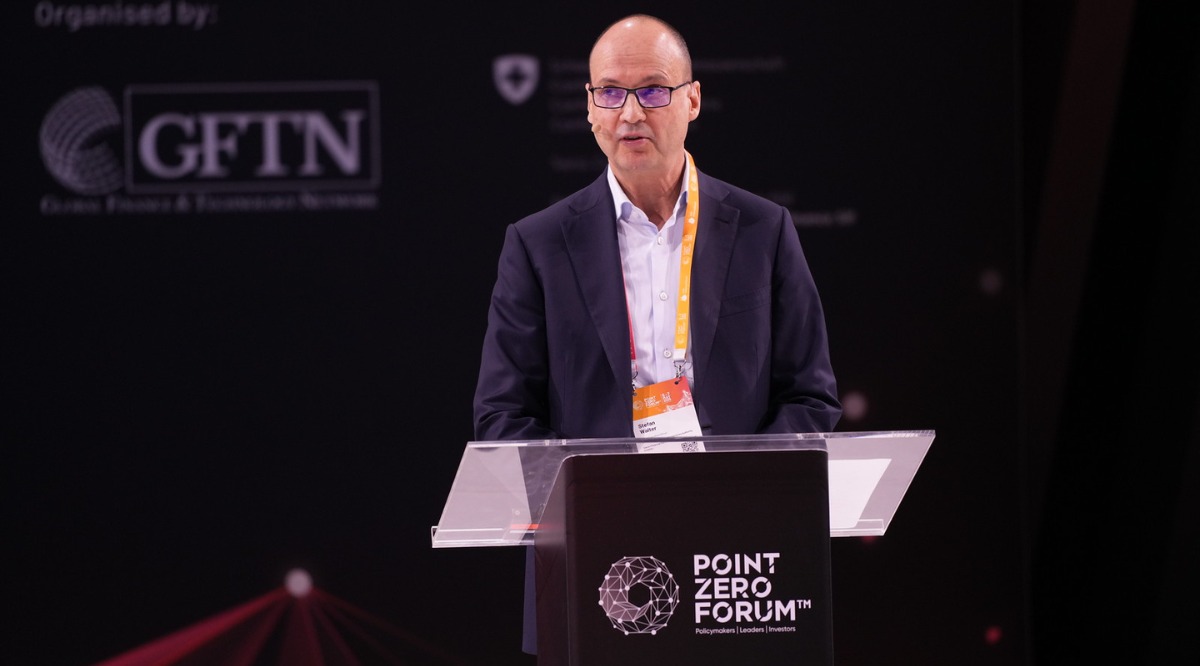
Steve Smart, Joint ED of Enforcement and Market Oversight, Source: FCA
“Barclays'
misconduct was serious and meant investors did not have all the information
they should have had,” said Steve Smart, joint executive director of
enforcement and market oversight at the FCA. “However, the events took place
over 16 years ago, and we recognize that Barclays is a very different
organization today, having implemented change across the business. It is
important that listed firms provide investors with the information they need.”
The
resolution comes after a separate criminal case against Barclays and its former
executives collapsed. Former Barclays Chief Executive Officer John Varley,
former Middle East investment banking chairman Roger Jenkins, former executive
Thomas Kalaris, former European head of financial institutions Richard Boath,
and Barclays itself were facing charges from the Serious Fraud Office (SFO)
following a five-year investigation into their roles in this deal.
“Barclays announces that it has agreed with the FCA to withdraw its references to the Upper Tribunal of the Decision Notices regarding Barclays and Barclays Bank PLC concerning the 2008 capital raisings, first published by the FCA on 23 September 2022,” the company commented on an official statement.
None of the current Barclays Board members or senior management were involved in the incidents outlined in the FCA's notices. According to the regulator, the latest executive leadership has substantially improved Barclays' systems and controls.
“In view of the time elapsed since the events, Barclays wishes to draw a
line under the issues referred to in the Decision Notices and has
decided not to contest the Decision Notices further,” the company added. “Barclays does not
accept the findings of the Decision Notices, and this has been
acknowledged by the FCA. Notwithstanding the difference of view,
Barclays has concluded that the interests of the Bank, its shareholders
and other stakeholders are best served by withdrawing the References.
A provision in respect of the financial penalty imposed by the FCA was
taken in 2022, and there is no material financial impact on Barclays.”
One of the Largest FCA
Settlements Recently
Barclays'
settlement and agreement to pay £40 million stands out as one of the most
significant FCA cases in recent years. Just two
months ago, Finance Magnates reported that the UK regulator imposed a
£16.7 million fine on Metro Bank for major deficiencies in its anti-money
laundering controls, which left over £51 billion in transactions insufficiently
monitored over a four-year period.
Metro
Bank's fine could have been £23.8 million, but the bank received a 30%
reduction for resolving the matter early. Since then, Metro Bank has
implemented new measures to address the identified weaknesses and improve its
financial crime controls. Despite the discount, the fine remains one of the
largest in 2024, surpassed only by penalties issued to Starling Bank in
September (£29 million) and Citigroup in May (£28 million).
“Metro's
failings risked a gap being left in our defense against the criminal misuse of
our financial system,” commented Therese Chambers, joint executive director of
enforcement and market oversight. “Those failings went on for too long.”
Barclays
has agreed to pay a £40 million ($50 million) fine to the UK's Financial
Conduct Authority (FCA) for failing to properly disclose arrangements with
Qatari investors during its emergency fundraising efforts amid the 2008
financial crisis.
Barclays Settles 2008
Qatar Disclosure Case with £40M FCA Fine
The
settlement marks the end of a prolonged regulatory battle that began in 2013
when the FCA first issued warning notices against the UK banks, namely Barclays plc and Barclays Bank plc. The fine was
reduced from an initially proposed £50 million after Barclays withdrew its
appeal to the Upper Tribunal.
The case
centered on Barclays' failure to disclose payments totaling £322 million to
Qatari entities under two advisory agreements directly tied to their
participation in the bank's June and October 2008 capital raisings. These
undisclosed payments effectively doubled and tripled the actual costs of Qatari
participation in the respective fundraising rounds.
Steve Smart, Joint ED of Enforcement and Market Oversight, Source: FCA
“Barclays'
misconduct was serious and meant investors did not have all the information
they should have had,” said Steve Smart, joint executive director of
enforcement and market oversight at the FCA. “However, the events took place
over 16 years ago, and we recognize that Barclays is a very different
organization today, having implemented change across the business. It is
important that listed firms provide investors with the information they need.”
The
resolution comes after a separate criminal case against Barclays and its former
executives collapsed. Former Barclays Chief Executive Officer John Varley,
former Middle East investment banking chairman Roger Jenkins, former executive
Thomas Kalaris, former European head of financial institutions Richard Boath,
and Barclays itself were facing charges from the Serious Fraud Office (SFO)
following a five-year investigation into their roles in this deal.
“Barclays announces that it has agreed with the FCA to withdraw its references to the Upper Tribunal of the Decision Notices regarding Barclays and Barclays Bank PLC concerning the 2008 capital raisings, first published by the FCA on 23 September 2022,” the company commented on an official statement.
None of the current Barclays Board members or senior management were involved in the incidents outlined in the FCA's notices. According to the regulator, the latest executive leadership has substantially improved Barclays' systems and controls.
“In view of the time elapsed since the events, Barclays wishes to draw a
line under the issues referred to in the Decision Notices and has
decided not to contest the Decision Notices further,” the company added. “Barclays does not
accept the findings of the Decision Notices, and this has been
acknowledged by the FCA. Notwithstanding the difference of view,
Barclays has concluded that the interests of the Bank, its shareholders
and other stakeholders are best served by withdrawing the References.
A provision in respect of the financial penalty imposed by the FCA was
taken in 2022, and there is no material financial impact on Barclays.”
One of the Largest FCA
Settlements Recently
Barclays'
settlement and agreement to pay £40 million stands out as one of the most
significant FCA cases in recent years. Just two
months ago, Finance Magnates reported that the UK regulator imposed a
£16.7 million fine on Metro Bank for major deficiencies in its anti-money
laundering controls, which left over £51 billion in transactions insufficiently
monitored over a four-year period.
Metro
Bank's fine could have been £23.8 million, but the bank received a 30%
reduction for resolving the matter early. Since then, Metro Bank has
implemented new measures to address the identified weaknesses and improve its
financial crime controls. Despite the discount, the fine remains one of the
largest in 2024, surpassed only by penalties issued to Starling Bank in
September (£29 million) and Citigroup in May (£28 million).
“Metro's
failings risked a gap being left in our defense against the criminal misuse of
our financial system,” commented Therese Chambers, joint executive director of
enforcement and market oversight. “Those failings went on for too long.”
Damian Chmiel is a Senior Analyst & Editor at Finance Magnates with more than 15 years of experience in the CFD and online trading industry. Active as both a trader and journalist since 2010, he focuses on broker coverage, fintech innovation, and regulatory developments across Europe, the Middle East, and Asia.
His work includes interviews with C-level leaders at major brokerages and fintech platforms, as well as co-authoring Finance Magnates’ quarterly industry benchmarking reports. Damian’s reporting is data-driven, market-aware, and grounded in direct industry engagement. His analysis and commentary have also been cited by external media outlets, including Investing.com, Binance, The Asset, Stockhead, and Dispatch.
Education:
MA in Finance and Accounting, Cracow University of Economics
MetaTrader 5 Brokers Gain Direct Access to Vantage Liquidity via MetaQuotes’ Ultency
FP Markets Winner Spotlight 🏆 | Global Broker of the Year 2025 #Trading #Broker #Innovation #Shorts
FP Markets Winner Spotlight 🏆 | Global Broker of the Year 2025 #Trading #Broker #Innovation #Shorts
FP Markets takes the spotlight as Global Broker of the Year 2025 at the Finance Magnates Awards.
Martin Stoilov, Head of Client Experience, shares that trust, innovation, and people played a key role in the company’s success, supported by a strong foundation of integrity and client-centricity.
Following this milestone, FP Markets continues to focus on growth, technology investment, and its core values of transparency and excellence.
👉 Be part of FM Awards 2026: https://awards.financemagnates.com/#nominate
FP Markets takes the spotlight as Global Broker of the Year 2025 at the Finance Magnates Awards.
Martin Stoilov, Head of Client Experience, shares that trust, innovation, and people played a key role in the company’s success, supported by a strong foundation of integrity and client-centricity.
Following this milestone, FP Markets continues to focus on growth, technology investment, and its core values of transparency and excellence.
👉 Be part of FM Awards 2026: https://awards.financemagnates.com/#nominate
In this video, we review @HolaPrimeMarketsOfficial, a multi-asset forex and CFDs broker offering different account types, trading platforms, and flexible trading conditions.
We cover the broker’s overall offering, including account options, trading environment, platforms like MT4 and MT5, and additional services such as managed accounts and fast withdrawals.
Watch the full video to see if Hola Prime Markets fits your trading needs.
📣 Stay up to date with the latest in finance and trading. Follow Finance Magnates for industry news, insights, and global event coverage.
Connect with us:
🔗 LinkedIn: /financemagnates
👍 Facebook: /financemagnates
📸 Instagram: https://www.instagram.com/financemagnates
🐦 X: https://x.com/financemagnates
🎥 TikTok: https://www.tiktok.com/tag/financemagnates
▶️ YouTube: /@financemagnates_official
#HolaPrime #ForexBroker #CFDTrading #FinanceMagnates #Trading #Forex #BrokerReview
In this video, we review @HolaPrimeMarketsOfficial, a multi-asset forex and CFDs broker offering different account types, trading platforms, and flexible trading conditions.
We cover the broker’s overall offering, including account options, trading environment, platforms like MT4 and MT5, and additional services such as managed accounts and fast withdrawals.
Watch the full video to see if Hola Prime Markets fits your trading needs.
📣 Stay up to date with the latest in finance and trading. Follow Finance Magnates for industry news, insights, and global event coverage.
Connect with us:
🔗 LinkedIn: /financemagnates
👍 Facebook: /financemagnates
📸 Instagram: https://www.instagram.com/financemagnates
🐦 X: https://x.com/financemagnates
🎥 TikTok: https://www.tiktok.com/tag/financemagnates
▶️ YouTube: /@financemagnates_official
#HolaPrime #ForexBroker #CFDTrading #FinanceMagnates #Trading #Forex #BrokerReview
Hola Prime Review: What You Need to Know | Full Breakdown by Finance Magnates
Hola Prime Review: What You Need to Know | Full Breakdown by Finance Magnates
In this video, we review @HolaPrime_Global, a proprietary trading firm offering evaluation programs and performance-based payouts in simulated market environments.
We cover how the challenge model works, including account types, profit splits (up to 95%), trading rules, and what it takes to reach a funded account. You’ll also learn about available platforms like MT4, MT5, cTrader, and more, along with insights into payouts, support, and trading conditions.
Watch the full video to see if Hola Prime fits your trading style.
📣 Stay up to date with the latest in finance and trading. Follow Finance Magnates for industry news, insights, and global event coverage.
Connect with us:
🔗 LinkedIn: /financemagnates
👍 Facebook: /financemagnates
📸 Instagram: https://www.instagram.com/financemagnates
🐦 X: https://x.com/financemagnates
🎥 TikTok: https://www.tiktok.com/tag/financemagnates
▶️ YouTube: /@financemagnates_official
#HolaPrime #PropFirm #Trading #FinanceMagnates #Forex #FuturesTrading #TradingReview #PropFirmReview
In this video, we review @HolaPrime_Global, a proprietary trading firm offering evaluation programs and performance-based payouts in simulated market environments.
We cover how the challenge model works, including account types, profit splits (up to 95%), trading rules, and what it takes to reach a funded account. You’ll also learn about available platforms like MT4, MT5, cTrader, and more, along with insights into payouts, support, and trading conditions.
Watch the full video to see if Hola Prime fits your trading style.
📣 Stay up to date with the latest in finance and trading. Follow Finance Magnates for industry news, insights, and global event coverage.
Connect with us:
🔗 LinkedIn: /financemagnates
👍 Facebook: /financemagnates
📸 Instagram: https://www.instagram.com/financemagnates
🐦 X: https://x.com/financemagnates
🎥 TikTok: https://www.tiktok.com/tag/financemagnates
▶️ YouTube: /@financemagnates_official
#HolaPrime #PropFirm #Trading #FinanceMagnates #Forex #FuturesTrading #TradingReview #PropFirmReview
Axi Winner Spotlight 🏆 | Global Most Innovative Broker 2025 #Innovation #Trading #Fintech #Broker
Axi Winner Spotlight 🏆 | Global Most Innovative Broker 2025 #Innovation #Trading #Fintech #Broker
Axi takes the spotlight at the Finance Magnates Awards, winning Global Most Innovative Broker 2025.
Olivia Xenofontos and Ivanna Openko share how the team will feel: proud, motivated, and ready to keep delivering.
They also describe the night as well-organized, focused, and enjoyable for all.
👉 Be part of FM Awards 2026.
Axi takes the spotlight at the Finance Magnates Awards, winning Global Most Innovative Broker 2025.
Olivia Xenofontos and Ivanna Openko share how the team will feel: proud, motivated, and ready to keep delivering.
They also describe the night as well-organized, focused, and enjoyable for all.
👉 Be part of FM Awards 2026.
Recognition that matters.
Built on transparency.
Driven by the industry.
The Finance Magnates Awards 2026.
Nominations are now open.
🔗 https://awards.financemagnates.com/?utm_source=SM&utm_medium=social&utm_campaign=recognition-matters
Recognition that matters.
Built on transparency.
Driven by the industry.
The Finance Magnates Awards 2026.
Nominations are now open.
🔗 https://awards.financemagnates.com/?utm_source=SM&utm_medium=social&utm_campaign=recognition-matters