Cboe Gets Green Light to Break ASX's Grip on Australian Market

Tuesday, 07/10/2025 | 06:12 GMT by Damian Chmiel
  • The ASIC approval allows an alternative exchange to host IPOs and company listings for the first time.
  • The move aims to increase options for companies seeking capital and boost investment opportunities for local investors.
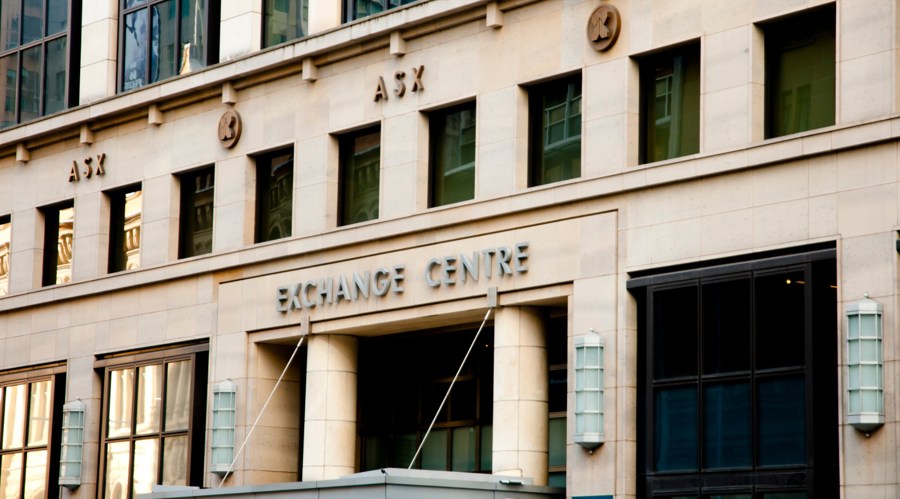
The ASX office in Sydney, Australia

Australia's securities regulator approved Cboe to list new companies on its platform, opening the door for the exchange to compete directly with the Australian Securities Exchange (ASX) in the primary listings market.

ASIC Greenlights Cboe Australia to List Companies, Challenging ASX Monopoly

The Australian Securities and Investments Commission (ASIC) granted Cboe's application this week, allowing the alternative trading venue to host initial public offerings and dual-listed foreign companies. The decision ends ASX's de facto monopoly on new company listings in the country's capital markets.

Cboe has operated in Australia since 2011 as a secondary market for trading ASX-listed securities. The exchange currently handles roughly 20% of the country's equity market turnover, processing nearly $2 billion in daily trades. Cboe Global Markets acquired the platform in 2021.

Joe Longo, the Chairman of ASIC

"Australia's capital markets are strong and resilient, but they must continue to adapt to evolving global market dynamics and meet the future needs of our economy," ASIC Chair Joe Longo said. He noted the change would give companies more listing venues and create additional investment options.

You may also like: IG Prime Adds Access to Australian Equities Market Data

Four Exchanges Now Compete for Listings

The approval brings Australia's total number of licensed listing markets to four. ASX continues to dominate the primary listings space, while smaller players National Stock Exchange of Australia and Sydney Stock Exchange also hold licenses. Cboe represents the first serious competitor with existing market infrastructure and trading volume to challenge ASX's position.

ASIC has pushed for increased competition in Australia's financial infrastructure over the past year. The regulator announced an IPO fast-track initiative in June and used new powers in February to force ASX to publish transparent fee comparisons with international clearing and settlement providers.

The regulator opened consultation on Cboe's application in August as part of broader efforts to examine capital market dynamics. ASIC released a progress update last month on initiatives aimed at strengthening both public and private markets.

Competition in equities trading has already reduced costs for investors since Cboe entered the secondary market over a decade ago. The exchange has focused particularly on exchange-traded funds, which now represent a significant portion of its product offerings under its existing Australian Market license.

Related stories: “It Is Deeply Disappointing That Regulators Need to Take These Actions Today”: RBA Governor Slams ASX

Questions Remain on Market Fragmentation

The approval, however, raises questions about how listing competition will affect market liquidity and whether smaller companies will benefit from additional options. ASX has held a near-monopoly on primary listings since the exchange was established, creating an entrenched ecosystem of advisors, brokers and institutional investors.

ASIC granted a clearing and settlement license to FinClear last September, which operates a platform for trading shares in private companies during intermittent events. The regulator continues to examine ways to connect public and private markets as companies increasingly delay going public.

The move aligns Australia with other developed markets where multiple exchanges compete for listings, though the country's relatively small market size compared to the United States or Europe may limit the number of viable competitors. ASX shares trade publicly and listing fees represent a material portion of the exchange's revenue.

Other ASX-related stories:

Australia's securities regulator approved Cboe to list new companies on its platform, opening the door for the exchange to compete directly with the Australian Securities Exchange (ASX) in the primary listings market.

ASIC Greenlights Cboe Australia to List Companies, Challenging ASX Monopoly

The Australian Securities and Investments Commission (ASIC) granted Cboe's application this week, allowing the alternative trading venue to host initial public offerings and dual-listed foreign companies. The decision ends ASX's de facto monopoly on new company listings in the country's capital markets.

Cboe has operated in Australia since 2011 as a secondary market for trading ASX-listed securities. The exchange currently handles roughly 20% of the country's equity market turnover, processing nearly $2 billion in daily trades. Cboe Global Markets acquired the platform in 2021.

Joe Longo, the Chairman of ASIC

"Australia's capital markets are strong and resilient, but they must continue to adapt to evolving global market dynamics and meet the future needs of our economy," ASIC Chair Joe Longo said. He noted the change would give companies more listing venues and create additional investment options.

You may also like: IG Prime Adds Access to Australian Equities Market Data

Four Exchanges Now Compete for Listings

The approval brings Australia's total number of licensed listing markets to four. ASX continues to dominate the primary listings space, while smaller players National Stock Exchange of Australia and Sydney Stock Exchange also hold licenses. Cboe represents the first serious competitor with existing market infrastructure and trading volume to challenge ASX's position.

ASIC has pushed for increased competition in Australia's financial infrastructure over the past year. The regulator announced an IPO fast-track initiative in June and used new powers in February to force ASX to publish transparent fee comparisons with international clearing and settlement providers.

The regulator opened consultation on Cboe's application in August as part of broader efforts to examine capital market dynamics. ASIC released a progress update last month on initiatives aimed at strengthening both public and private markets.

Competition in equities trading has already reduced costs for investors since Cboe entered the secondary market over a decade ago. The exchange has focused particularly on exchange-traded funds, which now represent a significant portion of its product offerings under its existing Australian Market license.

Related stories: “It Is Deeply Disappointing That Regulators Need to Take These Actions Today”: RBA Governor Slams ASX

Questions Remain on Market Fragmentation

The approval, however, raises questions about how listing competition will affect market liquidity and whether smaller companies will benefit from additional options. ASX has held a near-monopoly on primary listings since the exchange was established, creating an entrenched ecosystem of advisors, brokers and institutional investors.

ASIC granted a clearing and settlement license to FinClear last September, which operates a platform for trading shares in private companies during intermittent events. The regulator continues to examine ways to connect public and private markets as companies increasingly delay going public.

The move aligns Australia with other developed markets where multiple exchanges compete for listings, though the country's relatively small market size compared to the United States or Europe may limit the number of viable competitors. ASX shares trade publicly and listing fees represent a material portion of the exchange's revenue.

Other ASX-related stories:

About the Author: Damian Chmiel
Damian Chmiel
  • 3065 Articles
  • 96 Followers
About the Author: Damian Chmiel
Damian's adventure with financial markets began at the Cracow University of Economics, where he obtained his MA in finance and accounting. Starting from the retail trader perspective, he collaborated with brokerage houses and financial portals in Poland as an independent editor and content manager. His adventure with Finance Magnates began in 2016, where he is working as a business intelligence analyst.
  • 3065 Articles
  • 96 Followers

More from the Author

Institutional FX

!"#$%&'()*+,-./0123456789:;<=>?@ABCDEFGHIJKLMNOPQRSTUVWXYZ[\]^_`abcdefghijklmnopqrstuvwxyz{|} !"#$%&'()*+,-./0123456789:;<=>?@ABCDEFGHIJKLMNOPQRSTUVWXYZ[\]^_`abcdefghijklmnopqrstuvwxyz{|}